
Free visual inspection and a written scope of work before any mitigation begins - photos, moisture readings, and drying logs go in your claim file
The scope we write is the scope we bill. Anything new gets shown to you, in writing, before we touch it.
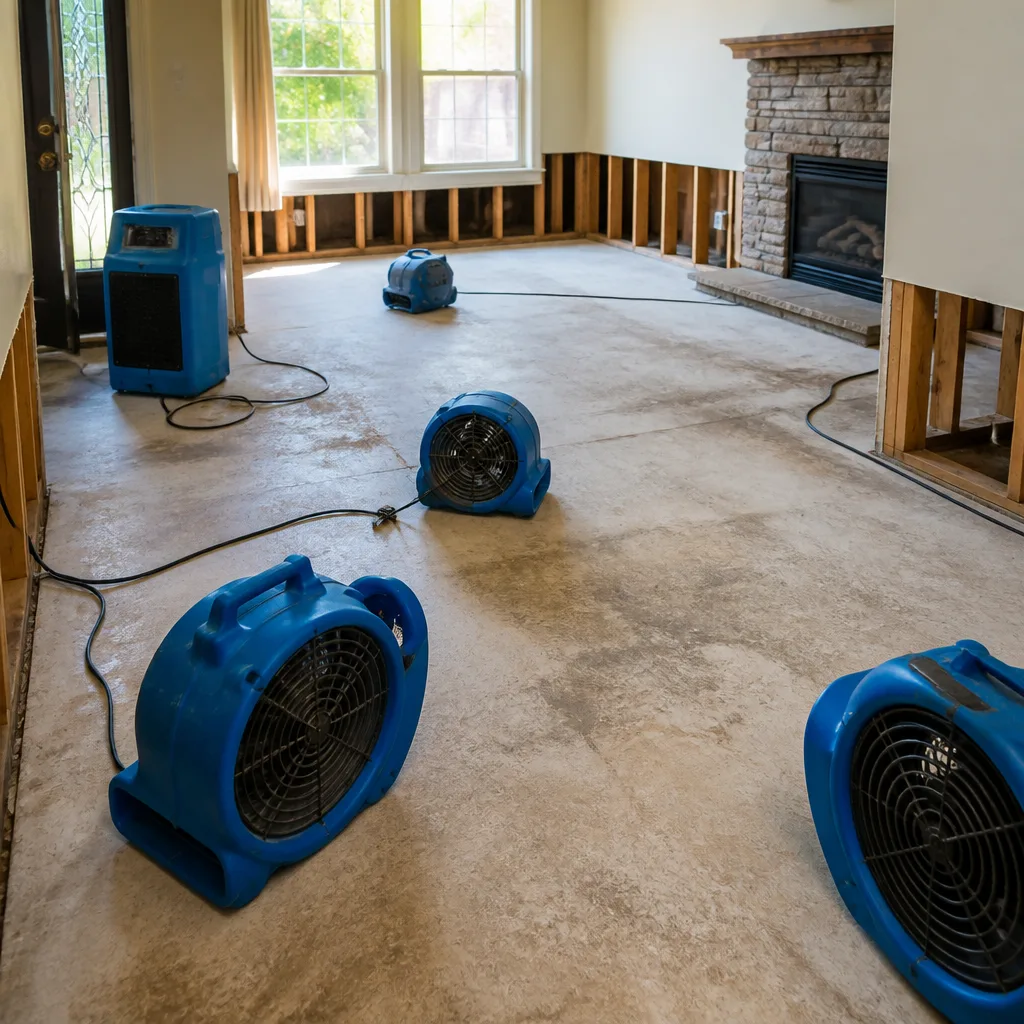
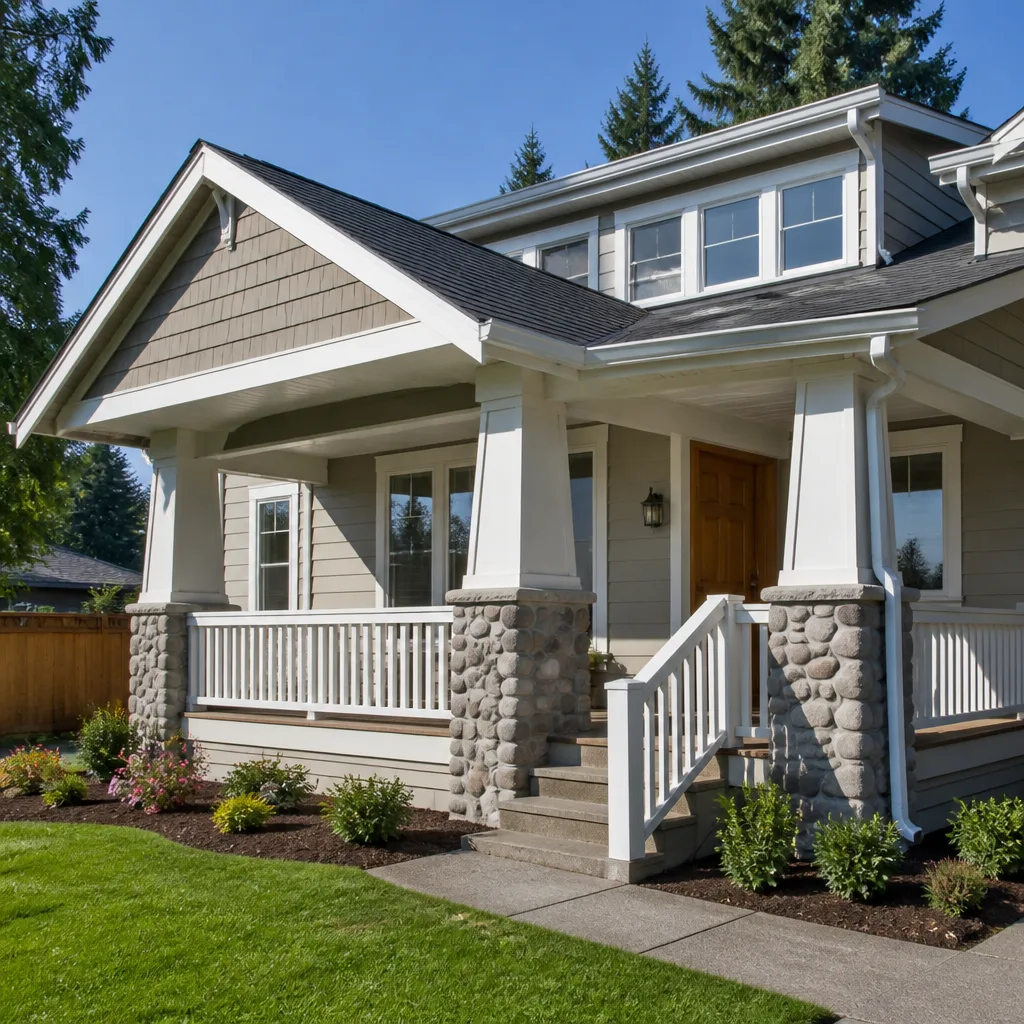
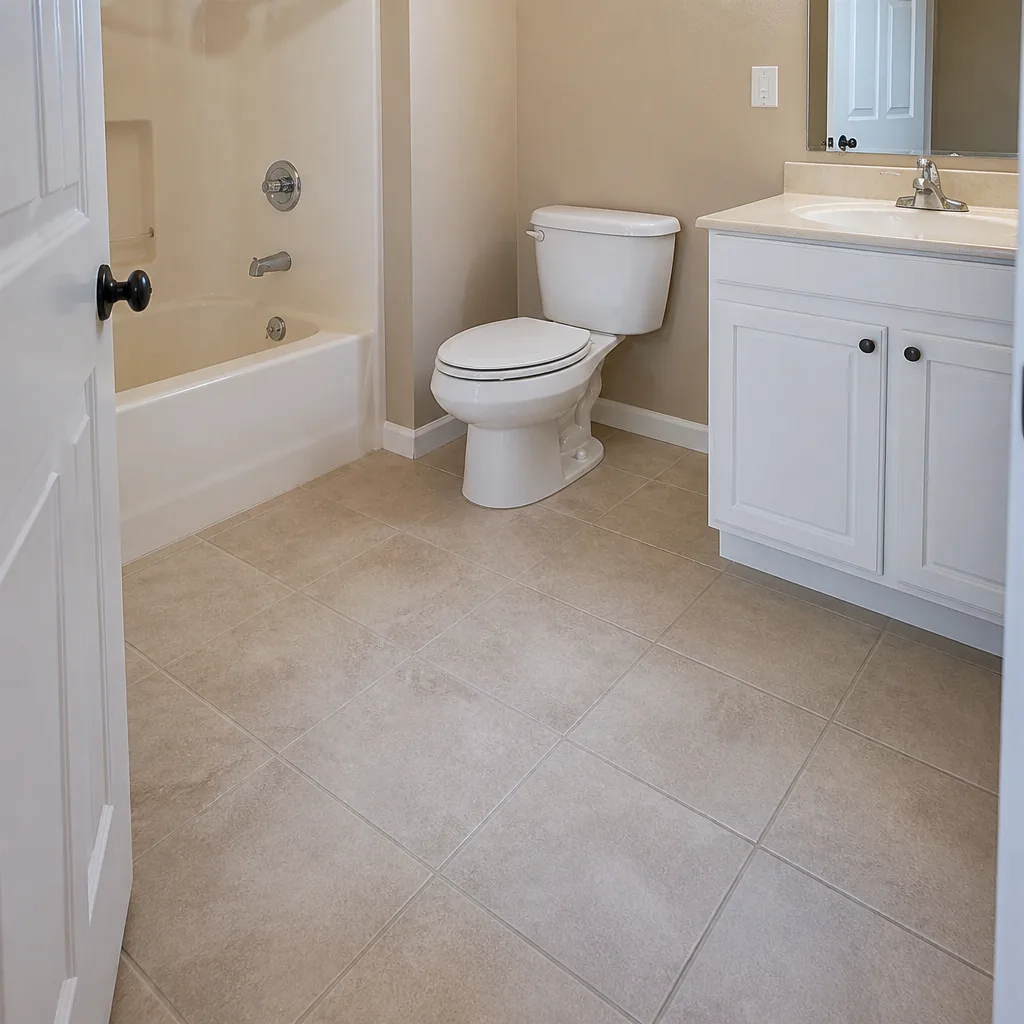
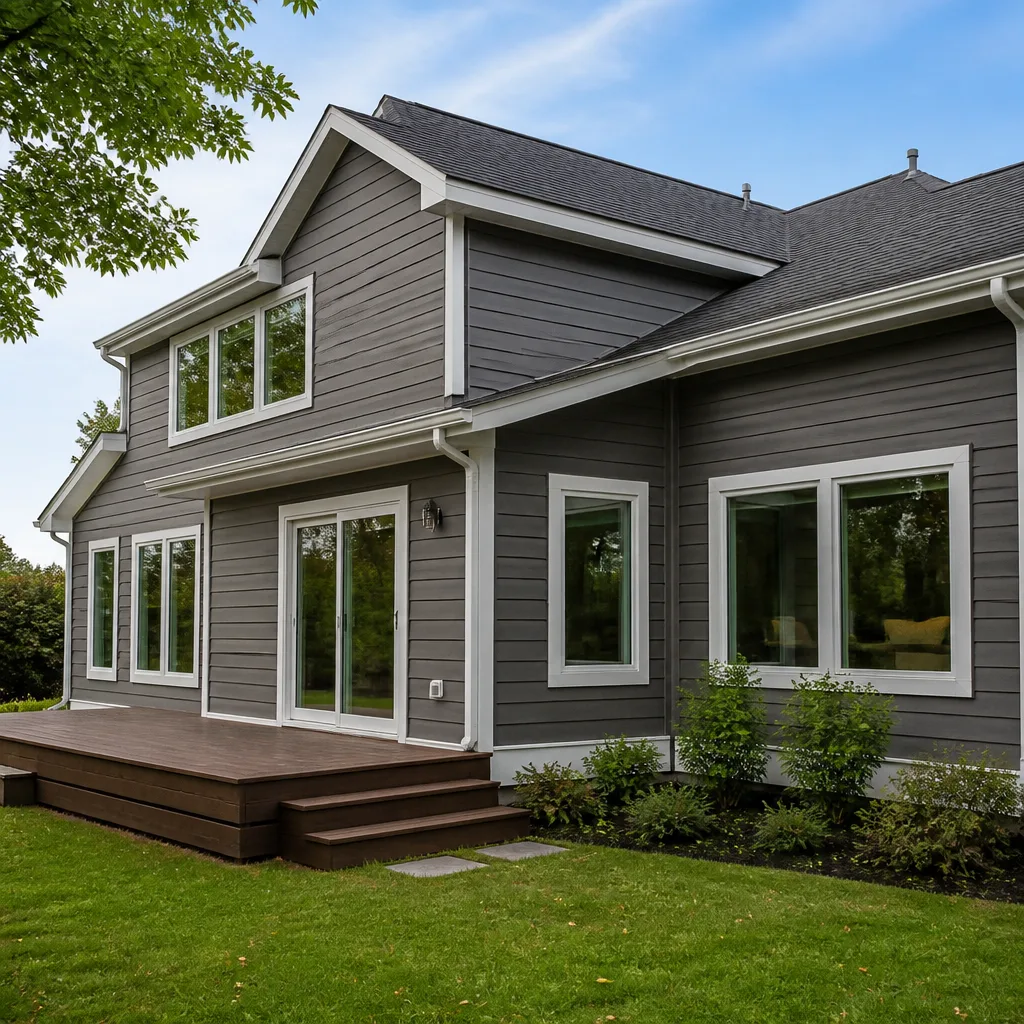
 Before
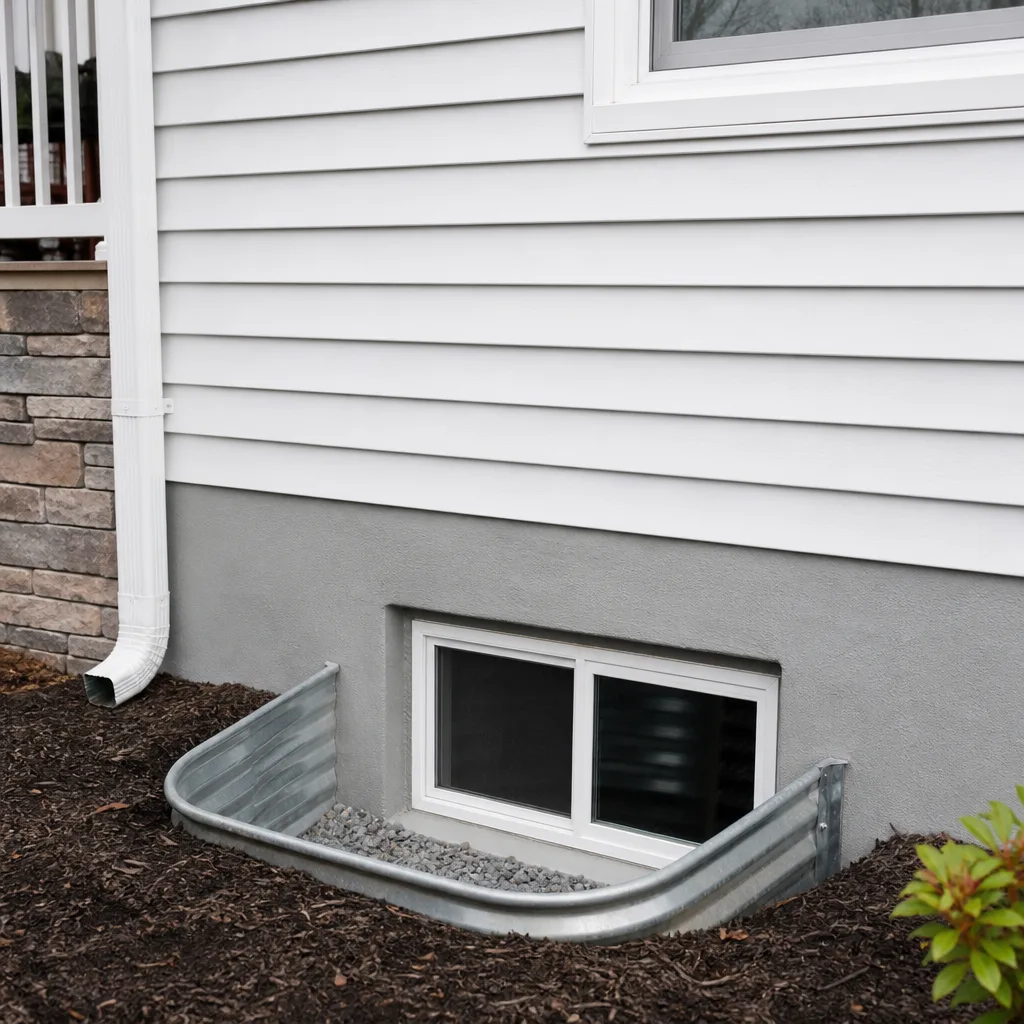 After
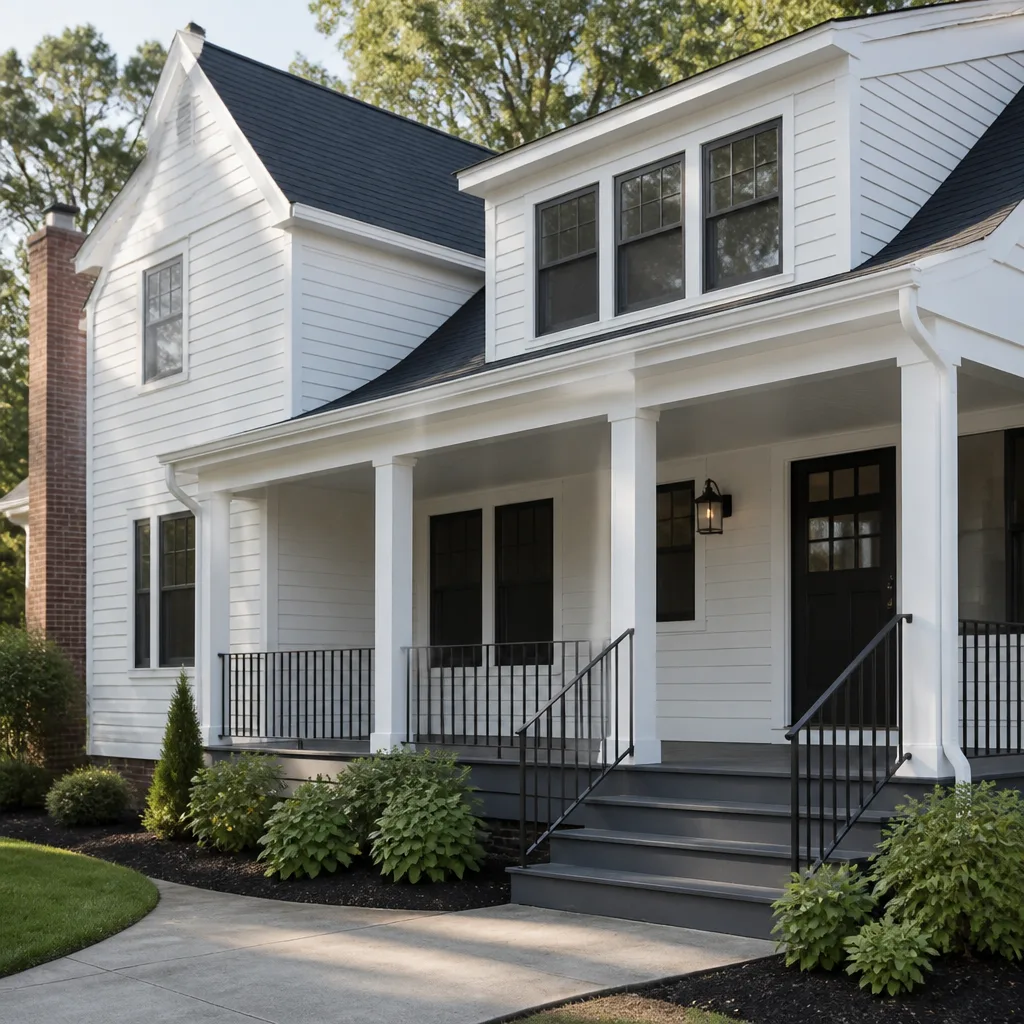
After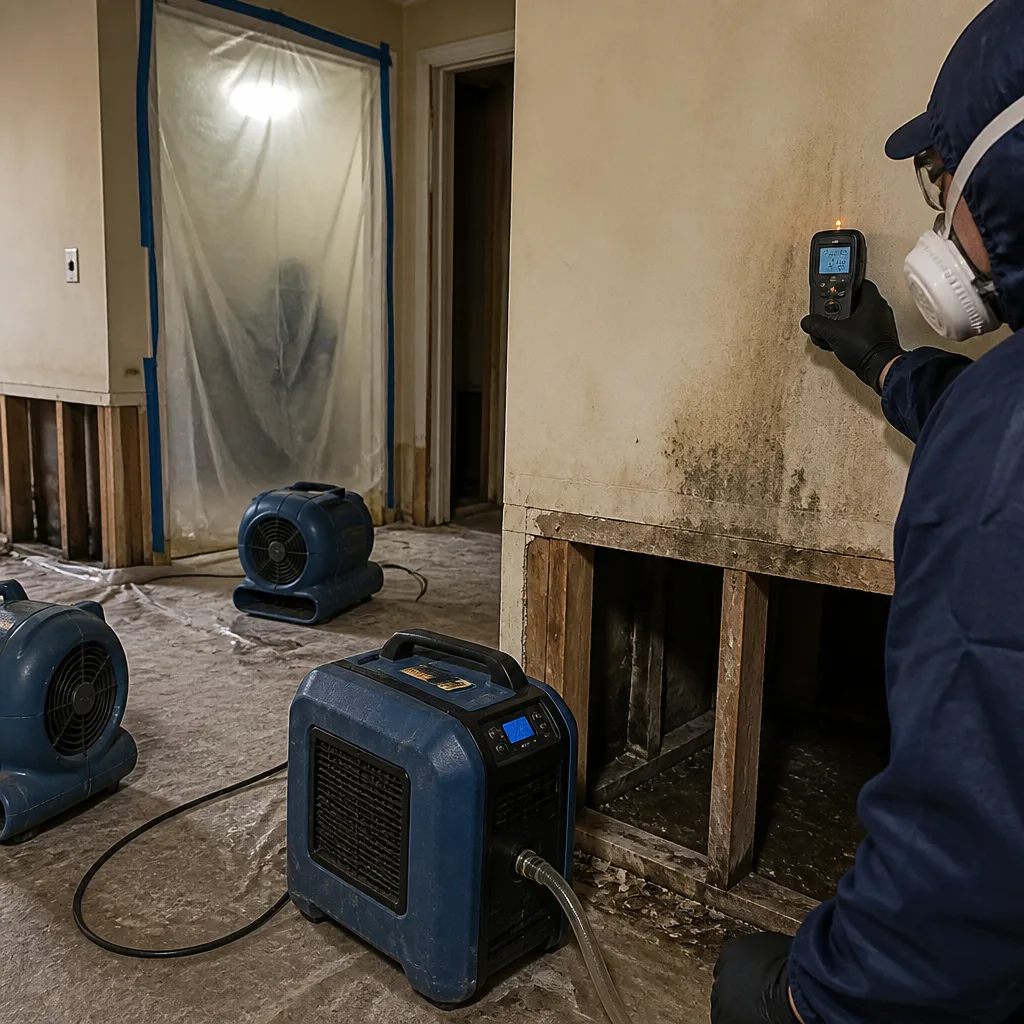 Before
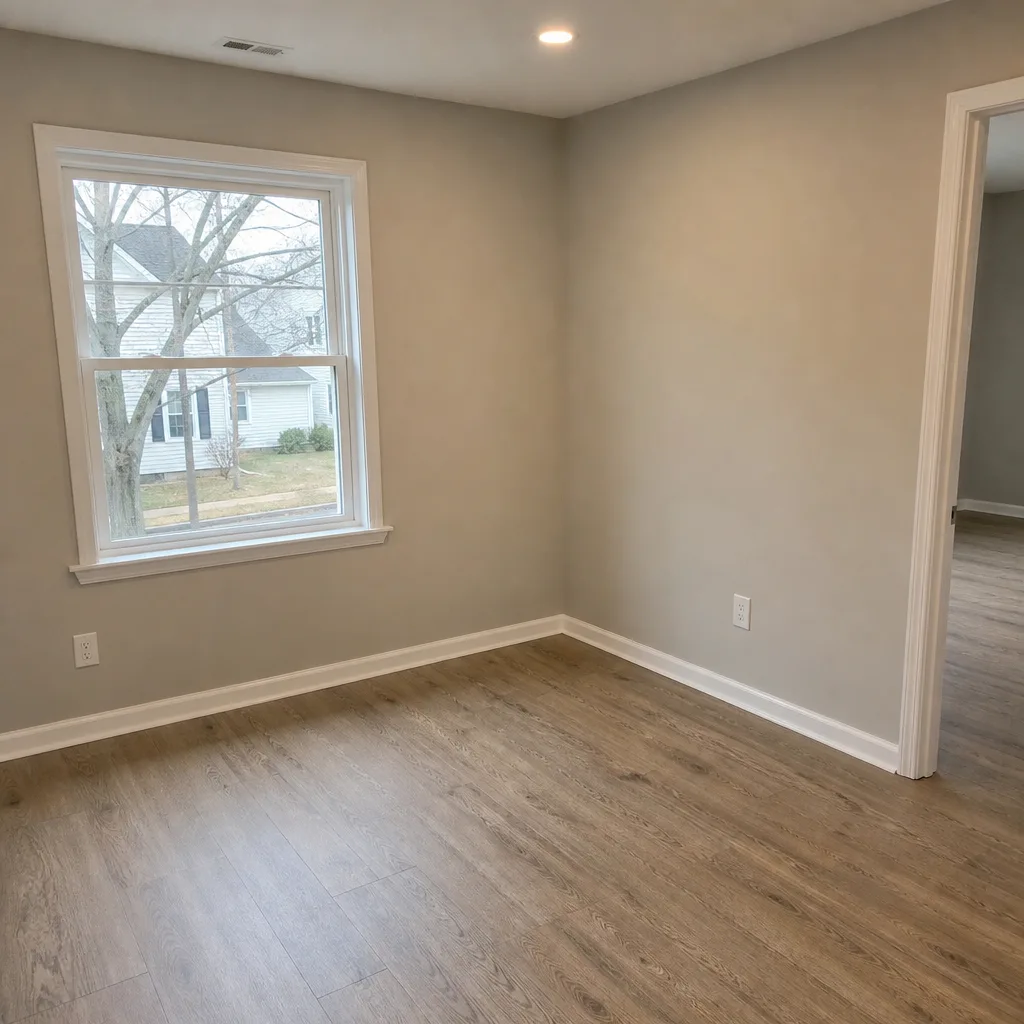 After
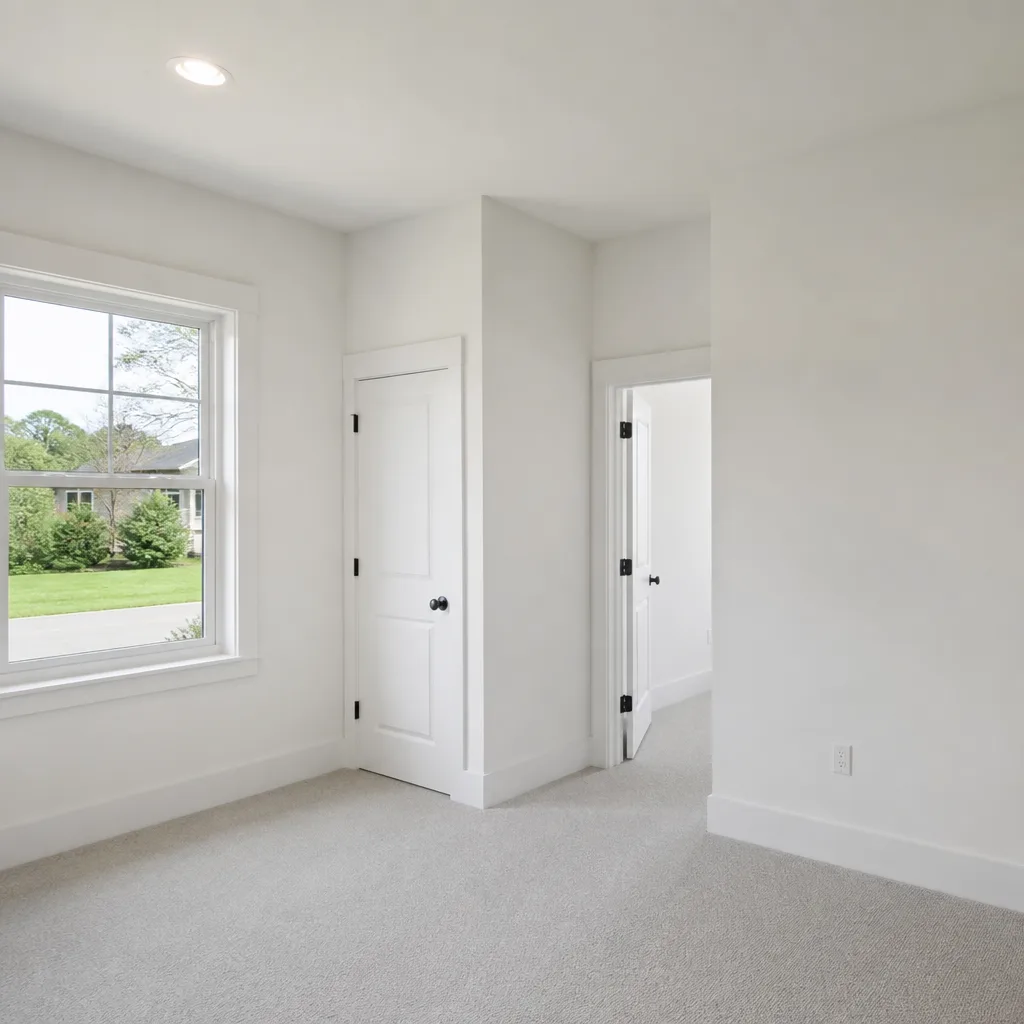
After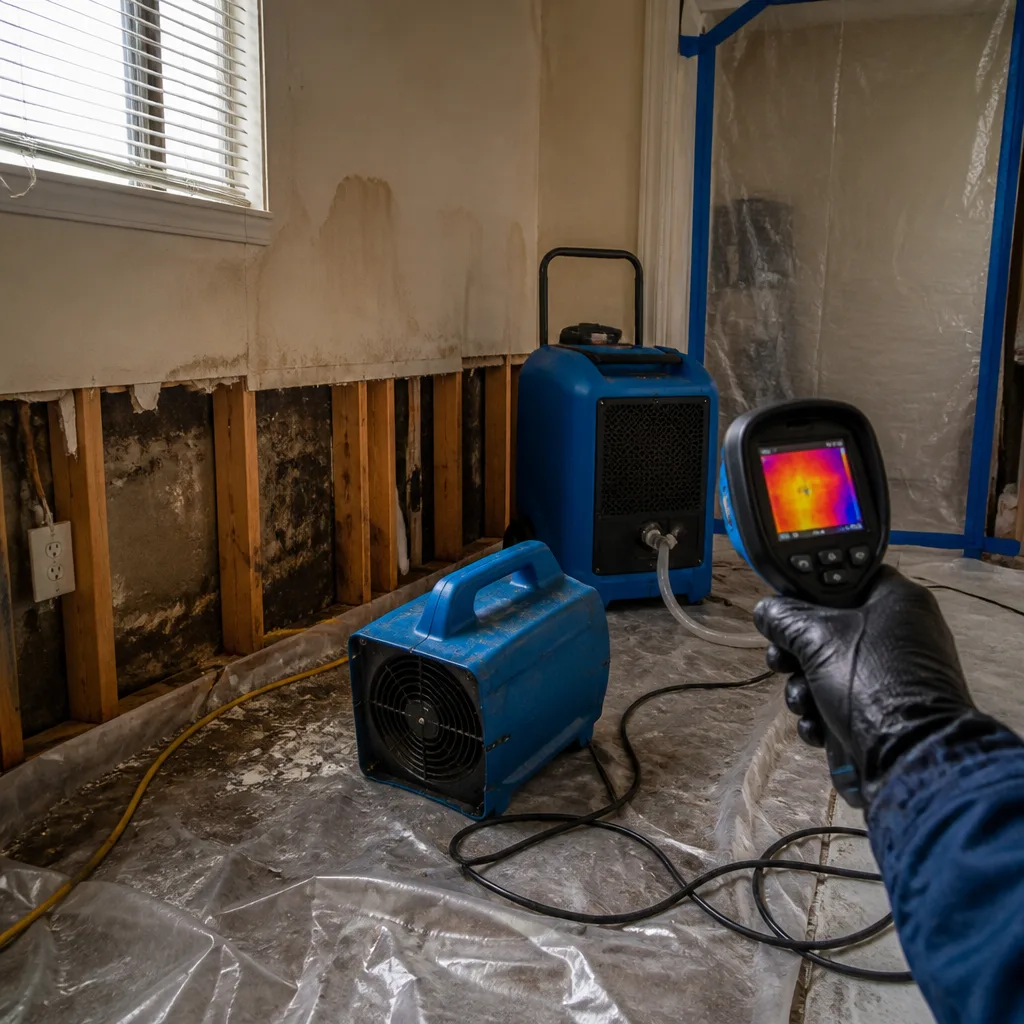 Before
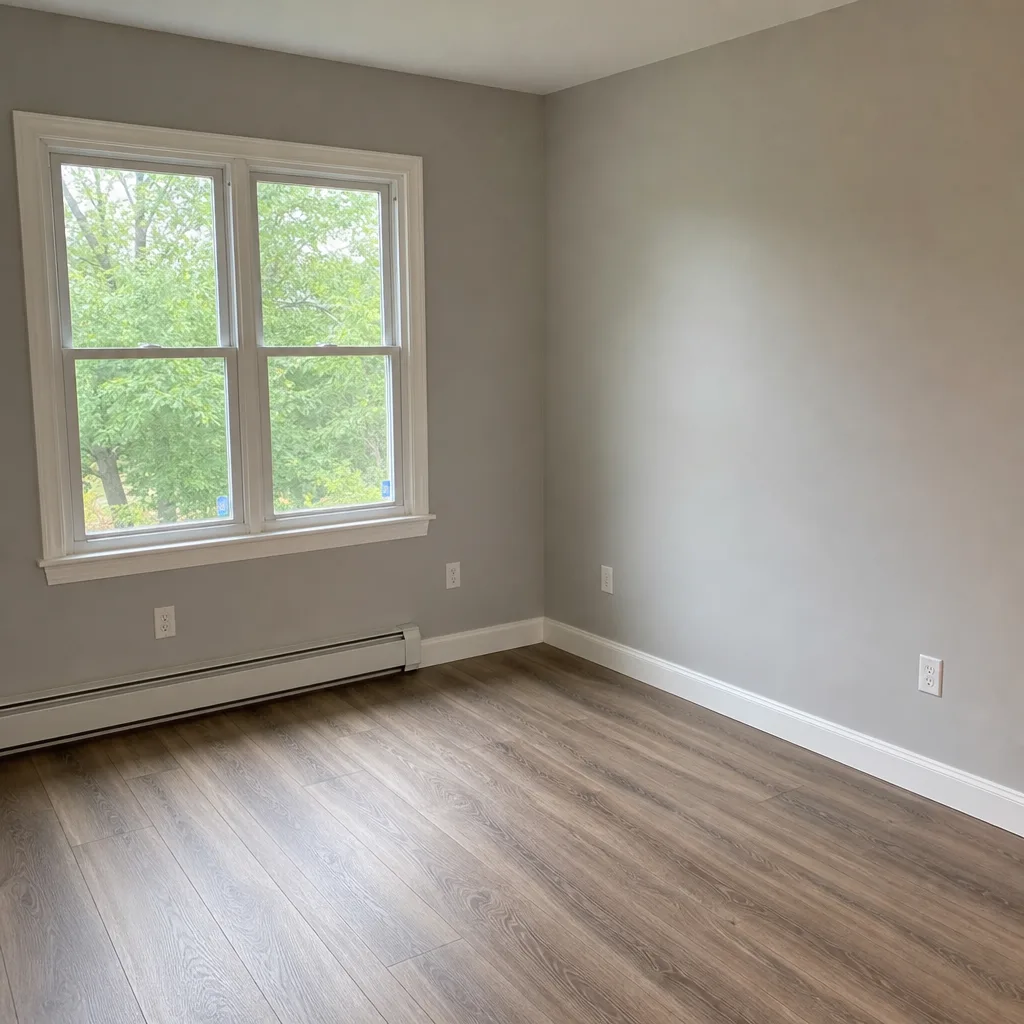 After
After24/7 Emergency Commercial Restoration in Garfield
Commercial restoration in Garfield means answering the Passaic River’s calendar, not the borough’s business hours. When floodwater crosses River Drive or a century-old supply line lets go at 2 a.m. in a three-story mixed-use building, the first call you make should reach a live dispatcher. Ours does. Floodline Restoration Co. has crews stationed to reach Garfield commercial properties fast, and we answer (640) 356-1140 with a person every hour of every day. The first hour after water intrusion decides whether you’re drying framing or replacing it. Call now and we’ll have a certified crew on site for a free visual inspection, with extraction equipment running on the first visit wherever conditions allow.
Understanding Commercial Restoration Severity in Garfield Properties
Severity in Garfield is rarely about the water alone. It’s about the building’s age and the water’s source. Category 1 water comes from clean supply lines, like a failed galvanized riser in a 1930s two-family storefront. Category 2 carries contamination from washing machines or sump overflow. Category 3 is what the Passaic delivers: sewage, fuel residue, river silt, and whatever the watershed carried downstream. That water is never dried in place. It’s cut out and disposed of. In Garfield’s 1920s-1950s wood-frame stock, moisture mapping isn’t optional. Plaster-and-lath walls with balloon-frame cavities can hold moisture at 20% or higher behind a surface that reads dry to the touch. That’s how Ida-era mold survived behind intact plaster for years. We use penetrating moisture meters and thermal imaging before a single air mover is placed, because drying a wall you haven’t mapped is just moving water around inside it.
Why Garfield Property Owners Choose Floodline Restoration Co.
- 45-minute response commitment. From the moment you call, a crew is moving toward your Garfield property. We commit to dispatch inside 45 minutes for emergencies.
- Live answer, 24/7. A dispatcher picks up at two in the morning. Not a recording. Not a callback queue. A person who can route a crew and start the insurance trail.
- IICRC-certified crews. Our technicians carry WRT, FSRT, and AMRT certifications and train to RIA and IFA standards. Background-checked, uniformed, and badged.
- Free visual inspection. Before any work is priced, we walk the property and tell you what we see. You get a written scope, not a verbal estimate you can’t hold.
- Direct insurance billing. We work with your carrier on the claim and bill them directly. You’re not playing messenger between a restoration crew and an adjuster.
- One team from extraction to reconstruction. The crew that dries your building is the same crew that rebuilds it. No mid-job handoff to a contractor you didn’t hire.
Our Commercial Restoration Process
Inspection & Assessment
We map moisture through every affected cavity with penetrating meters and thermal imaging. For Passaic overbank water, we categorize the loss correctly from the start: Category 3 means cut and dispose, not dry and pray.
Extraction & Stabilization
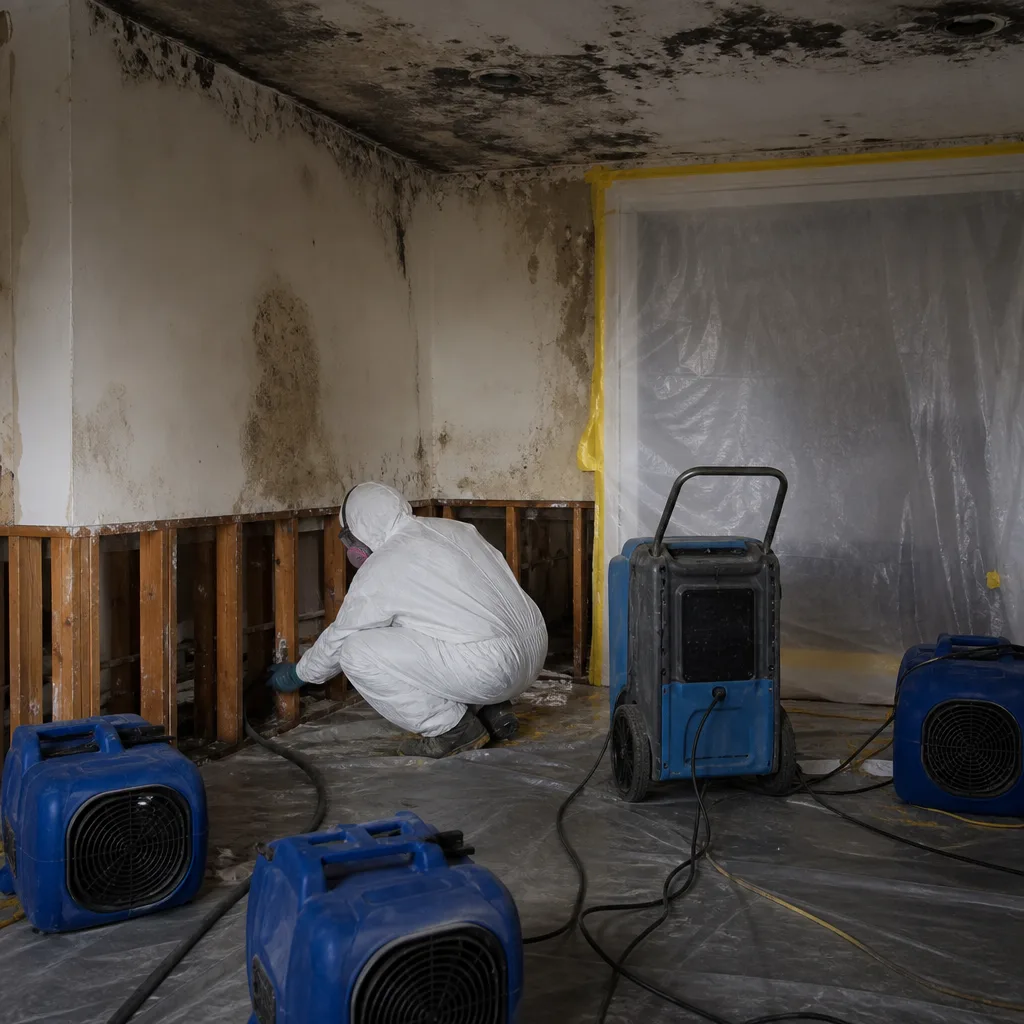
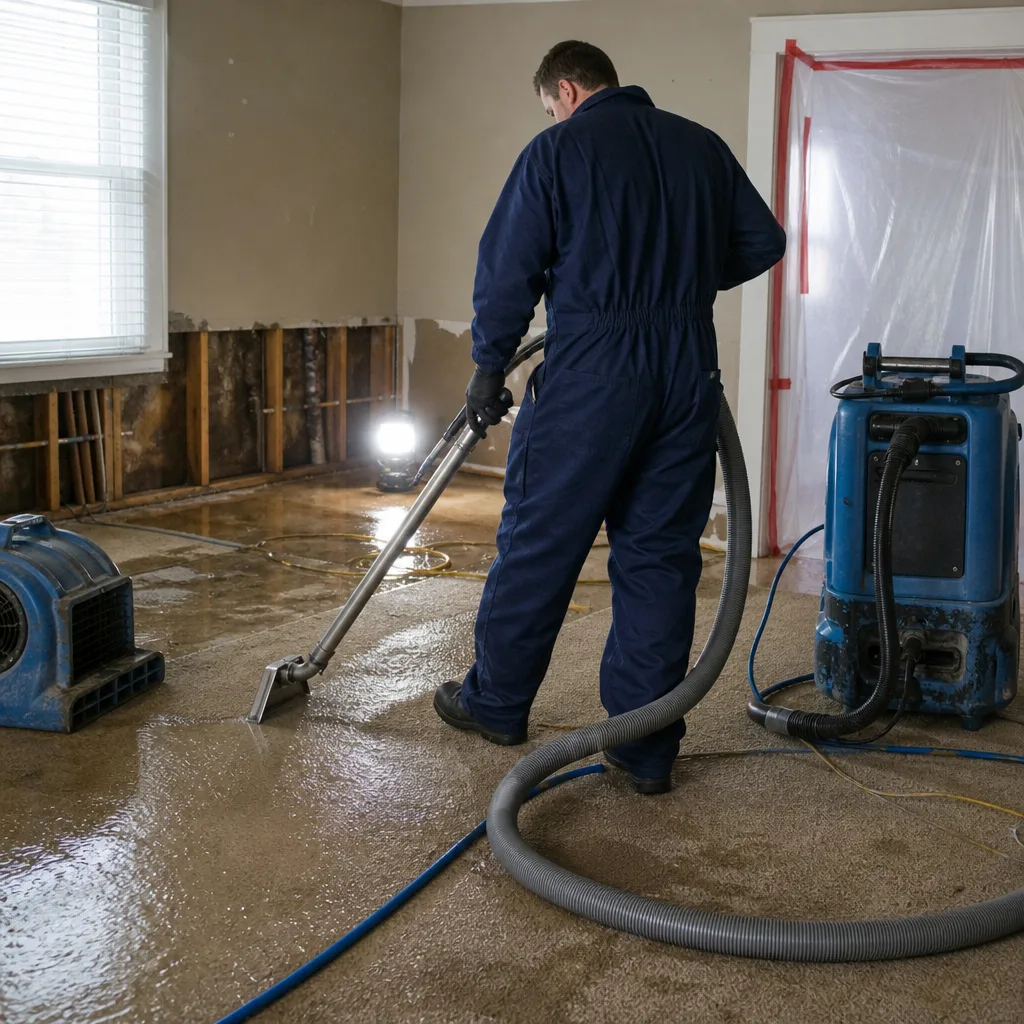
Standing water comes out with truck-mounted extraction. We shut down affected electrical where needed, brace compromised plaster, and contain the work area so contamination doesn’t migrate through open cavities.
Drying & Dehumidification
Dri-Eaz and B-Air air movers and desiccant or LGR dehumidifiers go in only after the moisture map tells us where they belong. Daily readings are logged until every stud bay and joist cavity hits dry standard.
Cleaning & Sanitization
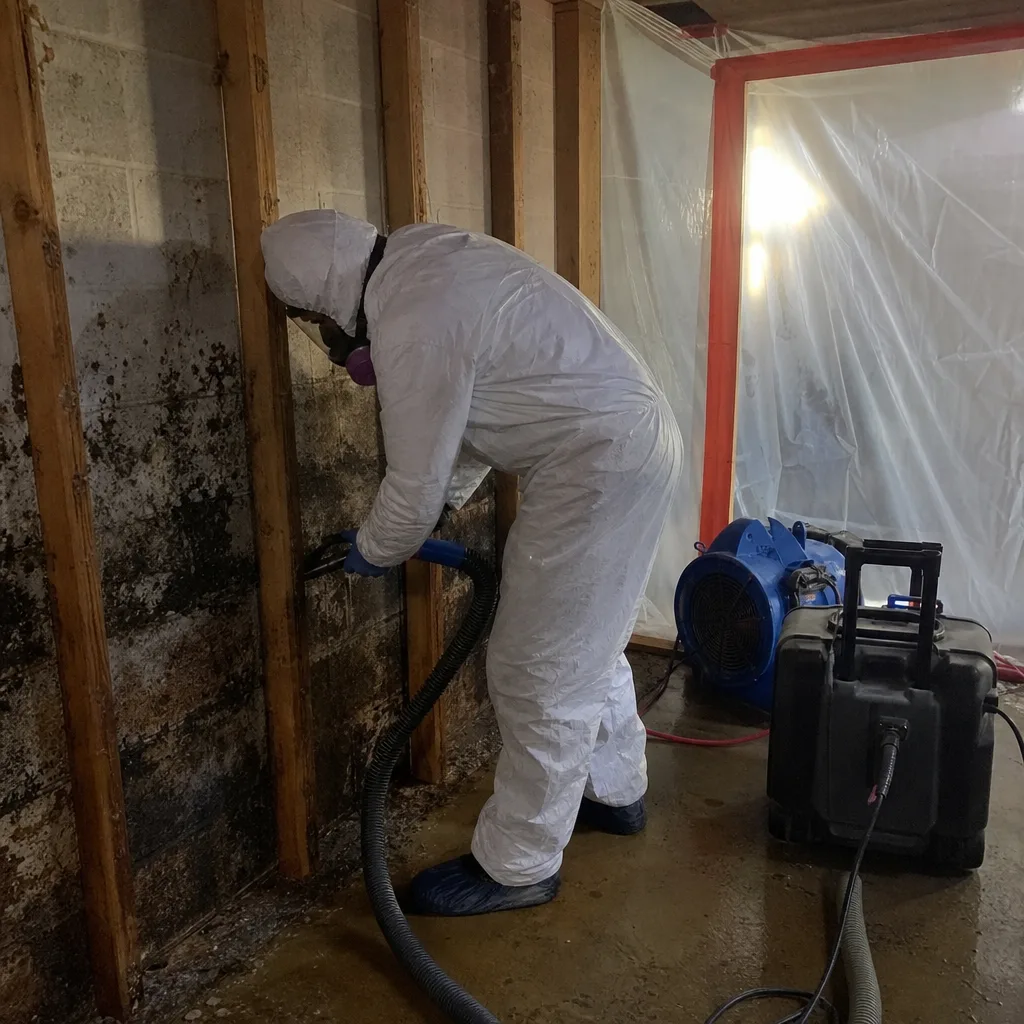
HEPA air scrubbers run during all demolition and cleaning. Every affected surface gets antimicrobial treatment appropriate to the water category, and we document what was treated and with what.
Plaster & Structural Assessment
In Garfield’s old buildings, we check balloon-frame fire-stops, cast-iron waste stacks, and original floor joists before rebuilding. Not every contractor opens these cavities. We do, because that’s where the damage hides.
Repairs & Restoration
The same crew that dried the building rebuilds it: drywall, plaster repair, flooring, paint, trim. The job isn’t done until the moisture log is signed and the space is ready for occupancy.
Need Emergency Commercial Restoration in Garfield Now?
Crews minutes away, answering live 24 hours a day. The sooner we start, the less it costs.
Working With Your Insurance Company
Flood claims on Passaic River properties are not simple, and Garfield owners know it. We document from the first hour: photos before anyone moves a thing, moisture readings, category classification, and a line-item scope that matches carrier standards. We handle adjuster calls directly and provide the signed drying log your carrier and the borough will want to see. The goal is a claim that settles without you proving the water was where we said it was. Our documentation does that. We also bill your insurer directly, which means you’re not financing someone else’s claim process on a personal credit line.
What We Provide Your Insurer
- Thorough documentation of the loss
- Photos of all damage, room by room
- Moisture readings and drying logs
- A detailed, line-item scope of work
- Direct coordination with your carrier
Built for Garfield’s Loss Calendar
Garfield’s restoration needs follow the Passaic watershed and the age of its buildings. January and February bring deep-freeze bursts in unheated commercial basements along Midland Avenue and Outwater Lane, where supply lines run through uninsulated masonry and let go at the fittings. Spring thaw pushes groundwater into full basements through hairline foundation cracks in the 100-year-old stock near the river. Summer thunderstorms drop two inches in an hour, and the combined sewer system backs up through floor drains in older storefronts. Hurricane season is when the river itself arrives, overtopping River Drive and Outwater Lane and turning first floors into standing water. That’s the season that separates Garfield from inland Bergen County towns. The water here comes from a watershed that starts far upstream. It arrives fast and it arrives dirty.
Commercial Restoration Across Garfield’s Neighborhoods
Near the Passaic River’s eastern bend, the blocks off River Drive and along the eastern edge of the borough see the deepest overbank flooding and the longest standing water. These are pre-war mixed-use buildings with first-floor retail and residential above; loss patterns here are almost always Category 3, and the scope nearly always expands once walls open. The commercial corridor along Midland Avenue, where storefronts sit shoulder-to-shoulder and share party walls, suffers most from vertical water migration through balloon-frame cavities, meaning one building’s broken pipe becomes a neighbor’s damp plaster. West of the tracks, toward the Saddle Brook line, buildings are slightly newer and better drained, but cast-iron waste stacks and older galvanized supply lines fail on schedule. The Outwater Lane commercial strip deals with both river proximity and the same aging infrastructure. Each area needs a different drying plan, not a different equipment list.
Specialized Commercial Restoration Services We Offer in Garfield
Multi-Unit & HOA Restoration
Garfield’s dense two- and three-family stock means water rarely respects unit lines. A roof leak over a third-floor apartment moves down through two tenancies before it pools in a ground-floor storefront. We set containment between units, map moisture across party walls and shared floor systems, and document the vertical path so every affected owner and the HOA understand the actual scope, not the initial visible one.
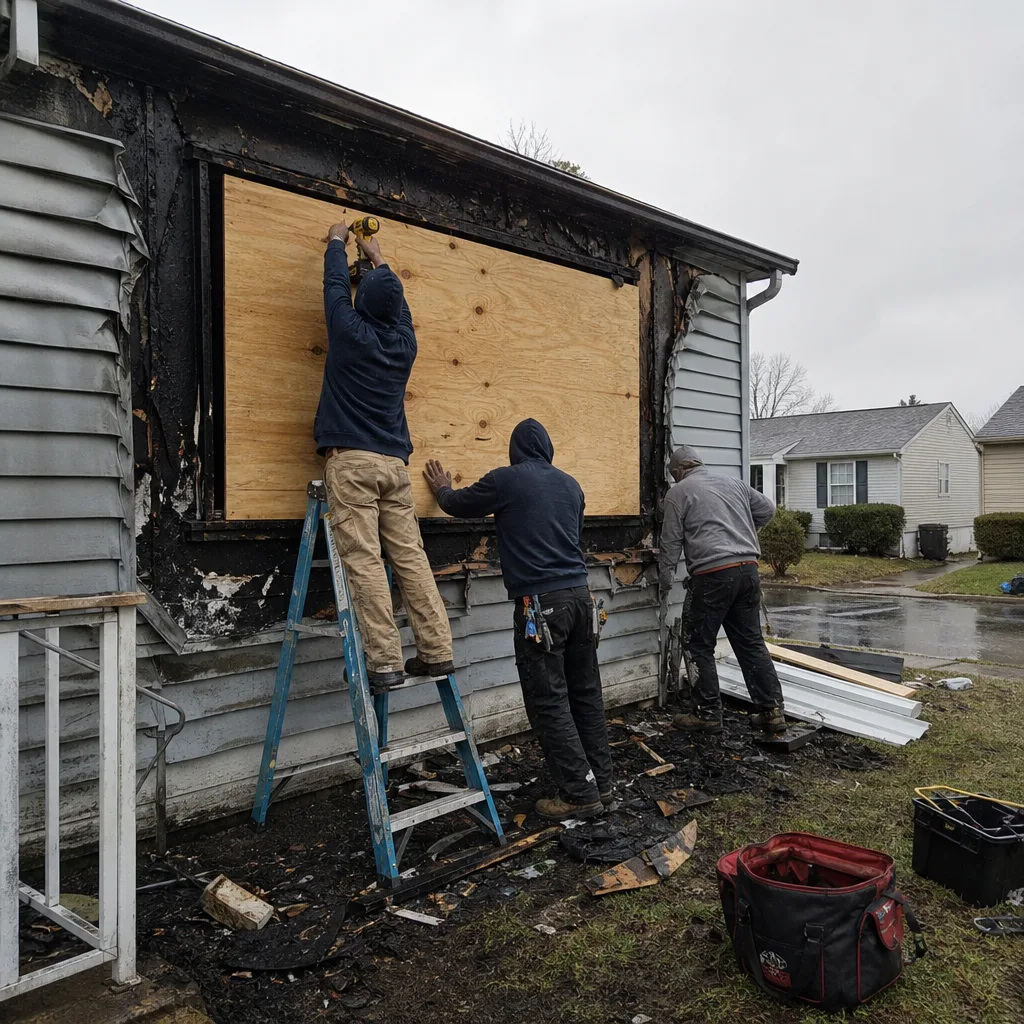
Large-Loss Response
When the Passaic overbanks, entire blocks take water at once, and single-unit thinking fails. We dispatch multiple crews with staged equipment for commercial buildings, streets, and mixed-use blocks, and we coordinate drying as a whole-structure project, not a floor-by-floor scramble. For Garfield building owners, that’s the difference between drying a basement and saving a building.
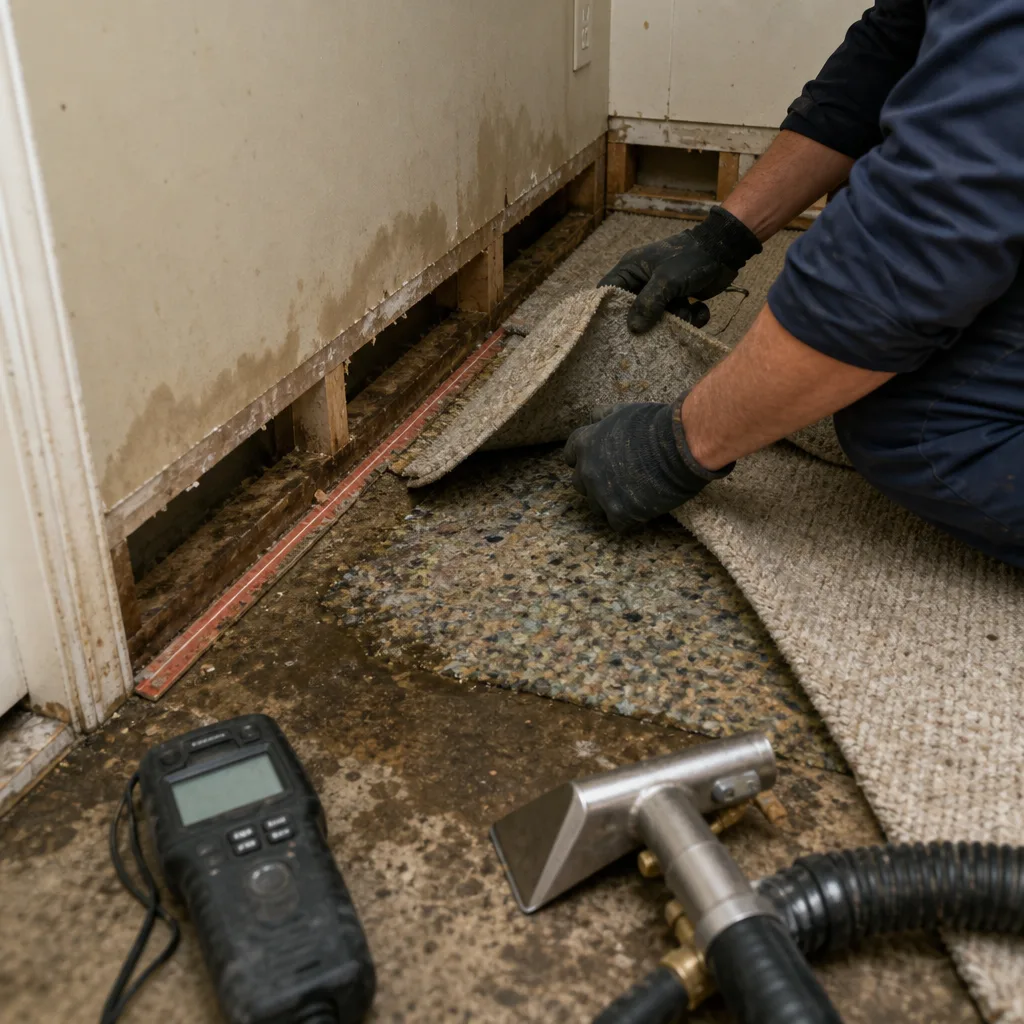
Business Interruption Minimization
Every day a storefront on Midland Avenue stays closed is revenue the owner never gets back. We stage commercial drying for the shortest realistic timeline: containment to keep affected areas isolated so other tenancies run, aggressive desiccant dehumidification for speed, and phased rebuild schedules that reopen occupied floors before the last detail is finished. Direct insurance billing keeps the cash-flow pressure off the owner while the claim moves.
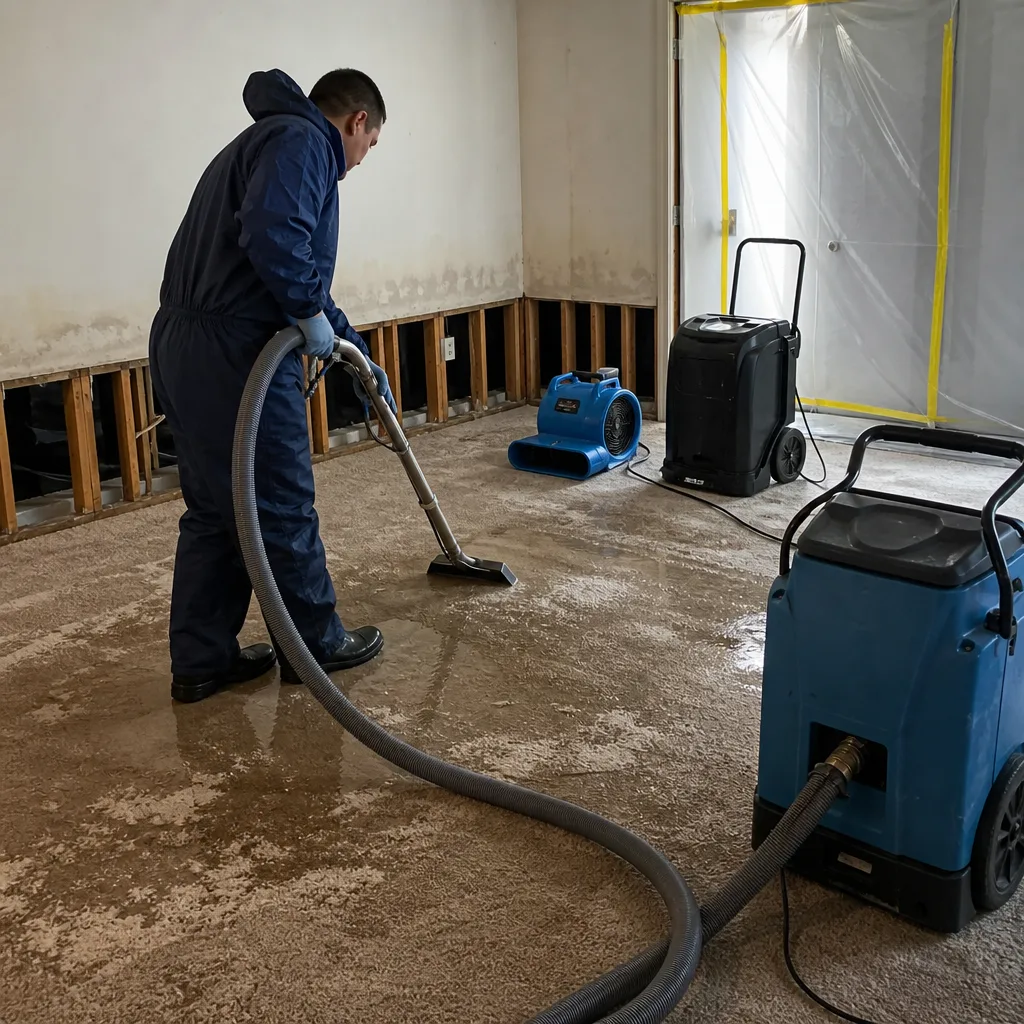
Office & Retail Restoration
Retail spaces in Garfield’s older buildings often share walls and floor systems with residential units. We treat the whole assembly: commercial surfaces, back-office records, inventory, and the structural frame behind them. Our document and inventory recovery process is built around moving fast on absorbent paper stock and electronics, which are typically the first things the river ruins and the last things insurance replaces.
Industrial Facility Cleanup
Garfield’s industrial pockets east of the tracks sit low and close to the river. We handle Category 3 floodwater, fuel residue, and chemical contamination in these facilities with the same moisture-mapped, documented approach, but with heavier containment and larger equipment. Anticipating the Passaic’s short warning window means industrial owners shouldn’t wait for the surge to arrive before they know who’s answering the phone.
What happens when you call
- 1
A real person answersNo phone trees - you reach a local pro.
- 2
You get an upfront price rangeHonest numbers before anyone is dispatched.
- 3
A background-checked tech heads outLicensed & insured, dispatched right away.
- 4
You approve before work beginsNothing starts until you say go.
Commercial Restoration Costs in Garfield, NJ
A typical commercial water extraction with structural drying in a Garfield storefront runs $3,200 to $6,800, depending on square footage, water category, and wall assembly. Plaster-and-lath walls in a 1920s mixed-use building dry slower than modern drywall, so drying costs skew toward the upper end here. Full remediation of a Category 3 surge in a 3,000-square-foot retail space with plaster removal, containment, structural drying, and rebuild commonly lands between $18,000 and $45,000. Industrial spaces larger than 10,000 square feet can exceed $100,000 when asbestos abatement or cast-iron replacement is involved. The free visual inspection gives you a written scope with a firm line-item number before you decide anything. Call (640) 356-1140 and we’ll walk the building with you.
We Also Serve Cities Near Garfield
Our crews respond daily in Lodi, Saddle Brook, Hasbrouck Heights, and Maywood, the same Garfield-based teams you’ll see on local commercial jobs. The Passaic floodplain doesn’t stop at the city line, and neither do we.
Garfield Commercial Restoration Questions, Answered
How fast can you start structural drying on a Garfield commercial property after a Passaic River surge?
We can have a crew on site within 45 minutes of your call and structural drying equipment running the same visit for most Garfield commercial properties. Our dispatchers answer live 24/7, and we stage crews and equipment ahead of forecast flood events, so response is measured in minutes when the river actually arrives. Call (640) 356-1140 and we’ll confirm dispatch while you’re still on the line.
Why do Garfield storefronts flood more severely than basements in neighboring towns?
Garfield sits directly on the Passaic River floodplain, and the river’s watershed funnels stormwater from a massive upstream area through this corridor. During nor’easters and tropical remnants, first-floor living spaces along River Drive and Outwater Lane take standing water, not just basements. Towns a few miles west in Bergen County are on higher ground and outside that watershed pressure. Flood call volumes in Garfield spike with every major storm event because the geography doesn’t move.
Can you dry a 1920s plaster-and-lath commercial wall in place, or does it have to come out?
If the water came from a clean source and the wall was mapped within the first 24-48 hours, we can sometimes dry it in place with Injectidry floor mats and desiccant dehumidification. If the water is Category 3, or if the plaster has been wet long enough to bond-fail, it comes out. We’ll show you the moisture readings that drive the decision, and we’ll never promise in-place drying a century-old plaster assembly when the math says otherwise.
Do you handle multi-tenant Garfield buildings where water damage crosses residential and commercial units?
Yes. This is one of the most common scenarios we see in Garfield’s dense two- and three-family stock with first-floor storefronts. We contain between tenancies, map moisture across party walls and shared balloon-frame cavities, and document each unit’s affected area separately for each owner and carrier. One crew handles the full vertical path so you’re not splicing together contractors who don’t coordinate.
How do you prevent pre-existing mold from Ida or Irene from contaminating a new Garfield commercial loss?
Before we put a single air mover in, we moisture-map every cavity, including the ones behind walls that look dry. If we find colonies left over from a prior flood, containment goes up, HEPA air scrubbing starts, and the affected material is removed under negative pressure before drying proceeds. That’s why flood scopes in Garfield routinely expand once demolition opens the walls. Our signed drying log documents what we found and what we did, which matters for the current claim and the next one.
How do Garfield commercial restoration costs compare to surrounding towns?
Costs in Garfield run slightly higher for plaster-and-lath assemblies than in newer-construction towns like Maywood or Hasbrouck Heights, because old-framing drying is slower and more equipment-intensive. The biggest cost driver is water category: Category 3 work requires disposal, containment, and antimicrobial treatment that Category 1 cleanup doesn’t. A typical storefront extraction and drying starts around $3,200; full remediation with rebuild commonly lands between $18,000 and $45,000 for 3,000 square feet or less.
How long does commercial drying take on a Garfield Passaic flood job?
Most Garfield commercial floods take 5 to 12 days of active drying, depending on water category and wall assembly. Plaster-and-lath over balloon framing holds moisture longer than modern drywall, and Passaic overbank water means demolition before drying starts. We take daily readings and hand you the moisture log when the structure hits dry standard, typically inside 10 days for the building shell.
What should I do in the first 30 minutes after floodwater enters my Garfield commercial property?
Cut power to any affected level if you can do it safely, move what’s movable away from the water, and call us at (640) 356-1140. Don’t enter standing water in a basement; river water may be hiding energized circuits. Take photos from the doorway before anything is moved. The first hour determines what dries and what gets cut out, so the call is the first thing on the list.
Serving Garfield, NJ - Our Local Coverage Area
We’re based in the Garfield area and know this community well. Use the map below to see our service coverage - if you’re nearby, we can almost certainly help.
The Garfield Restoration Advantage
On Garfield’s Passaic River blocks, commercial scopes routinely expand the moment demolition opens a wall. Our moisture mapping finds mold colonies from Ida or Irene that were never remediated because previous contractors didn’t log structural drying on the building’s century-old plaster-and-lath assemblies. We did a 1920s three-story retail/residential building off River Drive after a Category 3 surge. Penetrating moisture meters and thermal imaging showed water inside stud bays across three floors. We ran containment, Injectidry floor mats, and Dri-Eaz 2400 desiccant dehumidifiers for eleven days, replaced two cast-iron waste stacks, and treated every stud bay with antimicrobial before pack-out. The owner got a signed drying log with pre-loss condition documentation that satisfied both the borough and the building’s insurer. Our Commercial Restoration team has made this the standard on every Passaic job since.
Floodline Restoration Co. has been on the side of property owners since Curt Bowman founded the company in 2010. We built it around a dispatch board, not a sales desk, and we’re proud to serve the people and businesses of Garfield with the same crews from first extraction to finished rebuild. Calls are answered live around the clock at (640) 356-1140. If the river comes back, so do we. And if it’s not done right, we make it right. That’s the 90-Day Done Right Promise, in writing, on every job.
Written by Curt Bowman, Owner at Floodline Restoration Co., serving Garfield since day one.