
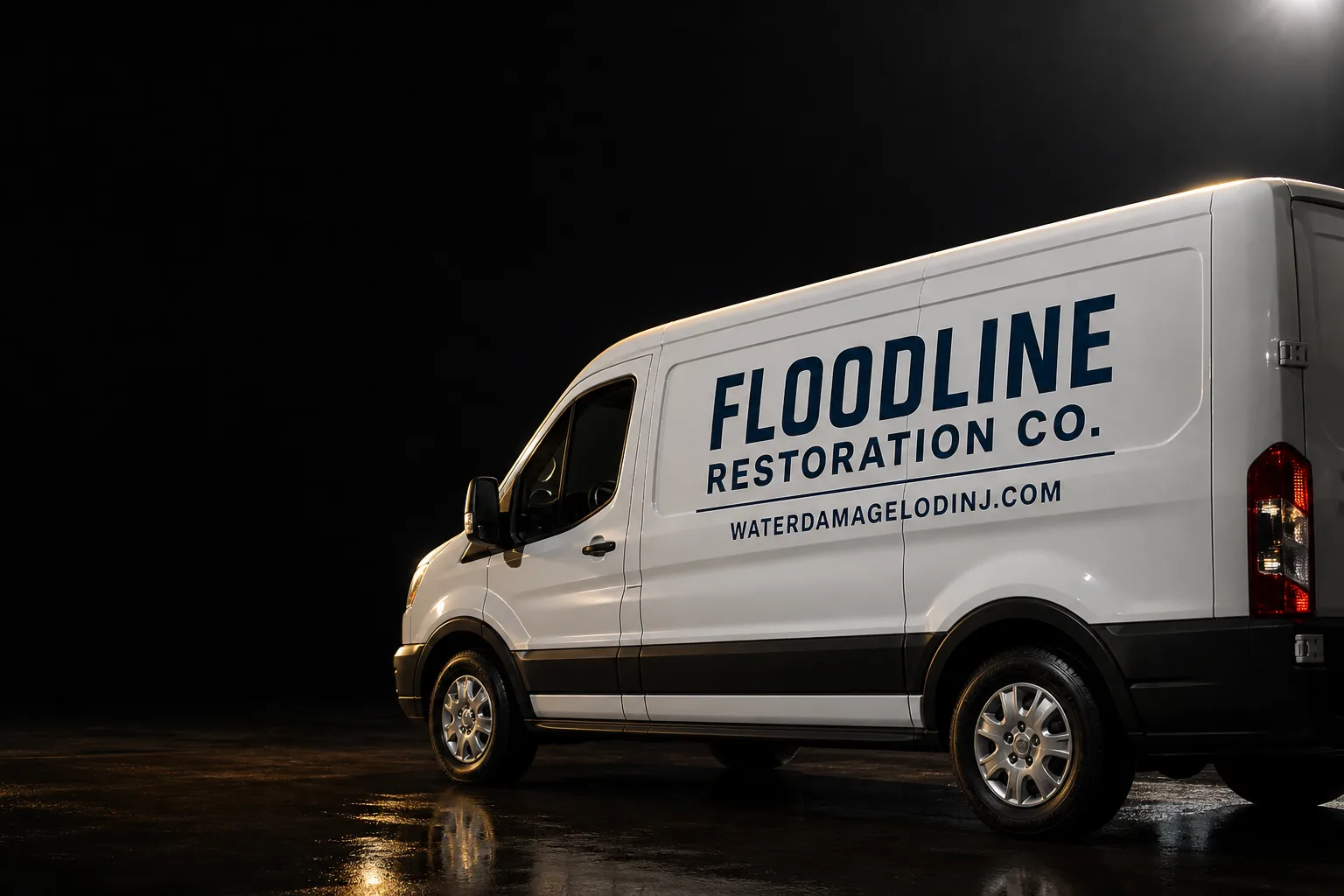
Free visual inspection and a written scope of work before any mitigation begins - photos, moisture readings, and drying logs go in your claim file
The scope we write is the scope we bill. Anything new gets shown to you, in writing, before we touch it.
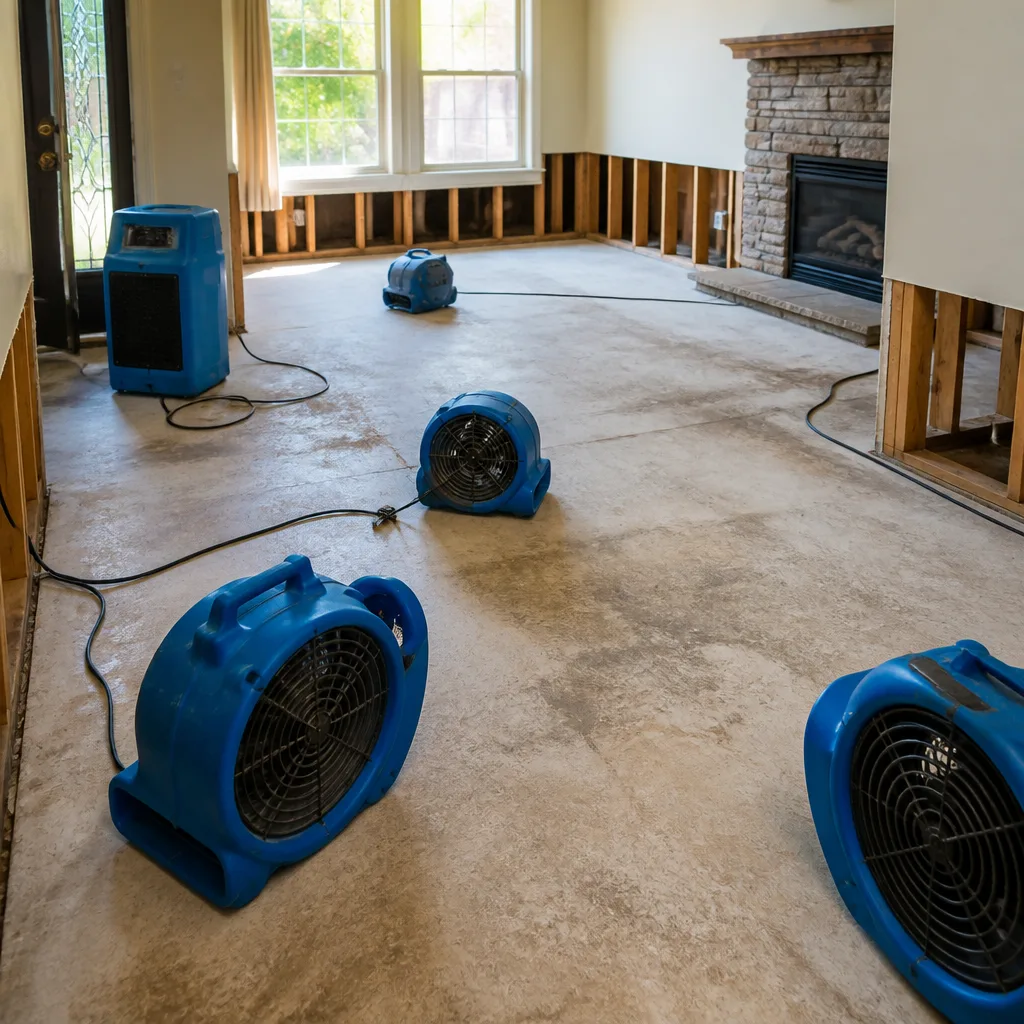
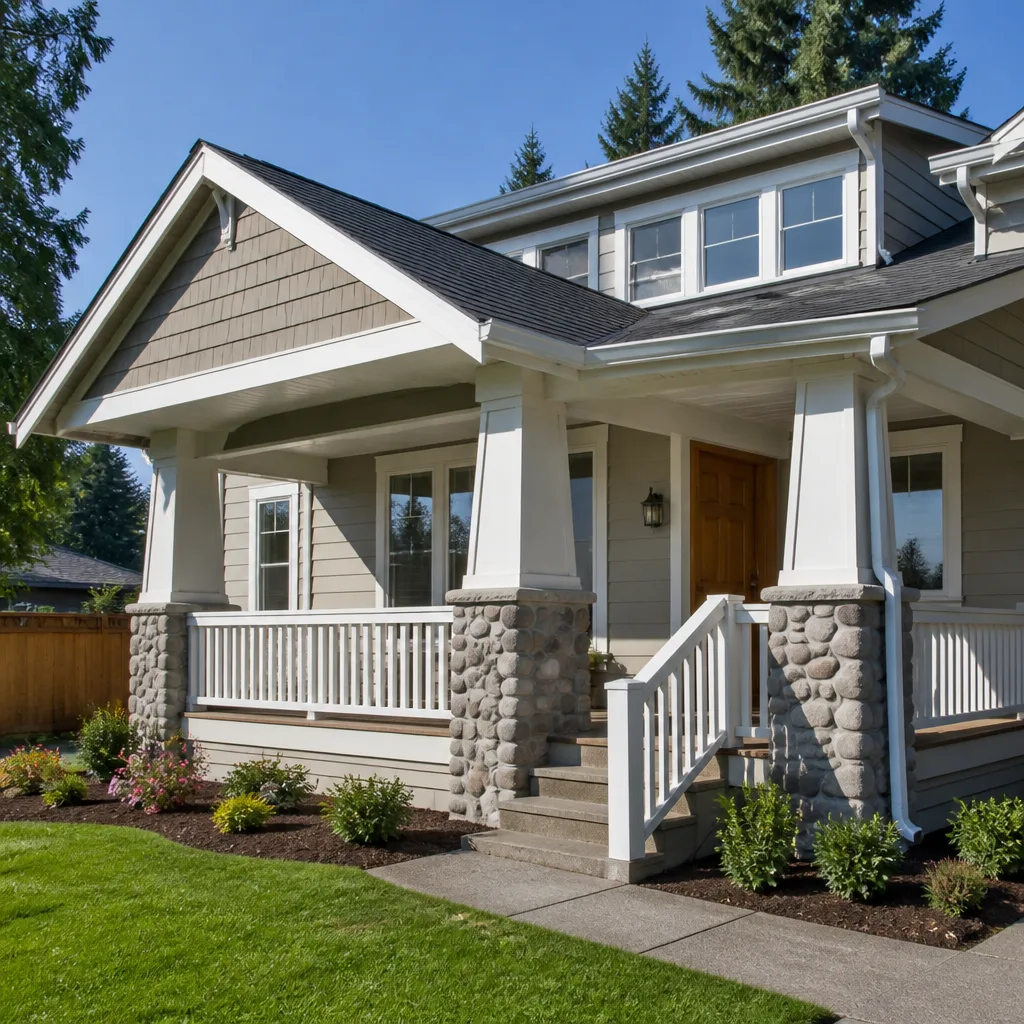
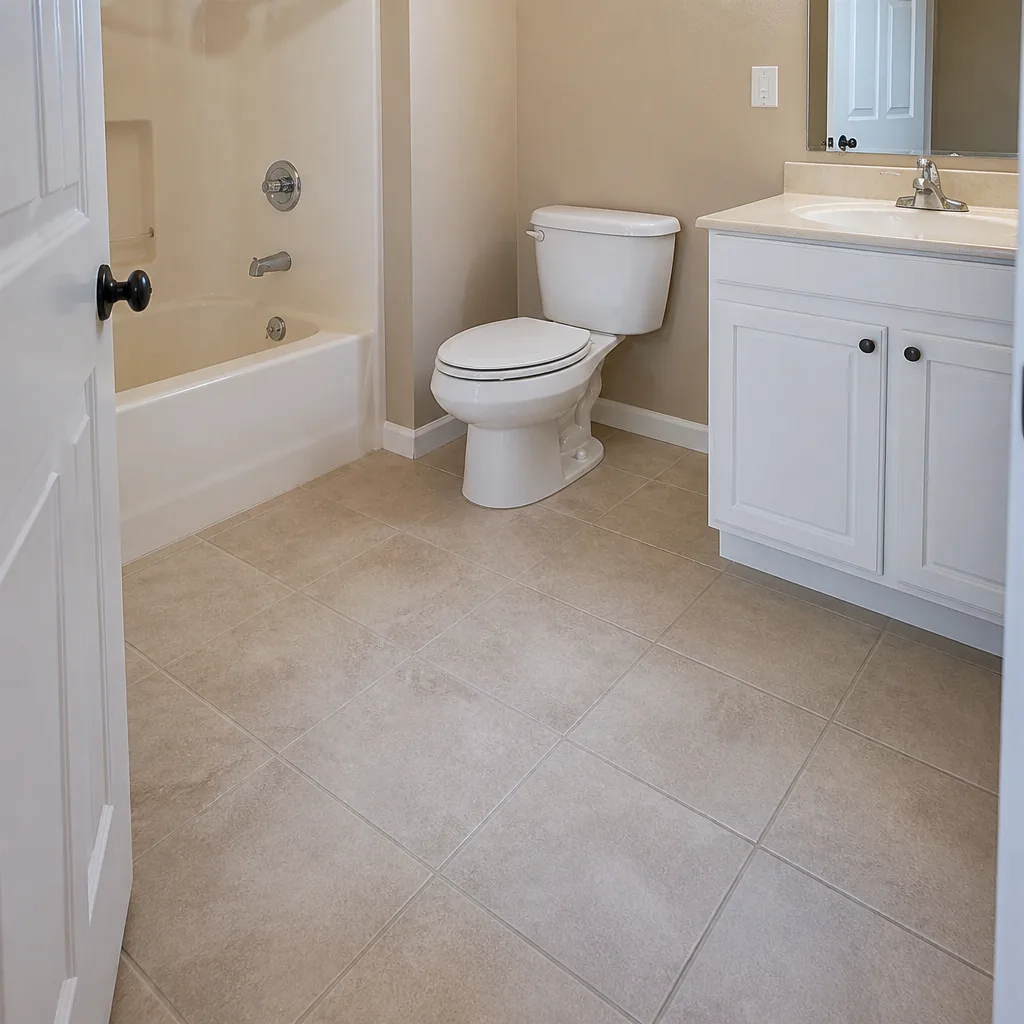
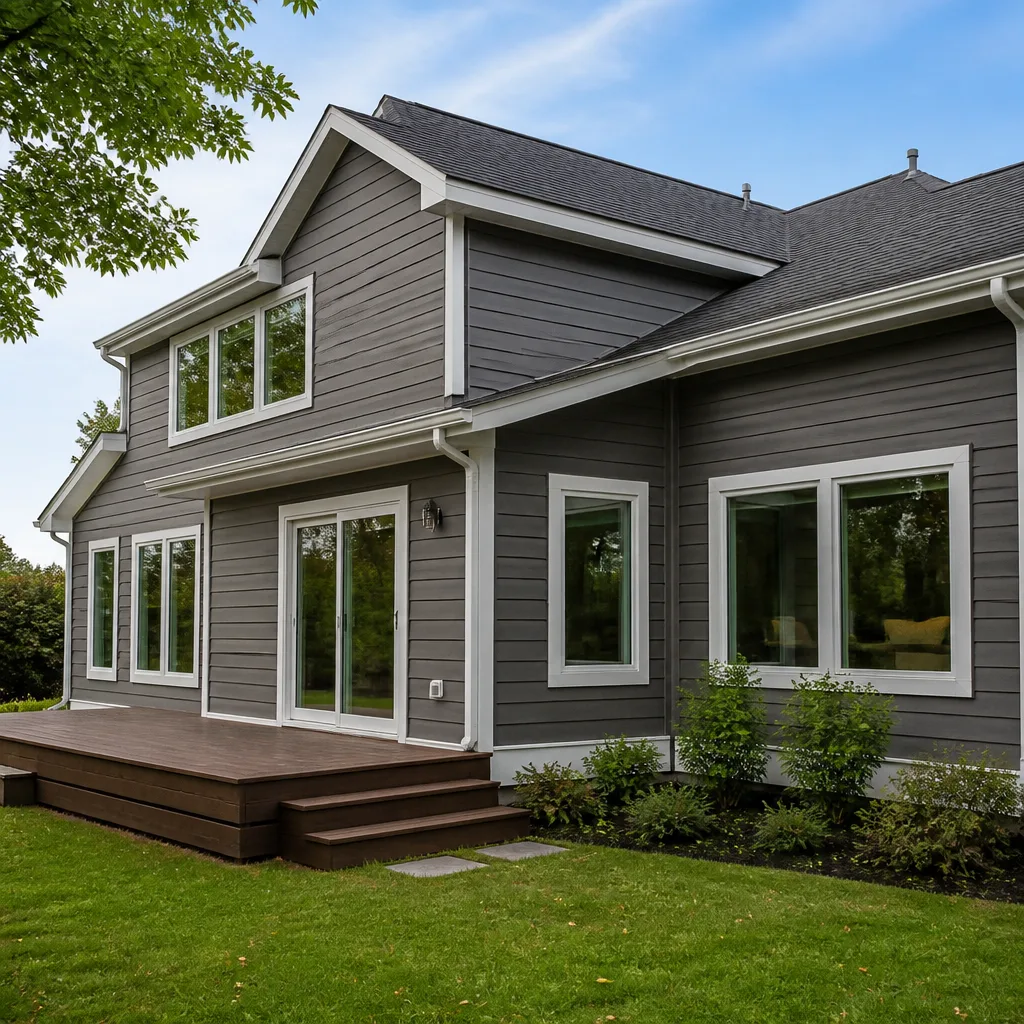
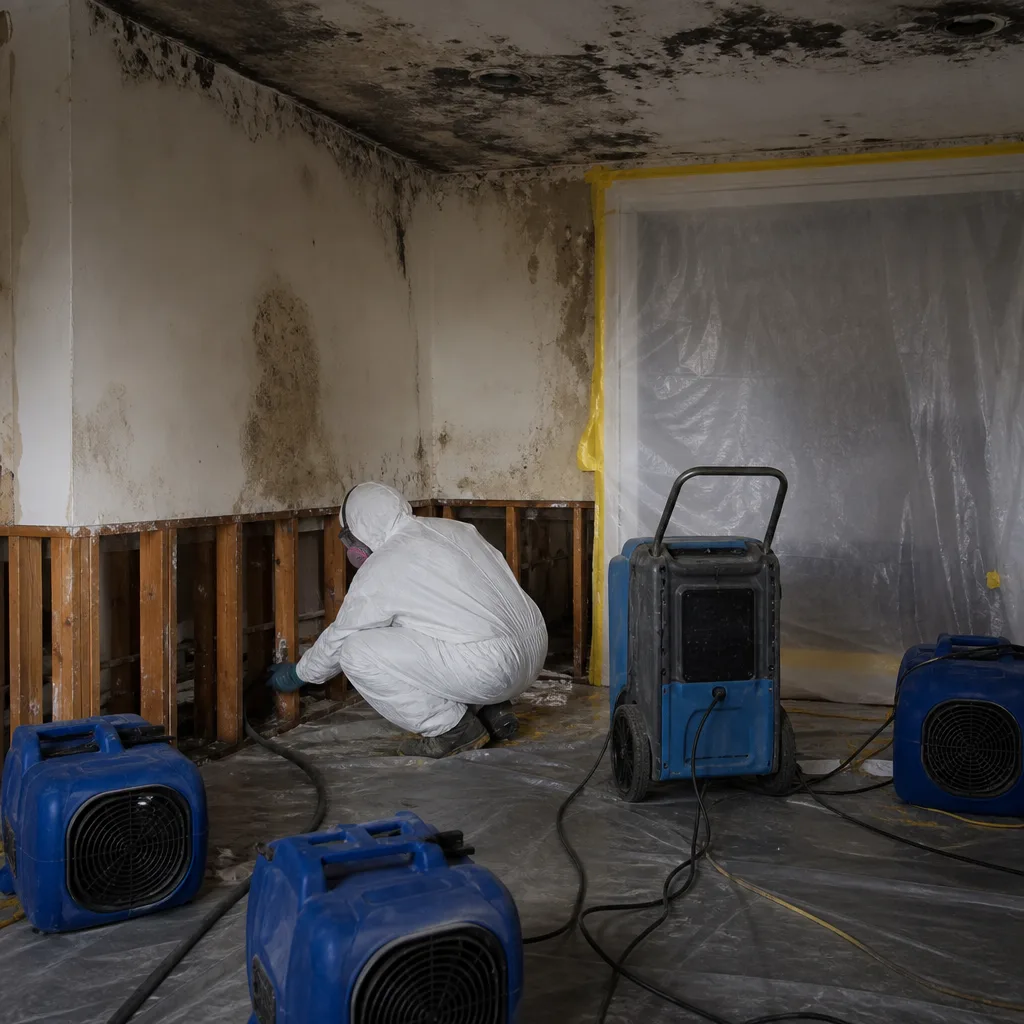 Before
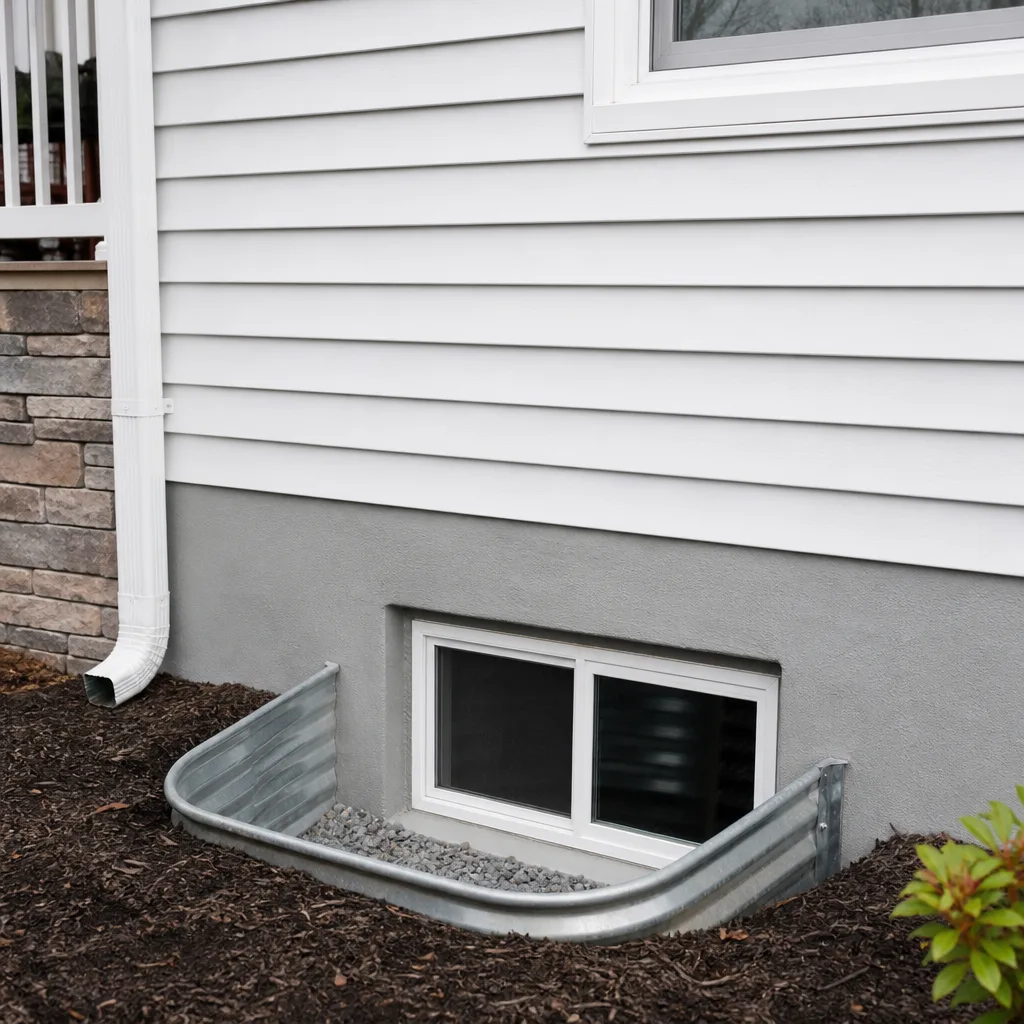 After
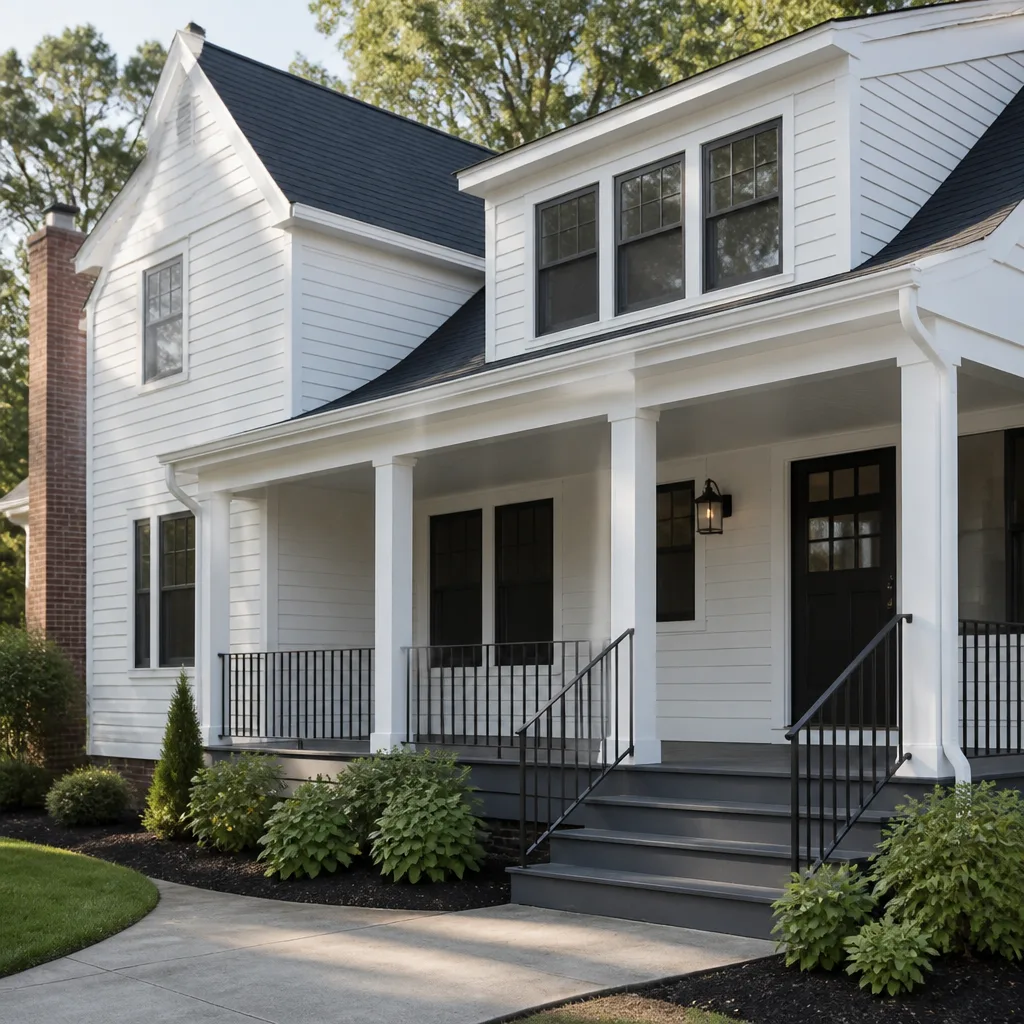
After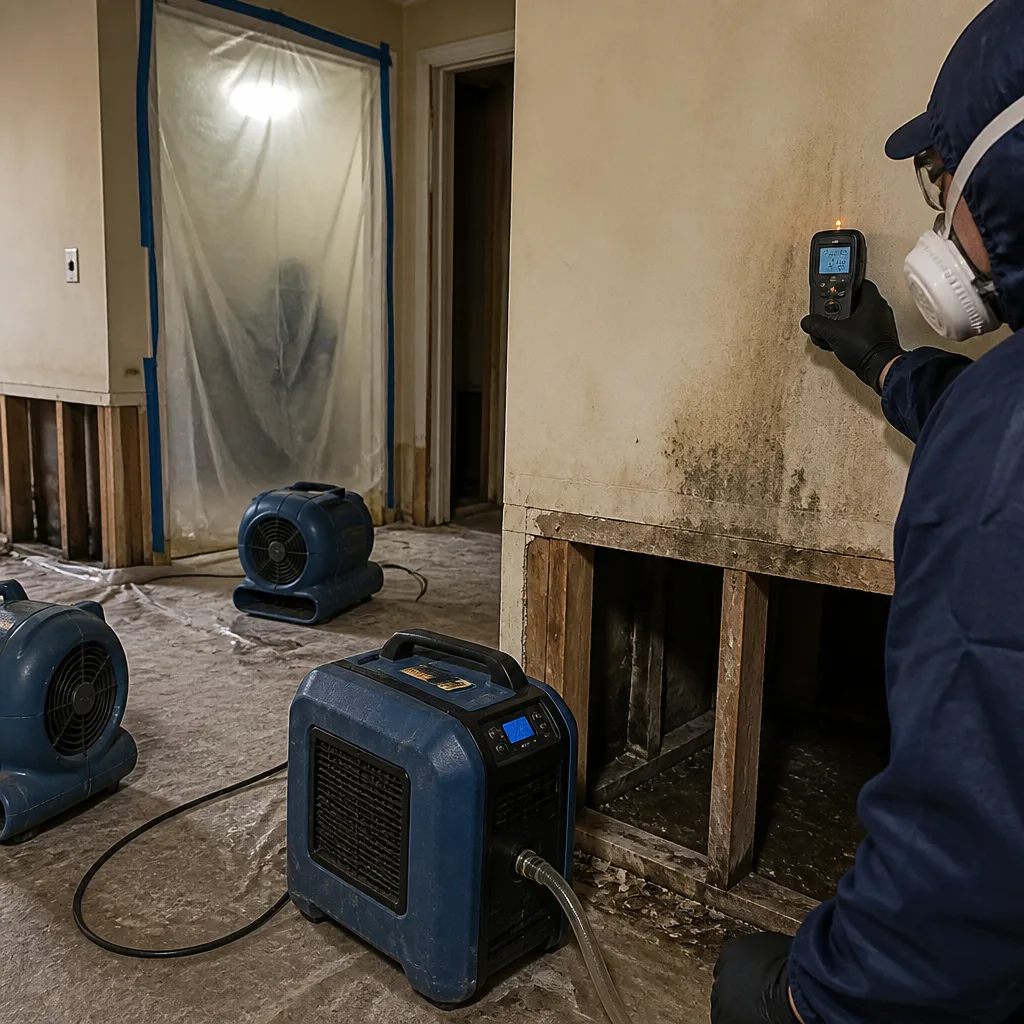 Before
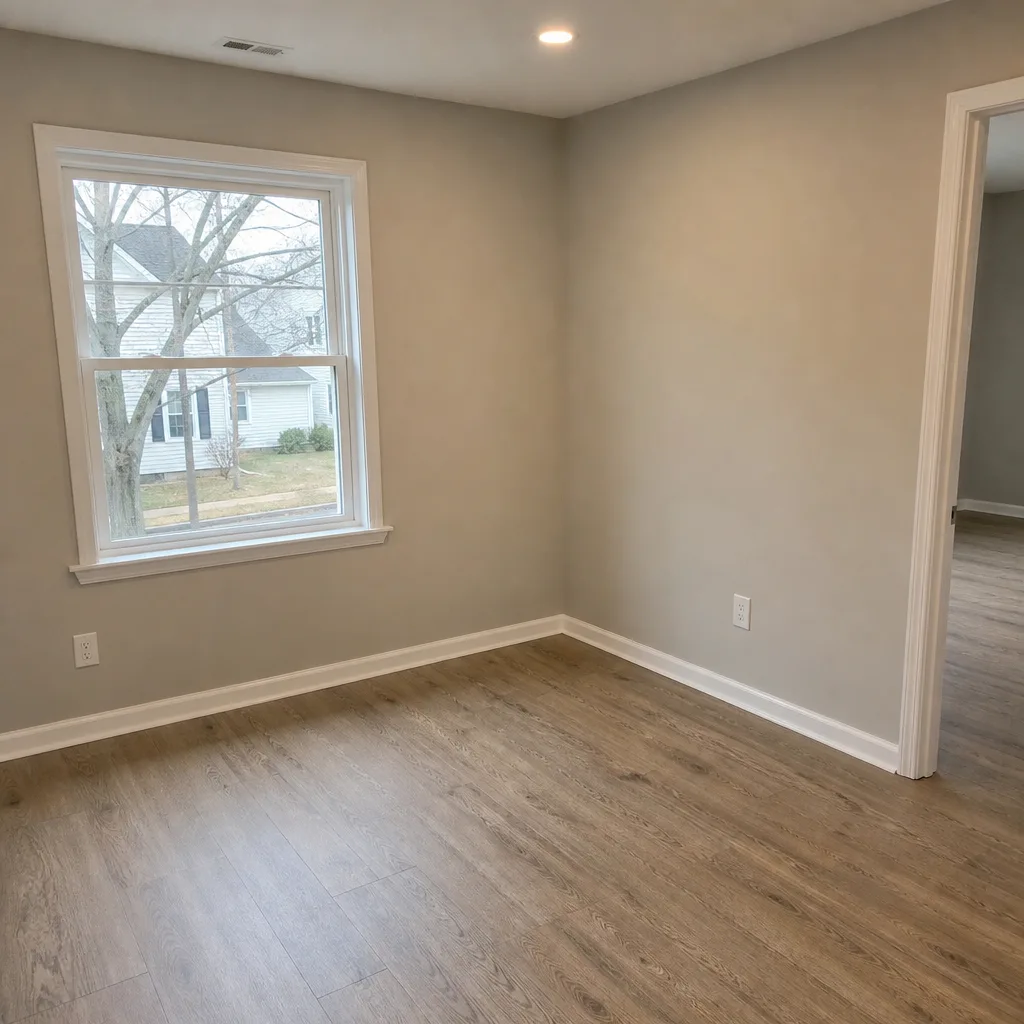 After
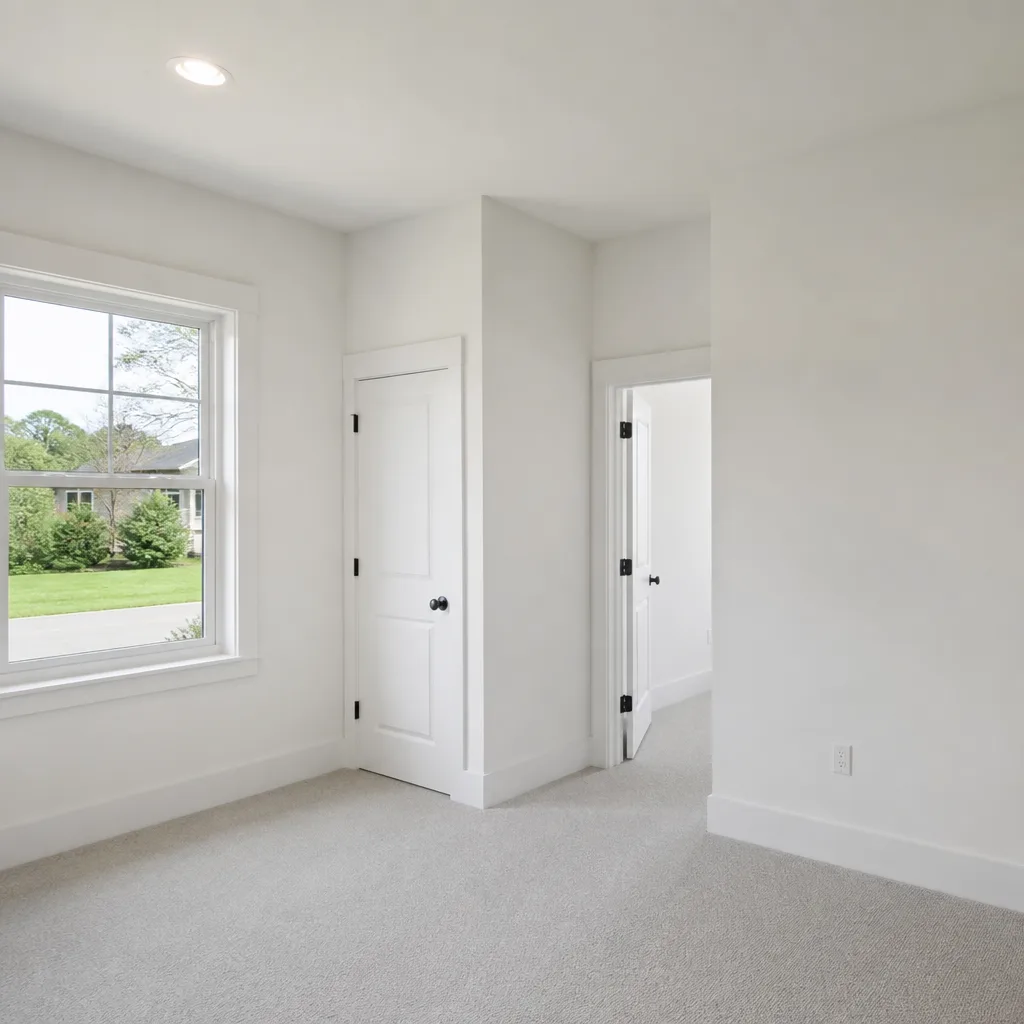
After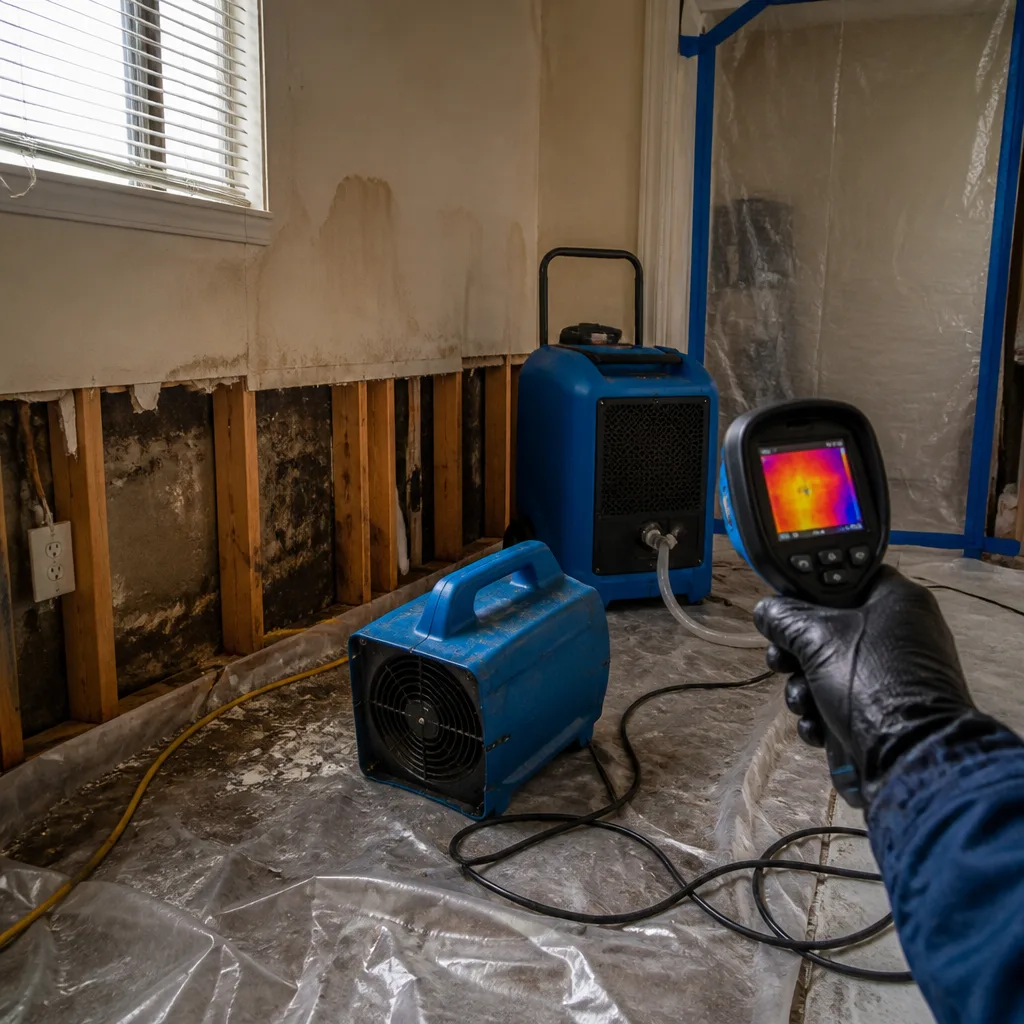 Before
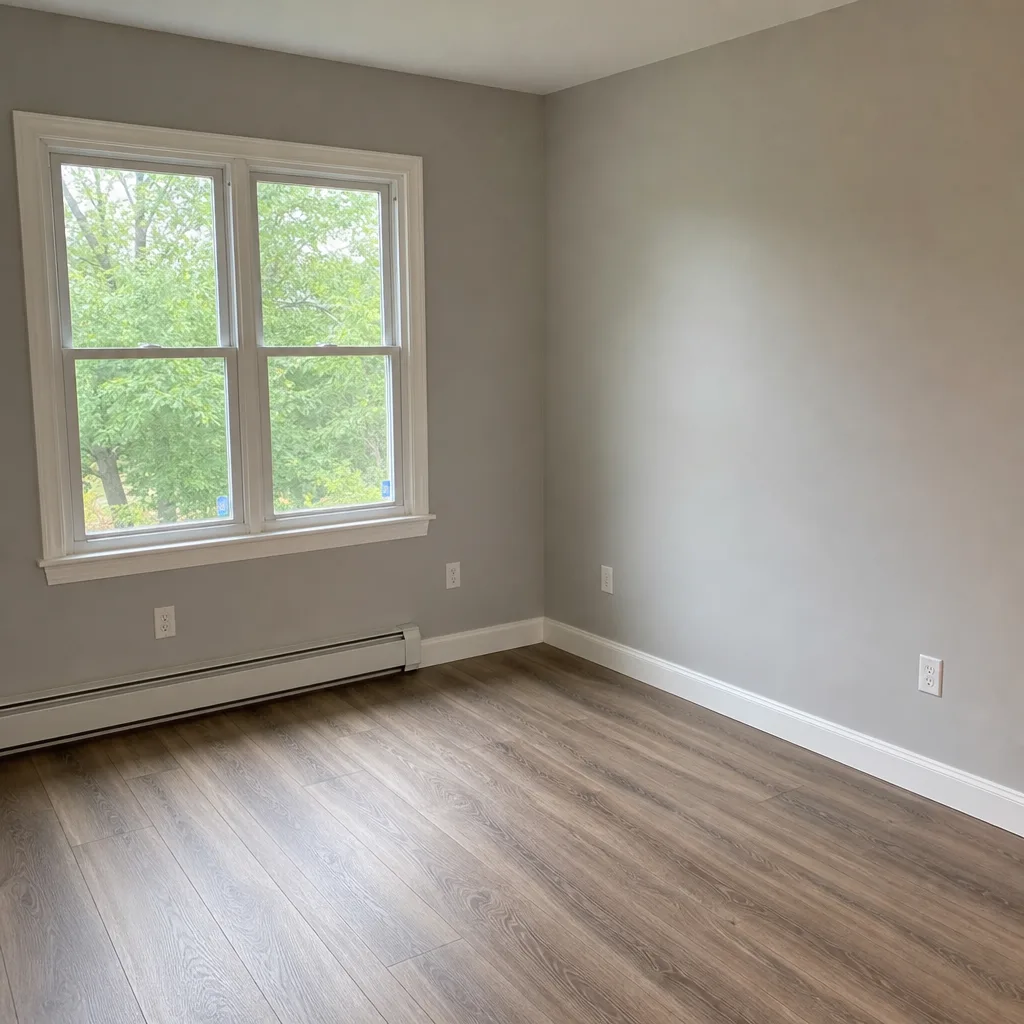 After
After24/7 Emergency Commercial Restoration in Lodi
Commercial restoration in Lodi means getting a certified crew on site fast: when water, fire, or storm damage hits a storefront, office, or multi-unit building, the first hour determines how much can be saved. Call (640) 356-1140 and a live dispatcher answers, day or night. We’ll schedule a free visual inspection, document the damage, and start mitigation before the loss spreads into adjoining spaces. In Lodi’s tightly packed commercial blocks, a delay of even a few hours can mean the difference between drying one room and gutting three.
Our Commercial Restoration team works in Lodi from the same dispatch board that answers calls at 2 a.m. We don’t route you to a call center, and we don’t hand your job to a subcontractor. The certified crew that arrives on the first visit is the same crew that finishes the rebuild.
Understanding Commercial Restoration Severity in Lodi Properties
Restoration severity in Lodi follows a pattern shaped by the borough’s building stock. Most commercial buildings here were built before 1960, and many have shared masonry party walls between units. That means we classify damage not just by what’s visible, but by what’s likely already migrating through the wall assembly. Water from a sewer backup near the Passaic River is Category 3, or grossly contaminated, and it moves through porous masonry faster than most owners expect. Mold that starts in one unit’s wall cavity can appear in the neighbor’s stockroom within 48 hours.
For fire losses, we distinguish between dry soot from a high-oxygen burn and greasy, protein-based residue from a smoldering kitchen or mechanical fire. Smoke in a pre-war Lodi commercial building travels through shared floor bays, stairwells, and pipe chases, often migrating three or four units from the source. That changes the scope: you’re not cleaning one tenant space, you’re assessing an interconnected building. Moisture mapping with thermal imaging and hygrometers tells us where the water truly went, which is why we start there on every job.
Why Lodi Property Owners Choose Floodline Restoration Co.
- 45-minute dispatch commitment: When you call about a commercial loss in Lodi, a uniformed crew is en route within 45 minutes of your call, not the next business day.
- A live person answers, every time: Our dispatch desk is staffed 24/7 by someone who can actually authorize a crew. No automated trees, no voicemail at 3 a.m.
- IICRC-certified crews: Our technicians hold WRT, FSRT, and AMRT certifications, and they’re background-checked before they ever set foot in your building.
- Free visual inspection: We assess the damage, explain what we’re seeing, and give you a straight answer before any work is authorized. No obligation.
- Direct insurance billing: We document everything from the first hour and submit directly to your carrier, so you’re not playing middleman with an adjuster.
- One team, start to finish: The crew that extracts water and sets up drying equipment is the same crew that handles structural drying, cleaning, and rebuild. No handoffs.
Our Commercial Restoration Process
Inspection & Assessment
We arrive, walk the affected areas, and use thermal imaging plus moisture meters to map the full extent of the loss. For Lodi commercial buildings, that includes checking adjoining units through shared walls and the basement or crawlspace below.
Extraction & Stabilization
We remove standing water with truck-mounted extractors and portable units, then clear debris and set up containment where contamination is present. In Lodi’s older buildings, this is the stage where we flag any asbestos-containing materials before any demolition happens.
Drying & Dehumidification
Dri-Eaz dehumidifiers and XPOWER air movers are placed according to the moisture map, not a generic formula. Daily readings are logged until the dry standard is met, and those logs go to you and your insurer. Lodi’s poor soil drainage means we expect longer drying cycles and set equipment accordingly.
Cleaning & Sanitization
We clean affected surfaces, apply antimicrobial treatments where water category demands it, and run HEPA air scrubbers during and after work. For fire losses, we use dry and wet cleaning methods matched to the soot type, not a one-size-fits-all wipe-down.
Document & Inventory Recovery
In a Lodi multi-unit commercial loss, tenant records, inventory, and equipment are often the hidden casualty. We photograph, inventory, and stabilize recoverable materials, and we document what’s beyond salvage so your claim reflects the actual loss.
Repairs & Restoration
After drying and cleaning, we rebuild. Drywall, framing, flooring, painting, and door or window replacement are all handled by our own crews. For Lodi’s wind-exposed storefronts, that can include reinforcing or replacing storm-damaged roll-up and sectional doors.
Need Emergency Commercial Restoration in Lodi Now?
Crews minutes away, answering live 24 hours a day. The sooner we start, the less it costs.
Working With Your Insurance Company
We’ve handled hundreds of commercial claims in Bergen County, and we know what carriers need to see. That starts with documentation from the first hour: photos before anything is moved, moisture readings taken in real time, and a line-item scope that matches industry-standard pricing. We coordinate directly with your adjuster, so you’re not interpreting mitigation language over the phone. If your adjuster needs to visit, we’ll walk the loss together and show them what we found. Direct insurance billing means we work with your carrier on payment, not around them. You get a straightforward claim file and a restoration company that answers to you, not to a franchise office three states away.
What We Provide Your Insurer
- Thorough documentation of the loss
- Photos of all damage, room by room
- Moisture readings and drying logs
- A detailed, line-item scope of work
- Direct coordination with your carrier
Built for Lodi’s Loss Calendar
Commercial restoration calls in Lodi follow the seasons, and we staff for them accordingly. January deep freezes burst supply lines in unheated rear storage rooms and basements. Spring thaw, combined with Lodi’s low elevation and the Passaic River’s influence, raises the water table and pushes groundwater into basements and utility closets. Late-summer thunderstorms overwhelm the borough’s aging storm sewers, sending street runoff into loading docks and first-floor retail spaces. Nor’easters bring wind-driven rain that tests every storefront door, sign, and flashing detail on Main Street and along Route 17’s older commercial blocks.
What we see most in Lodi is repeat flooding in the same buildings, year after year. Owners call us after the second or third event, when they’re tired of ripping out wet drywall themselves. By then, hidden moisture has usually set into shared walls, and the scope is bigger than a simple cleanup. That’s why we recommend a documented drying plan after the first event, not a rental fan and a prayer.
Commercial Restoration Across Lodi’s Neighborhoods
Commercial work in Lodi spreads across several distinct pockets. Along Main Street and around Memorial Drive, we see pre-WWII storefronts with rear storage rooms that flood during heavy rain, largely because their floor elevations sit below the street grade. The semi-attached two-family buildings that line blocks near Lodi High School and Columbus Park create a unique challenge: water in one commercial unit wicks through the shared masonry party wall into the next unit before anyone notices. In the industrial and warehouse buildings near the Route 46 interchange and along the Saddle Brook line, we typically handle larger square footage losses, often from roof leaks, burst sprinkler lines, or loading-dock flooding during storms. The residential-commercial mix near Hasbrouck Heights and Garfield creates another pattern: multi-unit landlords with tenants in place, meaning disruption has to be minimized and work often has to happen off-hours.
Our crews know these routes. That matters when a nor’easter hits and every restoration company in Bergen County is suddenly busy. We dispatch from a board that knows Lodi’s streets, not from a call center in another state.
Specialized Commercial Restoration Services We Offer in Lodi
Office & Retail Restoration
When a Main Street storefront takes on water, every hour of closure is lost revenue. We prioritize extraction and drying in a way that lets you reopen a portion of the space, where possible, while the back-of-house dries. For office buildings, we protect server rooms, carpet tiles, and tenant files while structural drying runs its course.
Multi-Unit & HOA Restoration
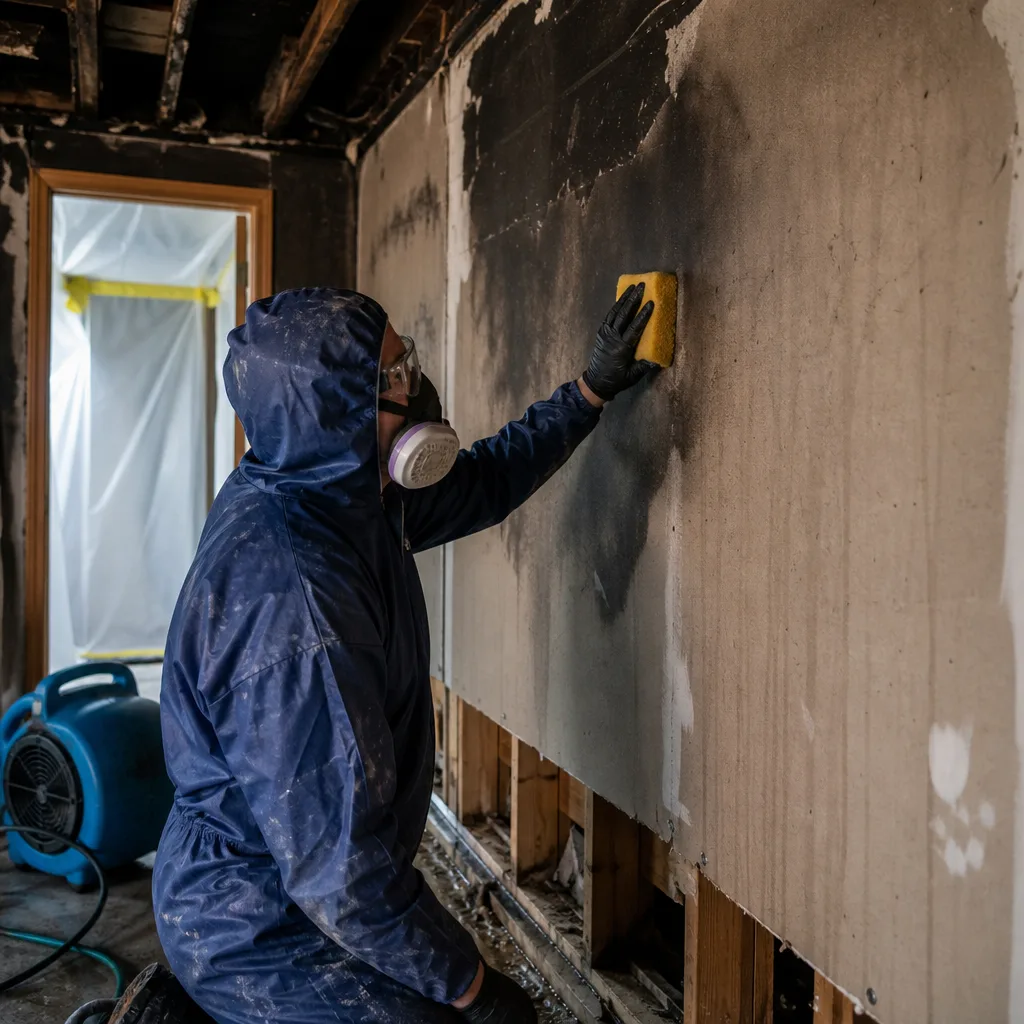
Lodi’s dense housing stock means most commercial buildings here are multi-unit by design. A sewer backup in a basement laundry room migrates through shared walls and floors into adjoining units fast. We scope both sides of every party wall, even when the neighboring owner hasn’t called yet, because we’ve seen what happens when only one side gets dried. HOA boards and property managers get a single point of contact and a single written scope, not a different tech on every visit.
Industrial Facility Cleanup
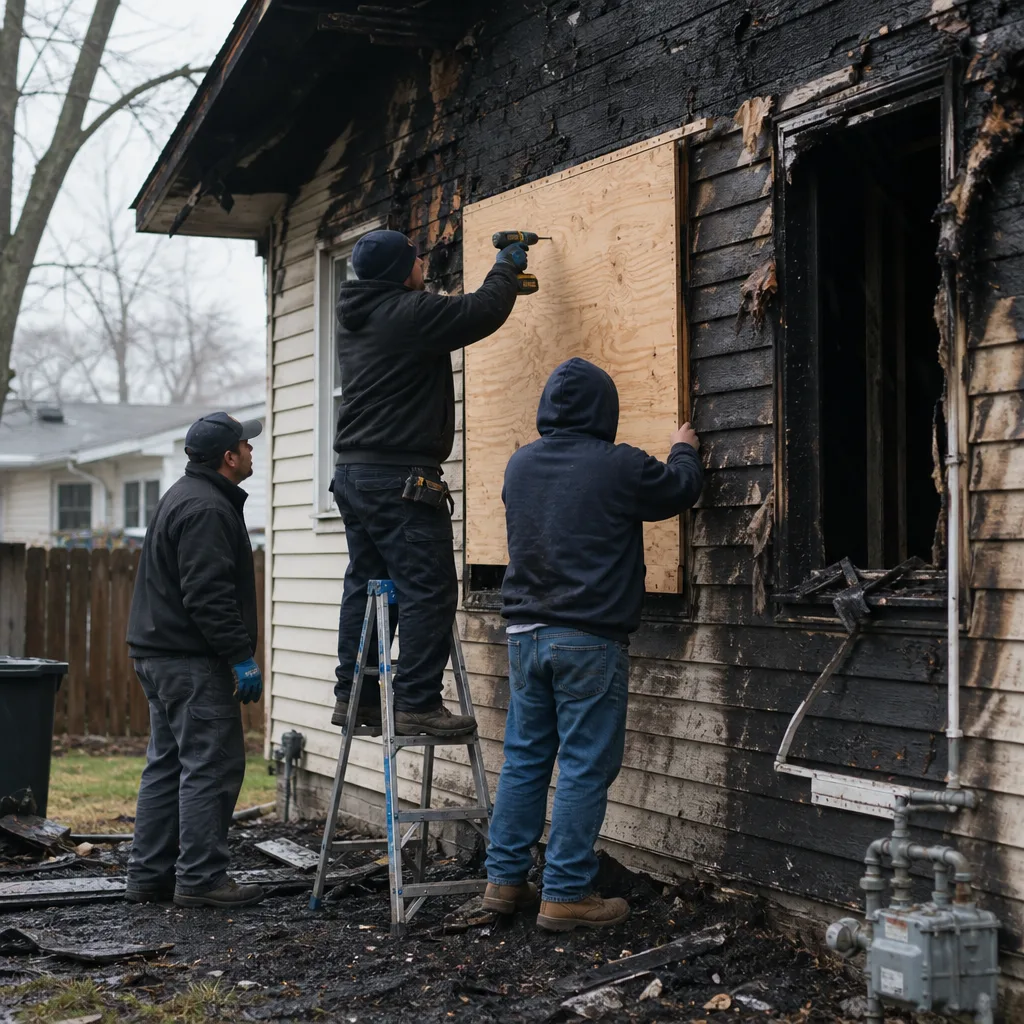
Warehouses and industrial spaces near Route 46 face different losses: racking damage from floods, contaminated water in floor drains, and equipment that has to be moved before extraction can begin. We’re equipped for large-scale water removal and structural drying in these spaces, and we handle the logistics of moving inventory safely while the drying plan runs.
Large-Loss Response
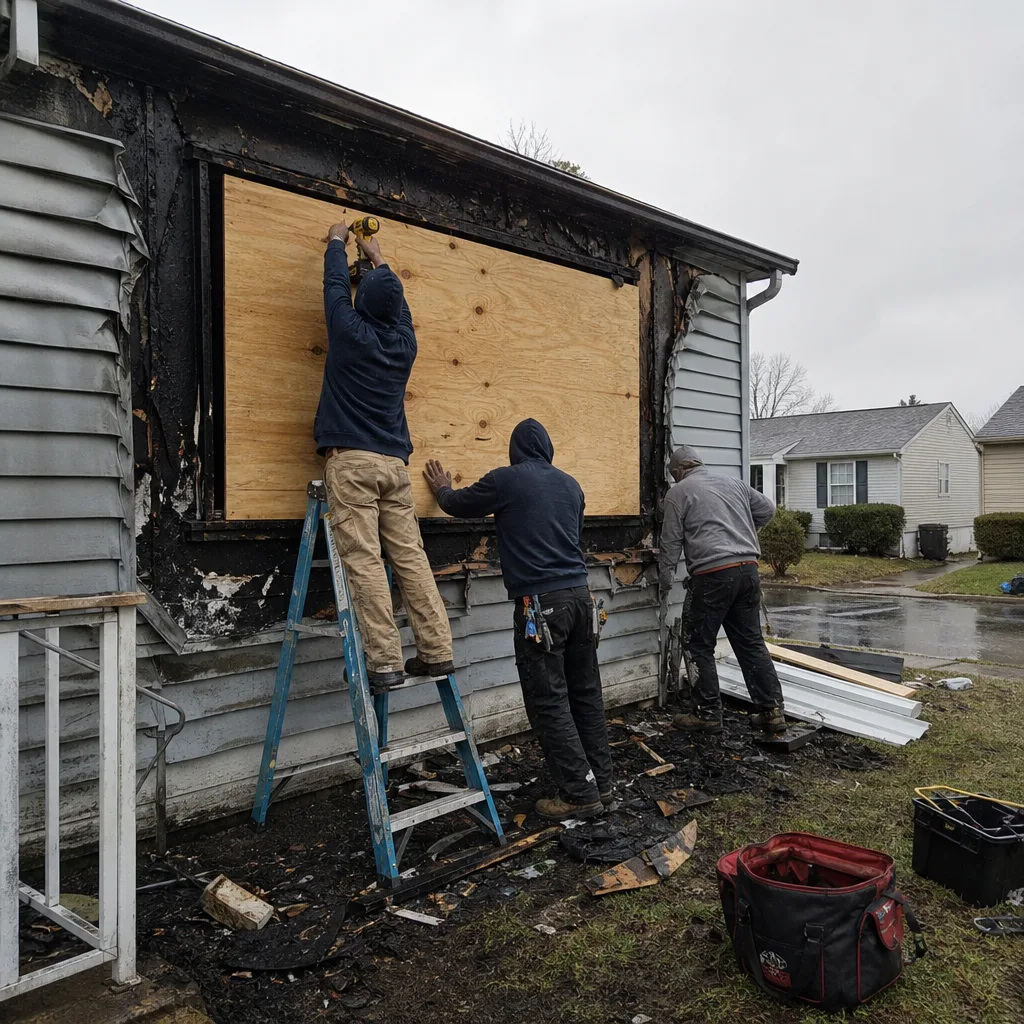
When a whole commercial building is affected, a two-person crew isn’t enough. We mobilize multiple technicians, additional drying equipment, and a project lead who stays on the job until the moisture log is clean. Our large-loss response for Lodi buildings includes temporary climate control, security tarping, and direct coordination with local permitting if demolition is required.
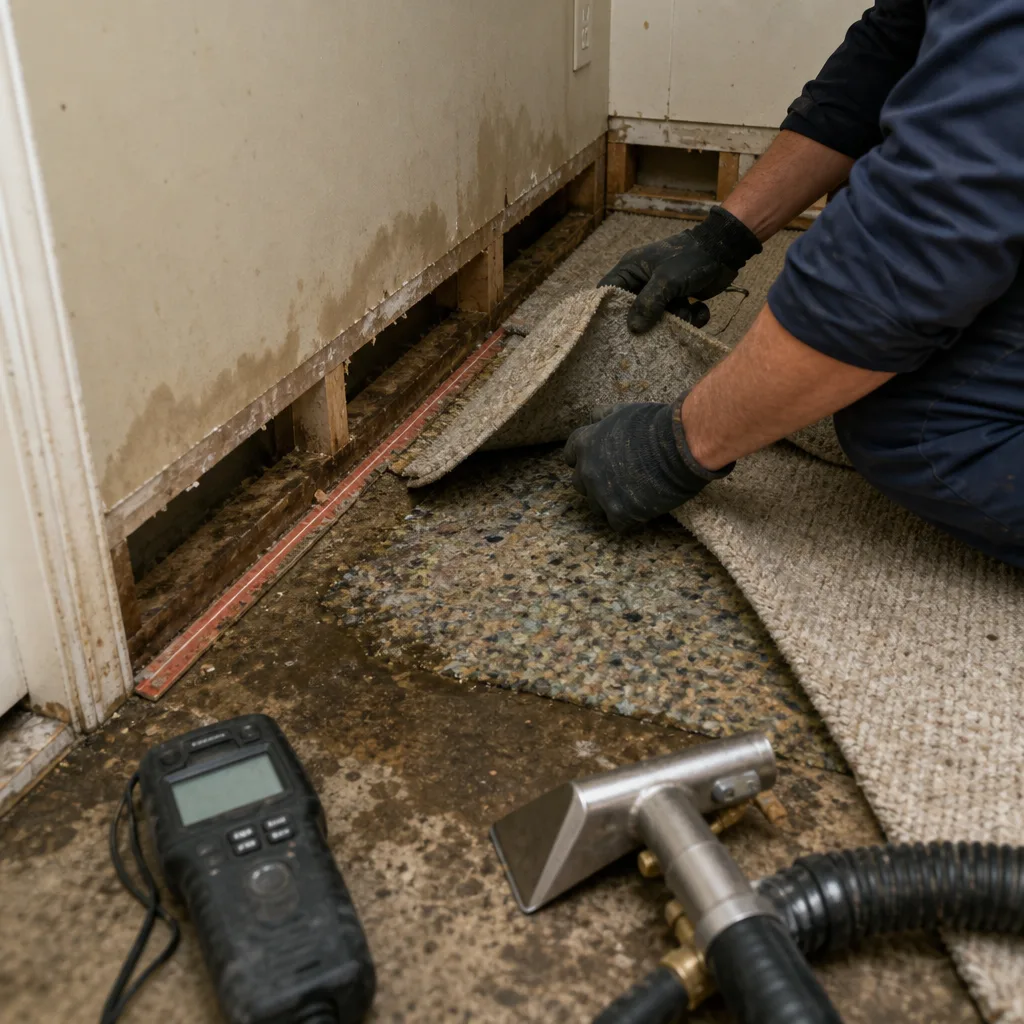
Business Interruption Minimization
Every day a Lodi business sits closed costs real money. We work to isolate the affected area, set up containment, and keep drying equipment running efficiently so the reopening timeline stays as short as possible. For multi-unit properties, that can mean keeping one commercial unit operational while the adjoining one is under mitigation.
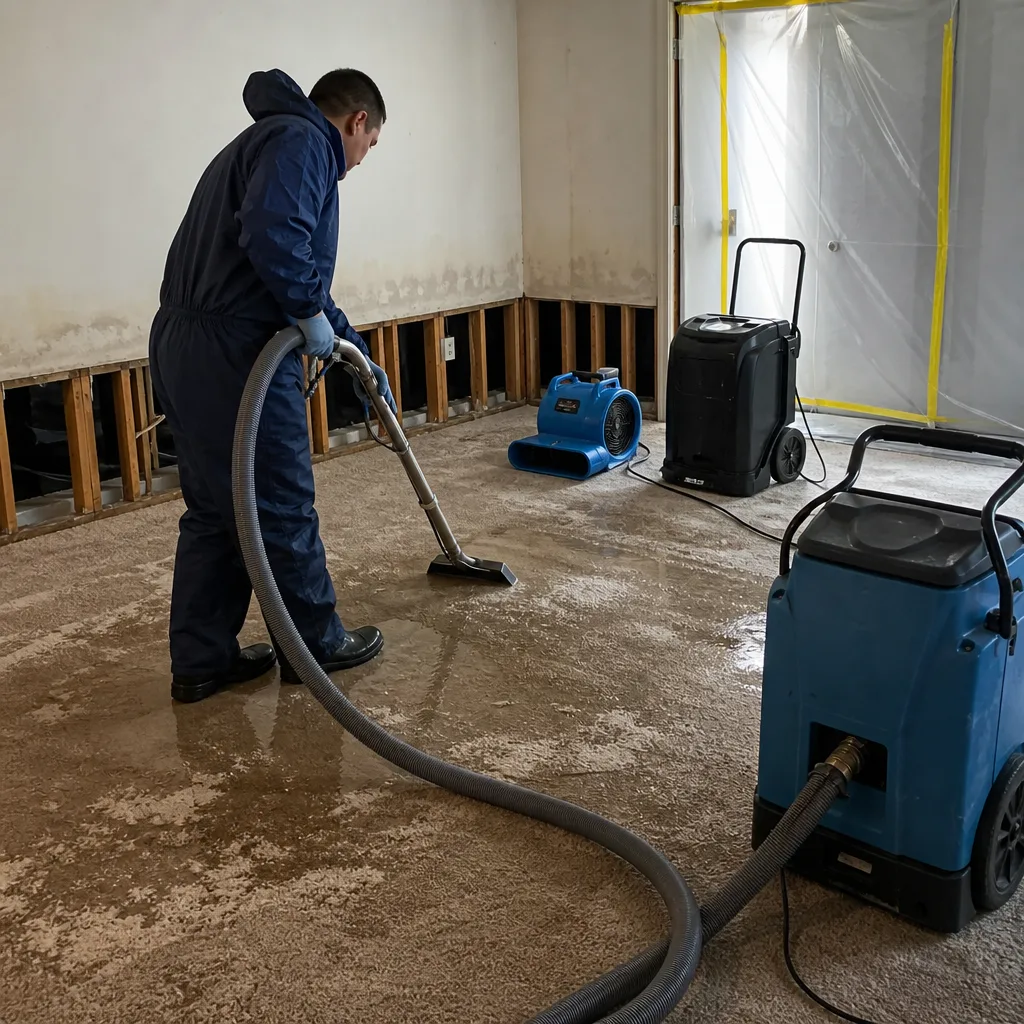
Document & Inventory Recovery
Water and fire damage hit paper files, tenant records, and inventory stock hard. We photograph and inventory what’s recoverable, stabilize documents that can be dried and restored, and document the rest for your claim. For Lodi commercial owners, this is often the difference between a covered loss and an out-of-pocket write-off.
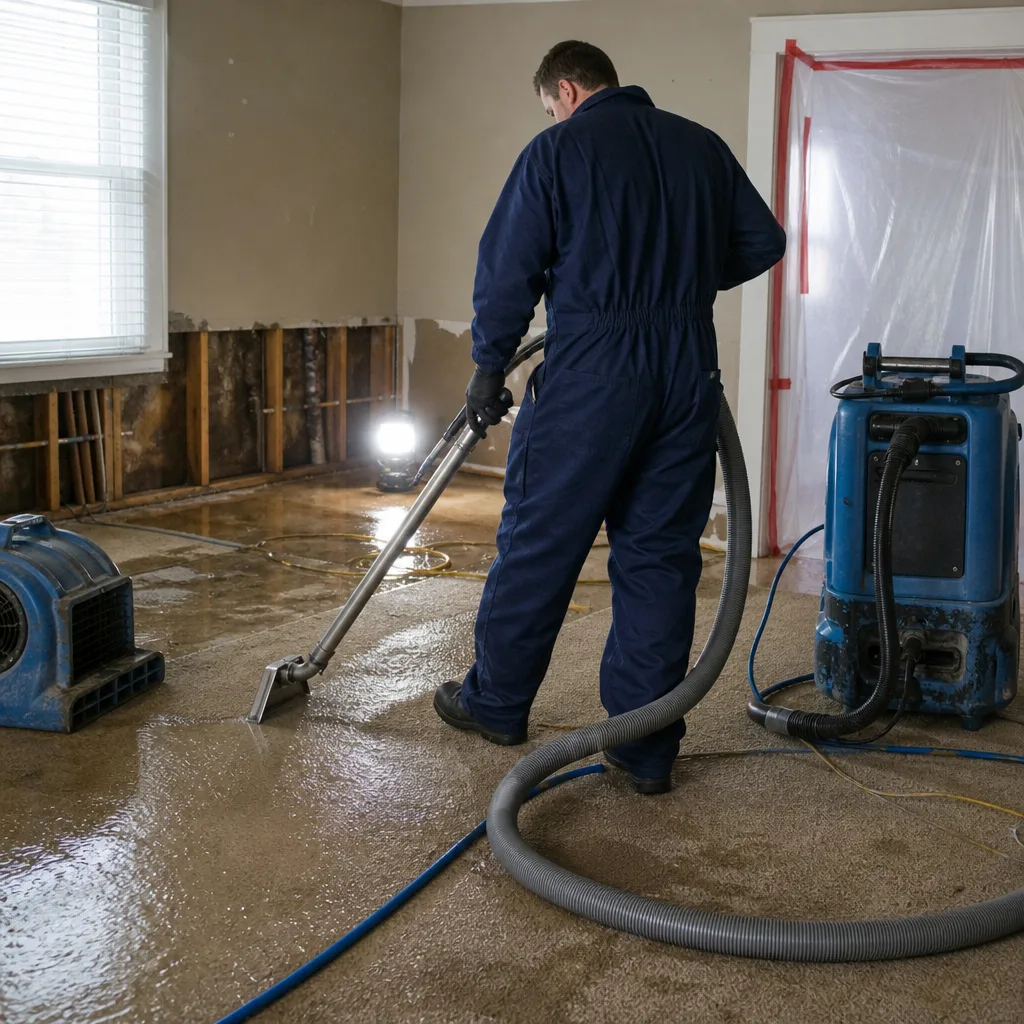
What happens when you call
- 1
A real person answersNo phone trees - you reach a local pro.
- 2
You get an upfront price rangeHonest numbers before anyone is dispatched.
- 3
A background-checked tech heads outLicensed & insured, dispatched right away.
- 4
You approve before work beginsNothing starts until you say go.
Commercial Restoration Costs in Lodi, NJ
Commercial restoration pricing in Lodi reflects the borough’s building age and site conditions. A small commercial water cleanup with drying equipment and monitoring typically runs $2,800 to $6,500. A full structural drying job with containment and daily monitoring for a multi-unit building usually lands between $7,000 and $18,000. Fire restoration on a single commercial unit starts around $5,000 and climbs sharply when smoke migration affects shared wall cavities and adjoining spaces. Document and inventory recovery is billed per project, typically $1,200 to $4,000 depending on volume and condition. What moves the price most in Lodi is wall construction: older masonry holds water longer than modern framed walls, and drying times increase accordingly. The free visual inspection gives you a firm, written scope before any work starts, so there’s no ambiguity about what’s covered and what’s not.
We Also Serve Cities Near Lodi
Our crews cover Commercial Restoration in Lodi and the surrounding Bergen County towns, including Hasbrouck Heights, Garfield, Saddle Brook, and Hackensack. If your commercial building sits near the Lodi border, you’re still in our dispatch area, and you get the same 45-minute response commitment and live 24/7 answer.
Lodi Commercial Restoration Questions, Answered
How does Lodi’s location in the Passaic River basin change the moisture mapping approach for commercial buildings?
Lodi sits in a low-lying section of the Passaic River basin, and the high water table means groundwater intrusion behaves differently here than in upland Bergen County towns. We place moisture sensors in basement slabs and lower wall cavities earlier in the job, and we expect drying logs to run longer. Skipping those deep readings is how hidden moisture survives behind baseboards and supports mold growth weeks after a flood. Call (640) 356-1140 if you suspect unresolved moisture in your building.
What does a wind-load failure look like on a Lodi commercial property before a storm arrives?
Before a nor’easter hits, a wind-load failure on a commercial door typically shows as visible deflection when wind gusts hit, loose or missing fasteners around the track, bent vertical stiles, or a door that no longer seats fully against the threshold. These are signs the door’s wind rating has been compromised, and the next strong gust can blow it inward or pull it off its track. A pre-storm inspection identifies exactly which components need reinforcement.
After a storm, what kind of track and panel damage do Lodi commercial roll-up or sectional doors typically show?
We commonly see track rails pulled away from the building, bent or cracked panel sections, damaged hinges and rollers that no longer seat properly, and bottom seals torn loose by wind-driven debris. On sectional doors, wind pressure often bows the face panels, which prevents the door from closing or locking. Repairs typically involve re-securing tracks, replacing bent panels, and restoring the bottom seal so water doesn’t enter during the next storm.
Why do my Lodi business’s floors keep failing moisture readings weeks after a basement flood?
Lodi’s soil has poor drainage and a high water table, especially in the blocks near the Passaic River, so moisture that entered through the slab can keep wicking upward long after the visible water is gone. If drying equipment is shut down based on timetables from upland towns, the slab and lower wall cavities stay above the dry standard. We keep dehumidification running and log daily readings until the moisture map shows the entire slab and wall assembly is dry, not just the surface.
Does Lodi Borough require a permit for rebuilding a commercial wall after a flood or sewer backup?
Yes, in most cases Lodi Borough requires a construction permit for structural repairs after a flood or sewer backup, and because most commercial buildings in the borough were built before 1960, NJ DEP lead-paint and asbestos screening rules also apply before demolition or drywall work can begin. We handle the permit path as part of the project scope, so you’re not coordinating with the borough on your own.
What’s the difference between cleaning and full restoration in a commercial building?
Cleaning addresses surface contamination: visible soot, standing water removal, wiping and sanitizing affected areas. Full restoration goes deeper: structural drying to the dry standard, containment to prevent cross-contamination, antimicrobial treatment in wall cavities, and rebuild of drywall, flooring, and structural elements that were compromised. If water reached the wall cavity or the slab, cleaning alone leaves hidden moisture and mold risk behind.
How fast can you actually get to a Lodi commercial property after I call?
Our dispatch commitment for Lodi is 45 minutes. A certified crew with professional-grade Dri-Eaz and XPOWER equipment arrives within that window, day or night. The first visit includes the free visual inspection and, if you authorize work, extraction begins immediately.
Are your technicians actually certified, or is that just marketing?
Our technicians carry current IICRC certifications in Water Damage Restoration (WRT), Fire and Smoke Restoration (FSRT), and Applied Microbial Remediation (AMRT). They are also trained to RIA and IFA standards, background-checked, and uniformed on every job. Certifications are verifiable, and we’ll show you the credential if you ask.
Serving Lodi, NJ - Our Local Coverage Area
We’re based in the Lodi area and know this community well. Use the map below to see our service coverage - if you’re nearby, we can almost certainly help.
A Local Insight That Shapes Every Lodi Commercial Job
Lodi’s dense semi-attached housing and commercial stock means a restoration job here often begins with scoping the neighboring unit’s shared masonry party wall, because water, mold, and fire damage routinely migrate between units within hours, something a crew in nearby upland Bergen County towns rarely faces. On a Tuesday after a nor’easter, our crew was called to a pre-WWII commercial storefront on Main Street where wind-driven water had saturated the rear storage wall and begun wicking into the adjoining unit. Using Dri-Eaz dehumidifiers and XPOWER air movers, we contained the affected area, performed moisture mapping to prove no hidden water remained, and completed structural drying before any mold could take hold. That’s the standard we hold for every commercial job in Lodi: scope both sides of the wall, document everything, and dry to the standard, not to a deadline.
Three failure modes show up repeatedly in Lodi commercial buildings, and all three are avoidable. The first is waiting to start structural drying after a sewer backup near the Passaic River, allowing Category 3 water to soak into shared masonry party walls and spread into the neighboring commercial unit before containment is set up. The second is skipping asbestos screening on older Lodi commercial buildings before tearing out damaged drywall, which triggers an NJ DEP stop-work order that delays reopening and doubles mitigation costs. The third is underestimating Lodi’s poor soil drainage and stopping dehumidification based on timetables from upland towns, leaving enough hidden moisture to support mold growth behind the baseboards. We see the results of all three on a regular basis, and none of them had to happen.
If you own or manage a commercial property in Lodi and you’re dealing with water, fire, storm, or mold damage, call (640) 356-1140. You’ll get a live person, a free visual inspection, and a written scope before any work begins. Floodline Restoration Co. has been doing this work for over 42 years, and we plan to be answering the phone in this area for 42 more.
Written by Curt Bowman, Owner at Floodline Restoration Co., serving Lodi and Bergen County.