
Free visual inspection and a written scope of work before any mitigation begins - photos, moisture readings, and drying logs go in your claim file
The scope we write is the scope we bill. Anything new gets shown to you, in writing, before we touch it.
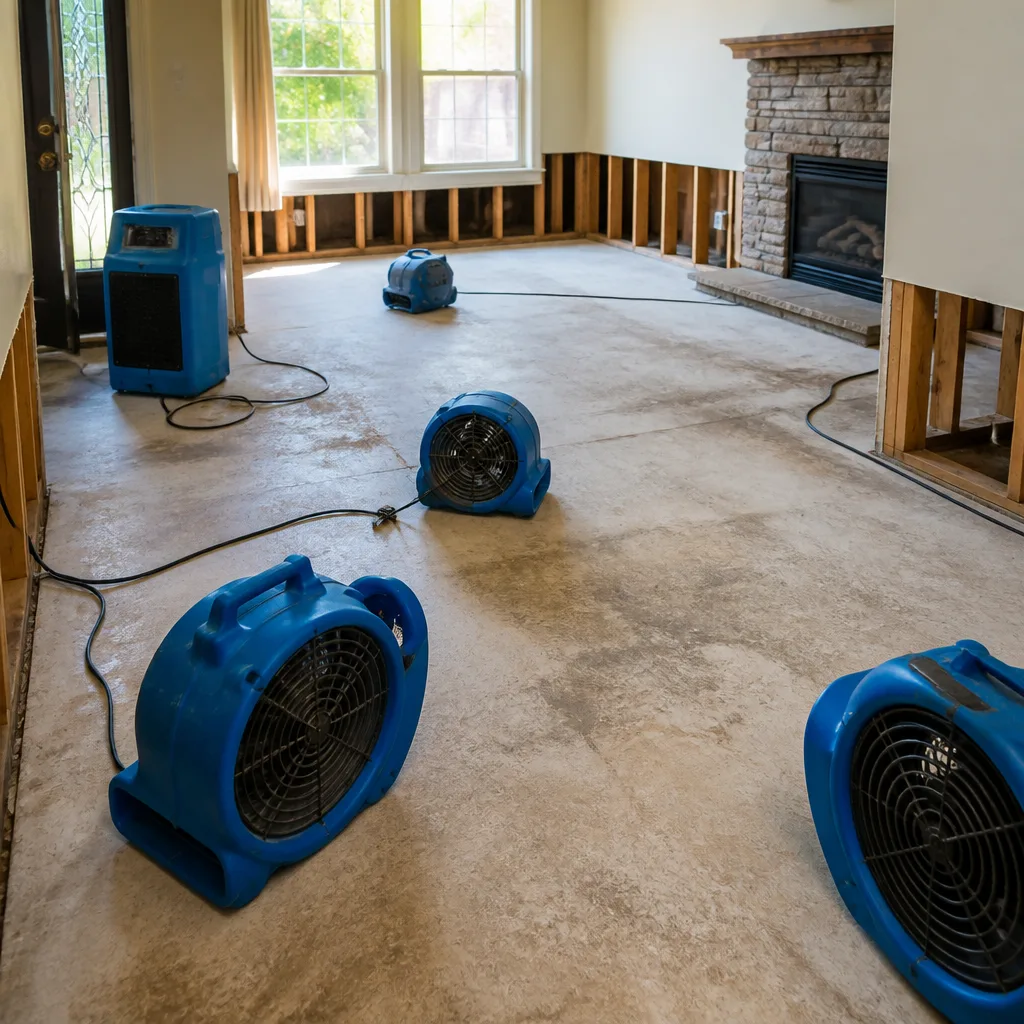
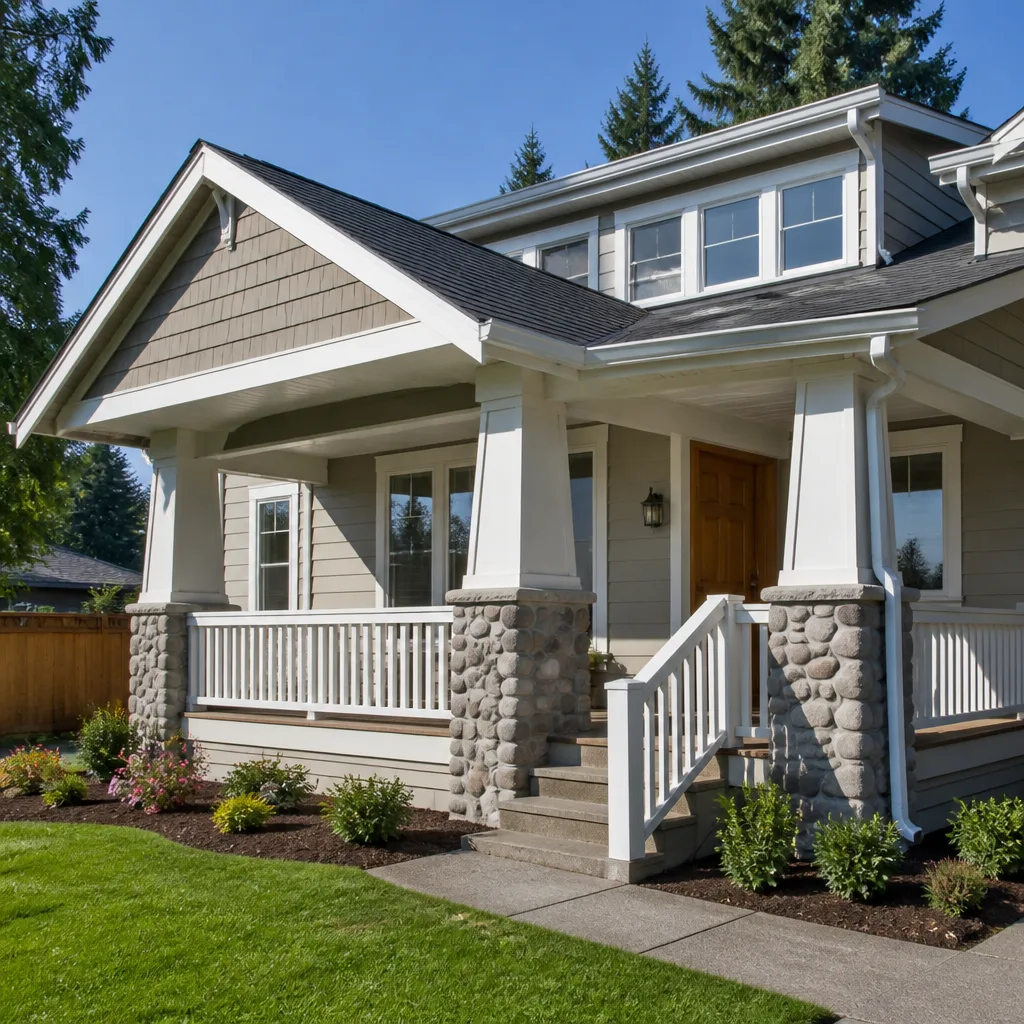
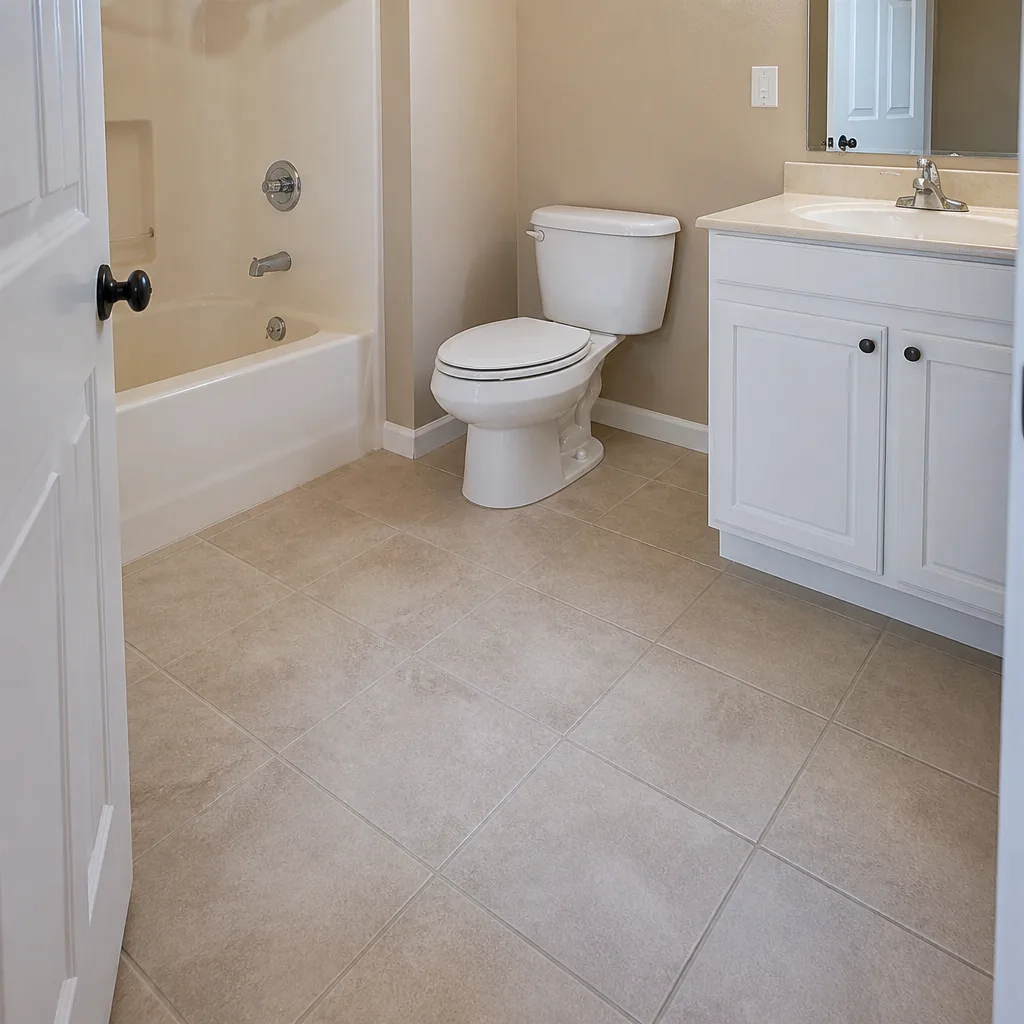
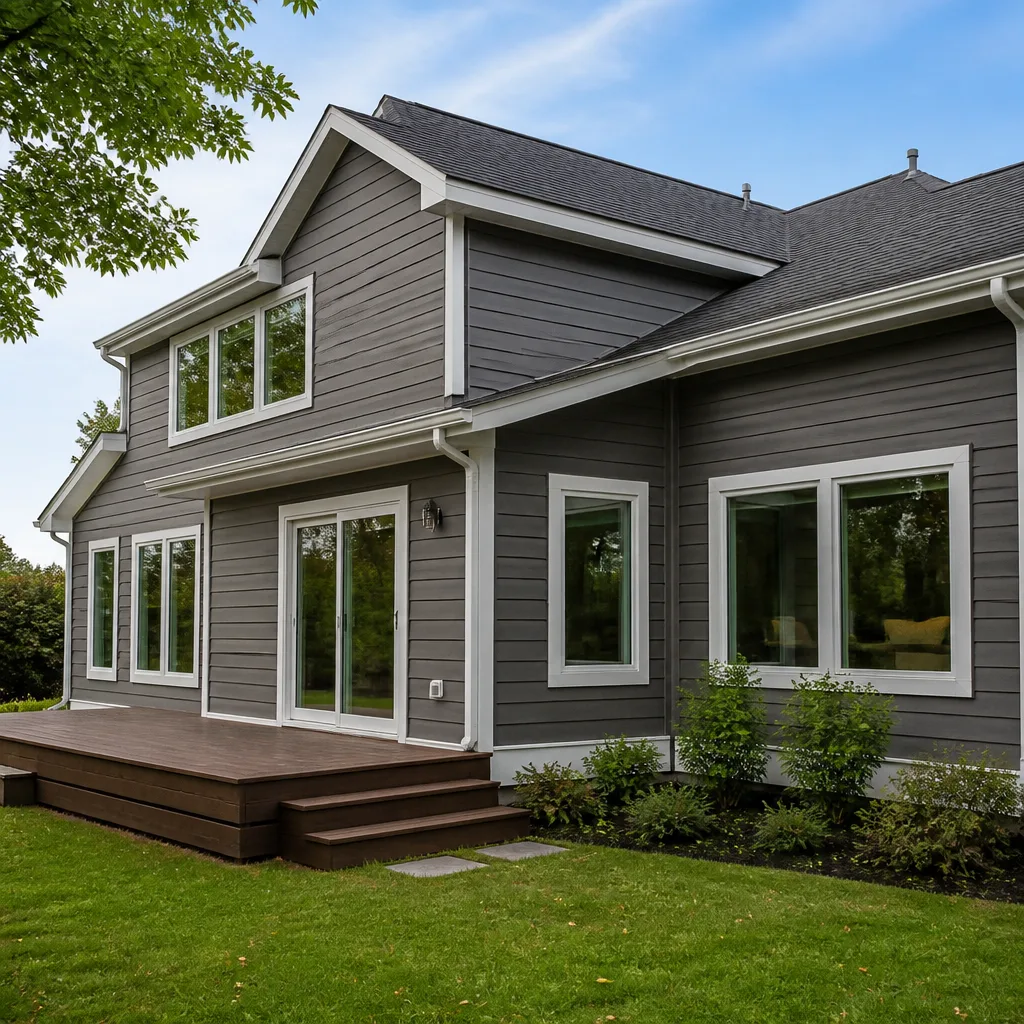
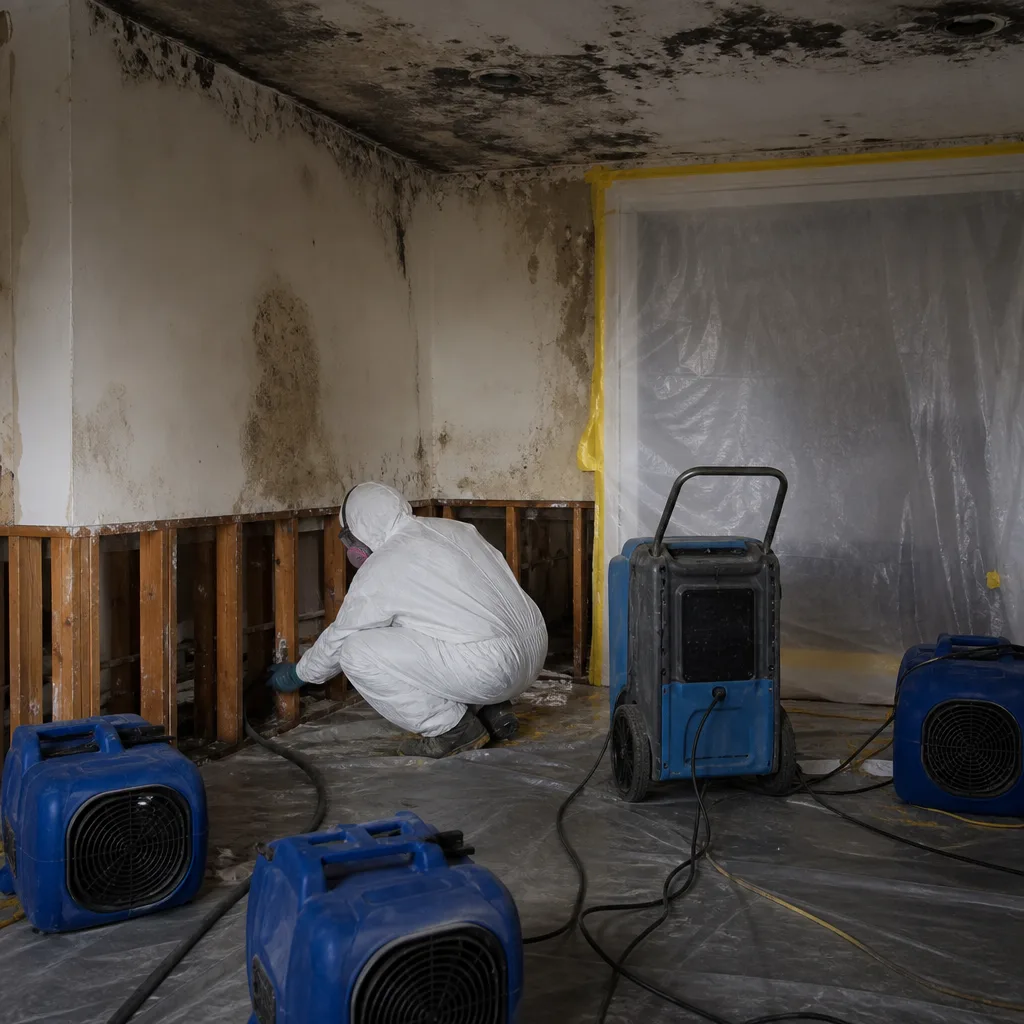 Before
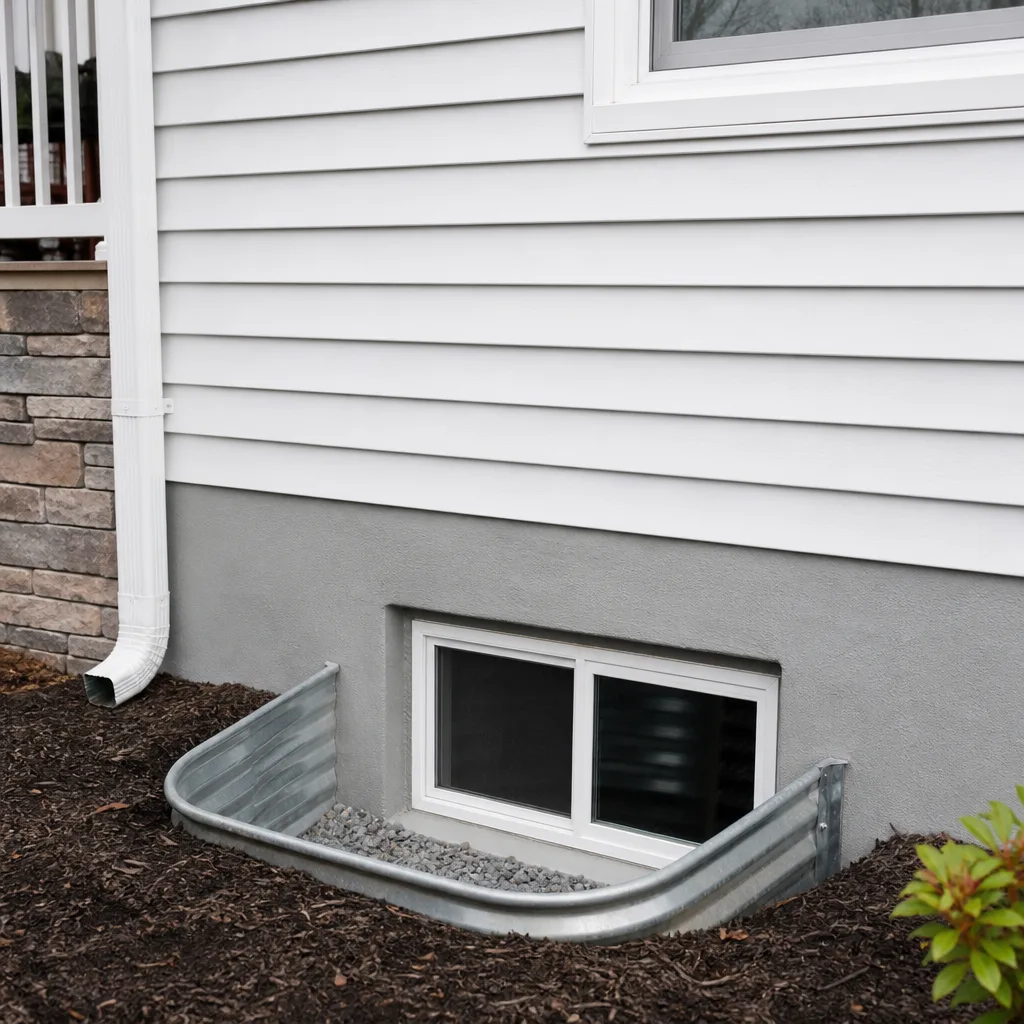 After
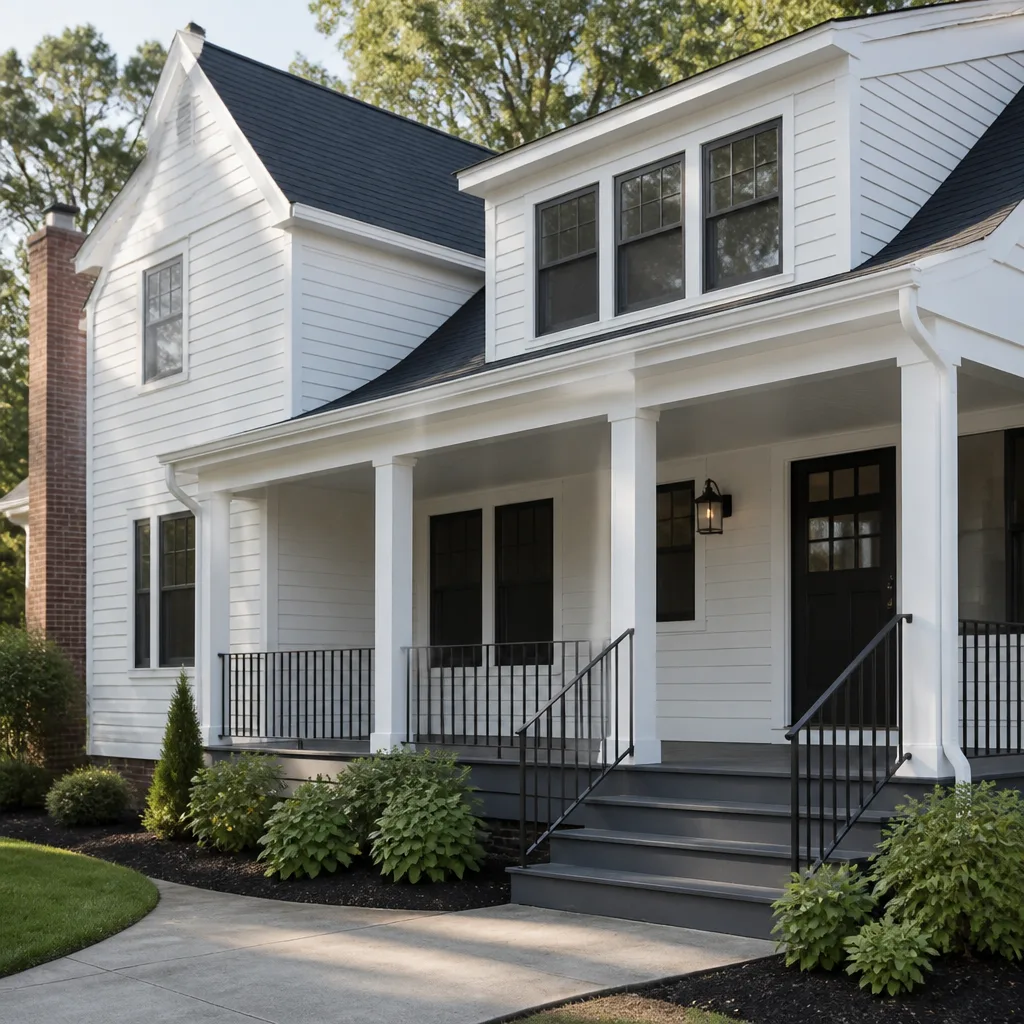
After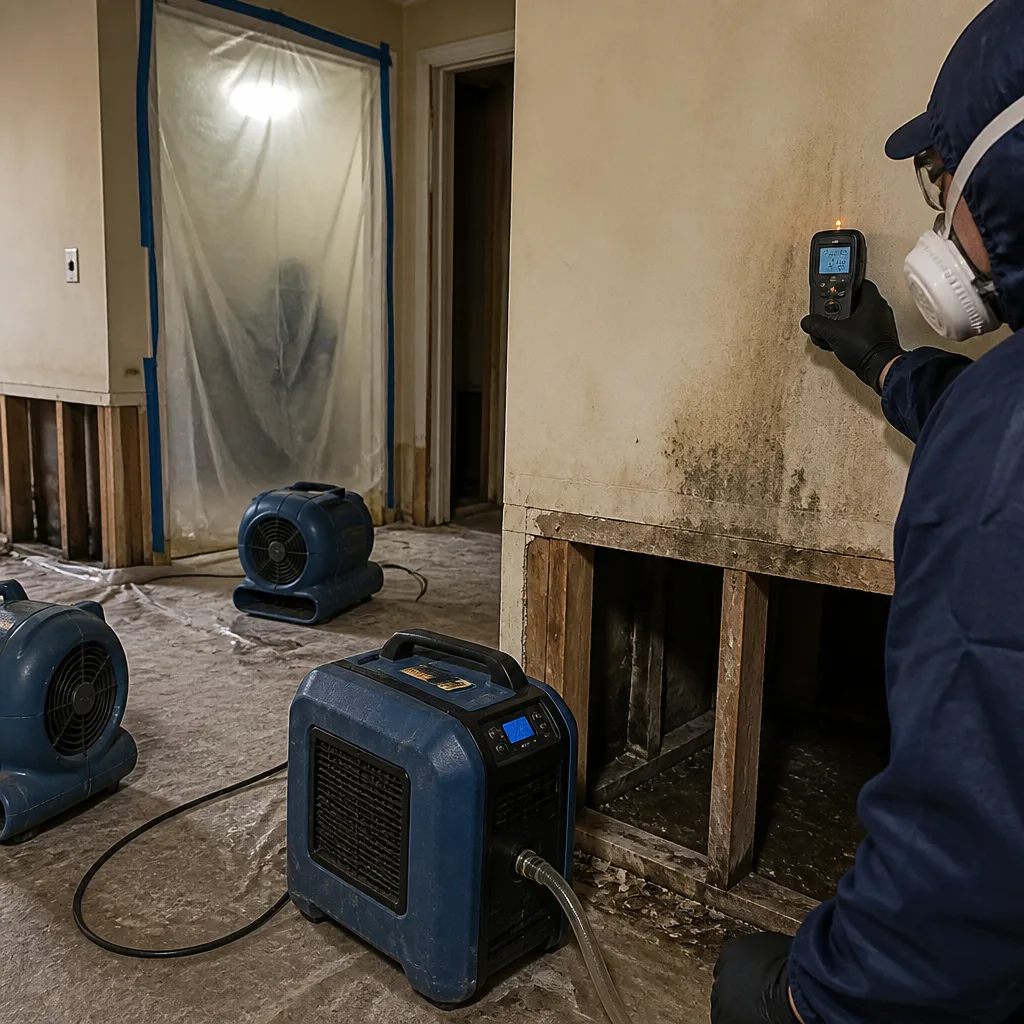 Before
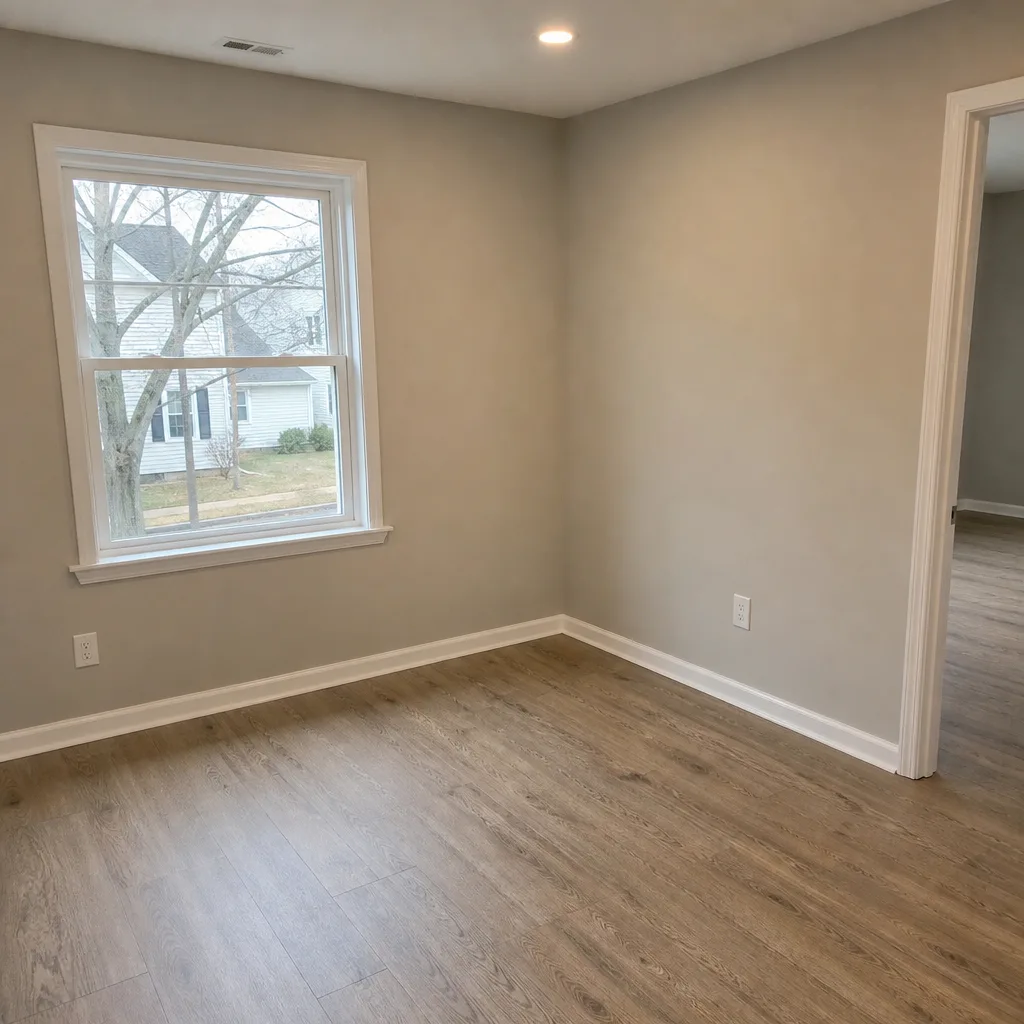 After
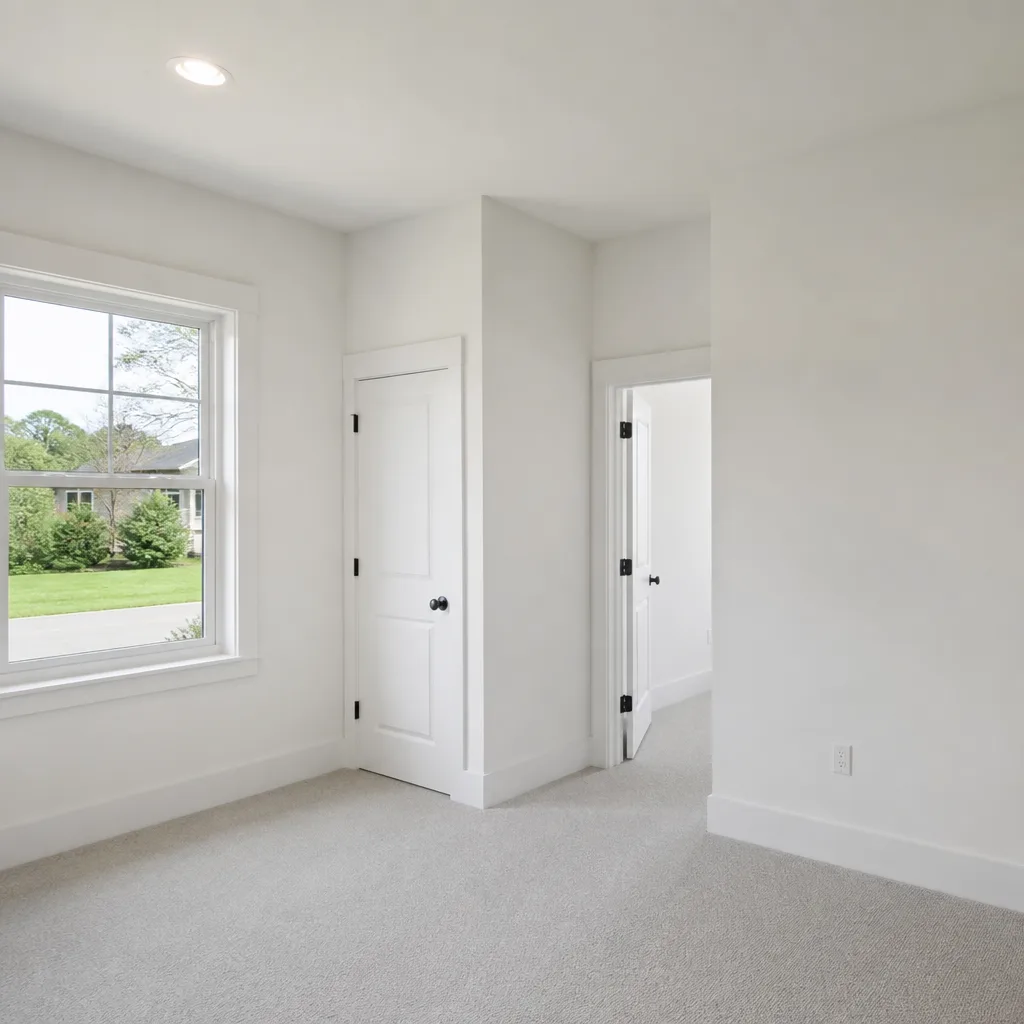
After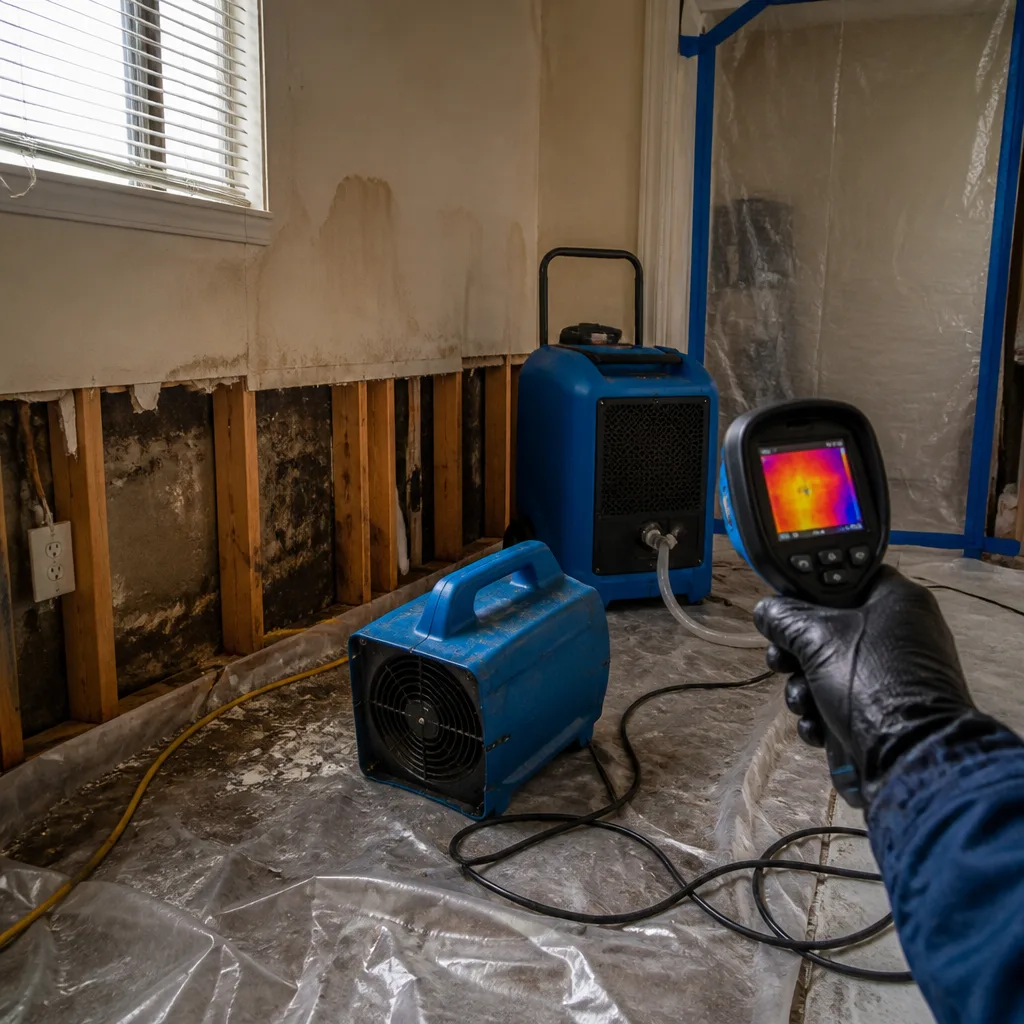 Before
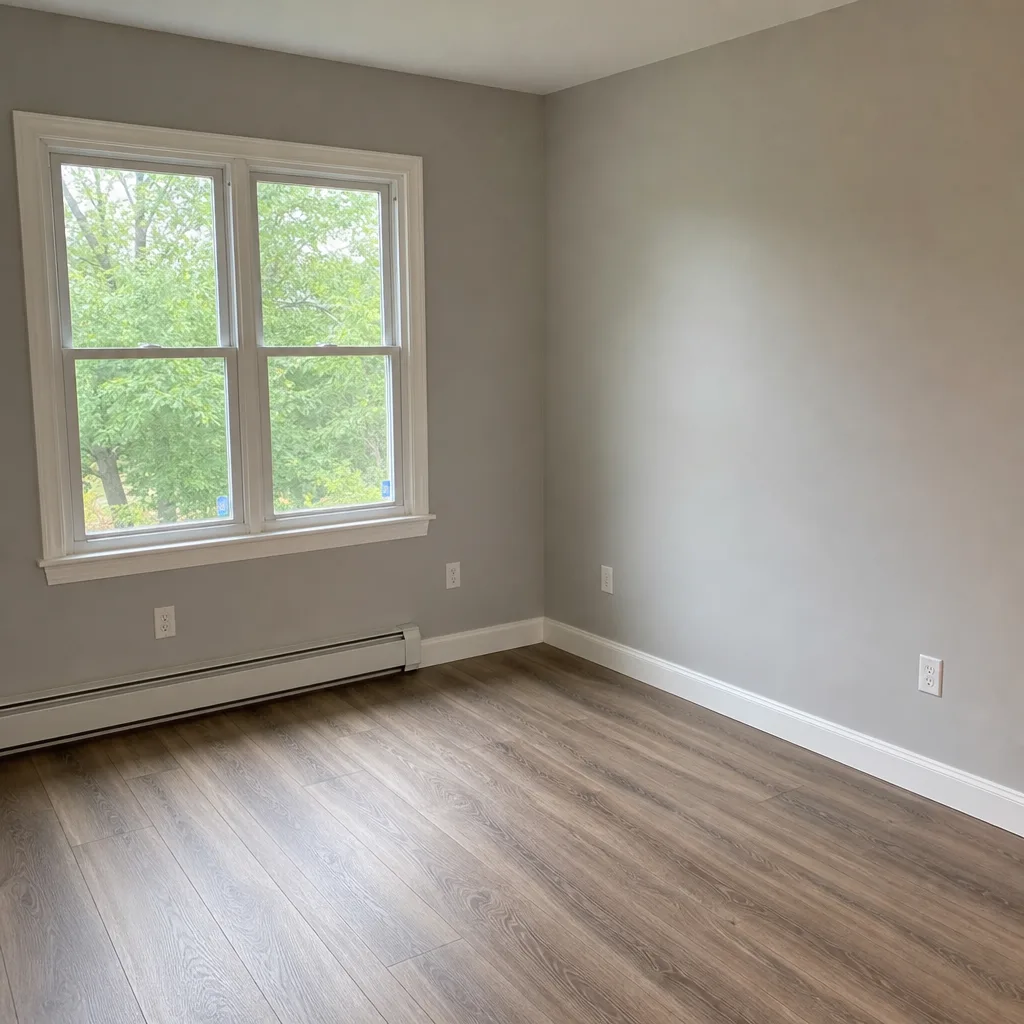 After
After24/7 Emergency Fire & Smoke Damage Restoration in Northwest Yonkers
Fire and smoke damage in Northwest Yonkers moves fast. Soot bonds to horsehair plaster within hours; smoke odor burrows into shared wall cavities in pre-war rowhouses and won’t let go on its own. Our crews answer live at (640) 356-1140 around the clock, every day of the year. We dispatch from our New York City office, and technicians reach Northwest Yonkers homes quickly, which matters because a first-hour board-up and containment keeps a kitchen fire from becoming a whole-building claim. Every call starts with a free visual inspection and a written scope, so you know exactly what we’ll do before any work begins.
Understanding Fire & Smoke Damage Restoration Severity in Northwest Yonkers Properties
Restoration severity in Northwest Yonkers runs a different course than in newer construction. Most of the housing stock here was built between 1900 and 1945, which means horsehair plaster over wood lath, original cast-iron plumbing chases, and shared wall cavities that smoke uses like a highway. There are three primary soot residue types we encounter: dry protein soot from kitchen fires, oily fuel-based soot from furnace or oil-burner events, and wet char from suppressed structural fires. Each requires a different cleaning chemistry. But the real challenge in Northwest Yonkers is smoke migration. In a two- or six-family brick rowhouse, smoke doesn’t stay in the unit where the fire started. It follows plumbing chases, electrical runs, and air gaps around floor joists into adjacent apartments. Often the most serious contamination is in a neighbor’s ceiling cavity, not in the room of origin. When fire suppression water soaks 1920s plaster, those walls hold moisture for weeks unless you use the right drying protocol. Thermal imaging and moisture mapping are non-negotiable here, not optional add-ons.
Why Northwest Yonkers Property Owners Choose Floodline Restoration Co.
- Live answer, real person: We answer the phone with a live dispatcher at 2 a.m., not a recording. You’ll speak to someone who can send a crew to your Northwest Yonkers block right away.
- IICRC-certified technicians: Our crews carry IICRC Fire and Smoke Restoration (FSRT) and Odor Control (OCT) certifications, plus RIA and IFA training, so the chemistry and drying decisions on your 1920s plaster are made by people who know what that material can take.
- One crew, start to finish: The same technicians who tear out damaged lath on day one handle the rebuild weeks later. No mid-job handoff, no inherited crew, no messenger role for you.
- Direct insurance billing: We bill your carrier directly and send our documented scope, photos, and drying logs to your adjuster. You don’t play middleman.
- Professional-grade equipment: Dri-Eaz LGR dehumidifiers, XPOWER low-profile air movers, Injectidry drying systems, and commercial HEPA air scrubbers, chosen specifically for dense plaster and tight rowhouse cavities.
- 90-Day Done Right Promise: Every job is backed in writing. If it’s not done right, we make it right. No paperwork battles, no arguing. That’s the Keystone Standard.
Our Fire & Smoke Damage Restoration Process
Inspection & Assessment
We walk every affected room, and every adjacent unit where smoke may have traveled. Thermal imaging identifies heat-compromised wall cavities; hygrometers and moisture meters map how deep suppression water went into plaster. You get a written scope before any work begins.
Board-Up & Stabilization
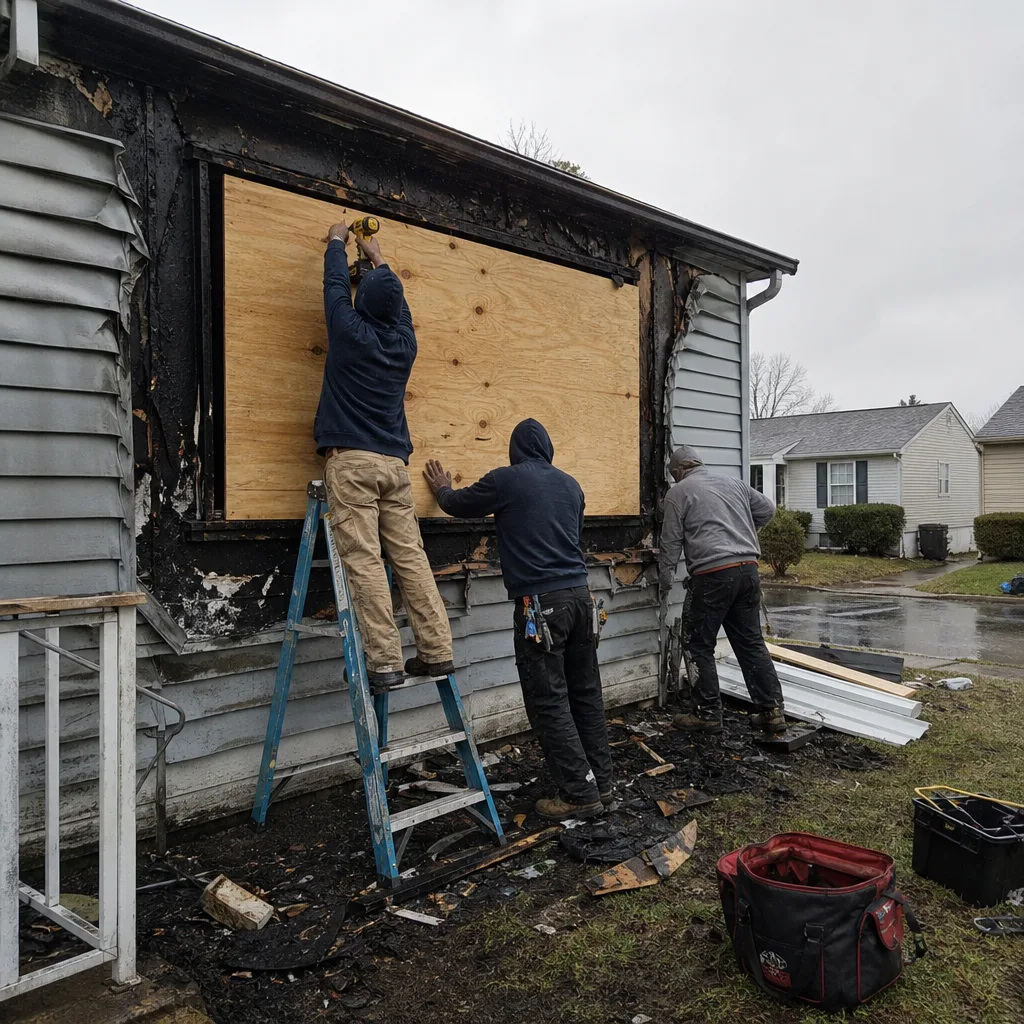
If windows or roof sheathing are compromised, we board up and tarp immediately. This stops the second loss: rain from a Northwest Yonkers nor’easter getting into an already-open structure, which would compound the claim and the damage.
Smoke & Soot Removal
We remove char and soot before any drying. That order matters here. Running air movers before soot removal would drive carbon particles into porous horsehair plaster and make later remediation far harder.
Drying & Dehumidification
In pre-war plaster buildings, we use low-airflow, extended dehumidification. Dri-Eaz LGR units pull moisture gradually from lath and plaster without cracking it. This is categorically different from high-velocity drywall drying used in newer construction.
Odor Removal & Deodorization
We use hydroxyl generators, thermal fogging, and antimicrobial sealing tailored to horsehair plaster and brick party walls. River-driven drafts that pull smoke into basements mean we also treat cold foundation surfaces where odor condenses and reactivates in humid weather.
Repairs & Restoration
From patching lath and replastering to replacing knob-and-tube wiring exposed by the loss, we rebuild to pre-loss condition. The same crew that did the mitigation handles the finish work, and we stand behind it all with a written guarantee.
Need Emergency Fire & Smoke Damage Restoration in Northwest Yonkers Now?
Crews minutes away, answering live 24 hours a day. The sooner we start, the less it costs.
Working With Your Insurance Company
Most Northwest Yonkers fire claims involve a policy with replacement-cost coverage and a smoke-damage rider, but the quality of your documentation usually decides the settlement more than the fine print. We document from the first hour: room-by-room photos, thermal images where heat traveled, moisture maps from every affected wall cavity, and a line-item scope tied to current regional pricing. Our techs meet adjusters on site and walk them through what we found, including damage in shared wall cavities and adjacent units that initial walkthroughs miss. The 1920s construction here means a fire in one apartment can contaminate two others. We make sure the loss statement reflects that reality, so your carrier pays for the actual scope, not a stripped-down version.
What We Provide Your Insurer
- Thorough documentation of the loss
- Photos of all damage, room by room
- Moisture readings and drying logs
- A detailed, line-item scope of work
- Direct coordination with your carrier
Built for Northwest Yonkers’s Loss Calendar
Northwest Yonkers doesn’t have a fire season so much as a fire condition: old wiring, shared walls, and weather that punishes aged roofs. Winter brings ice dams on the low-pitch roofs common to pre-war rowhouses. When a dam lets water into a ceiling cavity with original knob-and-tube wiring, a short can smolder for hours before anyone notices. Freeze-thaw cycles on the west-facing hillsides stress roof flashing and masonry, opening paths for water and then igniting hidden electrical faults. In summer, window air conditioners plugged into overloaded 1920s circuits remain a consistent cause of kitchen and bedroom fires. River-driven humidity along the Hudson means smoke odor that settles in basements and cold plaster walls reactivates every time humidity spikes, which makes thorough odor sealing, not just surface cleaning, the difference between a fixed home and a recurring complaint. And the dense multifamily layout means a fire in one unit becomes a shared claim more often here than anywhere else in Westchester.
Fire & Smoke Damage Restoration Across Northwest Yonkers’s Neighborhoods
Northwest Yonkers covers some of the city’s oldest and densest residential fabric. Up along Warburton Avenue, the three-story brick walk-ups sit tight to the riverside hills; fires there push smoke into neighboring units through shared attic bays and cast-iron plumbing chases. Near Glenwood and the streets around Trevor Park, the homes are mostly 1920s and 1930s semi-attached brick rowhouses with original plaster intact. Our crews know the floor plans before we arrive, which speeds containment. Down near Getty Square and the commercial strips, early apartment blocks with mixed occupancy present their own challenge: a restaurant kitchen fire on the ground floor often contaminates three floors of apartments above. Along the Nepperhan Avenue corridor, older wood-frame multi-family homes burn faster and smoke travels farther through open stud bays. We route crews from our New York City office across the Saw Mill River Parkway and up Route 9, and we know those blocks well enough to know where a fire truck can fit and where a sprinkler system was never installed.
Specialized Fire & Smoke Damage Restoration Services We Offer in Northwest Yonkers
Fire Damage Cleanup
We remove charred materials, burned flooring, and compromised framing. In Northwest Yonkers rowhouses, that often means cutting back party walls to inspect shared structural members. The goal is to leave only materials that are still sound.
Smoke & Soot Removal
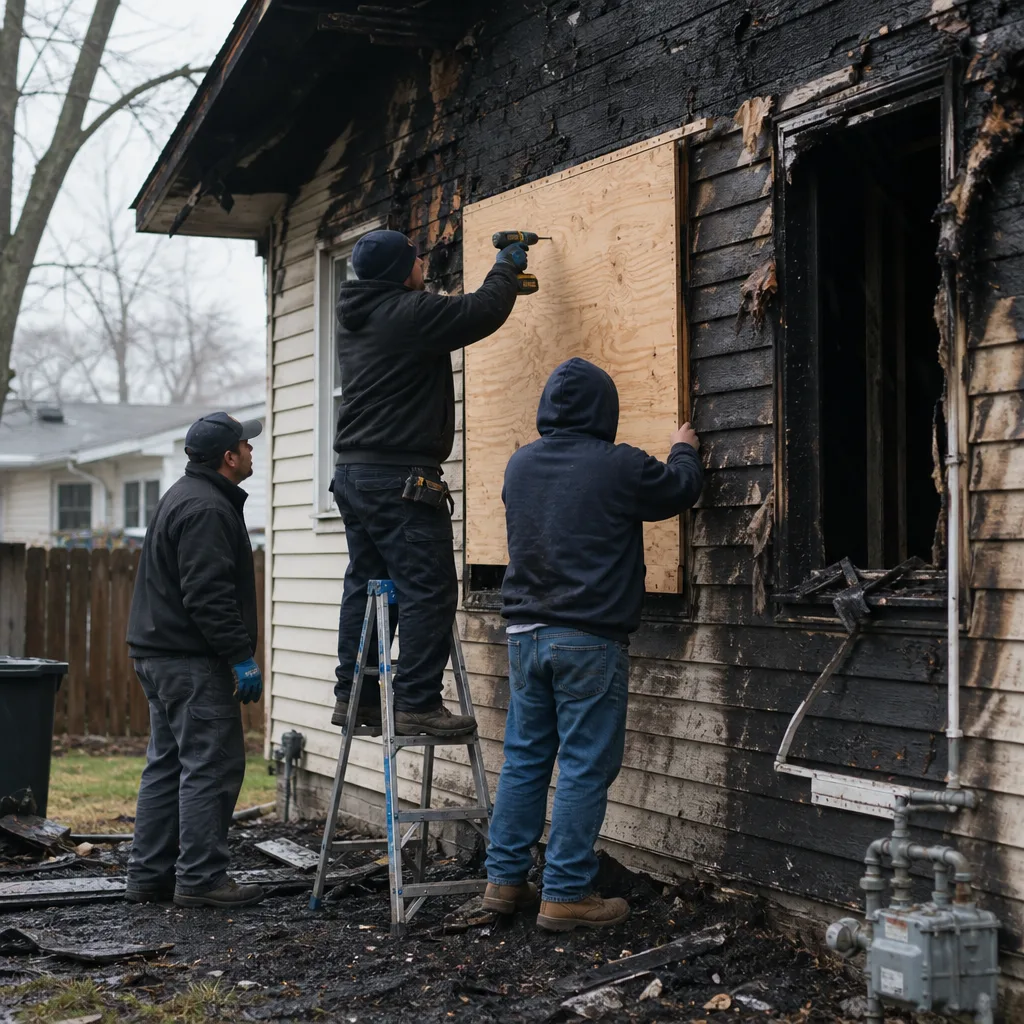
This is the core of our work in Northwest Yonkers. Soot from protein fires, oil-burner failures, and electrical smolders each needs different chemistry. On horsehair plaster, we use dry sponge and chemical sponge methods before any wet cleaning, because wet methods drive carbon deeper into the lime finish.
Odor Removal & Deodorization
Odor in pre-war Northwest Yonkers buildings is stubborn for a reason: horsehair plaster acts as a sponge, and the Hudson’s ambient humidity reawakens trapped odor molecules. We use thermal fogging and hydroxyl generation, then seal treated surfaces with an odor-blocking primer before any new paint.
Contents Cleaning & Pack-Out
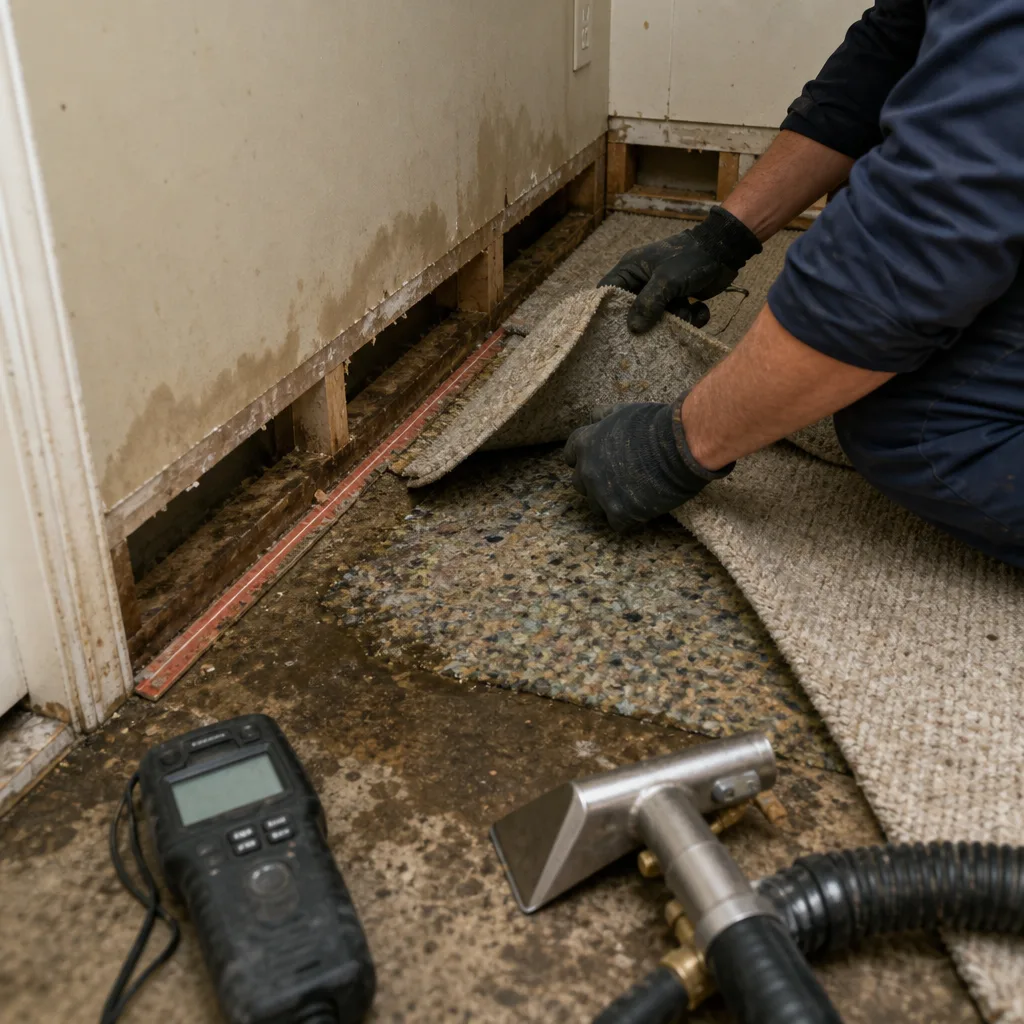
We inventory, photograph, and pack out salvageable contents to our cleaning facility, where they are processed with ultrasonic cleaning for non-porous items and specialty treatments for upholstery and documents. Items too far gone are documented for your carrier, which keeps your claim honest and complete.
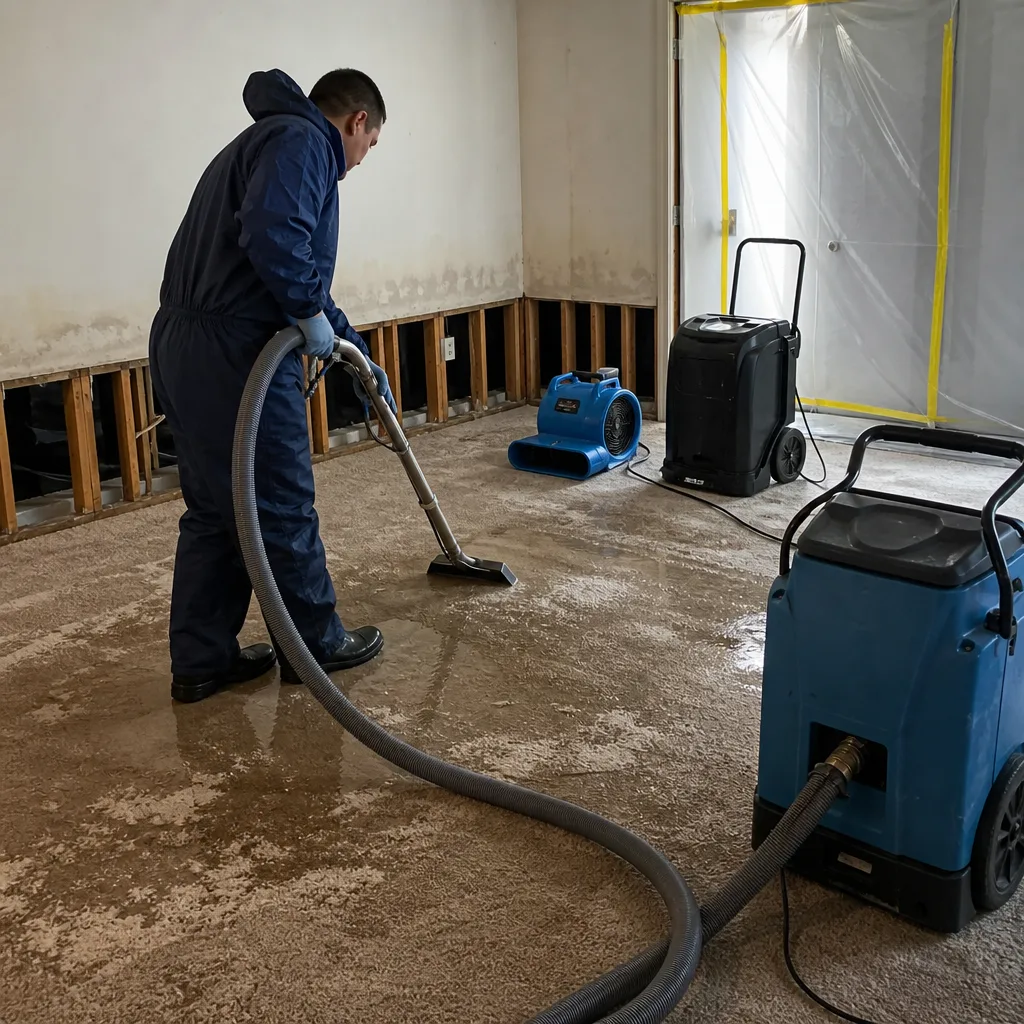
Emergency Board-Up & Tarping
We board windows, doors, and roof penetrations the same visit, using marine-grade plywood and heavy-gauge poly. Northwest Yonkers sits on wind-exposed hillsides, so we over-fasten. A tarp that fails in a nor’easter is a second claim waiting to happen.
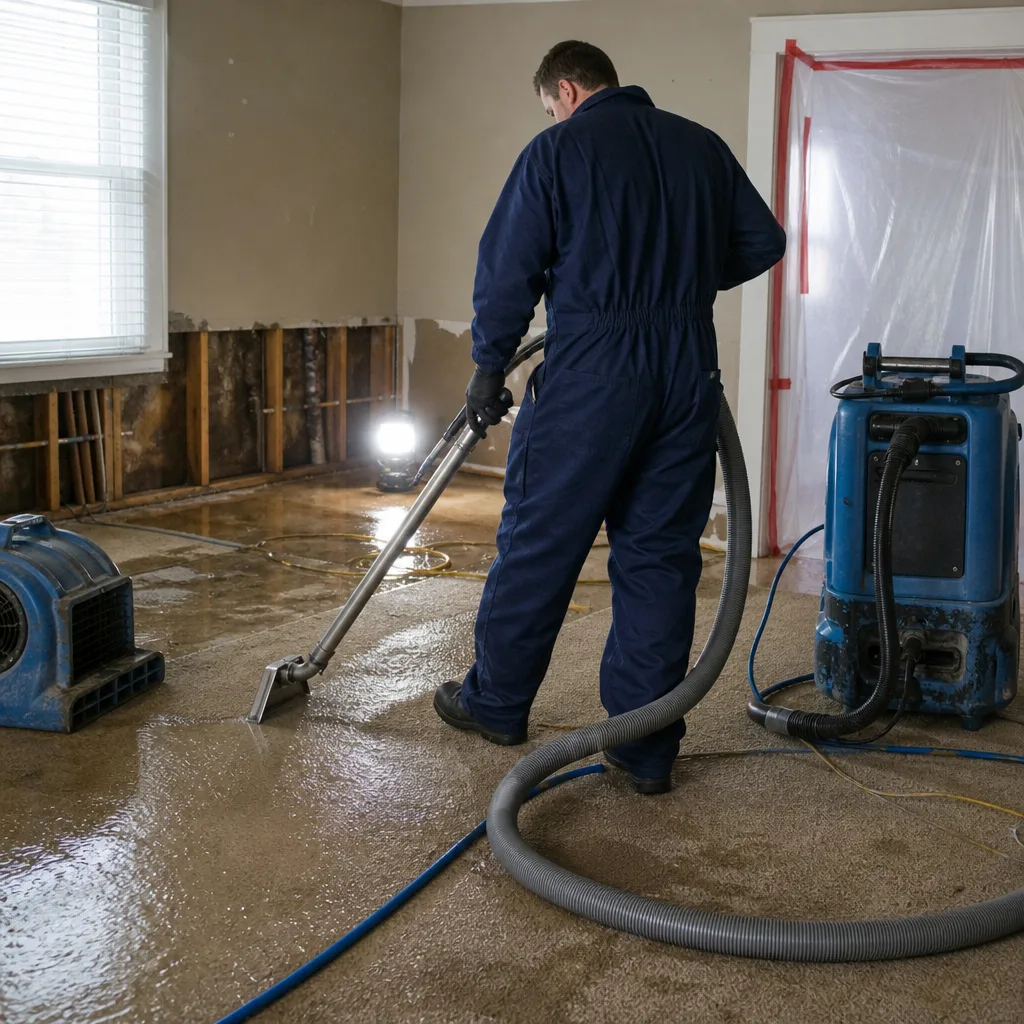
What happens when you call
- 1
A real person answersNo phone trees - you reach a local pro.
- 2
You get an upfront price rangeHonest numbers before anyone is dispatched.
- 3
A background-checked tech heads outLicensed & insured, dispatched right away.
- 4
You approve before work beginsNothing starts until you say go.
Fire & Smoke Damage Restoration Costs in Northwest Yonkers, NY
What you’ll pay depends on how far smoke traveled and how much water suppression added. In Northwest Yonkers, a contained kitchen fire with light soot and no structural loss typically runs $2,800 to $6,500 for cleanup, deodorization, and minor repairs. A multi-room fire in a shared-wall rowhouse with pack-out of contents and partial plaster replacement usually lands between $12,000 and $35,000. A whole-floor loss requiring structural repair, electrical replacement, and full rebuild of lath-and-plaster walls and ceilings ranges from $45,000 to $120,000 or more. The variables that move the price: number of affected units, whether insulation in shared cavities needs removal, knob-and-tube wiring replacement, and the extent of contents cleaning. Most Northwest Yonkers owners carry coverage that includes smoke remediation, and we bill your carrier directly, which means the out-of-pocket is usually just your deductible. The free inspection gives you a firm, line-item scope before you commit to anything. Call (640) 356-1140 for that estimate.
We Also Serve Cities Near Northwest Yonkers
Our restoration crews respond to fire and smoke losses across the neighboring communities of Bronxville, Dobbs Ferry, Getty Square, and Hastings-on-Hudson. If your property sits near the Northwest Yonkers line, call the same number and we’ll have someone to you fast.
Serving Northwest Yonkers, NY - Our Local Coverage Area
We’re based in the Northwest Yonkers area and know this community well. Use the map below to see our service coverage - if you’re nearby, we can almost certainly help.
Northwest Yonkers Fire & Smoke Damage Restoration Questions, Answered
How does Northwest Yonkers’s Hudson River humidity change smoke odor removal after a fire?
Humidity bonds smoke odor to cold surfaces like rubble-stone basement walls and plaster faces, and it reactivates odor every time ground-level fog settles in. That’s why we run extended dehumidification and HEPA air scrubbing before and during deodorization, then seal treated surfaces to lock out moisture. Standard surface cleaning doesn’t hold up in this river-driven climate.
Why does a kitchen fire in a Northwest Yonkers rowhouse often become a multi-unit restoration?
Shared wall cavities, original cast-iron plumbing chases, and common attic bays give smoke direct paths into adjacent apartments. A grease fire on the second floor of a brick walk-up off Warburton Avenue commonly contaminates the ceilings of both neighboring units. We inspect every adjacent unit with thermal imaging so the claim reflects the full scope, not just the room of origin.
Do older plaster walls in Northwest Yonkers need different drying after fire suppression?
Yes. Pre-WWII horsehair plaster over wood lath absorbs fire-suppression water deeply and cracks under high-velocity drying. We use low-airflow, extended drying with Dri-Eaz LGR dehumidifiers and XPOWER air movers set to gentle circulation. This can take ten to fourteen days, but it protects the plaster and prevents mold inside the lath cavity.
What happens when basement groundwater from the Hudson water table meets fire-damaged structure in Northwest Yonkers?
It complicates the restoration substantially. River-influenced groundwater infiltrates original rubble-stone foundations here, and when that moisture meets fire-compromised framing or charred materials, you get a compounding moisture problem on top of smoke damage. We stage dehumidification at the foundation level and in the affected living spaces simultaneously, and document both sources so your carrier covers the full scope.
Why is pre-loss condition documentation harder for Northwest Yonkers pre-WWII buildings after a fire?
Because original materials like horsehair plaster and lath are no longer readily available, and the replacement cost for period-appropriate craftsmanship is far higher than for modern drywall. We photograph every surface before demo, document the exact plaster composition and thickness, and write scopes that specify plaster-coat replacement, not just drywall, so your settlement matches what it actually costs to restore a 1920s Northwest Yonkers home.
How fast can someone actually get here from the time I call?
Most Northwest Yonkers calls see a technician on site within about 45 minutes of the phone call. We track every vehicle and know the local routes, including when the Saw Mill River Parkway backs up. Board-up and containment begin on that first visit.
Will my insurance cover fire and smoke restoration in Northwest Yonkers?
Most homeowners policies in this area cover fire, smoke, and water from suppression under dwelling and personal property coverage, minus your deductible. We document from the first hour and bill directly, which helps you avoid fronting large sums. We’ll walk you through what your specific policy language means after the initial inspection.
Can we stay in our home during restoration, or do we need to leave?
It depends on the extent of smoke contamination. Light soot in one room with no structural damage often allows you to stay. Multi-room smoke, especially in a shared-wall building where odor travels through cavities, usually means temporary relocation until air scrubbers and deodorization are complete. We’ll be straight with you about what we’d do in our own home.
Fire and smoke damage in Northwest Yonkers is never just a surface problem. It lives in the plaster, the shared walls, and the damp basement air off the Hudson. Call Floodline Restoration Co. at (640) 356-1140 for a free estimate, a written scope, and a live person on the other end, any hour, any day.
Written by Curt Bowman, Owner at Floodline Restoration Co., serving Northwest Yonkers and surrounding communities since 2010.