
Last updated August 25, 2026
Free visual inspection and a written scope of work before any mitigation begins - photos, moisture readings, and drying logs go in your claim file
The scope we write is the scope we bill. Anything new gets shown to you, in writing, before we touch it.
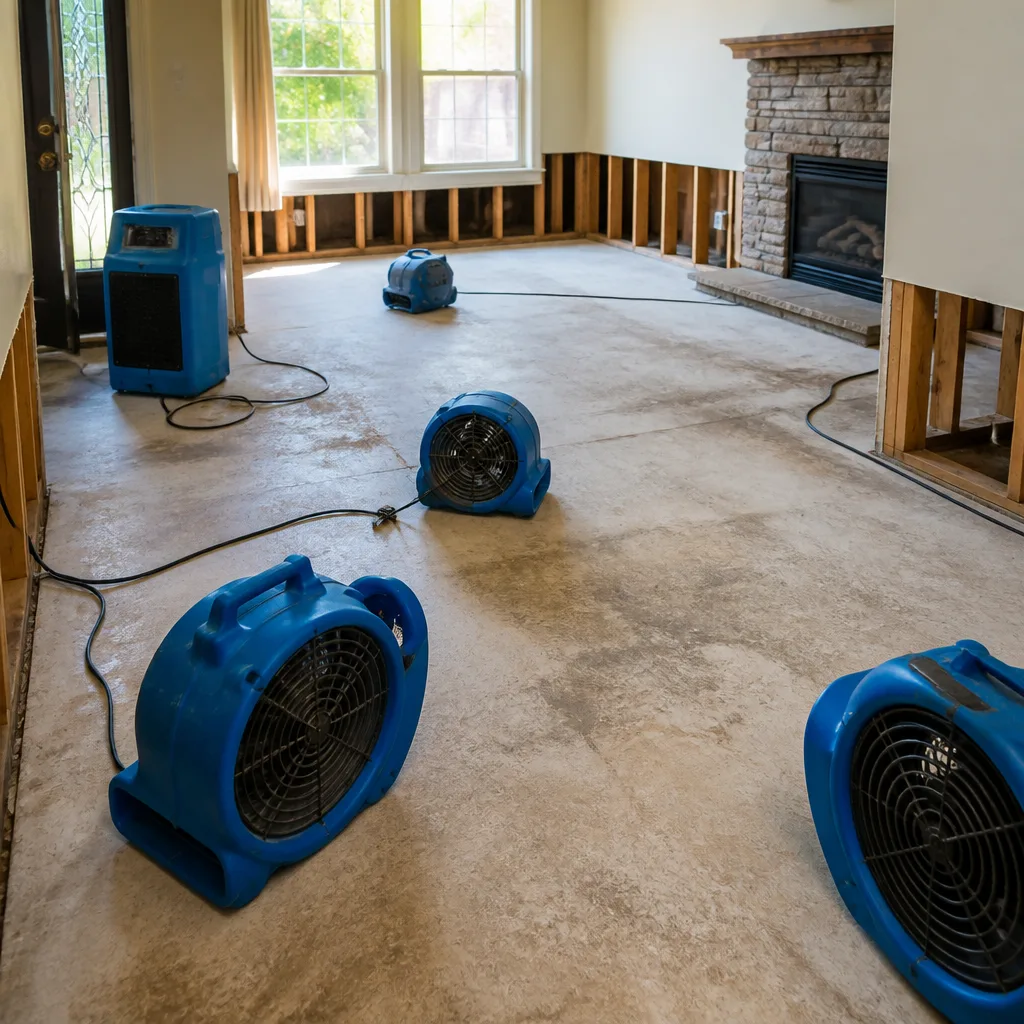
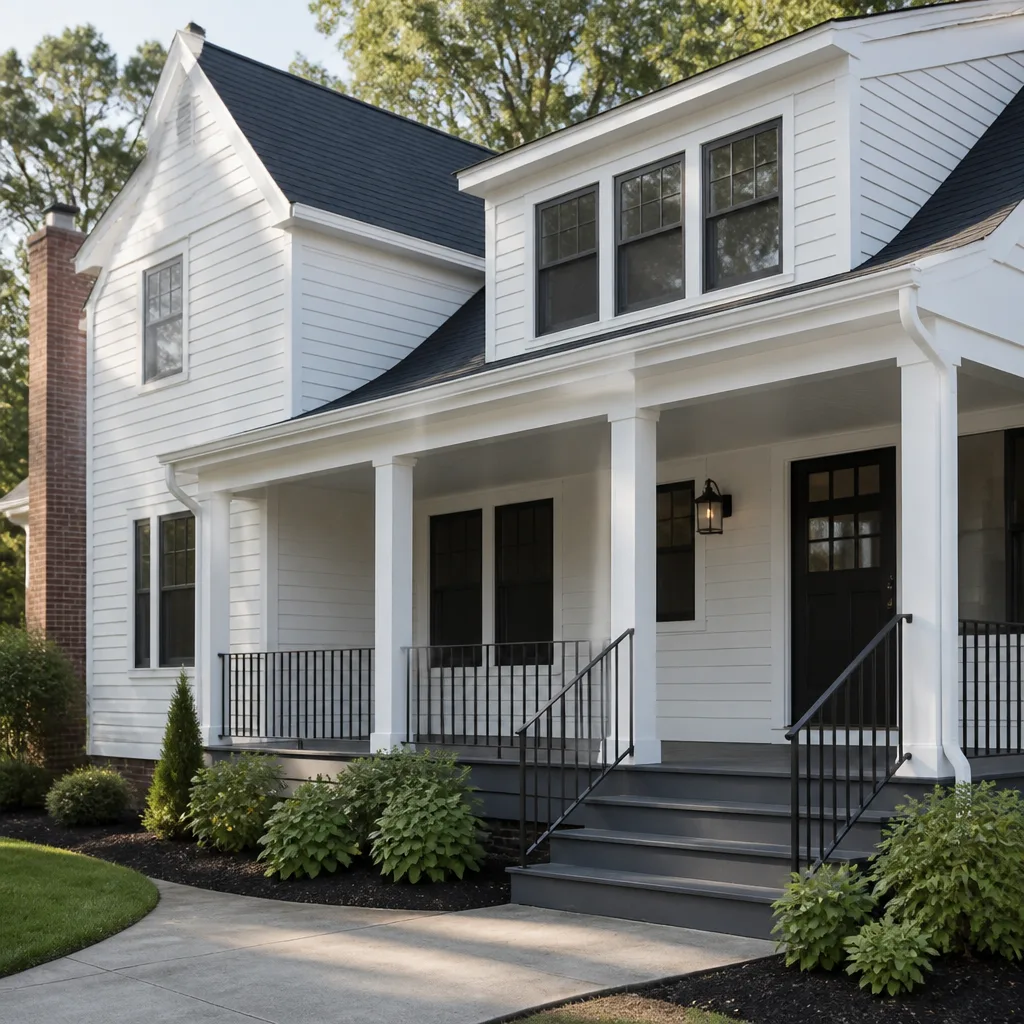
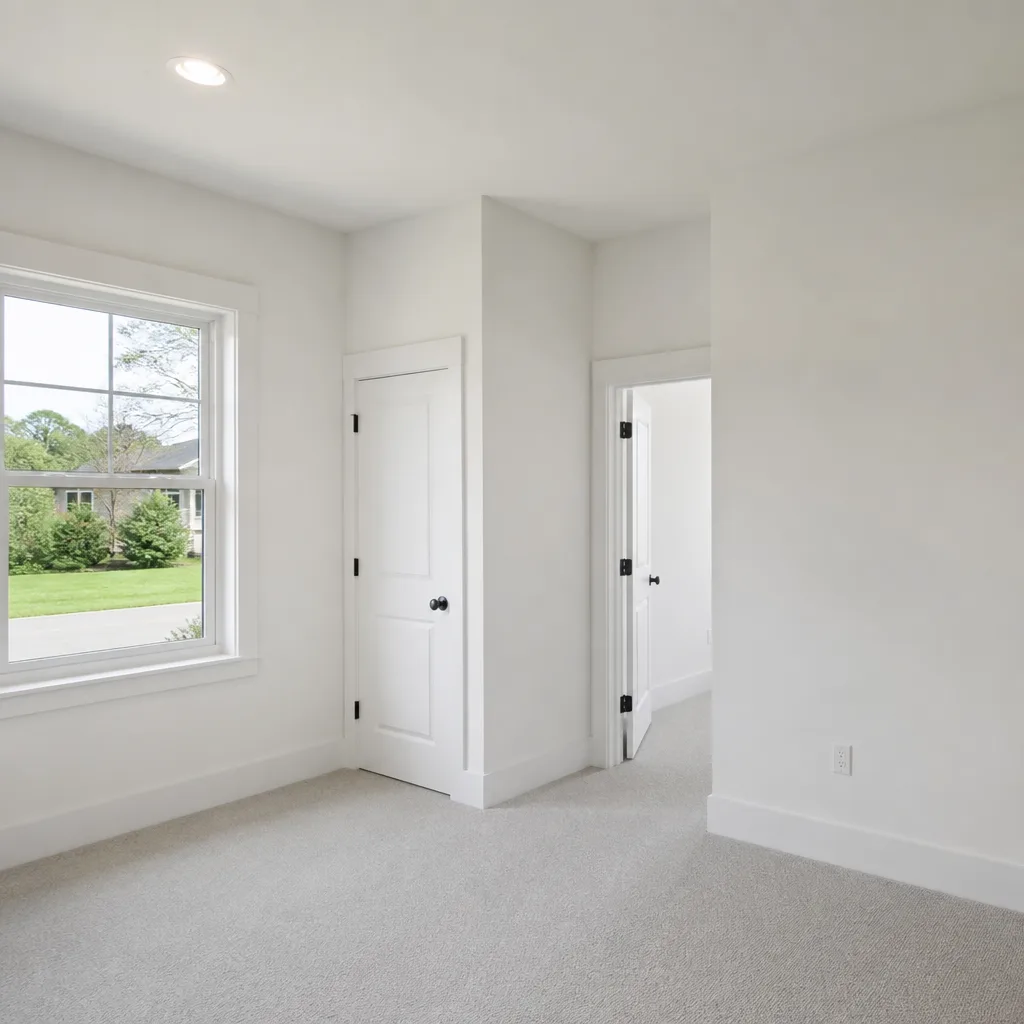
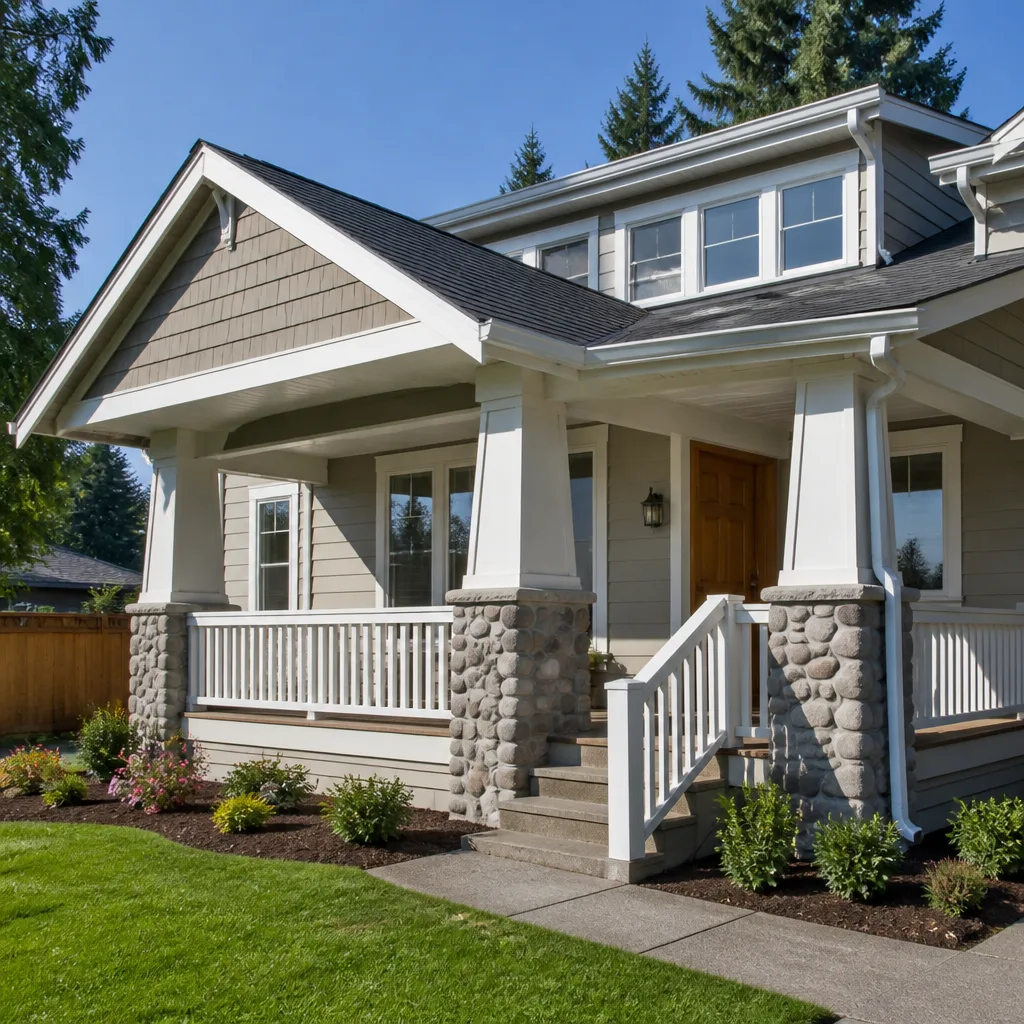
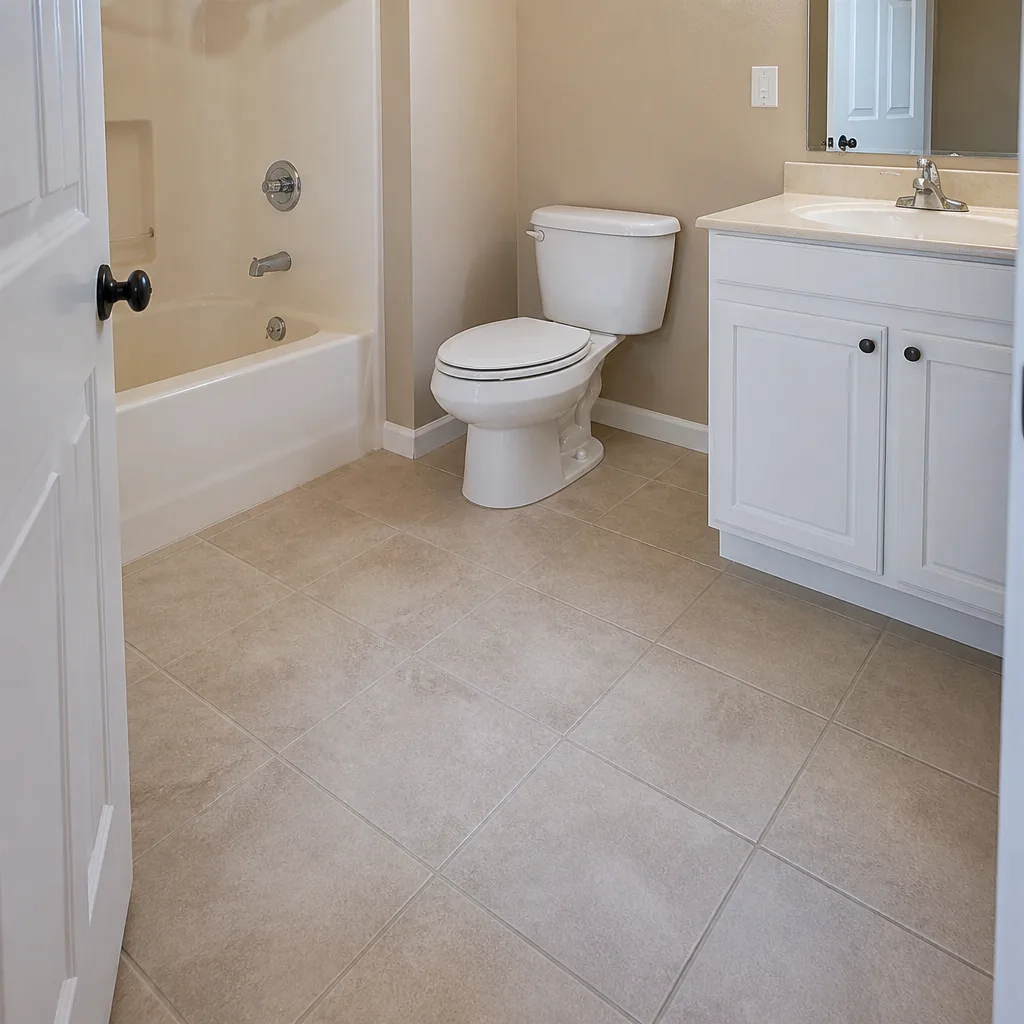
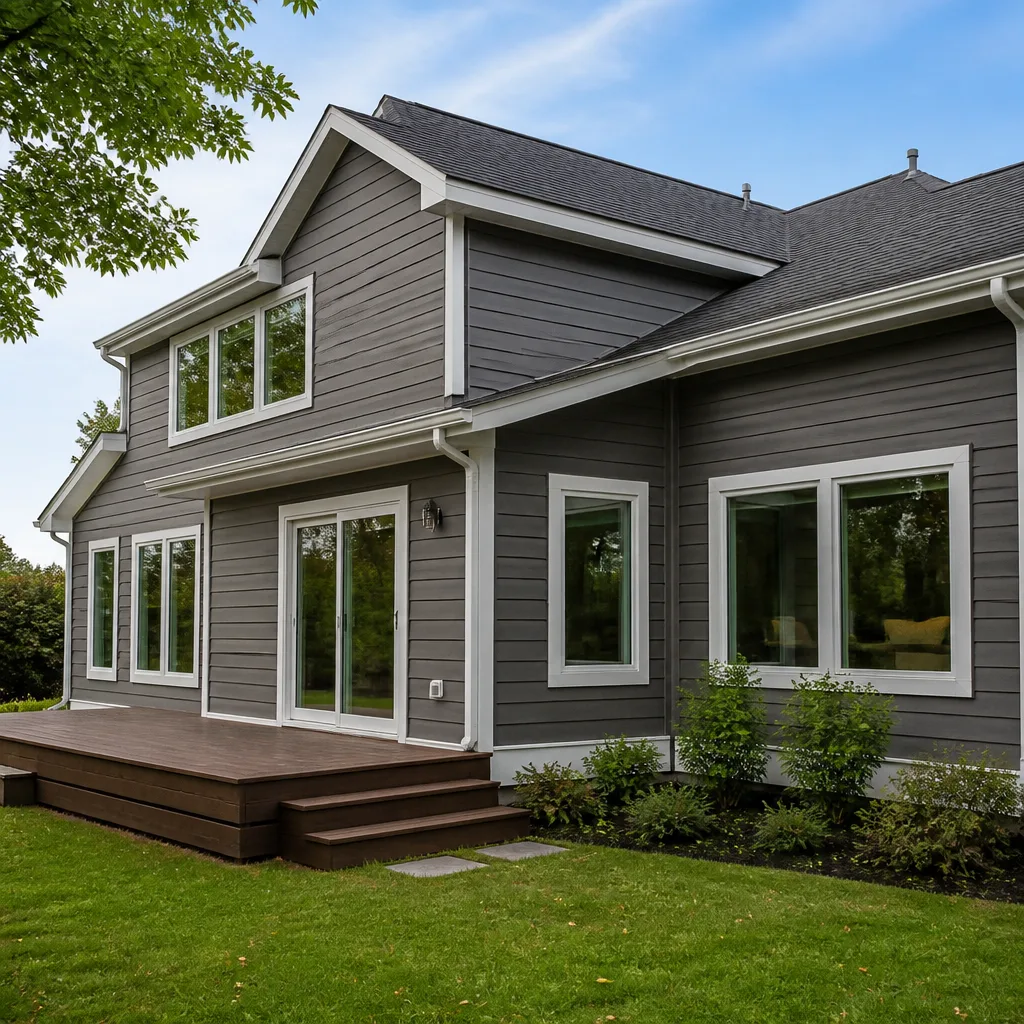
 Before
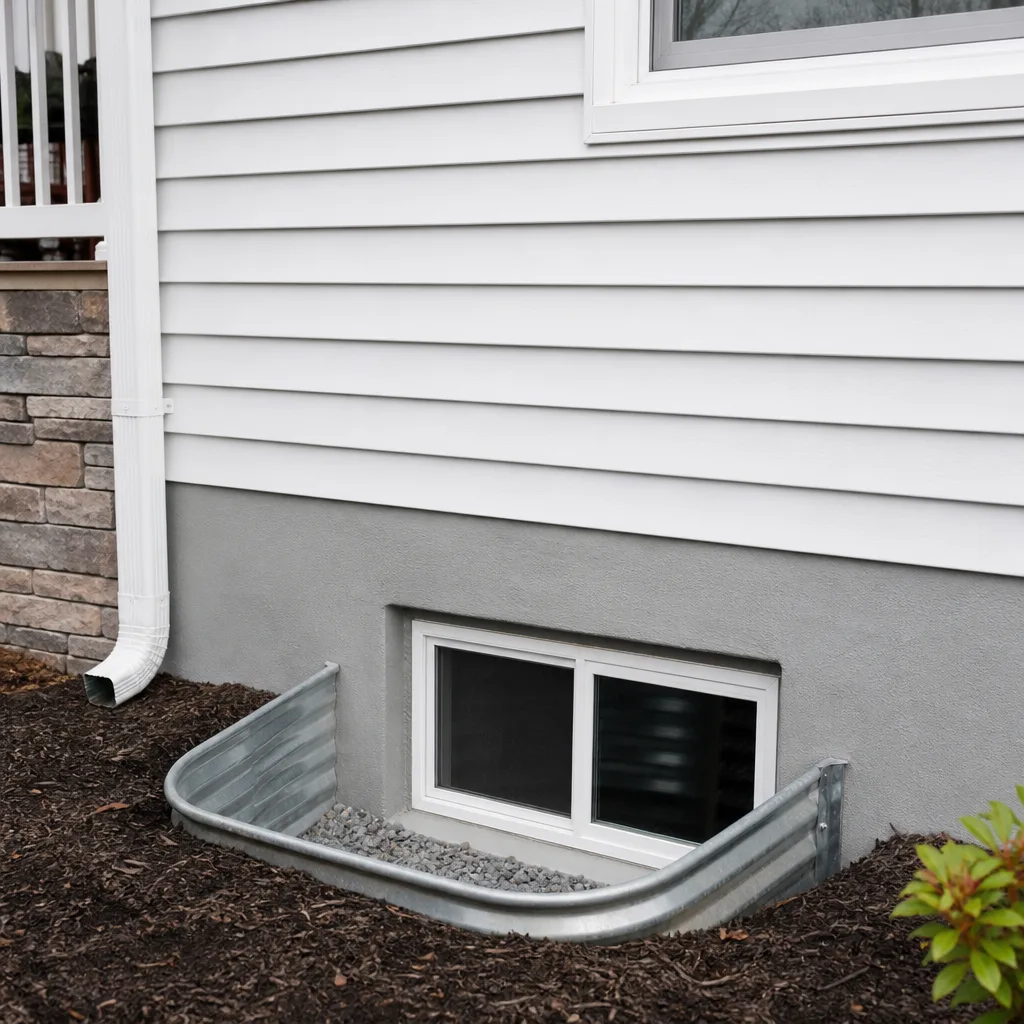 After
After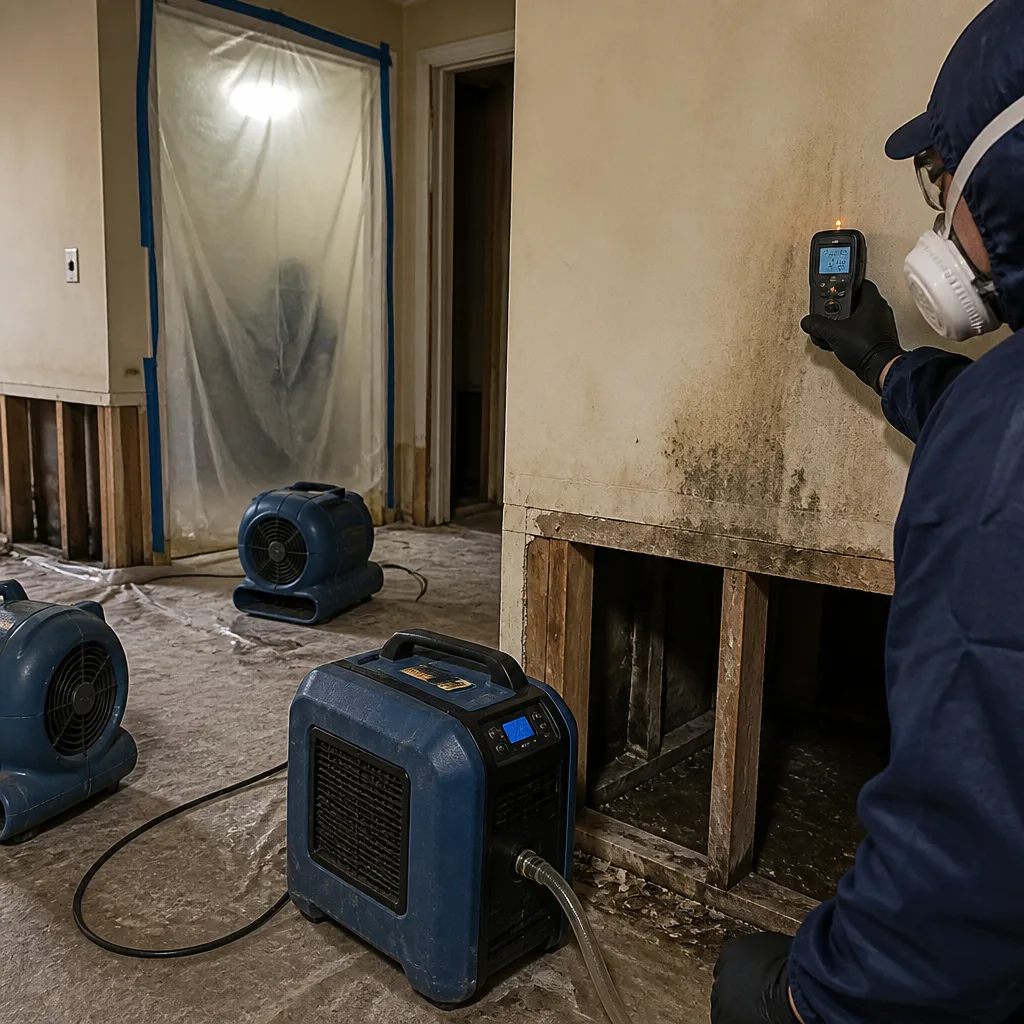 Before
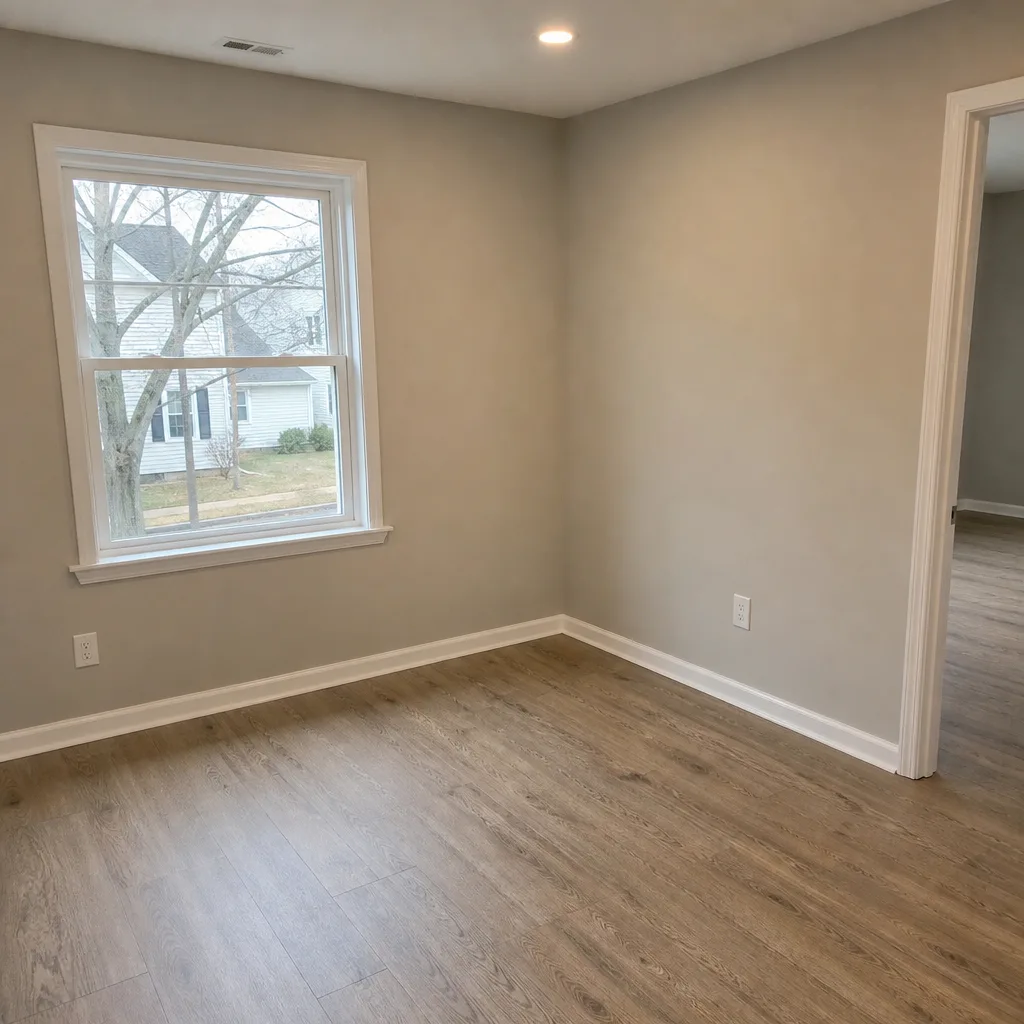 After
After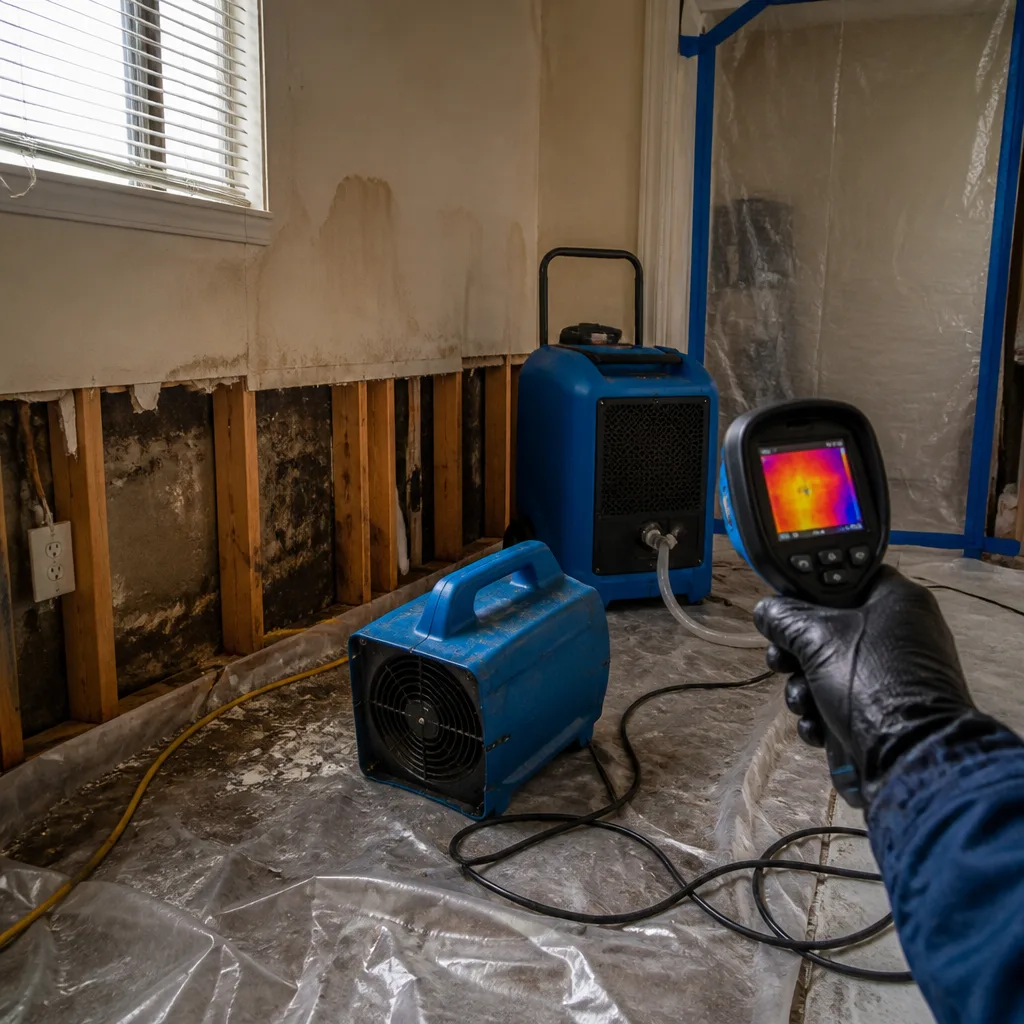 Before
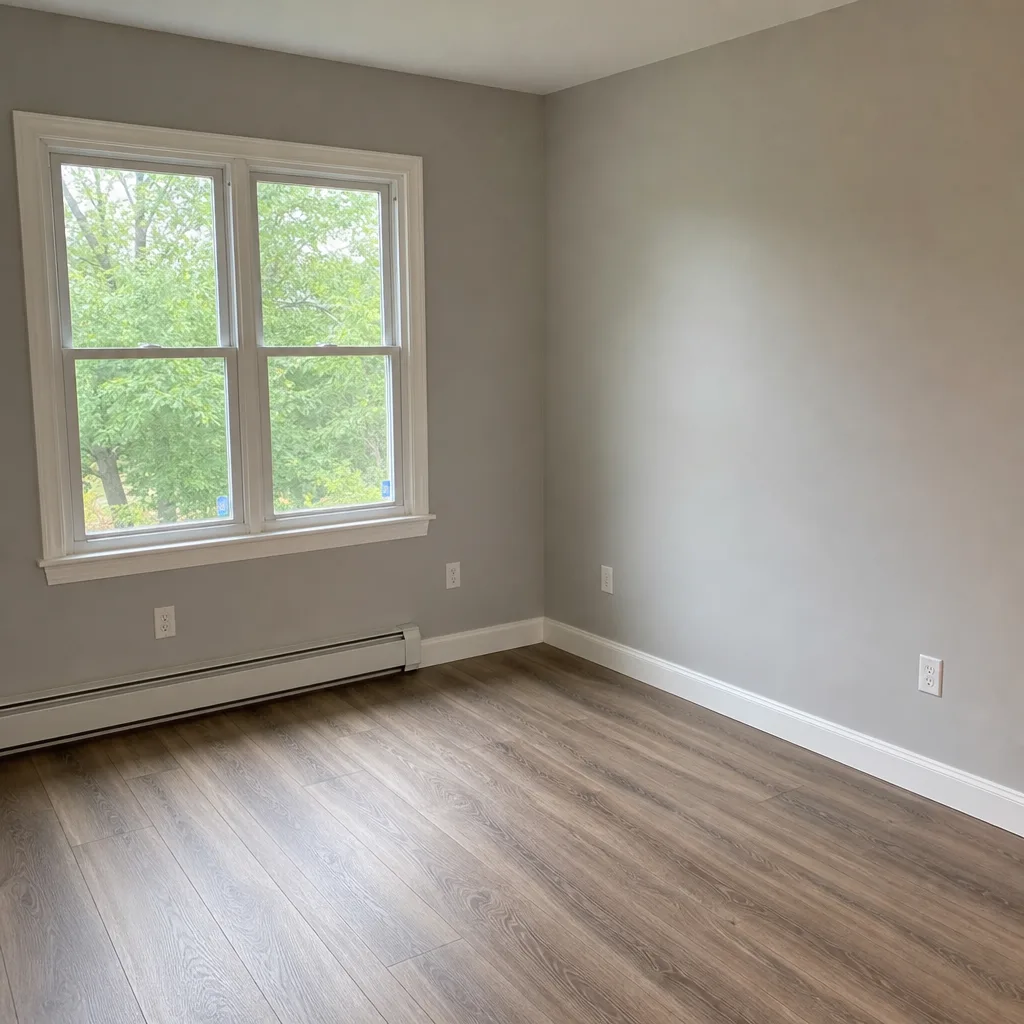 After
AfterThe Complete Guide to Damage Restoration in Lodi
Most homeowners in Lodi will face some form of property damage in their lifetime, and the difference between a $3,000 repair and a $30,000 rebuild often comes down to what happens in the first 48 hours. Water from a failed sump pump in winter, a chimney fire that smolders behind drywall, a sewage backup after a heavy June storm: these are part of living in Northern New Jersey, where homes built in the 1950s through the 1980s carry both character and complications. This guide walks through every major category of damage restoration, what the process actually looks like on the ground in Lodi, and how to avoid the expensive mistakes that come from guessing.
Quick Answer
Damage restoration in Lodi is the multi-step process of cleaning up water, fire, mold, sewage, storm, or biohazard damage, drying the structure to a measurable standard, and rebuilding what cannot be saved. The process typically runs from $1,800 to $4,200 for a contained water loss, $3,500 to $12,000+ for mold remediation, and $8,000 to $30,000+ for fire or full reconstruction, with insurance often covering significant portions. Speed matters most in the first 24 to 48 hours: water spreads through drywall, flooring, and framing much faster than it dries, so the sooner extraction starts, the lower the final bill.
Table of Contents
- Water Damage Restoration
- Fire & Smoke Damage Restoration
- Mold Remediation
- Sewage Cleanup & Biohazard
- Storm & Disaster Restoration
- Reconstruction & Cleanup
- How the Insurance Process Works in Lodi
- Common Mistakes to Avoid
- When to Call a Professional
- Frequently Asked Questions
- The Bottom Line
Water Damage Restoration
Water damage in Lodi homes runs the same script whether it starts from a burst pipe in February, a leaking water heater in the basement, or a roof leak that ran down the wall behind the siding. Water follows gravity and wicks sideways into drywall, baseboards, and subfloor, and it keeps moving long after the visible puddle is gone. In our experience, what a homeowner sees in the kitchen is often only a third of the actual wet area by the time we run moisture meters.
Categories of Water Damage
- Category 1 (Clean water): Supply-line breaks, sink overflows, tub overflows. Safe to handle initially but degrades to Category 2 within 48 hours if not dried.
- Category 2 (Gray water): Washing machine discharge, dishwasher leaks, sump pump failures. Contains soaps, detergents, and bacteria. Requires sanitizing, not just drying.
- Category 3 (Black water): Sewage backups, outdoor flooding, river water. Carries pathogens and requires full containment, disposal of porous materials, and antimicrobial treatment.
The Water Damage Process, Step by Step
- Inspection and moisture mapping: We locate the perimeter of the wet area using moisture meters and thermal imaging. The difference between what’s wet and what’s dry becomes the work scope, written down and agreed to before we start.
- Water extraction: Professional-grade extraction equipment pulls standing water from flooring and cavities. This is where Dri-Eaz and XPOWER extraction units earn their keep: a high-volume extractor removes water faster and more thoroughly than any rental unit.
- Drying and dehumidification: Air movers and dehumidifiers run around the clock, sized and placed per IICRC drying standards. Daily moisture readings are logged and shared with you and your insurer until the dry standard is met.
- Sanitizing and mold prevention: Surfaces are treated with professional antimicrobials. The goal is to leave the structure dry enough that mold never gets a foothold.
- Rebuild: Drywall, baseboard, trim, and flooring are replaced as needed by the same crew that handled the extraction. No handoff, no new faces, no second company to chase.
One thing we see regularly in Lodi, especially in older Colonials and split-levels on the side streets off Route 46: cast-iron drain pipes and original supply lines that have been in service since the Nixon administration. When those fail, they fail in walls and under slabs, which means the visible damage starts small and spreads fast. If you have a 1950s or 1960s home with original plumbing, treat any unexplained dampness as a warning sign, not a one-off.
Fire & Smoke Damage Restoration
Fire damage in a Lodi home is not just about what burned. Smoke penetrates drywall, insulation, ductwork, carpet fibers, and even the inside of closed closets and drawers. The odor hangs on for years if the smoke residue, called soot, is not properly removed and sealed. A kitchen grease fire that was contained to the stove can still leave a smoke smell in bedrooms two floors up.
What Fire Restoration Involves
- Board-up and tarping: If the fire department opened a hole in the roof or broke windows, the first job is securing the property so weather and intruders cannot add to the damage.
- Debris removal: The burned materials are removed first. Anything structurally compromised is identified and addressed.
- Soot and smoke cleaning: Every surface is cleaned, from hard surfaces that can be scrubbed to soft contents that may need specialized cleaning or replacement. This includes walls, ceilings, fixture interiors, and even the inside of your HVAC ducts.
- Deodorization: The air and structure are treated to remove smoke odor, not just mask it. This often means multiple passes with air scrubbers and deodorizing agents.
- Content pack-out and cleaning: What can be saved is cleaned, documented, and stored. What cannot be saved is documented for your adjuster. Your carrier needs a clean, defensible list; we build it as we work, photo by photo.
- Visible mold growth covering more than 10 square feet
- Mold contamination inside HVAC ducts or return plenums
- Mold caused by a Category 3 water event, like sewage
- Mold in the presence of immune-compromised occupants, infants, or elderly residents
- Assessment and scope: We determine the extent of growth, the moisture source, and the square footage impacted. The scope is written, specific, and agreed before work starts, so there’s no mystery about what gets removed and what gets cleaned.
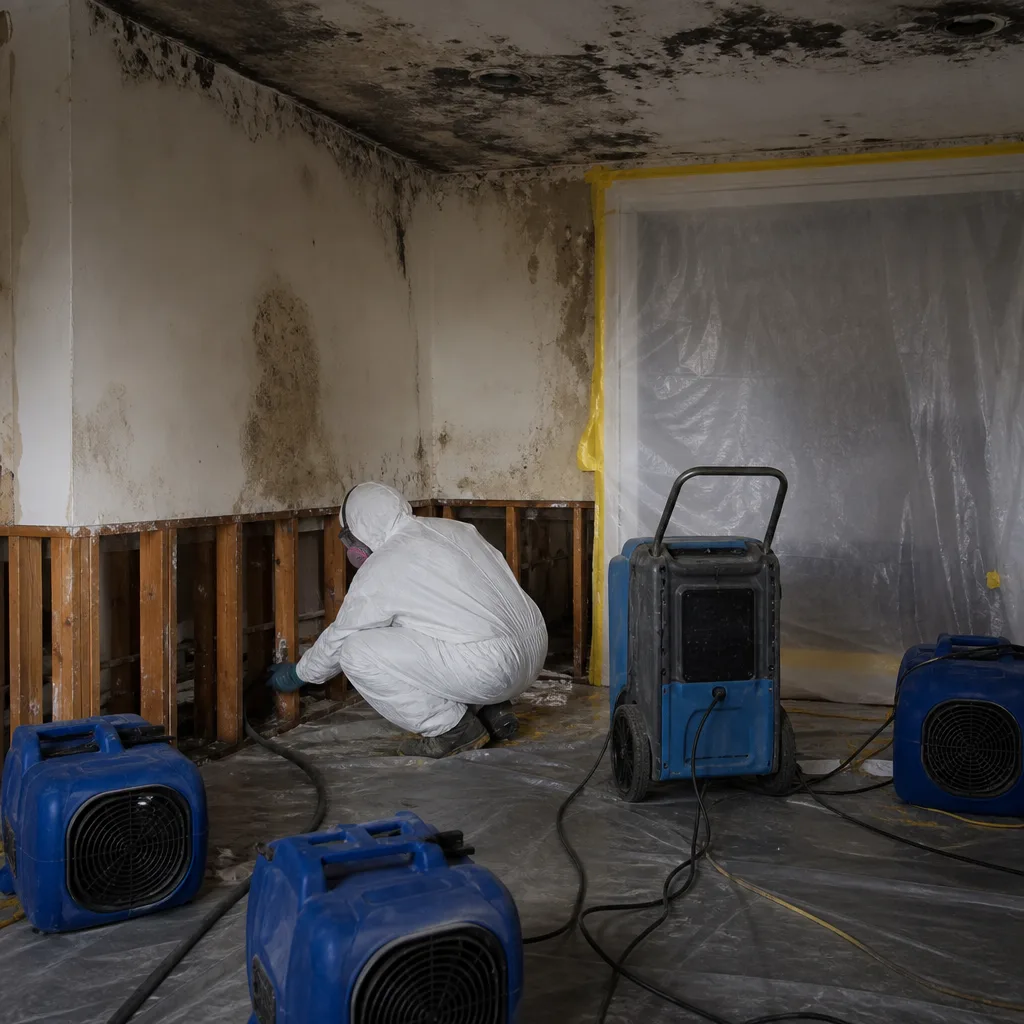
- Containment: The work area is sealed with 6-mil poly barriers and placed under negative air pressure to prevent spores from spreading to the rest of the home during removal.
- Removal: Contaminated porous materials, drywall, insulation, carpet, are cut out and bagged inside the containment zone. Non-porous surfaces are HEPA-vacuumed and wiped with an antimicrobial treatment.
- Drying: The area is dried to below the mold growth threshold, using dehumidification equipment placed and monitored daily.
- Clearance: We verify the area is dry and visually clean. The structure is left ready for rebuild.
- Full personal protective equipment for the crew: Tyvek suits, gloves, boots, and respiratory protection are mandatory, not optional.
- Containment of the affected area: The contaminated zone is sealed off from the rest of the home before anything is disturbed.
- Removal of all porous materials: Carpet, padding, drywall, insulation, and any wood furniture that absorbed contaminated water is cut out and disposed of per local regulations.
- Sanitizing of all remaining surfaces: Concrete floors, studs, and non-porous surfaces are treated with an appropriate antimicrobial solution.
- Drying and moisture verification: The area is dried to the same standard as a clean water loss before rebuild begins.
- Tarp and board-up: A damaged roof is tarped and secured the same day, not when the weather clears. Every hour of exposure adds to the inside damage.
- Water extraction: Standing water is pulled from all accessible areas, including floor cavities under tile and wood.
- Drying: Dehumidification equipment is installed and monitored daily. Drying a flooded basement in Lodi’s humid August air takes specific equipment placement and patience, not just a fan from a rental counter.
- Mold prevention treatment: Wet framing and cavities are treated before drywall goes back up, so the storm damage does not resurface as a mold problem six months later.
- Rebuild: Roofing, siding, drywall, flooring, and electrical are restored to pre-loss condition, with permits pulled when the scope requires them.
- Structural repairs: Floor joists, wall framing, and subfloor repairs after water, fire, or impact damage.
- Drywall and insulation: Hung, taped, and finished to match existing surfaces. We match texture patterns, not just drywall placement.
- Flooring: Hardwood, engineered wood, tile, vinyl, and carpet installation.
- Trim and finish carpentry: Baseboards, casing, wainscot, and custom millwork where required.
- Painting: The final coat goes on after the structure is verified dry, not before.
- Final cleanup: The job is not done when the paint dries. It is done when the floors are swept, the windows are clean, and the room looks like no one was ever there.
- Before-and-after photos of every stage: Not just the damage, but the containment, the drying equipment in place, and the cut lines before removal.
- Daily moisture readings: The numbers that show the structure was dried to standard, which is the difference between a covered dry-out and a disputed one.
- Itemized line-item scopes: The carrier sees exactly what was removed, what was cleaned, and what was replaced. No lump sums.
- Waiting to call until the water dries on its own: In a Lodi basement in June, water does not dry on its own; it goes into the drywall, the sill plate, and the flooring. The 48-hour clock for mold starts when the water stops, not when you call.
- Hiring a general contractor to do a restoration company’s job: A GC is great at framing and trim. A restoration company is certified to dry structures to IICRC standards and document the process for your adjuster. These are different skills.
- Assuming the homeowner’s insurance covers everything: Flood from the Saddle River, unless you carry an NFIP flood policy, is not covered by a standard homeowners policy. We will tell you straight what your policy likely covers, not what you want to hear.
- Letting a carrier choose your restoration company without question: You have the right to select the contractor. Choose one that works for you, not one whose first loyalty is to a volume contract with an insurer.
- Ignoring a slow leak because it’s “just a drip”: We have walked into Lodi homes where a slow pipe leak behind a bathroom vanity had been dripping for years. The subfloor was rotten, the joists were compromised, and the repair ran five figures. The drip was a $4 part.
- No written scope before work starts: A verbal agreement is not a scope. A written scope, with line items and prices, is what keeps the job honest from start to finish. If a contractor won’t give you one, that’s your answer.
- Trusting too much DIY advice from the internet: YouTube will tell you can dry a flooded basement with a couple of box fans. It will not tell you about the mold growing inside the wall cavity three months later. Moisture meters exist for a reason.
One Lodi-specific factor: homes with older oil tanks in the basement or buried in the yard carry an extra fire risk that’s easy to ignore until the tank starts weeping. If you have an older tank, especially an in-ground one, have it inspected on a schedule. The last thing you want after a fire is to discover the tank was part of the fuel load.
Mold Remediation
Mold remediation in Lodi is a containment and removal job, not a cleaning job. The spores are already everywhere; the problem is when they find moisture and start multiplying on drywall, wood, and carpet. Basements in Lodi are particularly vulnerable because of the area’s high water table and humid summers. Homes near the Saddle River and its tributaries see basement moisture even without a flood event.
When Remediation Is Required, Not Optional
Remediation Steps
In our experience, Lodi basements that were hand-dug and finished in the 1970s and 1980s often have wood paneling applied directly over foundation walls. That setup traps moisture behind the paneling and is a mold event waiting to happen. If your basement has that look, take the long view: removal and proper insulation now costs less than remediation and rebuild later.
Sewage Cleanup & Biohazard
Sewage backup is the job that most Lodi homeowners do not want to discuss and cannot afford to ignore. When a sewer line backs up into the basement, the water is not just dirty; it carries bacteria, viruses, and parasites that can make occupants seriously ill. DIY cleanup in this situation is not a reasonable option. It is a health risk to you and anyone else in the house.
What a Proper Sewage Cleanup Includes
Biohazard and crime scene cleanup follows similar protocols with additional sensitivity. These jobs are handled with discretion, professionalism, and an understanding that this is someone’s home during a moment no one planned for. We perform the work with the same written scope and the same direct insurance billing as any other job.
Storm & Disaster Restoration
Storm damage in Lodi generally arrives in three flavors: wind damage to roofs and siding, water intrusion through roof breaches or window failures, and flooding from the Saddle River or overwhelmed storm drains when a nor’easter or summer storm drops more rain than the lines can carry. The response sequence for these events is the same: secure first, then extract, then dry, then rebuild.
Typical Storm Response Sequence
A note on flooding in Lodi: homes in the floodplain near the river know who they are. If you are one of them, keep a go-bag, know where your electrical panel is in relation to the expected water line, and have a plan for cutting power before the water arrives. We have seen flood claims denied for homeowners who kept working around live outlets while standing in river water. That is not a corner anyone should cut.
Reconstruction & Cleanup
The rebuild is where many restoration companies bow out and hand you off to a general contractor. That handoff, a homeowner with a new contact, a new schedule, and a new invoice, is exactly the moment where a smooth claim turns into a frustrating one. Floodline Restoration Co. handles the reconstruction phase with the same crew that did the extraction and drying, which means the scope stays continuous and the responsibility never shifts.
What the Rebuild Phase Includes
This is the part where our 42 years in the restoration and reconstruction trades, and our 90-Day Done Right Promise, carries the most weight. If a seam shows, a door binds, or a promise made during the walkthrough was not kept, we make it right. In writing. No arguing.
How the Insurance Process Works in Lodi
Your homeowners insurance policy is a contract, and the carrier’s adjuster will be looking at the same contract. The restoration company you choose should be experienced in documenting claims, not just doing the work. We have seen well-meaning contractors under-document a loss and watch the homeowner get shorted thousands of dollars because the adjuster could not see what was removed.
What Direct Billing Means for You
Floodline Restoration Co. bills your carrier directly and coordinates with the adjuster throughout the job. That removes the homeowner from the middle. You do not front the cost and file for reimbursement; we send the itemized scope, the daily moisture logs, the photo documentation, and the invoices to the adjuster. You deal with us; we deal with the carrier. That is the square deal, done right and backed in writing.
Documentation That Makes or Breaks a Claim
One Lodi note: homes in the floodplain often carry a separate NFIP flood policy. If you have one, we work with that claim the same direct-billing way. The documentation standard is the same; the adjuster’s name is just different.
Common Mistakes to Avoid
When to Call a Professional
Call a restoration company the moment you discover a Category 2 or 3 water event, visible mold growth larger than a dinner plate, fire or smoke damage, a sewage backup, or any flooding that touched porous materials. Call if you smell something musty you cannot locate; that smell is often the only warning before visible mold appears. Call if the water line on the wall keeps climbing. And call if you’re simply not sure: the assessment is the first step, and Floodline Restoration Co. offers free estimates in Lodi so you can get a clear, written scope without spending a dime. We answer the phone with a live person, around the clock. Call (640) 356-1140, and a dispatcher will take your call at 2 a.m. the same way they would at 2 p.m., and get a crew on the road.
Frequently Asked Questions
Water damage restoration in Lodi typically runs from $1,800 for a small, contained Category 1 loss to $4,200+ for larger or Category 2 events, and more when Category 3 or reconstruction is involved. The final cost depends on square footage, material replacement, and how fast drying starts. Call (640) 356-1140 for an exact quote, written and itemized before work begins.
Floodline Restoration Co. dispatches a live person every hour of every day, and a certified crew reaches Lodi jobs the same day, often within hours of the call. Extraction starts on the first visit, not on a follow-up appointment, because the clock on further damage never stops.
Coverage depends on the source of the mold: if it was caused by a covered water event, like a burst pipe, your policy may cover remediation. If it grew from long-term humidity or neglect, the carrier often denies it. We document every job in the way adjusters prefer, with daily logs and photos, so your claim is as strong as it can be. Call (640) 356-1140 for an honest read on your specific policy.
If the water is Category 1, clean and brief, a professional dry-out and sanitizing may be enough. If the water is gray or black, if mold is visible, or if the water sat for more than 48 hours, full-scale restoration with material removal is usually required. We measure the moisture and show you the numbers before we recommend anything, so the scope is based on data, not a guess.
Floodline Restoration Co. deals directly with your adjuster, including direct billing and daily documentation, so you do not have to play messenger. You talk to us; we talk to the carrier. That’s the job done right, and backed in writing by our 90-Day Done Right Promise.
Stay out of the water, cut power to the area if it can be done safely, and call a professional immediately. Sewage is Category 3 water and carries pathogens that require full containment, disposal of contaminated materials, and antimicrobial treatment. Do not attempt to clean it yourself. Call (640) 356-1140, and we’ll have a crew there the same day.
The Bottom Line
Damage restoration in Lodi works best when it is done fast, documented thoroughly, and completed by the same crew from the first extraction to the final coat of paint. The most expensive mistake is waiting; the second is hiring a company that hands the job off halfway through. Floodline Restoration Co. has served Lodi and the surrounding communities for over 42 years with a live dispatcher around the clock, certified technicians, professional-grade drying and extraction equipment, direct carrier billing, and the 90-Day Done Right Promise in writing. If you have damage, or even a suspicion of it, call (640) 356-1140 for a free estimate. We will be there when we say, and the line the water left is where we start. Floodline Restoration Co. home.
Written by Curt Bowman, Owner at Floodline Restoration Co., serving Lodi since 2010.