
Last updated August 25, 2026
Free visual inspection and a written scope of work before any mitigation begins - photos, moisture readings, and drying logs go in your claim file
The scope we write is the scope we bill. Anything new gets shown to you, in writing, before we touch it.
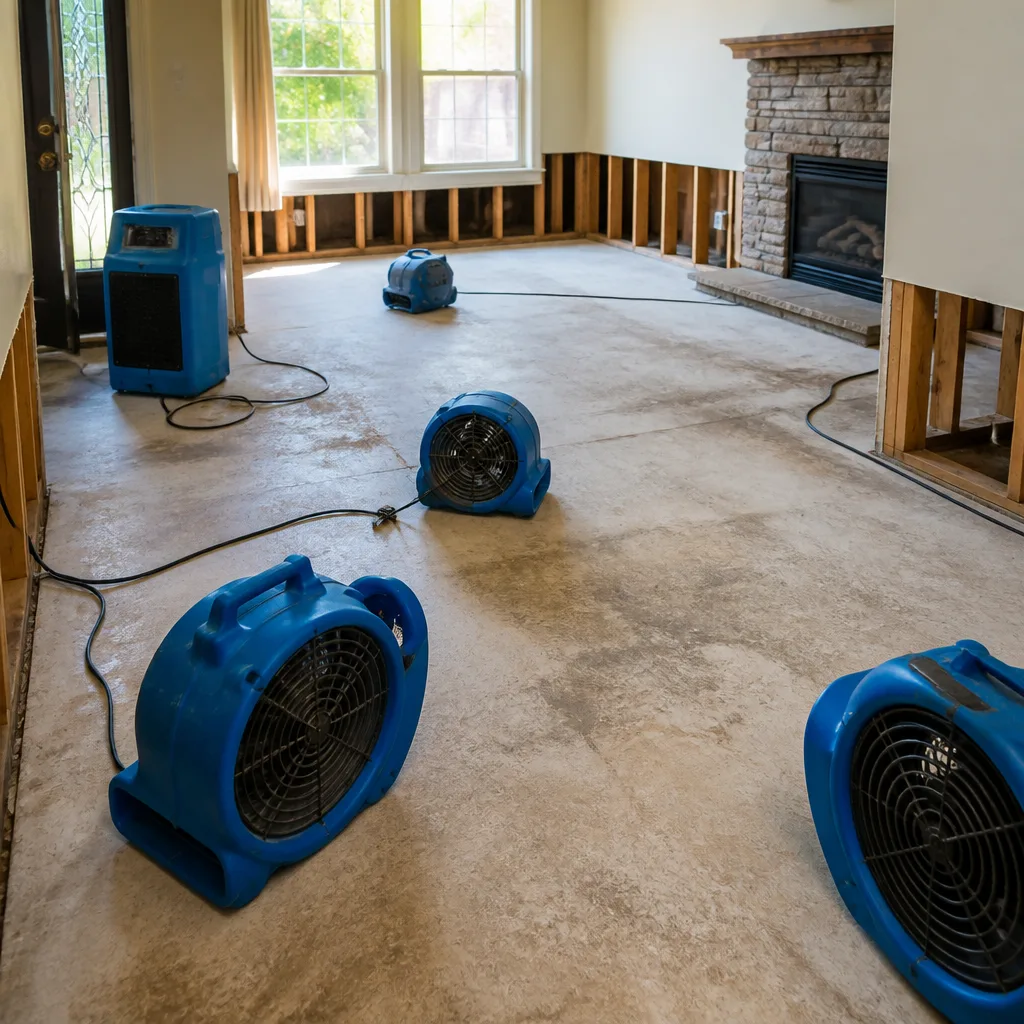
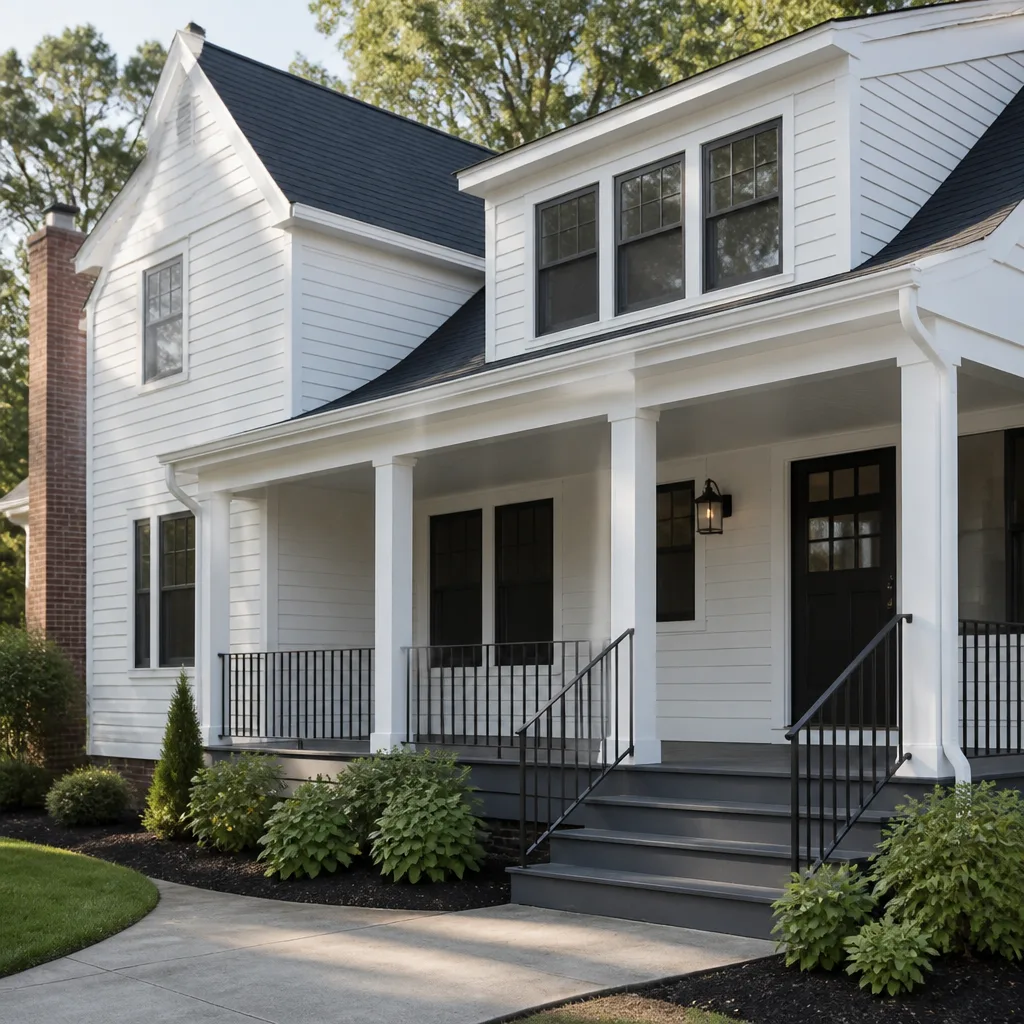
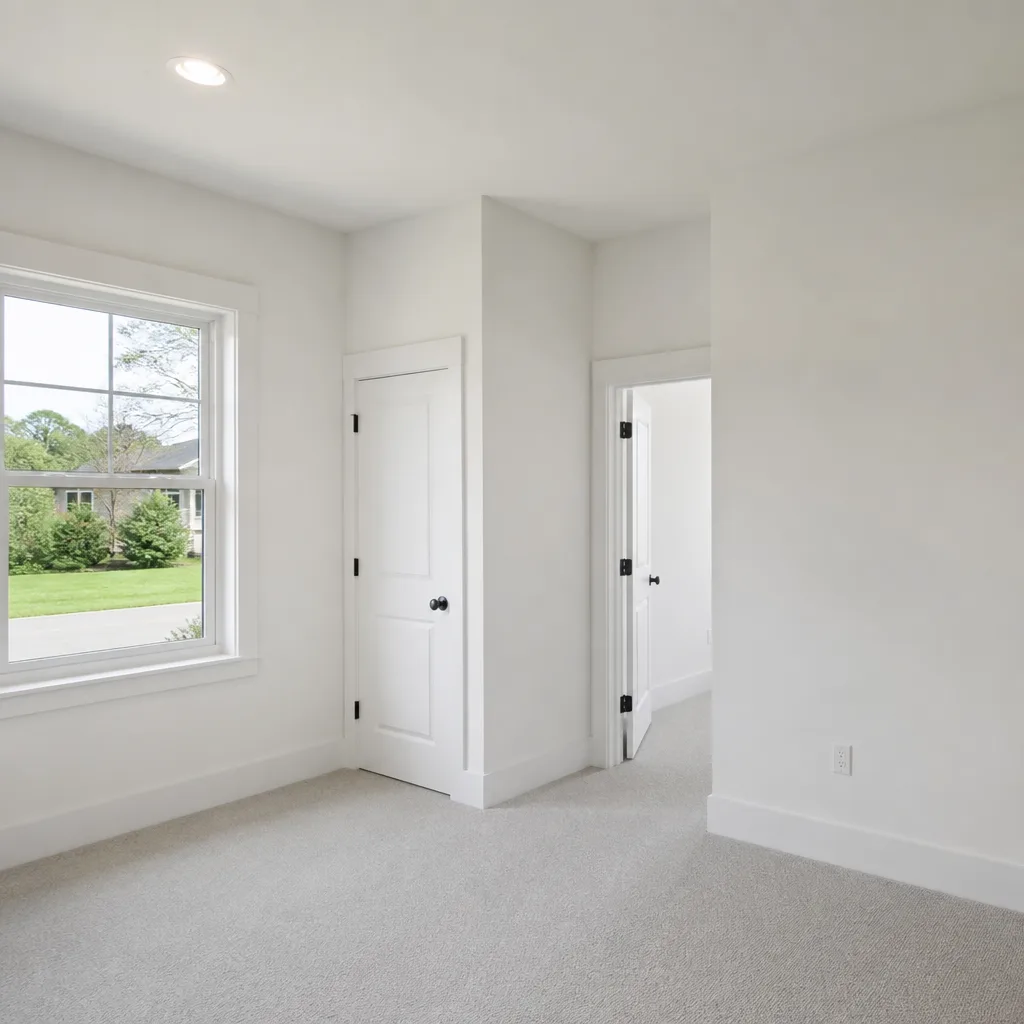
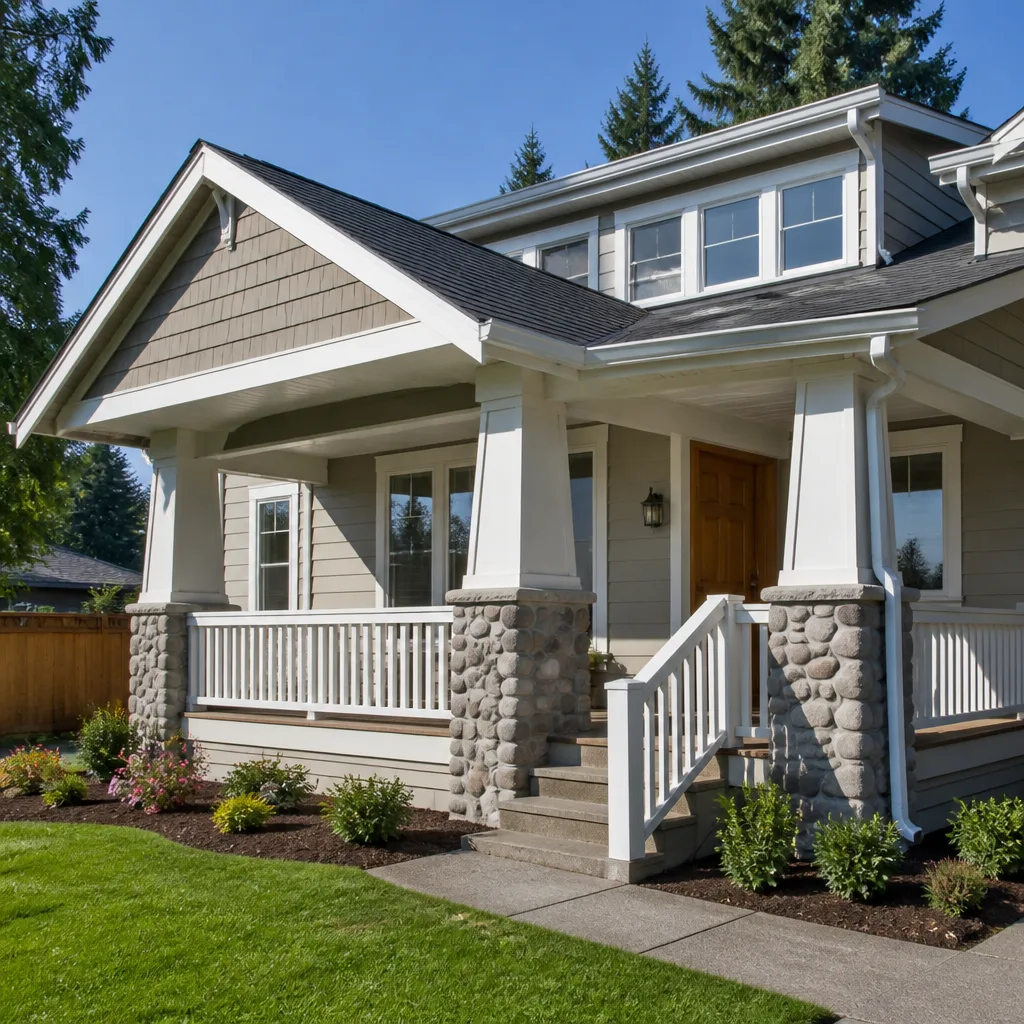
 Before
 After
After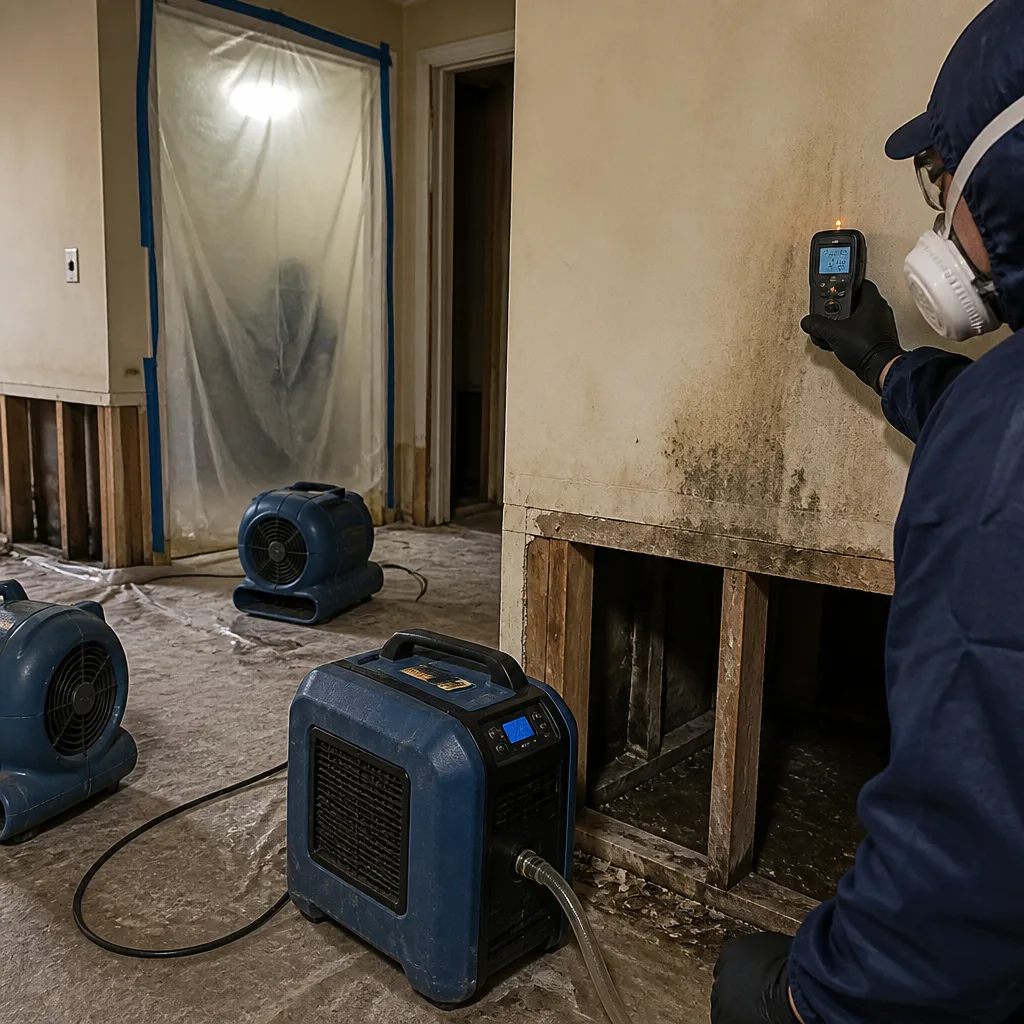 Before
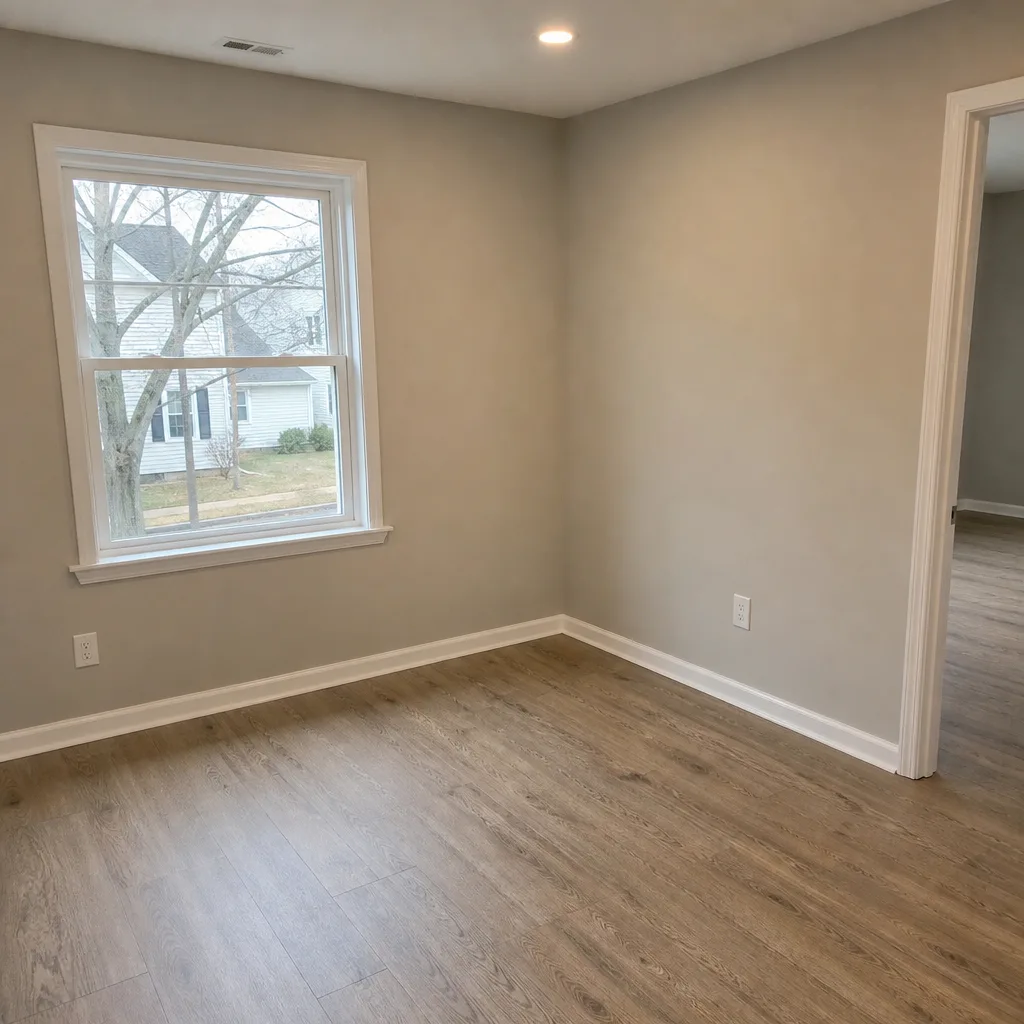 After
After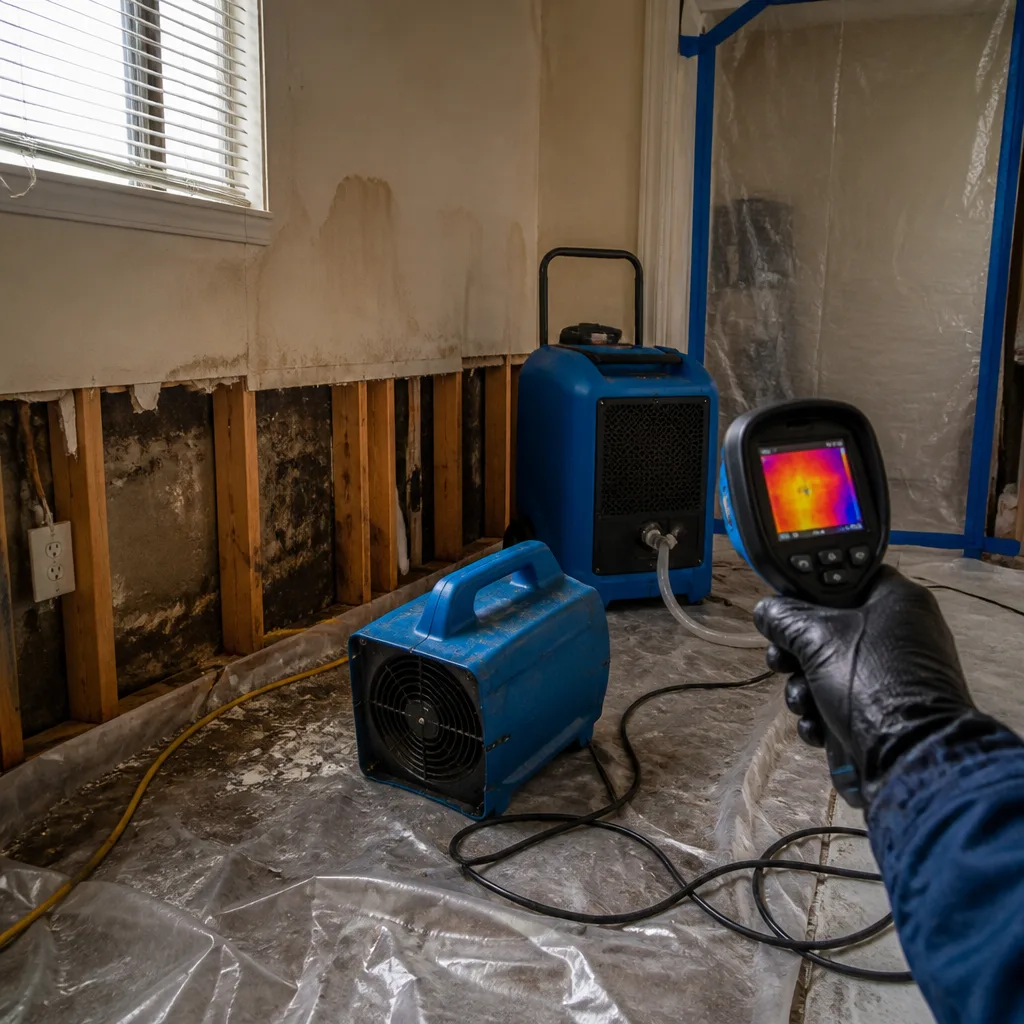 Before
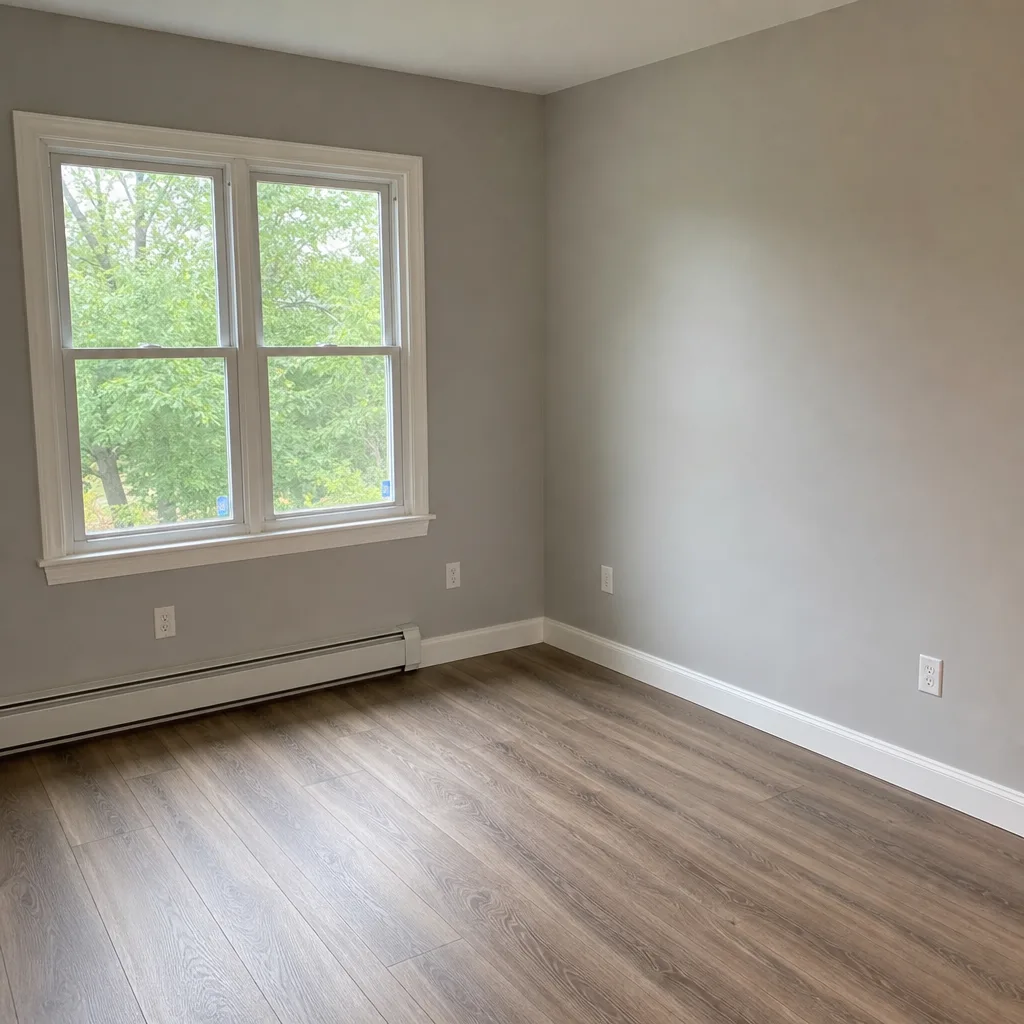 After
AfterDamage Restoration Permits, Codes & Inspections in NJ: What You Need to Know
Most New Jersey homeowners discover the permit question at the worst possible moment: standing in a flooded basement at 11 p.m., or watching a remediation crew’s fans dry out framing while the adjuster asks whether the township has been notified. Here’s the counterintuitive part: the state’s most expensive restoration mistakes rarely come from the cleanup itself. They come from the rebuild that follows, when work done without a permit surfaces during a home sale or a claim review. This guide walks through the permit rules, code requirements, and inspection process for water, fire, mold, and storm damage restoration in New Jersey, with specifics we’ve learned working with homeowners in Lodi and the surrounding Bergen County towns since 2010.
Quick Answer
In New Jersey, emergency mitigation work (water extraction, drying, board-up, tarping) does not require a permit and should never be delayed for one. The permit question applies to reconstruction: structural repairs, electrical work, plumbing changes, and mechanical system replacements generally require a permit from your local construction official. In Lodi, that means working through the borough’s building department under the state’s Uniform Construction Code (UCC).
Table of Contents
- Mitigation vs. Reconstruction: Where the Permit Line Falls
- The NJ Uniform Construction Code and How It Applies to Restoration
- The Lodi Permit Process, Step by Step
- Electrical and Plumbing Codes After Water or Fire Damage
- Mold Remediation Codes and What New Jersey Actually Requires
- Asbestos and Lead: The Hidden Code Triggers in Older NJ Homes
- Insurance, Permits, and Who Pulls the Paperwork
- What a Typical Lodi Inspection Timeline Looks Like
- Common Mistakes to Avoid
- When to Call a Professional
- Frequently Asked Questions
- The Bottom Line
Mitigation vs. Reconstruction: Where the Permit Line Falls
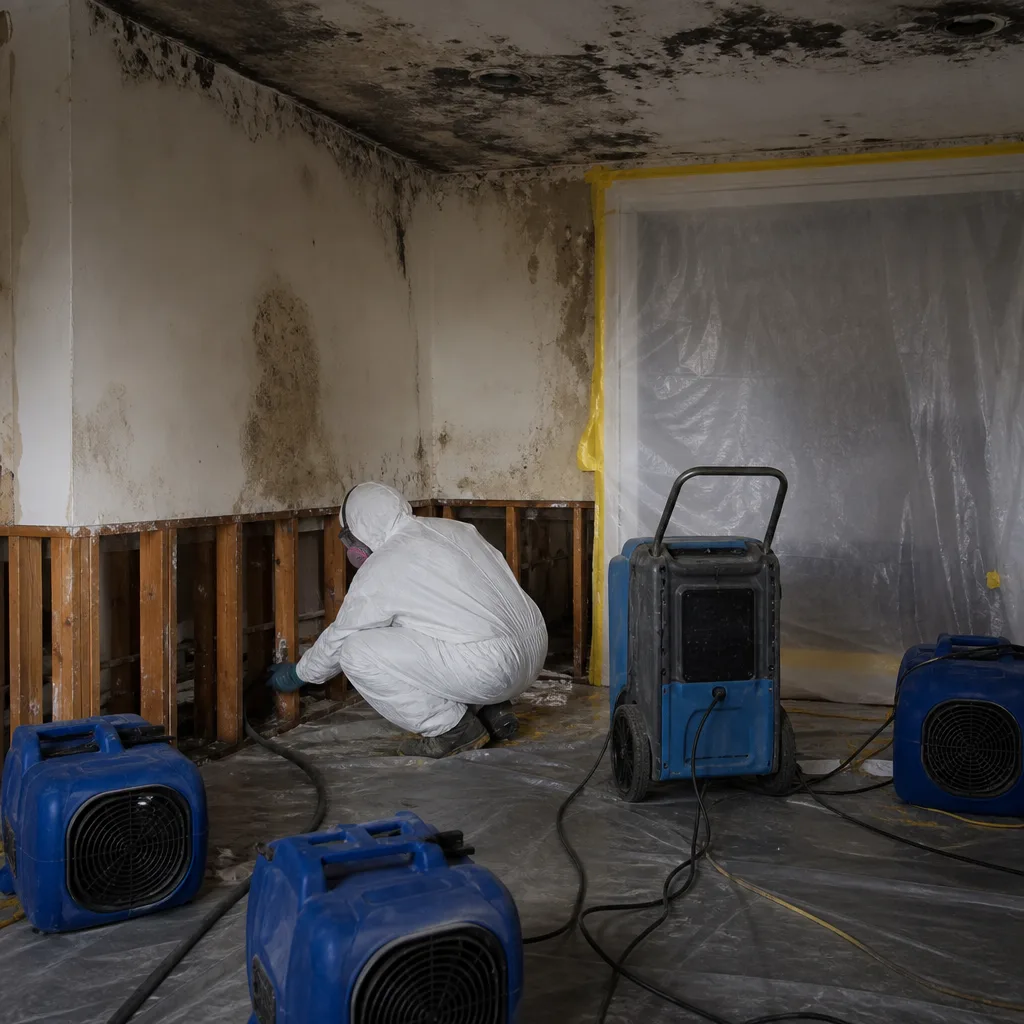
The single most useful distinction in NJ damage restoration is this: mitigation is not construction, and construction is where permits enter the picture. Emergency mitigation means the work that stops ongoing damage. Water extraction, structural drying with professional-grade equipment like XPOWER air movers and Injectidry mat systems, sewage cleanup, board-up of broken windows, roof tarping, and smoke odor treatment. None of this requires a permit, and no Lodi homeowner should wait for one while water keeps wicking up drywall or a fire-damaged roof stays open to the weather.
Reconstruction is different. Replacing drywall, reframing a wall, re-roofing, replacing electrical circuits, moving plumbing lines, or installing a new water heater all fall under the New Jersey Uniform Construction Code. These require permits and inspections. In our experience in Lodi, the most common surprise comes when a homeowner assumes that because the original damage was sudden and accidental, the repair work is somehow exempt. It is not. The code office’s concern is that the rebuilt home meets today’s standards, not the standards that existed when the damage occurred.
Here is the practical rule we give homeowners:
- Tear-out and dry-out: no permit, do it immediately
- Like-for-like surface replacement (paint, flooring, trim): no permit
- Drywall repair on non-structural walls: generally no permit, but check with Lodi’s construction office for anything larger than a patch
- Structural framing, roofing, foundation work: permit required
- Electrical panel replacement, new circuits, wiring repair: permit required
- Plumbing line replacement, water heater replacement, fixture relocation: permit required
The NJ Uniform Construction Code and How It Applies to Restoration
New Jersey operates under a single statewide construction code: the Uniform Construction Code, or UCC. The UCC adopts a set of model codes that includes the International Building Code, the International Residential Code, the National Electrical Code, and the International Plumbing Code, among others. What matters for restoration is that the UCC is enforced locally. Lodi’s construction department applies the same state code as every other borough in Bergen County, but interpretation and inspection schedules vary from town to town.
The UCC’s rehabilitation subcode matters for restoration work. When a structure is damaged, the code classifies the repair work based on the extent of the damage and the scope of the rebuild. A full gut-and-rebuild triggers different requirements than a partial repair. For water damage that requires replacing drywall and insulation in a finished basement, the applicable sections are the building subcode for the wall assemblies, the electrical subcode for any affected wiring, and the plumbing subcode if fixtures or lines are replaced.
One point that trips up homeowners in older Lodi homes: the “pre-existing conditions” rule. The UCC generally will not force you to bring the entire house to current code just because one room was damaged. But the damaged portions you repair must be brought to current code. If water damaged an exterior wall, and that wall’s insulation does not meet current R-value requirements, the rebuilt wall must be insulated to current standards. If a fire exposed knob-and-tube wiring in a ceiling, the repaired area’s wiring must meet current electrical code. The repair is scoped to the damaged area, but within that area, current code governs.
For homeowners, this means the rebuild scope matters. A contractor who says “we’ll just patch it back how it was” may be leaving code violations in place that a home inspector or a future buyer will flag. A contractor who says “we’ll bring the affected area up to code” is describing the legal minimum under the UCC.
The Lodi Permit Process, Step by Step
Lodi’s permit process follows the standard NJ UCC format, but the borough has its own application forms, fee schedule, and inspection workflow. Here is the sequence we walk homeowners through when a restoration rebuild requires permits:
- Determine the permit type. Most restoration rebuilds in Lodi require a building subcode permit, often with electrical and plumbing subcode permits attached. The construction official’s office at Borough Hall can confirm the scope. Do not skip this call; it saves revisions later.
- Prepare a scope of work. The permit application requires a description of the work. For restoration, this means the rooms affected, the materials being replaced, and any systems involved. A detailed, written scope from your restoration company makes this step straightforward.
- Submit the application and plans. For simple repairs, the application form and scope description are enough. For structural work, Lodi’s construction official may require engineered drawings. Expect the ordinary residential restoration project to move through this step in one to two weeks.
- Pay the permit fee. Lodi’s fee schedule is based on the estimated cost of the work. Restoration permits are typically among the more affordable permits in the borough’s schedule, but the cost varies with project size.
- Schedule inspections as work progresses. The inspector will typically come after rough framing and rough electrical are done, and then again at final. Lodi’s inspectors are thorough and practical. Work that passes inspection on the first visit is the norm, not the exception, when the contractor knows the UCC.
- Receive the certificate of approval. The final inspection closes the permit. Keep this document. Proof of permitted, inspected work is what the next buyer’s home inspector wants to see.
One Lodi-specific note: because the borough has a high percentage of older single-family homes with finished basements, the construction office sees a steady stream of basement water damage rebuilds. The inspectors know what they are looking at. This is a good thing. A knowledgeable local crew and a familiar code official make the process routine.
Electrical and Plumbing Codes After Water or Fire Damage
Water and fire do not just damage surfaces. They damage systems. And system damage is where code compliance becomes non-negotiable. A flooded basement that rose above the electrical outlets means those outlets, the wiring feeding them, and possibly the panel itself must be evaluated and often replaced. The National Electrical Code requires that equipment exposed to water be replaced unless it is specifically rated for the conditions. In practice, this means a Lodi home with a basement flood that reached the outlets is getting new outlets, new wire in the affected circuits, and often a new panel.
Fire damage is a different animal. Heat can compromise a wire’s insulation even where the wire looks intact. The safe practice, and what inspectors expect, is to run new circuits in any area that experienced direct fire exposure or significant heat. This is not overbuilding; it is the electrical subcode of the UCC being applied to the actual condition of the structure.
On the plumbing side, the applicable code concern after a freeze or a fire is the integrity of the supply and drain lines. The plumbing subcode requires that replaced piping meet current standards. Copper, PEX, and certain types of PVC are common in Lodi residential work, and the permit inspection will verify that the materials and installation match the code’s requirements for the application. A water heater replacement after a flood or fire requires a plumbing permit and a final inspection in essentially every case.
One honest note from our work across Bergen County: it is worth pulling the electrical and plumbing permits even for smaller repairs. An unpermitted repair that later fails is a problem for the homeowner. A permitted, inspected repair that fails is still a problem, but it is a problem with a documented installation, a licensed contractor, and a clear path to remedy. The permit is the paper trail.
Mold Remediation Codes and What New Jersey Actually Requires
New Jersey does not license mold remediation contractors the way it licenses electrical or plumbing contractors. The state’s approach to mold is grounded in the Department of Community Affairs’ mold hazard abatement guidance and the general duty to remediate properly. What this means in practice: there is no “mold permit” in Lodi, but there are code-related requirements that come with the work.
First, the scope of mold remediation often triggers permits indirectly. If remediation in a Lodi basement means removing drywall and insulation that the mold has penetrated, the subsequent rebuild requires the same building, electrical, and plumbing permits as any other wall reconstruction. The mold cleanup itself is unpermitted work, but the rebuilding that follows it is not.
Second, proper remediation standards are enforced through the building code’s requirement that work be done in a workmanlike manner. The IICRC S520 standard for professional mold remediation is the recognized industry benchmark. The state’s position, and the position of most insurance carriers, is that remediation should follow this standard. In our experience, homeowners in Lodi do best when the remediation and the rebuild are handled by the same company under one scope of work, because the code official sees permit applications and the remediation should already be documented before the building permit is pulled. When a remediator says “it is clean” and hands the rebuild to a different crew, the paper trail breaks. When the same crew that remediated stands behind the rebuild, the permit process moves on a continuously documented scope.
Third, clearance testing is not a code requirement, but it is increasingly requested by buyers’ home inspectors. A post-remediation clearance test from an independent environmental professional is the strongest evidence a Lodi homeowner can have that the mold problem was actually solved. It is not a permit, but it functions like one when the time comes to sell the house.
Asbestos and Lead: The Hidden Code Triggers in Older NJ Homes
Lodi’s housing stock includes a significant share of homes built before 1980, and many built before 1950. That matters for restoration because of two regulated materials: asbestos and lead paint. Neither is a “restoration permit” issue in the ordinary sense, but both are regulated at the state and federal level, and both can halt or quickly complicate a rebuild if they are not handled correctly.
Asbestos shows up in older homes as pipe insulation, floor tiles, mastic, textured ceilings, and certain wallboard compounds. Under New Jersey Department of Environmental Protection rules, renovation or demolition work in a structure that may contain asbestos must include a survey or a work plan. The practical rule for restoration work: before tearing out materials in a pre-1980 home, test what is going to be disturbed. In a water damage situation where drywall is being cut out, that means sampling the wall and ceiling materials. If asbestos is present, the abatement must be done by a licensed contractor before the regular rebuild proceeds. This adds time and cost, but it is not optional.
Lead paint carries a parallel set of requirements. The federal EPA Renovation, Repair and Painting Rule requires that firms disturbing paint in pre-1978 housing be certified and follow lead-safe work practices. In Lodi, where many homes were built during the postwar boom, this is a routine consideration for any restoration involving wall surfaces, trim, or windows. A background-checked, uniformed crew working under lead-safe practices is not just a courtesy; it is the law in many of the homes we work in.
The pattern across both materials: the older the Lodi home, the more likely it is that restoration work touches these regulations. The cost of ignoring them is measured in six-figure civil penalties and the discovery that the work must be redone. The cost of handling them correctly is a little more time and a modest testing fee. Test early.
Insurance, Permits, and Who Pulls the Paperwork
Insurance covers restoration work that is covered regardless of permit status. That is the first thing to understand. A water damage claim does not become uncovered because the rebuild required a permit. But the permit is often part of the claim documentation, and a missing permit can complicate a claim review, a supplement request, or a future claim on the same system.
On a typical Lodi water damage restoration, the permit cost and fees for the rebuild portion are a legitimate part of the repair scope and can be submitted to the carrier. The claim is paid based on the scope of covered repairs, and the permit cost is part of that scope. When we handle the rebuild for a Lodi homeowner, the permit cost goes into the project estimate, and the estimate goes to the adjuster just like it would for any other line item.
Who actually pulls the permit? Under the NJ UCC, the homeowner or the contractor can be the permit applicant. Many reputable contractors, and essentially all of the ones homeowners in Lodi should consider, pull the permit in their name. This accomplishes something important: the contractor’s name is on the permit, the contractor is responsible for calling inspections, and the contractor’s insurance is tied to the work in the public record. A contractor who suggests the homeowner should pull the permit “to save money” or “to keep it simple” is usually avoiding responsibility. Do not accept that arrangement.
One more insurance-specific point: code upgrade coverage. Many homeowners policies include a limited amount of coverage called law and ordinance or code upgrade coverage. This pays for the additional cost of bringing damaged areas to current code when the original construction predates the current code. In an older Lodi home, this coverage can be the difference between a patch job and a proper rebuild. It is a provision worth asking the adjuster about before the rebuild scope is finalized.
What a Typical Lodi Inspection Timeline Looks Like
Every restoration project moves at two speeds: the emergency speed of the mitigation phase and the deliberate speed of the rebuild. The mitigation in a Lodi home starts within hours, not days. Extraction and drying run without permits, and the Floodline Restoration Co. home page will tell you more about how our live dispatch and same-visit extraction work. The rebuild phase that follows is the part with the inspection timeline.
For a typical basement water damage rebuild in Lodi, the realistic timeline from permit application to final inspection runs three to six weeks. Here is how that time is usually spent:
- Permit application and review: one to two weeks, depending on the construction office’s volume and whether engineered drawings are required
- Rough inspection (framing, electrical rough, plumbing rough): scheduled within a few days of the work being ready, often passing first-visit
- Insulation and drywall: one to two weeks of work, no inspection required at this stage
- Final inspection (electrical, plumbing, building): scheduled within days of completion, closing the permit
The variables that stretch a Lodi timeline are the same variables that stretch any restoration: the scope of the damage, the age of the home, and the availability of inspectors. The variables that tighten it are a complete permit application the first time, a contractor who knows the code, and a homeowner who is not trying to combine a restoration permit with five unrelated home improvement projects. Keep the permit scoped to the damage. That is the cleanest path through the inspection process.
For fire damage and storm damage, the sequence is the same: board-up and stabilization first, then the permit application for the rebuild, then inspections as the work progresses. For a Bergen County home, fire rebuild permits are more likely to require plans than water damage rebuilds, simply because the structural damage is often more extensive.
Common Mistakes to Avoid
- Waiting to call the mitigation crew while deciding about permits. Permits are for the rebuild; extraction and drying should start immediately. Every hour of standing water in a Lodi basement means more drywall replaced and a larger rebuild scope.
- Letting a contractor talk you into skipping the permit. An unpermitted rebuild saves a few hundred dollars now and costs much more at sale, during a future claim, or when the compromise work fails. Lodi’s construction office is not adversarial; the permit is a protection, not a punishment.
- Assuming the insurance company handles the permit. The carrier pays for covered work, but the permit application and inspection scheduling are the contractor’s or homeowner’s responsibility. Do not assume the adjuster filed anything with Lodi Borough.
- Starting the rebuild before the structure is dry. This is not a permit issue, but it is the most common cause of a failed Lodi restoration. Drywall installed over framing that has not reached the dry standard traps moisture, and the result is mold in the wall cavity. The moisture log, with daily readings, is the record that protects you.
- Skipping asbestos and lead testing in older homes. The cost of testing is modest. The cost of disturbing regulated materials without testing is not. In a pre-1980 Lodi home, test what you are about to tear out.
- Using a different contractor for mitigation and rebuild. When the mitigation crew and the rebuild crew are different companies, the permit application becomes a game of telephone. The same crew that read the moisture map from day one should hold the permit and finish the job.
When to Call a Professional
There are restoration projects where the permit process is the most complex part of the job, and there are projects where it is the least of the homeowner’s worries. The trigger for professional help is not the presence of damage; it is the presence of damage that touches systems, structure, or regulated materials. Any water damage that reached the outlets, any fire damage that touched structural framing, any sewage backup in a finished basement, any mold growth larger than a small patch, and any storm damage to the roof or exterior walls: these are the jobs where a Lodi homeowner should have a certified, insured restoration company handling both the mitigation and the permit process for the rebuild. Floodline Restoration Co. offers free estimates in Lodi; call (640) 356-1140 and we will walk the scope with you, explain what needs a permit and what does not, and give you a written plan before any work starts.
Frequently Asked Questions
No. Emergency water extraction, structural drying, and board-up work are mitigation, not construction, and no permit is required in Lodi or anywhere else in New Jersey. Start the mitigation immediately. The permit question applies to the rebuild that follows.
Lodi’s permit fees are based on the estimated cost of the work, and a typical residential restoration rebuild permit runs a few hundred dollars for the building subcode, with electrical and plumbing subcode fees added as applicable. The exact figure comes from the borough’s fee schedule at the time of application. Call (640) 356-1140 and we can give you an estimate of the total project, permit fees included.
Either can, but the better practice is for the contractor to pull the permit in their own name. That ties the contractor’s license, insurance, and responsibility to the public record of the work. A contractor who asks the homeowner to pull the permit is usually asking the homeowner to absorb risk that should belong to the contractor.
Permit fees are a standard line item in the covered scope of a restoration claim. Code upgrade coverage, sometimes called law and ordinance coverage, is an additional coverage in many policies that pays for bringing damaged areas to current code when the home predates the current code. Ask the adjuster about both.
Mitigation starts within hours. The rebuild phase, from permit application to final inspection, typically runs three to six weeks for a standard basement water damage restoration in Lodi. Fire rebuilds and major structural repairs take longer due to the additional plan review and inspection requirements.
No. New Jersey does not issue a mold remediation permit. What matters is that the remediation follows the IICRC S520 standard, and that any rebuild after the remediation pulls the normal building, electrical, and plumbing permits. Clearance testing is not required by code but is worth doing for your own records and for the next buyer’s inspection.
The Bottom Line
The New Jersey permit system is not the obstacle it looks like from the outside. For the homeowner, the expensive mistakes are the delayed mitigation, the skipped permit, and the hire that splits mitigation from rebuild. For the contractor, the work is straightforward: know the UCC, work with Lodi’s construction office, test older homes for asbestos and lead, and keep a written scope from the first moisture reading to the final inspection. Floodline Restoration Co. has handled water damage restoration and full rebuilds in Lodi and across Bergen County since 2010, with one crew, one scope, and one written guarantee at the end. Call (640) 356-1140 for a free estimate, day or night. A live person answers.
Written by Curt Bowman, Owner at Floodline Restoration Co., serving Lodi since 2010.