
Last updated August 25, 2026
Free visual inspection and a written scope of work before any mitigation begins - photos, moisture readings, and drying logs go in your claim file
The scope we write is the scope we bill. Anything new gets shown to you, in writing, before we touch it.
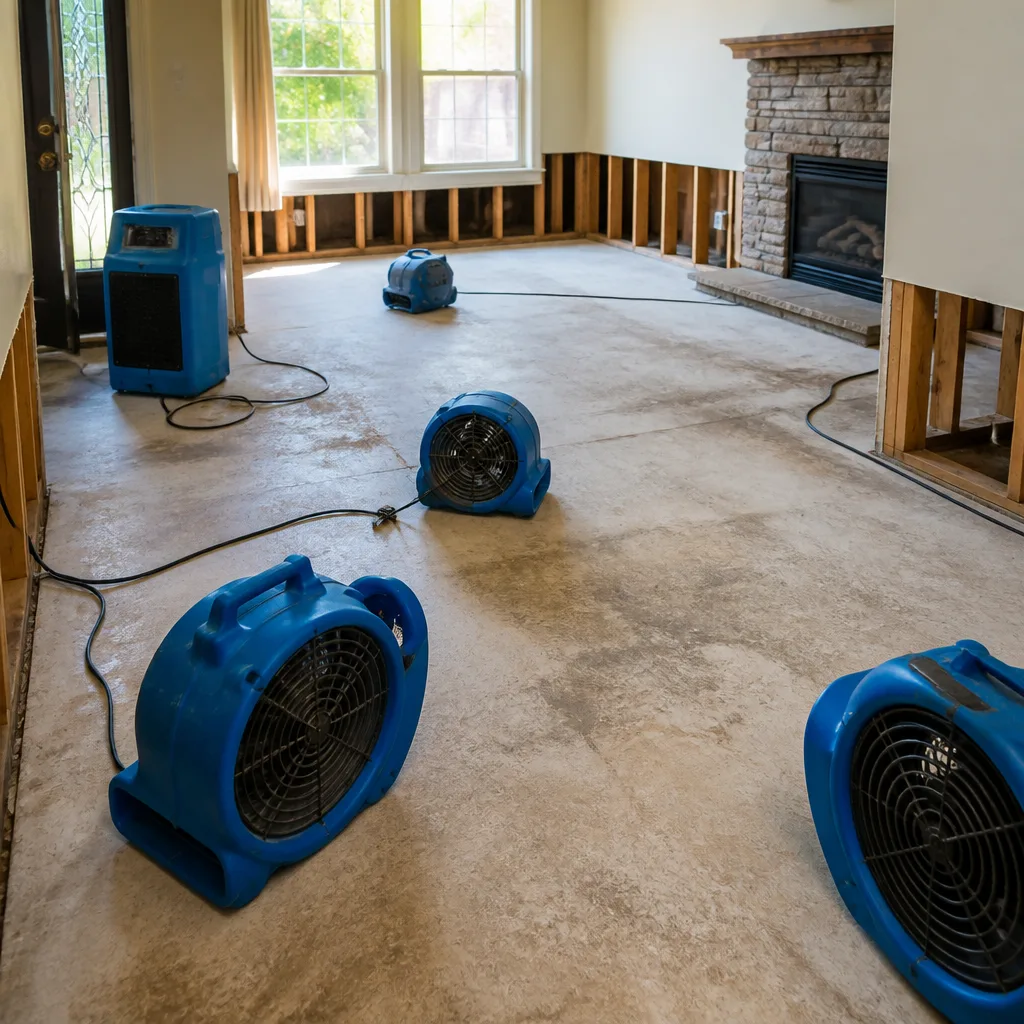

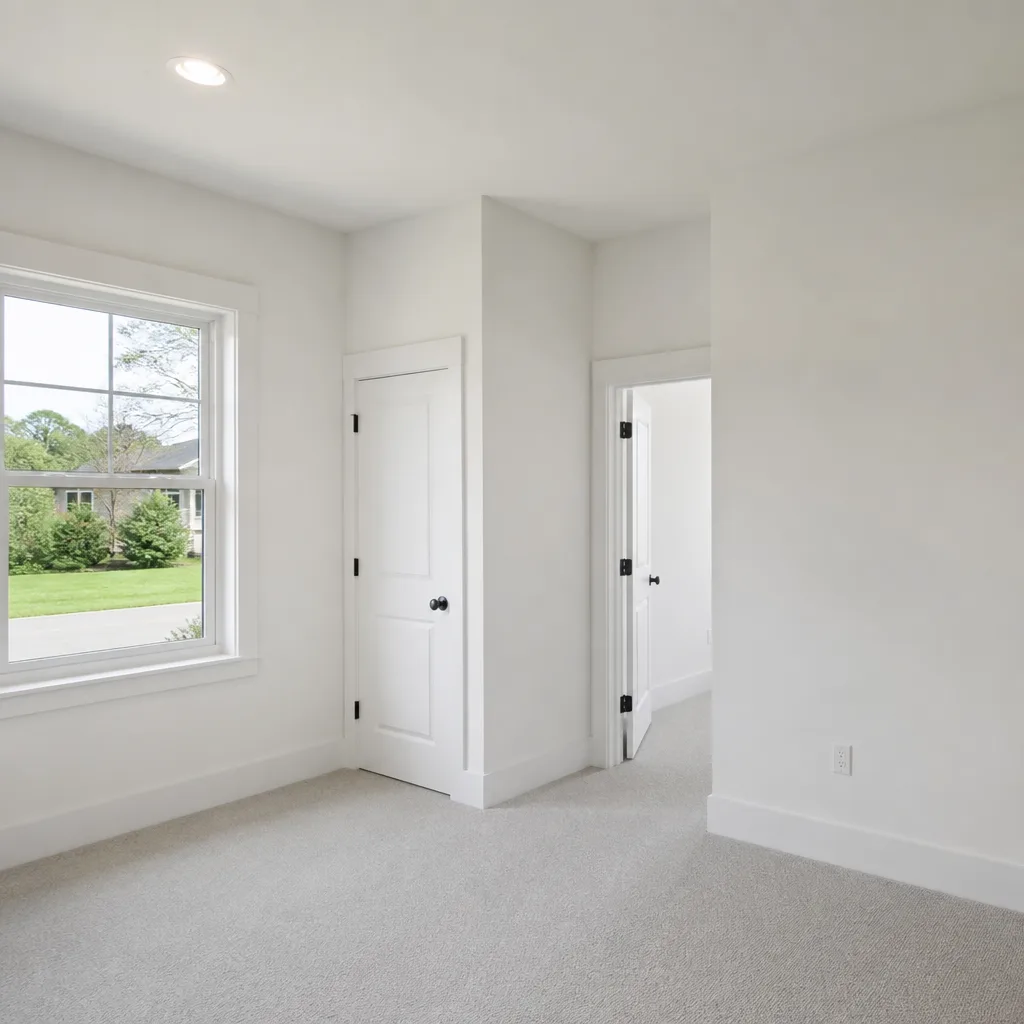

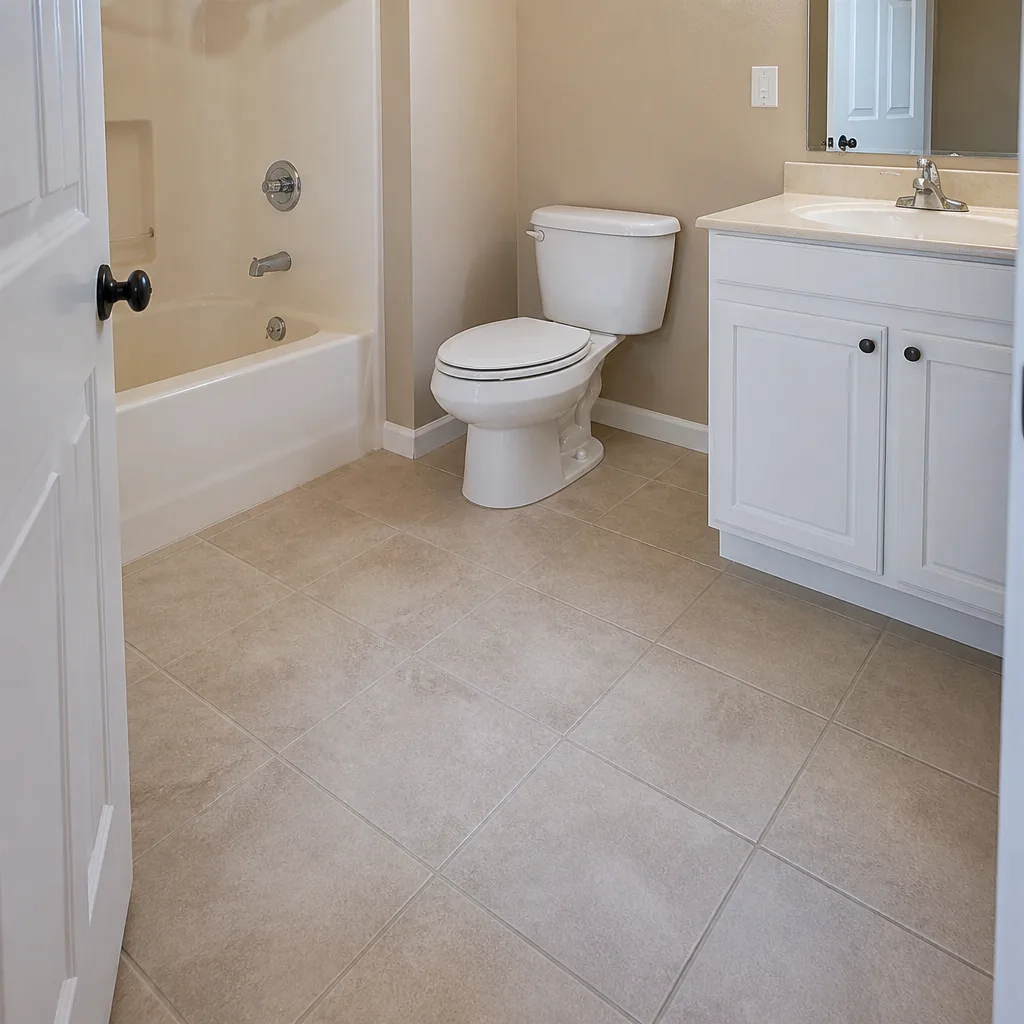

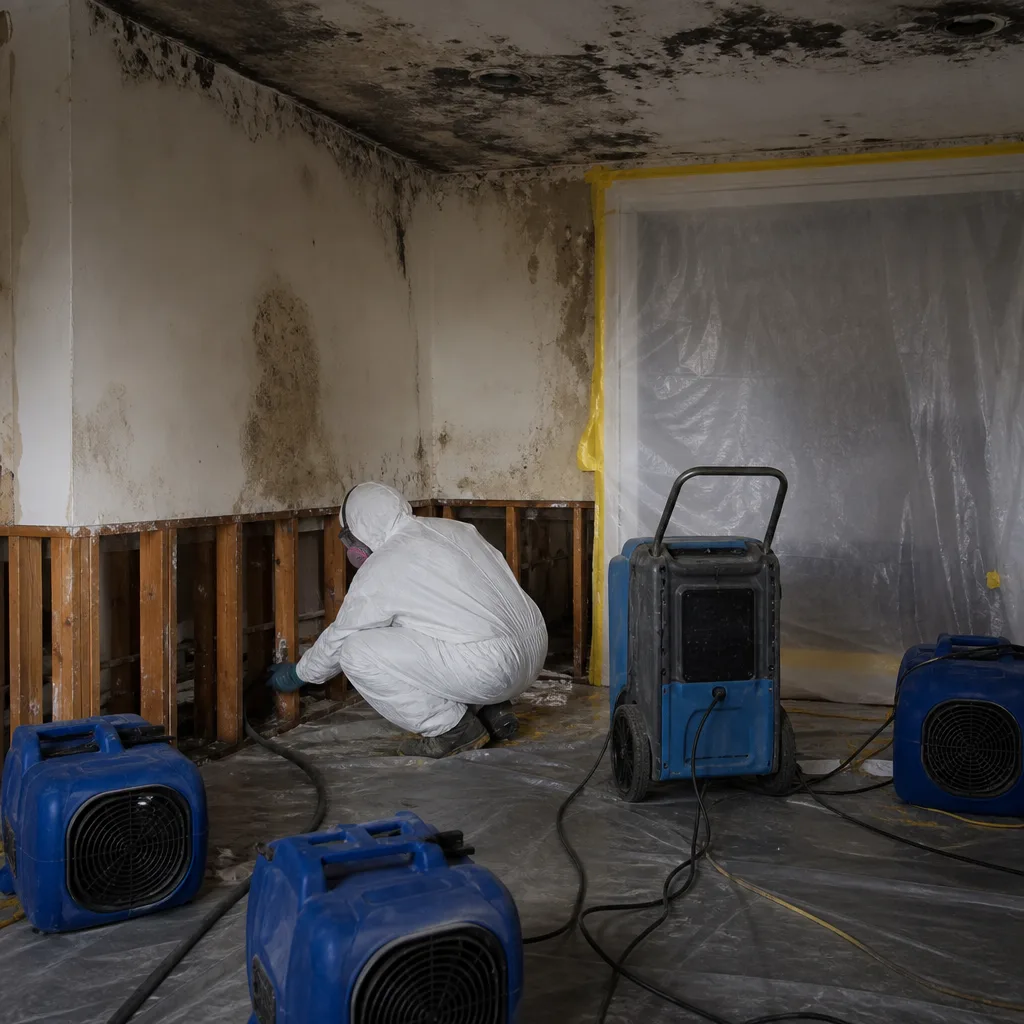 Before
 After
After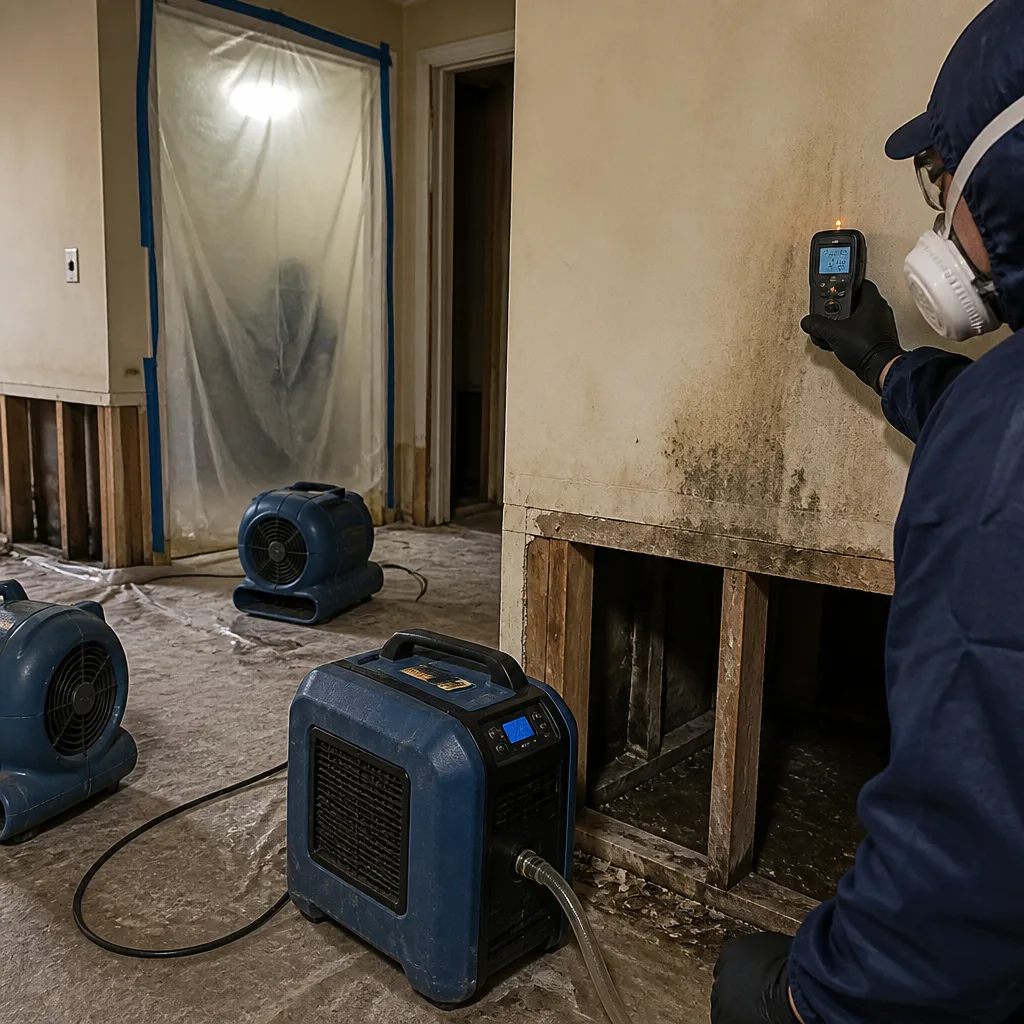 Before
 After
After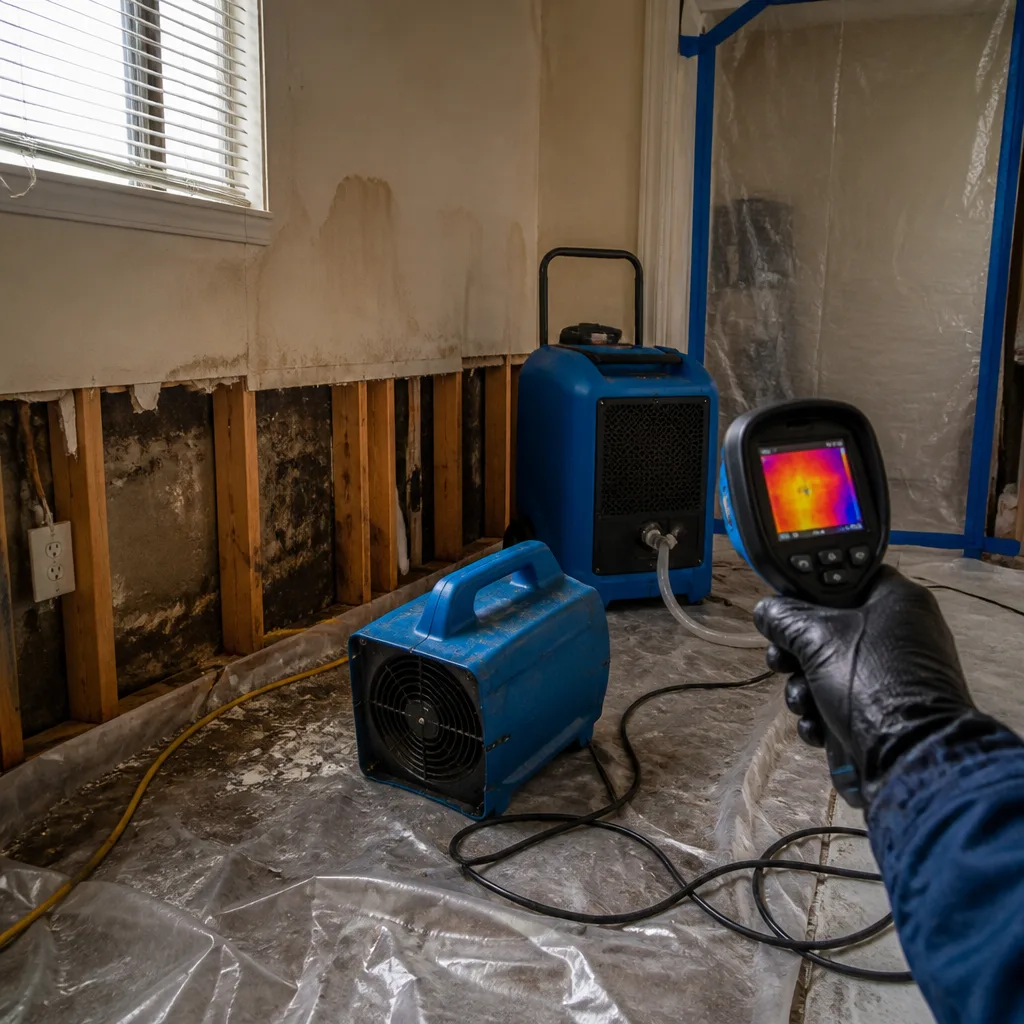 Before
 After
AfterDamage Restoration Warning Signs: A Lodi Homeowner’s Reference Guide
Most Lodi homeowners don’t discover water damage by stepping in a puddle. They discover it when a water bill doubles, when a floorboard feels soft underfoot, or when a musty smell appears in a room with no visible source. By the time damage announces itself loudly, the restoration job has usually been quietly underway for weeks or months inside the walls. This guide walks you through the early warning signs of water, mold, fire, and structural damage in a Lodi home, what each sign actually means, and when a professional should be called before a $900 repair becomes a $14,000 rebuild. Floodline Restoration Co. has worked in Lodi homes since 2010, and the patterns we describe here are drawn from thousands of local jobs, not a textbook.
Quick Answer
Water damage warning signs include persistent musty odors, water stains that grow or change color, peeling paint or bubbling drywall, swollen baseboards, and floors that feel spongy or uneven. Mold often appears as dark spots in corners or on ceilings, accompanied by a smell that lingers after cleaning. Fire and smoke damage signs are less obvious than you might think: soot streaks around vents, a lingering ash smell after repainting, and yellowing on walls near old heat sources. Any of these signs in a Lodi home warrants a professional moisture assessment, and the sooner it happens, the smaller the repair.
Table of Contents
- Water Damage Warning Signs Most Homeowners Miss
- Mold Warning Signs: What Lodi’s Humidity Does Inside Walls
- Fire and Smoke Damage Signs That Linger After the Flames Are Out
- Structural Warning Signs: Floors, Ceilings, and the Foundation Line
- Hidden Plumbing Leaks: The Silent Damage Source in Older Lodi Homes
- Sewage and Drain Warning Signs: When It’s More Than a Slow Drain
- Exterior Warning Signs: Roof, Grading, and the Foundation Perimeter
- How Fast Damage Spreads: A Lodi-Specific Timeline
- Common Mistakes to Avoid
- When to Call a Professional
- Frequently Asked Questions
- The Bottom Line
Water Damage Warning Signs Most Homeowners Miss
Water damage in Lodi homes rarely starts as a visible flood. It starts as a pinhole leak in a supply line behind a kitchen cabinet, a failed wax ring under a toilet, or a small roof flashing gap that lets rain drip into the attic during a nor’easter. What we see again and again in Lodi is that homeowners notice the secondary signs of water long before they see water itself. Here are the signs we tell every homeowner to take seriously in a 07644 home:
- Stains that grow or darken: A brown ring on the ceiling that doubles in size over a month is active moisture, not an old stain. In Lodi’s brick and stucco homes, water travels along joists and appears several feet from the actual leak source.
- Peeling paint or bubbling drywall: When moisture pushes through drywall from behind, latex paint loses adhesion and blisters. Bubbling paint near baseboards or ceilings is a textbook sign of a slow leak behind the wall.
- Warped or swollen baseboards: MDF baseboards in particular swell visibly when wet. If a baseboard looks wider at the bottom or has pulled away from the wall, water has reached the subfloor.
- Floors that squeak suddenly or feel spongy: Subfloor plywood loses structural rigidity as it absorbs water. A floor that bounces where it used to be solid indicates moisture in the joist cavities.
- A sudden spike in the water bill: A toilet flapper leak can waste 200 gallons a day without a single visible drip inside the home. Compare your usage to the same month last year, not to last month’s bill.
One of the most reliable early-warning signs in Lodi homes is simply a room that smells damp when it rains. That smell means water is entering somewhere it should not be and has not fully dried between storms. The moisture meter we use on every assessment reads what the nose already told you, and we’ve yet to find a damp smell in a Lodi basement that didn’t have a measurable source.
What the Moisture Numbers Mean
IICRC dry standards for wood framing are below 16% moisture content. Drywall should read below 12%. When we test a Lodi home and find baseboards reading 22% while the wall above reads 9%, that’s a textbook slab-to-sill leak or a subfloor saturation from a supply line. Numbers like those don’t correct themselves. The water has to be extracted, the air has to be moved with professional-grade equipment, and the drying has to be verified with daily readings. That’s the difference between drying a wall cavity and guessing at it.
Mold Warning Signs: What Lodi’s Humidity Does Inside Walls
Lodi’s humid summers and shoulder-season rains create conditions that mold thrives in, especially in homes with uninsulated basement walls, poorly vented bathrooms, and older window frames. Mold does not need standing water to grow. It needs sustained relative humidity above 60% and an organic food source, which drywall paper and wood framing provide in abundance. Here’s what Lodi homeowners should watch for:
- A musty or earthy smell that gets stronger when the AC runs: The HVAC system pulls air through the ductwork and distributes the smell through the whole house. If the smell is strongest when the system kicks on, suspect mold in the duct runs or in a wall cavity near a return.
- Dark spots on ceilings, especially in bathrooms and kitchens: Condensation collects on cold ceiling surfaces and feeds mold growth at the drywall surface. Lodi’s older homes with little insulation above bathroom ceilings are particularly prone.
- Discoloration behind furniture along exterior walls: In winter, exterior walls stay cold, and furniture blocks airflow. Condensation forms, mold follows, and because the furniture hides it, it goes unnoticed for months.
- Allergy-like symptoms that improve when you leave the house: Persistent coughing, sneezing, or headaches that clear up at work and return at home can indicate elevated spore counts in the indoor air.
Mold remediation in Lodi is not a spraying-and-painting job. It requires containment, HEPA-filtered air scrubbing, removal of affected drywall, and treatment of the framing behind it. The critical step most homeowners miss is finding and fixing the moisture source first. If the source is not corrected, the mold returns within weeks. We use Injectidry systems for cavity drying and take moisture readings behind the finished surface before any reconstruction starts. A mold job is not done when the stain disappears; it’s done when the moisture numbers prove the cavity is dry.
Fire and Smoke Damage Signs That Linger After the Flames Are Out
Even a small kitchen fire leaves damage far beyond the burn mark on the wall. Smoke particles are acidic, microscopic, and travel through the entire structure. In Lodi’s older attached homes and colonials, smoke from one unit or one room moves through wall cavities, electrical chases, and the HVAC system. The signs of lingering smoke damage include:
- Soot streaks around HVAC vents and door seams: Pressurized smoke pushes soot through any gap. Dark staining around vent registers means the ductwork needs cleaning and possibly sealing.
- A smoke smell that returns when humidity rises: Smoke particles embed in porous surfaces and release odor when moisture re-releases them. If the smell comes back on humid days, the smoke residue was never fully removed.
- Yellowing on walls and ceilings months after cleaning: Nicotine and synthetic smoke residue are oily. Paint applied over uncleaned residue will yellow through the new coat within months.
- Corrosion on metal fixtures in rooms away from the fire: Acidic soot etches chrome, brass, and copper. Tarnished hinges or pitted faucets in rooms far from the fire point to smoke migration.
Fire restoration is not just scrubbing walls. It often means removing drywall in areas with heavy smoke saturation, sealing framing with specialized primers, cleaning or replacing ductwork, and treating the entire structure with odor-neutralizing processes. We walk a Lodi homeowner through every step in writing before work begins, so the scope is clear and the bill matches the scope.
Structural Warning Signs: Floors, Ceilings, and the Foundation Line
Water does its worst work where you can’t see it. In Lodi, we regularly see structural problems that began as a small leak and progressed for a year or more before the homeowner felt a soft spot or noticed a crack. These are the signs that indicate structural moisture damage is already underway:
- Floor deflection near exterior walls: When you walk near a wall and feel the floor give, the rim joist or sill plate may be water-damaged. This is common where downspouts discharge too close to the foundation.
- Cracks that appear suddenly in drywall: A crack that shows up in a corner over the course of a month, rather than decades, often means the framing behind it has expanded or shifted from moisture.
- Doors that stick seasonally: If a door sticks every humid summer and frees up in winter, the door frame is absorbing moisture and swelling. It’s not just an old-house quirk; it’s a moisture signal.
- Ceiling sag or a visible bow in drywall: A ceiling that’s holding water will visibly deflect. By the time a ceiling bows, the drywall is saturated and often requires replacement, not repair.
- A musty smell in the basement that gets stronger after rain: Water entering through foundation cracks or over the sill plate leaves organic material damp every time it rains. The smell is the giveaway.
Structural drying requires commercial-grade air movers and dehumidifiers running continuously for days, not a box fan from the garage. We use Dri-Eaz and Phoenix equipment sized to the affected square footage, with a drying plan calculated before we start and a moisture log updated daily. The log goes to the homeowner and the insurance carrier. Nobody has to argue about whether the job was done; the numbers say it plain.
Hidden Plumbing Leaks: The Silent Damage Source in Older Lodi Homes
Much of Lodi’s housing stock dates to the 1920s through the 1960s. That means galvanized steel supply lines, original copper from the 1950s, and cast iron drain stacks all reach the end of their service life around the same time. Hidden plumbing leaks are the single most common cause of water damage we see in Lodi, and they almost never appear as a puddle. Here is what to look for:
- Water pressure that drops in one fixture but not others: A pinhole leak in a supply line reduces pressure to whatever is downstream while the rest of the house seems fine.
- Warm spots on the floor: A leak in a hot water line heats the flooring above it. If a tile floor feels warm in one spot when the heat is off, suspect a slab leak.
- The sound of running water when all fixtures are off: With a quiet house, stand near the main stack and listen. Running water you can’t account for is a leak, not a phantom.
- A sewer smell in one part of the house: A cracked drain line under a slab releases sewer gas. It’s a health issue and a sign of an active leak that will eventually compromise the subfloor.
Plumbing leak repair and the water damage restoration that follows should be handled as one job, not two. When a plumber fixes the pipe and a different crew handles the drying, the homeowner ends up coordinating two schedules and explaining the job twice. Floodline Restoration Co. keeps the entire job under one roof, from the emergency extraction to the final coat of paint on the rebuilt wall, and bills the carrier directly. The homeowner’s job is to make one phone call.
Sewage and Drain Warning Signs: When It’s More Than a Slow Drain
Sewage water is a different category of problem entirely. It carries bacteria, viruses, and parasites, and anything it touches that can’t be fully disinfected has to be removed. In Lodi, sewer backups happen most often during heavy rain events when stormwater infiltrates aging municipal lines, and in homes where tree roots have found their way into the drain laterals. The warning signs come well before a full backup:
- Multiple drains gurgling at once: When the washing machine drains and the toilet gurgles, the line is partially blocked and air is being pushed back through the traps.
- Sewer odor from floor drains: The water in a floor drain trap evaporates if the drain is unused, allowing sewer gas into the home. But if the drain is used and still smells, the line is backing up.
- Water rising in the lowest tub or shower when you run other fixtures: The lowest fixture is the canary in the coal mine. Water there means the main line is compromised.
- Wet spots in the yard with no other explanation: A leaking sewer lateral saturates the soil above it. The grass may be greener and the ground softer in one strip of the yard.
Category 3 water, the industry term for sewage, requires full PPE during cleanup, disposal of affected porous materials, and disinfection of every surface in the affected area. This is not a DIY situation and it is not a job for a general handyman. IICRC-certified technicians with the right training and equipment deal with this work safely, and the paperwork is handled properly for the insurance claim. A Lodi homeowner should treat sewage water as a hazard the same way they would treat exposed wiring.
Exterior Warning Signs: Roof, Grading, and the Foundation Perimeter
What happens outside a Lodi home determines what happens inside it. Water that is not directed away from the foundation will eventually find its way in, through cracks, over the sill plate, or through the porous masonry common in older Lodi foundations. Walk the perimeter of your home twice a year and look for:
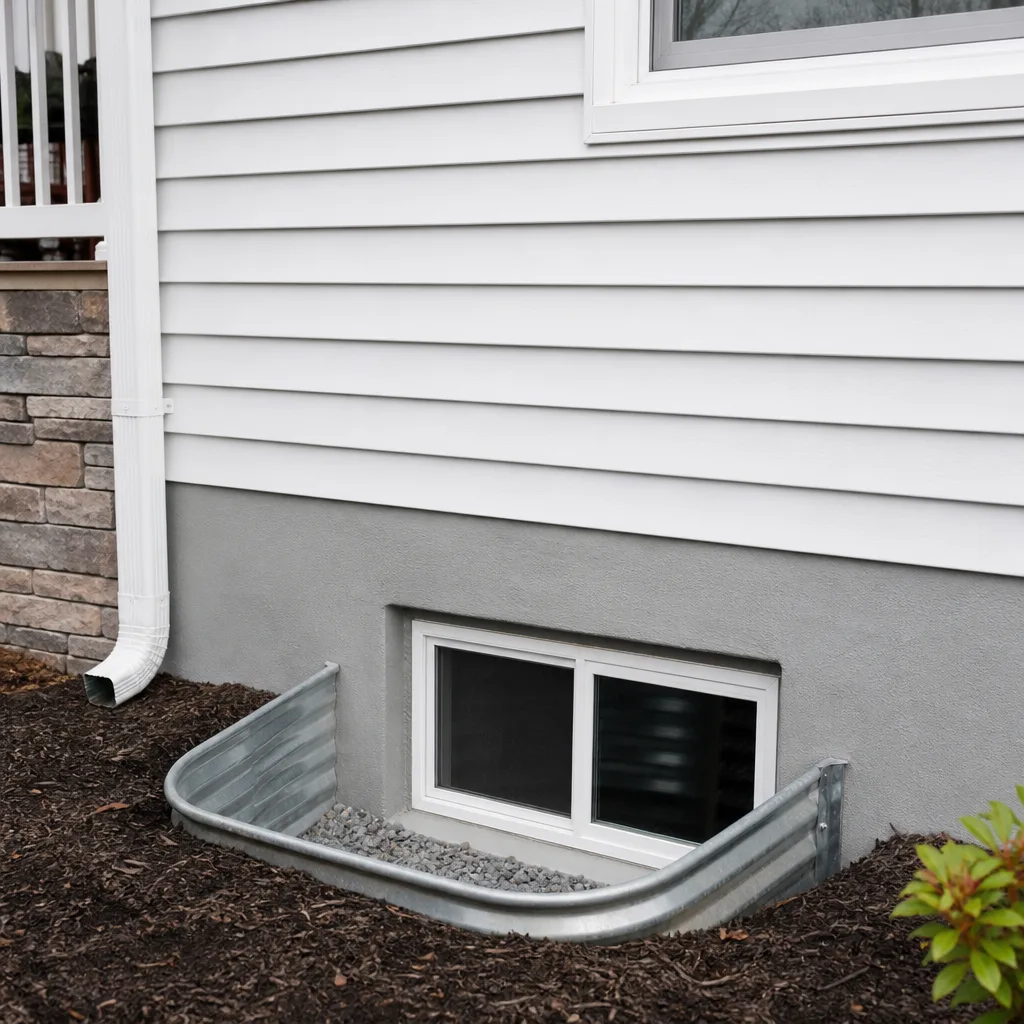
- Downspouts discharging within three feet of the foundation: Every rainstorm dumps gallons of water directly against the foundation wall. Extend downspouts or add splash blocks. This is the cheapest water damage prevention available to any Lodi homeowner.
- Missing, cracked, or curling shingles after a storm: Lodi gets real wind. A few missing shingles are a minor roof repair; the attic water damage from letting them go is a restoration job.
- Grading that slopes toward the house: Over decades, soil settles and landscaping changes. If the ground slopes toward the foundation, water follows. Regrading or a French drain fixes the cause, not just the symptom.
- Efflorescence on foundation walls: That white, chalky mineral deposit means water has been moving through the masonry. It is not mold, but it means the wall is getting wet enough to carry minerals to the surface.
- Gutters pulling away from the fascia or overflowing during rain: A gutter that is clogged or poorly pitched drains water down the wall and into the soffit. The fascia rots first, then the rafter tails, then the wall cavity.
- Within the first hour: Water spreads through drywall, wicks up baseboards, and saturates any porous material it touches. Furniture legs begin absorbing water.
- Hours 2-6: Drywall begins to swell and lose structural integrity. Laminate flooring starts to warp. Water reaches the subfloor and joist cavities.
- Hours 6-24: Mold spores present in the air find damp organic material and begin colonizing. A musty odor becomes noticeable. Electrical components in the affected area become a safety concern.
- Days 2-7: Visible mold growth appears on drywall, baseboards, and behind furniture. Wood framing begins to absorb enough moisture to affect structural stiffness. Metal fasteners start to corrode.
- Weeks 2-4: Structural damage is measurable. Subfloor delamination, door frame swelling, and rust on electrical boxes are all present. The restoration scope has grown from extraction and drying to full reconstruction.
- Turning off the AC and opening the windows to “dry things out”: This is the most common advice we hear, and it’s wrong. Drying requires controlled humidity, not outdoor air. Opening windows in Lodi’s humid summers adds moisture to the house and feeds mold growth.
- Painting over a water stain without fixing the source: The stain will bleed through within weeks. Worse, the moisture trapped behind the paint accelerates mold growth in the drywall. Fix the water first, then prime and paint.
- Waiting to call the insurance company because you’re afraid of a rate increase: Your policy exists precisely for this. The longer you wait on a water claim, the more the carrier can question whether mitigation was performed in a timely manner. Make the call.
- Letting a handyman do restoration work without IICRC certification: General contractors do not have drying science training. Without a moisture map and daily readings, a handyman can seal up a wet wall cavity and hand you a mold problem in sixty days.
- Assuming a small mold spot is just surface mold: If mold is visible on the drywall surface, the colony is usually larger behind the drywall. Surface cleaning without cavity inspection is the number one reason mold returns after remediation.
- Replacing only the visible damage after a sewage backup: Sewage water migrates under flooring and into wall cavities. Everything the water touched has to be removed or disinfected, not just the area where the water was visible.
- Ignoring a damp-smelling basement because it’s “always smelled like that”: A basement that always smells damp always has a moisture source. It is not a personality trait of the house. It’s a problem with a findable cause and a fixable solution.
Exterior water intrusion leads to the most expensive interior restoration work in Lodi. The water enters slowly, saturates insulation, and grows mold in wall cavities for months before the homeowner sees a stain. The homeowner who walks the perimeter catches these problems early. The homeowner who doesn’t learns about them from a ceiling collapse or a mold inspector.
How Fast Damage Spreads: A Lodi-Specific Timeline
Water damage is a clock that never stops. The timeline below reflects what we see in Lodi homes across every neighborhood, and it is why every one of these warning signs deserves a same-day response, not a wait-and-see approach.
This timeline is why Floodline Restoration Co. answers the phone with a live person at 2 a.m. and has a crew running extraction the same visit. We’ve seen too many Lodi homeowners wait a weekend on a slow drip and turn a $400 dry-out into a $9,000 rebuild. We’d rather tell you it’s a minor issue today than rebuild your walls in a month.
Common Mistakes to Avoid
When to Call a Professional
Call a restoration professional the same day you notice any of these: a water stain that is growing or changing color, a floor that feels soft underfoot, a musty smell that you cannot locate, water backing up from a drain, or visible mold larger than a dinner plate. In each of these cases, the damage is active and progressing, and the cost of delay compounds daily. If you have had a fire, even a small one, call before you clean anything yourself. Smoke residue requires professional treatment, and the insurance claim depends on a proper initial assessment. Floodline Restoration Co. offers free estimates in Lodi, and we answer the phone with a live dispatcher at any hour. Call (640) 356-1140 and someone who knows what they’re looking at will be there when we say.
Frequently Asked Questions
The most common warning sign we find in Lodi homes is a musty or damp smell in the basement or on the first floor that gets stronger after rain, followed closely by water stains that grow over time. Both indicate active moisture that has not dried between events. Call (640) 356-1140 for a free moisture assessment and we’ll find the source.
Mold can begin colonizing within 24 to 48 hours of a water event. The Lodi humidity levels from spring through fall mean that airborne spore counts are already elevated outdoors, so the spores find wet drywall and start growing quickly. Extraction and drying should start within hours, not days.
Most standard homeowner’s policies cover sudden and accidental water damage, such as a burst pipe or an appliance failure, but not long-term seepage or lack of maintenance. Floodline Restoration Co. bills the carrier directly and provides photo documentation and moisture logs so the claim is handled properly. Your adjuster gets the evidence, and you don’t play messenger.
Household fans and a residential dehumidifier cannot reach the moisture inside wall cavities, under flooring, or behind baseboards. Professional restoration uses Dri-Eaz and Phoenix equipment sized to the affected square footage with air movement calculated to dry the structure, not just the surface. A surface that feels dry can still be wet behind the drywall, and that’s where the problems start.
If mold covers an area larger than about 10 square feet, if it is inside a wall cavity or HVAC ductwork, or if it comes back after surface cleaning, it requires professional remediation. A small spot on bathroom tile from surface condensation may be a cleaning issue. A spot on drywall or a smell that won’t clear is a different job.
Take a photo of the stain with a ruler or coin for scale, note whether the stain is growing, and call a restoration professional the same day. Do not paint over it, do not wait to see if it dries, and do not assume it is old damage. A free assessment costs nothing and answers the question. Call (640) 356-1140 and we’ll tell you exactly what you are looking at.
The Bottom Line
Damage restoration warning signs are never subtle, but they are often ignored. A damp smell is not a personality quirk of an old house. A water stain that grows is not a cosmetic issue. A door that sticks each summer is not charming. Each of these signals is your Lodi home telling you something in plain language. The homes that get the smallest repairs are the ones where someone paid attention early and made one phone call. Floodline Restoration Co. has served Lodi since 2010, and every job is backed by the 90-Day Done Right Promise in writing. If you see a sign, call (640) 356-1140 for a free estimate. Done right, and backed in writing.
Written by Curt Bowman, Owner at Floodline Restoration Co. home, serving Lodi since 2010.