

Free visual inspection and a written scope of work before any mitigation begins - photos, moisture readings, and drying logs go in your claim file
The scope we write is the scope we bill. Anything new gets shown to you, in writing, before we touch it.
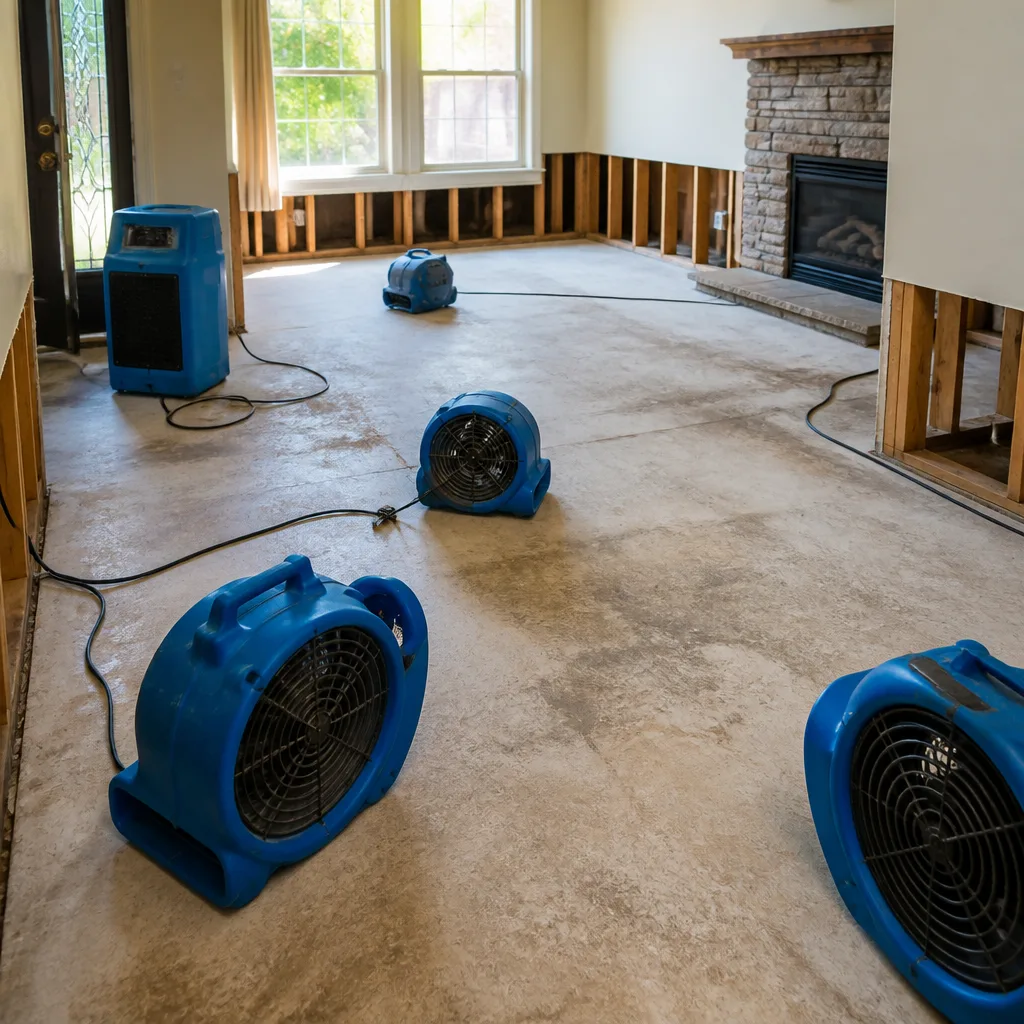
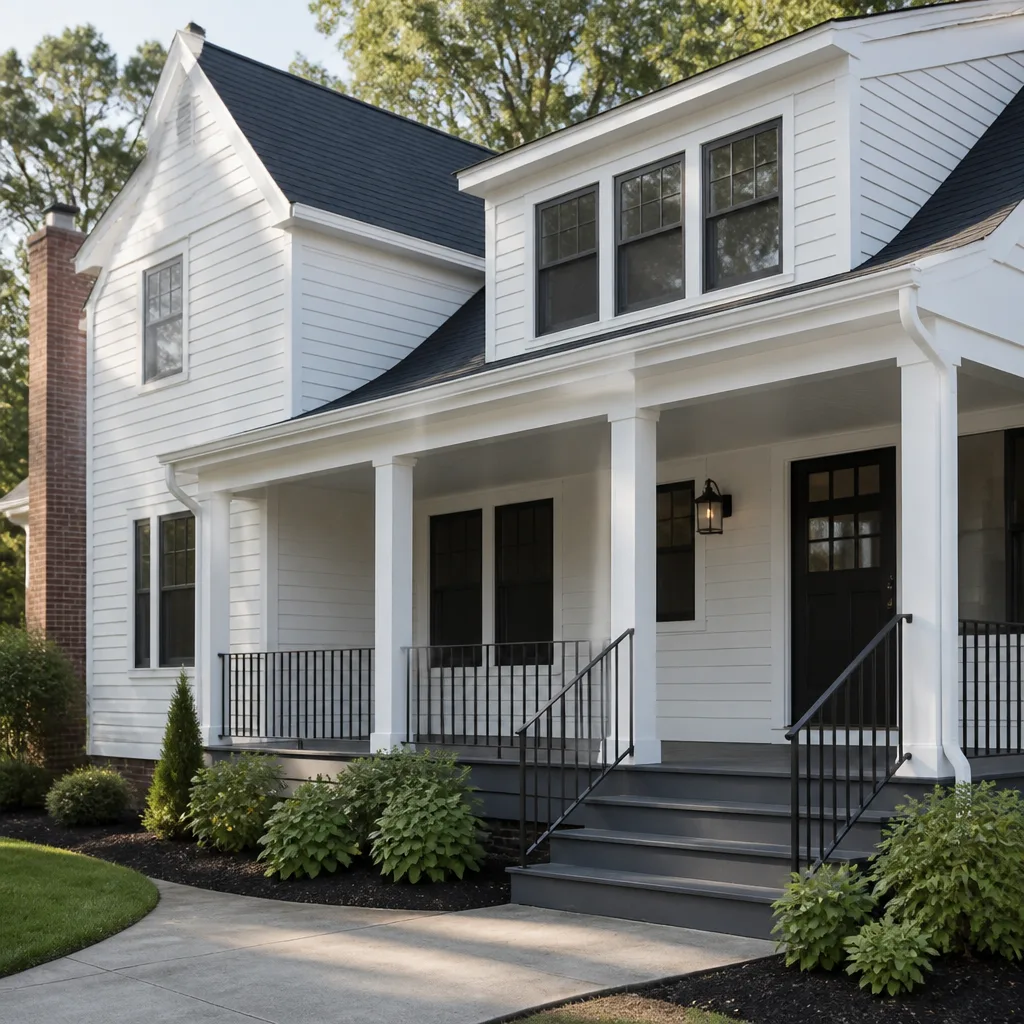
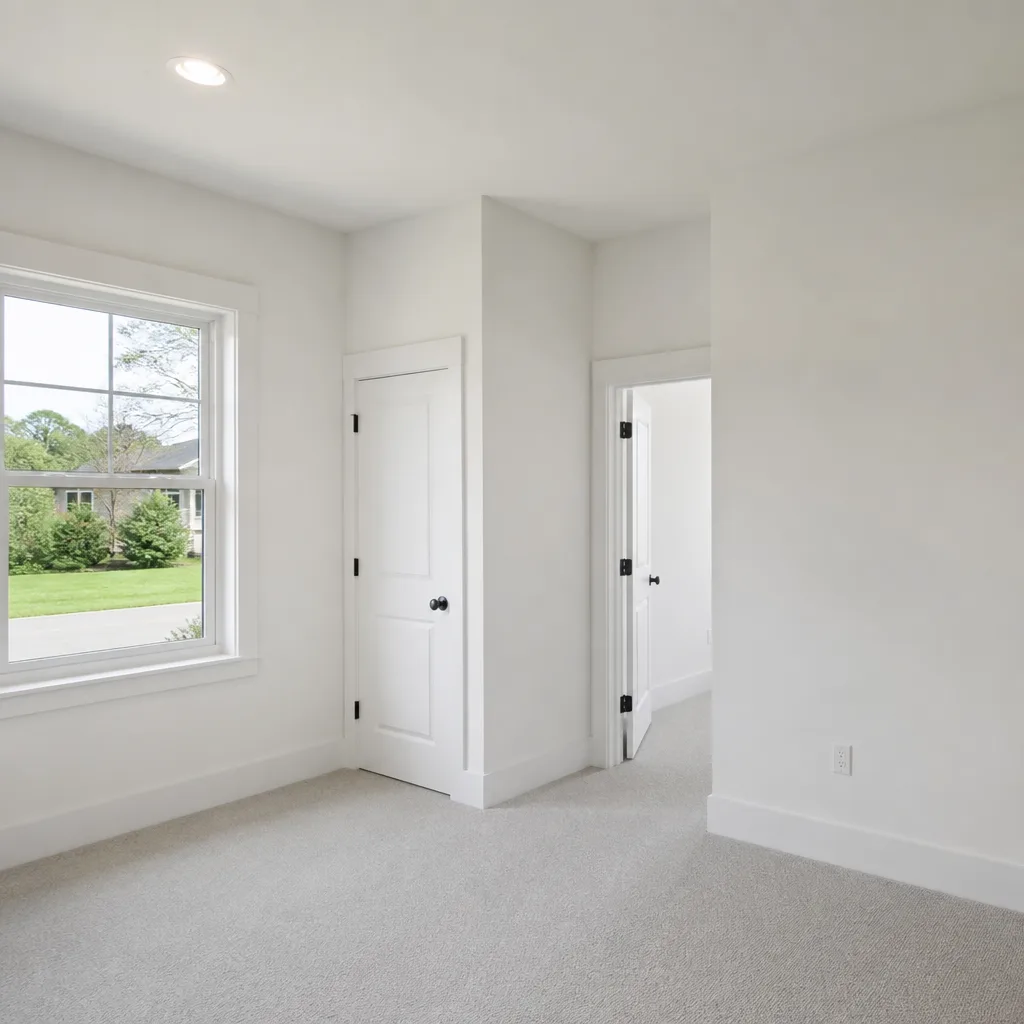
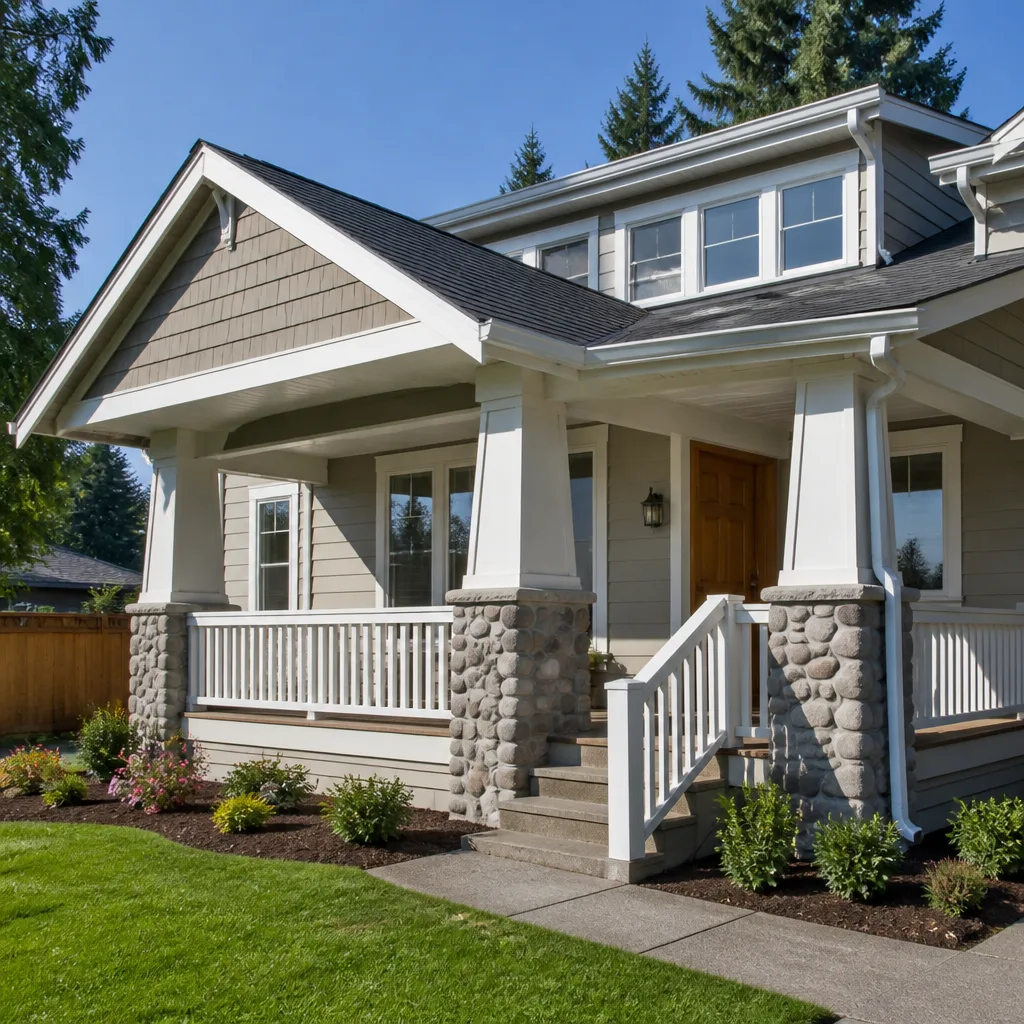
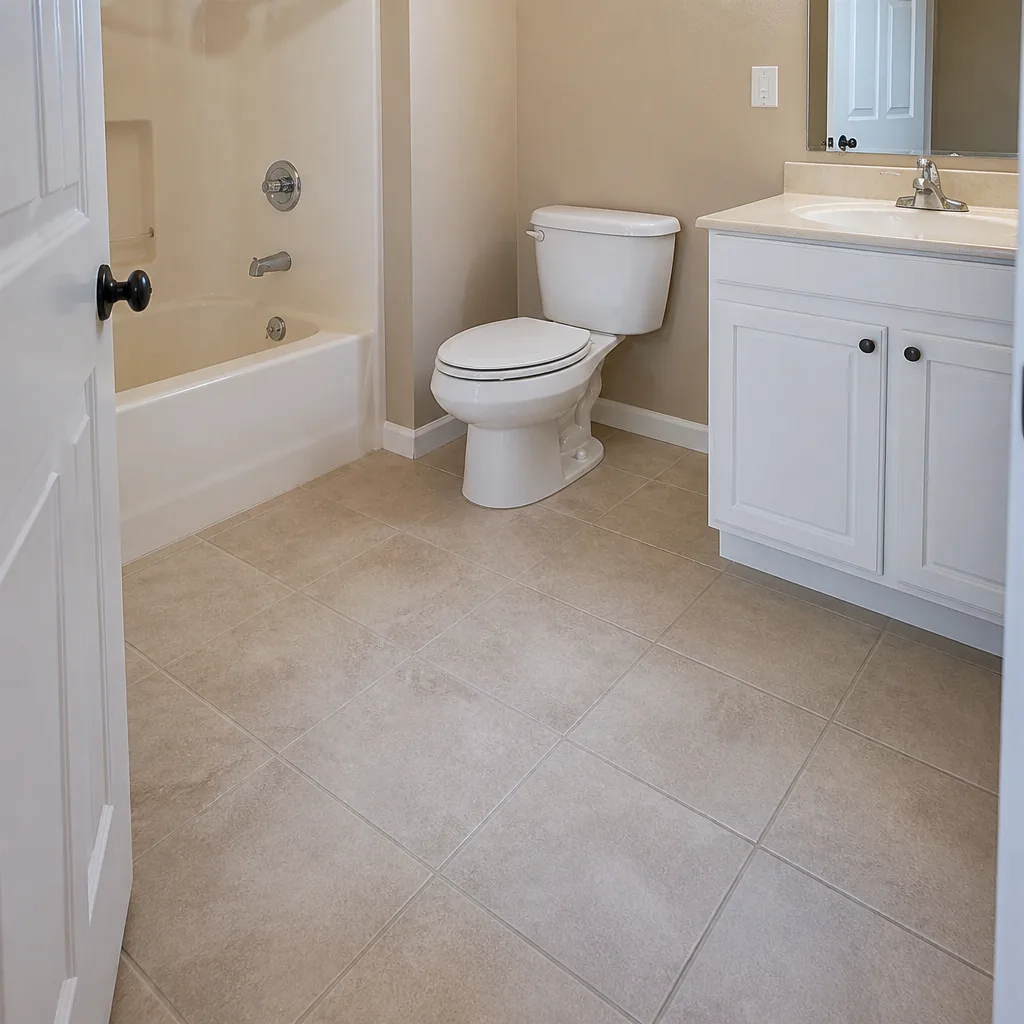

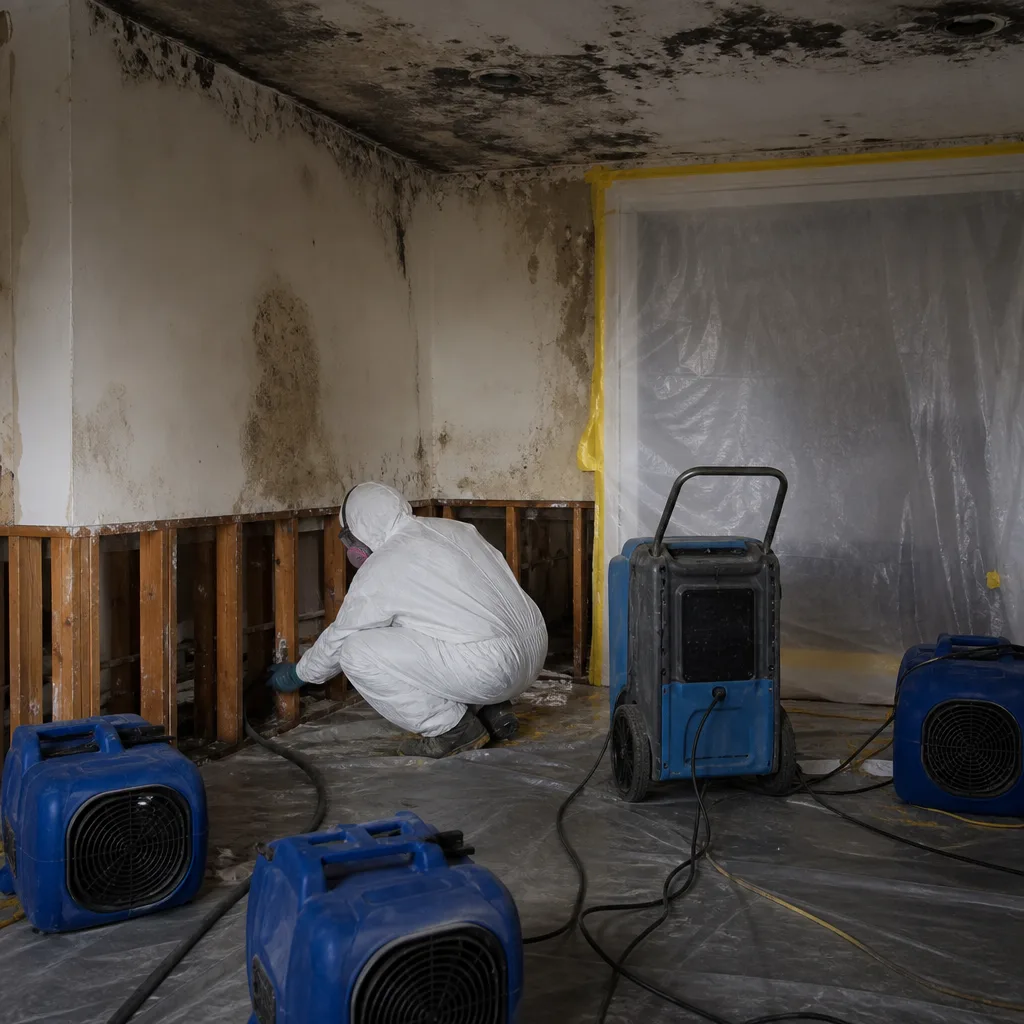 Before
 After
After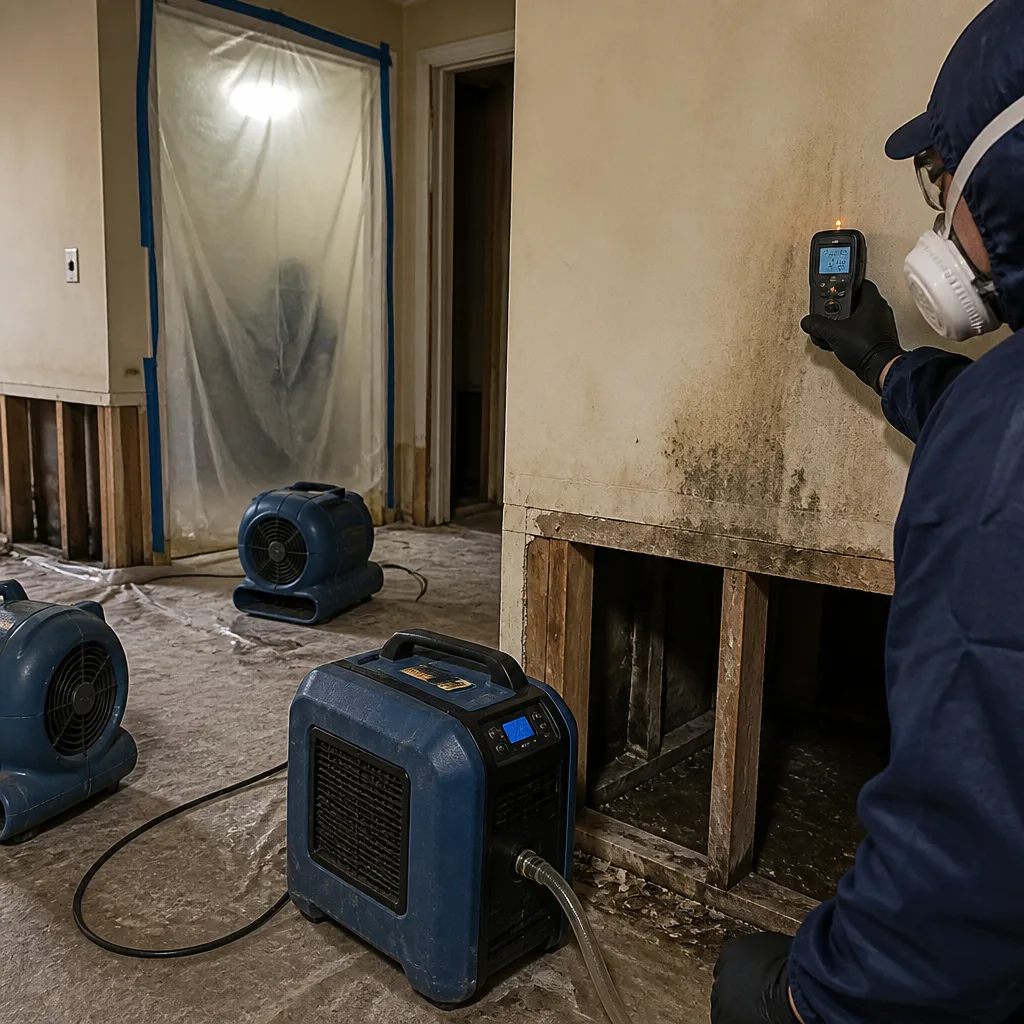 Before
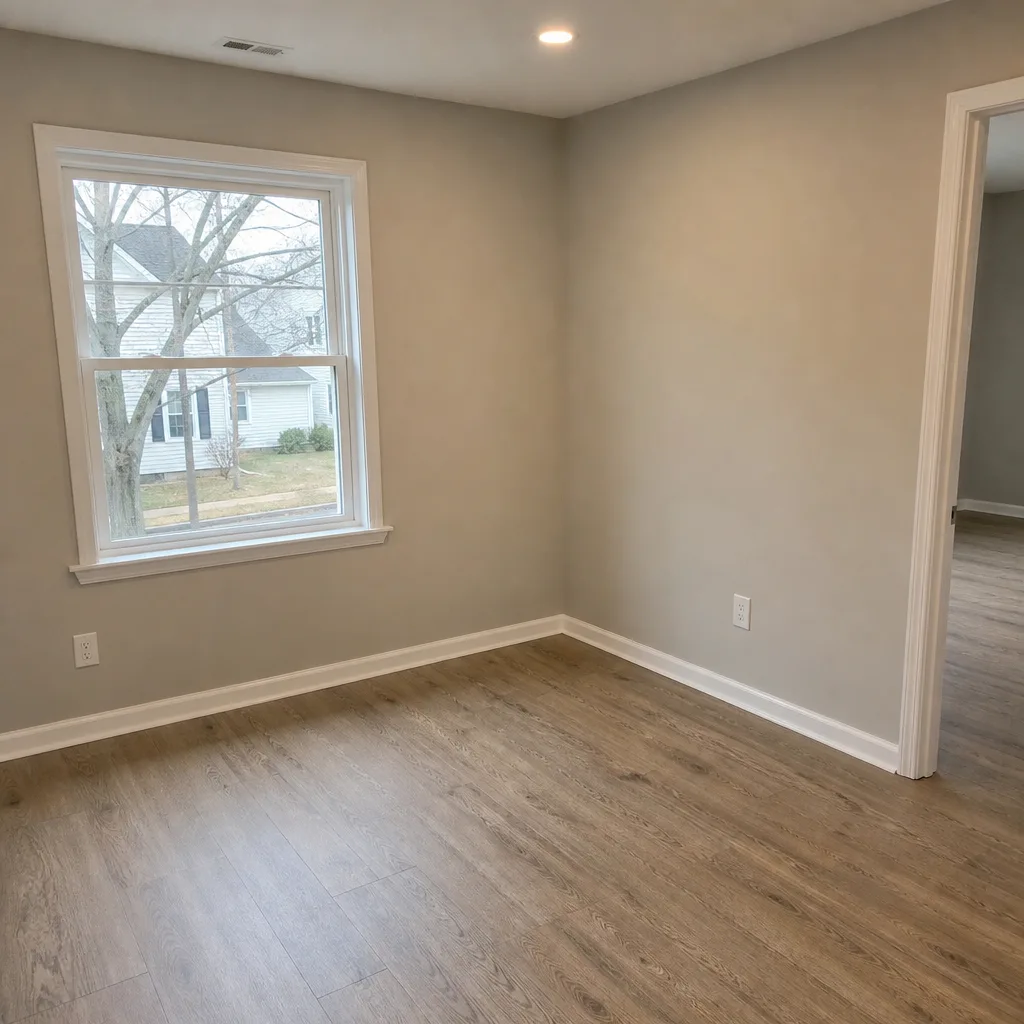 After
After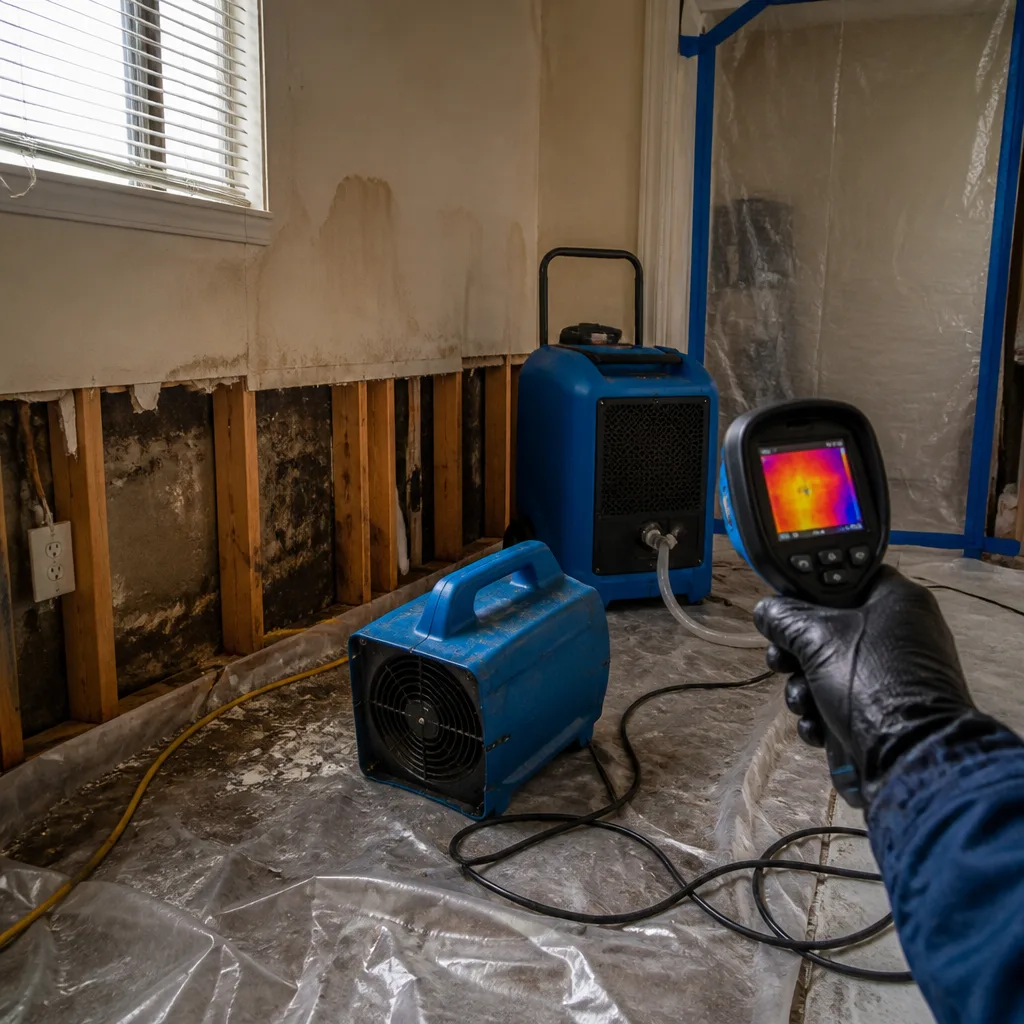 Before
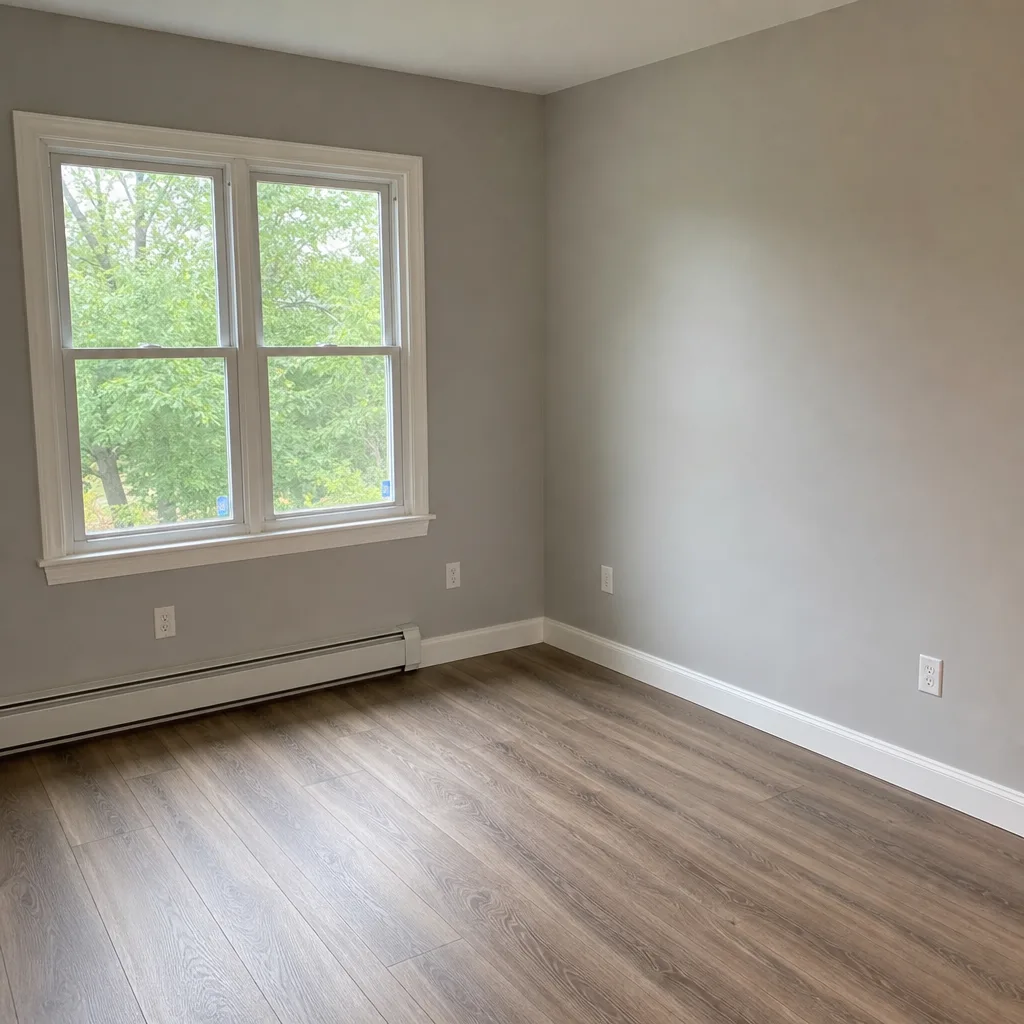 After
After24/7 Emergency Biohazard & Crime Scene Cleanup in Garfield
When a biohazard event happens in a Garfield home, the first call should reach a live person, not a recording. We answer the phone at (640) 356-1140 around the clock, every day of the year. A uniformed, background-checked crew can be dispatched into Garfield within 45 minutes, because the sooner contaminated materials are contained, the less the damage spreads through plaster-and-lath walls and old floor cavities. The first hour determines whether an isolated scene stays isolated, or whether fluids, pathogens, and odor move into adjacent rooms and neighboring units. Call us first. We’ll tell you exactly what to do before we arrive.
Understanding Biohazard & Crime Scene Cleanup Severity in Garfield Properties
In newer construction, a biohazard scene often stays close to where it started. Drywall and engineered lumber don’t absorb much, so cutting out a section of wallboard usually removes the contamination. Garfield is different. The city’s housing stock is dominated by 1920s-1950s wood-frame two- and three-family homes built with plaster-and-lath interiors and old-growth timber. Plaster keys, lath strips, and balloon-frame wall cavities act like wicks. Blood, decomposition fluids, and pathogens travel vertically and horizontally through those open channels, saturating material far from the original source. A second-floor death can leave soaked lath above first-floor ceilings. A basement crime scene can contaminate joist bays that run under an entire tenancy. Severity here isn’t measured in square feet of visible staining. It’s measured in how far fluids migrated through structures that were built before containment was even a concept. That’s why our crews open walls on a moisture map, not on what the eye can see.
Why Garfield Property Owners Choose Floodline Restoration Co.
- 45-minute response commitment - a live dispatcher confirms a crew inside Garfield, not a call center in another state.
- 24/7 live answer - a real person picks up at 2 a.m. and knows the streets of Garfield, not a voicemail tree.
- IICRC-certified crews - trained to the standards that matter for trauma scenes: bloodborne pathogen protocols, containment, and appropriate antimicrobial application.
- Free visual inspection - we assess the scene, explain the scope in plain language, and give you a written plan before any work begins.
- Direct insurance billing - we document from the first hour, communicate with your adjuster, and you never play messenger between us and the carrier.
- One team, start to finish - the same crew that sets containment also handles cleaning, drying, and rebuild. No handoffs, no inherited crew, no gaps.
Our Biohazard & Crime Scene Cleanup Process
Inspection & Assessment
We walk the entire property, not just the visible scene. In Garfield’s older homes, we check floor joists, baseboard gaps, and wall cavities for signs of fluid migration. Thermal imaging and moisture readings tell us where the contamination actually went.
Containment & Stabilization
We seal the affected area with HEPA-filtered negative air pressure so aerosols and odors can’t reach other rooms or neighboring units. In multi-family Garfield buildings, this step protects tenants on both sides of a shared wall cavity.
Removal of Contaminated Materials
Plaster, lath, flooring, and personal items that cannot be safely cleaned are removed under containment. We follow state regulations for biohazard waste transport. Nothing contaminated leaves the property in a standard garbage bag.
Cleaning & Sanitization
All remaining surfaces are cleaned, then treated with hospital-grade antimicrobials appropriate to the specific biological material. This isn’t mopping. It’s protocol-based decontamination verified with post-cleaning testing.
Drying & Dehumidification
After cleaning, we bring in professional-grade air movers and dehumidifiers to pull moisture from structural cavities. Garfield’s plaster-and-lath walls hold water like a sponge, and damp building material grows mold within 48 hours if it’s not dried to standard.
Repairs & Restoration
The same Floodline crew rebuilds what was removed, matching the construction style of your home. Plaster repair, lath replacement, flooring, trim - we restore the space so it doesn’t look like a job happened here, and we back it with the 90-Day Done Right Promise in writing.
Need Emergency Biohazard & Crime Scene Cleanup in Garfield Now?
Crews minutes away, answering live 24 hours a day. The sooner we start, the less it costs.
Working With Your Insurance Company
Most biohazard and crime scene cleanup in Garfield is covered under homeowners or landlord insurance, but only if the claim is documented properly from the first hour. We photograph every surface before we touch anything. We log moisture readings, containment setup, material removal, and drying data daily. Our line-item scopes use industry-standard pricing that adjusters recognize, and we communicate directly with your carrier so you don’t have to translate between us and the desk adjuster. If the contamination is tied to a flood event from the Passaic River, we document that connection carefully, because flood claims and biohazard claims follow different paths, and your coverage may depend on how the initial loss is classified. The 90-Day Done Right Promise applies to every job, and our documentation stands behind it.
What We Provide Your Insurer
- Thorough documentation of the loss
- Photos of all damage, room by room
- Moisture readings and drying logs
- A detailed, line-item scope of work
- Direct coordination with your carrier
Built for Garfield’s Loss Calendar
Garfield’s biohazard and crime scene events don’t happen on a schedule, but the conditions that make them worse follow a pattern. January and February freeze events burst supply lines in unheated basements and attics of pre-1950 homes, and that water eventually saturates plaster, flooring, and any biological material already present. Spring thaw pushes groundwater into full masonry basements, raising humidity and reactivating old contamination that was never properly remediated. Summer thunderstorms strain flat rubber roofs on Garfield’s older multifamily stock, and water migration through shared walls carries whatever it touches across tenancy lines. Nor’easters and tropical remnants channel storm surge down the Passaic River, and when that Category 3 water enters a basement that already holds biohazardous material, the scope changes from cleanup to simultaneous biohazard and flood mitigation. This is a city where two separate loss types routinely overlap in the same structure.
Biohazard & Crime Scene Cleanup Across Garfield’s Neighborhoods
Response routes in Garfield follow the city’s geography. The blocks east of River Drive sit closest to the Passaic River and see the worst of the floodwater that pushes contaminants through basement foundations and first-floor framing. Homes along Outwater Lane and the numbered streets near Midland Avenue are dense two-family stock where sound travels and odors spread fast, so we run containment tighter and monitor air pressure constantly. The older single-family homes north of Wallington border and west toward Saddle Brook have the same plaster-and-lath construction but less traffic, which means an unattended death can go longer before discovery, and fluids have more time to migrate. In the commercial strips along Passaic Street, we clear hoarding and biohazard scenes in mixed-use buildings where work hours have to fit around neighboring businesses. Every neighborhood in Garfield has the same underlying construction challenge: old materials that hold contamination longer than anyone wants to admit.
Garfield sits directly on the Passaic River floodplain. Hurricane Ida in September 2021 and Tropical Storm Irene in 2011 both put first-floor living spaces under standing water in the blocks closest to the river, and many of those homes are the same 1920s-1950s wood-frame structures that dominate the rest of the city. When blood, decomposition fluids, or other biohazardous material mix with Category 3 floodwater, you have a contamination problem that no single-trade crew can handle. Our Biohazard & Crime Scene Cleanup team works alongside our flood mitigation crews because that’s what Garfield’s buildings require. A generic biohazard company will clean what it sees. We open walls, test moisture, and track where fluids migrated through balloon-frame cavities, because in this city, the contamination path almost always runs deeper than the visible stain.
Specialized Biohazard & Crime Scene Cleanup Services We Offer in Garfield
Trauma & Unattended Death Cleanup
In Garfield’s plaster-and-lath homes, decomposition fluids travel along plaster keys and open wall cavities well beyond the room where a person passed. Our IICRC-certified technicians map moisture, open concealed bays, and remove saturated material that generic cleaners never find. We handle the full scope with the discretion and speed the situation demands.
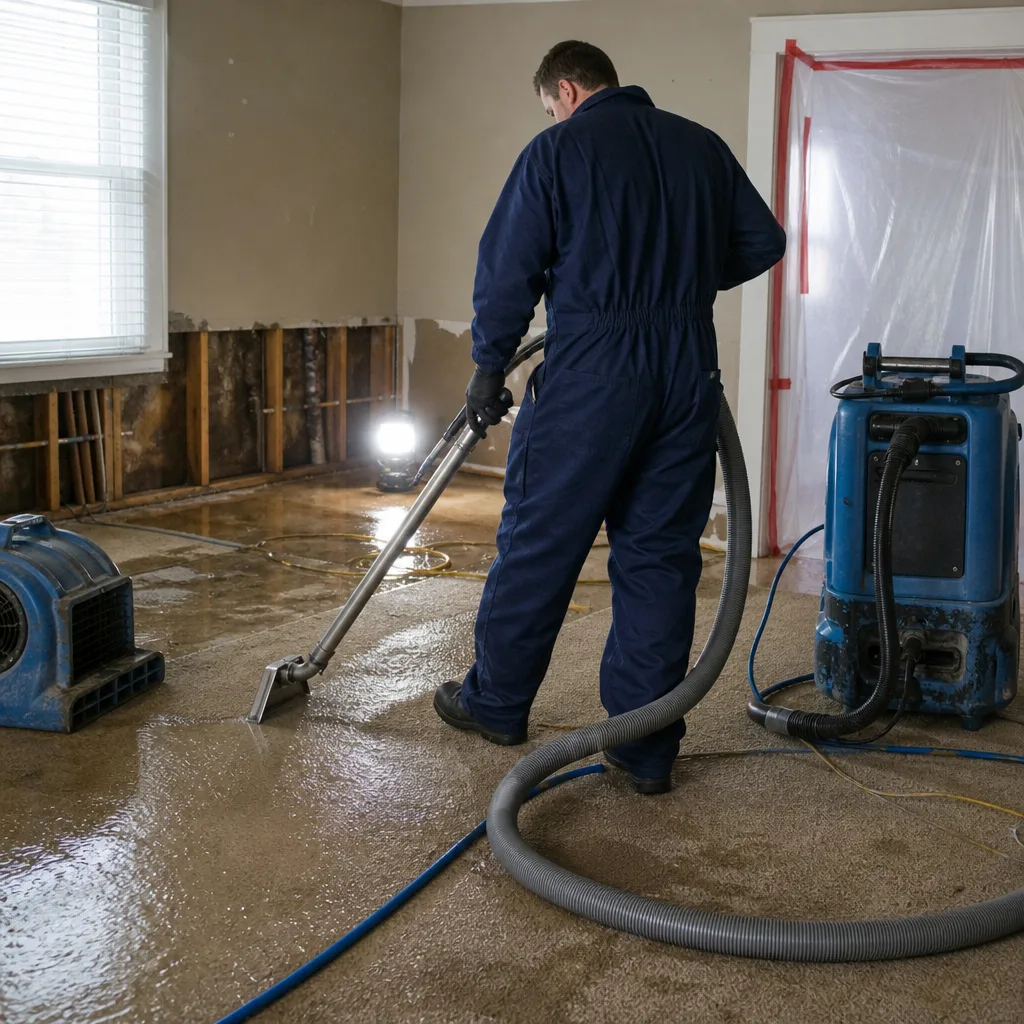
Hoarding Cleanup
Hoarding cleanup in Garfield is not junk removal. Decades of stacked material pressed against old masonry and wood often conceals active mold, rodent-borne pathogens, structural softening, and even Category 3 water damage in full basements. We catalog items, handle biohazardous material under protocol, and coordinate disposal with Bergen County requirements.
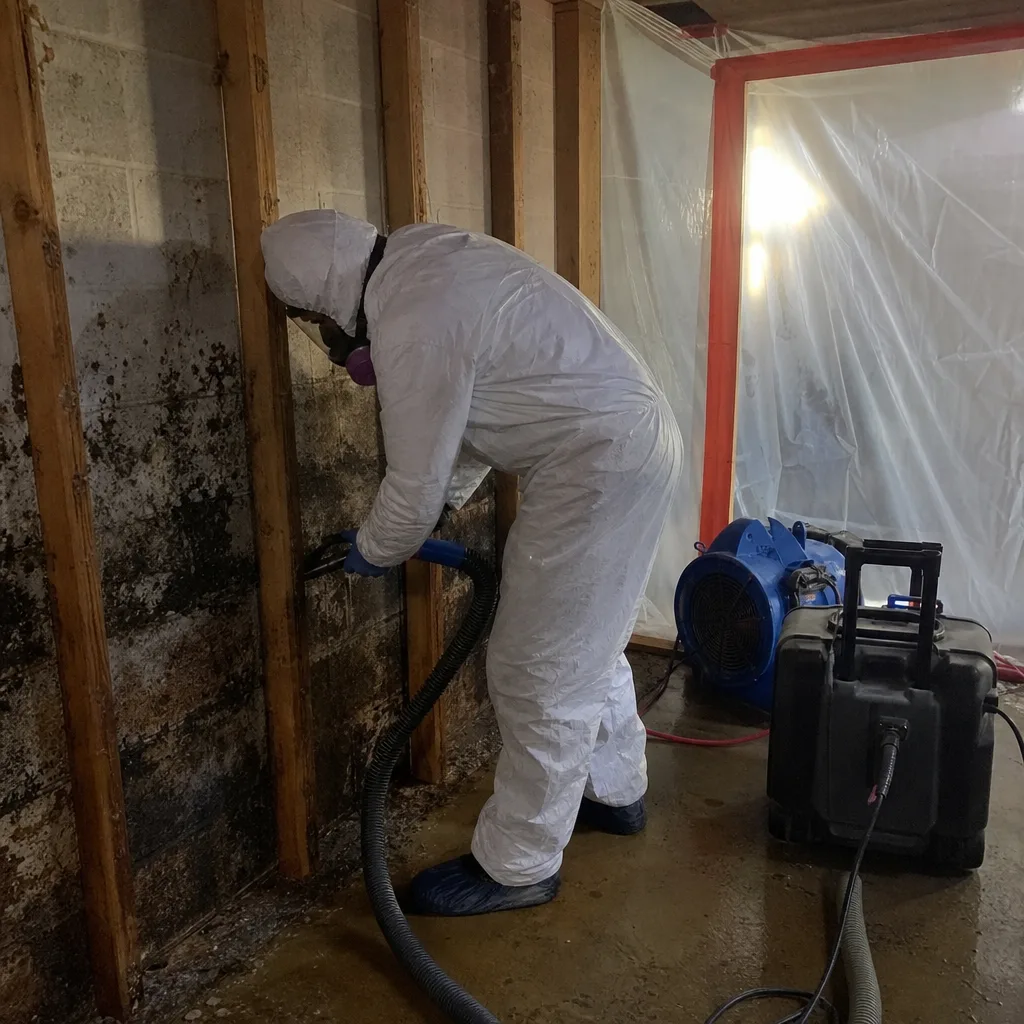
Blood & Bodily Fluid Cleanup
Blood spilled in a Garfield home rarely stays on one surface. It seeps into hardwood floors, travels along lath strips, and pools in floor cavities. Cleaning the visible surface without opening the structure below is how odor returns weeks later. We open, test, treat, and dry the full contamination path.
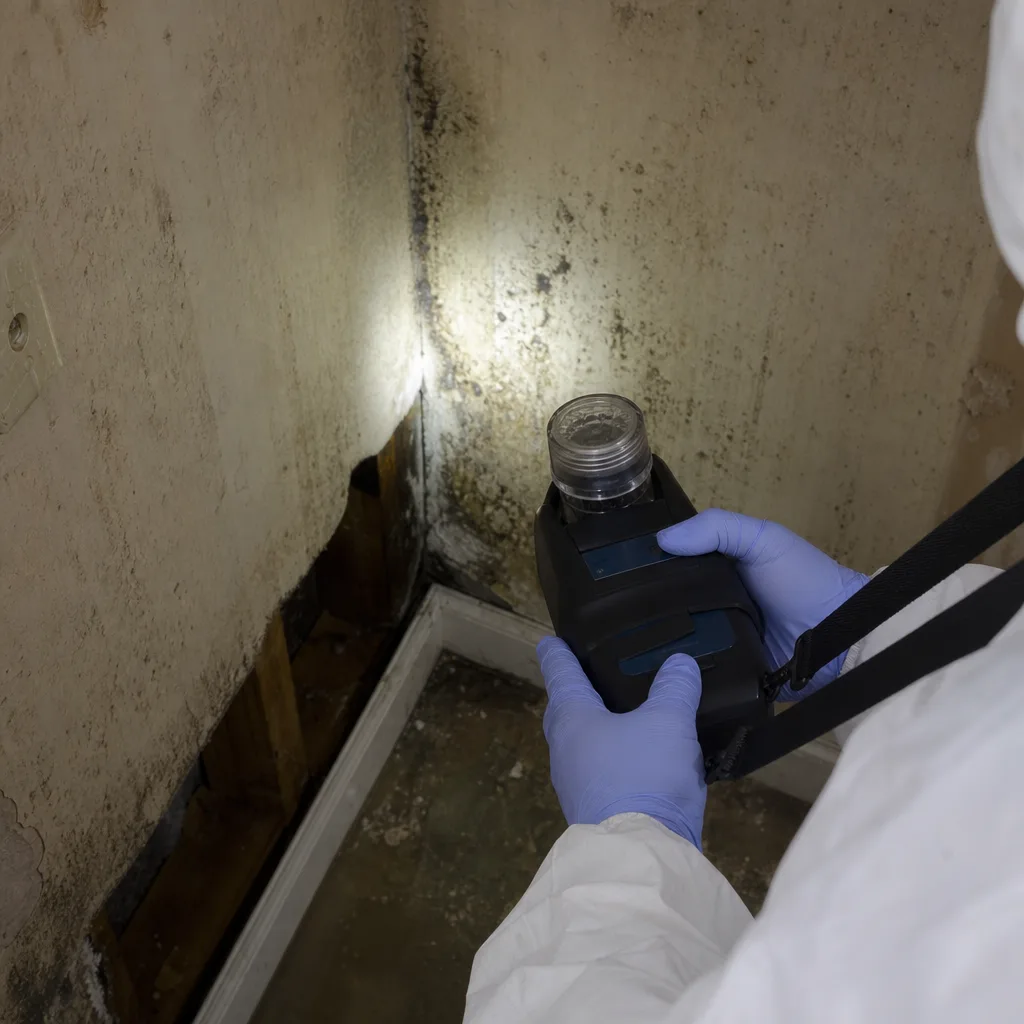
Crime Scene Cleanup
When Garfield Police release a scene, the family or property owner is left with a hazardous environment. We work with local authorities to document what was removed, what was cleaned, and what required structural material removal, and we restore the site to a condition that allows life to move forward.
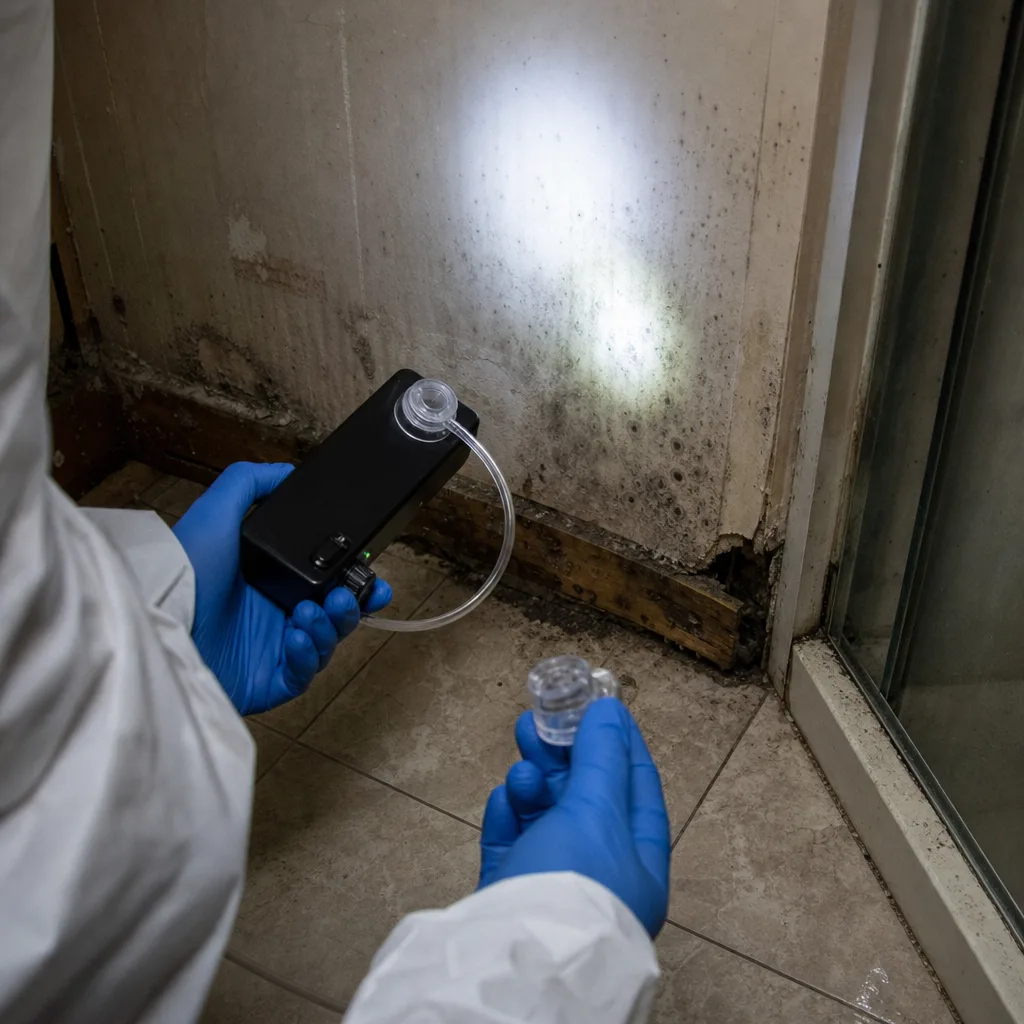
Infectious Disease Disinfection
We use EPA-registered disinfectants appropriate to the specific pathogen, applied under containment with the proper dwell times and coverage verification. Garfield’s multifamily buildings make this step critical, because shared air and wall cavities let airborne contaminants cross into neighboring units fast.
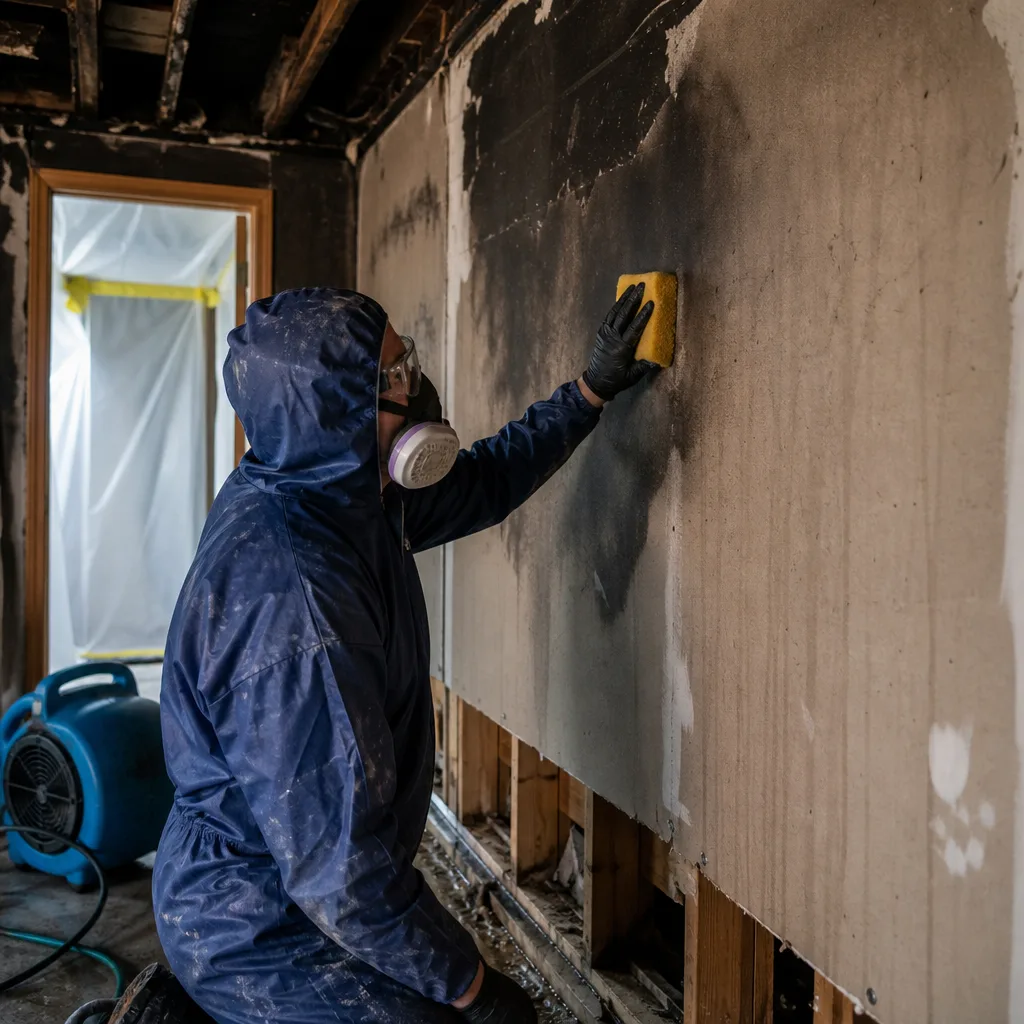
Tear Gas & Chemical Cleanup
Tear gas residue bonds to porous surfaces and continues off-gassing for days. In plaster-and-lath homes, that means the residue isn’t just on the wall surface - it’s in the plaster. We neutralize, clean, and where necessary remove and replace the absorbent materials to make the air safe again.
What happens when you call
- 1
A real person answersNo phone trees - you reach a local pro.
- 2
You get an upfront price rangeHonest numbers before anyone is dispatched.
- 3
A background-checked tech heads outLicensed & insured, dispatched right away.
- 4
You approve before work beginsNothing starts until you say go.
Biohazard & Crime Scene Cleanup Costs in Garfield, NJ
A typical blood cleanup in a single room of a Garfield home runs $1,200 to $3,000. Unattended death cleanup, where decomposition has had time to migrate through plaster and flooring, ranges from $2,500 to $8,000 depending on how many rooms and cavities are involved. Hoarding cleanup in a Garfield two-family typically starts around $3,000 and can exceed $15,000 when structural damage and mold remediation are part of the picture. The biggest cost driver in this city is hidden contamination: the unopened wall cavity below a second-floor scene, the joist bay that wicked fluid sideways, the basement floor that absorbed decades of moisture before the biohazard event. That’s why our free visual inspection includes moisture mapping and cavity checks. You get one written scope, agreed before work starts, with no surprise line items. Call (640) 356-1140 for an exact quote. Estimates are free.
We Also Serve Cities Near Garfield
Our crews serve Garfield and the surrounding Bergen County communities of Lodi, Saddle Brook, Hasbrouck Heights, and Maywood. The construction stock is similar across these towns, which means the same containment and moisture-mapping protocols apply, and the same live dispatch number gets a certified crew moving. One number, one team, one standard across the area.
Serving Garfield, NJ - Our Local Coverage Area
We’re based in the Garfield area and know this community well. Use the map below to see our service coverage - if you’re nearby, we can almost certainly help.
Garfield Biohazard & Crime Scene Cleanup Questions, Answered
Why does biohazard cleanup in Garfield homes often require tearing out more plaster and lath than in newer construction?
Garfield’s 1920s-1950s homes use plaster-and-lath and balloon-frame construction, and those materials wick blood, fluids, and odors far deeper than modern drywall. Plaster keys and open wall cavities let contamination travel vertically and horizontally, so a stain on one floor often means saturated lath and framing above or below. We open walls along the moisture map, not just at the visible stain, because that’s where the contamination actually went. Call (640) 356-1140 for a free assessment of your Garfield home.
Does the Passaic River flood history affect how you handle a crime scene or unattended death cleanup in a Garfield basement?
Yes. If a basement has taken on river water, any biological material present is now mixed with Category 3 floodwater, which contains sewage, pathogens, and organic debris. That changes the protocol from biohazard cleaning to simultaneous biohazard and flood mitigation, and it changes how your insurance claim is classified. We document everything so your carrier sees the full picture. Estimates are free.
How do you prevent cross-contamination between units in a Garfield two- or three-family home during unattended death cleanup?
We set HEPA-filtered negative air pressure inside the affected unit so aerosols and odors move outward through filters, not sideways into shared wall cavities or neighboring hallways. We also seal shared joist bays and open common areas before demolition starts. In Garfield’s older buildings, those shared cavities are the main route for odor and contaminants to cross tenancy lines.
Is hoarding cleanup in a Garfield home different from a standard junk removal job?
Completely different. Many Garfield basements have absorbed decades of moisture, and hoarded material pressed against old wood and masonry hides mold, rodent droppings, structural softening, and sometimes active water intrusion. Junk removal crews aren’t trained or licensed to handle biohazardous material. Our Biohazard & Crime Scene Cleanup in Garfield crews work under containment and follow regulated disposal protocols.
What happens when blood or fluids from a crime scene have been covered by water from a recent flood in Garfield?
We treat it as a combined biohazard and Category 3 flood event. That means extracting the floodwater, documenting the original biological contamination, and then cleaning and disinfecting every surface the water touched before any drying can proceed. The two loss types can’t be separated once they mix, and your insurance coverage may depend on how that combination is documented. We handle that documentation for you.
How fast can a certified biohazard crew actually reach a Garfield home?
We commit to a 45-minute response time inside Garfield. A live dispatcher answers at (640) 356-1140 around the clock, confirming your address and the nature of the scene, then routes the nearest available certified crew. No automated system, no recording, no call center script.
Do I need full remediation or just a cleaning for a small blood spill?
If the spill is recent and on a non-porous surface like tile or sealed hardwood, a protocol-based cleaning is often enough. If blood sat for more than a few hours, or if it’s on carpet, unsealed wood, or near baseboards in an older Garfield home, fluids have likely seeped into the substrate. That requires opening and treating the structural material. We’ll tell you honestly which path applies, and you’ll approve the scope in writing before we do anything.
Who coordinates with the police and the insurance adjuster after a crime scene in a Garfield home?
We coordinate directly with your carrier from the first hour, and we work alongside Garfield Police and county authorities when a scene is released. You don’t have to translate technical findings into adjuster language, and you don’t have to manage paperwork while dealing with a traumatic event. That’s our job. Call (640) 356-1140 and we’ll start on it.
Written by Curt Bowman, Owner at Floodline Restoration Co., serving Garfield and all of Bergen County.