
Last updated August 25, 2026
Free visual inspection and a written scope of work before any mitigation begins - photos, moisture readings, and drying logs go in your claim file
The scope we write is the scope we bill. Anything new gets shown to you, in writing, before we touch it.
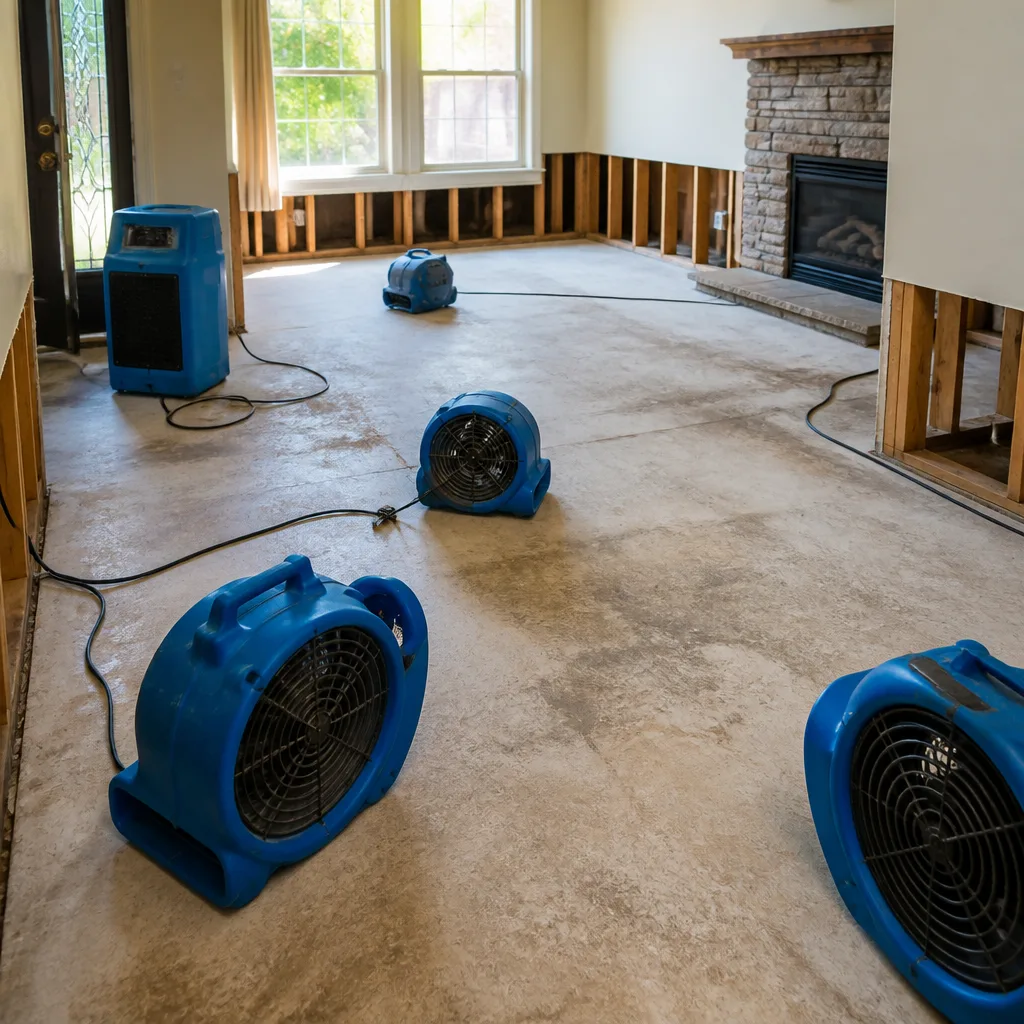
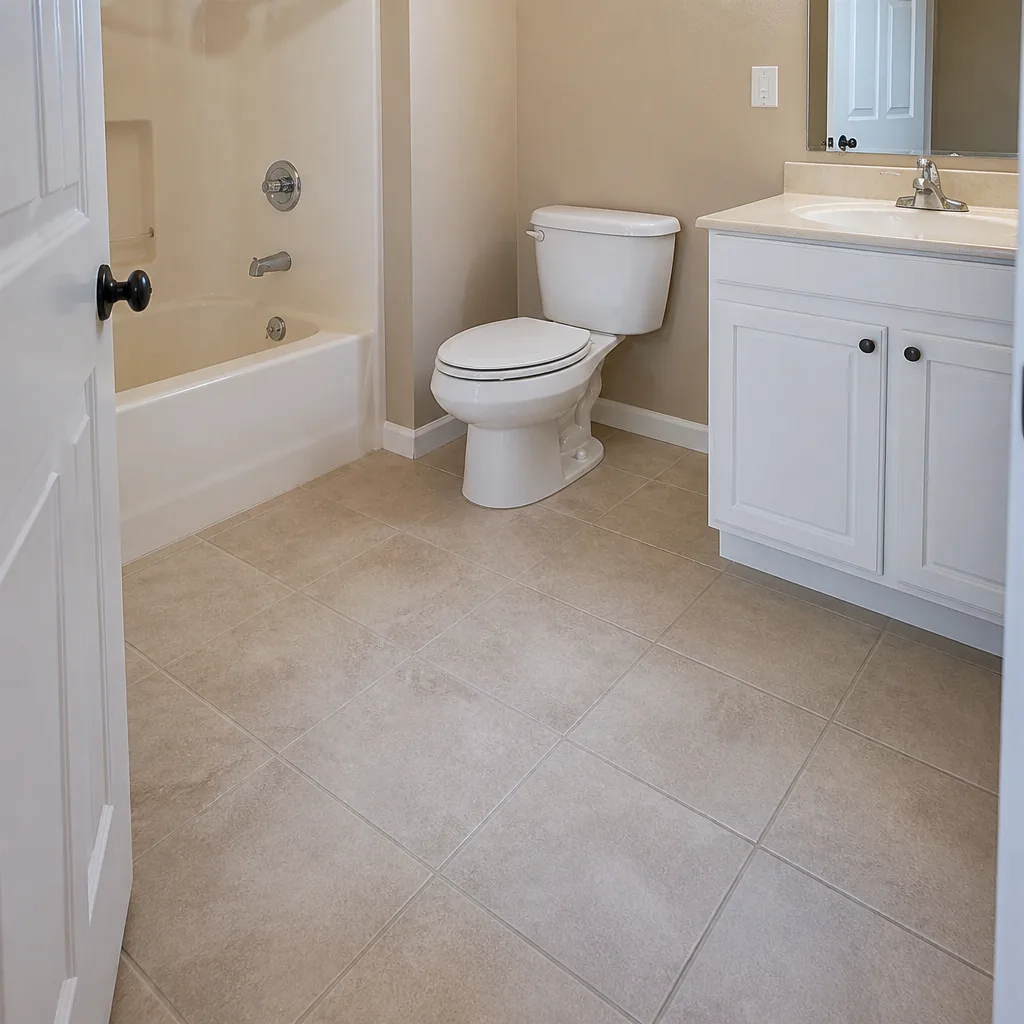
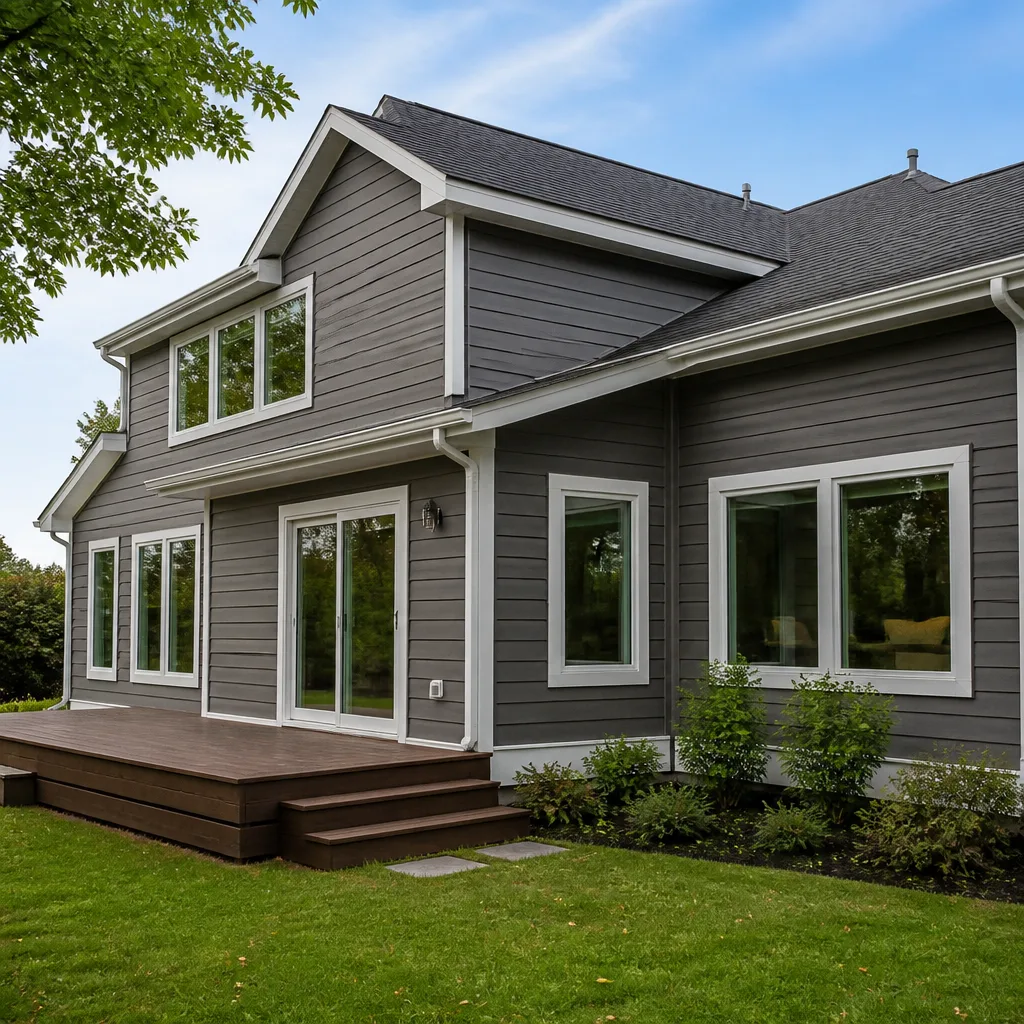
 Before
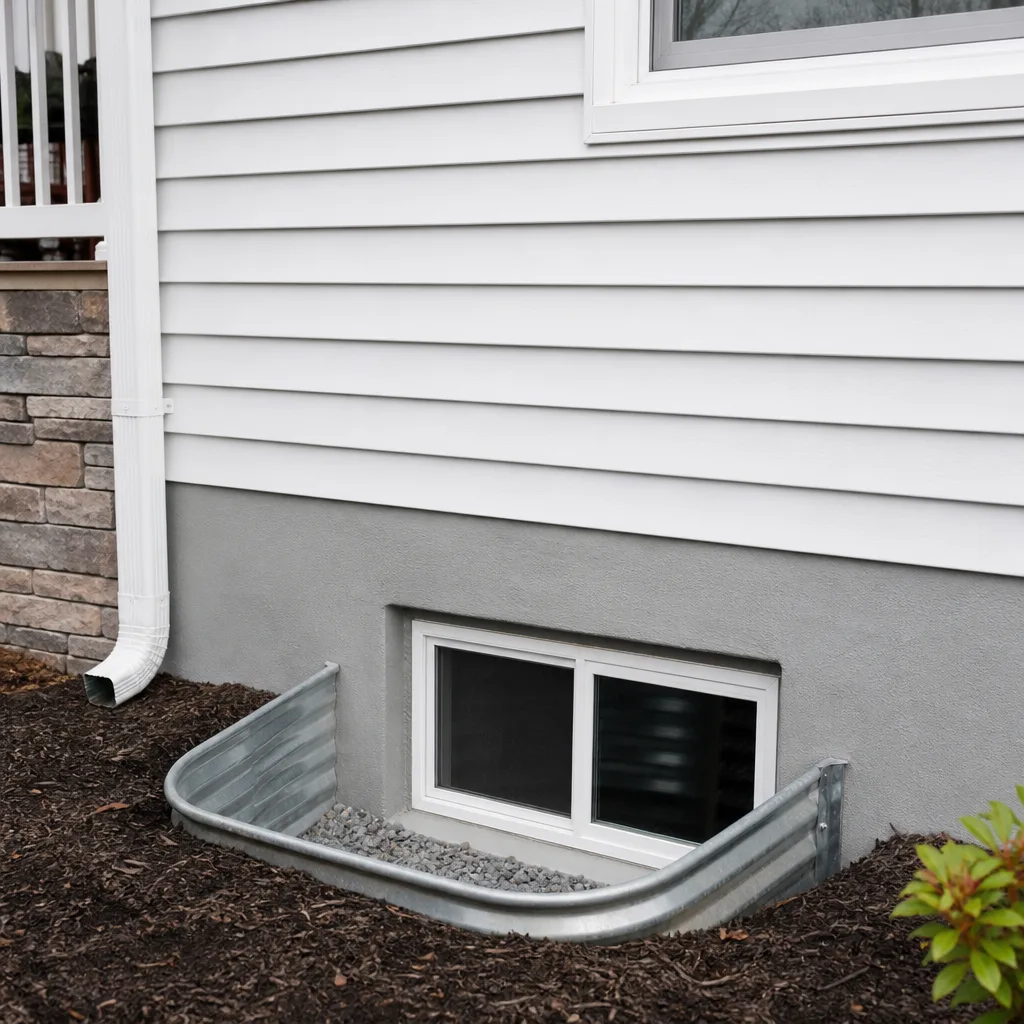 After
After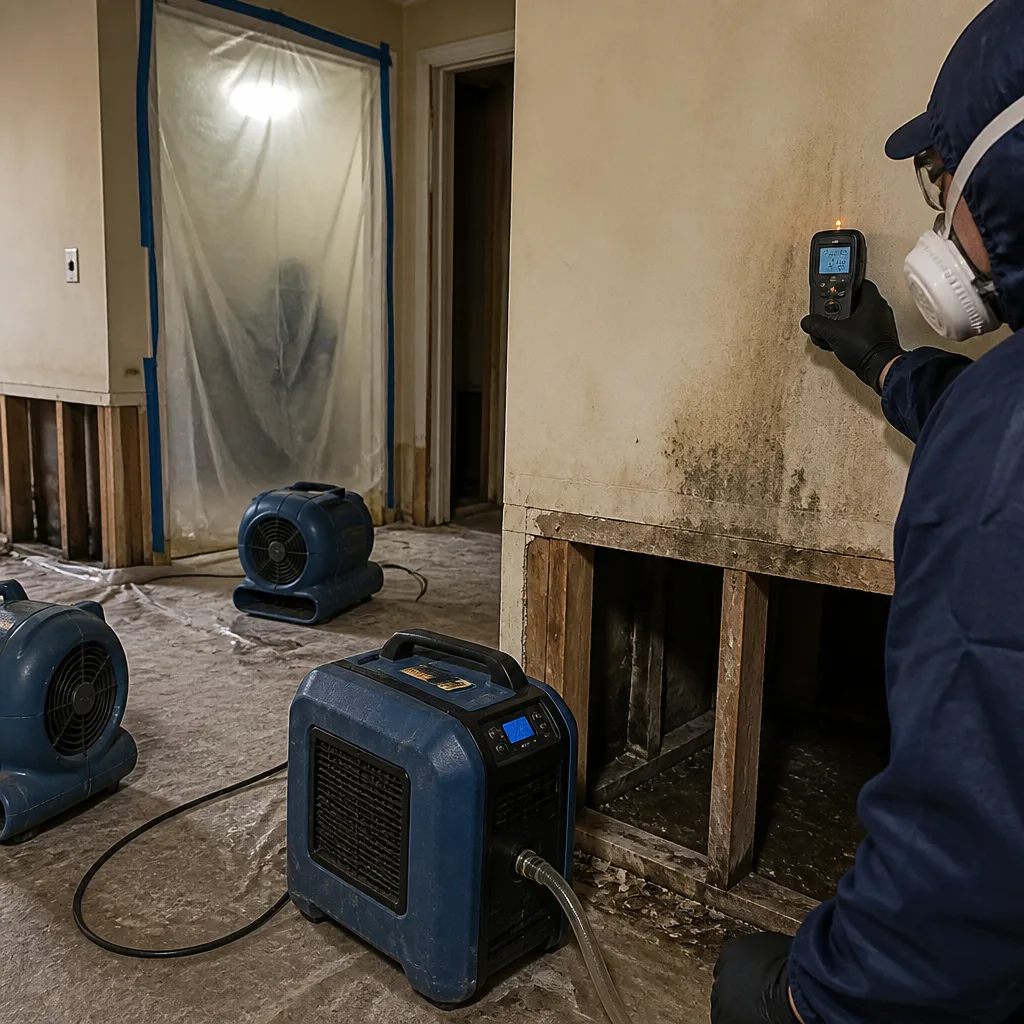 Before
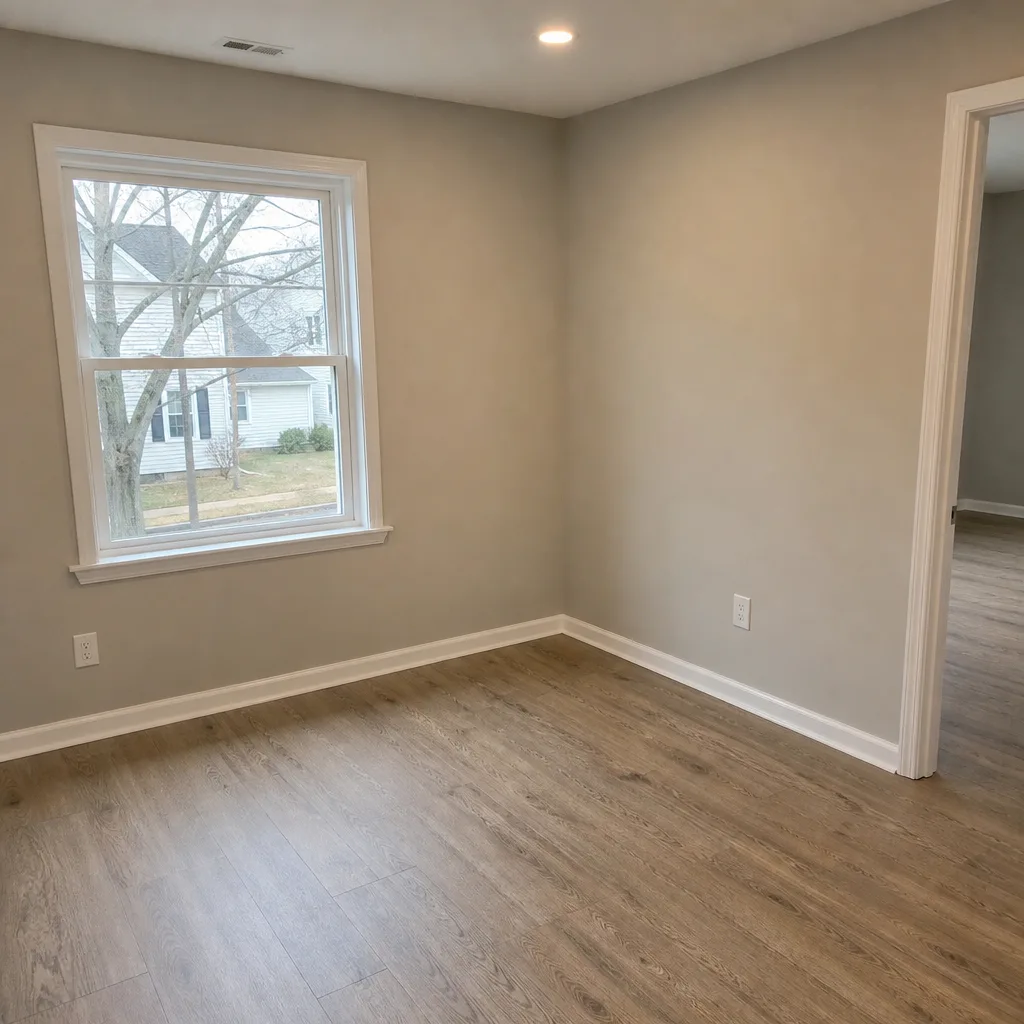 After
After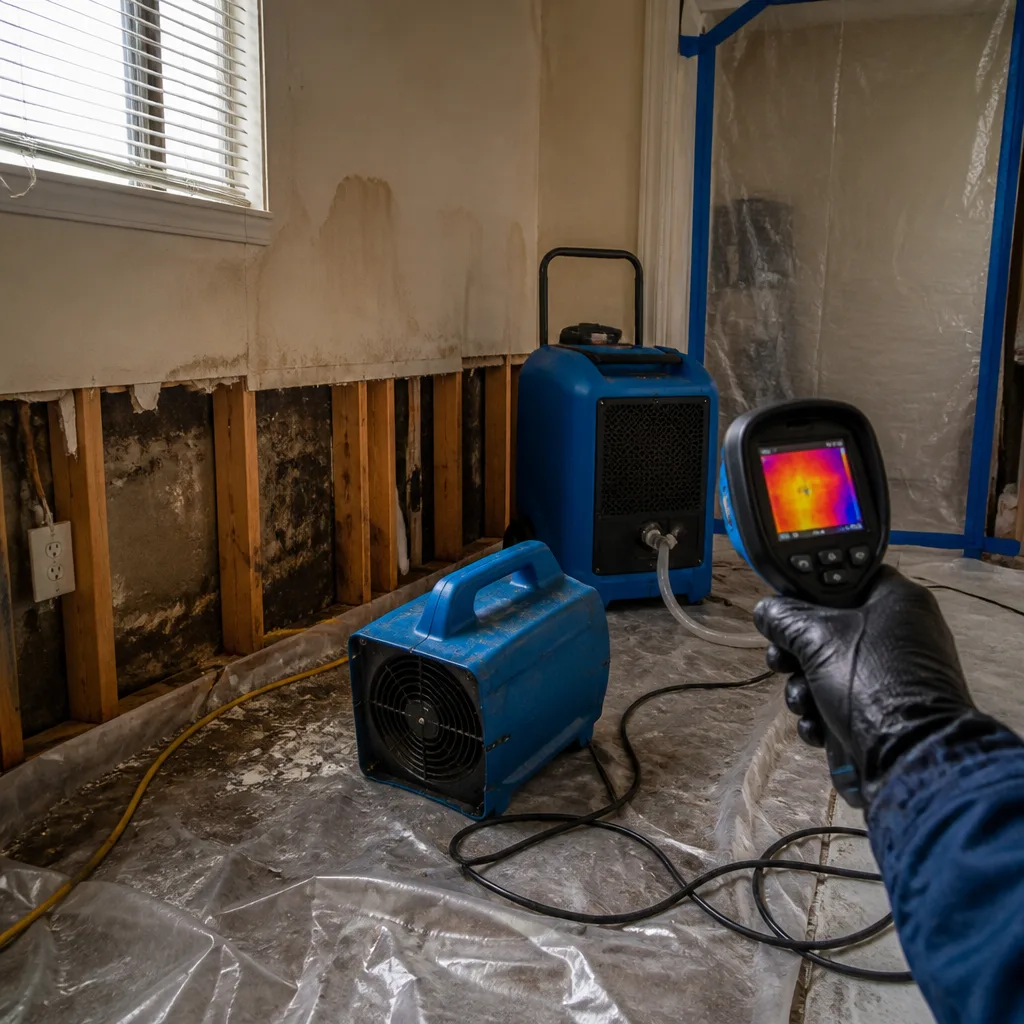 Before
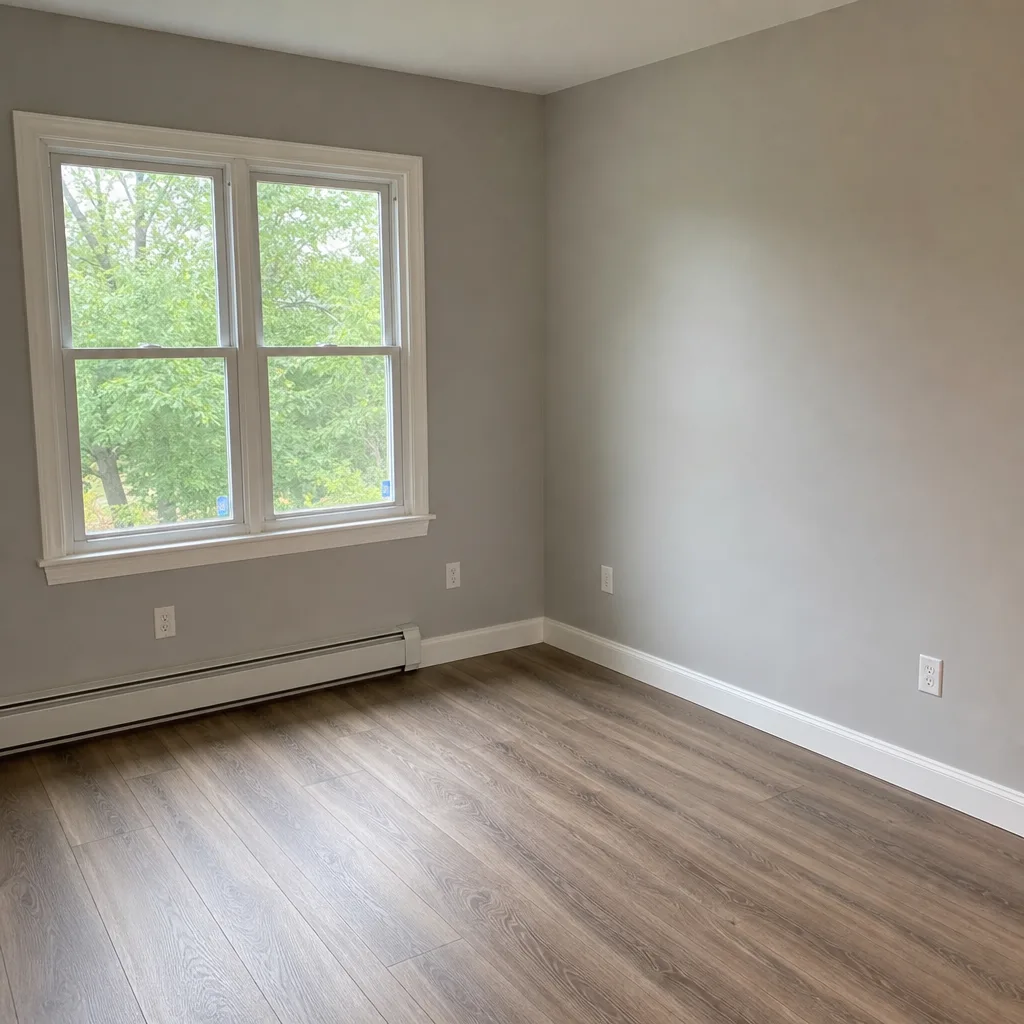 After
AfterDamage Restoration Cost Breakdown: The Lodi Homeowner’s Reference for 2026
Most Lodi homeowners never see the full cost of water damage until the second bill arrives. The first number you hear, often for extraction alone, is just the opening line of a longer conversation. The national average for water damage restoration sits around $3,800, but that figure hides more than it reveals. A supply-line rupture in a Saddle Brook-adjacent split-level runs a different price than a roof leak in a Lodi colonial, because square footage, materials, and how long the water sat all change the arithmetic. This guide breaks down exactly where your money goes in 2026, line by line, so the estimate on your kitchen table makes sense the first time you read it.
Quick Answer
Water damage restoration in Lodi typically runs $1,800 to $6,500 depending on the water class and square footage affected, with sewage cleanup adding $80 to $120 per linear foot on top of extraction. Mold remediation often lands between $2,000 and $6,000 for a contained area, while fire and smoke damage commonly starts at $3,000 and climbs with structural involvement. The two variables that move your final number most are how quickly you call and whether the same crew handles mitigation and rebuild, because handoffs create markup and delays that a single full-cycle team avoids.
Table of Contents
- Water Damage Restoration Costs in Lodi
- Mold Remediation: What Lodi Homeowners Pay
- Fire and Smoke Damage: The Full Price Picture
- Sewage Cleanup and Biohazard Work
- How Insurance Changes the Numbers
- When DIY Saves Money, and When It Costs Twice
- Lodi Market Factors That Shift Pricing
Water Damage Restoration Costs in Lodi
Water damage is priced by three things: the class of water, the class of damage, and the square footage that got wet. Clean water from a burst supply line costs less to handle than gray water from a washing machine overflow, which costs less than black water from a sewer backup. In Lodi, where many homes date to the 1940s and 1950s, we regularly see plaster walls and hardwood floors that absorb water differently than the drywall and engineered flooring in newer construction. That affects drying time, and drying time affects the bill.
Here is the 2026 price spread homeowners in Lodi should expect:
- Class 1 clean water, small area (under 150 sq ft): $1,800 to $2,800
- Class 2 gray water, moderate area (150 to 400 sq ft): $2,800 to $4,500
- Class 3 black water or whole-room saturation: $4,500 to $7,000
- Full basement or crawlspace, standing water: $6,000 to $12,000 plus rebuild
In our experience, the single biggest cost driver is response time. Water that sits for 48 hours in a Lodi basement with 70% humidity feeds mold growth that turns a $2,000 extraction into a $6,000 remediation. That is why we answer the phone with a live person at 2 a.m. and get extraction running the same visit. The faster the equipment goes in, the shorter the drying cycle, and the lower the final invoice.
Mold Remediation: What Lodi Homeowners Pay
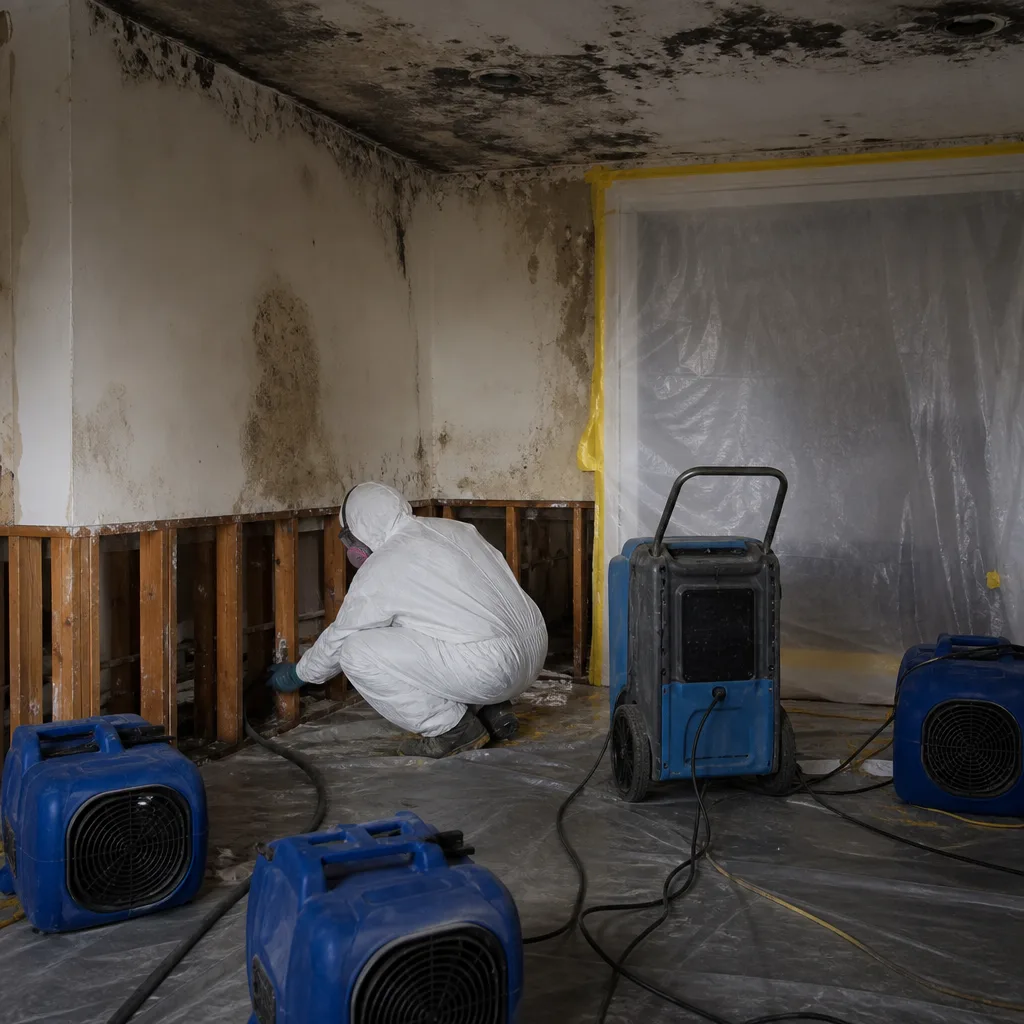
Mold remediation in Lodi generally runs $1,500 to $3,500 for a single room, $3,000 to $6,000 for multiple rooms or a basement, and $6,000 to $15,000 when mold has spread into HVAC ductwork or behind finished walls. These numbers assume a certified remediation company with containment, HEPA air filtration, and moisture mapping, not a painting contractor who sprays bleach and calls it done.
The Lodi climate matters here. North Jersey summers push humidity past 75% for weeks at a time, and older Lodi homes without central air create pockets of still, damp air in basements and crawlspaces. Mold takes hold fast. The cost to remove it depends on how far it traveled:
- Surface mold on drywall or framing, under 10 sq ft: $500 to $1,500, often completed in one visit.
- Contained mold in a bathroom, kitchen cabinet base, or laundry wall: $1,500 to $3,500 with containment and clearance testing.
- Whole-basement mold on multiple surfaces: $4,000 to $8,000, including removal of affected drywall and insulation.
- Mold in ductwork or multiple floors: $8,000 to $15,000, often paired with HVAC cleaning and rebuild of removed finishes.
We write the scope before work starts so you see the line items: containment, negative air, demolition, hauling, antimicrobial application, drying, and clearance testing. No surprises on the bill. That is the square deal, and it is why a written scope is part of every job we take in Lodi.
Fire and Smoke Damage: The Full Price Picture
Fire restoration combines mitigation and reconstruction, which is where many Lodi homeowners get stuck with two companies and two markups. The national spread for fire damage restoration runs $3,000 to $25,000, and the wide gap reflects what burned, how hot, and how far smoke traveled. A kitchen grease fire contained to the range hood is a different job than an electrical fire that smoldered through ceiling joists.
Typical Lodi fire restoration line items in 2026:
- Emergency board-up and tarping: $500 to $1,500
- Soot and smoke residue cleaning (per room): $400 to $900
- Ozone or thermal fogging for odor: $500 to $1,200 per floor
- Content pack-out, cleaning, and storage: $1,500 to $5,000 depending on volume
- Structural rebuild (drywall, framing, insulation, finish work): $5,000 to $40,000
- Extraction and removal of standing sewage: same-visit, with containment barriers and negative air set before demolition begins.
- Demolition of affected porous materials: drywall, insulation, carpet, and pad are removed and disposed of under biohazard standards.
- Disinfection and drying: framing is treated, then moisture-mapped daily with Dri-Eaz and XPOWER equipment until the dry standard is met.
- Rebuild: the same certified crew restores walls, flooring, and finishes, with the moisture log delivered to you and your carrier.
- Water behind walls or under flooring: you cannot dry what you cannot see, and wet insulation inside a wall cavity feeds mold for weeks before you smell it.
- Sewage or gray water: bacterial and viral exposure is a genuine health risk, not a cleanliness concern. Proper PPE and disposal matter.
- Structural fire damage: burned framing can hide compromised load paths. A trained eye reads what is safe and what needs replacement.
- Mold larger than a door frame: disturbing it spreads spores through the whole house. Containment exists for a reason.
- Housing stock age: many Lodi homes were built before 1960, with plaster walls, hardwood floors, and plumbing and wiring that has been patched and repaired over decades. Older materials are more expensive to replicate, and old pipes fail more often.
- Basement prevalence: the classic Lodi home has a full basement, often finished. A finished basement multiplies the cost of water damage because you are restoring flooring, drywall, and contents, not just concrete.
- Combined sewer backups: older neighborhoods with combined storm and sanitary sewers see more sewage backup claims in heavy rain seasons. Prevention is cheaper than cleanup: ask a plumber about a backwater valve.
- Proximity to the Passaic River: Lodi’s low-lying areas near the river watch flood warnings more closely than homes up the hill. Flood insurance is a separate policy, and standard restoration does not replace it.
The counterintuitive part: smoke damage often costs more than the fire itself. Smoke infiltrates closets, ductwork, and the inside of cabinets, and it does not clean itself. A full-cycle crew that handles both the emergency and the rebuild keeps one set of documentation, one adjuster conversation, and one schedule. That matters when you are living in a hotel and watching the calendar.
Sewage Cleanup and Biohazard Work
Sewage cleanup is a different category entirely, and Lodi homeowners should not compare its pricing to clean-water extraction. Sewer backups carry pathogens, and the rules for disposal, disinfection, and worker protection are stricter. Expect $80 to $120 per linear foot for sewage extraction and disposal, plus $2,000 to $5,000 for affected drywall removal, framing treatment, and antimicrobial application in a typical Lodi basement.
Because Lodi sits on a combined sewer system in parts of town, heavy rain can push sewage back through floor drains in older homes without backwater valves. We see these calls spike in spring and after sustained downpours. The workload is unpleasant, but it follows a clear sequence:
Sewage work is not a place to shop the low bid. A shortcut here means your family breathes what was left behind. Ask for a written scope and certification, and make sure the crew wears the right protection from the first visit.
How Insurance Changes the Numbers
Most Lodi homeowner policies cover sudden and accidental water damage, fire, and wind-driven storm damage. Gradual leaks, seepage, and long-standing moisture are often excluded. The difference between a covered claim and a denied one usually comes down to the documentation you have on day one.
We bill your carrier directly, which means you are not fronting thousands of dollars while an adjuster reviews paperwork. The crew documents everything: moisture readings, photo logs, drying records, and the written scope. That documentation is what moves an adjuster from a lowball estimate to a fair settlement. In our experience, carriers respond to three things: a clear cause of loss, a defensible scope, and daily moisture data. We hand all three to the adjuster, and you never play messenger between us and them.
For the homeowner, the out-of-pocket number usually comes down to your deductible, plus any upgrades you choose beyond like-for-like replacement. Ask your agent about coverage limits for mold remediation and backup of sewer, because those are common riders that cost little and matter a lot in Lodi.
When DIY Saves Money, and When It Costs Twice
We are not here to sell you a service call for something you can handle with a mop. A small spill from an overflowing sink, dried within 24 hours, with no drywall or flooring saturation, is a DIY job. A slow drip under a bathroom vanity you catch immediately and dry with a fan is also manageable.
But Lodi homeowners should draw a hard line at anything involving hidden water, sewage, or the building envelope. Here is where DIY restoration goes wrong:
One caution we give Lodi neighbors all the time: a box fan and a dehumidifier from the hardware store will not dry a saturated wall cavity in a 1948 colonial. Professional drying relies on moisture mapping and equipment like Injectidry systems that pull water from inside cavities, plus daily readings that prove the dry standard was reached, not guessed at.
Lodi Market Factors That Shift Pricing
Lodi sits in Bergen County, one of the higher-cost real estate markets in New Jersey, and restoration pricing follows the local trades. Hourly rates for certified restoration technicians in Bergen County run higher than the national average, and materials prices track the same curve. That is not a markup; it is the cost of doing business in a market where skilled labor is expensive and worth what it charges.
Lodi-specific factors that affect your restoration bill:
We have been in this market since 2010, and the pattern holds: the Lodi homeowners who get the best restoration outcomes are the ones who call before the damage spreads, ask for a written scope before work starts, and keep the same crew from extraction through rebuild. Floodline Restoration Co. home.
Common Mistakes to Avoid
- Waiting to call until Monday morning. Water and mold do not take weekends off, and every hour of sitting water adds drying time and cost. Live dispatch at (640) 356-1140 means a crew can be on the way at 2 a.m. on a Sunday.
- Hiring a mitigation company and a separate rebuild contractor. The handoff creates documentation gaps, schedule delays, and markup that lands on you. A full-cycle crew owns the whole job and stands behind it in writing.
- Accepting a bid without a written scope. A one-line estimate is a blank check. Demand line items for demolition, drying, disposal, antimicrobial treatment, and rebuild before anyone swings a hammer.
- Assuming your insurance covers everything. Gradual leaks and flood damage are common exclusions. Know your policy before the water shows up.
- Ignoring the source of the water. You can dry a basement perfectly and still face a second claim next month if the crack in the foundation or the failed sump pump is not addressed. Restoration is only as good as the repair behind it.
- Using the cheapest dehumidifier from the hardware store on a wet wall cavity. Home-grade equipment cannot pull moisture from inside a wall. Professional-grade equipment like B-Air and Injectidry systems are sized and placed based on moisture mapping, not guesswork.
When to Call a Professional
Call a restoration professional any time water has touched drywall, insulation, subflooring, or any concealed cavity, and any time sewage or mold is involved. The same rule applies after a fire, where smoke and structural damage hide behind what you can see from the doorway. If the water spreads beyond a single room, if electrical outlets or panels got wet, or if anyone in the house has respiratory conditions, do not wait. Floodline Restoration Co. offers free estimates in Lodi, call (640) 356-1140, and a live person answers every hour of every day.
Frequently Asked Questions
Water damage restoration in Lodi typically runs $1,800 to $6,500 depending on the water class, square footage, and how long the water sat. Clean water in a small area costs the least, while sewage or whole-room saturation runs higher. Call (640) 356-1140 for an exact quote, estimates are free and we bill your insurance directly.
Most Lodi homeowner policies cover sudden and accidental water damage, such as a burst pipe or an appliance failure, but exclude gradual leaks, seepage, and flood damage. We document everything with photos and moisture logs and bill your carrier directly, so you are not playing messenger with the adjuster.
A live dispatcher answers our phones 24/7, and a certified crew with extraction equipment typically reaches Lodi homes the same visit, including nights and weekends. The faster extraction starts, the less the final bill runs, so do not wait until morning.
Mold remediation is covered only when the mold resulted from a covered water event, such as a sudden pipe burst, and many policies cap mold coverage unless you carry a rider. Ask your agent about mold coverage limits before you need it. We can work with your carrier to document the cause and the scope.
If the mold covers an area larger than about 10 square feet or has spread behind walls, professional remediation with containment and air filtration is warranted, not a surface cleaning. Small surface patches on non-porous material can sometimes be cleaned, but a hidden colony always calls for a trained look.
Bergen County labor and material rates run above the national average, and Lodi’s older housing stock adds complexity with plaster walls, hardwood floors, and finished basements. The price reflects the cost of certified technicians, professional equipment, and local building realities, not a premium add-on.
The Bottom Line
Lodi homeowners in 2026 should budget $1,800 to $6,500 for typical water damage, $2,000 to $6,000 for contained mold remediation, and $3,000 and up for fire and smoke restoration, with sewage work priced by the linear foot. The two biggest cost controls are speed and continuity: get extraction running the same day, and keep one certified crew from first response to final rebuild. A written scope, direct insurance billing, and a guarantee in writing are the difference between a square deal and a costly surprise. That is how we have done it in Lodi since 2010, and it is the only way we know to stand behind the work.
Written by Curt Bowman, Owner at Floodline Restoration Co., serving Lodi since 2010.