
Last updated August 25, 2026
Free visual inspection and a written scope of work before any mitigation begins - photos, moisture readings, and drying logs go in your claim file
The scope we write is the scope we bill. Anything new gets shown to you, in writing, before we touch it.
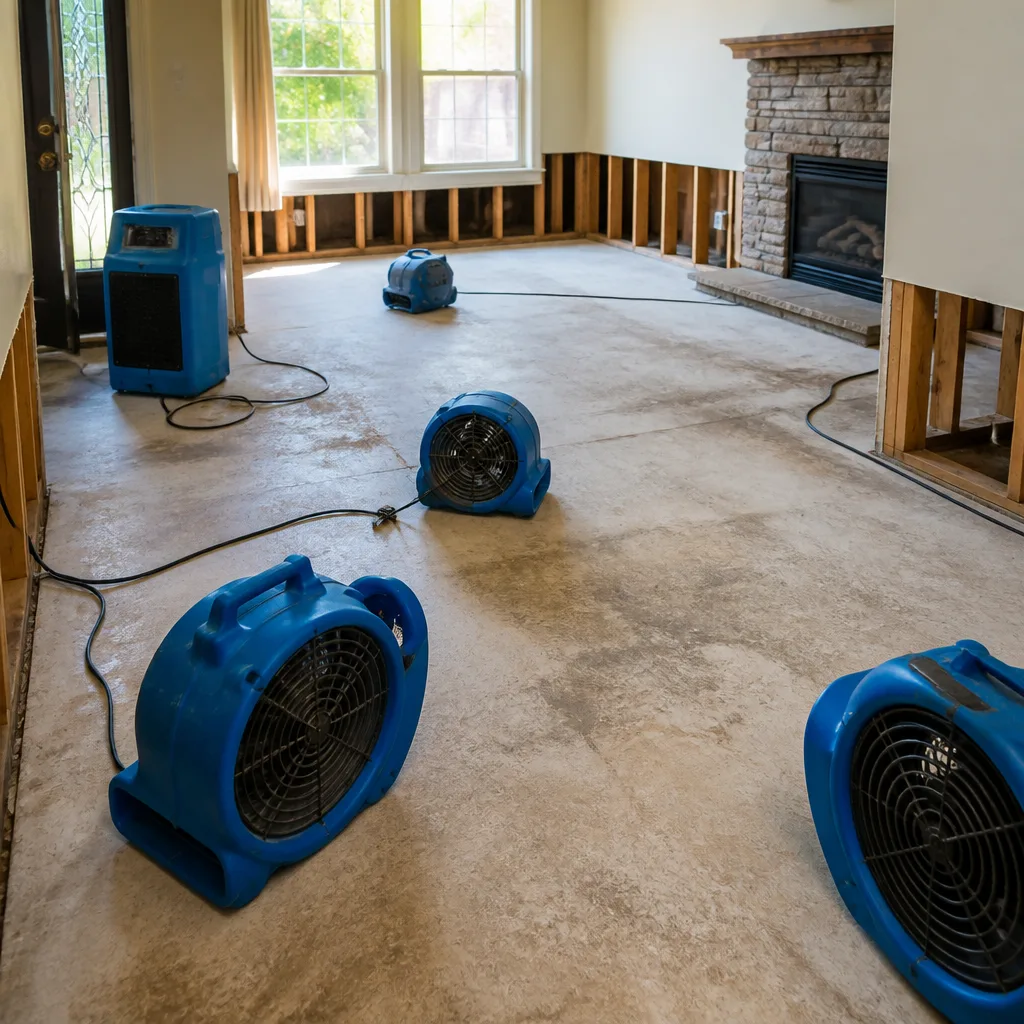
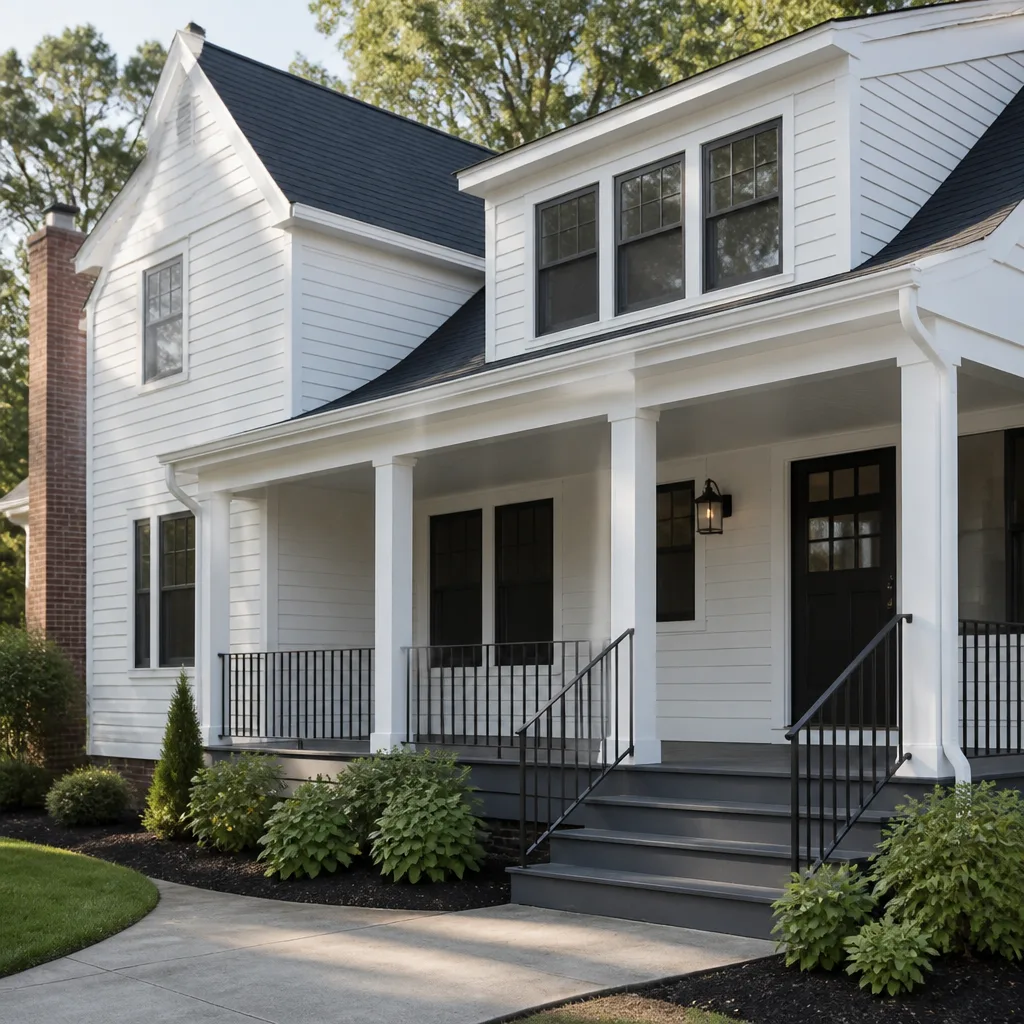
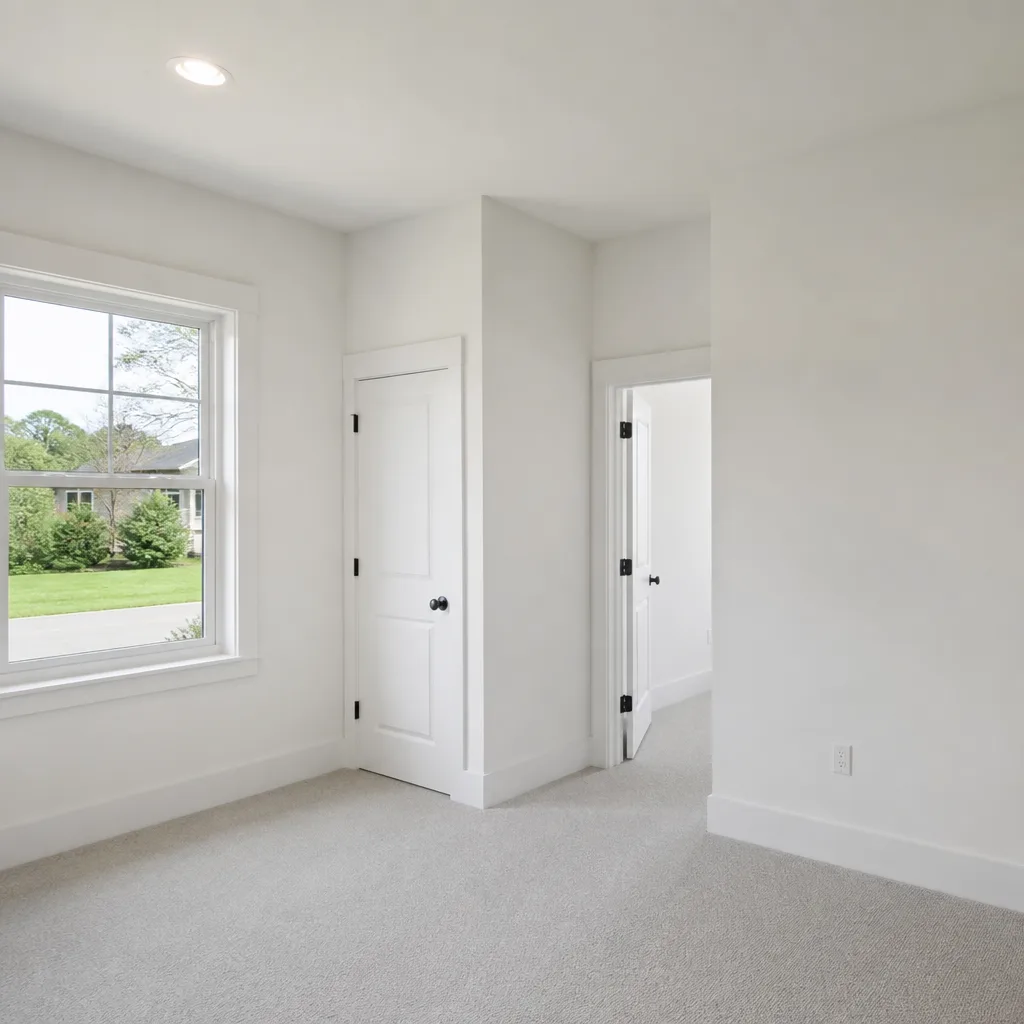

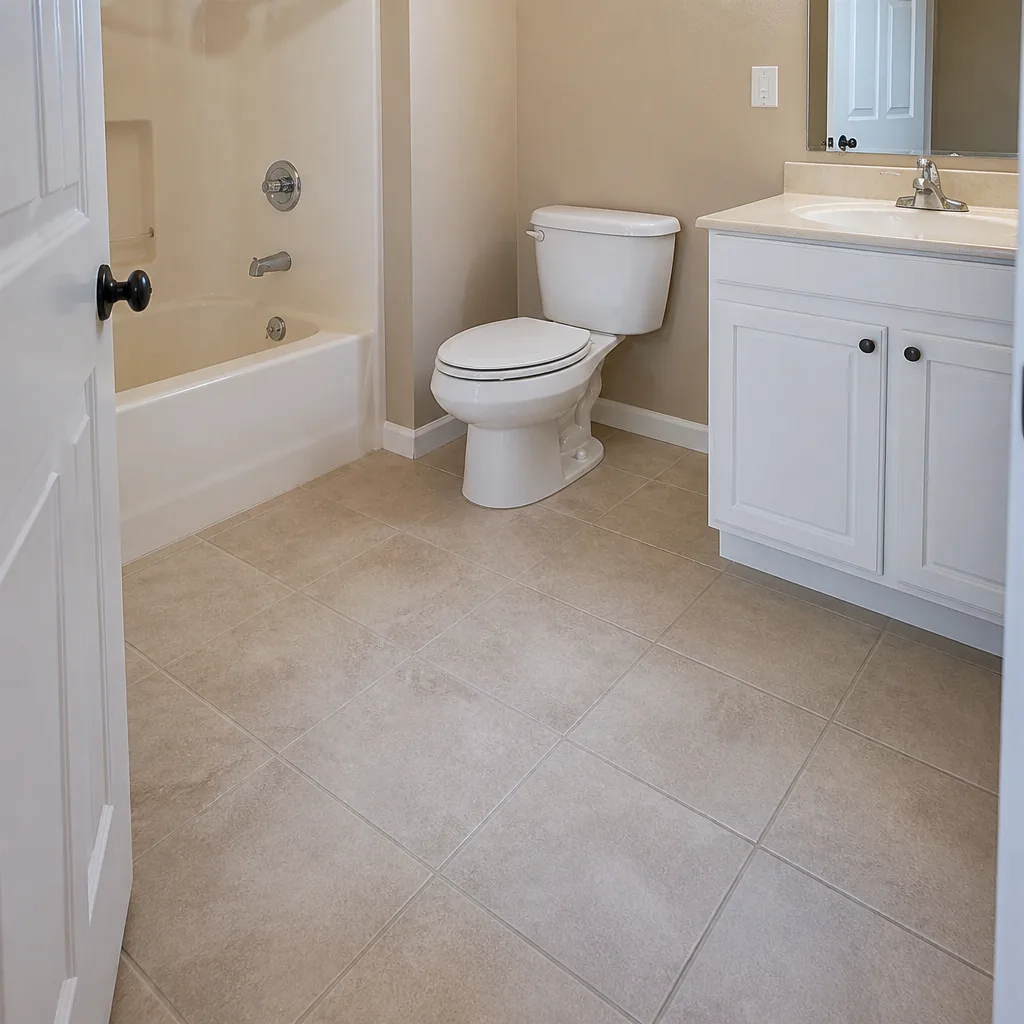

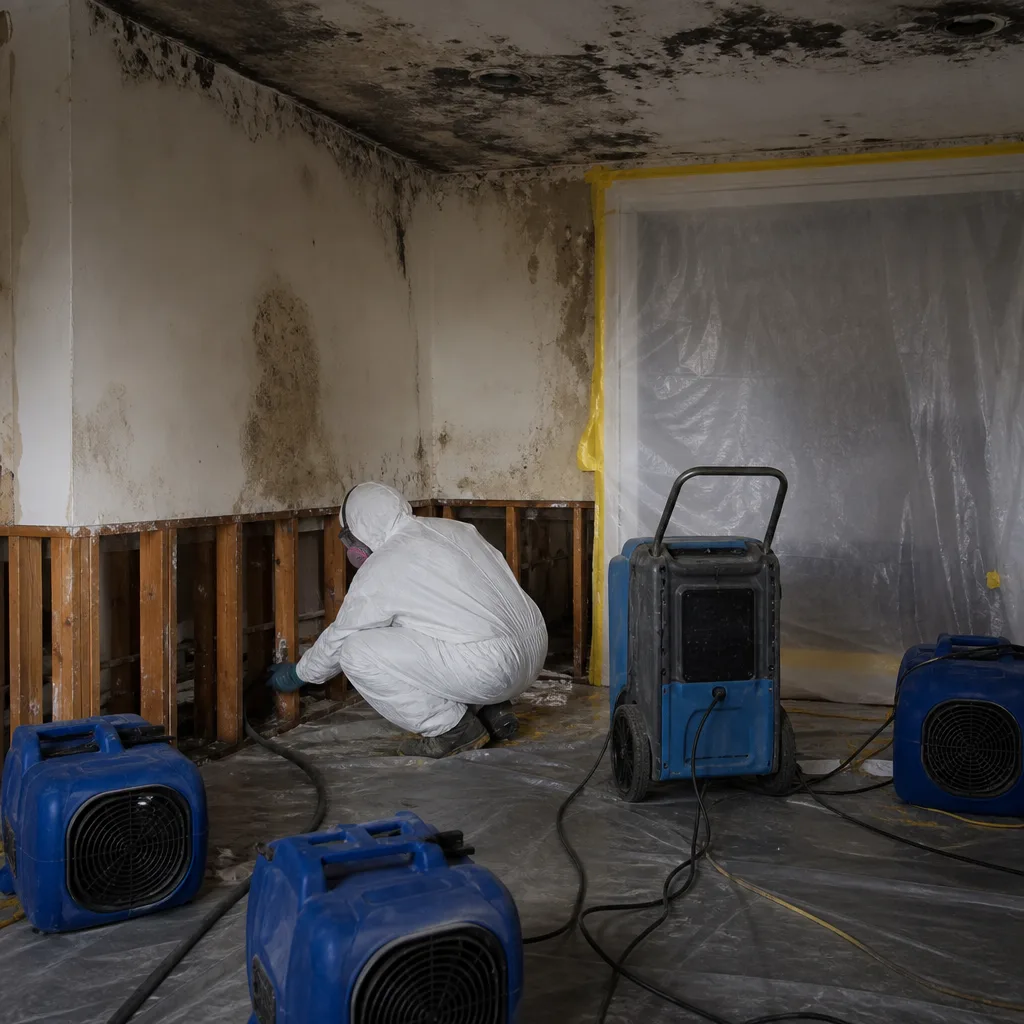 Before
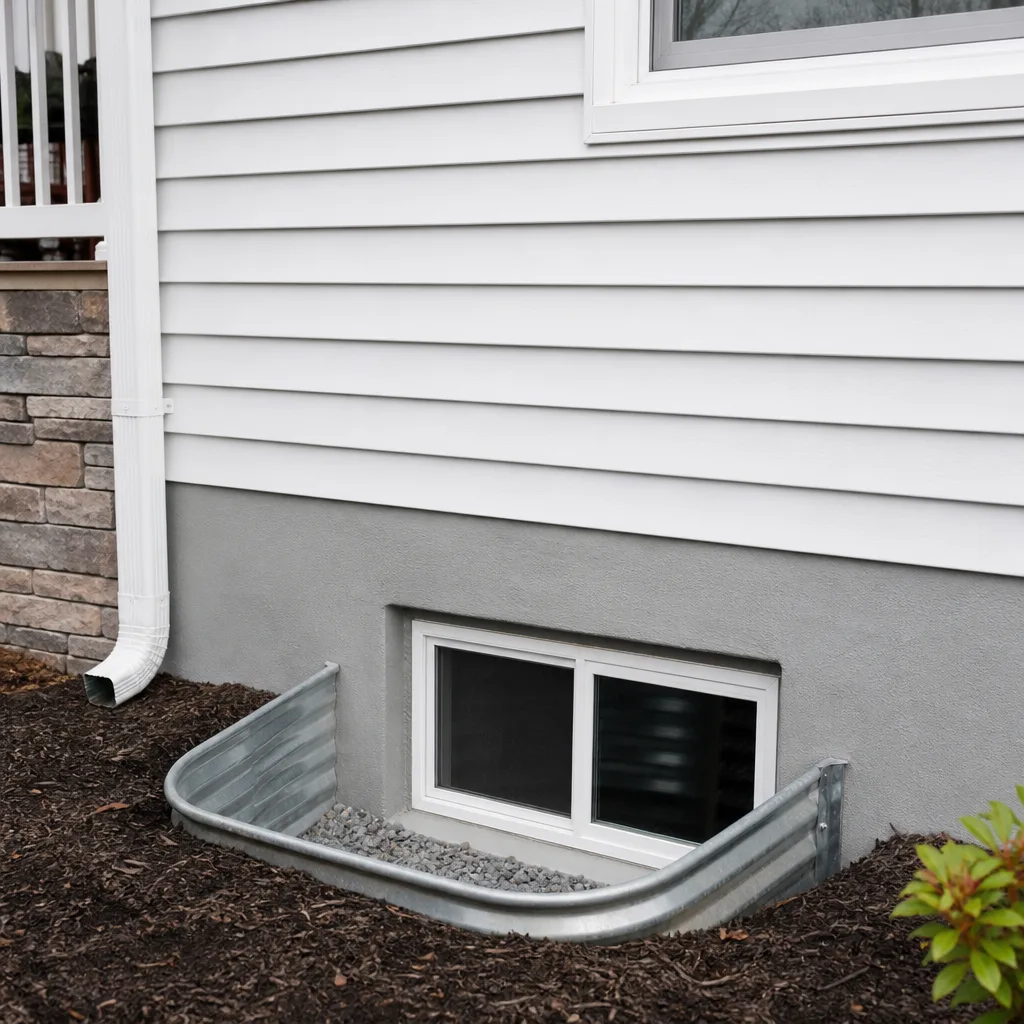 After
After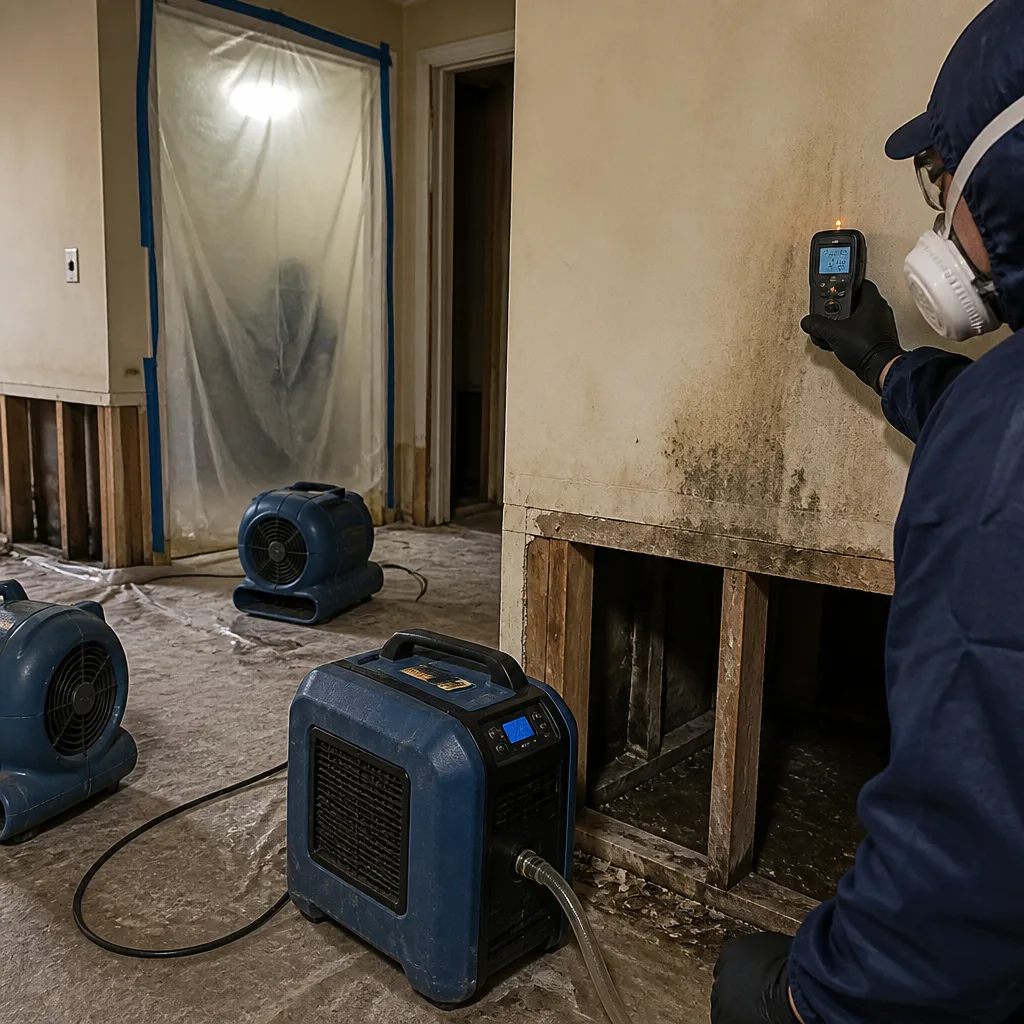 Before
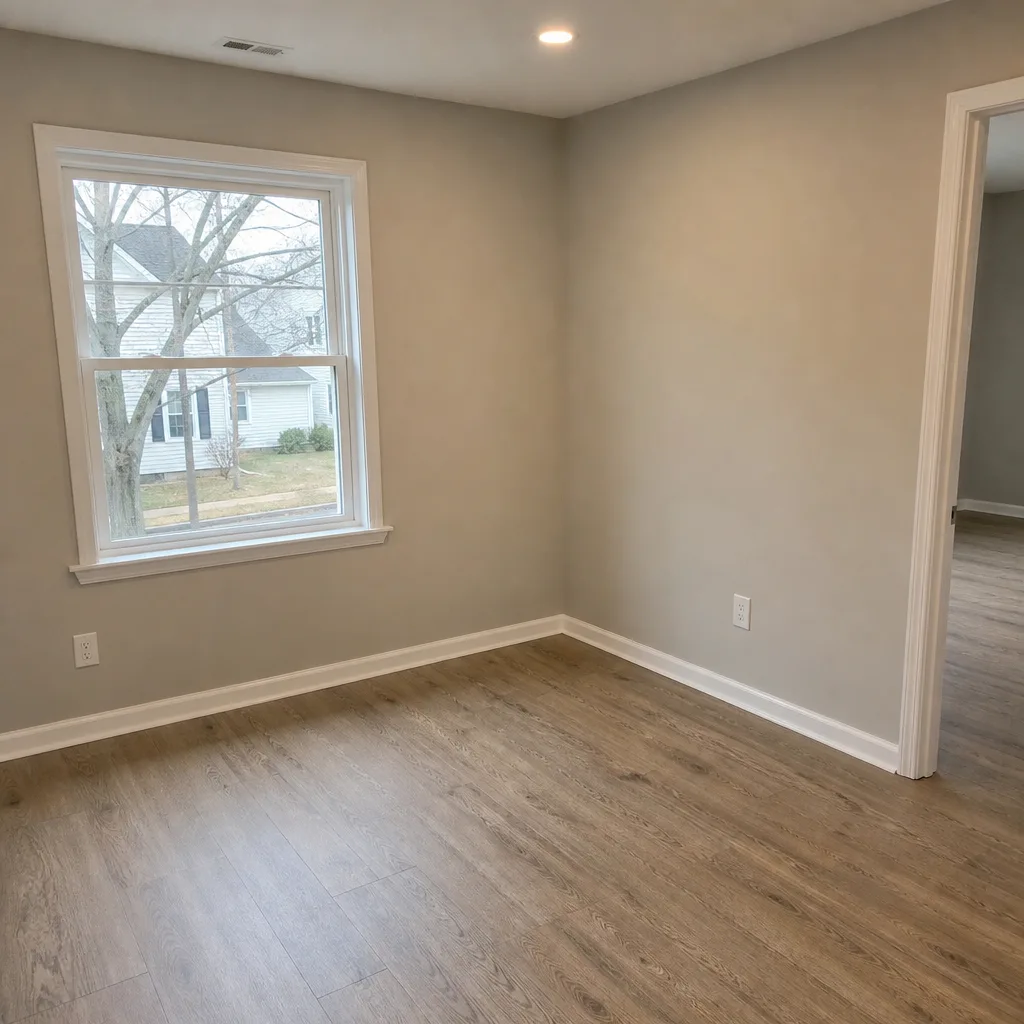 After
After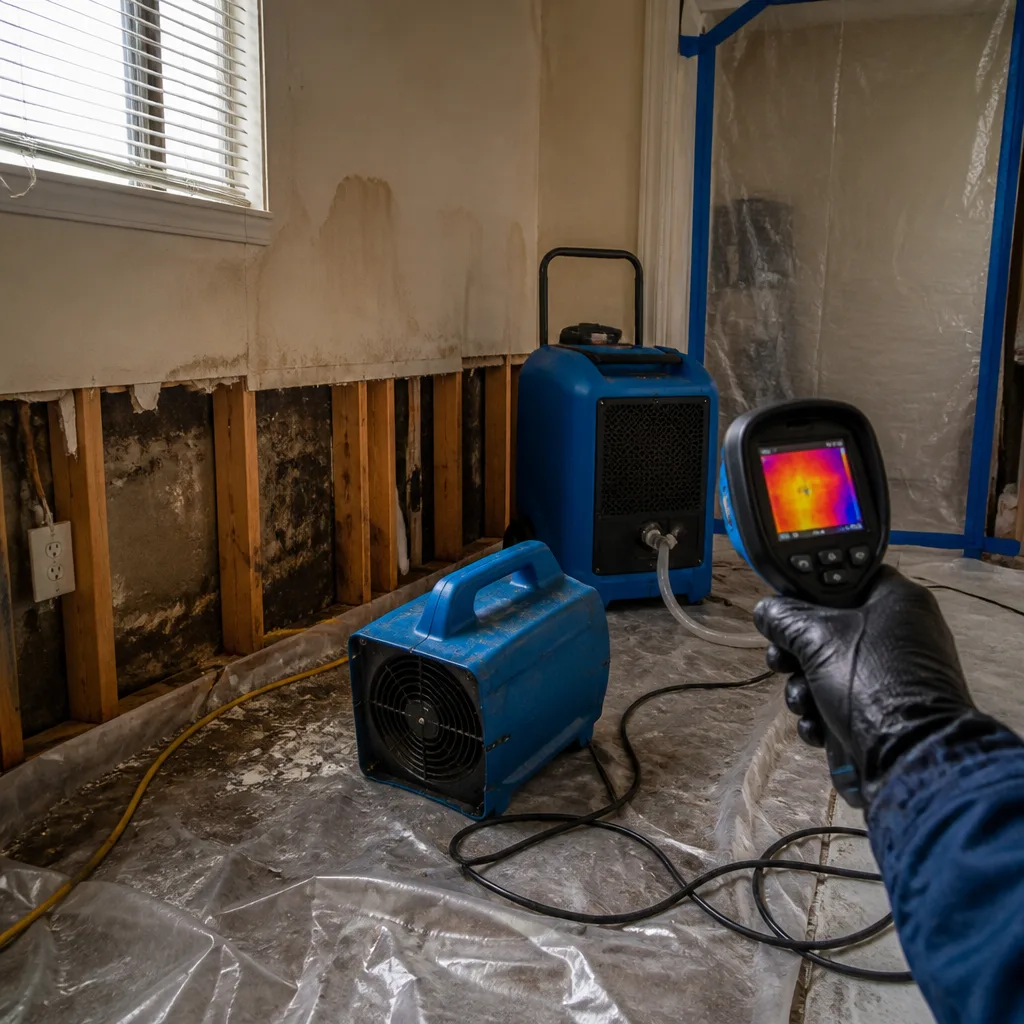 Before
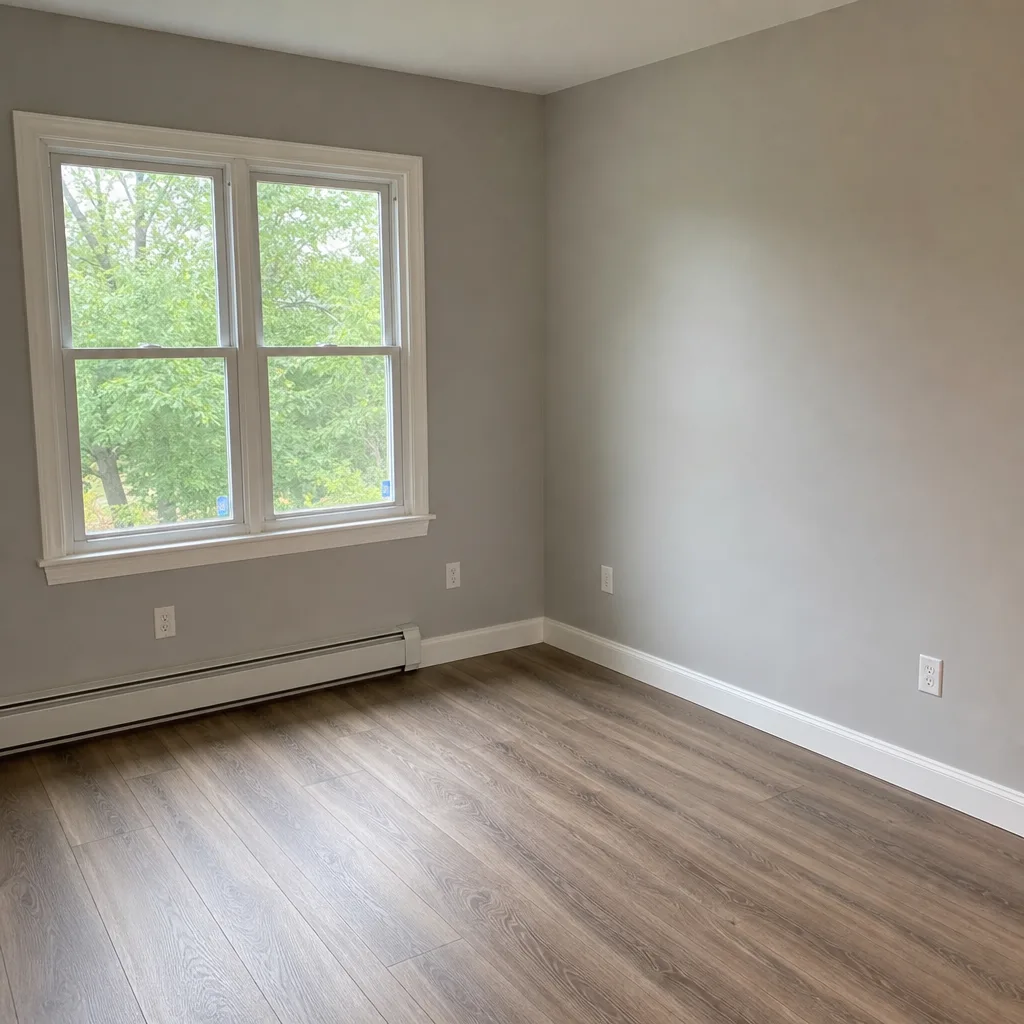 After
AfterHow to Hire a Damage Restoration Contractor in Lodi: A Step-by-Step Guide
Here’s a counterintuitive fact we’ve learned in over a decade of restoration work: most homeowners in Lodi spend more time researching a $400 phone than they do vetting a $40,000 water damage rebuild. The result is a local contractor market where the lowest bid often wins the day, and the homeowner finds out months later that the drying was incomplete, the mold came back, or the insurance paperwork was filed wrong. This guide is built for the homeowner who plans to stay in their house for another twenty years. It walks you through how to hire a damage restoration contractor in Lodi the right way, step by step, so you never have to think about the job twice.
Quick Answer
To hire a damage restoration contractor in Lodi, start by confirming the company is licensed, insured, and certified to IICRC standards, then verify they handle the full scope of your damage (extraction, drying, and reconstruction) with the same crew. Request a written scope of work before any equipment enters your home, confirm they bill your insurance carrier directly, and check that they offer a written guarantee. Floodline Restoration Co. home has done this work in Lodi since 2010 with live 24/7 dispatch and a 90-Day Done Right Promise in writing.
Table of Contents
- Step 1: Confirm Licensing, Insurance, and Certifications
- Step 2: Match the Contractor to the Type of Damage
- Step 3: Get a Written Scope of Work Before Equipment Arrives
- Step 4: Understand How Insurance Billing Actually Works
- Step 5: Ask About Equipment and Drying Standards
- Step 6: Verify the Guarantee in Writing
- Step 7: Check Local Lodi References and Response Time
Step 1: Confirm Licensing, Insurance, and Certifications
The first phone call you make to any restoration contractor in Lodi should not be about price. It should be about paper. A legitimate damage restoration company carries general liability insurance, workers’ compensation coverage for its crews, and state-required licenses. Ask for proof. A contractor who hesitates on this question is telling you something important about how they run their business.
Certifications matter just as much. The restoration industry has a handful of recognized standards, and the most important is the IICRC (Institute of Inspection, Cleaning and Restoration Certification). Technicians trained to IICRC standards know how to dry a structure properly, not just run fans until the surface feels dry. They understand moisture mapping, humidity control, and the difference between drying drywall and drying hardwood. At Floodline Restoration Co., every technician is background-checked, uniformed, and trained to IICRC, RIA, and IFA standards before they ever walk through a Lodi doorway.
Here’s what to ask on that first call:
- “Can you email me your license and insurance certificate?”
- “Are your technicians IICRC-certified?”
- “Are your workers background-checked and are they your employees or subcontractors?”
- “Who is responsible if a technician is injured on my property?”
In Lodi, the answer to that last question matters more than most people realize. If a restoration company sends uninsured day laborers onto your property, and one of them gets hurt, the liability can fall on the homeowner. A company that carries its own workers’ compensation protects you from that risk. We carry full coverage. It’s not negotiable, and it should not be for you either.
Step 2: Match the Contractor to the Type of Damage
Not every restoration company handles every type of damage. Some firms only extract water and run air movers. Others only handle mold. Others only rebuild after the damage is already mitigated. In Lodi, where homes range from 1950s bungalows near the Saddle River basin to newer construction off Route 17, the age of the home, the type of foundation, and the source of the water all change what the job requires.
Here’s why this matters. If a company extracts water but does not rebuild, you will need a second contractor to replace your drywall and flooring. That second contractor will not have seen the moisture map from the first. They will not know which wall cavities stayed wet the longest. And when the mold appears six months later, the first contractor will blame the second, and the second will blame the first, and you will be stuck in the middle. We’ve seen this exact scenario play out in basements across Lodi after heavy spring rains.
The better approach is to hire a full-cycle restoration contractor that handles every phase from first extraction to finished rebuild with the same crew. That way, the people who read the moisture log on day one are the same people who hang the new drywall on day ten. There is no mid-job handoff, no information lost between companies, and no finger-pointing when something goes wrong. At Floodline Restoration Co., this is how we’ve operated since Curt Bowman founded the company in 2010. We start at the floodline, the mark the water left on the wall, and we do not hand the job off until it is finished.
Step 3: Get a Written Scope of Work Before Equipment Arrives
The most common complaint we hear from Lodi homeowners about restoration contractors is not bad workmanship. It’s surprise billing. A company arrives in an emergency, sets up equipment, and only afterward does the homeowner discover what the job will actually cost. By then, the equipment is already running and the homeowner feels committed.
Do not accept this. A reputable restoration contractor will provide a written scope of work before equipment arrives, even in an emergency. The scope should detail what will be removed, what will be dried, what will be rebuilt, and what the estimate covers. It should be specific enough that you can see exactly where your money is going.
Here’s what a solid scope of work should include:
- A list of every room and area affected, with dimensions where relevant.
- The specific equipment to be placed and where.
- The expected drying timeline in days, not an open-ended “as long as it takes.”
- A line item for removal versus a line item for rebuild.
- A clear statement of what is and is not included.
- The name of the person responsible for your job.
In our experience, the companies that resist putting a scope in writing are the companies that argue about the bill later. A written scope is a square deal. It protects both parties, and it is the only honest way to start a restoration project in Lodi.
Step 4: Understand How Insurance Billing Actually Works
Most restoration work in Lodi is covered at least in part by homeowners insurance. Water damage from a burst pipe, a failed water heater, or storm flooding is typically a covered peril. Sewage backups may require a specific rider. Fire and smoke damage is covered under standard policies. The question is not whether your insurance will pay; it is how the billing gets handled between you, the contractor, and the carrier.
Here’s what you need to know before signing anything:
- Direct insurance billing means the contractor deals with the carrier, not you. Some companies bill you directly and leave you to chase reimbursement from your insurer. That is a burden you do not need. A good restoration contractor will bill your carrier directly and handle the adjuster communication for you.
- Photo documentation is non-negotiable. Before any demolition begins, the contractor should photograph everything: the water line, the damaged materials, the moisture readings. These photos are the evidence your adjuster needs to approve the claim. At Floodline Restoration Co., we photo-document every job from first arrival through final rebuild.
- The adjuster wants to see the moisture log, not just the final invoice. Daily readings from the drying equipment show the adjuster that the work was done properly and that the equipment ran for the necessary duration. A missing moisture log is a common reason claims get reduced or denied.
In Lodi specifically, we recommend confirming that your restoration contractor will communicate directly with your adjuster. You did not hire a restoration company to become a full-time messenger between the contractor and the insurance company. The contractor should handle that relationship. It is part of the job.
Step 5: Ask About Equipment and Drying Standards
The equipment a restoration contractor brings into your home tells you a lot about how they work. Professional-grade drying equipment from manufacturers like Dri-Eaz, Phoenix, XPOWER, B-Air, and Injectidry is engineered to extract moisture efficiently and dry building materials to a measurable standard. Consumer-grade fans and dehumidifiers from a hardware store are not.
What does that mean in practical terms? A wall that looks dry on the surface may still hold 20% moisture inside the cavity. That trapped moisture becomes mold, musty odors, and structural weakness over time. The only way to know the wall is actually dry is to measure it with a moisture meter, repeatedly, over the course of several days. That is what a moisture log is: a daily record of readings that proves the structure reached the dry standard.
Here’s what to ask about drying:
- “What brand of equipment do you use?”
- “Will you be taking daily moisture readings and sharing them with me?”
- “What is the target moisture content for my type of walls and flooring?”
- “How will you know when the drying is actually complete?”
At Floodline Restoration Co., we use professional-grade Dri-Eaz, Phoenix, XPOWER, B-Air, and Injectidry equipment on every job. The same crew that reads the moisture map on day one handles daily readings, hands the log to the homeowner and carrier, and rebuilds what needs rebuilding. There is no guesswork and no “it feels dry to me.”
Step 6: Verify the Guarantee in Writing
Any restoration contractor can say they guarantee their work. Very few put it in writing. A verbal promise is worth nothing when the mold returns in eight months and the contractor has moved on to the next town. A written guarantee, with clear terms and a company that plans to be around to honor it, is the difference between a real commitment and a sales line.
Here’s what to look for in a restoration guarantee:
- It must be in writing, with specific terms. What exactly is covered? For how long? What happens if something fails?
- It must cover the full scope of the work, not just the drying. Some guarantees cover only the mitigation phase. If the rebuild fails, that is a separate warranty from a separate contractor. A full-cycle company can guarantee the entire job.
- The company must have a local presence and a track record. A guarantee from a company that is gone in two years is meaningless. In Lodi, a contractor that has been serving this community since 2010 is a contractor that plans to answer the phone when you call about a warranty issue.
Our 90-Day Done Right Promise, what we call the Keystone Standard internally, is given in writing with no paperwork battles and no arguing. If it is not done right, we make it right. The K.E.Y.S. values code behind it is simple: Krafted right, Every time, Your home first, Standing behind it. That is not a marketing slogan. It is how we have operated in Lodi for over a decade, and it is why we plan to be in town in thirty years.
Step 7: Check Local Lodi References and Response Time
A restoration contractor can look perfect on paper and still fall short in practice. The final step in hiring is to verify their local reputation and their response time. In Lodi, where water damage from a failed sump pump or a sewage backup can spread quickly, how fast a company responds may determine how much of your home can be saved.
Ask these questions:
- “Do you have references from Lodi or nearby Bergen County towns I can call?”
- “If I call at 2 a.m., will a live person answer?”
- “How quickly can a crew reach my home once I call?”
- “Will the same crew handle my job from start to finish?”
A restoration company that answers the phone with a live person at all hours, every day, is a company that takes emergency response seriously. Not a recording. Not a callback service. A person. At Floodline Restoration Co., a live dispatcher picks up at 2 a.m., and a certified crew reaches the job with extraction running the same visit. That is the standard we’ve held in Lodi since 2010, and we have never softened it.
Common Mistakes to Avoid
- Hiring the cheapest bid without checking certifications. The lowest price in Lodi is often low because the company skips steps: no moisture log, no proper drying, no licensed crews. You will pay for those savings later, with interest.
- Accepting a verbal estimate over the phone. A real scope of work is written. A phone number is not a contract, and a “ballpark” is not a commitment. Get it in writing before equipment arrives.
- Letting a mitigation-only company dry the house, then hiring a separate rebuild contractor. This splits responsibility and creates a perfect storm for finger-pointing. Hire one company to handle the entire job from floodline to finished rebuild.
- Not confirming direct insurance billing in advance. If the contractor expects you to pay upfront and chase your carrier for reimbursement, that is a red flag. A full-service company bills the carrier directly.
- Ignoring the moisture log. A contractor who does not provide daily moisture readings is asking you to take the drying on faith. Faith is not how you verify a $20,000 job was done right.
- Choosing a company with no local Lodi presence. A restoration company based two hours away cannot respond as fast, cannot check on the drying daily without significant cost, and will not be around when you need the guarantee honored.
- Skipping the reference check because the damage is urgent. Even in an emergency, spend five minutes asking for a Lodi or Bergen County reference. The damage is not going to get dramatically worse in five minutes, and the check will tell you more than any sales pitch.
When to Call a Professional
Some damage requires professional restoration immediately. A sewage backup that covers a basement floor in Lodi is a health hazard, not a weekend project. Water that has been standing for more than 24 hours is already breeding mold. Fire damage involves smoke penetration into wall cavities that requires specialized cleaning and sealing. Any time water has reached drywall, insulation, or subflooring, the drying must be measured and verified, not guessed at. If you are uncertain whether your situation needs professional help, err on the side of calling. The cost of a quick assessment is far less than the cost of a hidden mold problem discovered a year later. Floodline Restoration Co. offers free estimates in Lodi, call (640) 356-1140. A live person answers, day or night.
Frequently Asked Questions
Water damage restoration in Lodi typically ranges from $1,200 for a small, contained leak to $8,000 or more for a full basement flood involving sewage or extensive drywall removal. The final number depends on the square footage affected, the category of water, and how long the water has been standing. Call (640) 356-1140 for a written estimate, free, with no obligation.
Most standard homeowners policies in New Jersey cover sudden and accidental water damage, fire and smoke damage, and storm damage, though sewage backup often requires a specific rider. The fastest way to find out is to have your contractor document the damage with photos and moisture readings, then bill your carrier directly. We handle adjuster communication for you so you never play messenger with the insurance company.
A live dispatcher at Floodline Restoration Co. answers 24/7, and a certified crew can reach most Lodi addresses the same visit, with extraction running immediately. Response time matters because standing water seeps into drywall, flooring, and framing within hours. The faster extraction begins, the more of your home can be dried rather than demolished.
For any water damage that has reached drywall, insulation, or subflooring, household fans will not dry the structure properly. The moisture inside wall cavities and under flooring requires professional-grade equipment and daily moisture readings to verify the structure reached the dry standard. A surface that feels dry can still hold enough trapped moisture to grow mold within weeks. If you’re unsure, a free assessment is the honest next step.
Your restoration contractor should deal with the adjuster directly, providing photo documentation, moisture logs, and a written scope of work. If a company expects you to manage that relationship, you are paying for a contractor and getting a part-time job as a claims coordinator. Our team bills the carrier directly and communicates with the adjuster on your behalf.
The 90-Day Done Right Promise, which we call the Keystone Standard at Floodline Restoration Co., is a written guarantee that the work was done correctly. If it is not done right within 90 days, we make it right, no paperwork battles and no arguing. It applies to the full scope of our work in Lodi, from extraction to rebuilding, because one company doing the entire job is the only way a guarantee like this means anything. Call (640) 356-1140 if you want this guarantee in writing on your job.
The Bottom Line
Hiring a damage restoration contractor in Lodi is not about finding the cheapest company or the one with the slickest website. It is about finding a company that is licensed, insured, certified to IICRC standards, and willing to put its scope and guarantee in writing. It is about hiring a full-cycle contractor that handles extraction, drying, and rebuild with the same crew, so no one can pass the blame when something goes wrong. It is about a live person answering the phone when your basement floods at 2 a.m., and a company that plans to be in Lodi in thirty years, not one that disappears after the check clears.
Written by Curt Bowman, Owner at Floodline Restoration Co., serving Lodi since 2010.