
Last updated August 25, 2026
Free visual inspection and a written scope of work before any mitigation begins - photos, moisture readings, and drying logs go in your claim file
The scope we write is the scope we bill. Anything new gets shown to you, in writing, before we touch it.
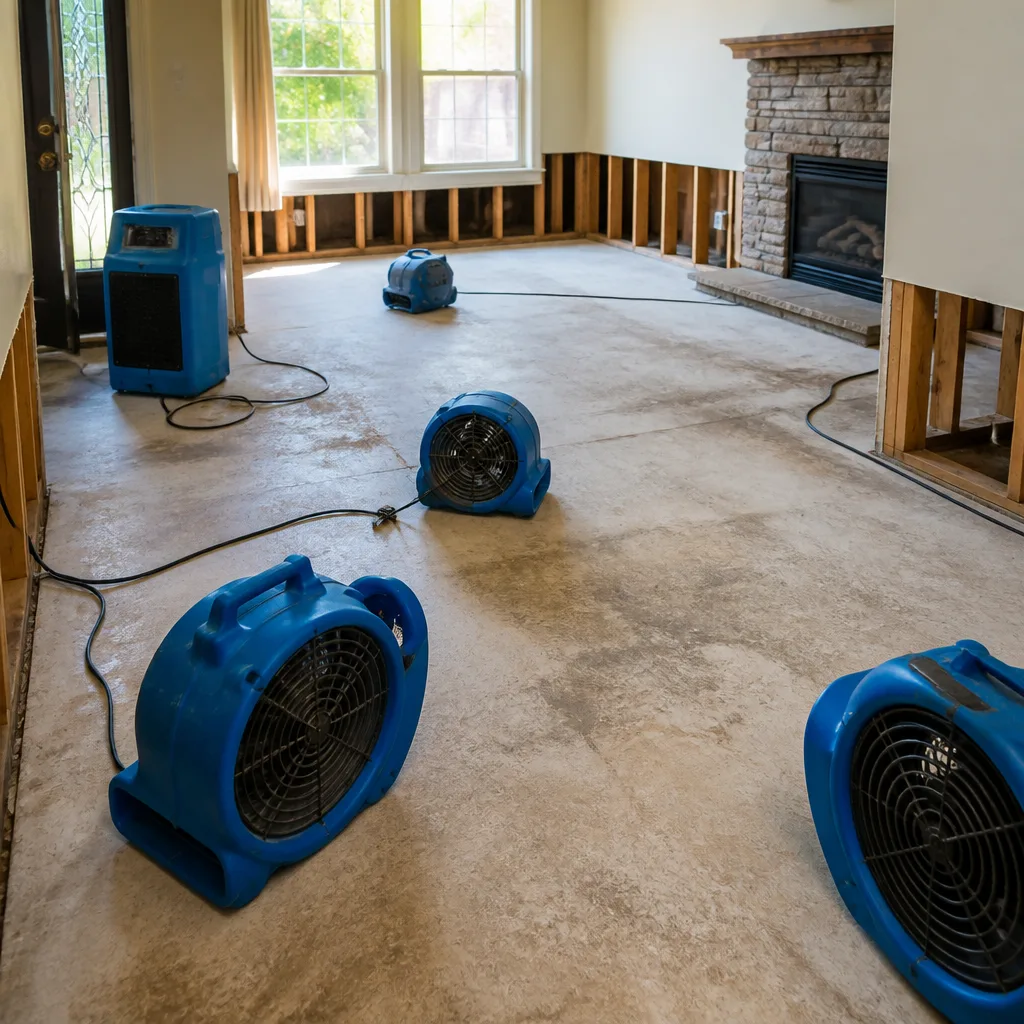

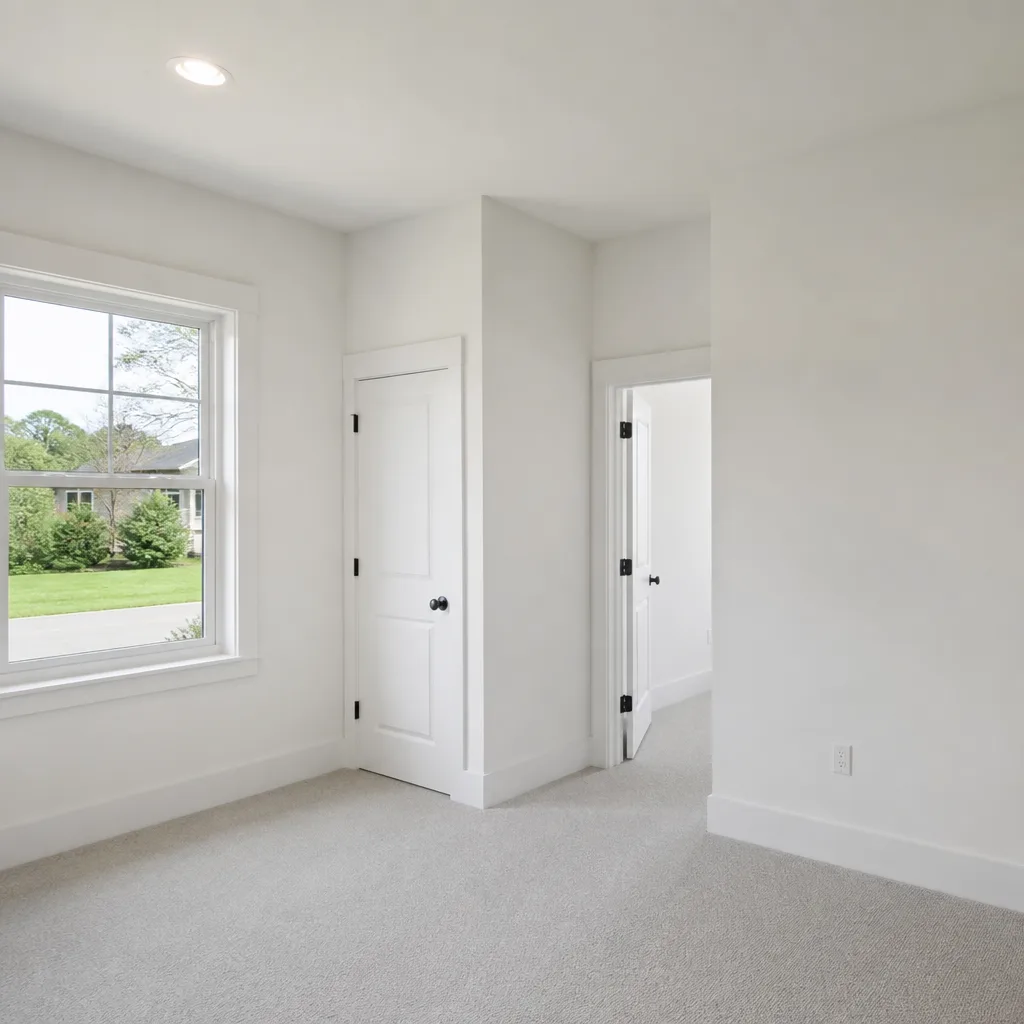

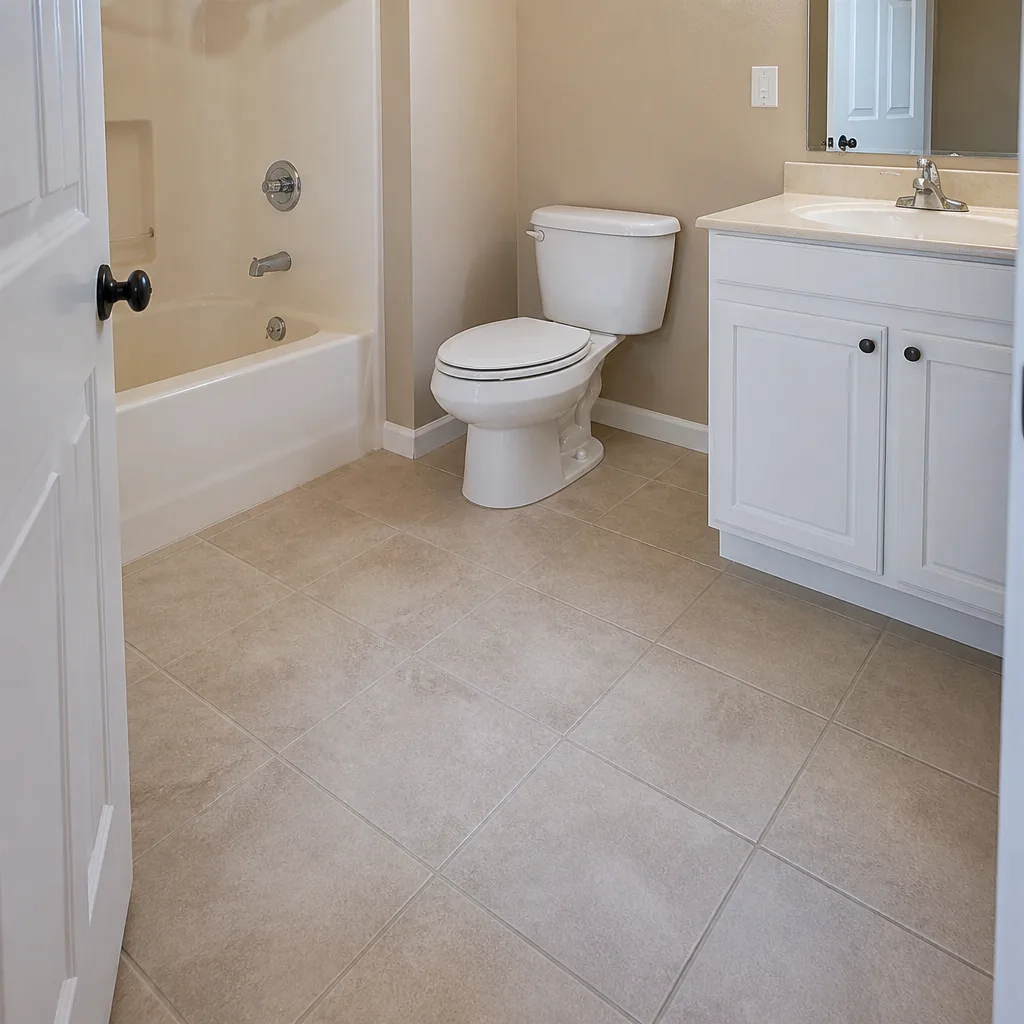

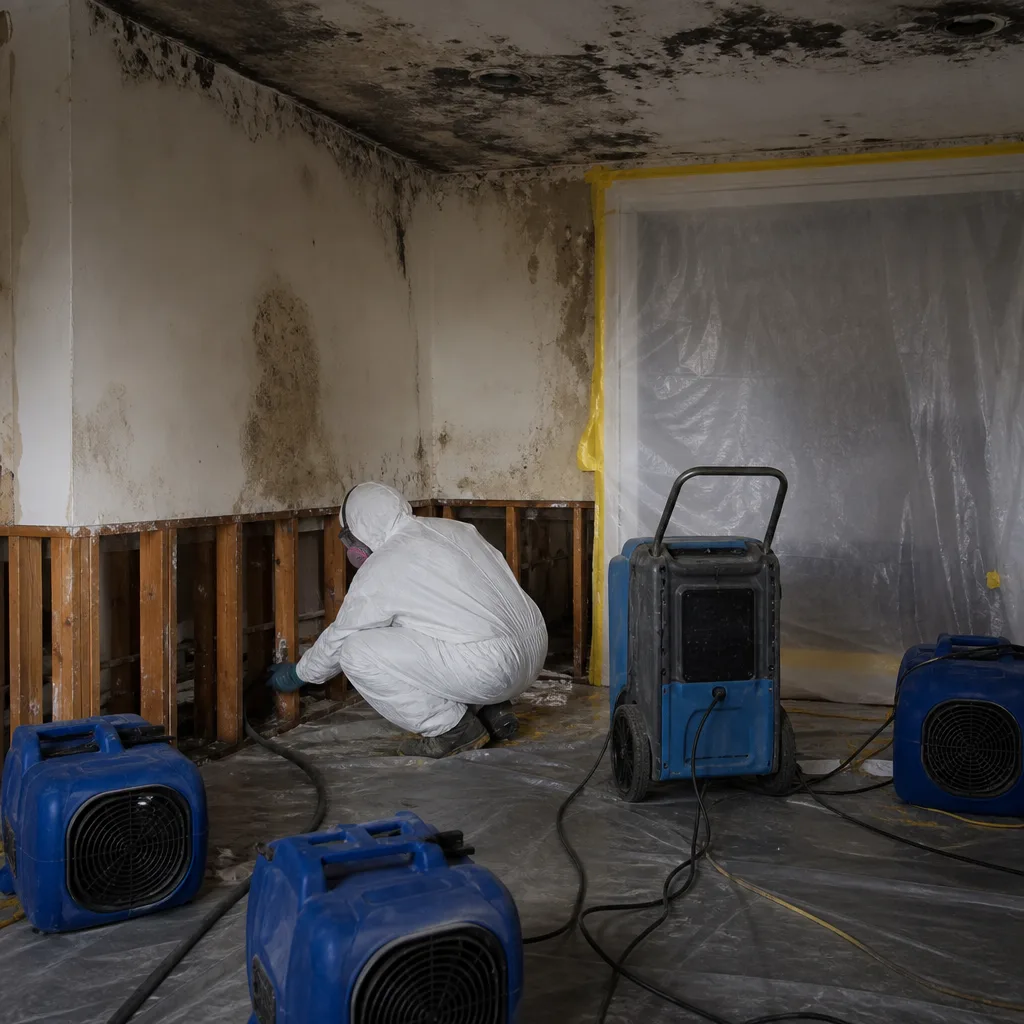 Before
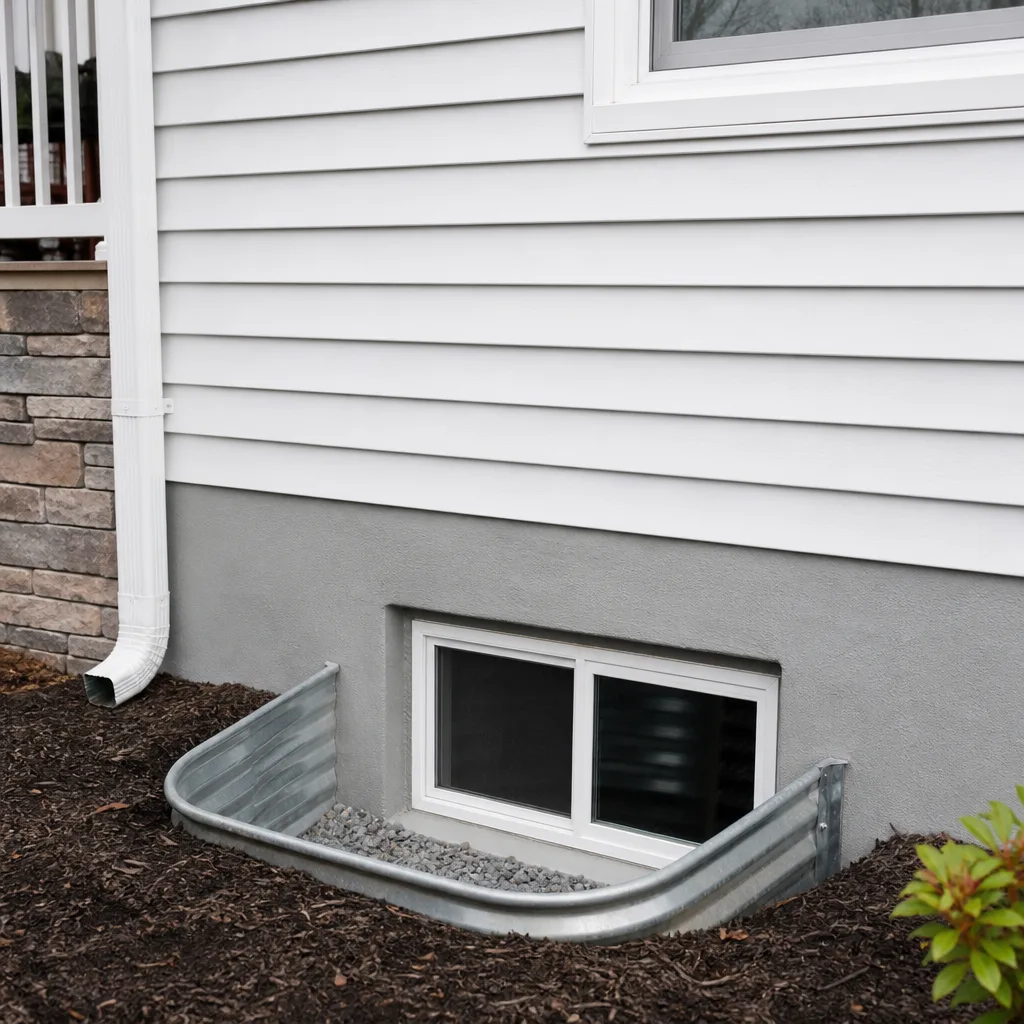 After
After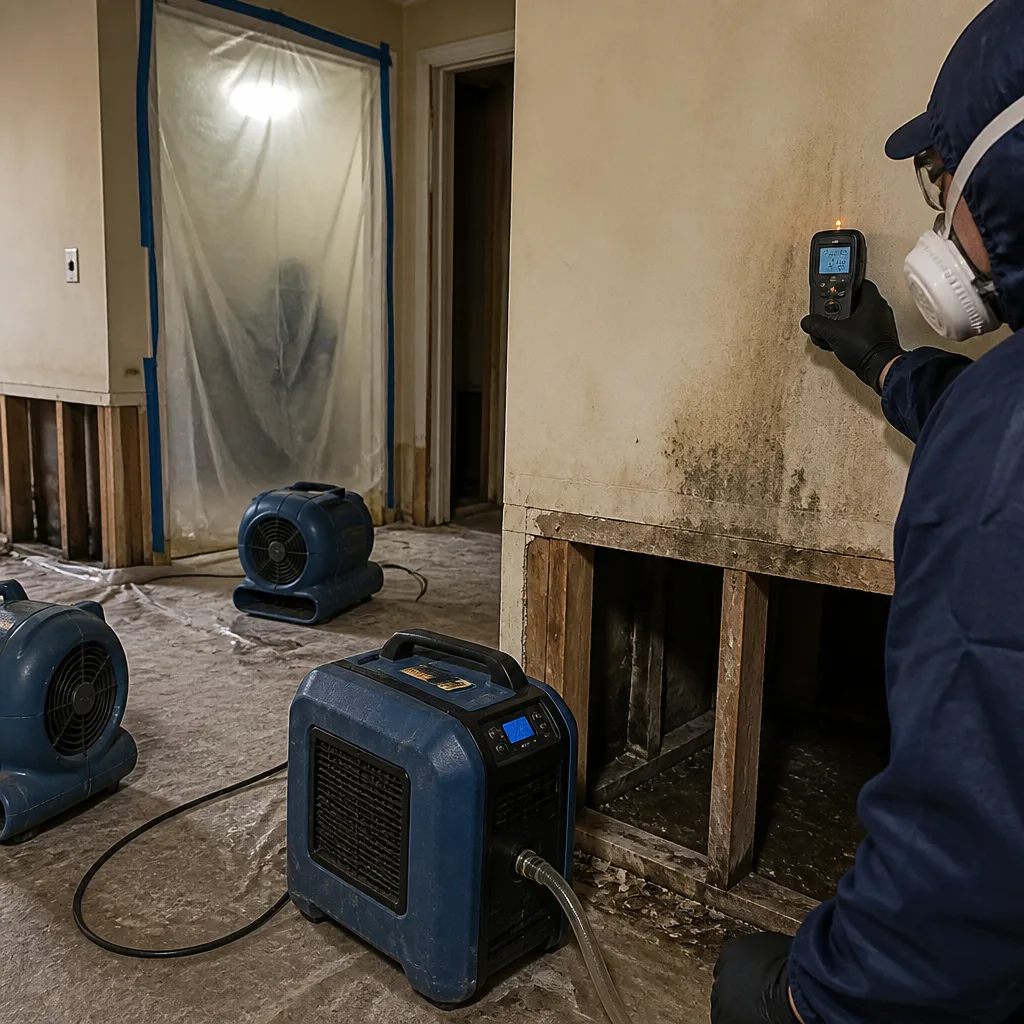 Before
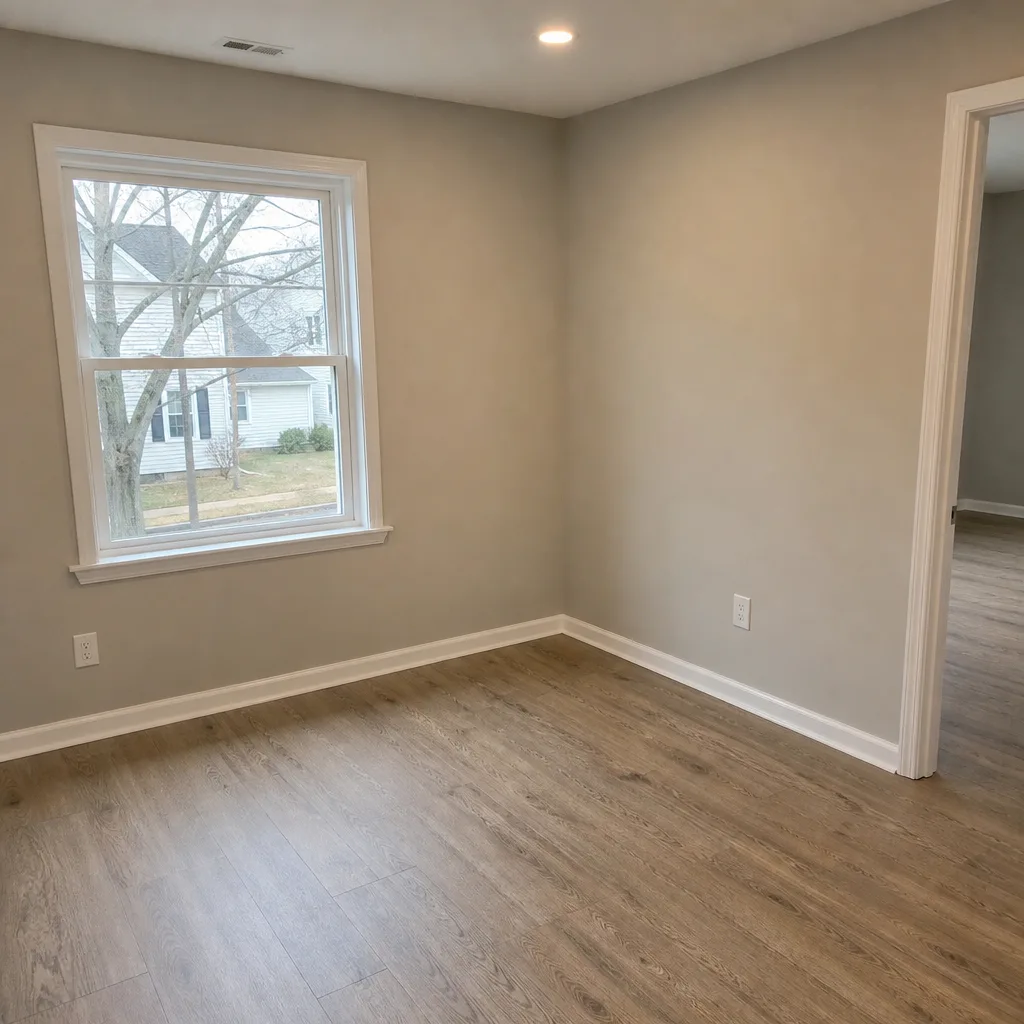 After
After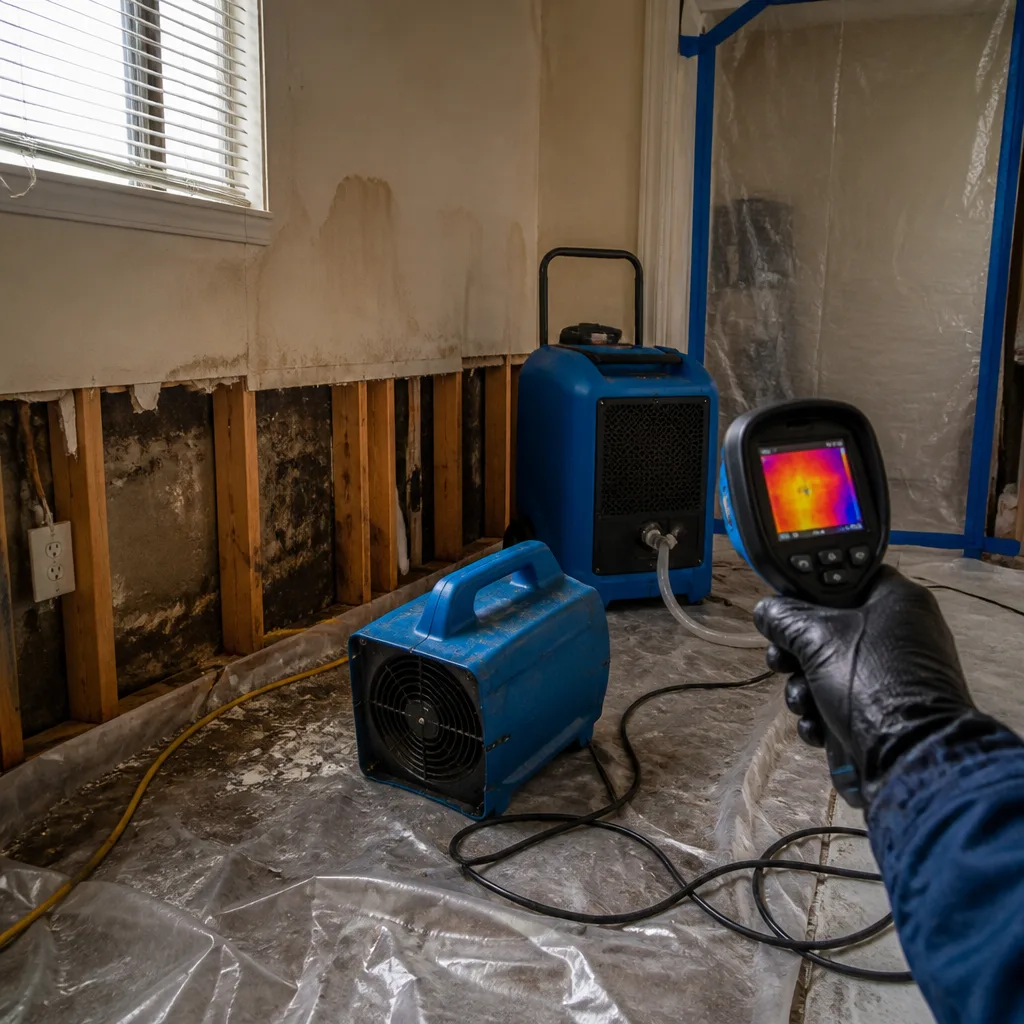 Before
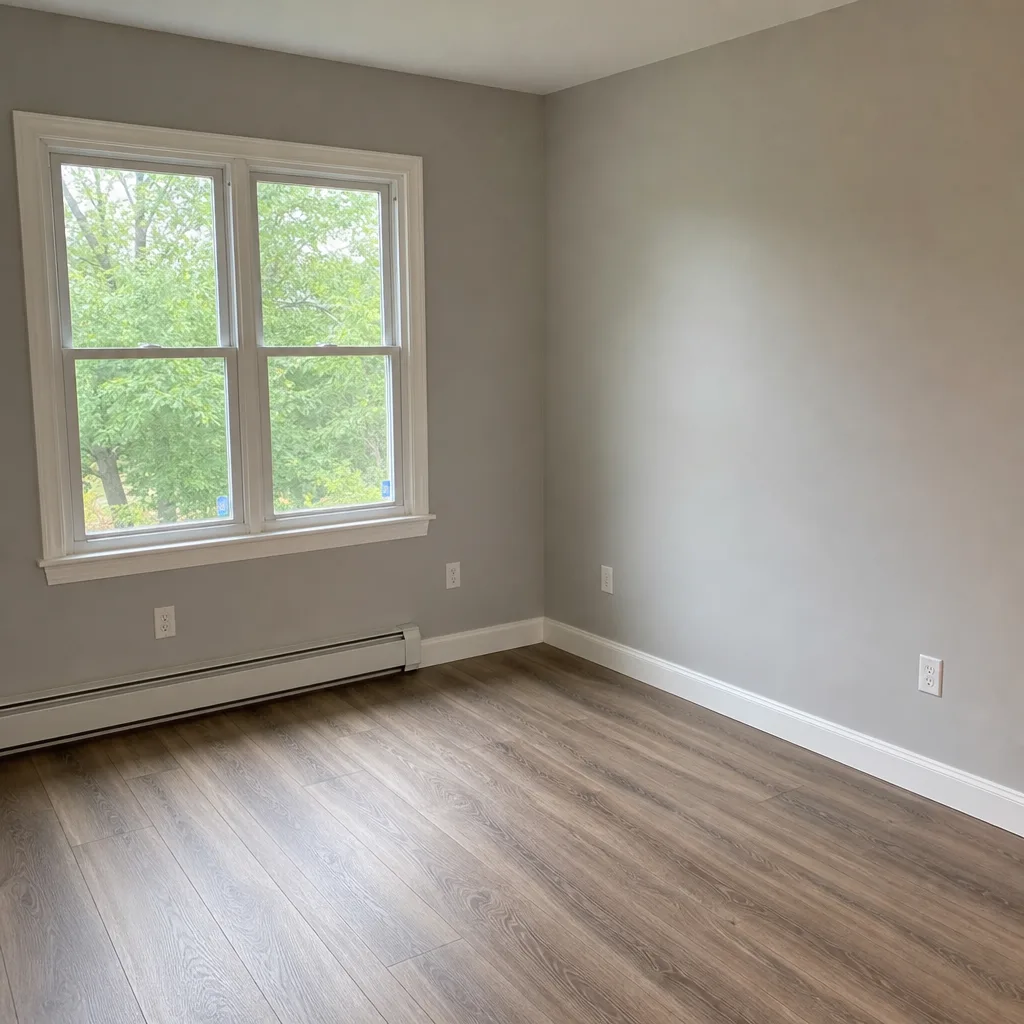 After
AfterSeasonal Damage Restoration Care for Lodi: Year-Round Homeowner’s Guide
Most Lodi homeowners don’t call a restoration company because water is pouring through the ceiling. They call because of what the water leaves behind. The damp studs behind drywall. The slow wick up an exterior wall. The musty smell that comes back every August. According to IICRC data, microbial growth can begin on wet materials within 24 to 48 hours, but the damage that matters most usually happens in the first four. This guide walks through what each season does to a Lodi home, what to watch for, what you can handle yourself, and when to pick up the phone. If you live in Lodi, the threats are predictable, and predictability is something you can plan around.
Quick Answer
Seasonal damage restoration in Lodi means preparing for four distinct threats: winter freeze-thaw cycles that crack foundations and burst pipes, spring rain that tests sump pumps and gutters, summer humidity that feeds mold in basements and crawl spaces, and fall storms that drop branches and flood low-lying streets. Most seasonal damage is preventable with a twice-yearly inspection routine, and when it isn’t, the key is acting within the first 48 hours.
Table of Contents
- Winter in Lodi: Freeze-Thaw Cycles and Pipe Bursts
- Spring Rain and Groundwater: The Sump Pump Season
- Summer Humidity: Mold, Mildew, and Crawl Space Problems
- Fall Storms and Roof Damage: What Lodi Wind Does to Shingles
- The Twice-Yearly Inspection Routine That Prevents Most Claims
- Working With Your Insurance Carrier on Seasonal Damage
- What You Can Safely Handle Yourself (and What You Shouldn’t)
- What Seasonal Restoration Costs in Lodi
Winter in Lodi: Freeze-Thaw Cycles and Pipe Bursts
Lodi winters are not brutal by Minnesota standards, but they’re dangerous in a specific way. The temperature hovers near freezing for weeks, which means the ground expands and contracts repeatedly. That freeze-thaw cycle is harder on foundations and buried pipes than a single hard freeze. We’ve seen more cracked supply lines in Lodi homes during a January thaw than during a February cold snap.
The first thing to understand: a pipe doesn’t burst at the moment water inside it freezes. It bursts when that ice expands and the pressure has nowhere to go. In Lodi homes built before 1980, many supply lines run through unheated crawl spaces or along exterior walls with thin insulation. When the temperature drops below 20°F for more than a few hours, those lines are at risk.
What to watch for in winter:
- Water pressure that drops suddenly in one fixture but not others, which often means a pinhole leak is already feeding moisture into a wall cavity.
- Frost on interior pipes in unheated spaces like garages, crawl spaces, or utility closets on exterior walls.
- Water stains on ceilings below bathrooms during cold snaps, which signal a supply line leak above that only shows itself under pressure changes.
- A water bill that spikes in January or February without a change in household use, which is often the first sign of a slow underground leak on the supply side.
Prevention is straightforward: disconnect garden hoses before the first freeze, insulate exposed pipes in crawl spaces and garages, and keep cabinet doors open under sinks on the coldest nights so warm air reaches the lines. If you leave Lodi for a winter week, set the thermostat no lower than 55°F and shut off the main water valve if you’ll be gone longer. The cost of a burst pipe in a Lodi home typically runs between $1,500 and $4,000 by the time extraction, drying, and rebuild are done. A $40 pipe insulation kit is cheaper.
Spring Rain and Groundwater: The Sump Pump Season
Spring in Lodi brings the intersection of two forces: snowmelt from the north and sustained rain from coastal systems. The water table rises fast, and basements in the lower-lying sections of town, particularly homes east of Main Street near the Saddle River drainage area, take on water through floor cracks and cove joints.
The sump pump is the first line of defense, and it’s also the most commonly neglected appliance in a Lodi basement. A pump that runs fine in August may fail in March when it’s cycling every few minutes. The failure modes are predictable: a float switch that sticks, a check valve that’s worn and letting water back in, or a discharge line that’s frozen or blocked outside the foundation.
Here’s the spring routine we recommend for every Lodi homeowner:
- Test the pump before the rainy season starts. Pour a five-gallon bucket of water into the pit and watch the cycle. If it doesn’t kick on, or if it runs but doesn’t clear the pit, call a professional before the rain does.
- Check the discharge line. Walk outside and make sure the pipe extends at least six feet from the foundation and slopes away. Water dumped right at the wall comes right back in.
- Clean gutters and downspouts. Clogged gutters send water over the edge and down the foundation wall, which is the single most common cause of spring basement flooding in Lodi.
- Grade the soil around the foundation. Over a Lodi winter, soil settles. If the ground slopes toward the house instead of away, even an inch over six feet, water pools at the wall.
- Inspect the basement walls for efflorescence. That white, chalky residue is salt left behind when water evaporates through concrete. It’s a sign water is moving through the wall, even if you’ve never seen standing water in the basement.
If your sump pump fails during a spring storm, the water that enters your Lodi basement is groundwater, not clean tap water. It carries silt, bacteria, and whatever’s in the soil. Extraction and drying need to happen fast, and the affected materials, especially carpet and drywall that wick water upward, usually need to be removed rather than dried in place.
Summer Humidity: Mold, Mildew, and Crawl Space Problems
Summer in Lodi is hot and humid, and humidity is the slow-motion version of a flood. A basement that took on water in April and was never properly dried will show mold by July. Even without an active leak, a crawl space with exposed dirt floors will pump moisture into the living space all summer long, feeding mildew on drywall, warping hardwood, and triggering allergy symptoms that homeowners often blame on pollen.
The key number is 60% relative humidity. Above that, mold spores, invisible and always present in the air, have enough moisture to germinate on organic surfaces: drywall paper, wood framing, carpet backing, upholstery. A Lodi summer routinely pushes outdoor humidity above 70%, which means an unconditioned basement or crawl space is almost guaranteed to cross that threshold without mechanical help.
Signs that summer humidity is causing damage in your Lodi home:
- A musty smell in the basement that gets stronger in the evening when the house is closed up.
- Condensation on basement windows, cold water pipes, or the concrete floor, which means the dew point is being reached inside the house.
- Doors and windows that stick in July and August, a sign that wood framing is swelling with absorbed moisture.
- Visible mold growth on walls, ceiling tiles, or the back of furniture placed against exterior walls.
- Increased dust mite activity, which correlates directly with higher indoor humidity and is a common allergy trigger.
The fix for a Lodi crawl space is usually a combination of a vapor barrier over the dirt floor, improved ventilation or a dehumidifier sized for the square footage, and sealing of the foundation vents during the humid months. In a basement, the work starts with measurement. A restoration professional uses moisture meters and hygrometers to map where the humidity is coming from, then sets drying equipment, typically a Phoenix or Dri-Eaz dehumidifier paired with XPOWER air movers, to pull the space below 50% and hold it there. This isn’t a one-day fix for a house that’s been damp for years. It’s a process that takes several days of continuous drying followed by verification readings.
Fall Storms and Roof Damage: What Lodi Wind Does to Shingles
Fall is roof season in Lodi. The nor’easters that work their way up the coast bring sustained wind and driving rain, and the mature trees that line many Lodi streets, especially in the neighborhoods west of Route 17, lose branches onto roofs. The damage isn’t always obvious from the ground. A shingle that’s lifted at the corner, a ridge vent that’s shifted, a flashing joint that’s separated, all of these let water in slowly during the wet weeks of October and November.
Roof leaks in Lodi homes tend to show up in predictable places: around chimneys, at the intersection of roof lines where valleys form, and around plumbing vents. The first sign inside the house is usually a water stain on a ceiling or the upper section of an exterior wall. By the time the stain is visible, water has been moving through the roof deck and insulation for days or weeks.
What to do after a fall storm:
- Walk the property. Look for shingles in the yard, branches on the roof, and any sagging in the roofline. Take photos of anything you find.
- Check the attic. If you can safely access it, look at the underside of the roof deck for dark staining, which indicates water penetration. Do this during daylight when you can turn off your flashlight and look for light coming through the roof.
- Check gutters for granules. Asphalt shingle granules collect in gutters. A sudden accumulation after a storm is a sign of shingle damage.
- Call your insurance carrier. Wind and storm damage is typically covered, and the faster the claim is filed with photo documentation, the smoother it goes.
If water has already made it into the living space, the restoration sequence matters. Roof repair and interior drying need to happen together. You can’t dry a ceiling while water is still coming through it, and you shouldn’t rebuild a ceiling until the framing behind it is verified dry. A full-service restoration company handles both, with the drying equipment running while the roof crew is still on site.
The Twice-Yearly Inspection Routine That Prevents Most Claims
Most seasonal damage in Lodi is not an accident. It’s a predictable failure that was visible months in advance. The homeowners we work with who rarely call us for emergencies are the ones who do a systematic walk-through twice a year: once in early spring after the last freeze, once in late fall before the first storm.
The inspection doesn’t need to be technical. It needs to be consistent.
Spring inspection checklist:
- Run the sump pump through a full cycle and confirm the discharge line is clear and directed away from the foundation.
- Inspect the basement and crawl space for moisture, especially at the cove joint where the floor meets the wall.
- Check the attic for signs of winter roof leaks: dark stains, damp insulation, frost on the underside of the roof deck.
- Walk the exterior foundation and look for new cracks, especially stair-step cracks in block walls or diagonal cracks at window corners.
- Test the main water shut-off valve. If it’s stiff or won’t fully close, have it replaced before an emergency needs it.
Fall inspection checklist:
- Clean gutters and downspouts and confirm water is carried at least six feet from the foundation.
- Inspect the roof from the ground with binoculars: missing shingles, lifted edges, damaged flashing around penetrations.
- Check the grading around the foundation and add soil where settlement has created low spots against the wall.
- Disconnect and drain all exterior hoses and shut off exterior hose bibs from inside if your home has individual shut-offs.
- Test the furnace and confirm the condensate drain line is clear, since a clogged condensate line is a common source of winter water damage in Lodi homes with high-efficiency furnaces.
Floodline Restoration Co. offers an $89 Seasonal Tune-Up that covers this inspection with a written report. It’s a fixed-price visit, and it’s the same checklist our technicians use on active job sites.
Working With Your Insurance Carrier on Seasonal Damage
Seasonal damage is generally covered by standard homeowners insurance. Storm damage from wind, water damage from a burst pipe, and the resulting mold remediation are all typically included, with the specific language buried in the policy. The friction comes not from coverage disputes but from process. Insurance carriers want documentation: photos of the damage, a written scope of work, moisture readings, daily drying logs. Homeowners who are trying to handle a flooded basement while also fielding adjuster calls and filing paperwork are doing two full-time jobs badly.
The simplest path, and the one we recommend to Lodi homeowners, is to let the restoration company work directly with the carrier. Direct insurance billing means the estimate, the scope, the drying log, and the final invoice go from the contractor to the adjuster without the homeowner playing messenger. It removes the single most stressful element of a seasonal damage claim.
What helps your claim:
- Photos before any cleanup begins. Take wide shots that show the extent and close-ups that show the material damage.
- Document what was damaged and when. A written list with approximate value is enough. The adjuster will do their own estimating.
- Keep samples. A piece of wet carpet, a section of moldy drywall, a shingle that blew off. Physical evidence settles disputes faster than photos alone.
- Don’t start demolition until the adjuster has seen it, unless continuing water is actively spreading damage. In that case, document thoroughly, then mitigate.
Floodline Restoration Co. handles the adjuster communication as part of the job. The homeowner gets a copy of everything, but the carrier relationship is managed by the contractor. It’s the difference between being a participant and being a spectator in your own claim.
What You Can Safely Handle Yourself (and What You Shouldn’t)
There’s a line between homeowner maintenance and restoration work, and it’s drawn at the point where specialized equipment or safety training becomes necessary. Knowing where that line sits saves money and, more importantly, prevents a small problem from becoming a large one.
Safe to handle yourself:
- Cleaning gutters and downspouts.
- Re-grading soil against the foundation with a shovel and wheelbarrow.
- Replacing a sump pump that sits in an open pit, if you’re comfortable with basic plumbing and electrical connections.
- Installing pipe insulation on exposed supply lines in a crawl space or garage.
- Running a dehumidifier in a damp basement and monitoring the humidity level with a $15 hygrometer.
Leave to a professional:
- Extraction and drying after a flood or sewage backup. Consumer-grade fans and a rental dehumidifier cannot dry wall cavities and subflooring to the standard an insurance adjuster will require, and sewage water carries pathogens that require proper PPE and disposal.
- Mold remediation. Disturbing mold growth without containment spreads spores through the house. The IICRC protocols for mold remediation require negative air pressure, containment barriers, and HEPA filtration, none of which are available at a hardware store.
- Roof repairs. Working on a roof is dangerous enough without the added risk of a wet or storm-damaged surface. A fall from a single-story Lodi roof is enough to cause life-altering injury.
- Any water intrusion that’s been present for more than 48 hours. By that point, the drying challenge includes microbial growth inside wall cavities, which requires professional assessment and IICRC-standard drying equipment.
What Seasonal Restoration Costs in Lodi
Restoration pricing in Lodi follows the same pattern as the rest of Bergen County, with some local variation based on the age of the housing stock and the prevalence of basements and crawl spaces. These are ranges based on what we see in the field, not quotes, because every job is different.
| Service | Typical Range in Lodi | Notes |
|---|---|---|
| Water extraction and drying (basement) | $1,200 - $4,500 | Depends on square footage, water class, and materials affected |
| Pipe burst repair and drying | $1,500 - $4,000 | Includes drywall removal, drying, and rough repair |
| Sump pump replacement | $400 - $1,200 | Pump plus installation; battery backup adds $300-$600 |
| Mold remediation (basement, moderate) | $2,000 - $6,500 | Containment, removal, cleaning, and drying included |
| Roof leak repair and ceiling drying | $500 - $2,000 | Roof patch plus interior drying of the affected area |
These prices reflect the reality that restoration is skilled work done under time pressure with equipment that costs real money. The price also includes the insurance documentation: the moisture map, the daily drying logs, the final verification readings. A contractor who quotes half these numbers without explaining how they’ll document the drying process is not doing the same job.
How Floodline Restoration Co. Approaches Seasonal Damage in Lodi
Seasonal damage is, by definition, predictable. The water that enters a Lodi basement in March is the same water that entered the year before. What changes the outcome is the response, and that’s where process matters more than equipment.
Our approach starts with the phone. A live dispatcher answers 24 hours a day, every day. When a Lodi homeowner calls at 2 a.m. because a sump pump failed and the basement is flooding, a person picks up, and a crew is dispatched that same visit.
On arrival, a technician walks the property, documents the damage with photos, and explains the scope of work before anything is touched. Extraction starts immediately using professional-grade equipment: Dri-Eaz and Phoenix for water extraction, XPOWER and B-Air air movers for airflow, Injectidry systems for wall cavities and under-floor spaces that standard equipment can’t reach. Moisture readings are taken on day one, logged daily, and shared with the homeowner and the insurance carrier until the dry standard is met.
The job doesn’t end when the space is dry. Reconstruction, whether it’s drywall, flooring, or structural repair, is handled by the same company and the same crew. We don’t dry your basement and hand you a list of contractors to call. We finish the job, start to finish, and we stand behind it with the 90-Day Done Right Promise. If it’s not done right, we make it right. In writing. No arguing.
We’ve been doing this in Lodi since 2010, founded by Curt Bowman on the principle that people want to deal with a company that answers its own phone and stands behind its own work. As a full-cycle restoration company, Floodline Restoration Co. home crews handle water, mold, fire, storm, sewage, and biohazard work, and the rebuild that follows. The line the water left is where we start. We finish at the point where you can’t tell anything ever happened.
We also honor our standing offers on every job: $50 Off Any Repair Over $250, the $89 Seasonal Tune-Up, and a Senior and Veteran 5% discount. No fine print. A square deal.
Common Mistakes to Avoid
- Waiting to see if the water recedes on its own. Water in a Lodi basement doesn’t leave. It evaporates, and the moisture moves into the framing, the drywall, and the air. The first 48 hours are when the outcome is decided.
- Using a shop vac and box fans for a flood. A shop vac removes surface water but cannot touch water inside drywall, under laminate, or in wall insulation. Box fans move air but don’t create the focused airflow needed to dry structural cavities. The moisture stays, and mold follows.
- Calling a plumber but not a restoration company. A plumber fixes the source of the water. They don’t typically carry the drying equipment or the moisture meters to verify that the affected area is actually dry. You need both, and in the right order.
- Not documenting damage before cleanup starts. Once the wet carpet is hauled out and the drywall is cut, the evidence is gone. Your insurance adjuster needs to see the before, or the claim gets harder.
- Choosing a contractor based on the lowest bid. Restoration pricing varies for a reason. A bid that’s half the others is either cutting corners on equipment, skipping documentation, or planning to find extra charges once the work is underway.
- Ignoring the first signs of humidity problems. A musty basement smell in July is a warning. By the time you see mold, the problem has been active for weeks.
When to Call a Professional
Call a restoration professional when water has soaked into building materials, when sewage is involved, when mold is visible on more than a small patch, or when a roof leak has stained a ceiling and water may be trapped above it. These are not cleaning jobs. They are structural drying jobs that require commercial equipment, moisture mapping, and documentation for the insurance carrier. If you’re in Lodi and you’re not sure whether you need help, call and ask. Floodline Restoration Co. offers free estimates in Lodi, and a technician will tell you honestly whether the work needs professional equipment or whether a mop and a fan will do the job.
Frequently Asked Questions
Floodline Restoration Co. answers the phone with a live dispatcher 24 hours a day, and a crew is dispatched the same visit. In Lodi, our typical response time is under two hours, and extraction is running on the first visit in most cases.
Yes, in most cases. Burst pipes, wind-driven rain that enters through a storm-damaged roof, and the resulting water damage and mold remediation are generally covered by standard homeowners policies in New Jersey. Flooding from rising groundwater or a failed sump pump often requires a separate flood insurance policy, which is worth checking before you need it.
In Lodi, a typical basement water extraction and drying job runs between $1,200 and $4,500 depending on the size of the space, the class of water, and what’s been affected. Sewage backups and long-standing moisture problems push the number higher. Call (640) 356-1140 for an exact quote. Estimates are free.
It depends on the extent of the mold and whether it’s in a contained space like a basement or crawl space or in the living area. For small, contained remediations, you can often stay in the house. For larger jobs or mold in HVAC systems, temporary relocation is sometimes the right call. A professional assessment will tell you which situation you’re in.
Mitigation is the immediate response: stopping the source, extracting standing water, setting drying equipment, and preventing further damage. Restoration is the rebuild: drywall, flooring, paint, structural repairs. Floodline Restoration Co. does both with the same crew, which means there’s no handoff and no gap between the drying and the rebuild.
Lodi’s housing stock runs older, with many homes built before modern waterproofing standards, and the water table rises quickly in the spring due to the town’s position in the Saddle River drainage area. Basements are common, and they’re vulnerable. The freeze-thaw cycles of a Lodi winter also stress foundations in ways that warmer climates don’t see.
The Bottom Line
Seasonal damage in Lodi follows a pattern. Winter freezes pipes. Spring rain drives groundwater into basements. Summer humidity feeds mold. Fall storms damage roofs. The homeowner who knows these patterns and checks for their signs twice a year will catch most problems before they become emergencies. When an emergency does happen, the response has to be immediate, professional, and documented for the insurance carrier. Floodline Restoration Co. has served Lodi since 2010, answers the phone with a live person around the clock, and stands behind every job with the 90-Day Done Right Promise in writing.
If you’re dealing with seasonal damage now, or if you want a professional set of eyes on your Lodi home before the next storm season, call (640) 356-1140 for a free estimate. Done right, and backed in writing.
Written by Curt Bowman, Owner at Floodline Restoration Co., serving Lodi since 2010.