

Free visual inspection and a written scope of work before any mitigation begins - photos, moisture readings, and drying logs go in your claim file
The scope we write is the scope we bill. Anything new gets shown to you, in writing, before we touch it.
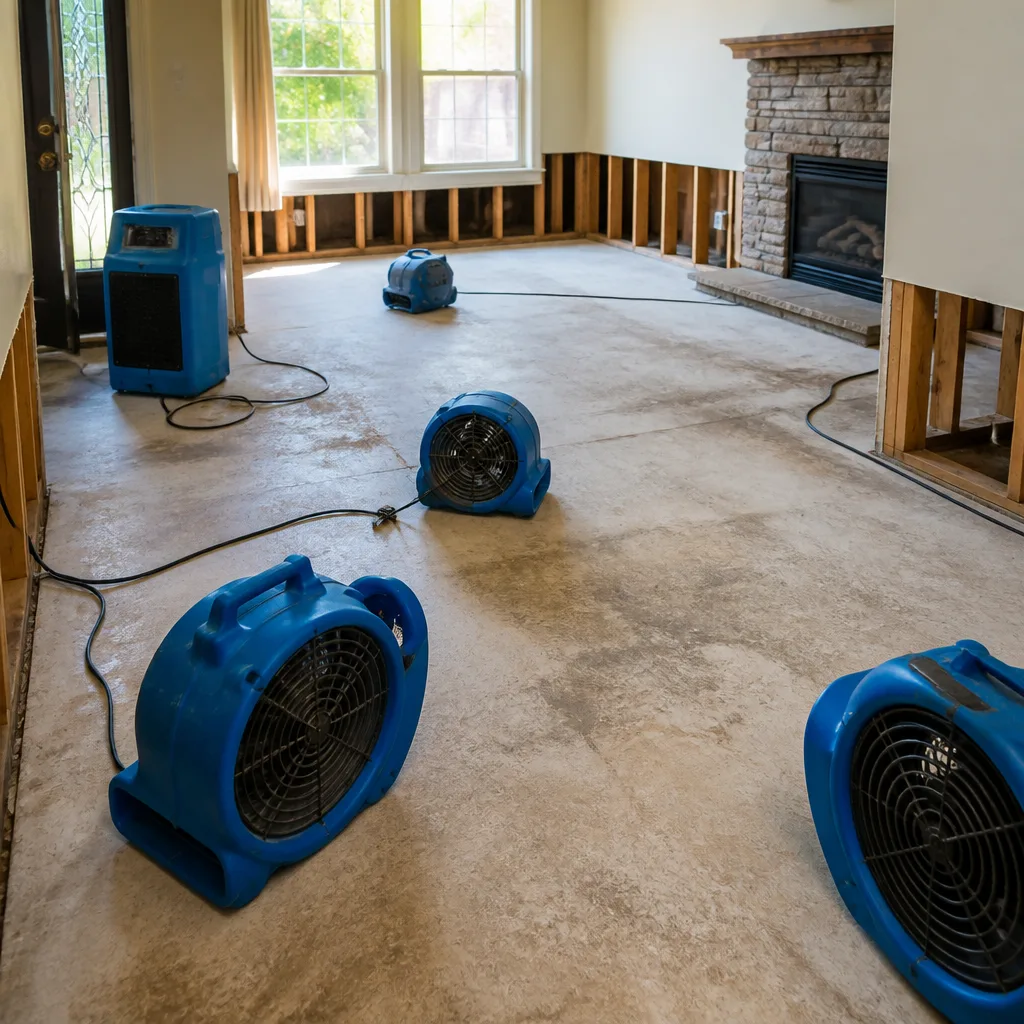
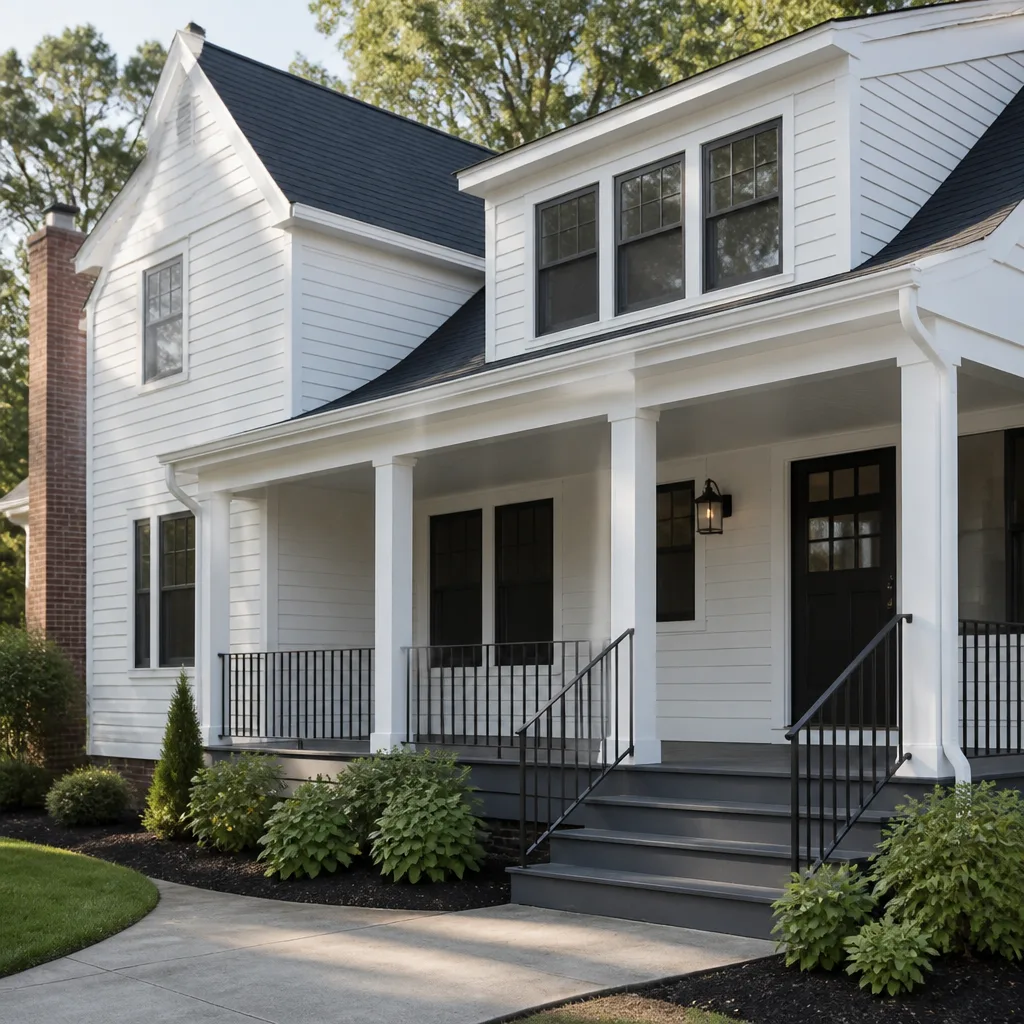
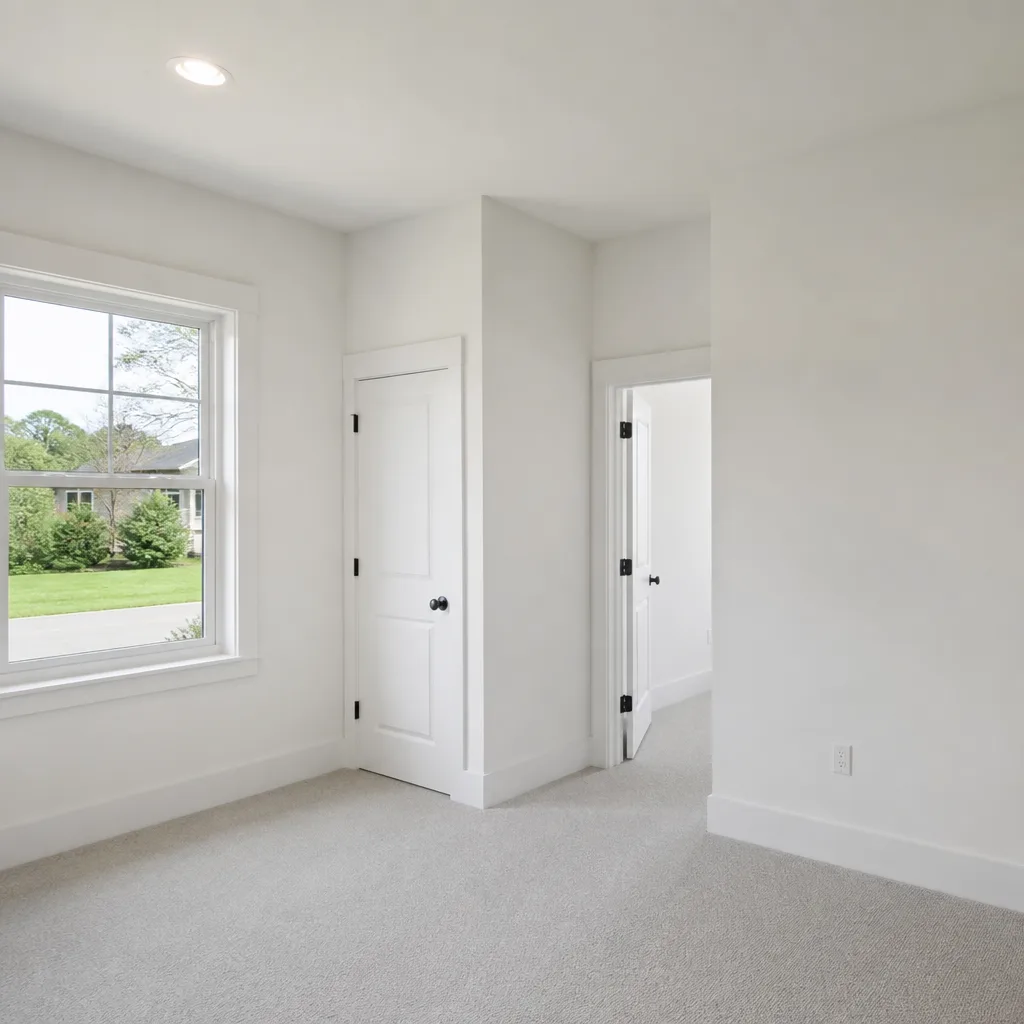
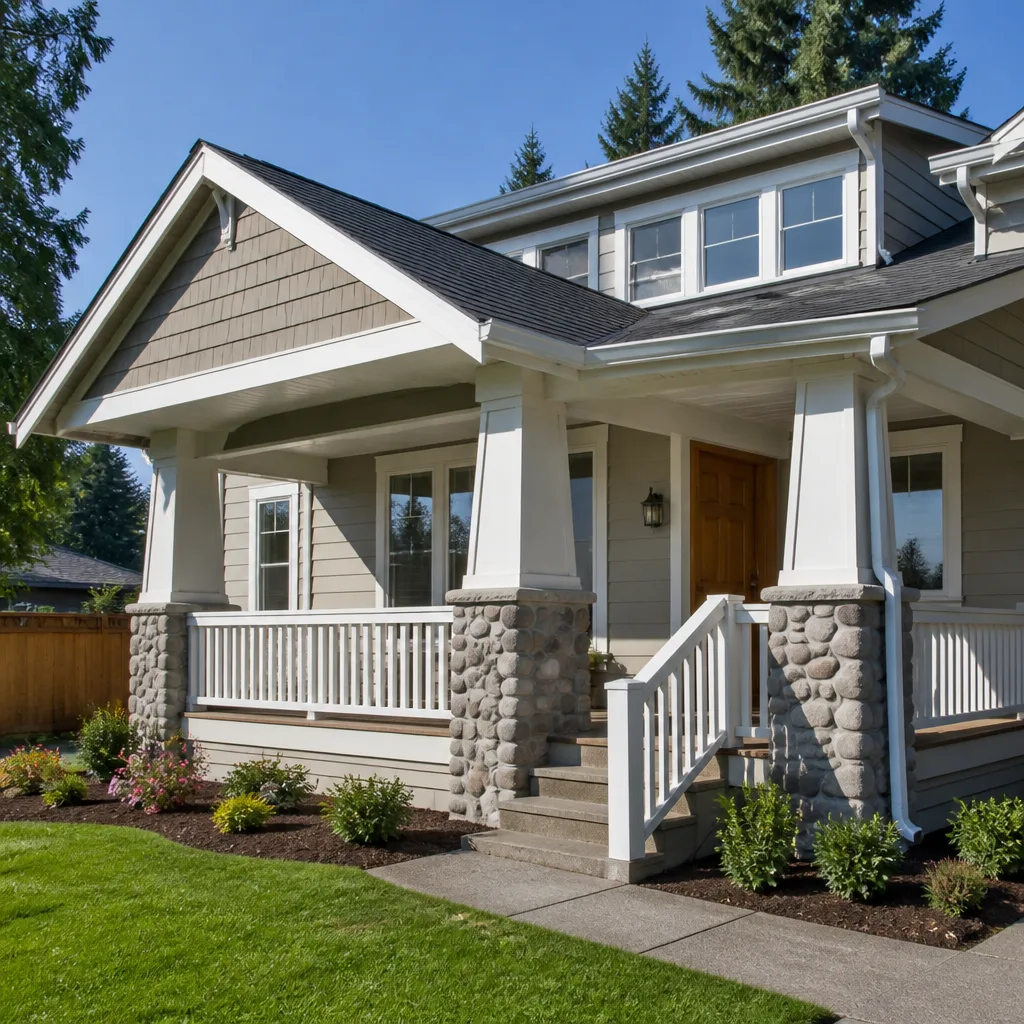
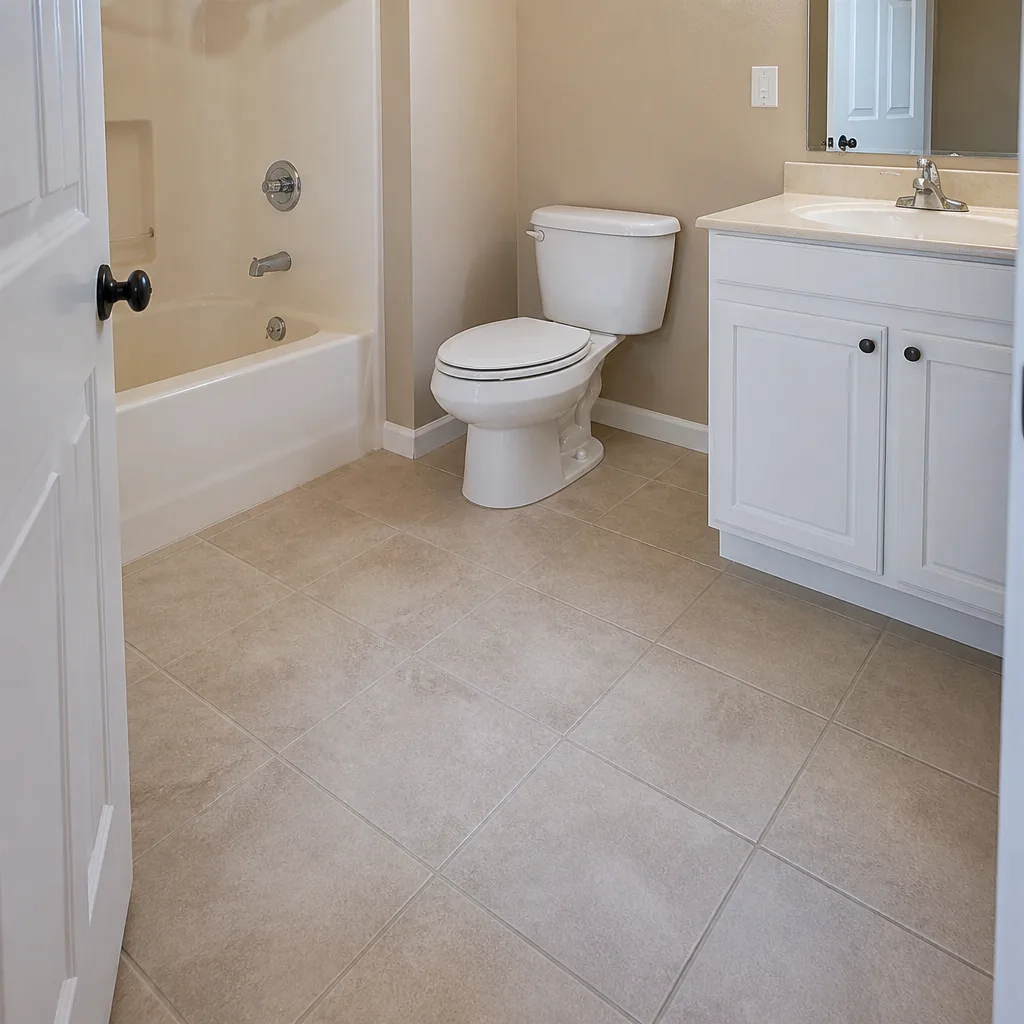
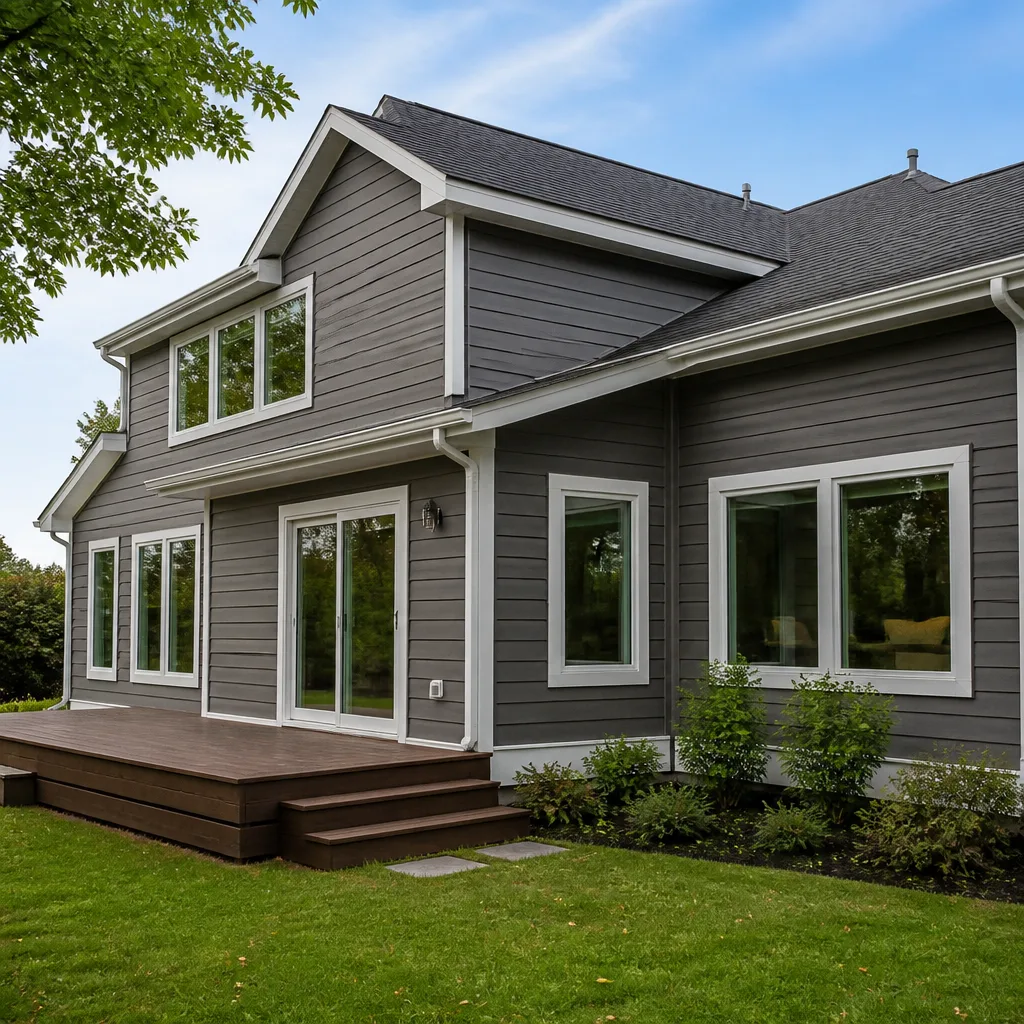
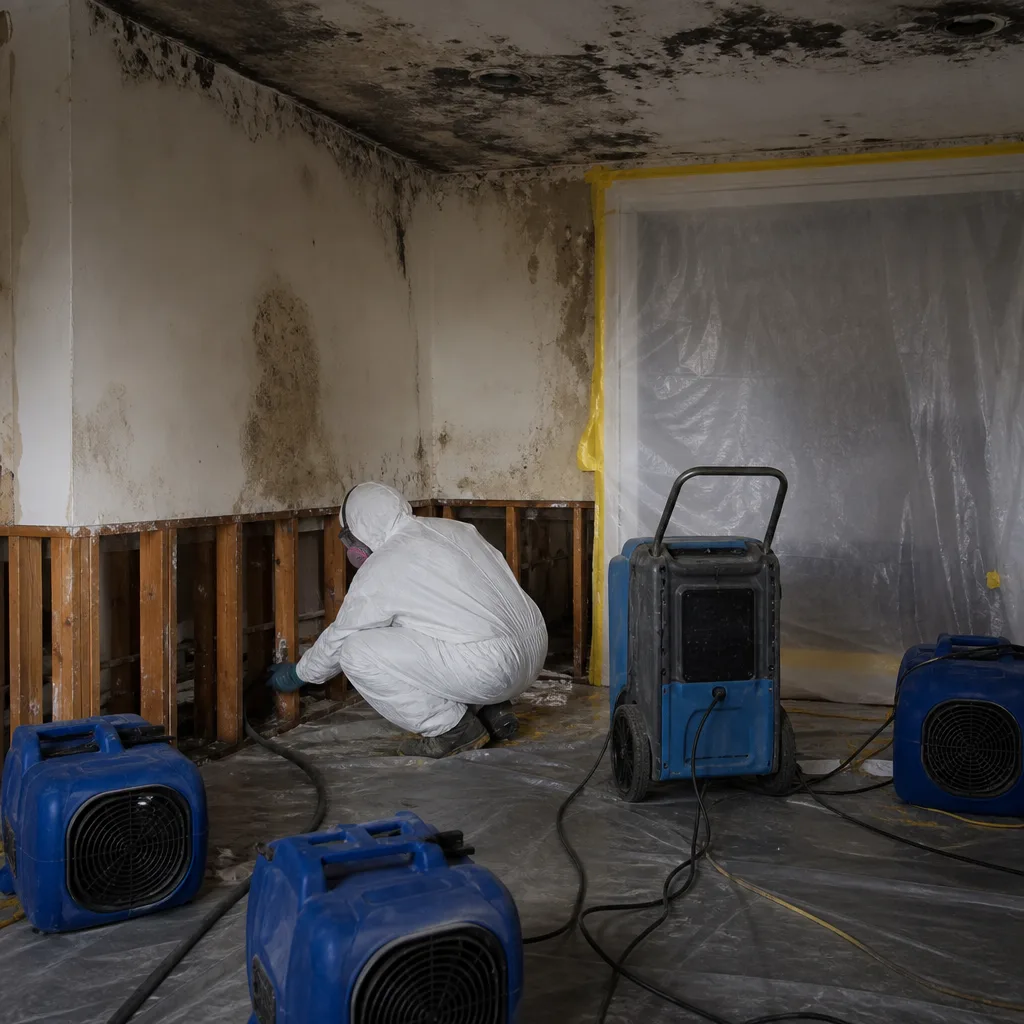 Before
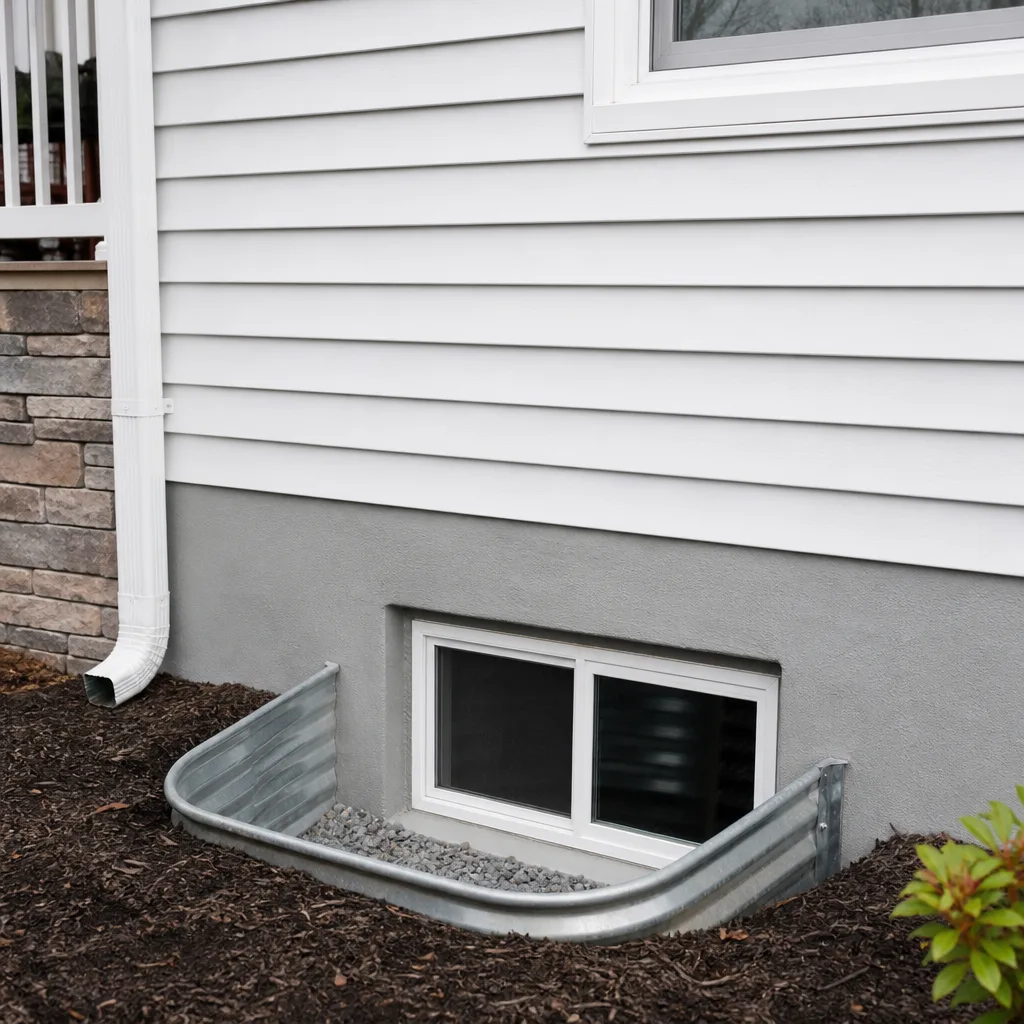 After
After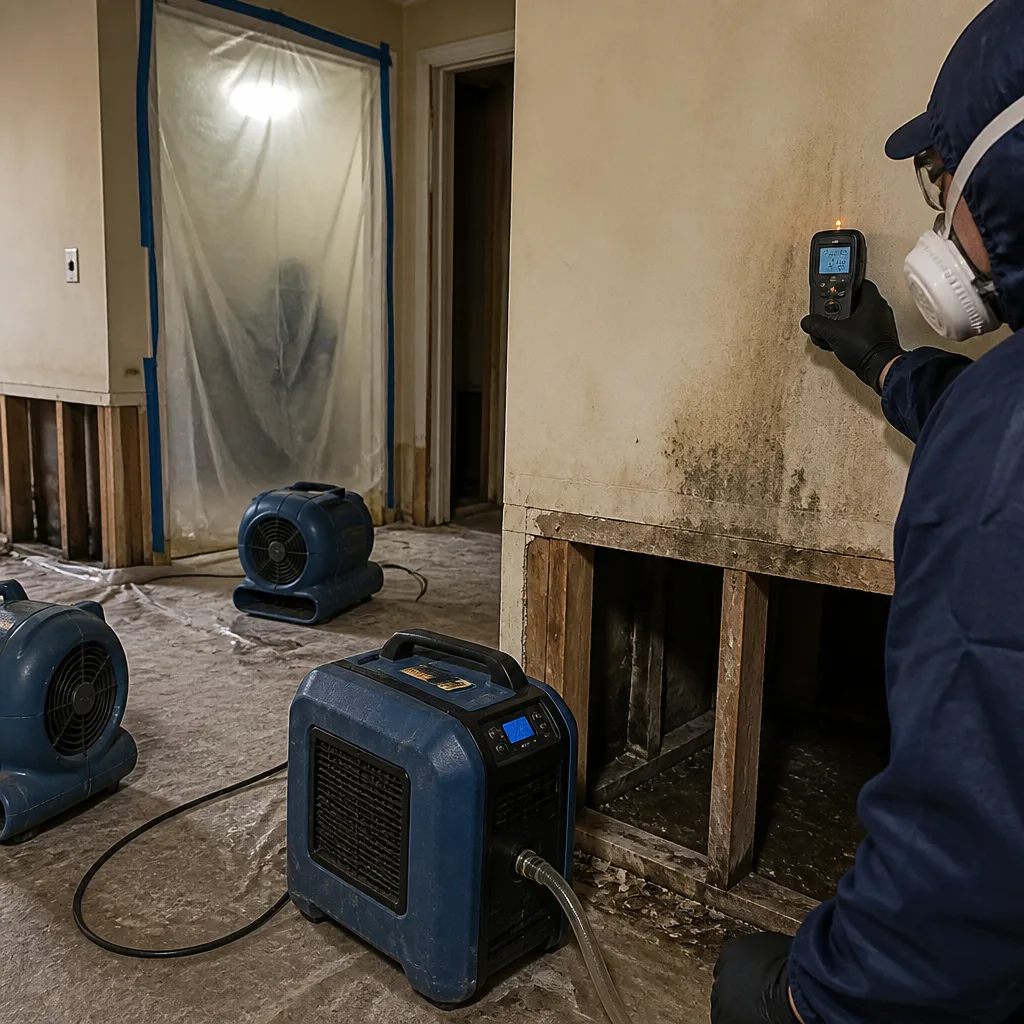 Before
 After
After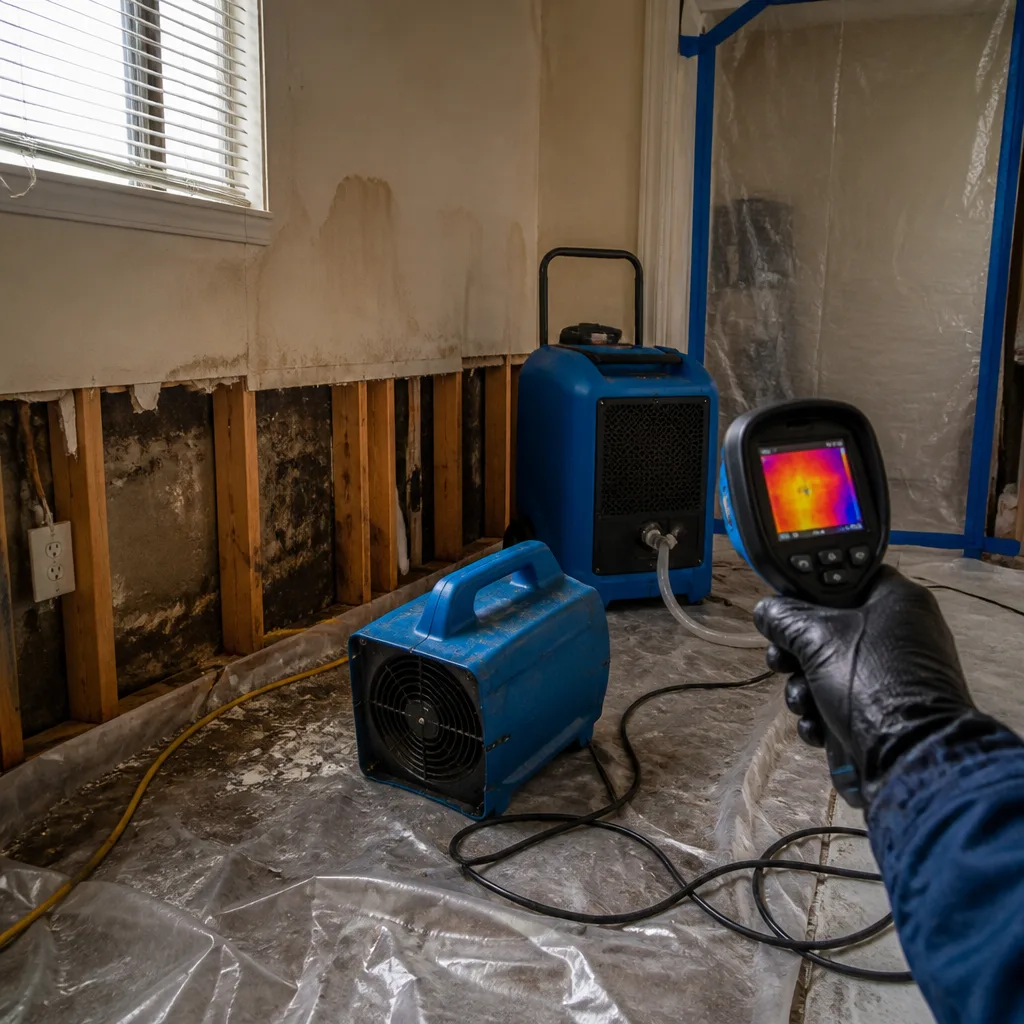 Before
 After
After24/7 Emergency Mold Remediation in Hackensack
Mold remediation in Hackensack typically runs $1,800 to $6,500 for a contained removal and treatment of a single affected room, and $4,000 to $15,000 when hidden mold spans multiple units or below-grade spaces. The work usually takes 3 to 7 days when proper containment, air scrubbing, and clearance testing are done. The moment you see staining, smell must, or find water that sat longer than 48 hours, call (640) 356-1140. A live person answers, and a crew can be at your Hackensack property the same day. The first hour matters because mold doesn’t wait for a Monday appointment, and in Hackensack’s river-adjacent blocks, neither does the moisture feeding it.
Understanding Mold Remediation Severity in Hackensack Properties
Not every mold job is the same scope. In Hackensack, the difference usually comes down to building age, moisture history, and whether anyone ever mapped the moisture before closing a wall. Most of our calls in the 07601 and 07602 zip codes are in early-to-mid 20th century walkups and mixed-use buildings with original plaster-and-lath walls. Those assemblies hold moisture differently than modern drywall. When a Category 3 water event, the kind tied to tidal flooding or sewage backup, soaks plaster and lath, the water wicks upward through the keys and hides inside the wall cavity. Surface cleaning won’t reach it. We use moisture mapping with thermal imaging and penetrating meters to find what the eye can’t, then build containment around the true affected area, run HEPA air scrubbers during removal, and finish with post-remediation verification so the job isn’t closed on a guess.
Why Hackensack Property Owners Choose Floodline Restoration Co.
- 45-minute response commitment: When you call us from Hackensack, we commit to having a crew dispatched within 45 minutes. That’s not a sales line. It’s how our dispatch board runs.
- 24/7 live answer, a real person: No phone trees. At 2 a.m. you get a live dispatcher who knows what mold in a Hackensack basement means and starts moving a crew.
- IICRC-certified crews: Our technicians carry IICRC certifications including WRT (Water Restoration Technician) and AMRT (Applied Microbial Remediation Technician). They’re trained to the standard, not reading a script.
- Free visual inspection: We’ll walk your property, look at the moisture pattern, and tell you honestly whether you need remediation or a dehumidifier. No charge for that conversation.
- Direct insurance billing: We work with your carrier directly, provide the documentation they need, and you never play messenger between us and the adjuster.
- One team from extraction to reconstruction: We don’t hand your job off after mitigation. The same crew that contains the mold also rebuilds what was removed, so nothing gets lost between contractors.
Our Mold Remediation Process
Inspection & Assessment
We start with moisture mapping using Dri-Eaz sensors and thermal imaging across the affected area and adjacent rooms. In Hackensack’s older buildings, we pay special attention to below-grade walls and common wall cavities between units. The assessment tells us the true boundary of contamination before any work is scoped.
Containment & Stabilization
We seal the affected area with 6-mil poly containment and establish negative air pressure so spores don’t migrate to clean rooms. In multi-unit Hackensack buildings, we isolate the work zone from neighboring apartments and common hallways. This step protects occupants and keeps the job contained.
Drying & Dehumidification
Professional-grade dehumidifiers and air movers run continuously with daily moisture readings logged until the dry standard is met. Near the Hackensack River, ambient humidity is a constant, so we don’t stop at “feels dry.” We stop when the meters say the structure is dry.
Cleaning & Sanitization
We remove affected materials, HEPA-vacuum surfaces, and apply antimicrobial treatment to the structure. In riverfront Hackensack properties, this often means treating behind plaster-and-lath where previous remediation efforts stopped at the visible surface.
Air Quality Restoration
HEPA air scrubbers run throughout removal and for a period after, filtering spores from the air. We can perform post-remediation air sampling so you and your insurer have third-party confirmation the space is clear before we close the walls.
Repairs & Restoration
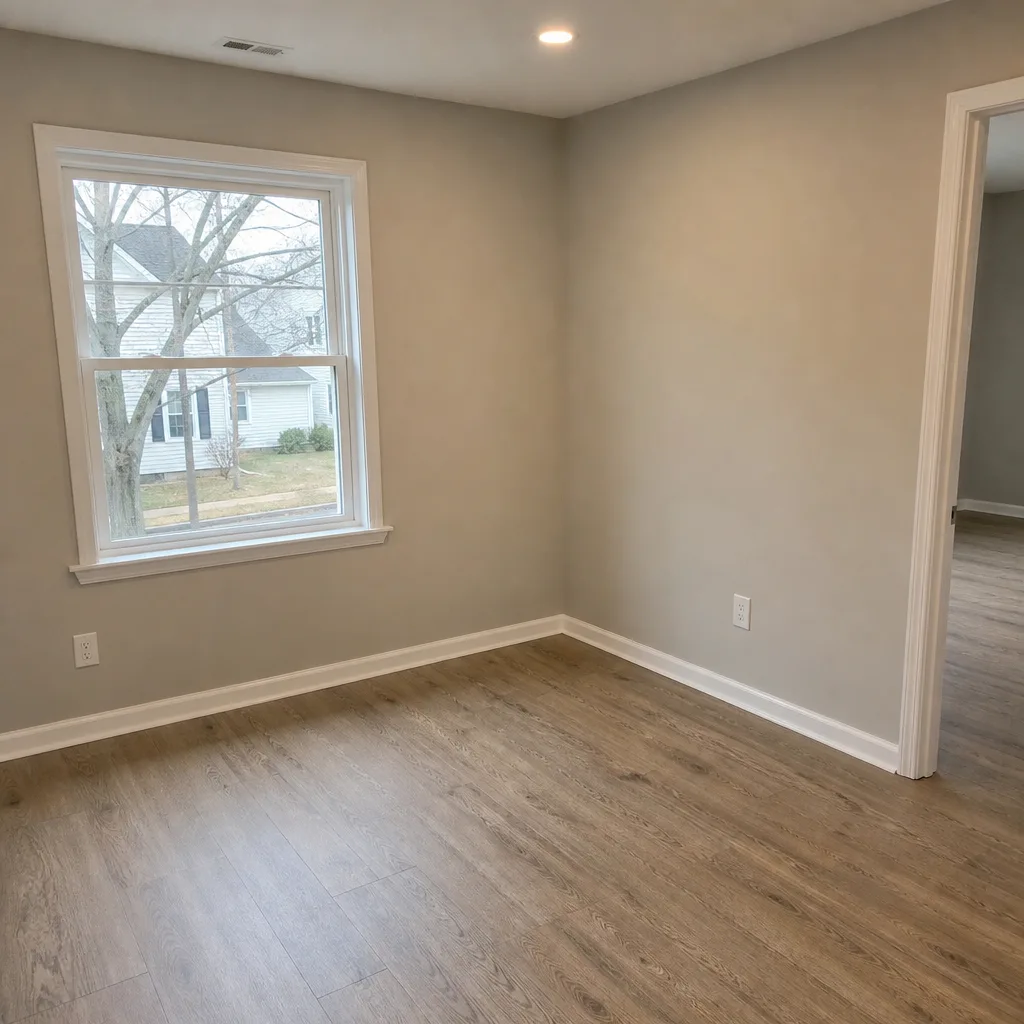
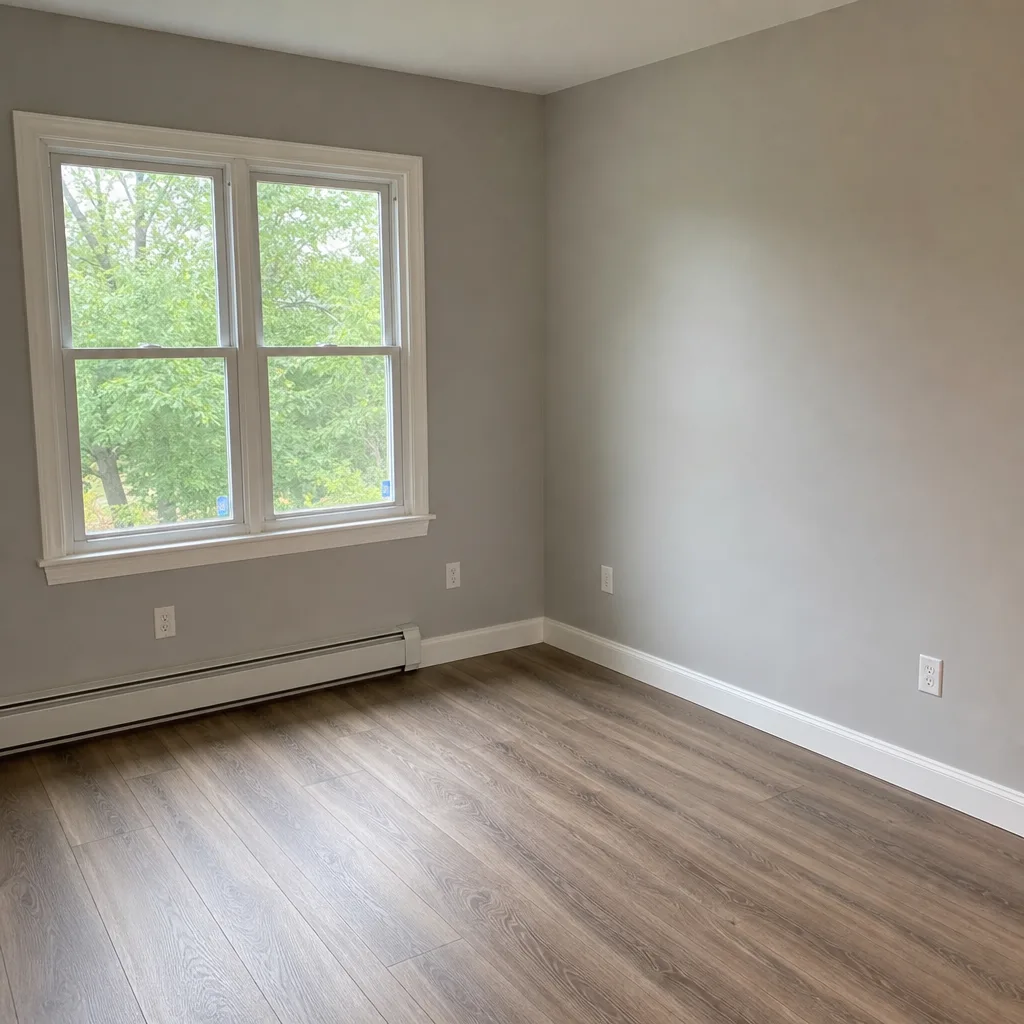
We rebuild what was removed: drywall, plaster, trim, flooring. The same IICRC-certified crew handles the reconstruction, so there’s no mid-job handoff and no finger-pointing. We stand behind the full scope with our 90-Day Done Right Promise.
Need Emergency Mold Remediation in Hackensack Now?
Crews minutes away, answering live 24 hours a day. The sooner we start, the less it costs.
Working With Your Insurance Company
Mold claims are scrutinized more than almost any other restoration work. Your carrier wants to know the moisture source, the measured extent of damage, and a defensible scope. We provide that from the first hour. Our technicians document conditions on arrival, photograph every affected surface, log moisture readings daily, and prepare a line-item estimate written to industry standards. We communicate directly with your adjuster and carrier, so you stay out of the middle. For Hackensack property owners, especially in multi-unit buildings where a claim can involve a master policy and an individual unit policy, having documentation that survives an adjuster’s questions is the difference between a covered claim and a denied one.
What We Provide Your Insurer
- Thorough documentation of the loss
- Photos of all damage, room by room
- Moisture readings and drying logs
- A detailed, line-item scope of work
- Direct coordination with your carrier
Built for Hackensack’s Loss Calendar
Hackensack’s mold season doesn’t follow a simple calendar. It follows the river. Late summer and early fall bring the highest storm surge risk, when a coastal system pushes water up the tidal Hackensack River and inland rainfall drains toward the same low ground. That’s when basements and ground-floor commercial spaces flood from both directions at once, and that’s when hidden mold gets reactivated. But winter does its own damage: January deep freezes crack supply lines in uninsulated wall cavities of Hackensack’s older walkups, and the slow leak that follows goes unnoticed until the must hits the hallway. Spring thaw saturates the soil around foundations, and aging cast-iron drains, already corroded from decades of service, back up or split. The pattern is simple: water finds the low ground, and in Hackensack, a lot of living space sits on the low ground.
Mold Remediation Across Hackensack’s Neighborhoods
The work changes block by block. Along the riverfront corridor near River Street and the low-lying streets west of the Hackensack River, we run into properties that took water during Irene and Sandy, and we find mold that was never properly removed. Many of those buildings were re-tenanted without full professional remediation, so the contamination sat behind finished walls for a decade. In the 07601 blocks around Main Street, we work in mixed-use buildings where a second-floor kitchen leak migrates through plaster ceilings into ground-floor retail. The 07602 neighborhoods near Hackensack University Medical Center and along Essex Street are denser residential walkups, many with shared wall cavities. A roof leak in one unit becomes a mold problem in three. On the western edge near the river, older single-family homes and small apartment buildings sit close to the water table, and below-grade spaces register high ambient moisture even when there’s no active leak. Each area needs a different scope, but they all need the same first step: a real assessment, not a sales visit.
Specialized Mold Remediation Services We Offer in Hackensack
Mold Inspection & Testing
Before any remediation work in Hackensack, we assess the true extent of contamination. In river-adjacent buildings, that means air sampling and surface sampling in rooms that tenants say are fine, because hidden mold behind plaster doesn’t always announce itself. We don’t sell testing as a scare tactic. We use it to write an honest scope.
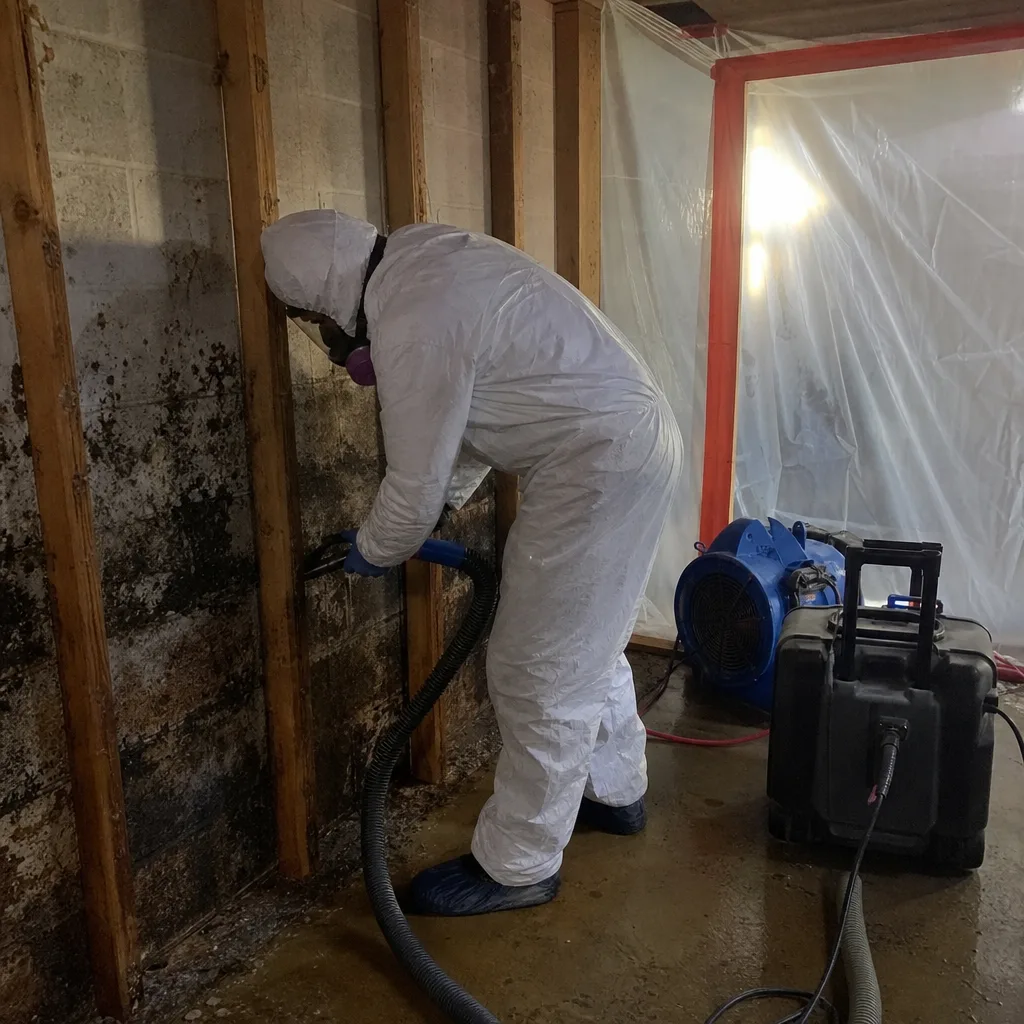
Mold Removal
Containment, negative air, HEPA filtration, removal of contaminated material, and antimicrobial treatment. For Hackensack’s older plaster-and-lath assemblies, removal is surgical: we preserve what’s sound, remove what’s colonized, and rebuild with materials that match the building’s age.
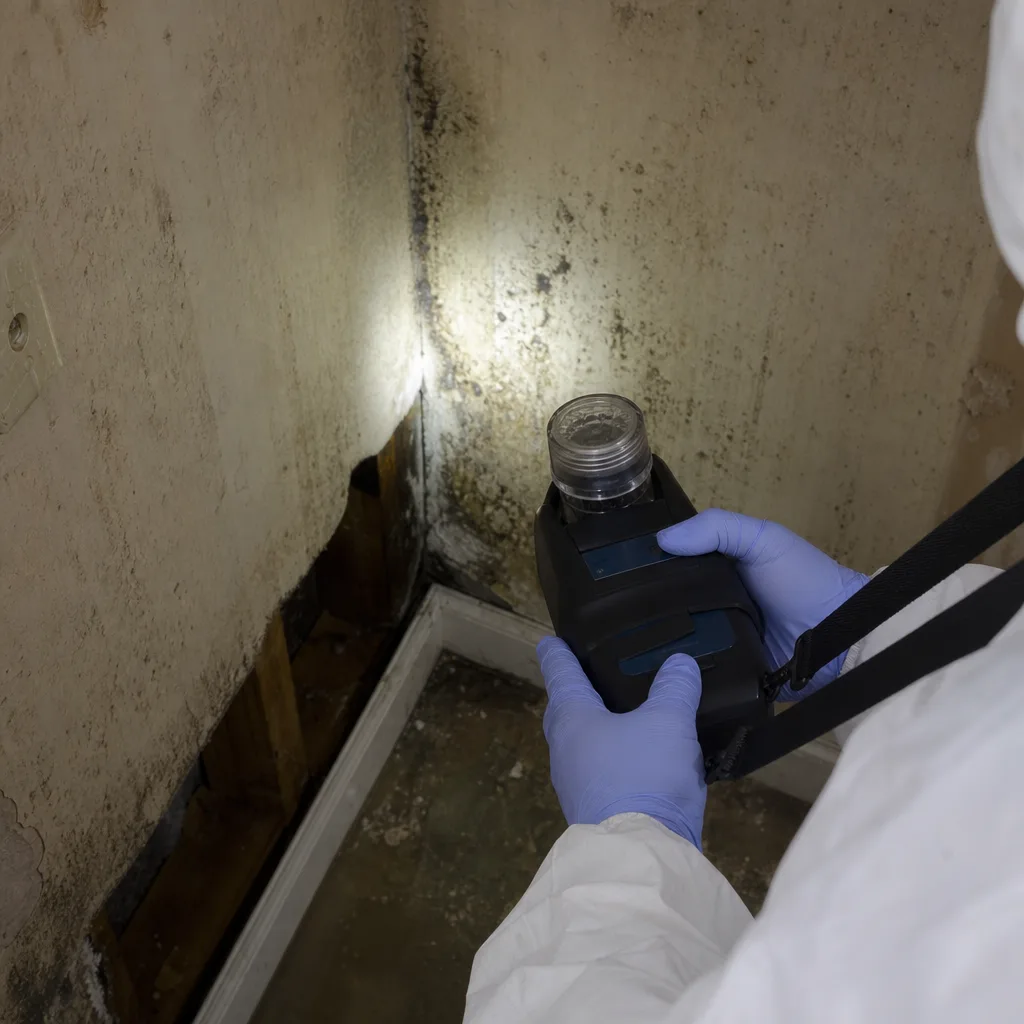
Black Mold Remediation
Stachybotrys, what people call black mold, grows on chronically wet cellulose: drywall paper, plaster keys, wood lath. Hackensack’s repeated flood cycles create exactly those conditions. We treat black mold with full containment and clearance testing, not bleach spray and a coat of paint.
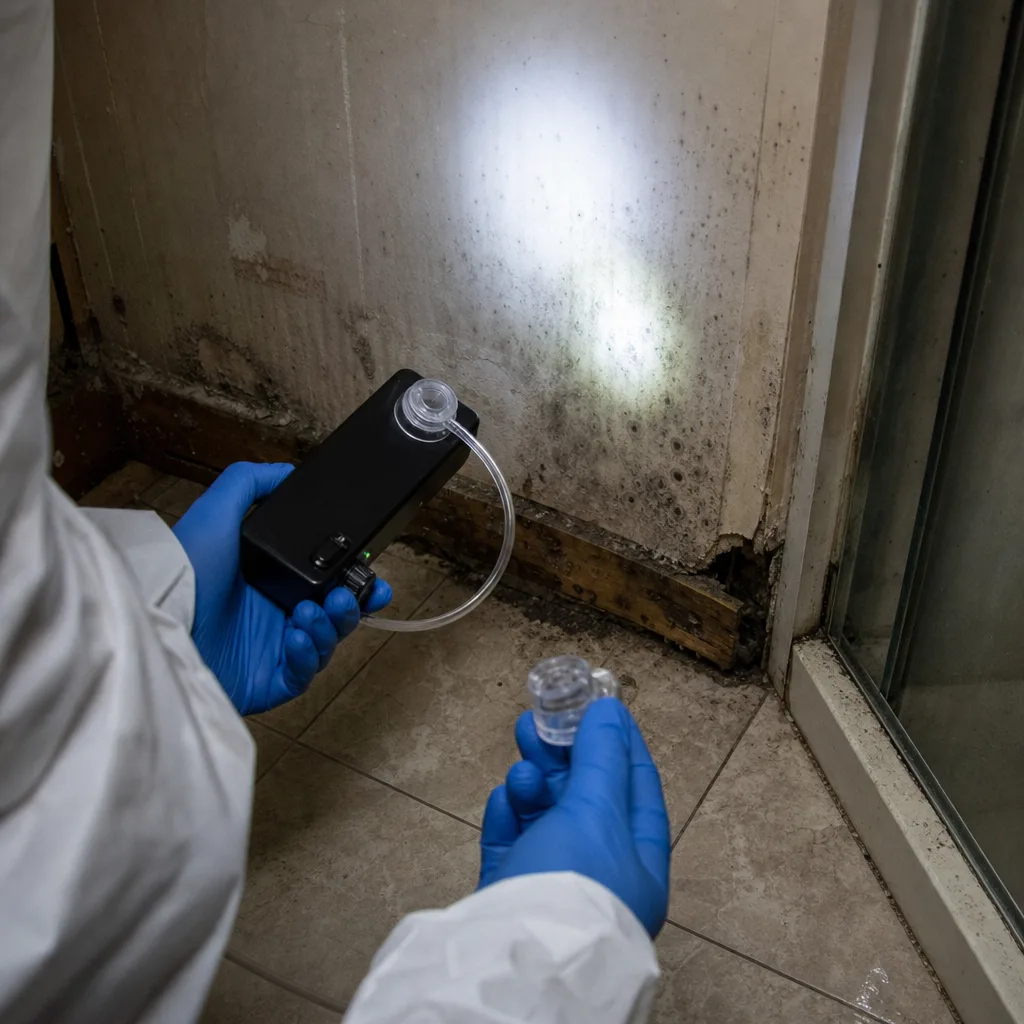
Air Quality Restoration
After removal, the air still holds what the walls released. We run HEPA scrubbers through containment and beyond, and we can arrange post-remediation air sampling so you have proof the space is clear. This matters in Hackensack’s multi-unit buildings, where neighbors share stairwells and hallway air.
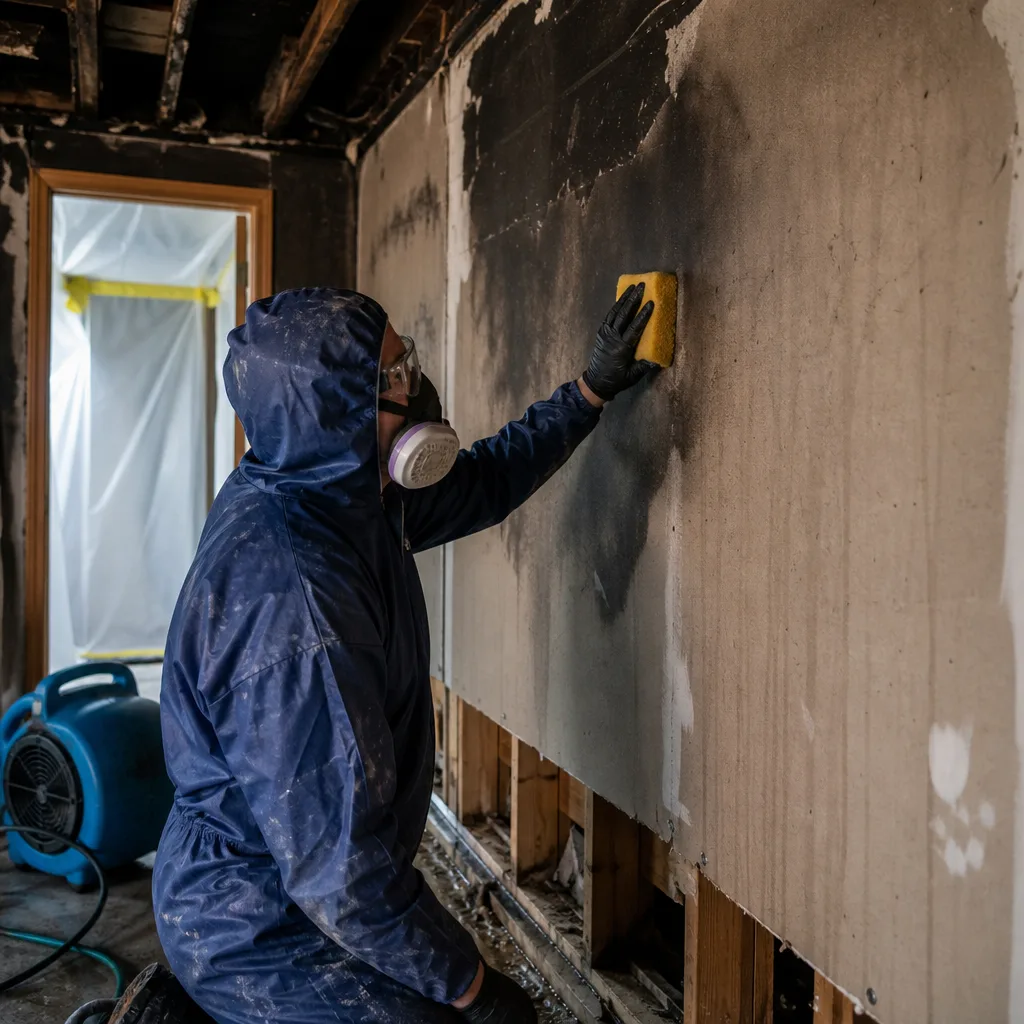
Crawl Space Treatment
Below-grade spaces near the tidal Hackensack River carry high ambient humidity year-round. We treat crawl spaces with drying, antimicrobial application, and encapsulation where the structure calls for it. In Hackensack, a crawl space that isn’t addressed will feed mold into the floor system above it, whether you see it or not.
What happens when you call
- 1
A real person answersNo phone trees - you reach a local pro.
- 2
You get an upfront price rangeHonest numbers before anyone is dispatched.
- 3
A background-checked tech heads outLicensed & insured, dispatched right away.
- 4
You approve before work beginsNothing starts until you say go.
Mold Remediation Costs in Hackensack, NJ
Here are real numbers for Hackensack’s market. A contained mold removal in a single bathroom or closet typically runs $1,800 to $3,500. A full basement or crawl space remediation with structural drying, antimicrobial treatment, and clearance testing usually lands between $4,000 and $9,000. When hidden mold spans multiple units in an older walkup, or when previous remediation failed and we’re correcting someone else’s incomplete scope, the job can reach $12,000 to $15,000. Insurance covers mold remediation when the mold resulted from a covered water event, like a burst pipe or storm flooding, and when the claim is documented properly. It typically does not cover mold from long-term neglect or chronic humidity. The free visual inspection is how you get a firm number instead of a guess. We’ll walk the property, map the moisture, and hand you a written scope with a fixed price before any work starts. No surprises on the bill.
We Also Serve Cities Near Hackensack
Our crews work throughout Bergen County. We handle mold remediation in Maywood, Lodi, Hasbrouck Heights, and Saddle Brook with the same IICRC-certified crews and the same written guarantee. If your property sits on the Hackensack side of the border or a few blocks over, we’ll be there when we say.
Serving Hackensack, NJ - Our Local Coverage Area
We’re based in the Hackensack area and know this community well. Use the map below to see our service coverage - if you’re nearby, we can almost certainly help.
Hackensack Mold Remediation Questions, Answered
How does Hackensack’s tidal river make hidden mold worse than in neighboring upland towns?
The Hackensack River is tidal at this point, so storm surge and inland rainfall push water levels up from both directions at once. Properties near the river flood repeatedly, and each flood reactivates mold that was never fully removed from the previous event. Upland towns like Maywood and Saddle Brook simply don’t carry the same layered moisture history.
Why do so many Hackensack apartment buildings have recurring mold despite prior remediation?
Previous remediators often skipped moisture mapping and closed walls too soon after visible mold was cleaned. In Hackensack’s older walkups, the real problem is usually galvanized supply pipes and cast-iron drains leaking behind walls, feeding mold from a source that was never repaired. Without mapping the moisture source, any remediation is temporary.
What does a mold assessment reveal in low-lying Hackensack neighborhoods after two hurricanes?
It reveals what was missed. In the 07601 riverfront corridor, we regularly find active efflorescence and hidden mold behind plaster-and-lath from pre-Sandy flooding that was never properly dried. Properties were sold or re-tenanted after Irene and Sandy without full professional remediation, so contamination sat sealed inside walls for a decade. Every new job in those blocks starts with an assessment before any scope is written.
How quickly does mold spread in Hackensack basements after tidal flooding?
Under the right conditions, mold colonization begins within 48 to 72 hours of water intrusion. In Hackensack basements near the river, where ambient humidity stays high, that timeline shortens. By the time you smell it or see staining, the colony has usually been growing for days inside the wall cavity. Call (640) 356-1140 the day you find water, not the week after.
Why is moisture mapping critical before writing a mold remediation scope in Hackensack?
Because Hackensack’s layered flood history means water often traveled further than the visible staining shows. Moisture mapping uses penetrating meters and thermal imaging to find water that wicked into adjacent wall cavities, under base plates, and behind shared walls between units. A scope written without that data is a guess, and a guess is how you end up remediating the same room twice.
How fast can someone actually get to my Hackensack property?
Our dispatchers answer live 24 hours a day. We commit to having a crew dispatched within 45 minutes of your call, and we’ll give you an arrival window when you call. For properties in 07601 and 07602, we’re minutes away, not hours. Call (640) 356-1140 and you’ll talk to a person.
Will my insurance cover mold remediation in Hackensack?
It depends on the source. Mold from a sudden, covered water event like a burst pipe or storm flooding is often covered when documented properly. Mold from long-term humidity or neglected leaks typically isn’t. We document everything from the first hour and bill your carrier directly, so you don’t litigate the claim alone.
What should I do in the first 30 minutes after finding mold in Hackensack?
Don’t disturb it. Don’t open the wall, don’t run fans across it, don’t spray bleach. Disturbing a mold colony releases spores into the air and spreads the problem. Close the door if you can, shut off HVAC to that area, and call (640) 356-1140. We’ll talk you through the next hour and get a crew moving.
Written by Curt Bowman, Owner at Floodline Restoration Co., serving Hackensack and Bergen County. We answer the phone with a person, we stand behind our work in writing, and we start at the line the water left.