
Free visual inspection and a written scope of work before any mitigation begins - photos, moisture readings, and drying logs go in your claim file
The scope we write is the scope we bill. Anything new gets shown to you, in writing, before we touch it.
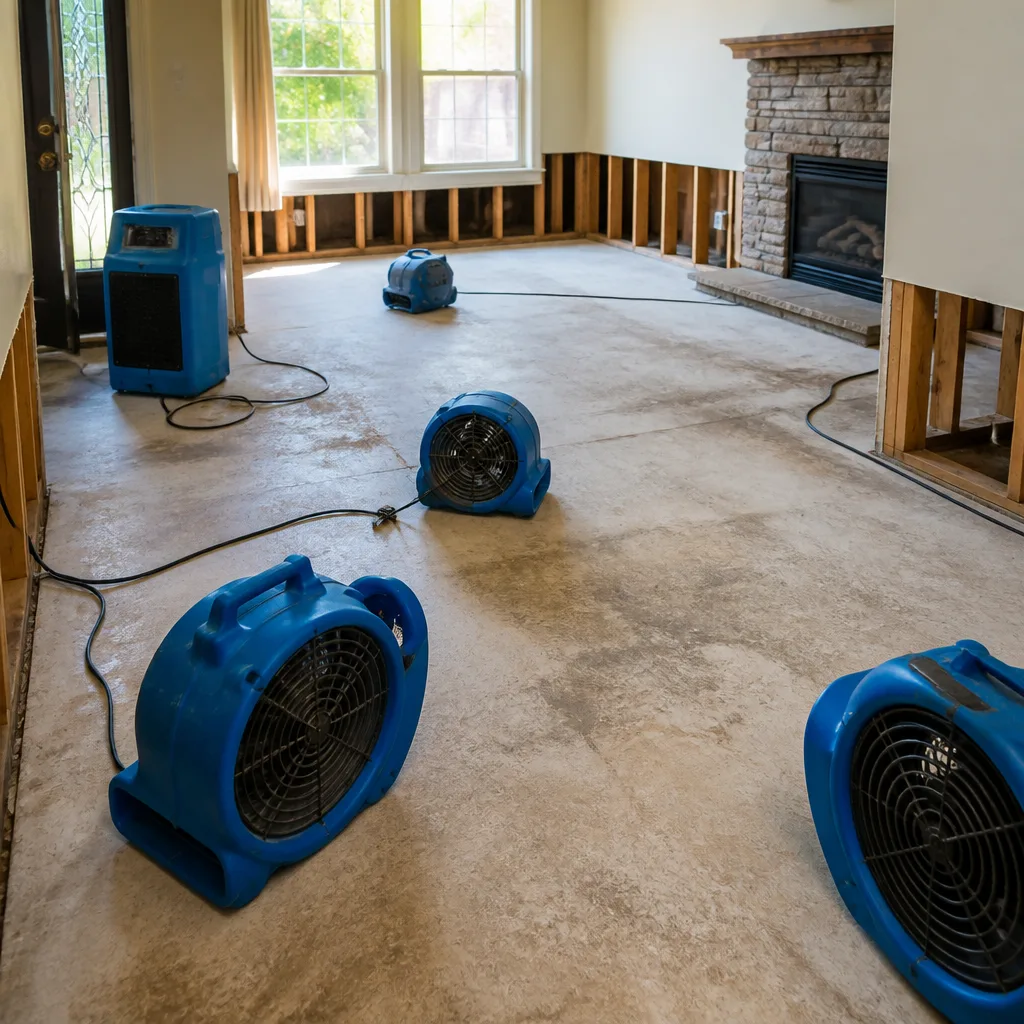
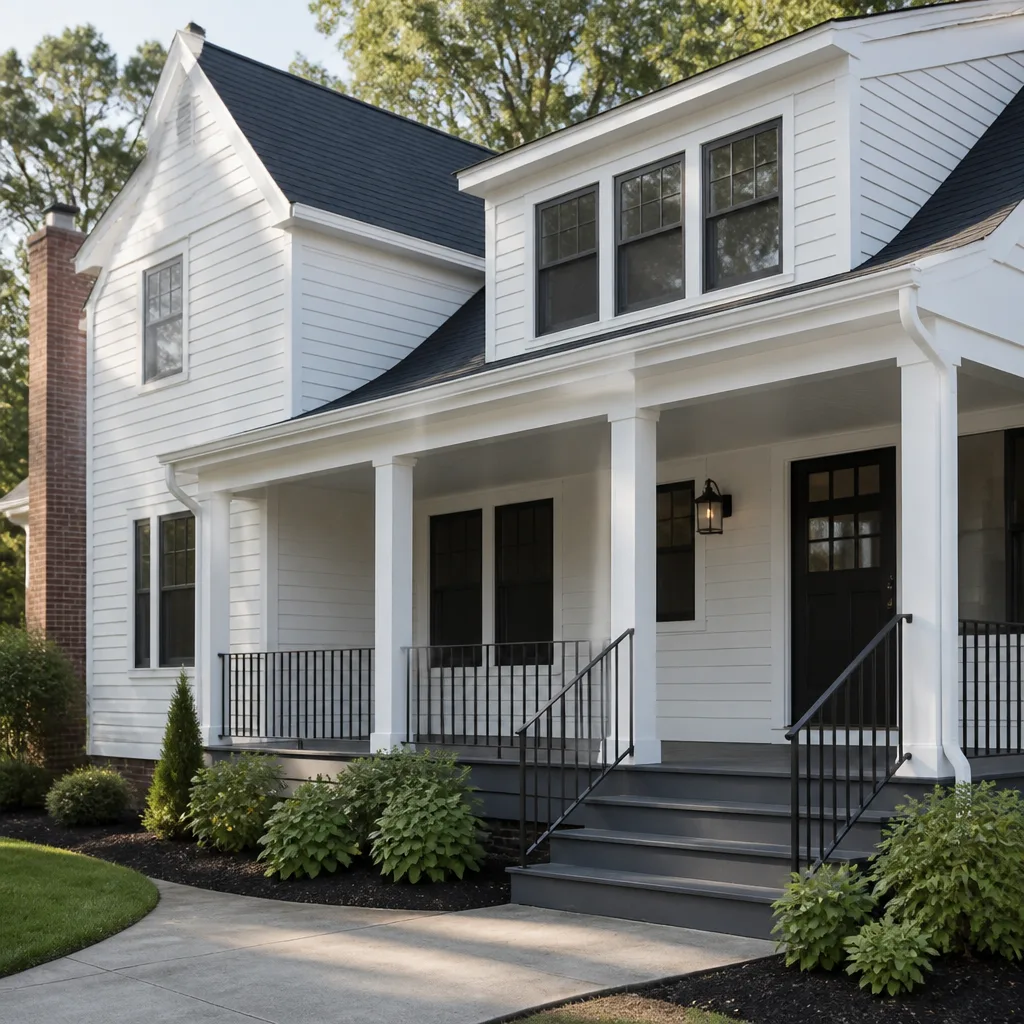
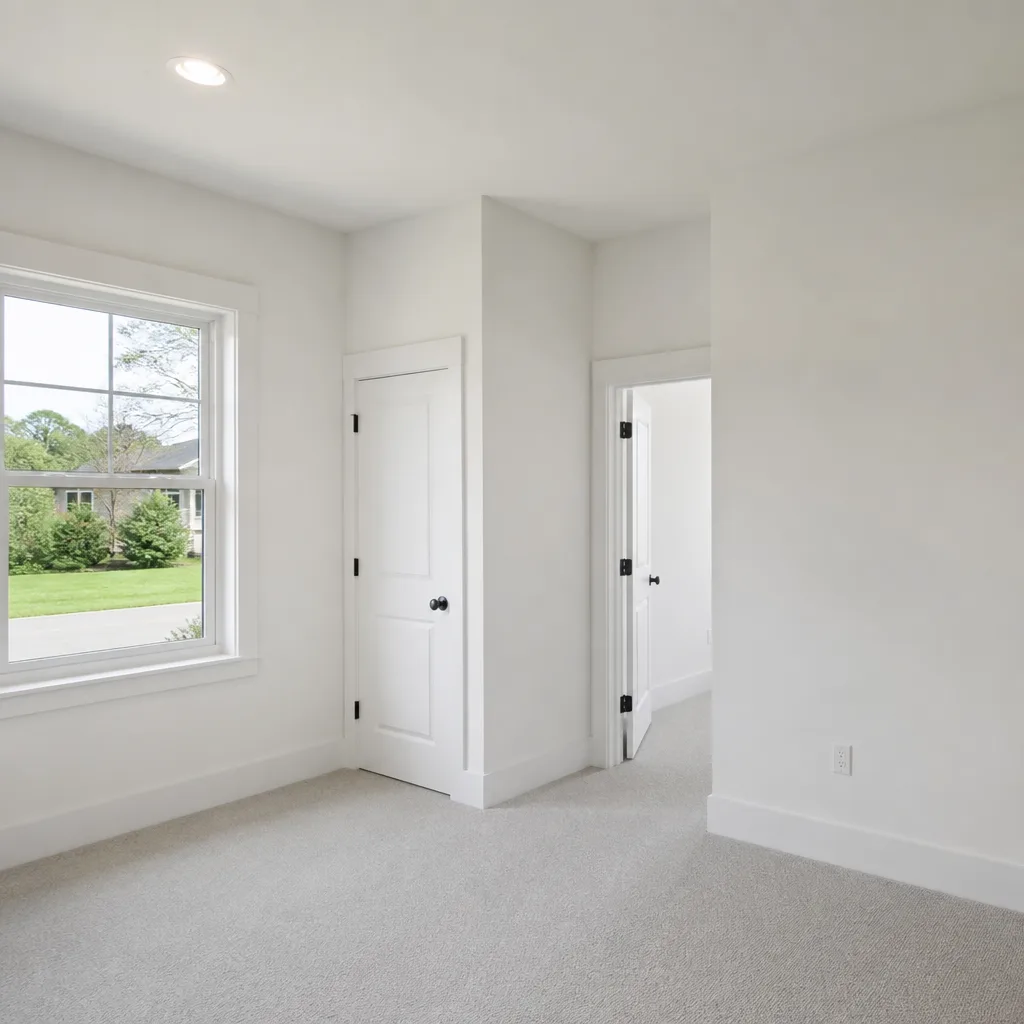
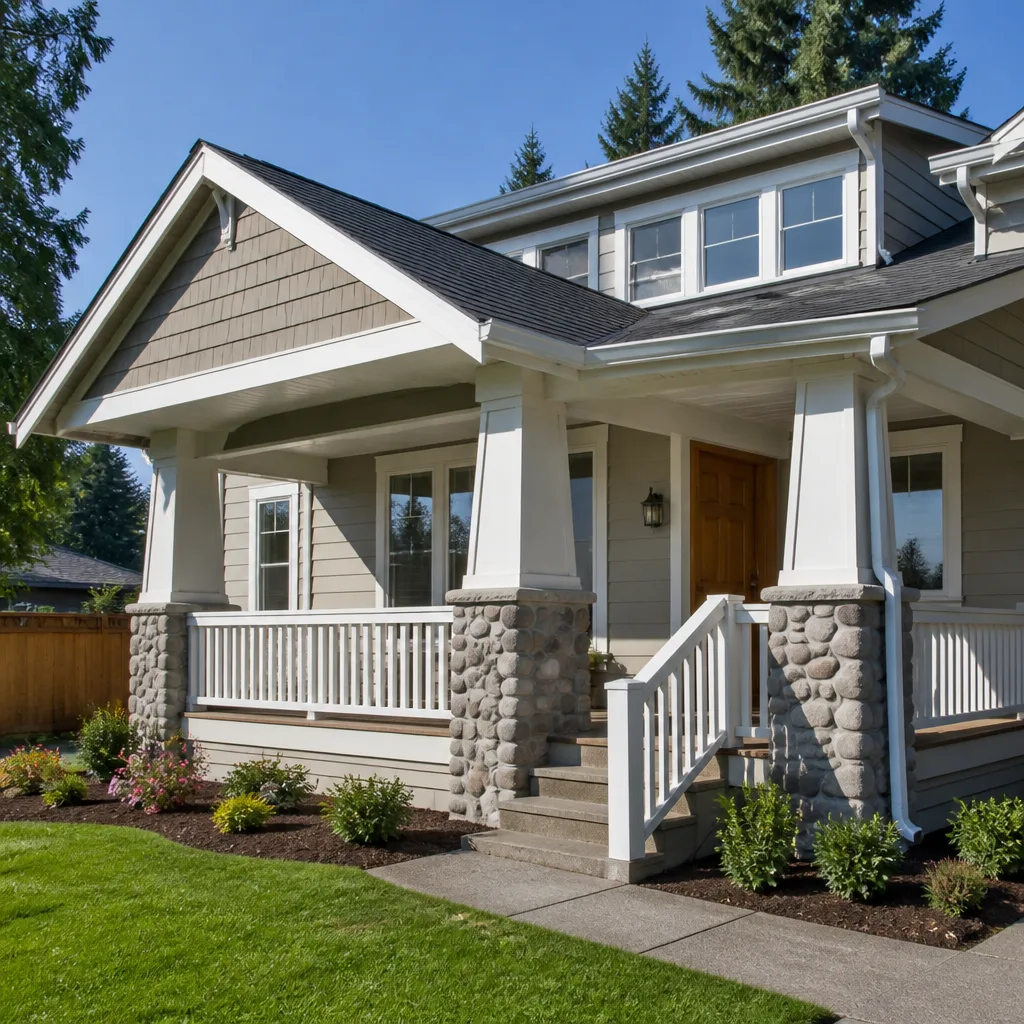
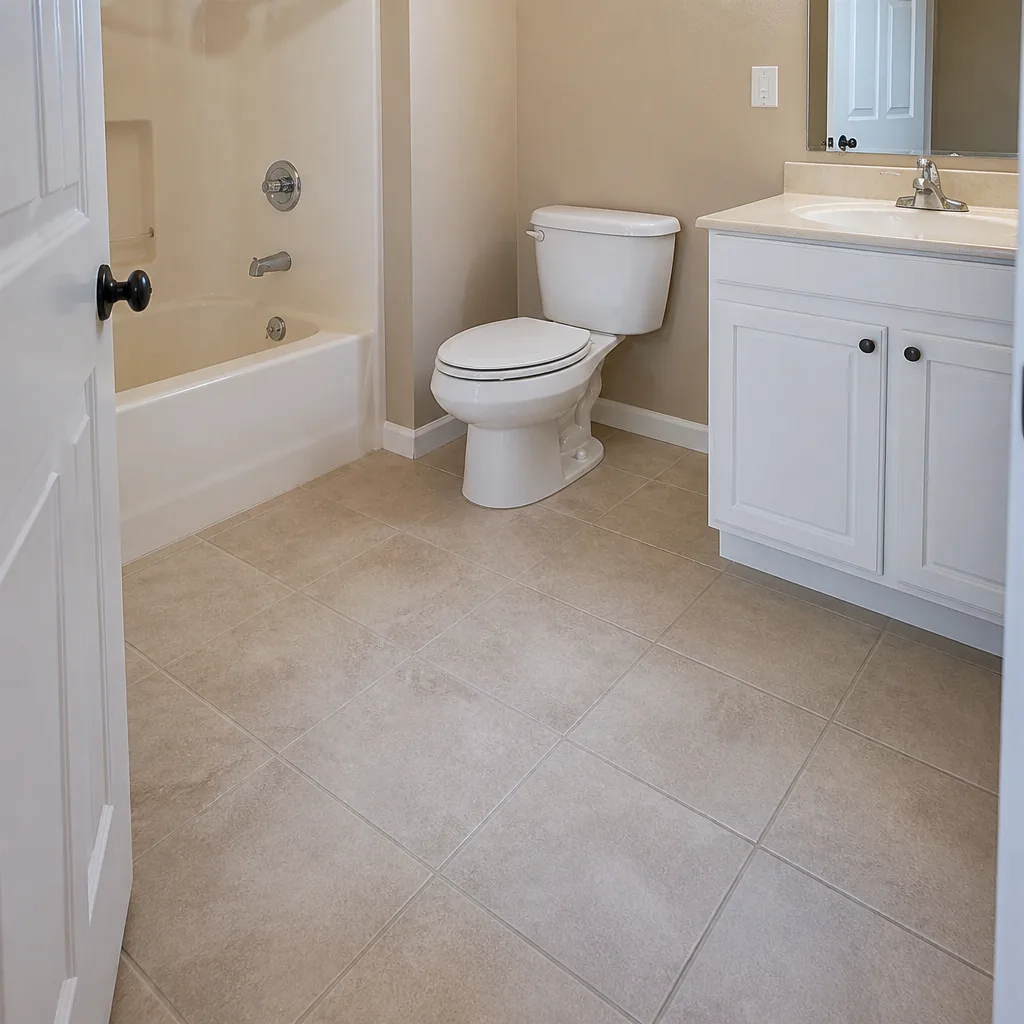

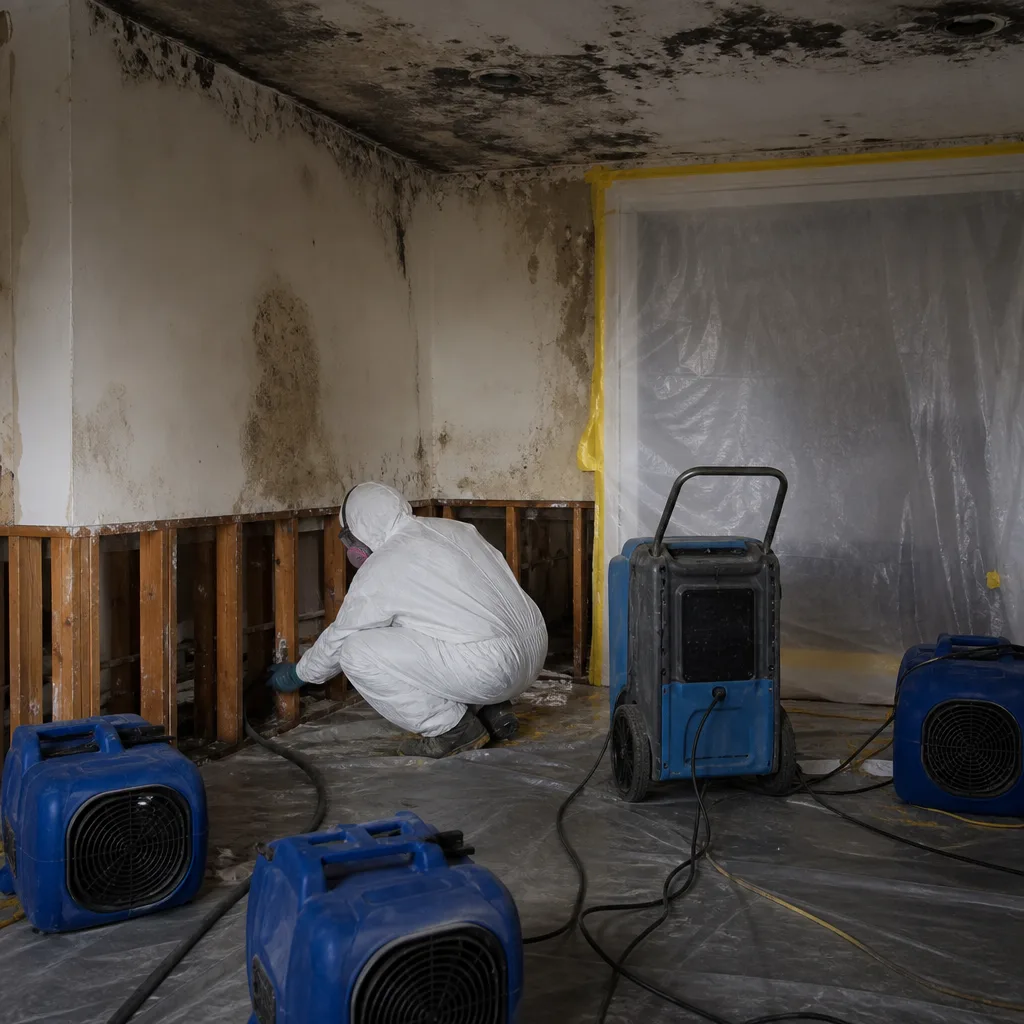 Before
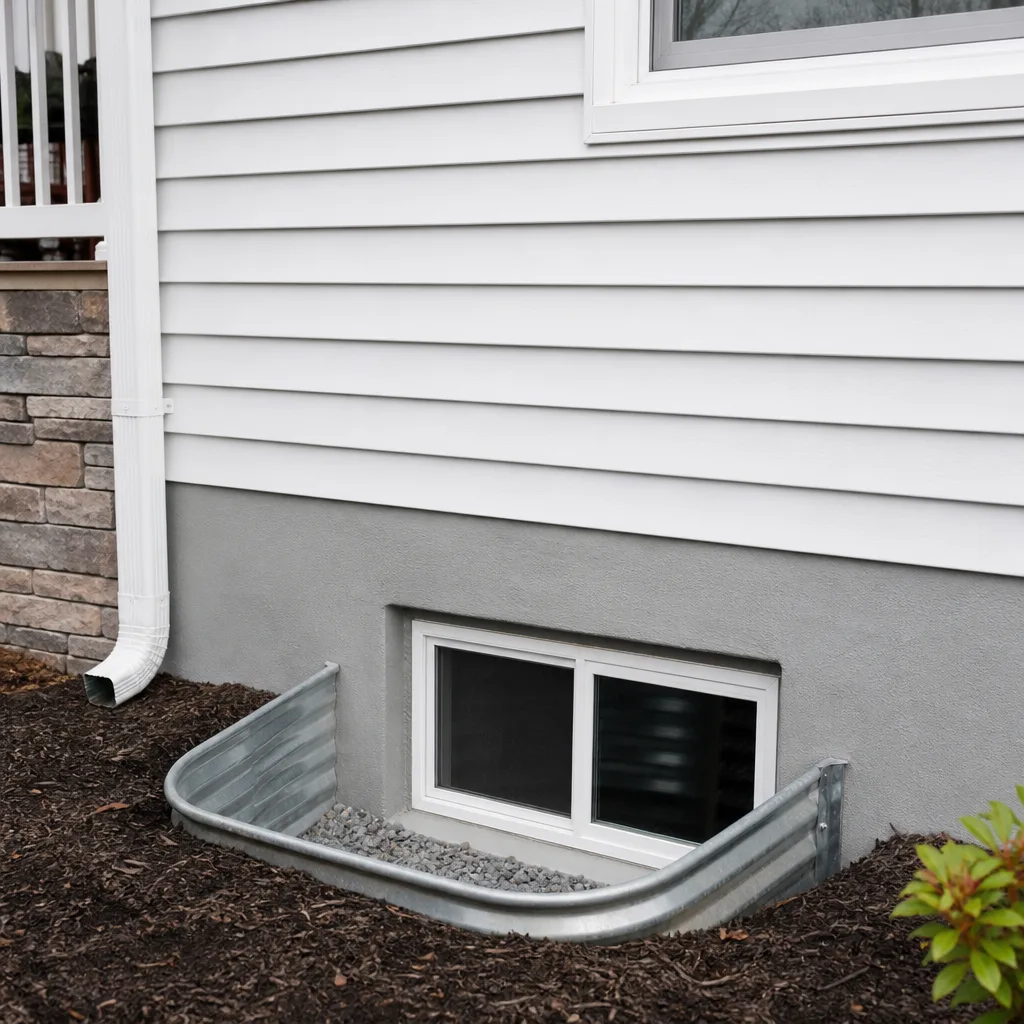 After
After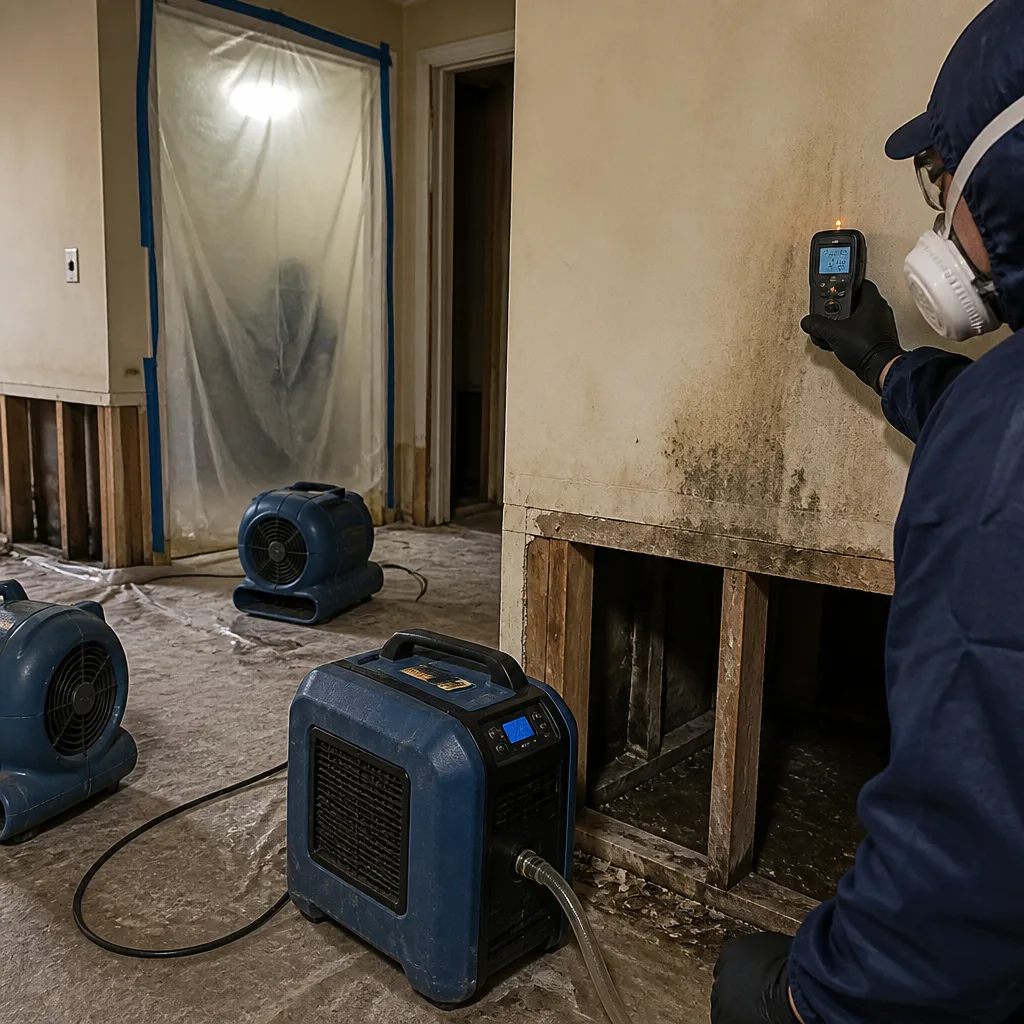 Before
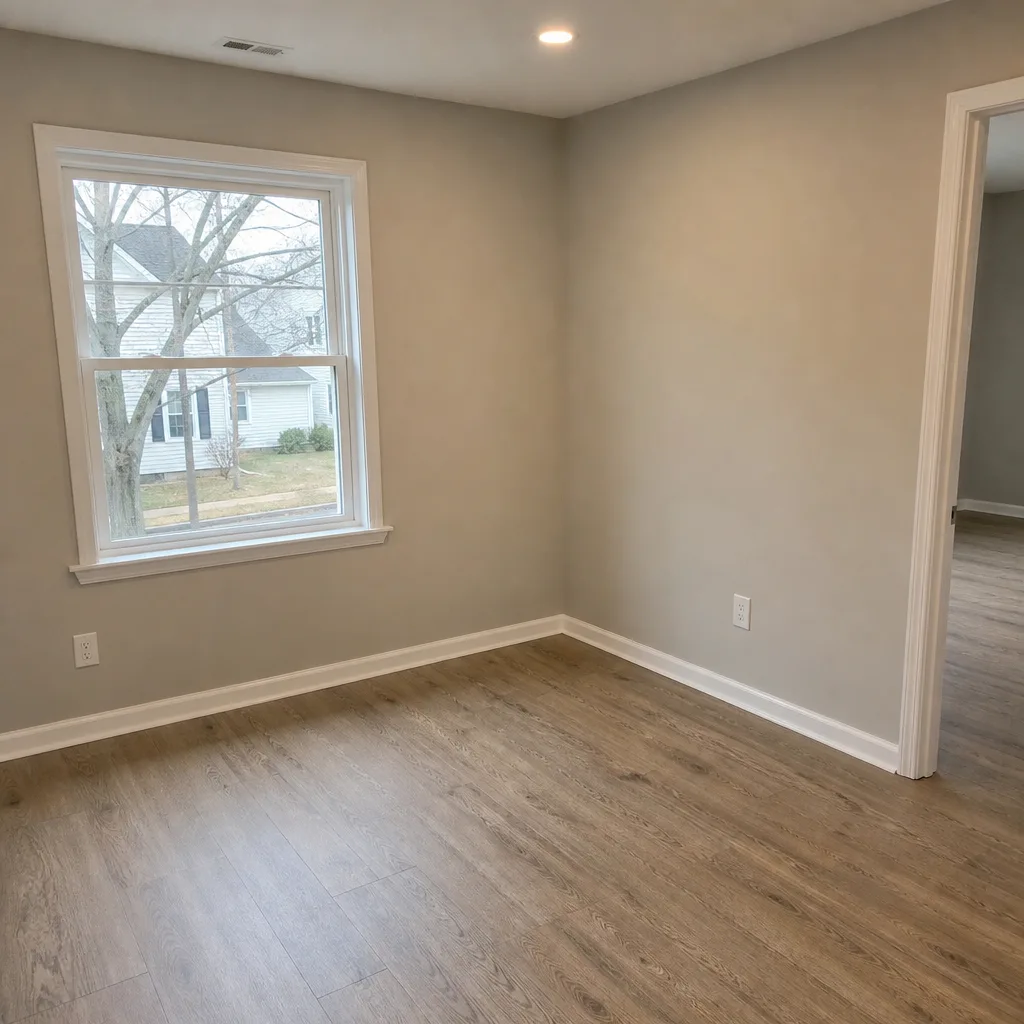 After
After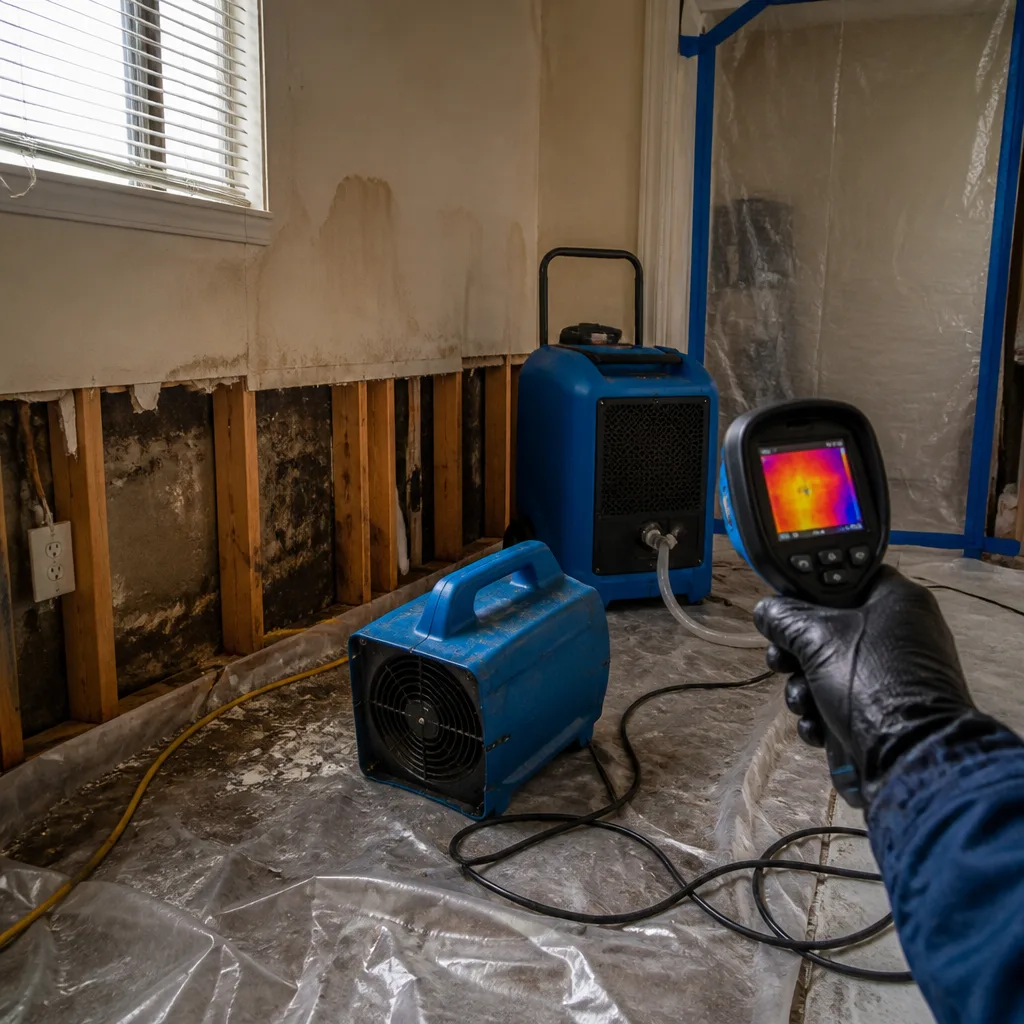 Before
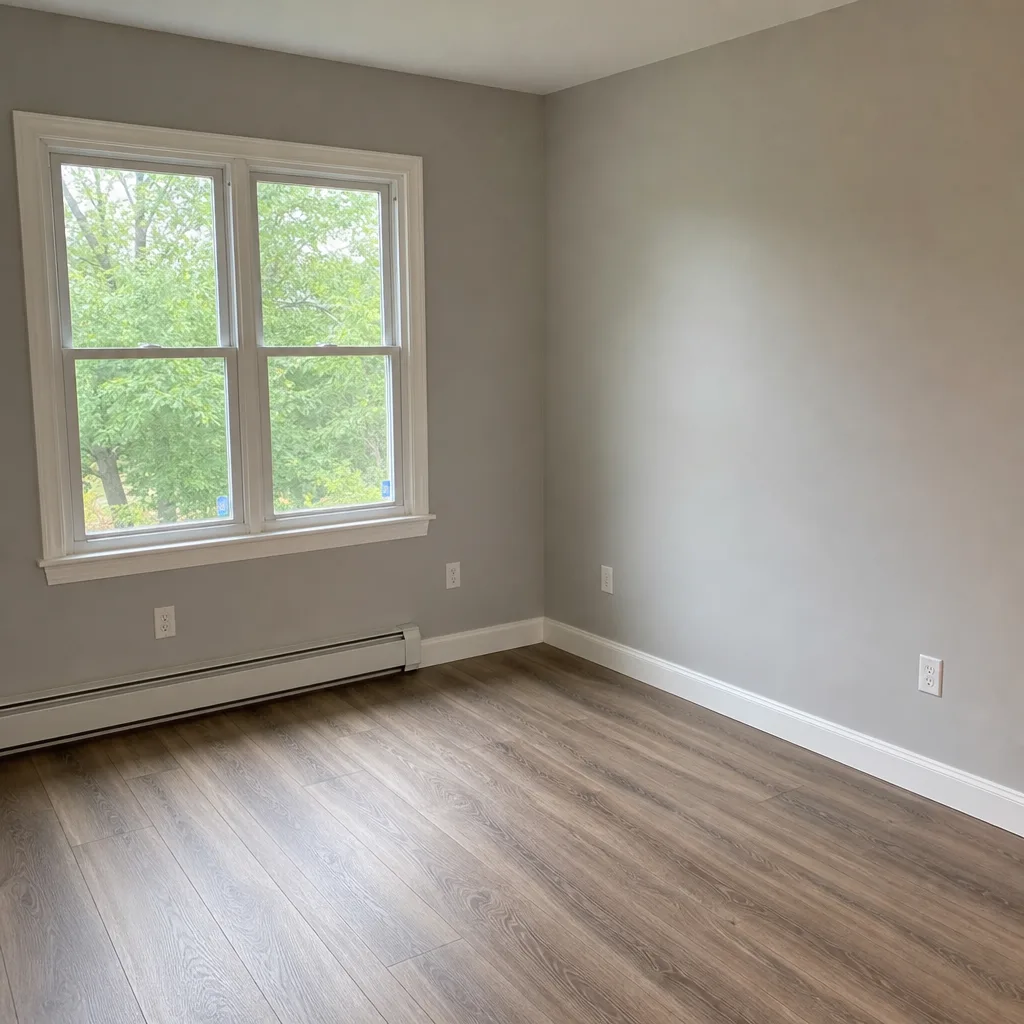 After
After24/7 Emergency Reconstruction & Cleanup in Getty Square
Reconstruction and cleanup in Getty Square starts with a phone call to (640) 356-1140, answered live by a dispatcher at any hour. We dispatch crews into Getty Square’s dense streets within 45 minutes, often faster when we already have a team working a site along South Broadway or Main Street. The first visual inspection is free. What matters in the first hour after a sewer backup, a burst supply line, or a storm surge is getting extraction running and a moisture map started before water migrates through timber joists and original plaster. Getty Square’s older masonry buildings hold water differently than suburban frame houses, and every hour of delay pushes the final rebuild further out. Call now and a crew reaches you the same visit.
Understanding Reconstruction & Cleanup Severity in Getty Square Properties
Reconstruction severity in Getty Square runs on a scale most suburban contractors never see. The dense urban building stock here, 3-to-6-story brick tenements and mixed-use commercial spaces dating from the late 1800s through the 1920s, means water moves through plaster-on-lath, timber joists, and repeated brick wythes in ways that trip up standard moisture meters. Category 1 water, a clean supply-line break, still wicks through lime plaster and can saturate joist ends pocketed into exterior masonry walls. Category 2 water, gray water from washing machines or sump failures, carries contaminants that require antimicrobial treatment before any rebuild. Category 3 water, sewage or river overflow from the Saw Mill or Hudson, demands full containment, removal of saturated porous materials, and air scrubbing before reconstruction begins. In Getty Square specifically, the high water table and partially culverted Saw Mill River keep basement slabs chronically damp, so even a “small” Category 1 leak often sits on top of years of existing moisture. The right diagnosis separates what dries in place from what has to come out.
Why Getty Square Property Owners Choose Floodline Restoration Co.
- 45-minute response commitment: Our dispatch board shows every active crew in real time, so when you call from Getty Square, we send the nearest team, not the next one on a list.
- A live person answers, 24/7: You reach a dispatcher, not a recording, at 2 a.m. on a Sunday. That dispatcher knows which crews are on the ground in Getty Square right now.
- IICRC-certified crews on every job: Our technicians carry WRT, FSRT, and AMRT certifications and have worked inside Getty Square’s pre-war masonry buildings, not cookie-cutter suburban basements.
- Free visual inspection with moisture mapping: We bring Dri-Eaz infrared cameras and hygrometers on the first visit so the scope of work is based on measurements, not guesses.
- Direct insurance billing: We bill your carrier directly and handle adjuster communication, so you’re not the middleman translating a contractor’s estimate into insurance-speak.
- One team from extraction to finished rebuild: The same crew that runs the drying logs day one reconstructs the drywall and flooring day twelve. No handoffs, no inherited crew, no lost information.
Our Reconstruction & Cleanup Process
Inspection & Assessment
We inspect the full loss, not just the visible damage. Thermal imaging and penetrating moisture meters read through plaster and behind baseboards to map how far water has traveled. In Getty Square’s older buildings, that map often extends further than the stain suggests.
Extraction & Stabilization
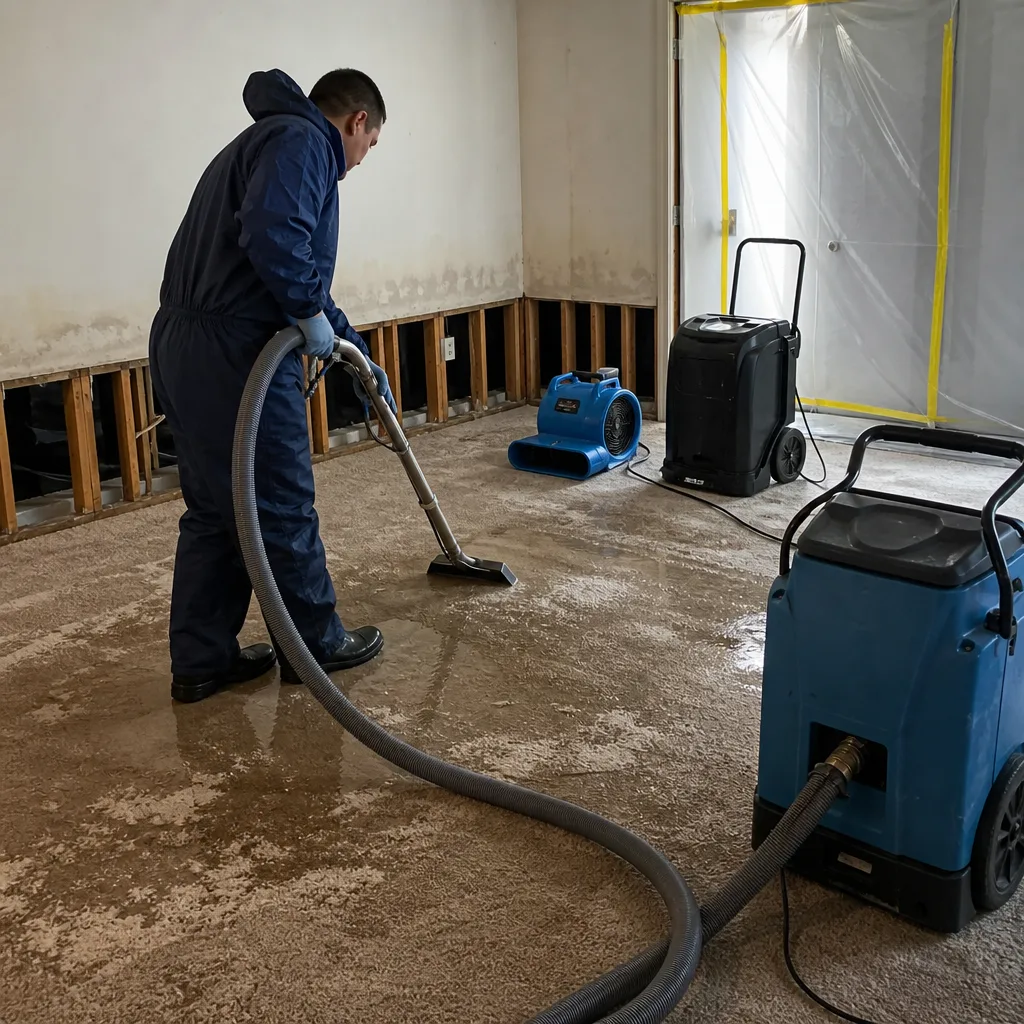
We pull standing water with truck-mounted and portable extraction units sized for tight alley-load access. Where the loss involves sewage or river water, we set containment and remove saturated materials under Category 3 protocols.
Structural Drying & Dehumidification
XPOWER air movers and Phoenix desiccant dehumidifiers run continuously, with daily moisture readings logged until the dry standard is met. Timber joists in Getty Square’s high water table dry slower than you’d expect, and we account for that in the drying plan.
Cleaning & Sanitization
Surfaces, contents, and affected structural cavities get cleaned and treated with appropriate antimicrobials. HEPA air scrubbers run where mold spores or soot particles are in play.
Contents Restoration & Pack-Out
Where a full gut is required, we pack out furniture and belongings, document every item for your claim, and restore what can be saved. For a 1920s tenement apartment on South Broadway, that means photographing, inventorying, and cleaning rather than writing things off.
Repairs & Reconstruction
Drywall, flooring, trim, cabinetry, and structural repairs go back in after the moisture log shows the structure is dry. We do not hang new drywall over wet joists, because in Getty Square that guaranteed callback arrives after the next heavy rain.
Need Emergency Reconstruction & Cleanup in Getty Square Now?
Crews minutes away, answering live 24 hours a day. The sooner we start, the less it costs.
Working With Your Insurance Company
Insurance claims in Getty Square carry extra layers, and we handle them directly. Flood damage in the FEMA Special Flood Hazard Zone may involve a separate flood policy beyond standard homeowners coverage, and sewer backup claims often have their own endorsement. Our team documents everything starting the first hour: photos room by room, moisture readings, drying logs, and a line-item scope of work written in the format carriers accept. We speak with your adjuster directly, send the documentation ourselves, and bill the carrier rather than asking you to chase reimbursement. For a neighborhood where the Saw Mill River, the Hudson, and an aging combined sewer system all threaten the same basement, a claim file built by a restoration contractor who knows what the insurer needs is worth real money.
What We Provide Your Insurer
- Thorough documentation of the loss
- Photos of all damage, room by room
- Moisture readings and drying logs
- A detailed, line-item scope of work
- Direct coordination with your carrier
Built for Getty Square’s Loss Calendar
Getty Square’s reconstruction needs follow the rivers more than the seasons. January deep freezes split supply lines in unheated stairwells and behind uninsulated brick walls, and the thaw that follows sends meltwater into basements already sitting at the water table. Spring rain pushes the Saw Mill River out of its culvert and into combined sewers that were never designed for today’s volume, backing Category 3 water up through floor drains in the oldest buildings near the confluence. Summer thunderstorms flash-flood low-lying streets faster than catch basins can drain, and every nor’easter that funnels up the Hudson puts water against the same waterfront blocks. Hurricane Sandy set the benchmark for storm surge here, and the neighborhood remains in a FEMA Special Flood Hazard Zone. We schedule our crews around this calendar because we’ve watched it repeat for years. When a storm forms off the coast, Getty Square is on our board before it makes landfall.
Reconstruction & Cleanup Across Getty Square’s Neighborhoods
Getty Square’s blocks each present different access and building conditions. Around Main Street and South Broadway, commercial storefronts sit over basements that flood first when the combined sewer backs up, and rebuilding means working around business hours and tight sidewalk clearances. The residential side streets off North Broadway, including pre-war walk-ups and converted tenements, have narrow stoops and alley-load entries where we stage smaller equipment and hand-carry materials rather than block the street. The blocks running toward the Saw Mill River, including properties near the daylighted section, fight chronic basement seepage even on dry weeks, and reconstruction there has to start with hydrostatic water management, not just patching drywall. Down toward the Hudson waterfront, tidal surge pushes water into ground-floor units in ways that require full flood-cut protocols: cut the drywall above the water line, remove insulation, treat the cavities, and rebuild. Older tenement buildings on Larkin Plaza side streets have timber joists pocketed into party walls, where hidden moisture travels horizontally between units and turns one apartment’s leak into a shared drying project.
Specialized Reconstruction & Cleanup Services We Offer in Getty Square
Full-Service Reconstruction
We rebuild what water, fire, or mold removed. That includes structural repairs, drywall, flooring, trim, paint, and cabinetry, handled by the same certified crew that ran the drying equipment. For Getty Square’s older buildings, full-service means matching existing materials and respecting the building’s age rather than slapping in whatever is cheapest. The 90-Day Done Right Promise applies in writing: if it’s not done right, we make it right.
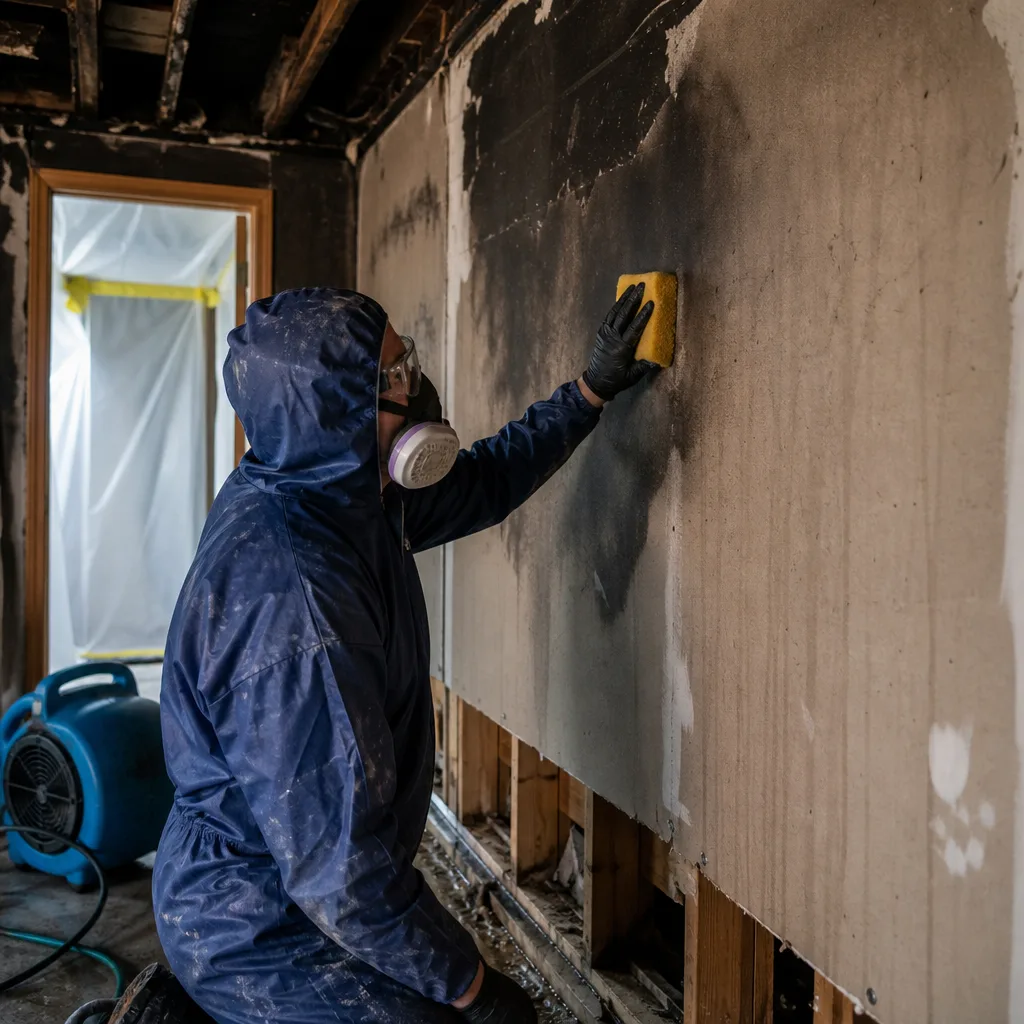
Contents Restoration & Pack-Out
When a Category 3 sewer backup or flood forces a gut, your belongings need somewhere to go. We inventory, pack, transport, clean, and store contents, then return them when reconstruction is finished. In a ground-floor South Broadway apartment we rebuilt after a sewer backup, the pack-out alone saved the tenant’s furniture, clothing, and paperwork from being written off by an adjuster who assumed everything was a loss.
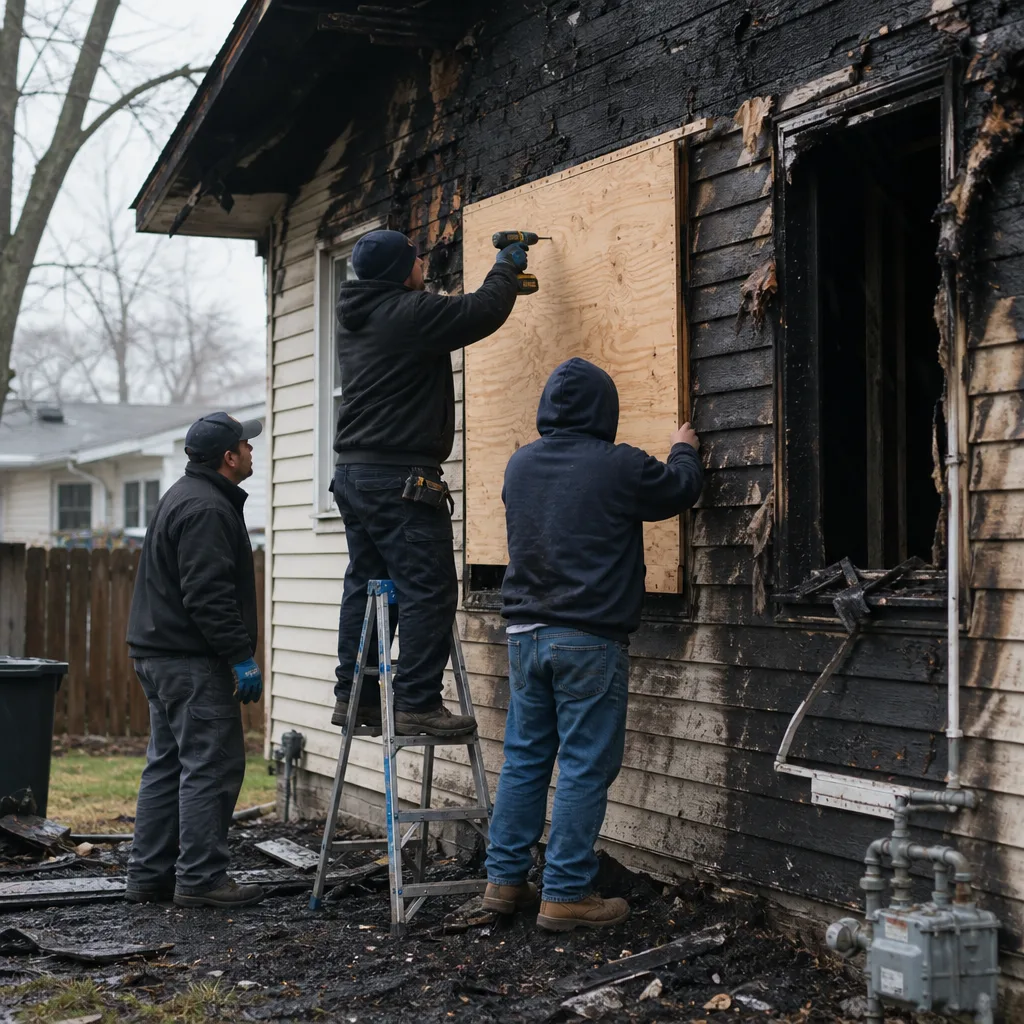
Drywall & Flooring Repair
Drywall and flooring in Getty Square’s pre-war buildings fail on a different timeline than suburban homes. Plaster-on-lath holds water longer, and hardwood over timber joists wicks moisture from below. We do not fast-track these repairs. Drying logs have to show the structure is dry before new materials go in, because new drywall hung over wet joists in this neighborhood re-fails within months.
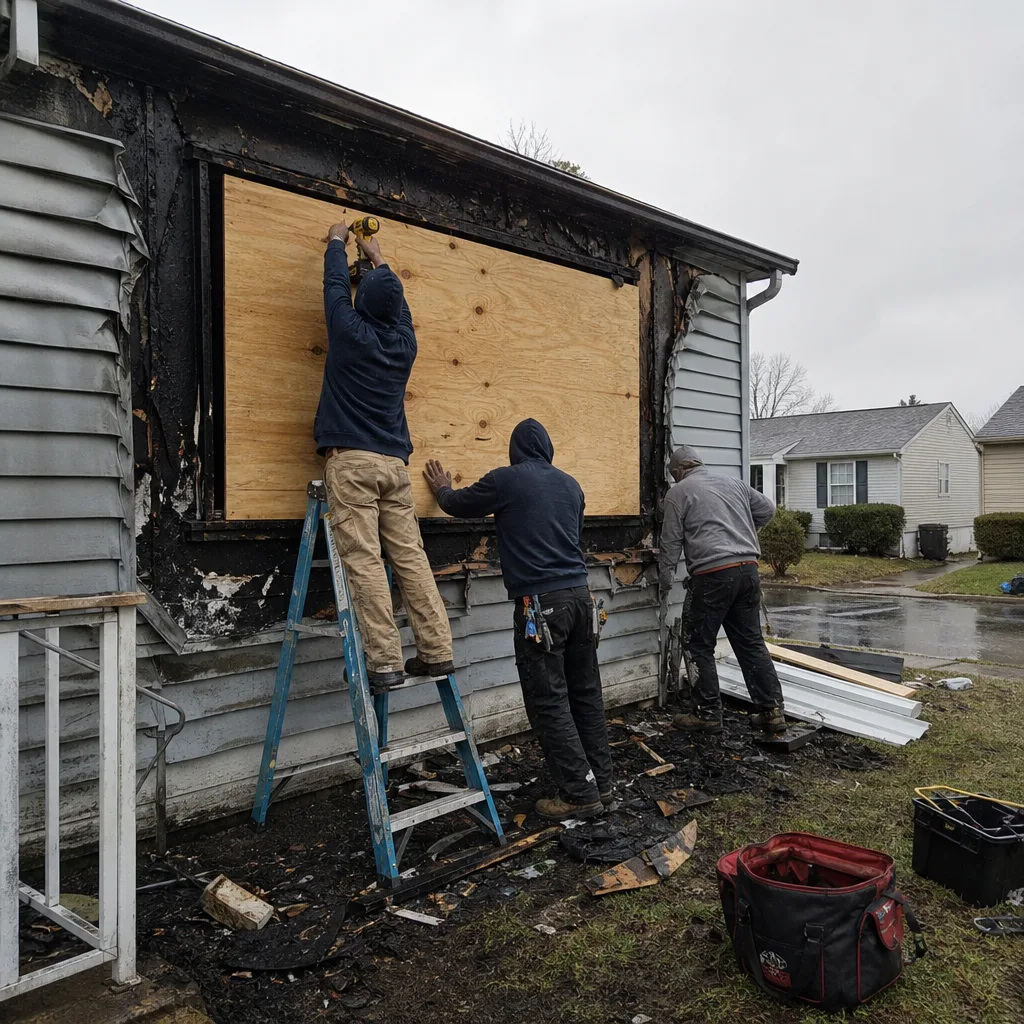
Carpet & Upholstery Cleaning
After water or fire damage, soft surfaces need professional extraction and cleaning, not a rented machine from the grocery store. We use professional-grade extraction equipment and cleaning agents appropriate for the material. Where smoke damage has permeated upholstery, we treat for odor and soot residue rather than masking with fragrance.
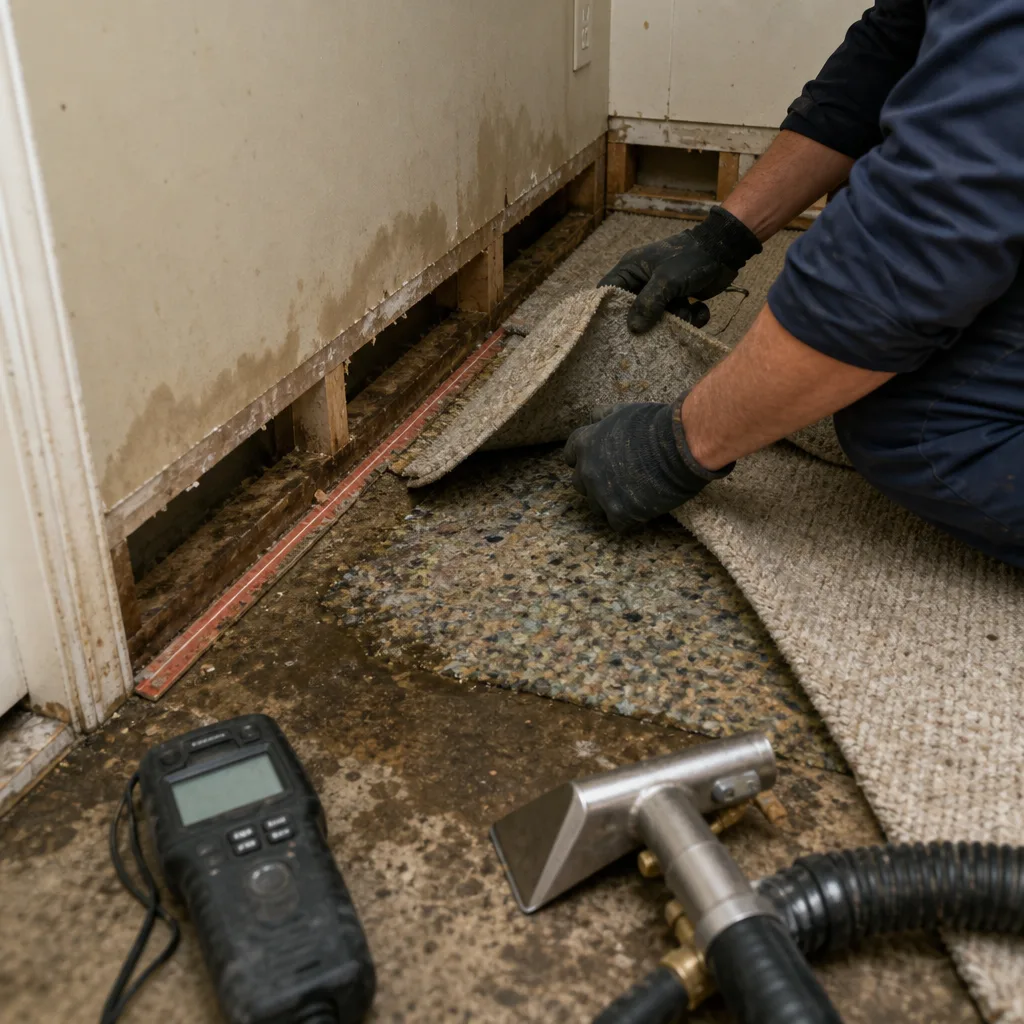
Post-Construction Cleanup
After reconstruction, the job isn’t done until the dust is gone. We remove construction debris, clean surfaces, and leave the space ready to live in. For Getty Square’s small units and tight hallways, we coordinate debris removal with the building’s access constraints, which usually means smaller containers and more trips rather than one oversized dumpster that blocks the block.
What happens when you call
- 1
A real person answersNo phone trees - you reach a local pro.
- 2
You get an upfront price rangeHonest numbers before anyone is dispatched.
- 3
A background-checked tech heads outLicensed & insured, dispatched right away.
- 4
You approve before work beginsNothing starts until you say go.
Reconstruction & Cleanup Costs in Getty Square, NY
Honest numbers for Getty Square: a typical water damage reconstruction, including drywall replacement, drying, and finish work, runs $4,500 to $18,000 depending on the square footage and how much of the original plaster has to come out. A full gut-and-rebuild after a Category 3 sewer backup in a one-bedroom tenement apartment typically lands between $15,000 and $40,000. Contents cleaning and pack-out adds $2,000 to $8,000 depending on volume. Post-construction cleanup on its own runs $600 to $2,500. What moves the price in Getty Square is the building’s age: original plaster removal, joist-end repair, and lead-safe work practices all add line items that a suburban drywall job never sees. Most of this is insurance-covered when the cause is sudden and accidental. The free visual inspection gives you a firm written scope before any work starts, so there are no surprises on the bill. Call (640) 356-1140 and we’ll put numbers on your specific building.
We Also Serve Cities Near Getty Square
Our Reconstruction & Cleanup crews work throughout the lower Hudson Valley, including Reconstruction & Cleanup in Getty Square and the surrounding communities. We serve Bronxville, Dobbs Ferry, Hastings-on-Hudson, and Northeast Yonkers with the same live 24/7 dispatch and the same written 90-Day Done Right Promise.
Serving Getty Square, NY - Our Local Coverage Area
We’re based in the Getty Square area and know this community well. Use the map below to see our service coverage - if you’re nearby, we can almost certainly help.
Getty Square Reconstruction & Cleanup Questions, Answered
How does the Saw Mill River beneath Getty Square affect reconstruction on my block?
The partially culverted Saw Mill River keeps the local water table high enough that basement slabs and foundation walls in Getty Square’s older buildings stay chronically damp. That means reconstruction on one block can face hydrostatic backpressure that a contractor in a drier neighborhood never sees. If the dampness isn’t addressed with proper structural drying and vapor management before drywall goes back, the new work absorbs moisture from the foundation itself and fails again. Call (640) 356-1140 and we’ll check the moisture profile of your building before anyone hangs a sheet of drywall.
Do I need to move out during full-service reconstruction in a Getty Square townhome?
It depends on the scope. For a contained job like a single-room drywall replacement after a supply-line break, most Getty Square residents stay in place, especially when we set dust containment and work in sections. For a full gut after Category 3 water or fire, living in the unit usually isn’t safe or practical while we run air scrubbers, remove saturated materials, and rebuild bathrooms and kitchens. We’ll give you a straight answer during the free inspection, and we coordinate pack-out and contents storage if you have to relocate temporarily.
How do you handle insurance claims for flood damage in Getty Square’s FEMA Special Flood Hazard Zone?
Flood damage in Getty Square often falls under a separate flood policy, not standard homeowners insurance, and the claim requirements are different. We document everything from the first hour: room-by-room photos, moisture readings, drying logs, and a line-item scope of work. We bill the carrier directly and speak with your adjuster so you’re not translating construction details into claim language. Most flood claims in this neighborhood take time, and a well-documented file makes the difference.
What’s the difference between Category 1, 2, and 3 water in Getty Square’s old buildings?
Category 1 is clean water from a supply line or melted ice. Category 2 is gray water, from washing machines or sump failures, with some contaminants. Category 3 is black water from sewage, the Saw Mill River, or the Hudson, and it requires full containment, removal of saturated porous materials, and antimicrobial treatment. In Getty Square, the same basement can see all three in a single year, and the building materials, plaster, timber joists, and old brick, respond differently to each.
Why does drywall replacement in Getty Square buildings require more than just surface drying?
Because the moisture isn’t on the surface. Getty Square’s timber joists and plaster-on-lath walls hold water in cavities and pocket joints that a standard moisture meter can miss. If you patch the drywall and skip structural drying on the joists, the trapped moisture migrates back into the new drywall within weeks. We run moisture mapping with Dri-Eaz infrared cameras and log daily readings with penetrating meters until the dry standard is met, then rebuild.
How fast can a crew actually get to my Getty Square building?
We commit to 45 minutes for emergency calls in Getty Square, and it’s often faster when a crew is already working a nearby block. Dispatch is live 24/7, so the dispatcher knows which team is closest and sends them immediately. Call (640) 356-1140 and a person answers, not a recording.
What certifications do your reconstruction technicians hold?
Our crews are IICRC-certified, with WRT Water Damage Restoration Technician, FSRT Fire and Smoke Restoration Technician, and AMRT Applied Microbial Remediation Technician certifications. They are background-checked, uniformed, and trained on the specific conditions of Getty Square’s older masonry buildings. We don’t send a subcontractor who has never seen a plaster-on-lath wall.
What should I do in the first 30 minutes after discovering water or fire damage?
Call (640) 356-1140 first. Then, if it’s safe, shut off the water or electricity at the source. Don’t use a standard household vacuum on water, don’t turn on ceiling fixtures, and don’t walk through standing water if sewage or river water is involved. Take photos of the visible damage for your own records, but leave the detailed documentation to us. Getting restoration started quickly in Getty Square’s dense buildings means less water migration through shared walls and floors.
Written by Curt Bowman, Owner at Floodline Restoration Co., serving Getty Square and the lower Hudson Valley.