
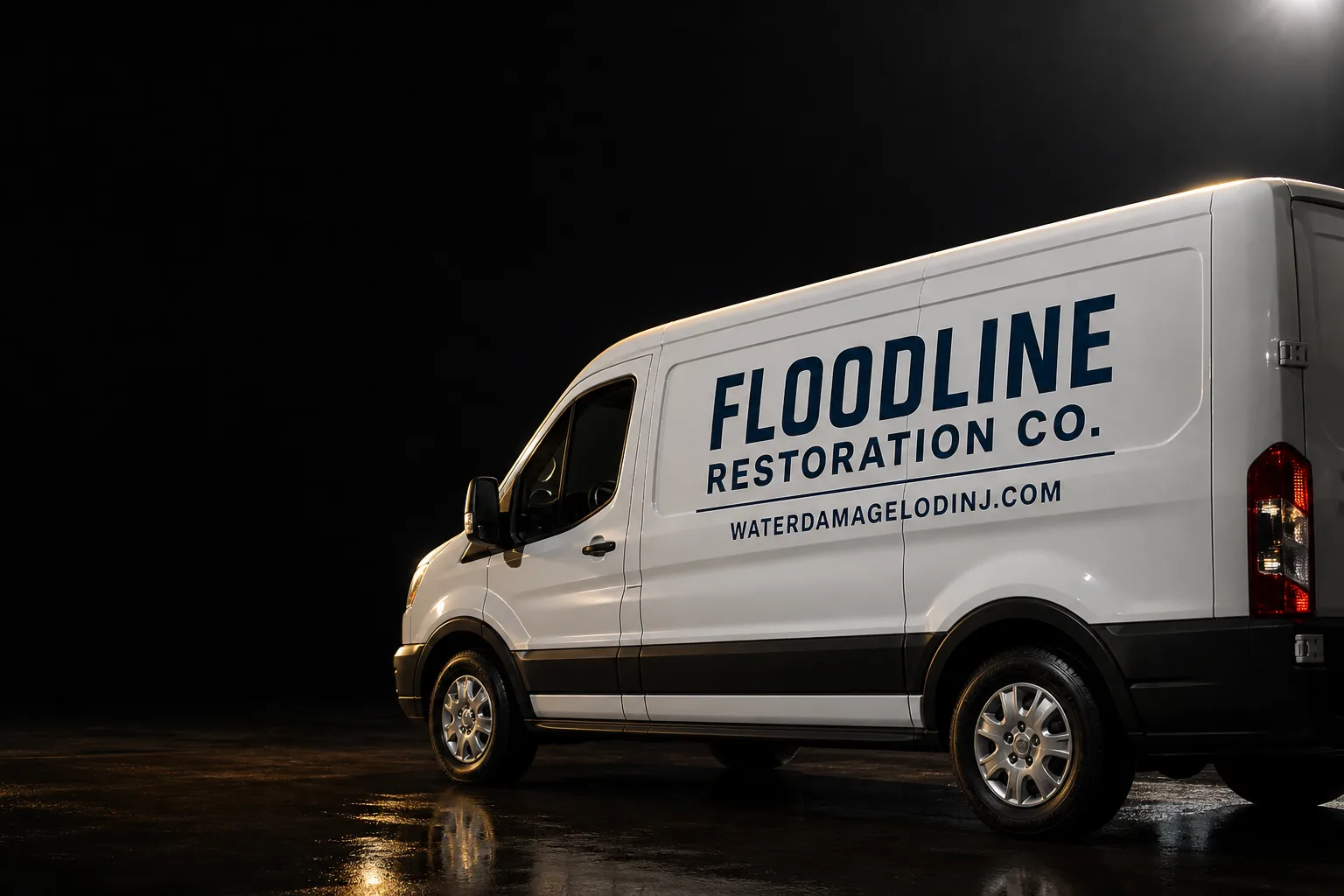
Free visual inspection and a written scope of work before any mitigation begins - photos, moisture readings, and drying logs go in your claim file
The scope we write is the scope we bill. Anything new gets shown to you, in writing, before we touch it.
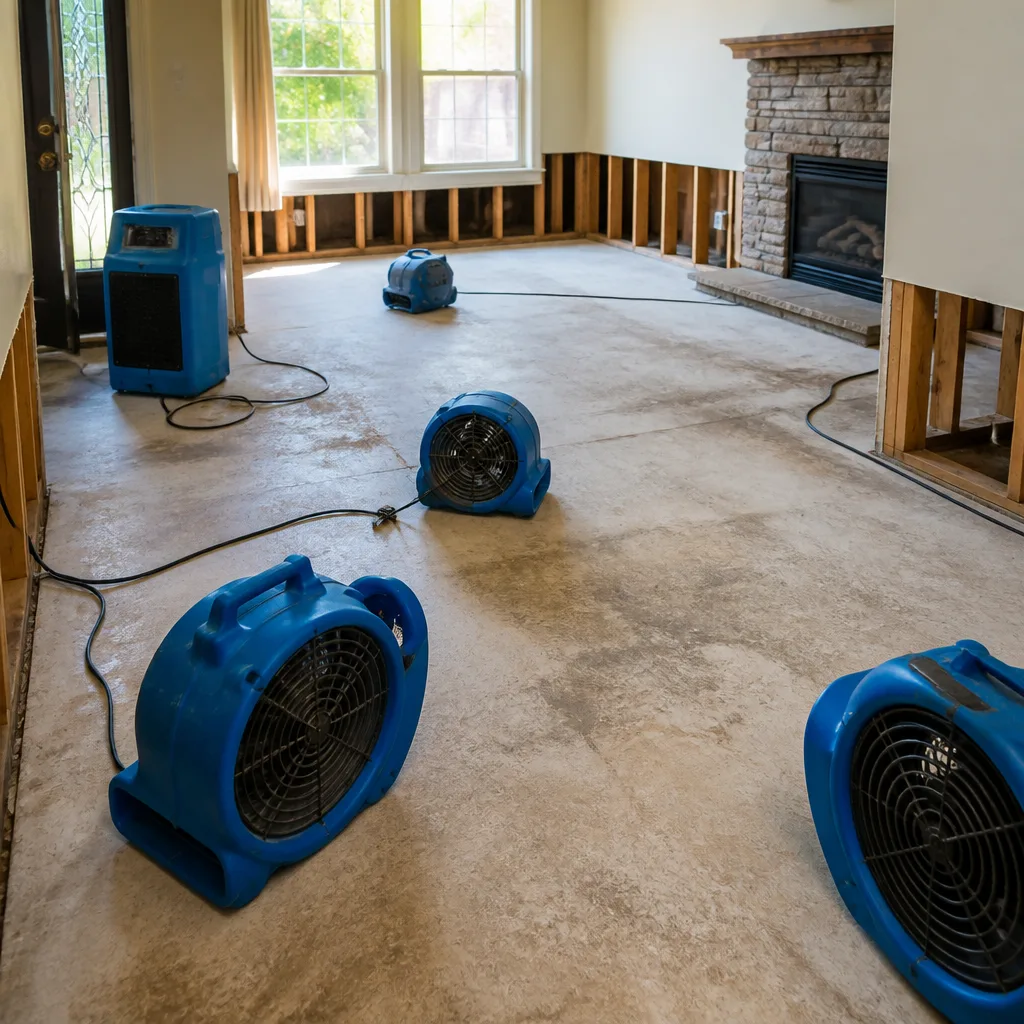
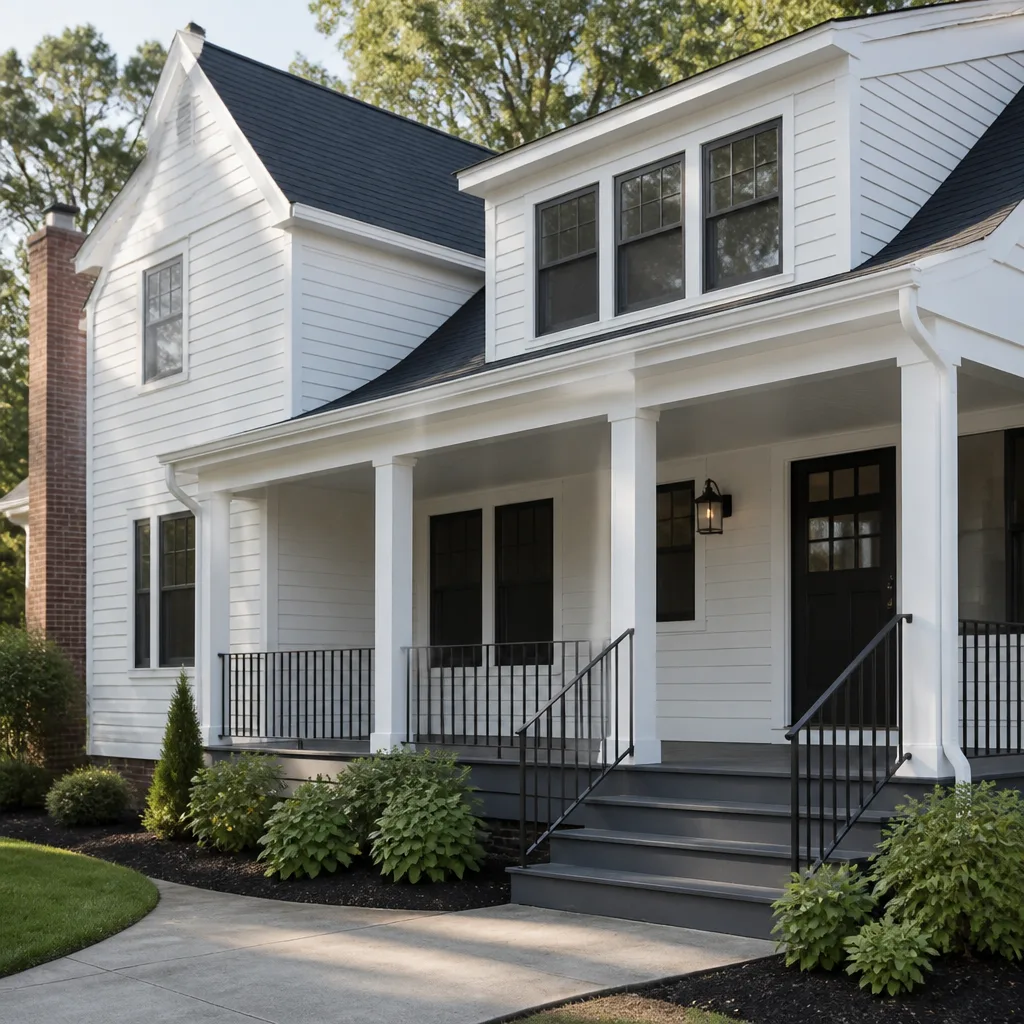
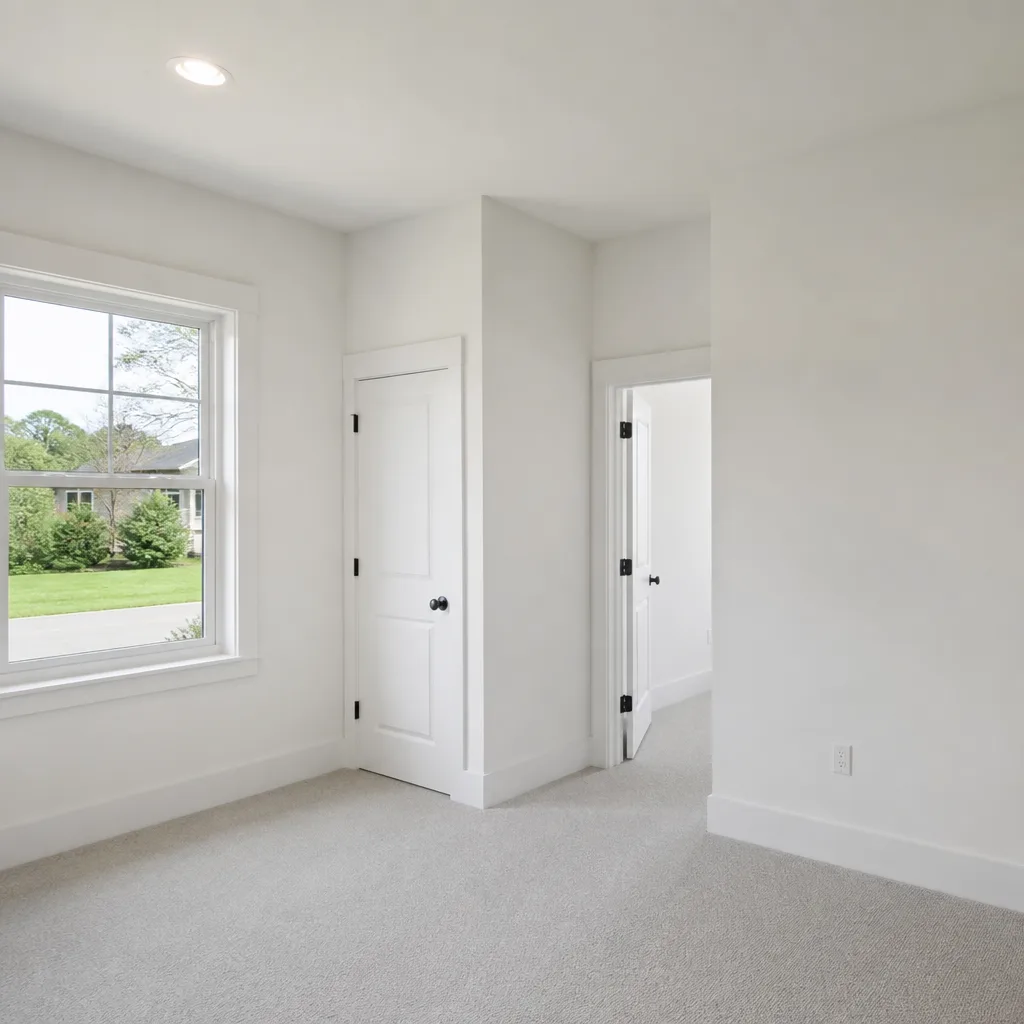

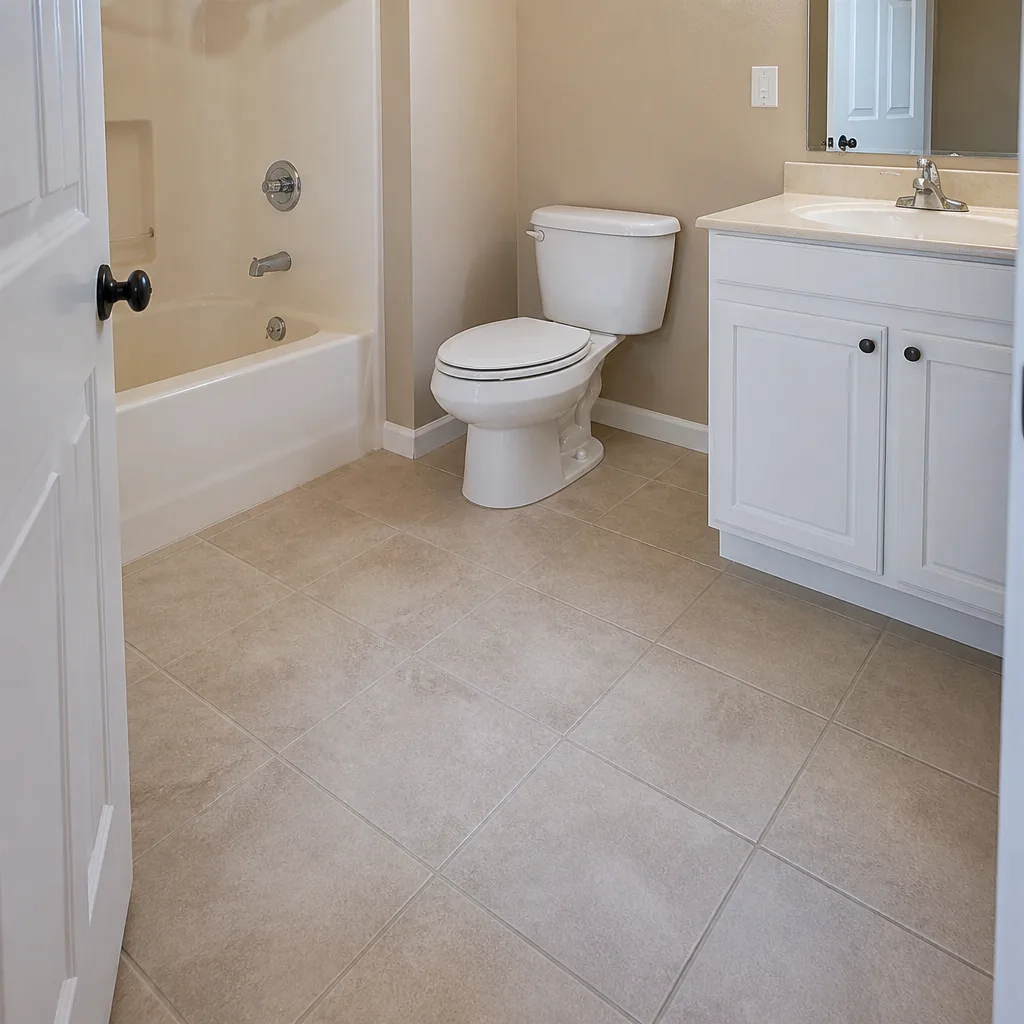

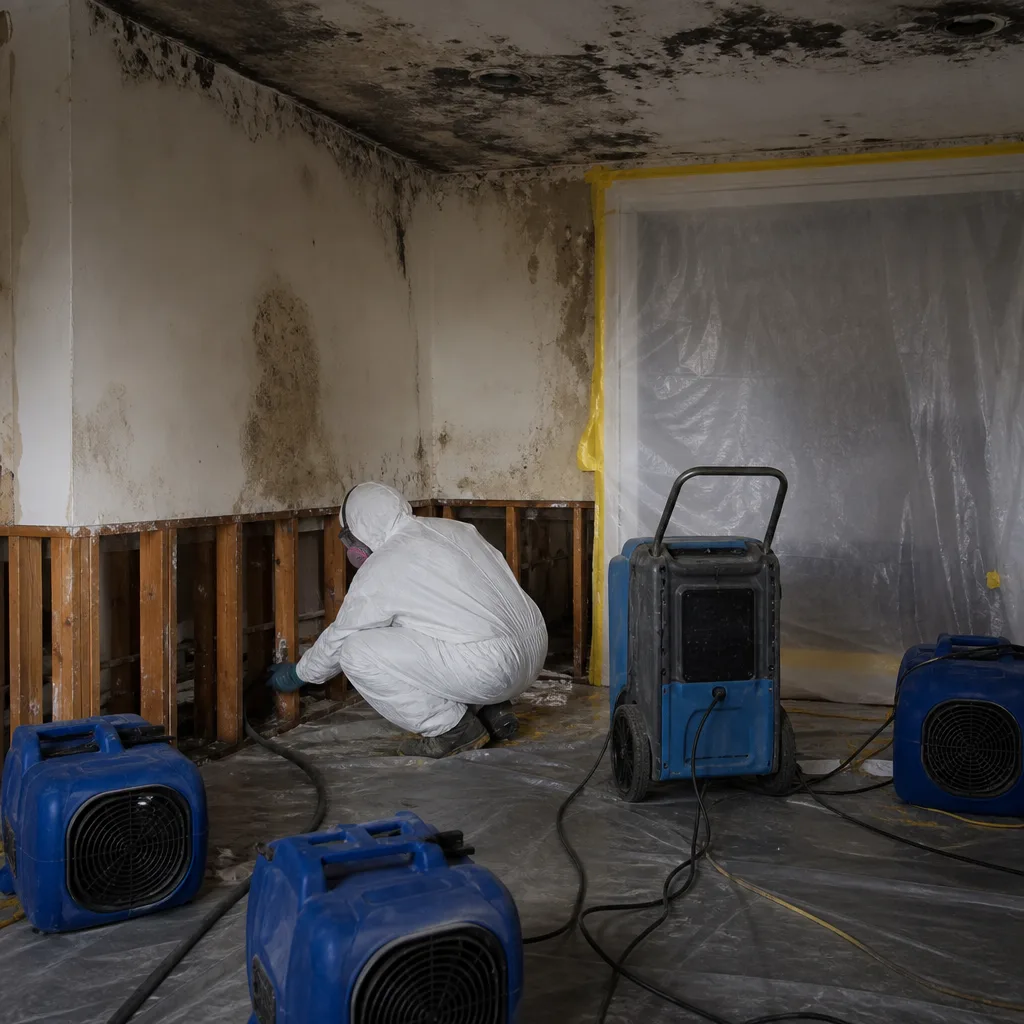 Before
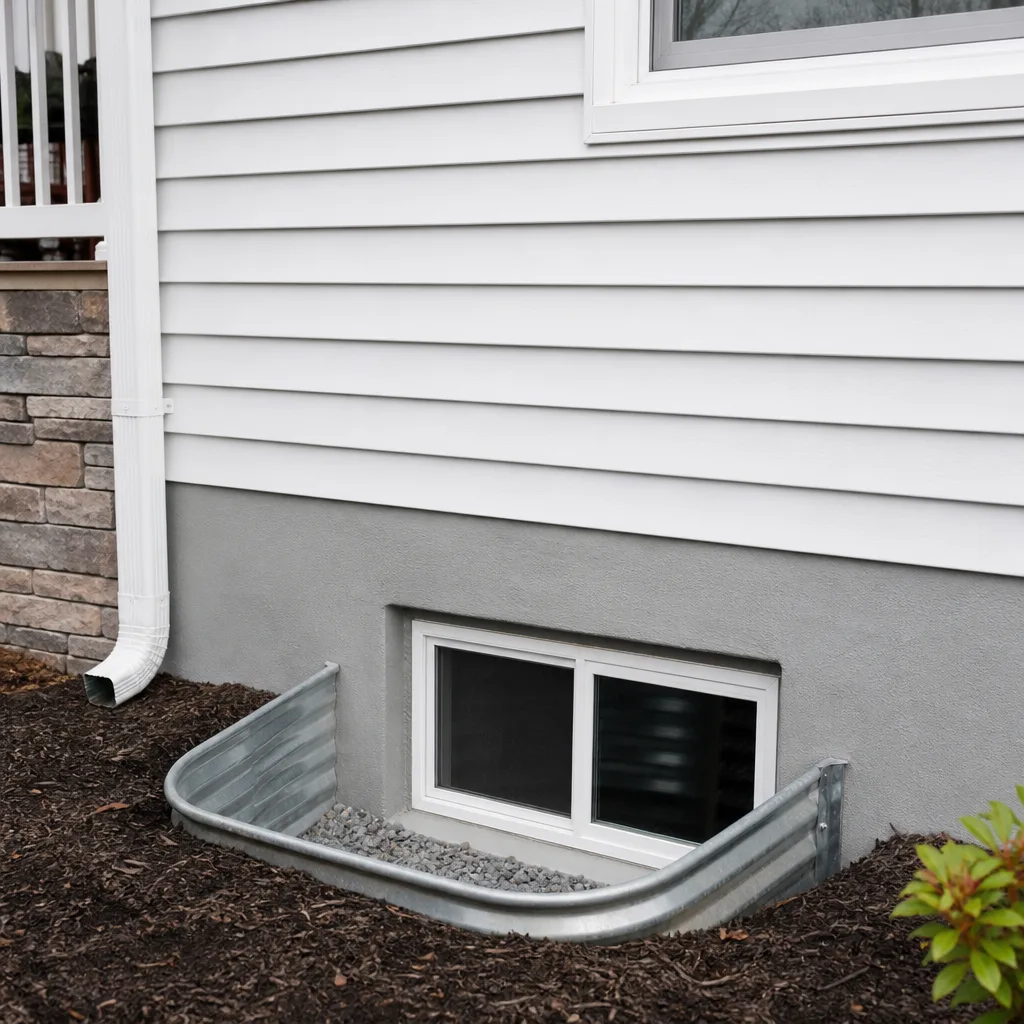 After
After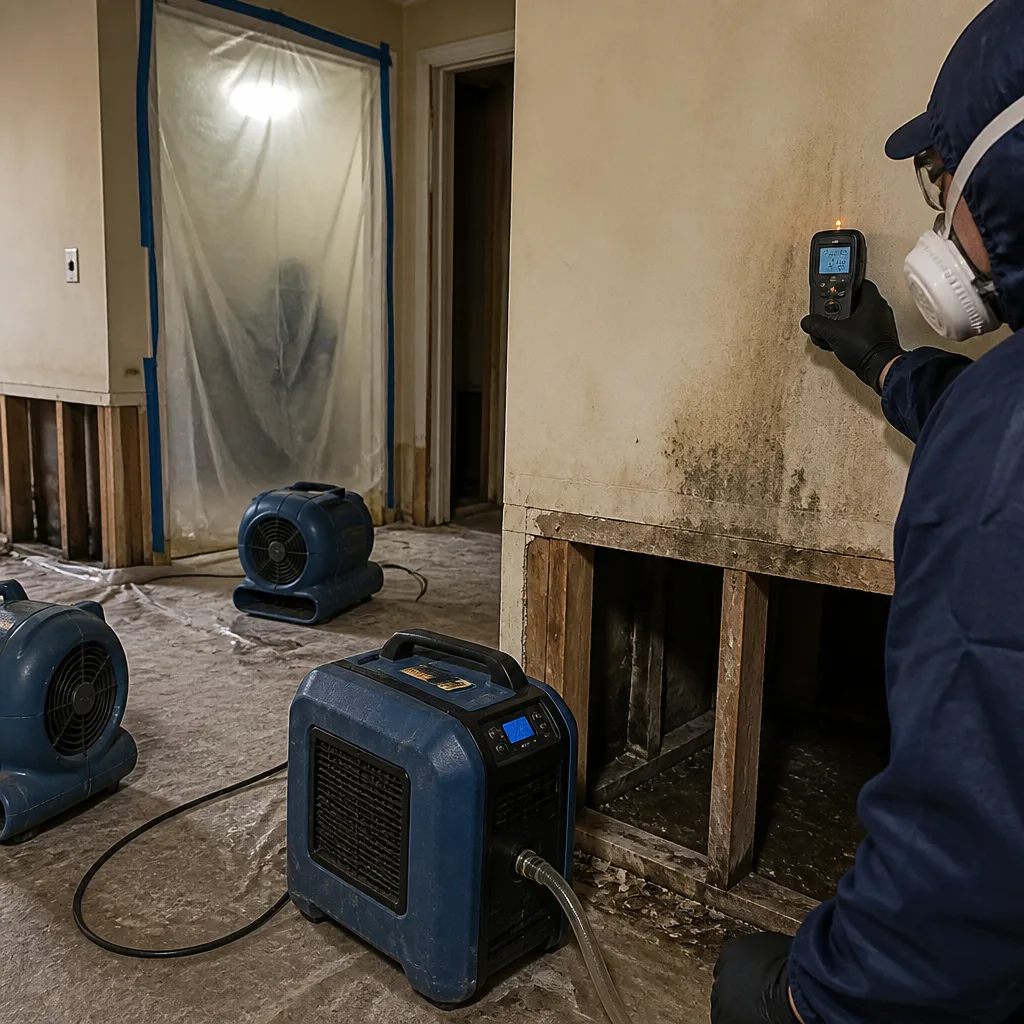 Before
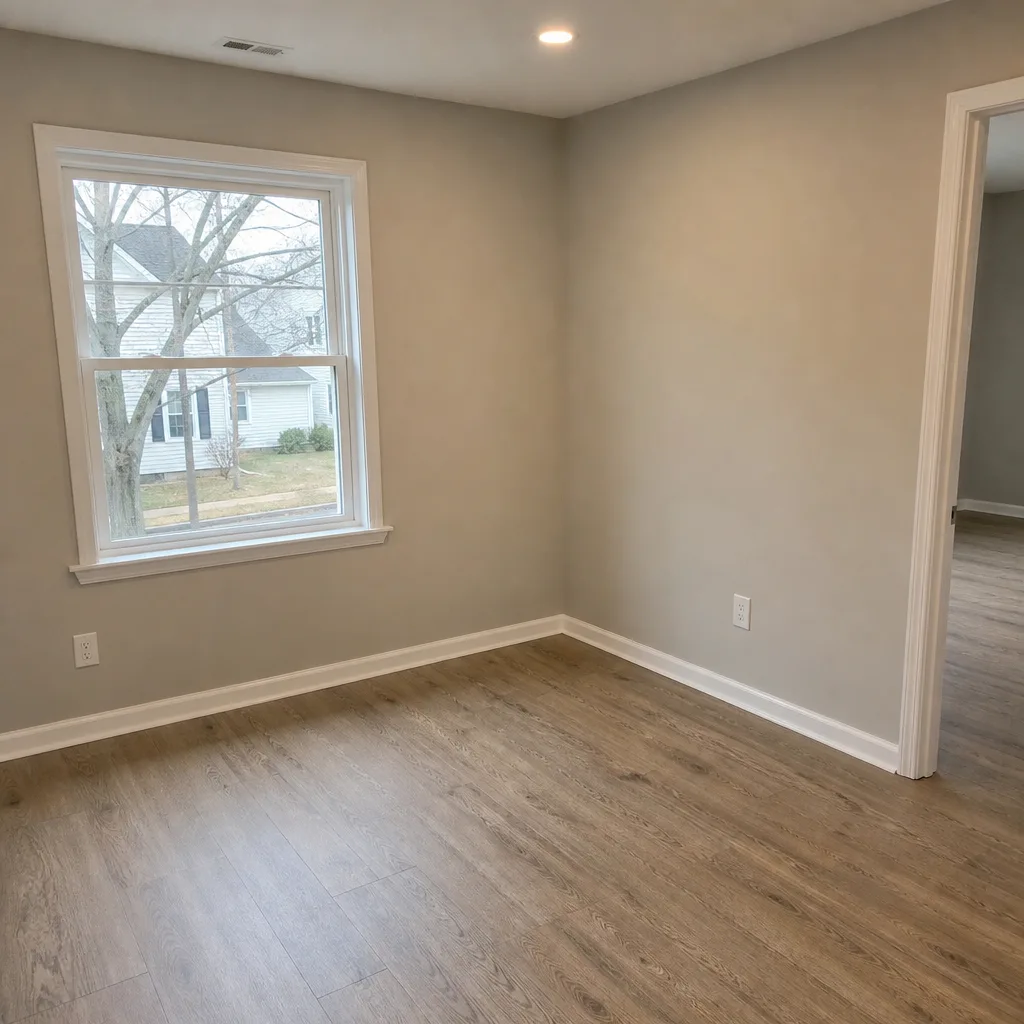 After
After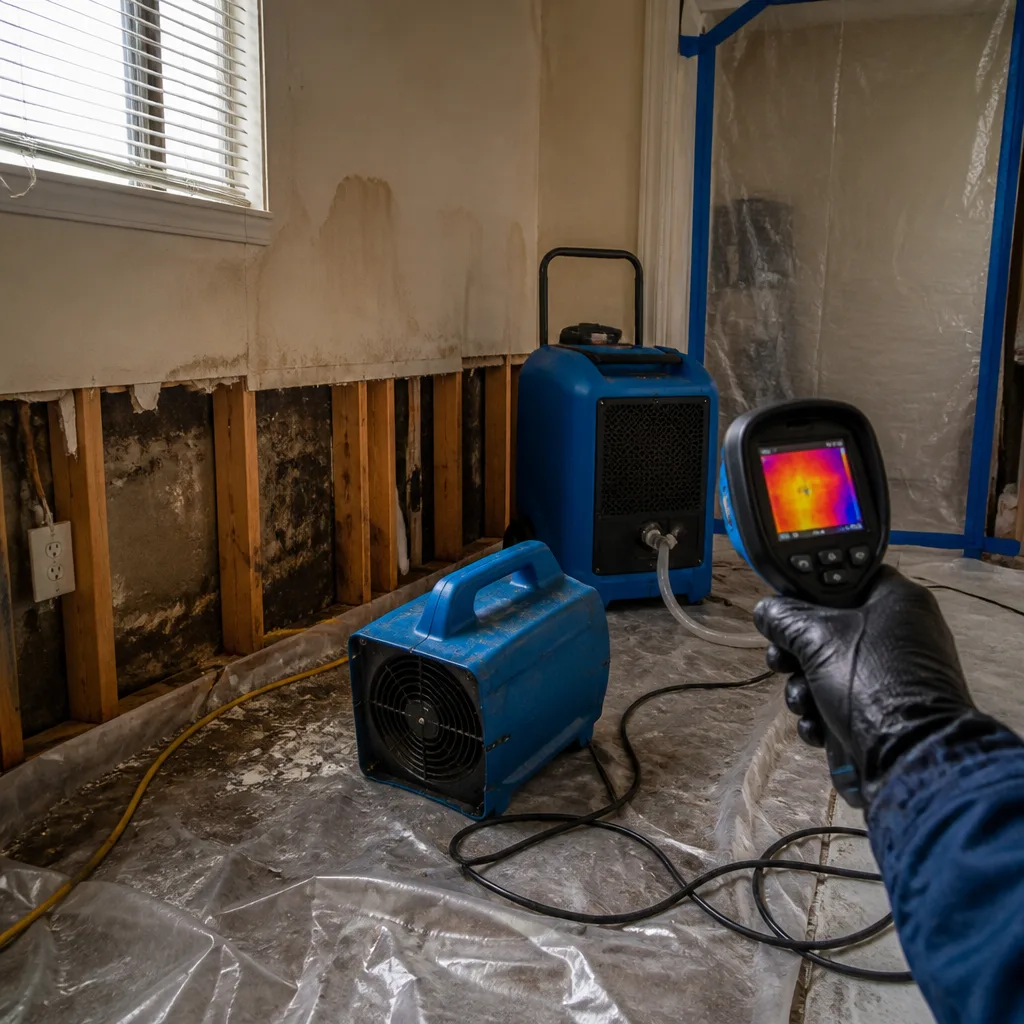 Before
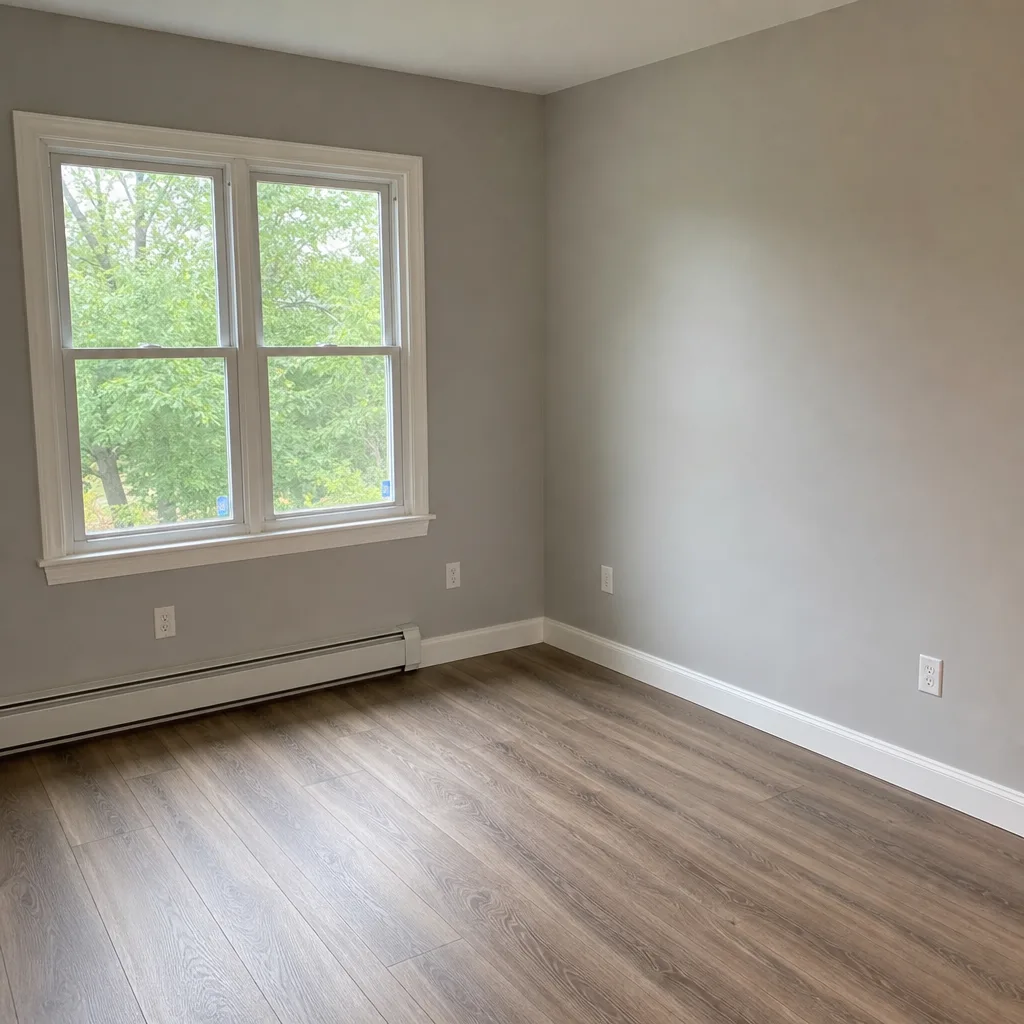 After
After24/7 Emergency Sewage Cleanup in Dobbs Ferry
Sewage cleanup in Dobbs Ferry typically costs $1,800 to $6,500 depending on how far Category 3 water has traveled and what it has touched. The containment, extraction, and sanitization work usually starts the same day you call, because we answer live around the clock and keep crews staged near the Metro-North corridor. Call (640) 356-1140 and a real person picks up, not a recording.
When a cast-iron waste line lets go or a toilet overflows past the tile line, the first hour matters more than most homeowners realize. Sewage water is Category 3: it carries pathogens, and it moves fast through wall cavities, under flooring, and into the porous plaster and lath so common in Dobbs Ferry’s older homes. Our Sewage Cleanup team arrives for a free visual inspection, identifies the water’s path, and starts extraction that same visit. No waiting for a call-back. No leaving a message at two in the morning and hoping. The line the water left is where we start.
Understanding Sewage Cleanup Severity in Dobbs Ferry Properties
Dobbs Ferry’s housing stock changes the math on sewage cleanup in ways a generic water-damage crew never accounts for. Most homes here were built before World War II: late-Victorian, Craftsman, and early colonial frame structures with plaster-and-lath walls, cast-iron drain lines, and full basements cut into hillsides. When sewage backs up into these basements, it is not just a wet floor. Category 3 water moves behind plaster, saturates the lath keys, and works its way into the rubble-stone or brick foundation walls that hold groundwater against the outside face all year long.
We classify water the moment we arrive: Category 1 is clean, Category 2 carries contaminants, and Category 3 contains sewage, fecal matter, or other pathogens. In a flat village, a sewer backup might stay contained to a floor drain and a few feet of tile. In Dobbs Ferry, the same backup often meets a basement already damp from hillside hydrostatic pressure, which means the drying baseline is already high before the sewage ever enters. That changes the drying timeline, the equipment count, and the decision of what can be dried versus what must be removed and replaced. Moisture mapping is not optional here. It is the only way to know where the sewage went and how far the saturated zone extends behind finished walls.
Why Dobbs Ferry Property Owners Choose Floodline Restoration Co.
- 45-minute response commitment to Dobbs Ferry streets. We keep crews staged near the Saw Mill River Parkway corridor so the drive up to the hillside streets takes minutes, not hours.
- A live person answers, 24/7. No automated system, no answering service that takes a message. You get a dispatcher every time.
- IICRC-certified technicians on every job. Our crews hold WRT (Water Damage Restoration Technician) and AMRT (Applied Microbial Remediation Technician) certifications and work to RIA standards.
- Free visual inspection before any work starts. You see the scope and the number before we put a pump on the floor.
- Direct insurance billing. We bill your carrier, talk to your adjuster, and you never play messenger between us and the insurer.
- One team from extraction to reconstruction. The crew that extracts the sewage is the crew that rebuilds the wall. No mid-job handoff to a sub you never met.
Our Sewage Cleanup Process
Inspection & Assessment
We trace the sewage path through the home, take photos, and map the moisture in floors, walls, and foundation stone. Thermal imaging shows where water moved inside cavities we cannot open yet.
Extraction & Stabilization
We remove standing Category 3 water with truck-mounted extraction units, then isolate affected areas with containment and negative air. Any knob-and-tube wiring in the area is identified and powered down before equipment runs.
Drying & Dehumidification
Low-grain refrigerant dehumidifiers and high-velocity air movers pull moisture from plaster, lath, and framing. In Dobbs Ferry hillside basements, we expect slower drying because the surrounding soil keeps feeding vapor into the foundation.
Cleaning & Sanitization
Every exposed surface gets hospital-grade antimicrobial treatment. We do not just mask odor; we remove the contaminated material that holds it.
Black Water & Crawl Space Treatment
In crawl spaces under hillside homes, we remove sewage-contaminated soil and vapor-barrier material, then treat the space with EPA-registered antimicrobials before new encapsulation goes down.
Repairs & Restoration
We rebuild what was removed: plaster repair, flooring, trim, and any structural work the house needs. The moisture log from day one goes to you and your carrier.
Need Emergency Sewage Cleanup in Dobbs Ferry Now?
Crews minutes away, answering live 24 hours a day. The sooner we start, the less it costs.
Working With Your Insurance Company
Sewage cleanup is covered under most standard homeowners policies when the backup originated inside the home or as a direct result of a covered loss. What matters is documentation from the first hour. We photograph every affected room before we move anything, log moisture readings with hygrometers day over day, and write a line-item scope that your adjuster can verify against the photos. We talk to the adjuster directly. You do not shuttle paperwork between two parties who speak different languages. Our crews handle direct billing with the carrier, and we do not inflate a scope to chase a payout. A square deal means the insurance check matches the work performed, not a wish.
What We Provide Your Insurer
- Thorough documentation of the loss
- Photos of all damage, room by room
- Moisture readings and drying logs
- A detailed, line-item scope of work
- Direct coordination with your carrier
Built for Dobbs Ferry’s Loss Calendar
Dobbs Ferry’s sewage backup calls do not spread evenly across the year. January and February bring deep freezes that crack cast-iron drain lines already corroded from decades in clay-heavy Westchester soil. When the ground thaws in March, the same downhill migration of groundwater that keeps basements damp all spring also shifts the soil around buried waste pipes, causing bellied sections that back up slowly. July and August thunderstorms dump water on hillsides already saturated, and the runoff pressure finds the path of least resistance: through foundation weep holes, around pipe penetrations, and into floor drains that cannot keep up. September and October are quieter, but nor’easters that track up the Hudson River corridor can push water up the low zones near the waterfront. In homes along the bluffs above the river, freeze-thaw cycles on aging masonry foundations create small cracks that expand year over year. Every one of these patterns shows up in our dispatch records. We plan crews around them.
Sewage Cleanup Across Dobbs Ferry’s Neighborhoods
The hillside streets above the village core, from Cedar Street up toward the Ardsley line, hold the oldest housing stock and the most cast-iron drain lines. Homes there sit on sloped lots with walk-out basements that take groundwater pressure against the uphill wall, and when sewage backs up, it often pools against that same wall, soaking plaster and framing from two directions at once. Down along the waterfront side of the Metro-North tracks, near the Old Croton Aqueduct Trail, properties sit closer to the river’s water table. Sewage events here tend to follow storm-surge or flash-flood events, and the water removal is often followed by a longer drying phase because the surrounding soil never truly dries out. Over in the Palisades-facing neighborhood around Gould Park, homes built into the steep grade above Route 9 frequently have crawl spaces rather than full basements. Crawl space sewage removal there means working in tight quarters under a house with limited access, often with groundwater seeping through the foundation from the uphill side. On the commercial strips near Main Street and Cedar, older mixed-use buildings share waste lines between units, so a backup in one space can push Category 3 water into a neighboring storefront or apartment. Each area has its own signature. Our crews know which one applies before they park the truck.
Specialized Sewage Cleanup Services We Offer in Dobbs Ferry
Sewage Backup Cleanup
We handle full Category 3 sewage backup cleanup, from the initial extraction through final clearance testing. In Dobbs Ferry’s older homes, we pay special attention to the path sewage takes behind finished walls and under built-in cabinetry, because the damage is rarely limited to the visible floor. Plaster walls hide contamination well, and a backup that looks minor from the outside can be extensive behind the baseboard.
Toilet Overflow Cleanup
A toilet overflow is Category 3 the moment the bowl runs over, even if you caught it quickly. We extract the water, remove the affected flooring and baseboards, and treat the subfloor so the smell does not return. In Dobbs Ferry bathrooms with original tile set in mortar beds, we take care to salvage the tile where possible while removing the saturated mortar, because replacement tile from the 1920s never matches the original.
Septic Failure Cleanup
Some Dobbs Ferry properties, especially those on the larger hillside lots away from the village sewer lines, still operate on septic systems. When a septic field saturates after heavy rain, effluent can back up into the house through floor drains. We coordinate with licensed septic contractors to clear the failure while our team handles the interior Category 3 water, the sanitization, and the reconstruction.
Black Water Extraction
Black water is Category 3 water containing sewage, and it requires immediate extraction with the right equipment. We use truck-mounted extractors for basements and submersible pumps for crawl spaces, then switch to portable extraction for the tight spots behind walls and under stairs. The goal is to remove every standing drop before the moisture has time to soak deeper into the porous materials common in Dobbs Ferry’s pre-war construction.
Sanitization & Disinfection
Cleaning after sewage is not the same as cleaning a spilled drink. We apply EPA-registered antimicrobials to every surface the Category 3 water touched, including the foundation wall, the sill plate, and the underside of floor joists. In crawl spaces, we treat the soil itself where sewage pooled. Then we verify the work with post-remediation testing, not just a visual look.
What happens when you call
- 1
A real person answersNo phone trees - you reach a local pro.
- 2
You get an upfront price rangeHonest numbers before anyone is dispatched.
- 3
A background-checked tech heads outLicensed & insured, dispatched right away.
- 4
You approve before work beginsNothing starts until you say go.
Sewage Cleanup Costs in Dobbs Ferry, NY
A contained toilet overflow in a single bathroom on a slab in Dobbs Ferry runs $1,800 to $3,200 including extraction, disposal, sanitization, and minor repairs. A full basement sewage backup that has traveled through finished walls and soaked a plaster-and-lath room runs $4,500 to $6,500 or more, depending on how much material must be removed and rebuilt. Crawl space sewage removal under a hillside home typically lands between $2,500 and $5,000, driven by access difficulty and the amount of contaminated soil that must be removed. What moves the price: how far the sewage traveled, whether plaster or drywall must come out, whether cast-iron pipes need replacement as part of the repair, and how long the drying phase runs given the groundwater conditions on your specific lot. Insurance covers most sewage backups when the cause is sudden and covered, and we bill your carrier directly. The free inspection gives you a written scope and a number before any work starts, so you are never guessing.
We Also Serve Cities Near Dobbs Ferry
Our sewage cleanup crews serve the wider lower Westchester area, including homes in Tuckahoe and Bronxville. The drive up the Saw Mill River Parkway puts us within minutes of both villages, and the same live dispatcher answers the phone for every call.
Serving Dobbs Ferry, NY - Our Local Coverage Area
We’re based in the Dobbs Ferry area and know this community well. Use the map below to see our service coverage - if you’re nearby, we can almost certainly help.
Dobbs Ferry Sewage Cleanup Questions, Answered
Why does sewage backup in my Dobbs Ferry basement happen days after rain, not during the storm?
Because the water that causes your backup is often not the rain itself. It is groundwater migrating downhill through the clay-heavy soil that surrounds your foundation. That water arrives days after the storm and shifts the soil around your buried waste lines, or it seeps through the rubble-stone foundation and erodes the pipe bedding. The result is a bellied drain that backs up slowly. In Dobbs Ferry, a rainy-day backup is frequently a terrain-fed event, not a sudden pipe failure.
How do you handle sewage cleanup in a Dobbs Ferry home with knob-and-tube wiring?
We treat any wet, energized electrical system as a hazard until proven otherwise. Our first step is to locate the panel and shut down any circuits that run through the affected area. Knob-and-tube wiring is especially dangerous around water because the insulation is often brittle and degraded. We do not run powered extraction equipment until the area is confirmed dead and isolated. If the wiring itself was damaged by the sewage or the backup, we coordinate with a licensed electrician before we continue.
The sewage smell is gone but my plaster walls still feel damp. Should I wait to dry?
No. Damp plaster means the moisture from a Category 3 event is still in the wall cavity, even if the air in the room smells fine. In Dobbs Ferry’s older homes, that dampness is often held by lath keys and the plaster itself, and it will not dry on its own because the outside foundation is often wet too. Left alone, damp plaster grows mold inside the wall. We use moisture meters and thermal imaging to find the wet zone, then run dehumidification and air movers until readings return to the dry standard.
Can you clean sewage from a crawl space under a Dobbs Ferry hillside home?
Yes. Crawl space sewage removal is one of our core services in Dobbs Ferry because so many of the village’s hillside homes have crawl spaces instead of full basements. We extract the sewage, remove contaminated soil and vapor barrier material, treat the remaining surfaces with antimicrobials, and install new encapsulation. The work is done by the same certified crew that handles the rest of your restoration, and we document every step for your carrier.
How does Category 3 water from sewage affect what you can dry versus remove?
Category 3 water contains sewage, so anything it touches that is porous and cannot be thoroughly sanitized must be removed. That means carpets, padding, drywall, insulation, and often flooring come out. Non-porous surfaces like tile and concrete can be cleaned and dried. In Dobbs Ferry plaster walls, the decision depends on how far the sewage traveled behind the plaster and into the lath, and that is why we map the moisture before we start cutting.
How fast can you actually get to my Dobbs Ferry home?
Our commitment is 45 minutes from the time you call, and we stage crews near the Saw Mill River Parkway and Route 9 corridors so the hillside streets above the village are a short drive. The phone rings to a live dispatcher 24 hours a day, every day, and the crew that arrives is background-checked, uniformed, and ready to start extraction on that first visit. Call (640) 356-1140 and you will speak to a person, not a recording.
Will my insurance cover sewage cleanup in Dobbs Ferry?
Most standard homeowners policies cover sewage cleanup when the backup is sudden and the policy includes sewer backup coverage. If the backup traces back to a long-term maintenance issue, coverage can be more complicated, and that is one reason we document everything from the first minute. We photograph the damage, log the moisture readings, and speak directly with your adjuster. You get a straight answer about what the carrier will pay before the reconstruction starts.
What should I do in the first 30 minutes after I find sewage water?
Turn off the water if the source is a running fixture, shut down power to the affected area if you can reach the panel safely, and keep children and pets out. Do not use a household vacuum or fan to dry the water; moving air spreads pathogens. Do not pour bleach into standing sewage. Call us at (640) 356-1140 and describe what you see. We will tell you what is safe to do while the crew is on the way.
We responded to a sewage backup in a 1920s Craftsman on Maple Street, where an original cast-iron waste line under the slab had shifted with hillside soil movement. Our techs set up containment and ran Dri-Eaz air movers plus dehumidification after black water extraction, and because the pre-WWII rubble-stone foundation was already weeping groundwater, we kept moisture mapping and drying logs active for five days, well past a normal water loss, until the plaster-and-lath walls returned to pre-loss condition.
Floodline Restoration Co. has served the lower Hudson Valley for over 42 years, and we answer the phone with a live person at every hour. If you are facing sewage backup in Dobbs Ferry, call (640) 356-1140 for a free visual inspection and a written scope. We stand behind every job with the 90-Day Done Right Promise, in writing, no arguing.
Written by Curt Bowman, Owner at Floodline Restoration Co., serving Dobbs Ferry and the surrounding Westchester communities.