
Free visual inspection and a written scope of work before any mitigation begins - photos, moisture readings, and drying logs go in your claim file
The scope we write is the scope we bill. Anything new gets shown to you, in writing, before we touch it.
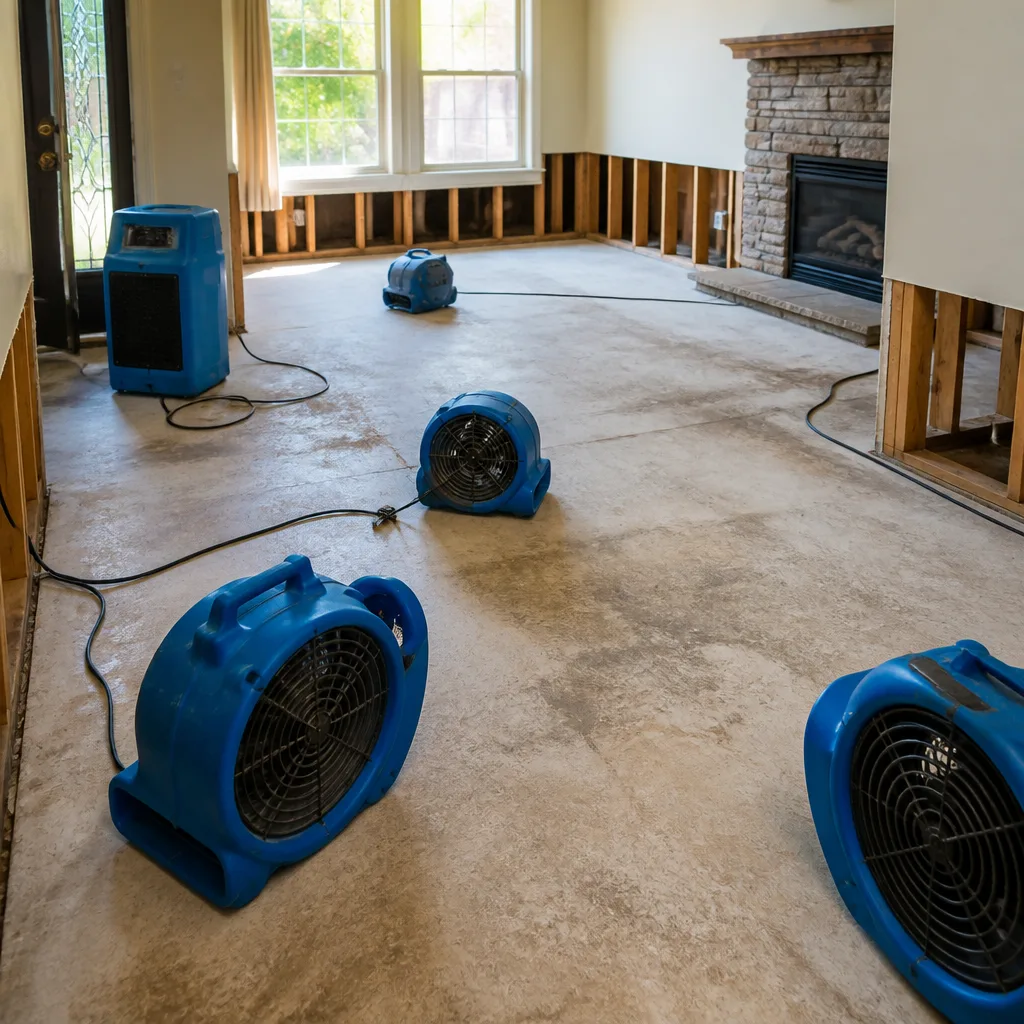

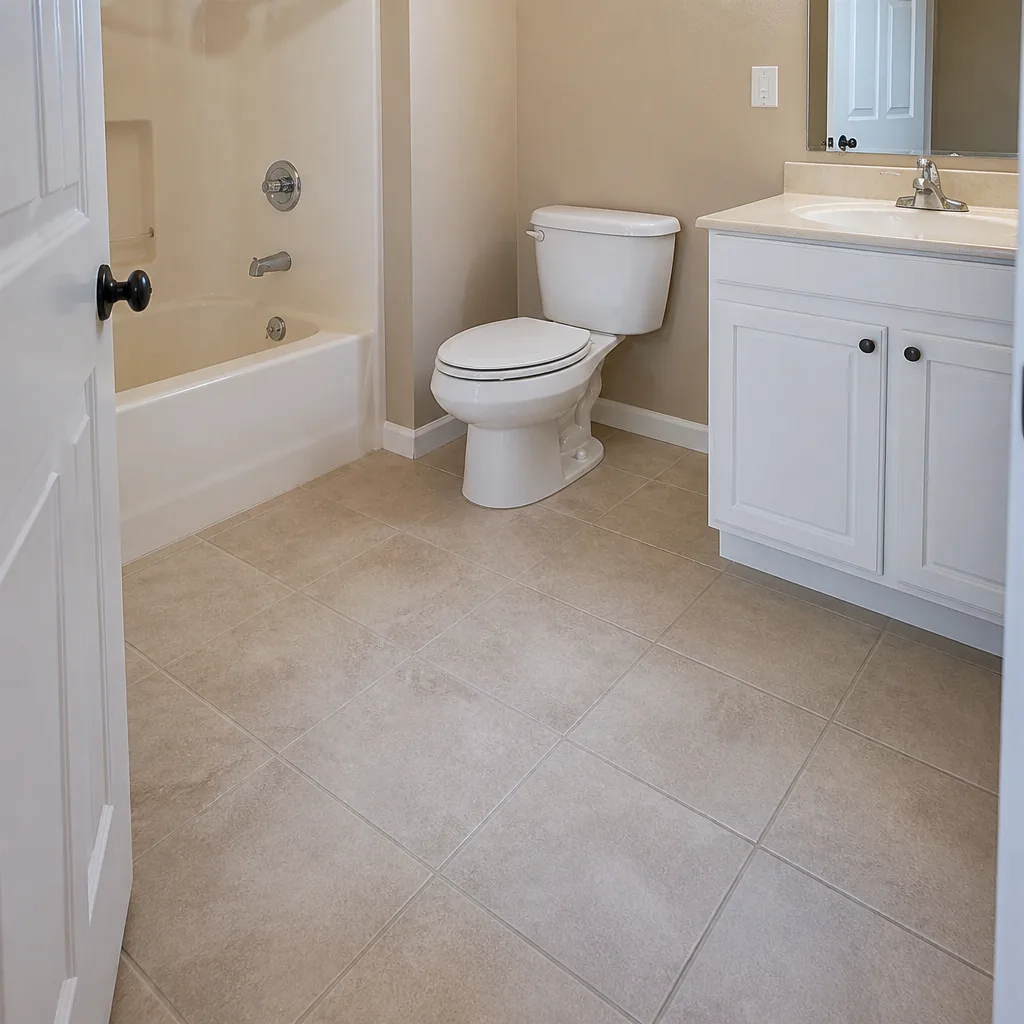

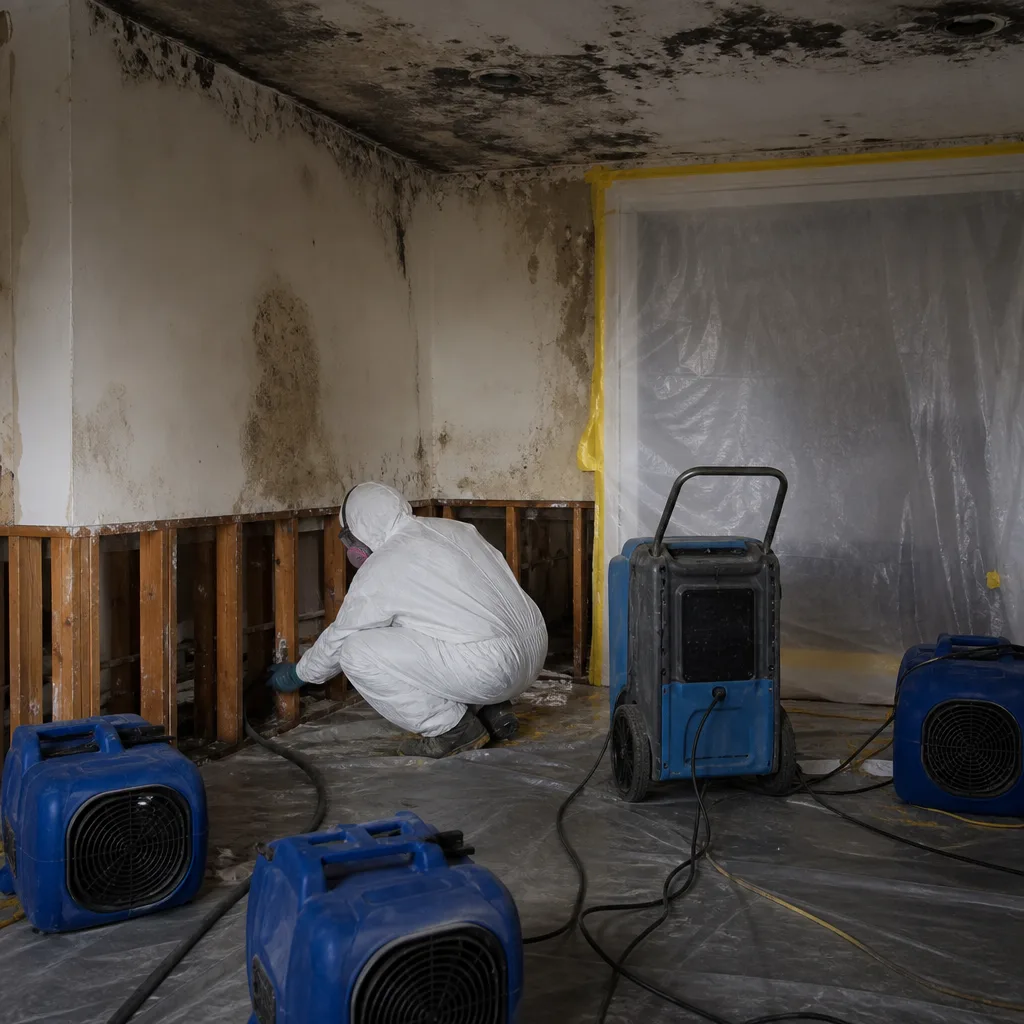 Before
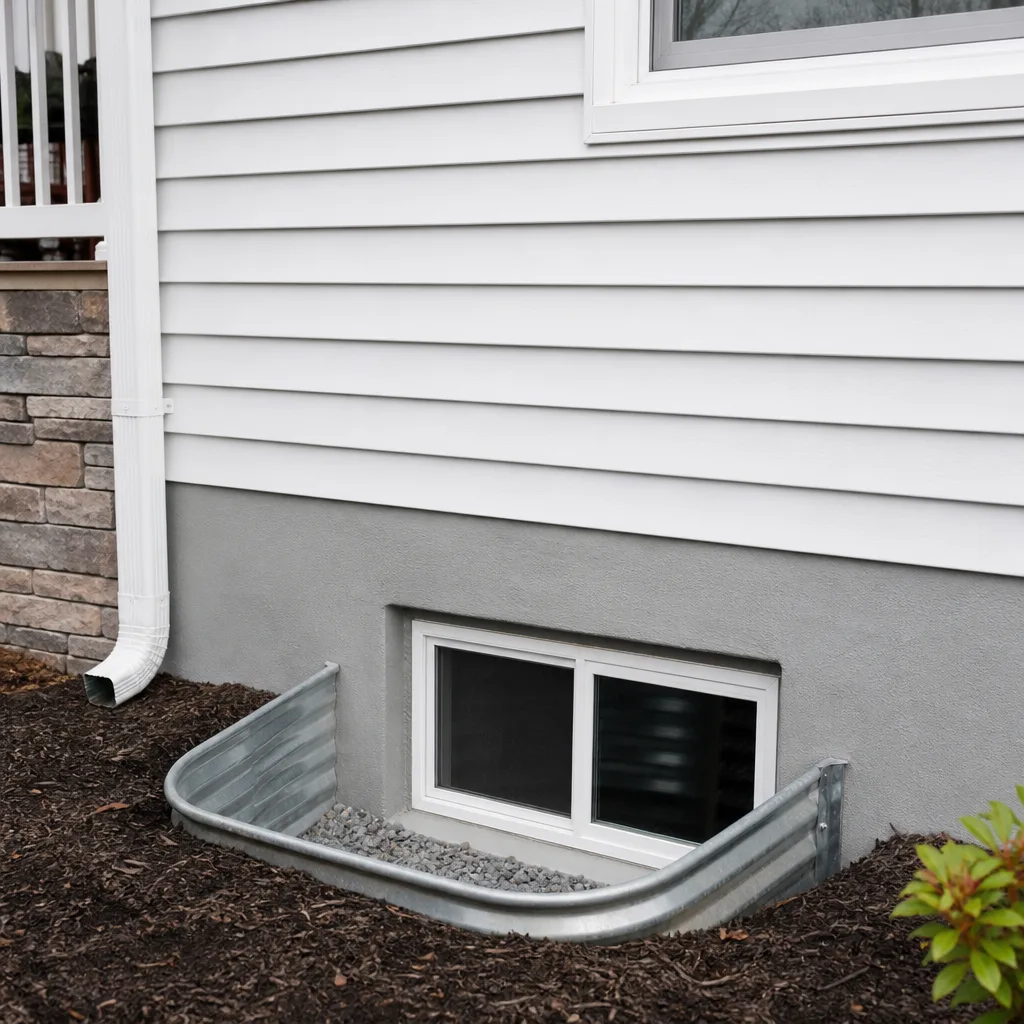 After
After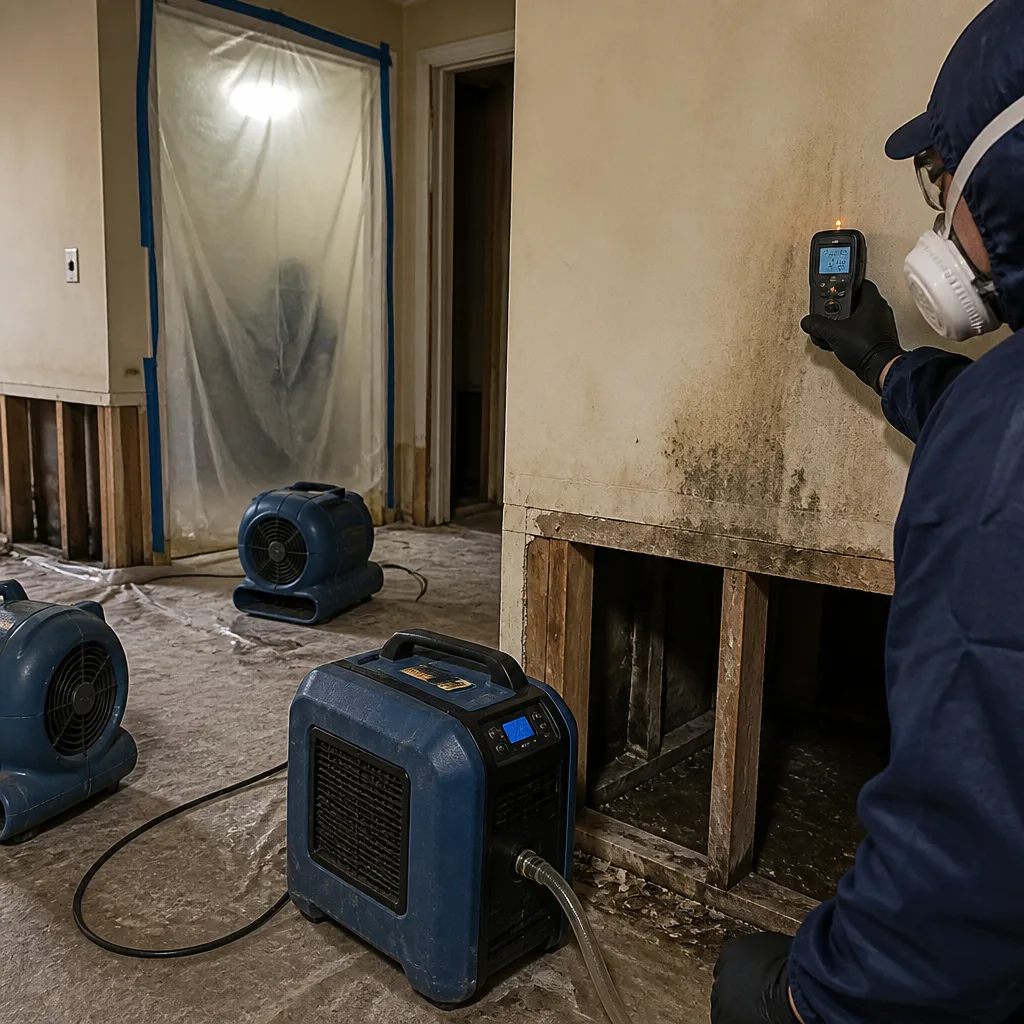 Before
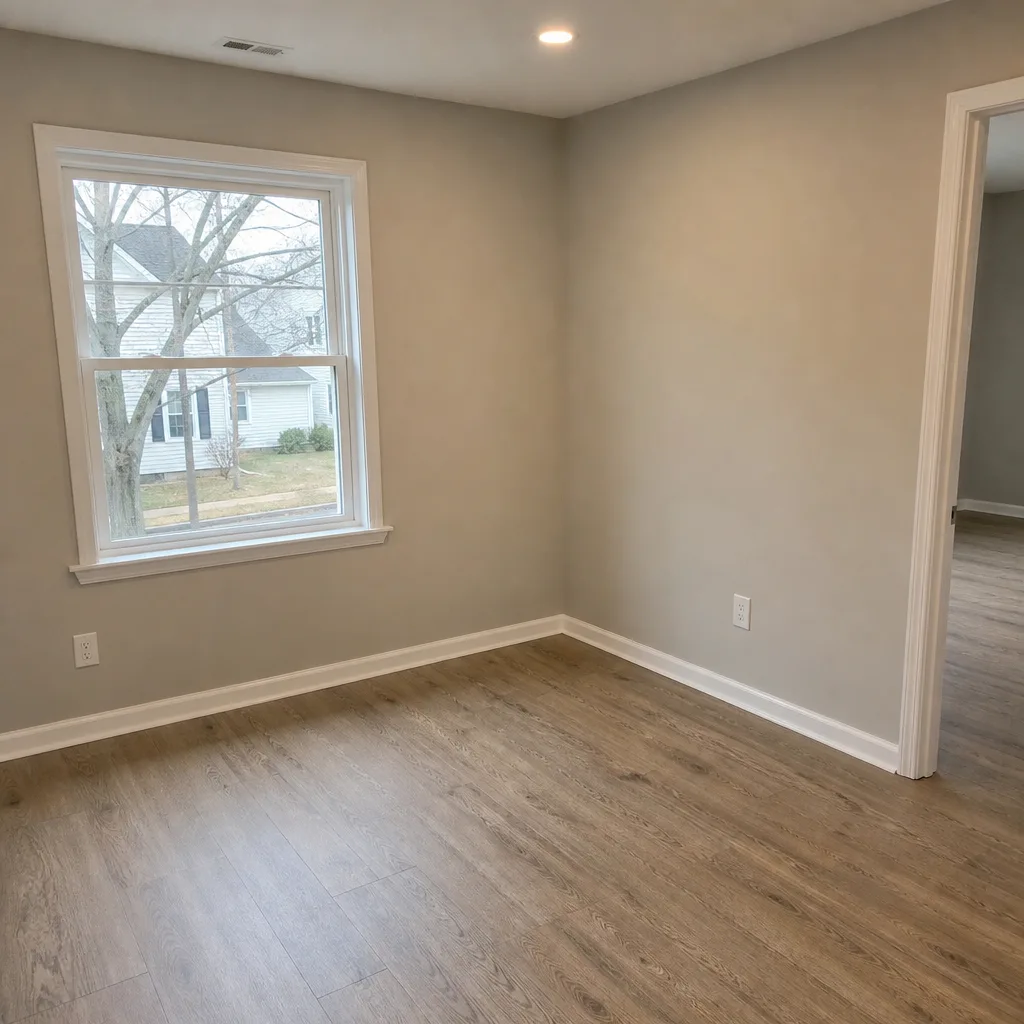 After
After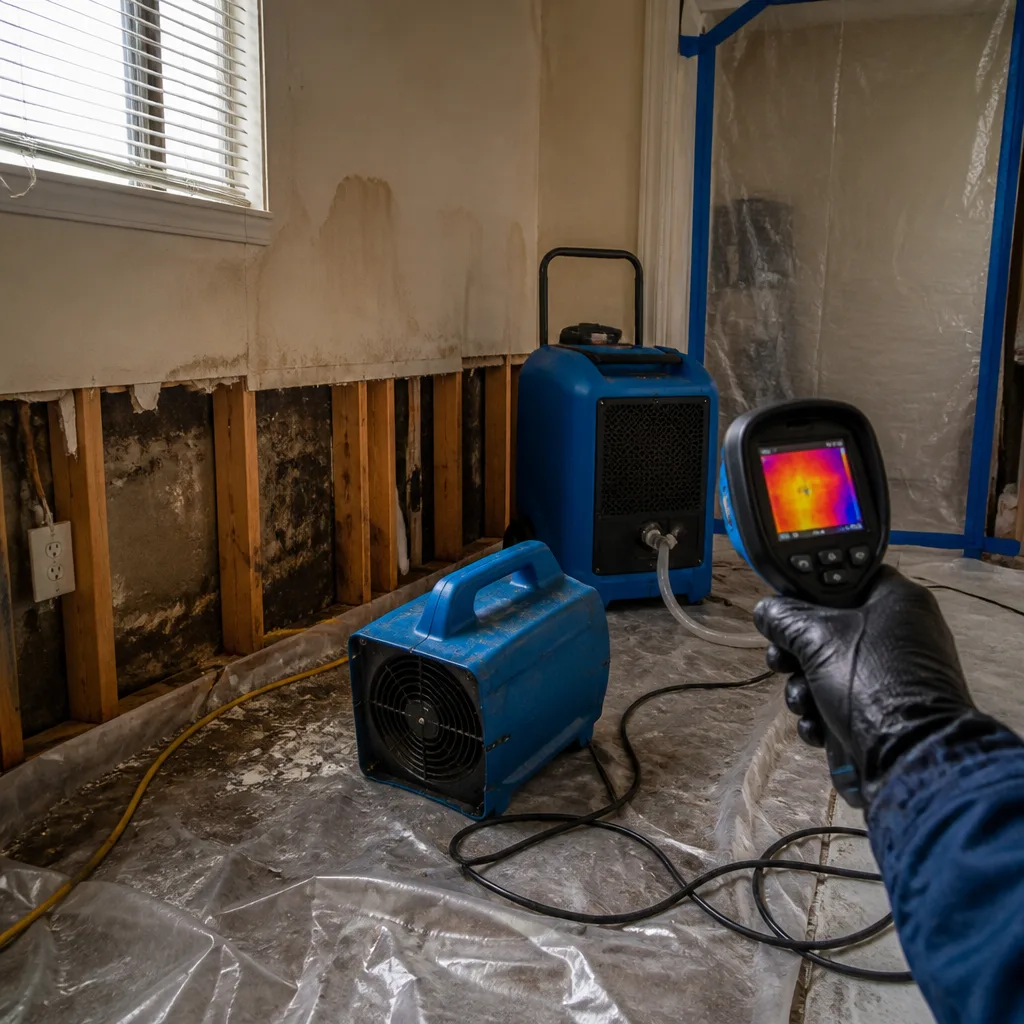 Before
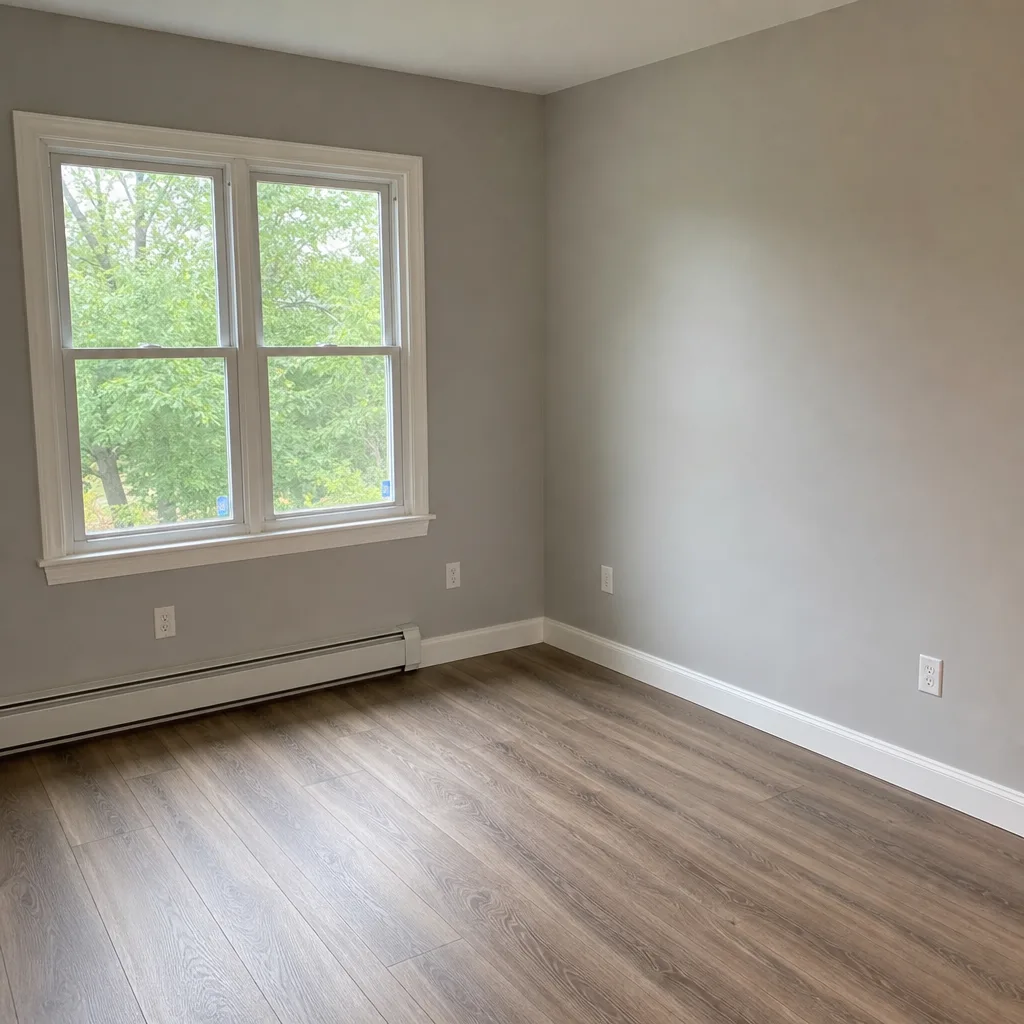 After
After24/7 Emergency Storm & Disaster Restoration in Dobbs Ferry
Storm damage in Dobbs Ferry moves fast, and so do we. A live dispatcher answers at (640) 356-1140 any hour, day or night, and a Floodline Restoration Co. crew can be on its way to your street within 45 minutes. We handle the whole job from first extraction to finished rebuild, and every step is backed by our 90-Day Done Right Promise in writing. When water is moving through a hillside basement off Broadway or wind has opened your roof above the Hudson, the first hour determines whether you’re facing cleanup or a full reconstruction.
Understanding Storm & Disaster Restoration Severity in Dobbs Ferry Properties
Not all storm water is the same, and Dobbs Ferry’s housing stock makes the distinctions matter more than in flatter towns. Category 1 water comes from a clean source like a burst supply pipe. Category 2 carries contaminants from washing machines or sump failures. Category 3 water, what restoration crews call black water, includes storm surge, river overflow, and sewage backup. Along the Dobbs Ferry waterfront and in low zones near the Hudson, nor’easter-driven surge has pushed Category 3 water into basements and crawl spaces, requiring full containment, antimicrobial treatment, and material removal rather than simple drying.
The village’s late-Victorian and Craftsman homes, many with plaster-and-lath walls over original framing, absorb water differently than modern drywall construction. Plaster holds moisture longer and hides it better, which is why we run moisture mapping with thermal imaging before deciding what can be dried in place and what must come out. A 1920s Tudor on a slope above Cedar Street is not the same job as a 1990s colonial in Ardsley. Dobbs Ferry requires reading the house before reading the meter.
Why Dobbs Ferry Property Owners Choose Floodline Restoration Co.
- 45-minute response commitment: Our crews stage in the Dobbs Ferry area and get moving the moment you call, because water and wind don’t wait.
- A live person answers 24/7: No phone trees, no answering service script. You talk to a dispatcher who knows restoration and can send a crew.
- IICRC-certified technicians: Our crews hold WRT and ASD certifications and train to RIA standards, so the drying plan is based on science, not guesswork.
- Free visual inspection: Before any work starts, we walk the damage with you and explain what we see, what it costs, and what can wait.
- Direct insurance billing: We document everything, bill your carrier directly, and talk to the adjuster so you don’t have to.
- One team from water to rebuild: The same Floodline crew that extracts the water handles the drying, the demolition, and the reconstruction. No handoffs, no strangers showing up mid-job.
Our Storm & Disaster Restoration Process
Inspection & Assessment
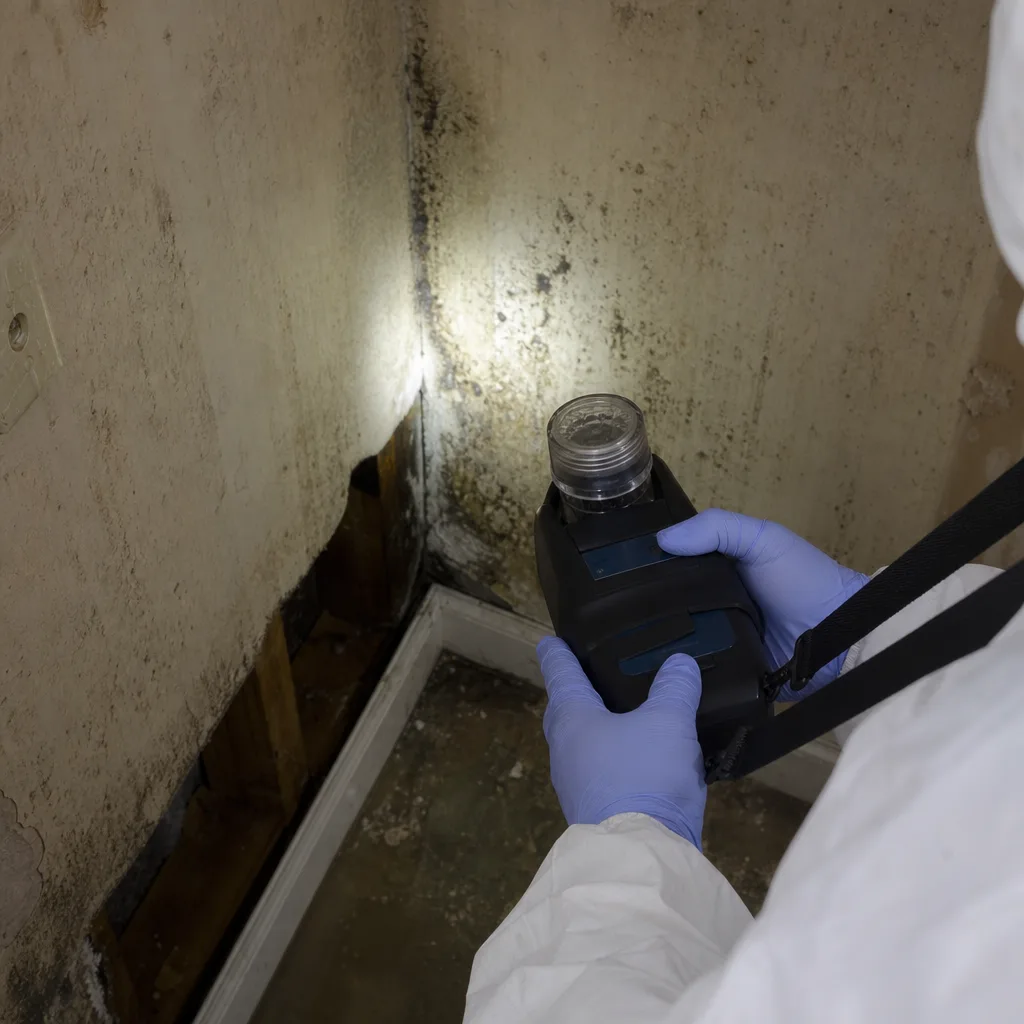
We arrive with thermal imaging cameras and moisture meters to find water that hasn’t shown itself yet. In Dobbs Ferry’s hillside basements, that often means reading moisture behind plaster-and-lath walls and tracing seepage paths back to the foundation.
Extraction & Stabilization
We pull standing water with truck-mounted extraction units, then tarp roofs and board up openings to stop new water from entering. On Dobbs Ferry’s sloped lots, we also check for groundwater still moving toward the foundation before we call the extraction done.
Drying & Dehumidification
Professional-grade Dri-Eaz dehumidifiers, Phoenix air movers, and Injectidry panels go to work. We place equipment based on the moisture map, not the square footage, and we log daily readings until the dry standard is met.
Cleaning & Sanitization
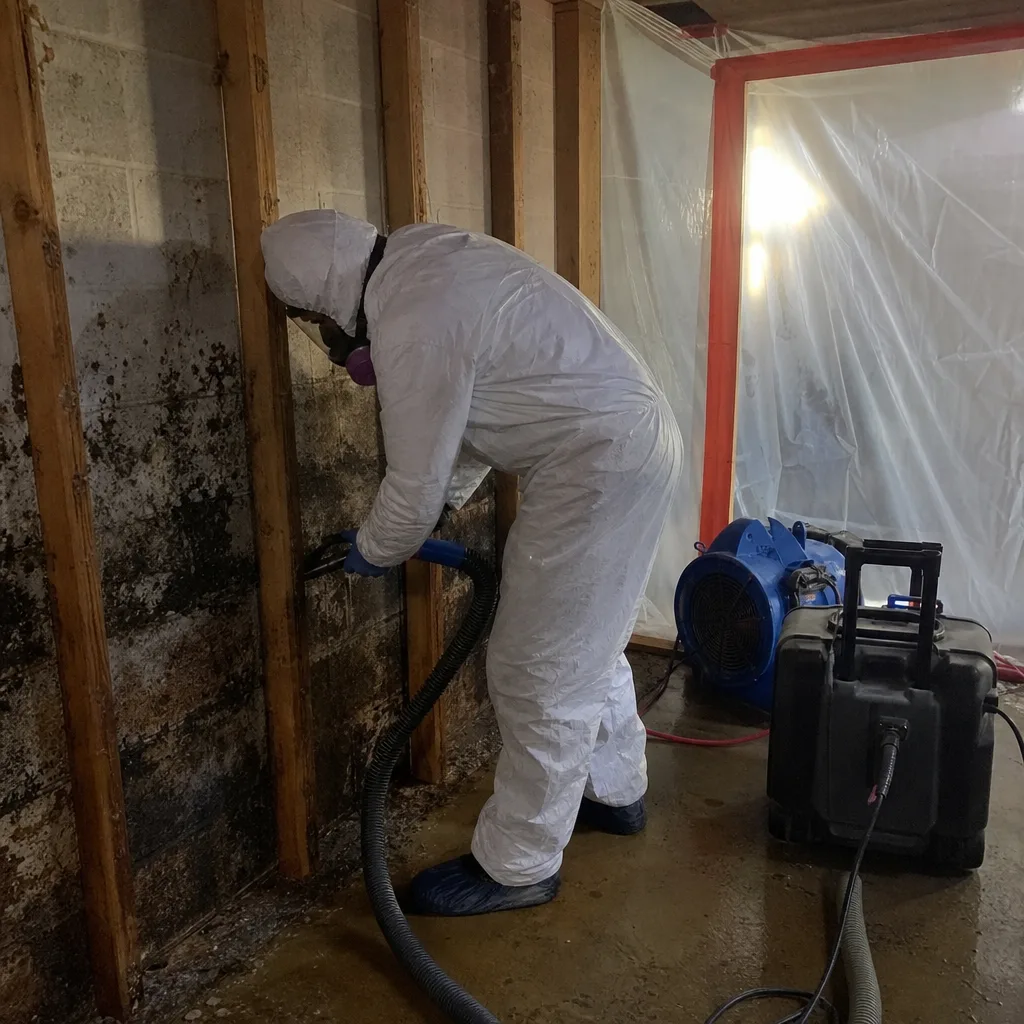
For Category 2 and 3 losses, we clean and apply antimicrobial treatments to affected surfaces. HEPA air scrubbers run during demolition and cleanup to keep dust and spores out of the rest of the house.
Slope-Aware Moisture Verification
Before we rebuild, we verify the hillside isn’t still feeding water into the structure. In Dobbs Ferry, a drying plan that ignores hydrostatic pressure is just a pause before the next loss.
Repairs & Restoration
We replace what can’t be saved, match materials to the home’s era, and rebuild to the original finish or better. The 90-Day Done Right Promise comes with you in writing before we leave.
Need Emergency Storm & Disaster Restoration in Dobbs Ferry Now?
Crews minutes away, answering live 24 hours a day. The sooner we start, the less it costs.
Working With Your Insurance Company
Most Dobbs Ferry storm losses are covered by homeowners insurance, and we handle the paperwork from the first hour so you don’t have to. We photograph every room, every surface, and every piece of equipment we place. We document moisture readings daily and send them to your adjuster without you making a single call. If your carrier has questions, we answer them directly. If they argue a line item, we explain it with data, not opinion. That’s how a square deal works in this trade.
What We Provide Your Insurer
- Thorough documentation of the loss
- Photos of all damage, room by room
- Moisture readings and drying logs
- A detailed, line-item scope of work
- Direct coordination with your carrier
Built for Dobbs Ferry’s Loss Calendar
A Dobbs Ferry storm loss looks different in January than it does in July. Deep freezes burst supply lines in the village’s aging colonials and Tudors, especially along the river bluff where wind-driven cold penetrates foundation walls faster. Spring thaw turns the clay-heavy soil above the Hudson into a slow-motion water source: snowmelt migrates downslope for days, finding its way through pre-World War II rubble-stone foundations and into basements that were dry all winter. Summer thunderstorms dump an inch of rain in an hour, overwhelming the village’s older drainage and sending water over threshold sills and through cracked masonry. Autumn nor’easters bring the wind damage: torn shingles, damaged flashing, and trees down across driveways off Broadway and Ashford Avenue. If your house was built before 1940, its loss pattern follows the calendar differently than a newer build.
Storm & Disaster Restoration Across Dobbs Ferry’s Neighborhoods
Response routes matter in a village built on a slope. The streets above the Metro-North station, around Beacon Hill and the historic district off Main Street, hold the oldest housing stock in Dobbs Ferry, with rubble-stone foundations and walk-out basements cut into the grade. Calls there are usually water intrusion calls, and the water often arrives days after the storm has passed, still migrating downslope. The riverfront and the low streets near Gould Park see storm-surge and drainage backup during coastal events, and those losses skew toward Category 3 water requiring full containment. The hilltop neighborhoods south of Ashford Avenue, where lots sit closer to the plateau, get more wind damage: trees uprooted into rooflines, siding peeled back. The Chauncey section and the winding streets near Mercy College show the full mix, freeze-thaw masonry issues plus drainage fights plus tree debris, which is why our Dobbs Ferry crews carry tarps, pumps, dehumidifiers, and chain saws on the same truck.
Specialized Storm & Disaster Restoration Services We Offer in Dobbs Ferry
Flood Damage Restoration
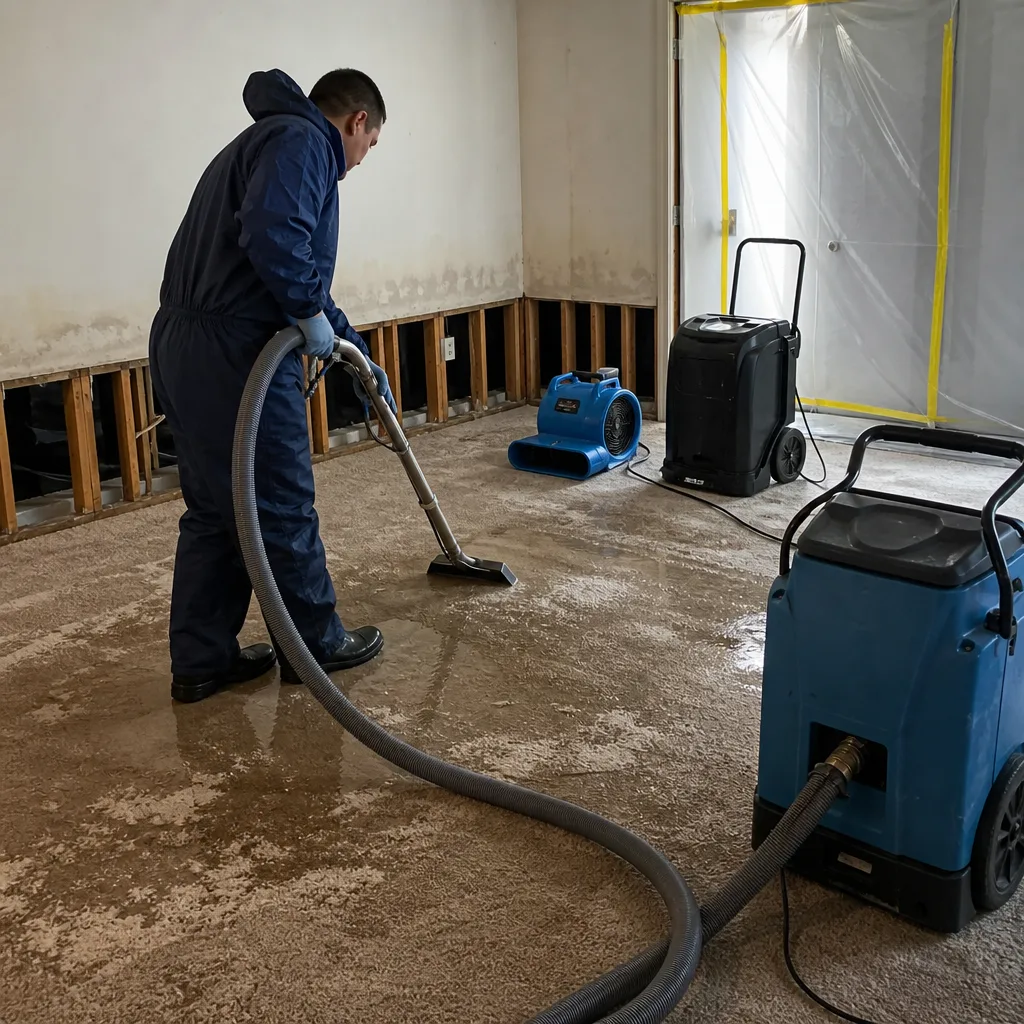
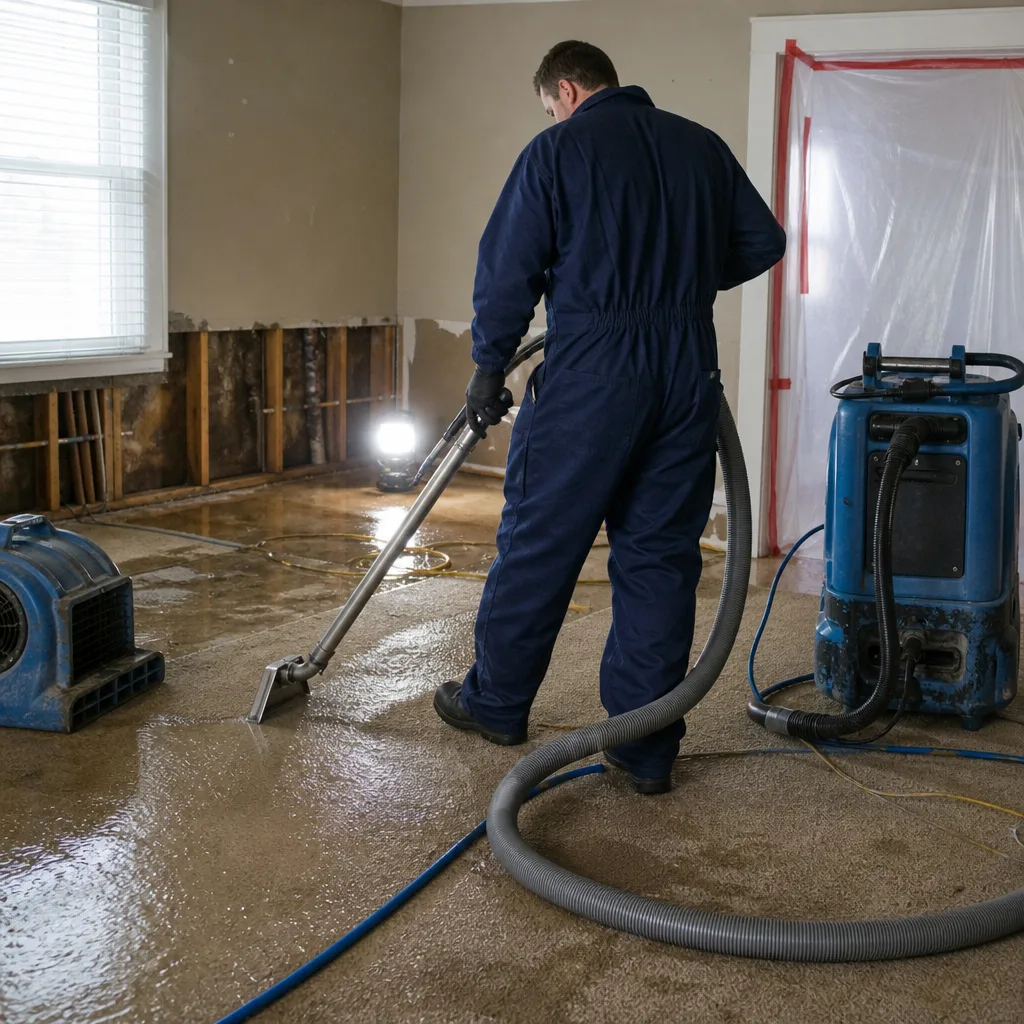
Basement floods in Dobbs Ferry are rarely simple. When water comes through a rubble-stone foundation on a hillside lot, extraction is only the first step. We trace the water back to its source, address the hydrostatic pressure, and dry the structure with slope-aware equipment placement. A standard drying plan fails here; ours doesn’t.
Emergency Board-Up
After a tree limb or wind shear opens your house, we board up the opening with plywood and weather barrier the same visit. That keeps rain, animals, and opportunistic people out while we assess the structure. We measure and cut on site, so the board-up fits the actual opening, not a guess.
Debris Removal
Nor’easter and thunderstorm debris in Dobbs Ferry includes everything from tree limbs to roof shingles to yard furniture blown in from somewhere else. We clear access paths, remove storm debris from the property, and document it all for your insurance claim before rebuild work begins.
Roof Tarping
Wind-driven rain enters through the roof before it enters anywhere else. We tarp damaged roof sections on the same visit, using fastened coverings that hold in Dobbs Ferry’s river wind. A tarp is a temporary fix, but it’s the difference between a repair and a gut.
What happens when you call
- 1
A real person answersNo phone trees - you reach a local pro.
- 2
You get an upfront price rangeHonest numbers before anyone is dispatched.
- 3
A background-checked tech heads outLicensed & insured, dispatched right away.
- 4
You approve before work beginsNothing starts until you say go.
Storm & Disaster Restoration Costs in Dobbs Ferry, NY
Dobbs Ferry restoration pricing tends to run moderately above Westchester’s inland average because of the village’s hillside access issues and older construction. A standard Category 1 basement cleanup with extraction and drying typically runs $2,800 to $5,200 here. Category 3 water losses with sewage or river surge run $6,000 to $15,000 or more, depending how much flooring and wall material must be removed. Emergency board-up and tarping runs $450 to $1,200 for a typical single opening. Debris removal is $600 to $2,800 depending volume and access. Most policies cover storm damage, and we invoice your carrier directly once the scope is agreed. Call (640) 356-1140 for a free inspection and a written number before you commit to anything.
We Also Serve Cities Near Dobbs Ferry
Our crews respond throughout the lower Westchester river towns. We serve Dobbs Ferry and the surrounding communities, including Tuckahoe and Bronxville, with the same 45-minute response commitment and the same written guarantee.
Dobbs Ferry Storm & Disaster Restoration Questions, Answered
Why does my Dobbs Ferry basement keep getting water days after a rainstorm ends?
The water isn’t coming from the rain directly; it’s groundwater moving downslope through the clay-heavy soil toward your foundation. Dobbs Ferry’s steep grades mean water that fell on the plateau takes days to reach a hillside basement, seeping through pre-WWII rubble-stone or brick foundations under hydrostatic pressure. The fix is slope-aware drainage and foundation treatment, not just more pumps. Call (640) 356-1140 and we’ll trace the water to its source.
How does the salt air near the Hudson River affect my garage door after a coastal storm?
Salt-laden air accelerates corrosion on garage-door hardware: springs, hinges, rollers, and track fasteners. In Dobbs Ferry, coastal storm exposure near the river means galvanized springs and stainless hardware last years longer than standard components. We inspect for corrosion during every storm restoration and replace compromised parts before they fail under tension, because a broken spring is a safety hazard, not just an inconvenience. Call us for an inspection.
What is the difference between Category 1 and Category 3 water in a Dobbs Ferry basement flood?
Category 1 is clean water from a supply line or rainwater that hasn’t touched contaminants. Category 3 is grossly contaminated: storm surge, river overflow, or sewage. In Dobbs Ferry, homes near the Hudson or with older drainage can see Category 3 during nor’easters. Category 3 requires full containment, antimicrobial treatment, and removal of affected materials. Category 1 can often be dried in place. We test and document the category before starting any work.
Can you restore a plaster-and-lath wall in my 1910 colonial after a leak, or does it have to be removed?
It depends on how long the wall has been wet and how much moisture is trapped behind the lath. Plaster-and-lath can often be saved with Injectidry drying panels and careful monitoring, but if water sat behind the plaster for more than 48 hours, mold risk means removal is the safer choice. We map the moisture first, then recommend based on readings, not habit. In Dobbs Ferry’s older homes, this decision is made on almost every water loss.
Why do freeze-thaw cycles on Dobbs Ferry’s river bluff cause more pipe bursts than in flatter villages?
The river bluff exposes foundation walls and supply lines to colder wind and faster temperature swings. When water in a pipe freezes, it expands; when it thaws quickly, the pipe can split. Older Dobbs Ferry homes with original plumbing are especially vulnerable because pipes run through uninsulated exterior walls or crawl spaces. This is why we see more January supply-line bursts on the bluff than in Tuckahoe or Bronxville.
How fast can you actually get to my Dobbs Ferry house?
Our crews stage locally and commit to 45-minute response during storm events. In heavy regional storms when every restoration company in Westchester is stretched, dispatch still answers live and gives you a straight answer about arrival time.
Will my insurance cover storm damage in Dobbs Ferry?
Most standard homeowners policies cover storm-related water, wind, and debris damage, though flood damage from river surge often requires separate flood insurance. We document everything from the first hour and bill your carrier directly, so you get a straight answer on coverage without doing the legwork.
What should I do in the first 30 minutes after storm damage in Dobbs Ferry?
Shut off power to affected areas if it’s safe to do so, move valuables to higher ground, and call (640) 356-1140. Don’t enter standing water that could be electrically charged or contaminated. Take photos of everything before moving anything, and keep receipts for any emergency supplies. Then let a certified crew take over.
Serving Dobbs Ferry, NY - Our Local Coverage Area
We’re based in the Dobbs Ferry area and know this community well. Use the map below to see our service coverage - if you’re nearby, we can almost certainly help.
A Dobbs Ferry Restoration Team That Answers for Its Work
Our Storm & Disaster Restoration team has worked the hillside streets above the Metro-North station enough times to know what a Dobbs Ferry basement flood really is. On one 1920s Craftsman with a walk-out basement cut into the slope, a homeowner reported a ‘basement leak after rain.’ Moisture mapping showed continuous groundwater seeping through the original rubble-stone foundation, not storm runoff. We set containment and ran Dri-Eaz structural drying with Injectidry panels on the plaster-and-lath walls, logging moisture readings daily. The drying took nearly twice as long as a typical Category 1 water extraction because of the downhill hydrostatic pressure. The homeowner’s adjuster had questions; our logs answered them.
That’s the difference between a company that reads Dobbs Ferry and one that just reads a work order. Curt Bowman founded Floodline Restoration Co. in 2010 around a dispatch board, not a sales desk. Every job is backed by the 90-Day Done Right Promise, the Keystone Standard, in writing. We serve veterans and seniors with a 5% discount, and we offer $50 off any repair over $250, plus an $89 seasonal tune-up. Done right, and backed in writing.
Written by Curt Bowman, Owner at Floodline Restoration Co., serving Dobbs Ferry since 2010.