
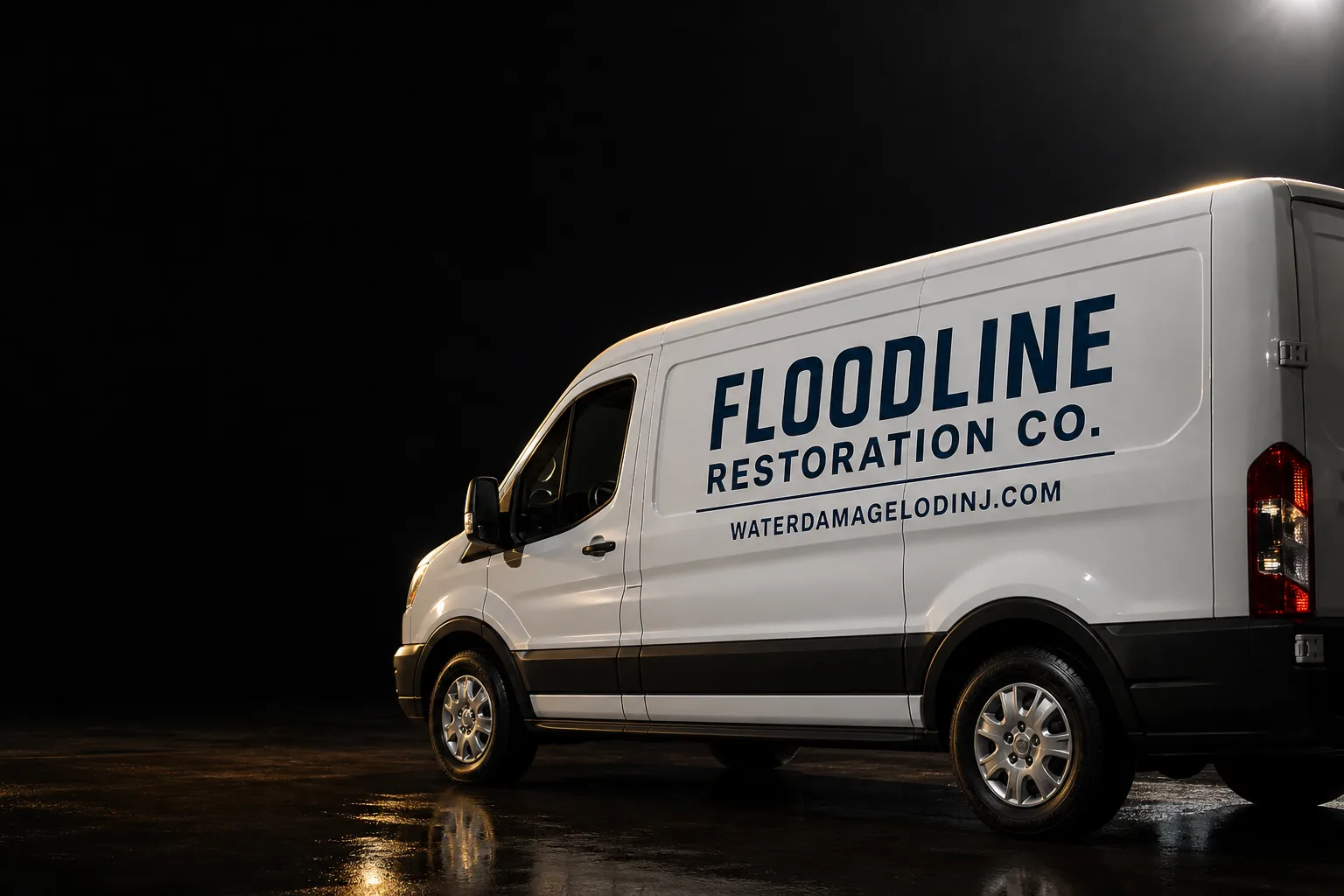
Free visual inspection and a written scope of work before any mitigation begins - photos, moisture readings, and drying logs go in your claim file
The scope we write is the scope we bill. Anything new gets shown to you, in writing, before we touch it.
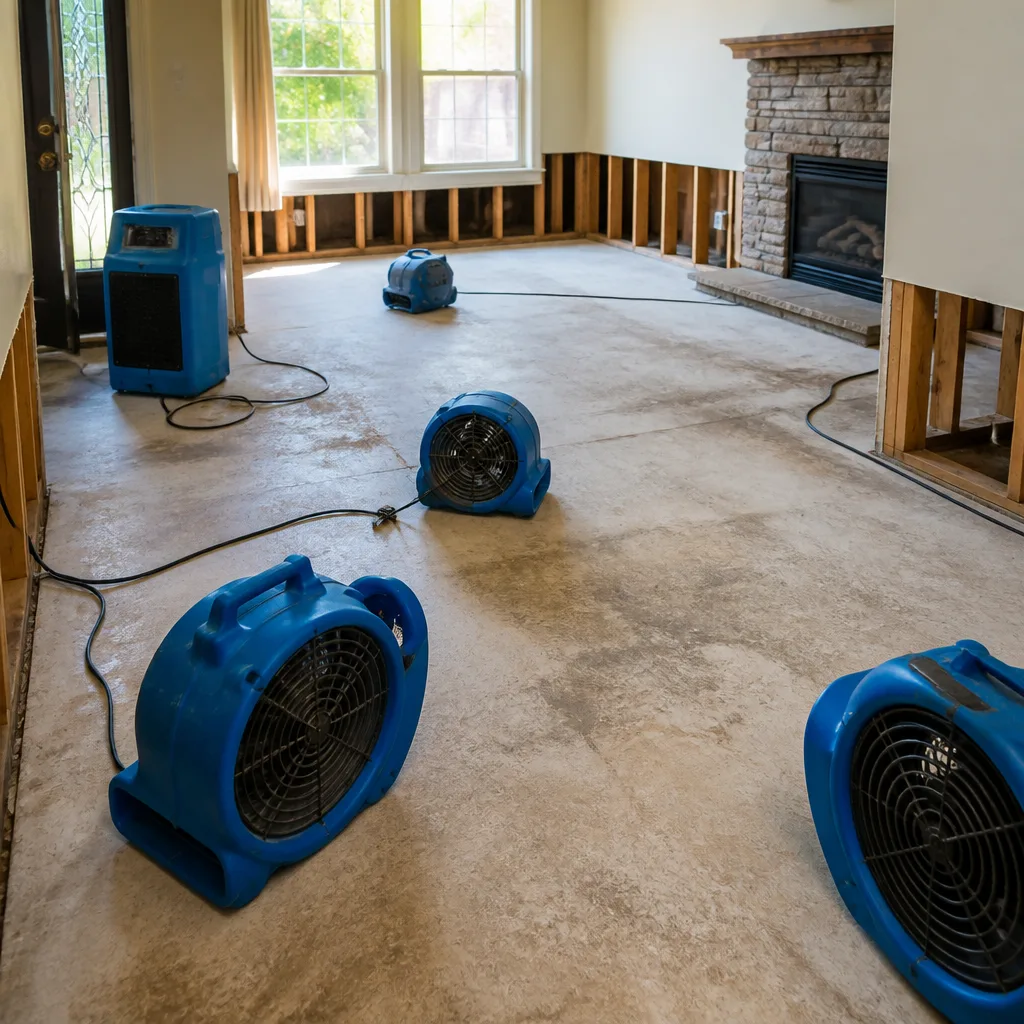
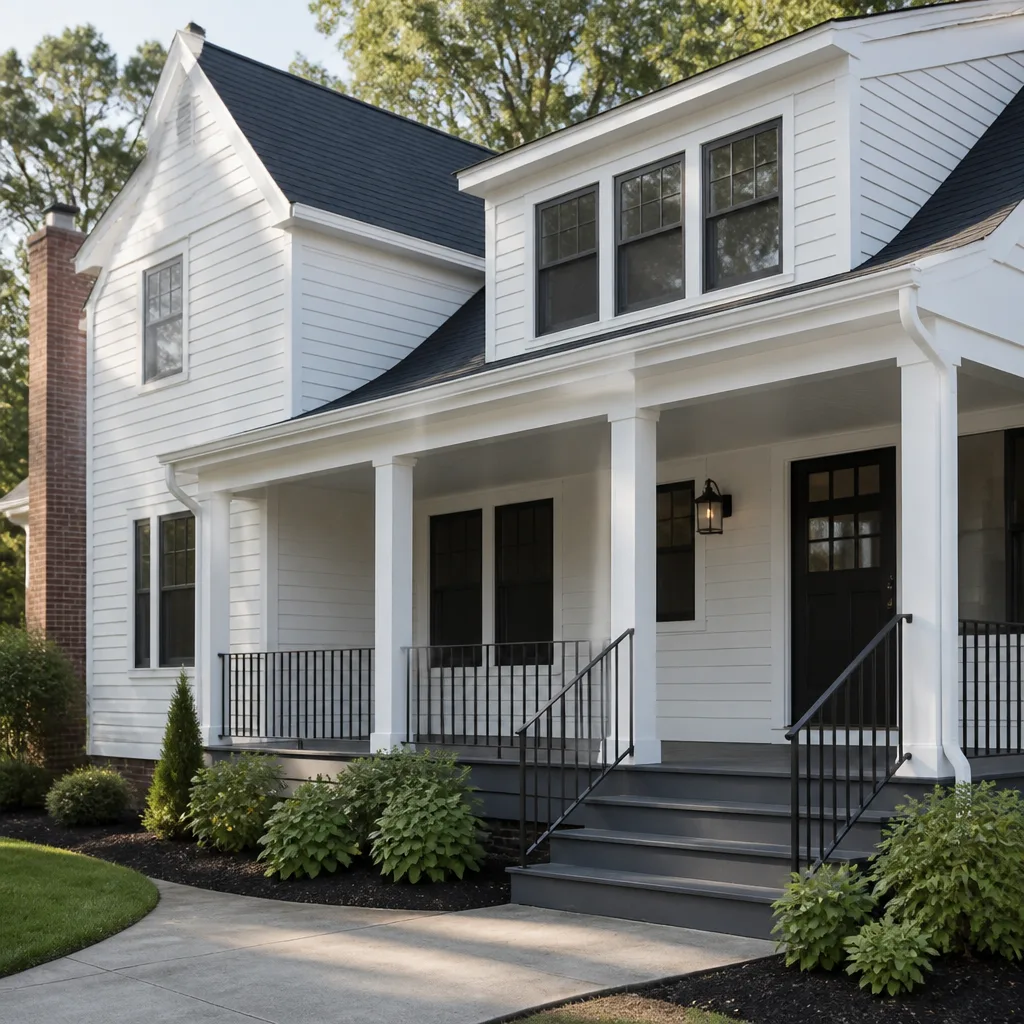
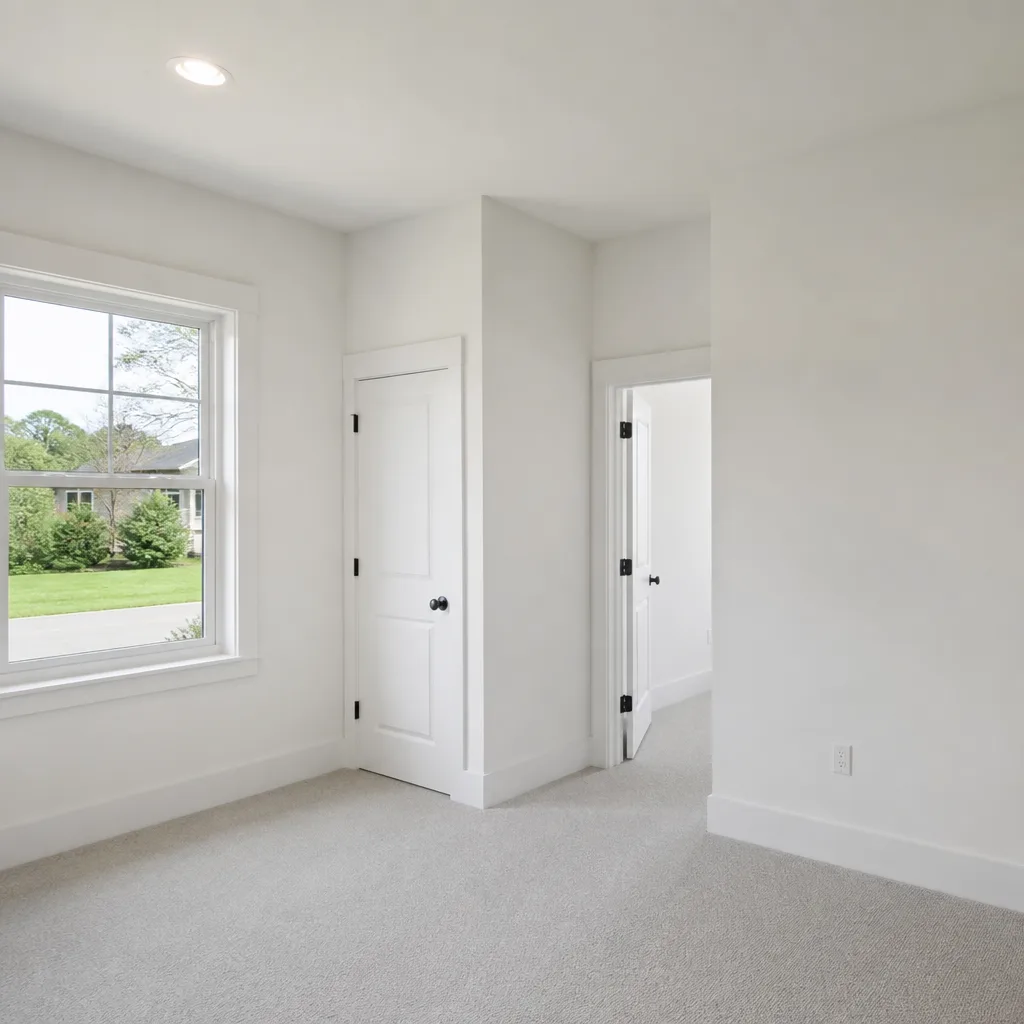
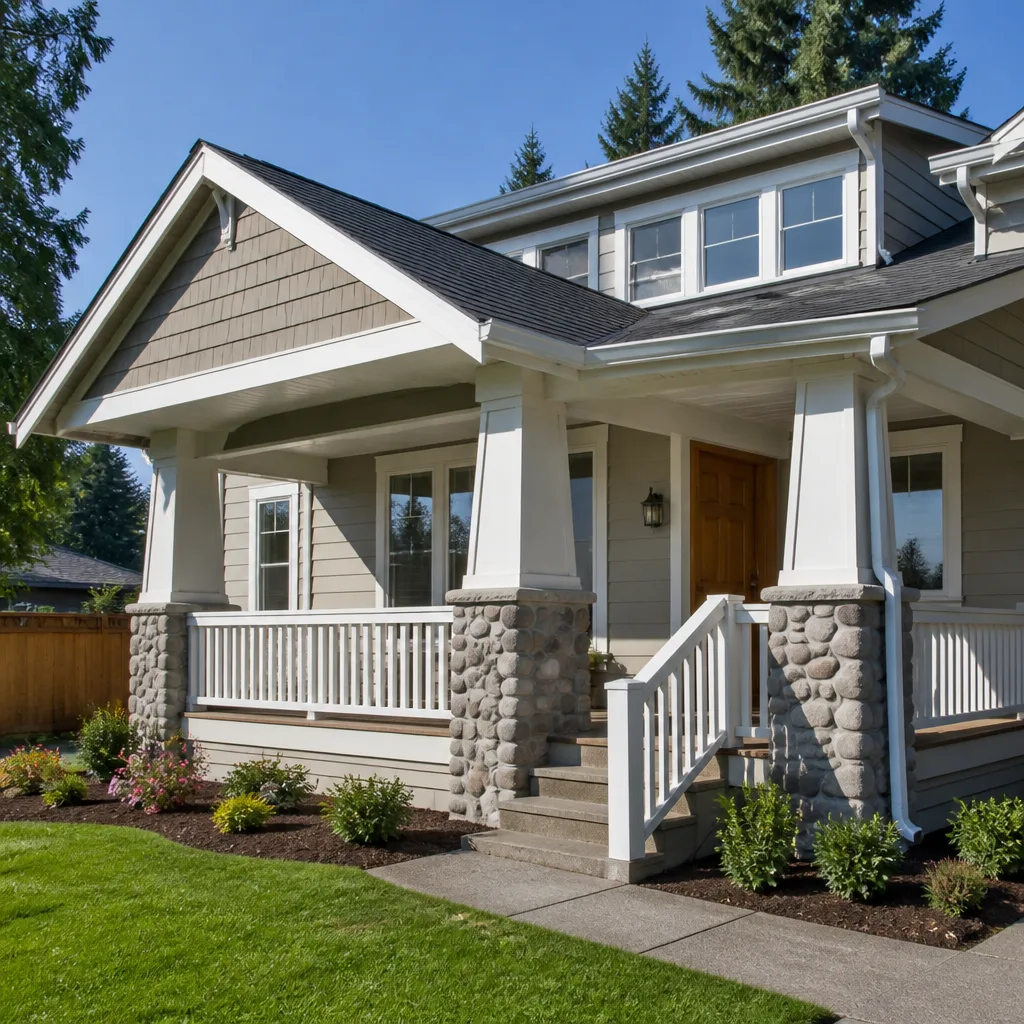
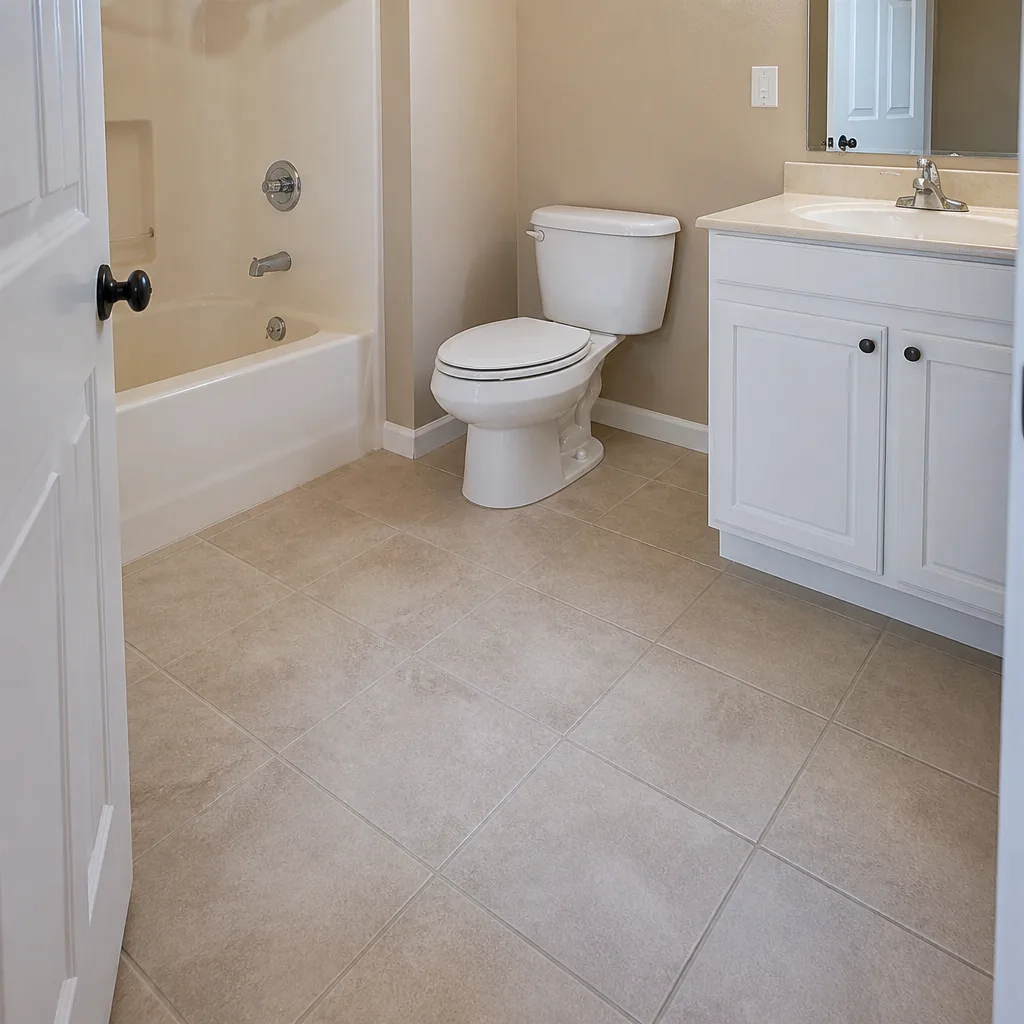
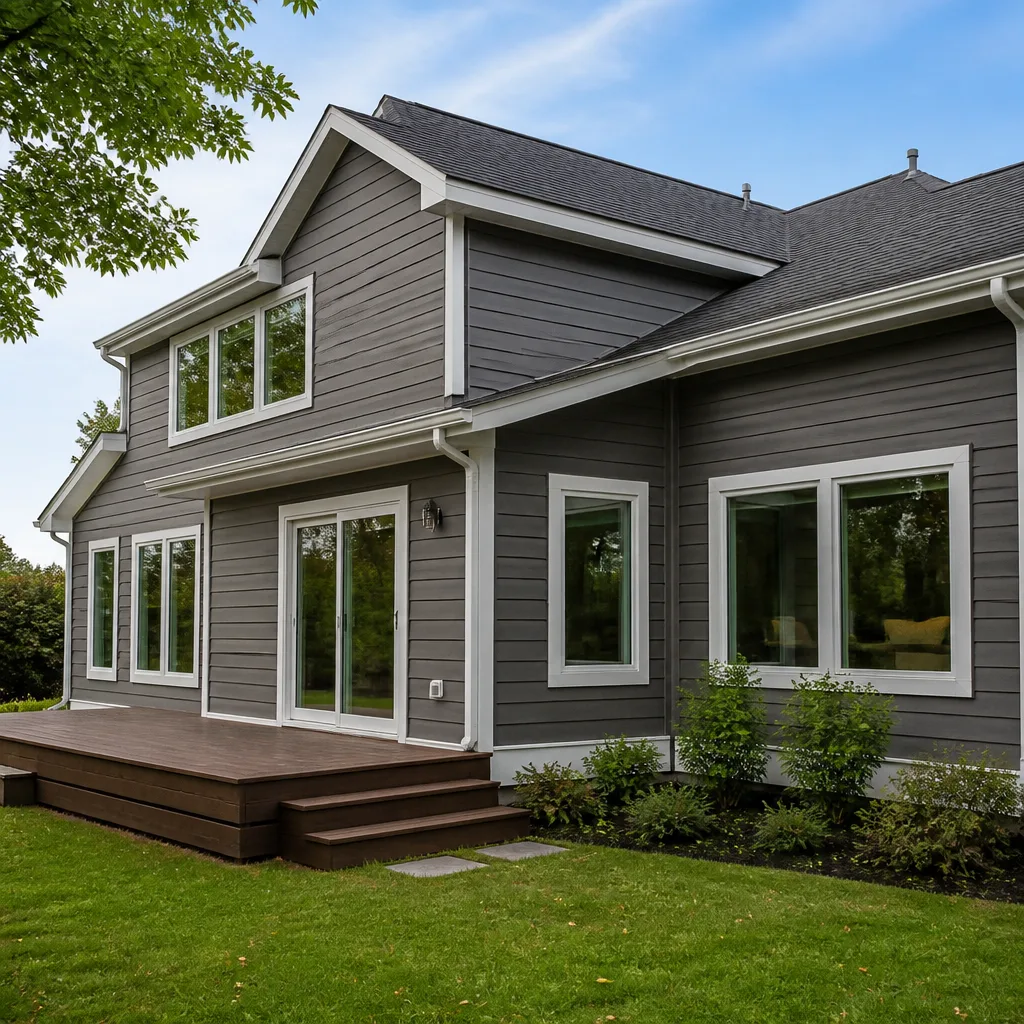
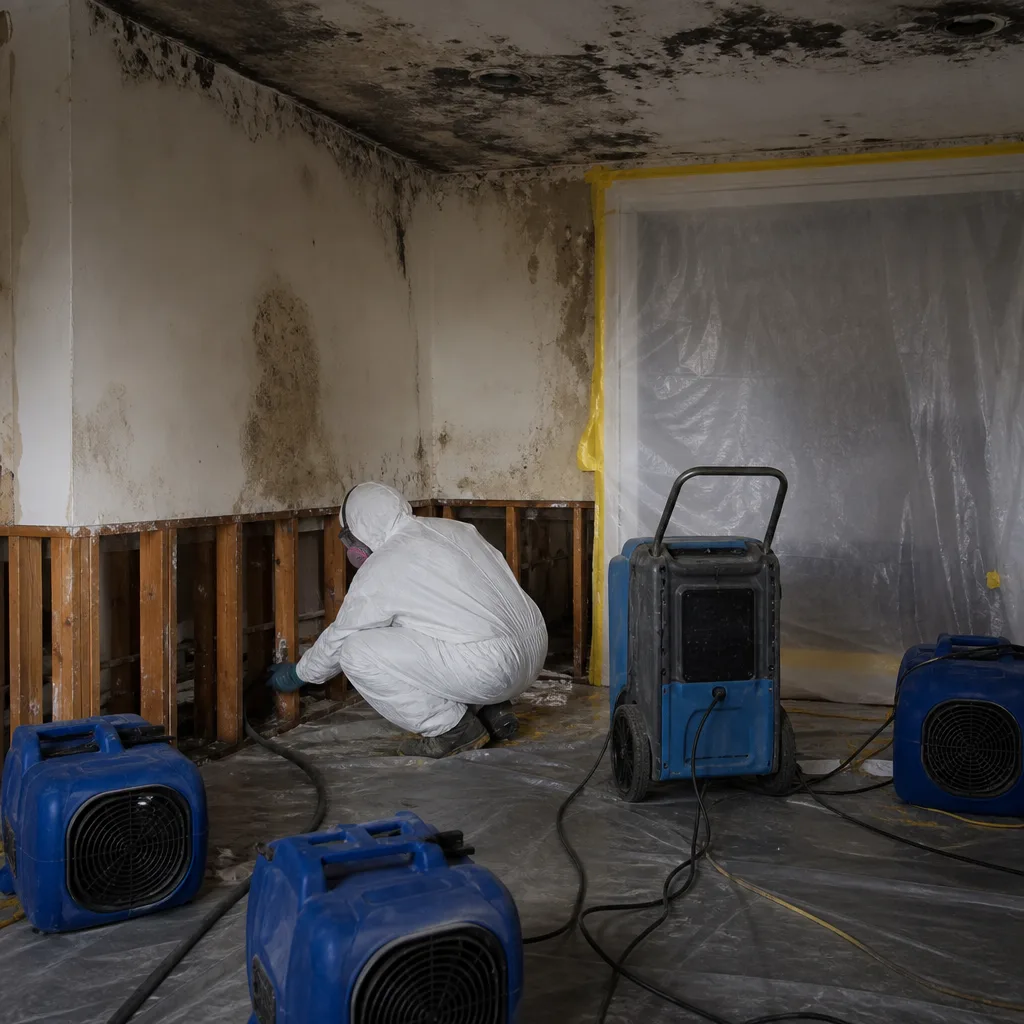 Before
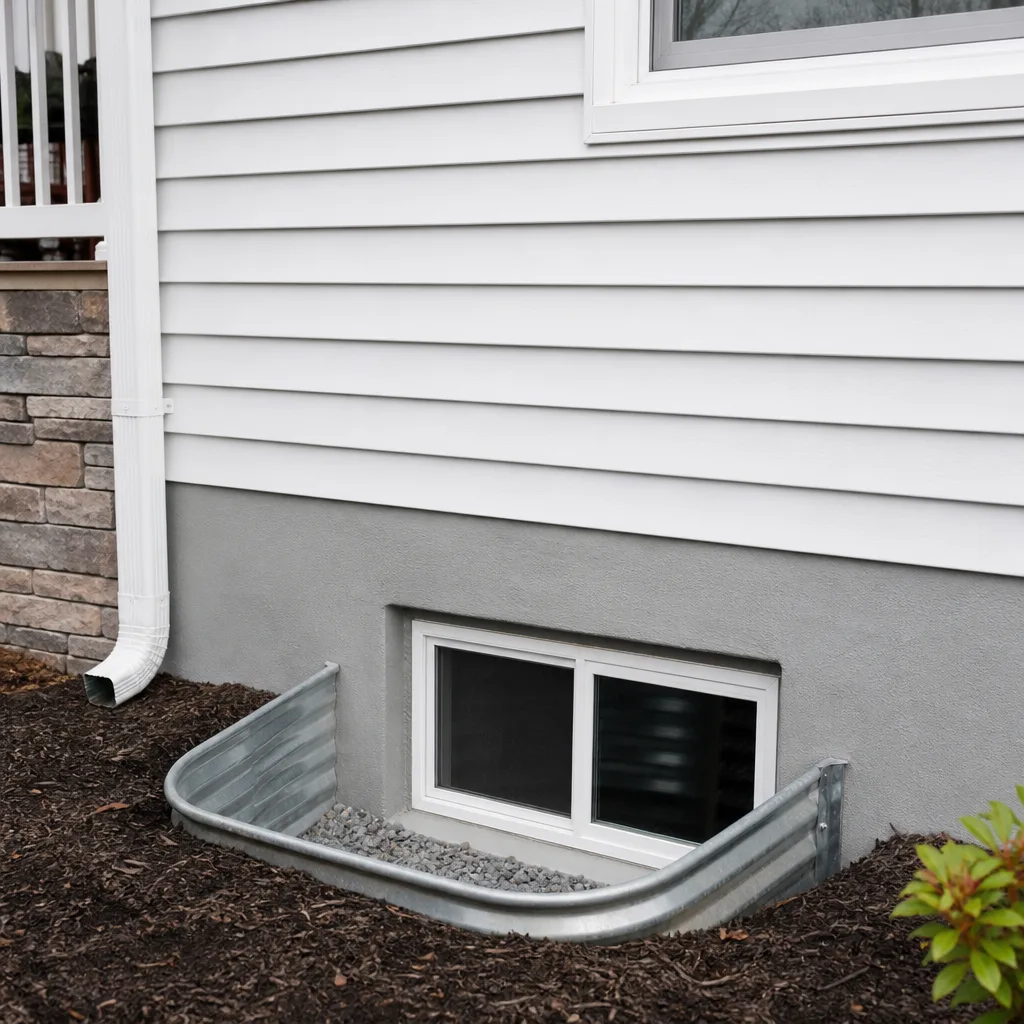 After
After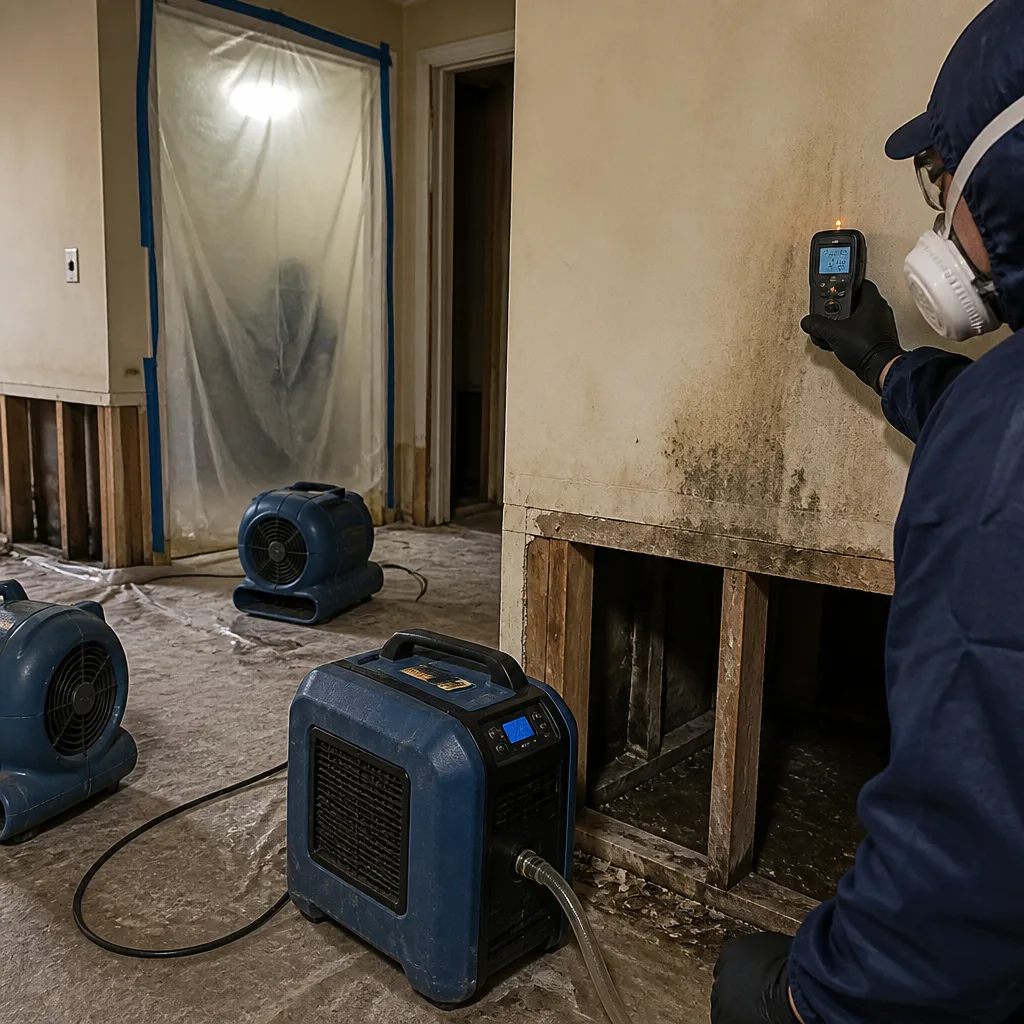 Before
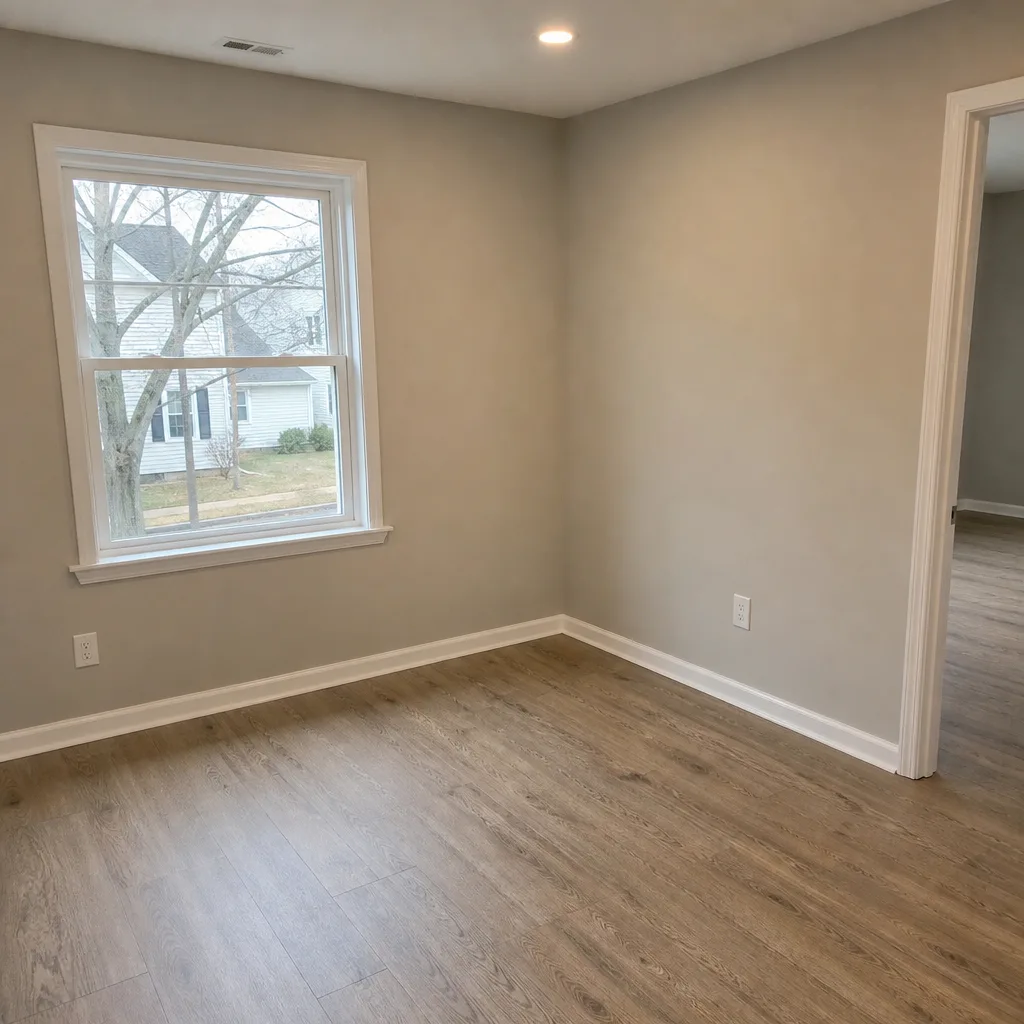 After
After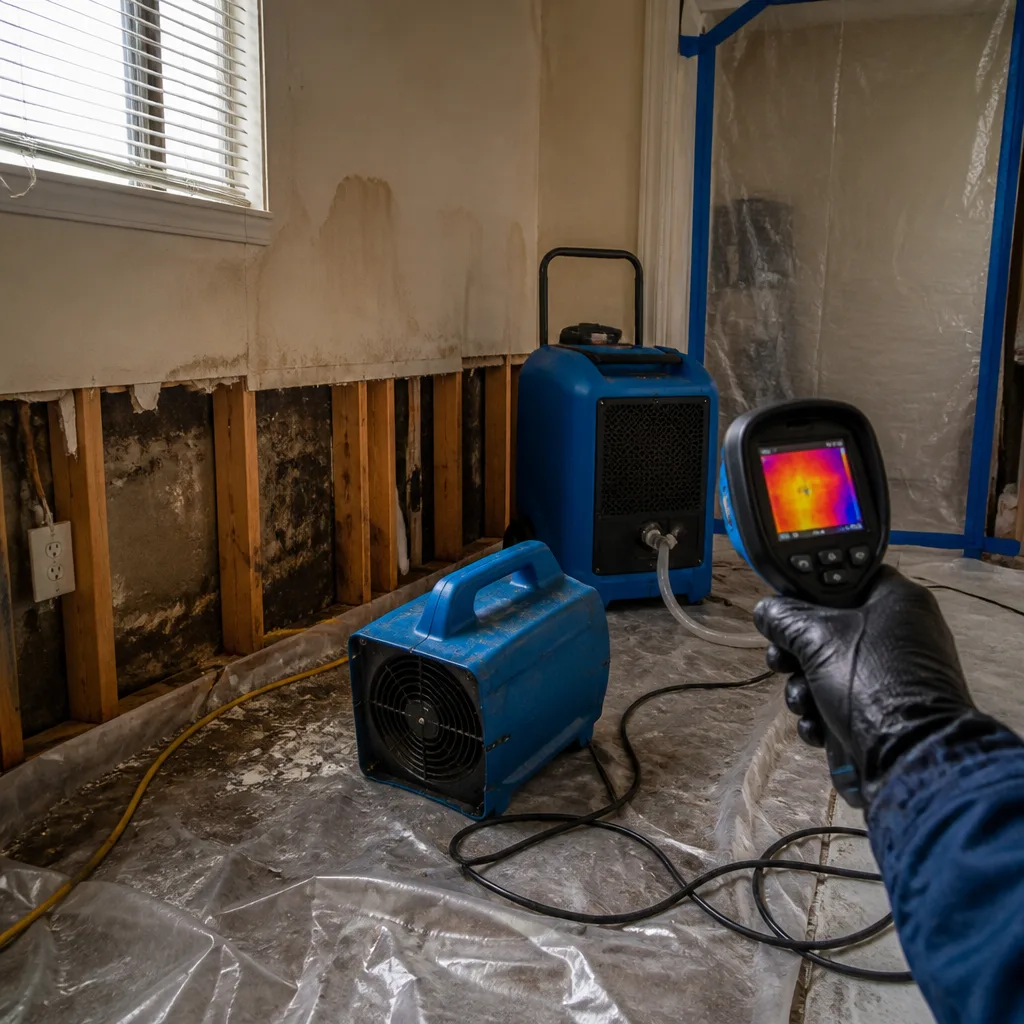 Before
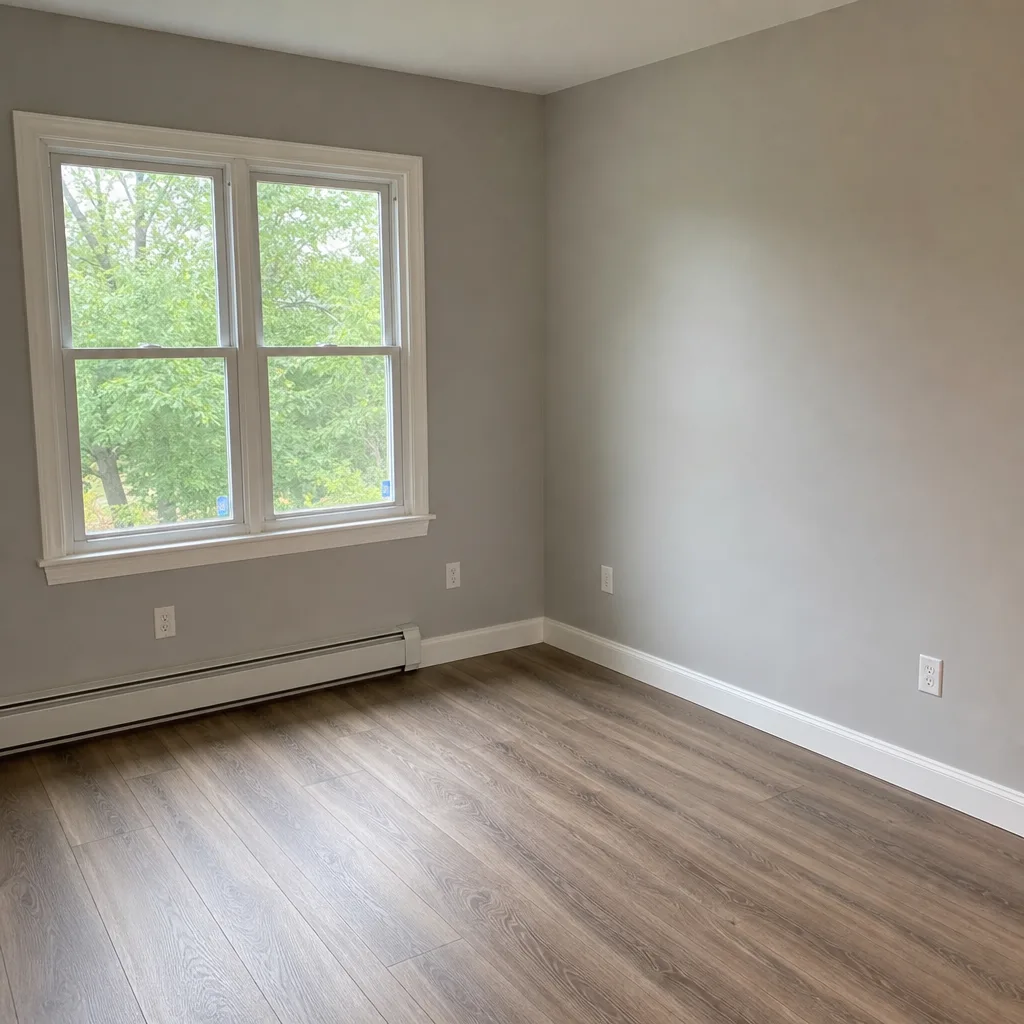 After
After24/7 Emergency Storm & Disaster Restoration in Saddle Brook
Storm damage in Saddle Brook moves fast, and so do we. When the Saddle River overflows or a nor’easter tears through Bergen County, Floodline Restoration Co. has crews dispatched to Saddle Brook neighborhoods around the clock. Call (640) 356-1140 any hour, day or night. A live person answers, not a recording, and a background-checked, uniformed technician reaches your property ready to start extraction and stabilization on that same visit.
The first hour after storm water enters your home is when the real damage gets decided. Water trapped behind 1950s paneling or soaked into carpet padding starts wicking up drywall within minutes. Mold spores that were dormant in wall cavities find moisture and begin colonizing in 24 to 48 hours. We arrive fast, we moisture-map the whole affected area, and we get professional-grade drying equipment running before secondary damage has a chance to take hold. Our Storm & Disaster Restoration team handles everything from first extraction to final rebuild, so you never play messenger between a cleanup crew and a separate contractor.
Understanding Storm & Disaster Restoration Severity in Saddle Brook Properties
Storm flooding in Saddle Brook carries a specific set of risks tied directly to the township’s housing stock and the Saddle River. Most homes here were built between the 1950s and 1970s: ranch homes, split-levels, and Cape Cods with finished or semi-finished basements. Those basements typically have poured-concrete or concrete-block walls without modern waterproofing membranes, and they were finished with the materials of the era – wood paneling, drop-ceiling tiles, and fiberglass insulation that hold moisture like a sponge.
When the river floods, we classify the water by contamination level. Category 1 is clean water from a broken supply line. Category 2 carries significant contaminants. Category 3, what we most often see after the Saddle River overtoppings its banks near Saddle Brook streets, is grossly contaminated water carrying silt, sewage, and bacteria. Category 3 water requires full containment, antimicrobial treatment, and removal of porous materials. We use thermal imaging and penetrating moisture meters to find water that has migrated behind walls and under flooring. On streets near the river corridor, that hidden water is often sitting against block walls already compromised by prior flood cycles. The restoration protocol has to account for what previous repairs left behind.
Why Saddle Brook Property Owners Choose Floodline Restoration Co.
- 45-minute response commitment. When you call with storm damage, we commit to a 45-minute dispatch window for emergency stabilization. The crew that answers is already equipped for extraction.
- 24/7 live answer, every call. A real dispatcher picks up at 2 a.m., not a voicemail tree. You reach a person who can route a crew to your Saddle Brook street immediately.
- IICRC-certified crews. Our technicians hold IICRC certifications including WRT (Water Damage Restoration Technician), FSRT (Fire & Smoke Restoration Technician), and AMRT (Applied Microbial Remediation Technician). They’re background-checked and uniformed.
- Free visual inspection. We assess the damage at no cost, explain what needs to happen and why, and give you a written scope before any work begins.
- Direct insurance billing. We bill your carrier directly and handle adjuster communication, so you’re not stuck translating a line-item estimate to a claims department.
- One team from extraction to reconstruction. The same certified crew that runs extraction and drying stays through the rebuild. No mid-job handoff, no inherited subcontractor.
Our Storm & Disaster Restoration Process
Inspection & Assessment
We walk the property with you, document every affected area, and build a moisture map using thermal imaging and penetrating meters. On Saddle Brook river-corridor homes, we specifically document pre-loss condition so this flood’s damage is separated from prior events for your insurance claim.
Extraction & Stabilization
We remove standing water with truck-mounted extraction units and submersible pumps, then stabilize the structure with emergency board-up or roof tarping where wind or debris has opened the envelope. Salvageable contents get packed out and inventoried.
Drying & Dehumidification
Professional-grade Dri-Eaz and Phoenix air movers and dehumidifiers go in immediately, placed according to the moisture map. We take daily readings with hygrometers and log them until the dry standard is met, with that log shared with you and your carrier.
Cleaning & Sanitization
We apply EPA-registered antimicrobials to affected surfaces, HEPA-vacuum porous materials, and run air scrubbers to capture airborne spores. For Category 3 flood water, this includes full containment and removal of contaminated porous materials.
Flood-Corridor Specialty Treatment
On repeat-flood homes near the Saddle River, we inspect sump systems, test for mold behind prior repairs, and address chronic moisture pathways – not just this storm’s visible damage. We document layered damage histories so future claims are cleaner.
Repairs & Restoration
The same crew rebuilds what was removed: drywall, flooring, trim, and insulation replaced to current code, with moisture-resistant materials where the river corridor makes repeat flooding likely. Every job ends with the 90-Day Done Right Promise in writing.
Need Emergency Storm & Disaster Restoration in Saddle Brook Now?
Crews minutes away, answering live 24 hours a day. The sooner we start, the less it costs.
Working With Your Insurance Company
Storm and flood claims get complicated fast, especially on Saddle Brook homes with prior flood damage on record. Insurers need to see exactly what this storm did, separate from what happened in Hurricane Irene or any earlier event. We document from the first hour: photos of every affected room, moisture readings, and a clear timeline of when water entered and what we did about it. We use industry-standard estimating software so adjusters receive numbers they recognize, and we communicate with your carrier directly. You don’t chase paperwork. We do.
What We Provide Your Insurer
- Thorough documentation of the loss
- Photos of all damage, room by room
- Moisture readings and drying logs
- A detailed, line-item scope of work
- Direct coordination with your carrier
Built for Saddle Brook’s Loss Calendar
Saddle Brook’s storm damage pattern follows a rhythm that local adjusters and restoration crews both know. January and February bring deep-freeze cycles that burst supply lines and split pipes in unheated basements and crawlspaces, especially in those 1950s ranchers with original plumbing. March and April mean snowmelt and spring rains saturating the ground, which pushes the water table up and seeps through every hairline crack in concrete-block foundation walls. Summer brings sudden thunderstorms that dump inches of rain in an hour, overwhelming the Saddle River’s tight flood corridor even when nobody expected flooding. Fall nor’easters drive wind-driven rain into siding and roofing, and wind damage sends tree limbs through windows on streets off Maywood Avenue and throughout the 07663 zip code. The pattern repeats, which is why Saddle Brook homeowners need a restoration company that understands repeat flood events – not just first-time storm cleanup.
Storm & Disaster Restoration Across Saddle Brook’s Neighborhoods
The homes off Maywood Avenue and around Cambridge Avenue run close to the Saddle River, and those are the streets where we most often see Category 3 flood water and layered damage histories. The split-levels and Capes along those corridors sit on lots that slope toward the river, which means even moderate storms can push surface water into basement stairwells and window wells. Over near Route 46 and the business corridor, wind damage and roof leaks are the more common call: older commercial roofs and the residential streets behind them catch debris and falling limbs in high-wind events. Along the residential grid between Midland Avenue and the river, the post-war ranches have basements that were finished decades ago with materials never designed to dry out after a flood. The paneling swells, the drop ceiling tiles sag, and what looks like minor water at the baseboards is often hiding a wall cavity full of moisture. We route crews to all of these areas with equipment already loaded for extraction and drying, because we know which streets flood first when the river rises.
Specialized Storm & Disaster Restoration Services We Offer in Saddle Brook
Storm Damage Cleanup
After a nor’easter or summer line of thunderstorms, Saddle Brook properties can be left with downed branches, water intrusion, and wind-driven debris. We respond with the same urgency as a flood call, because standing water from wind-driven rain soaking into carpet and drywall creates the same mold window as river flooding. Our crews clear debris, extract water, and set drying equipment in one visit.
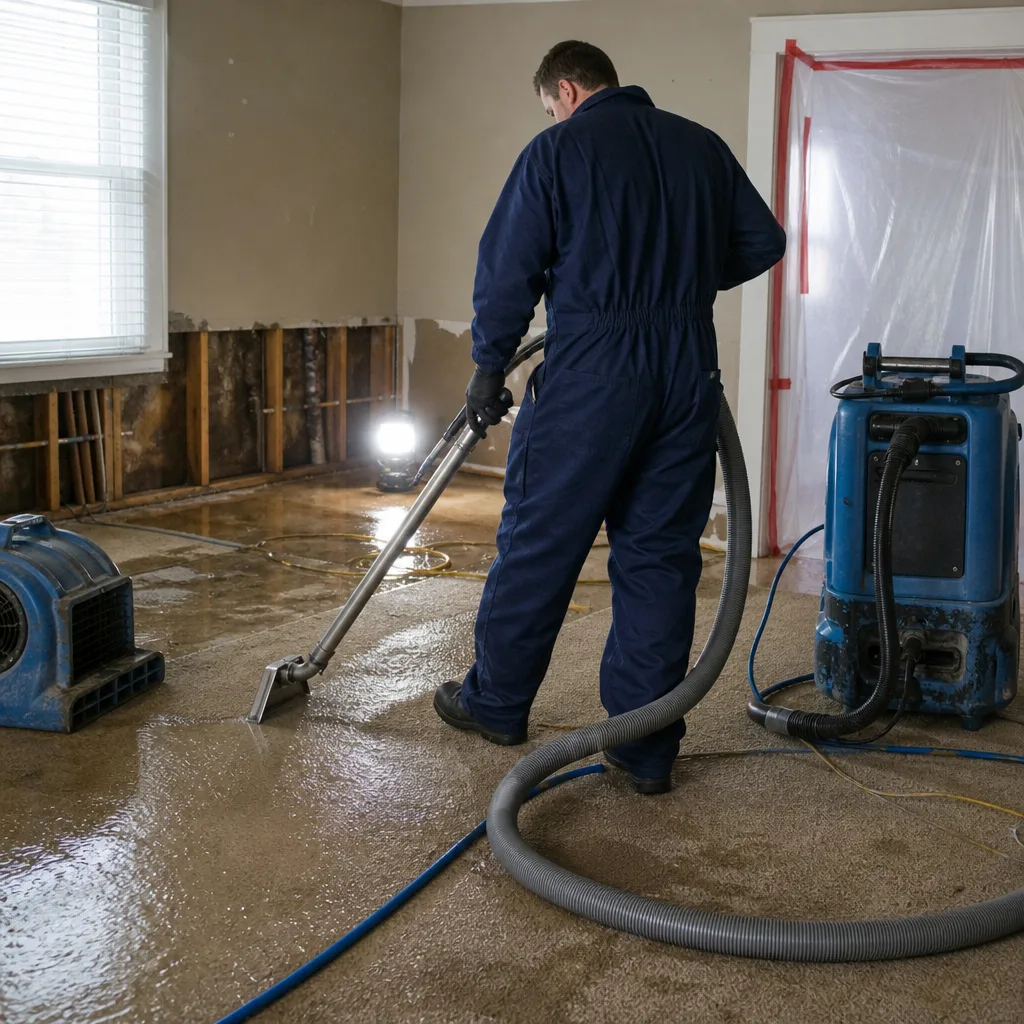
Flood Damage Restoration
This is the core of what Saddle Brook needs most. When the Saddle River overtoppings its banks or spring saturation drives groundwater into basements, we treat it as the serious contamination event it is. Category 3 protocol means containment, antimicrobial treatment, and removal of saturated porous materials. We document pre-loss condition, separate this flood’s damage from prior events, and dry the structure to a measurable standard with daily logs.
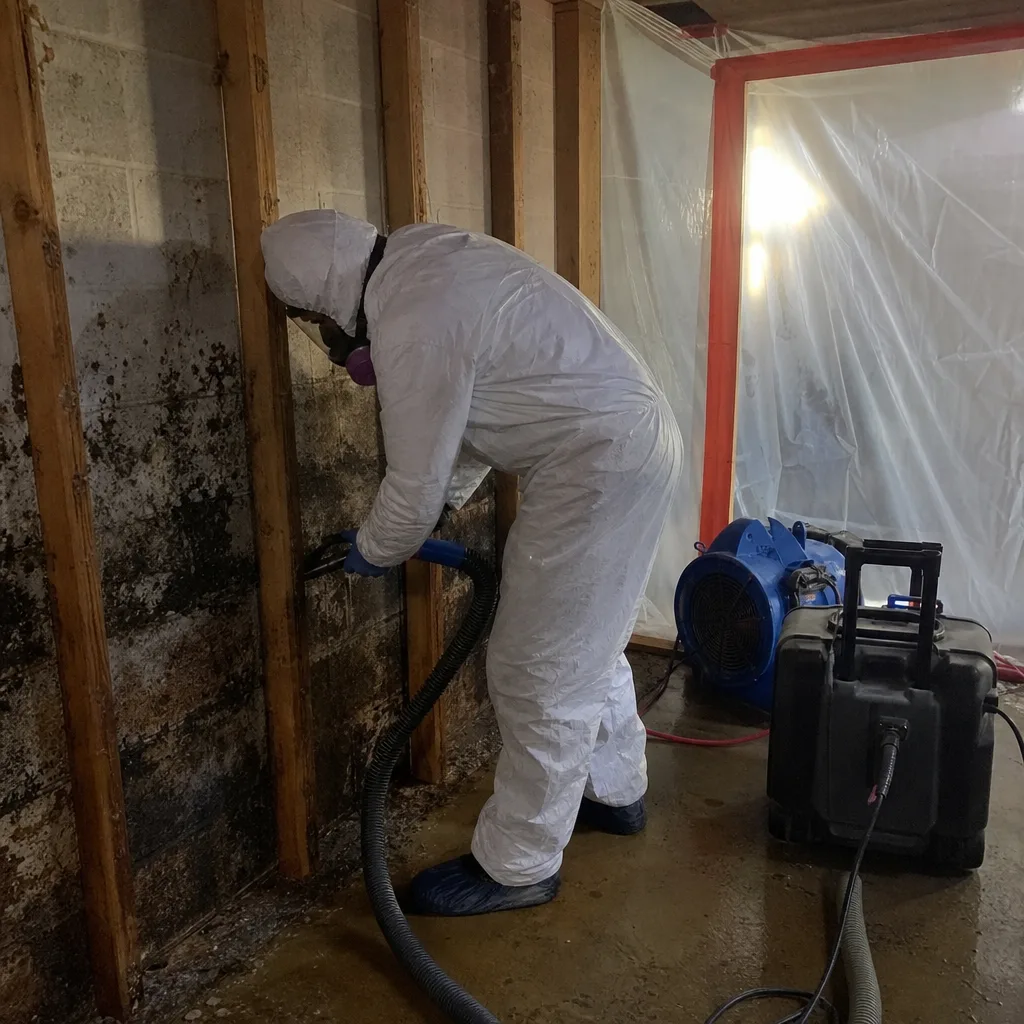
Emergency Board-Up
When wind damage or fallen trees breach windows, doors, or roof sections, the property needs to be secured before water and animals get in. We board up openings with plywood and framing, tarp damaged roof sections, and secure the structure so restoration can proceed safely. This happens on the same visit as the initial assessment.
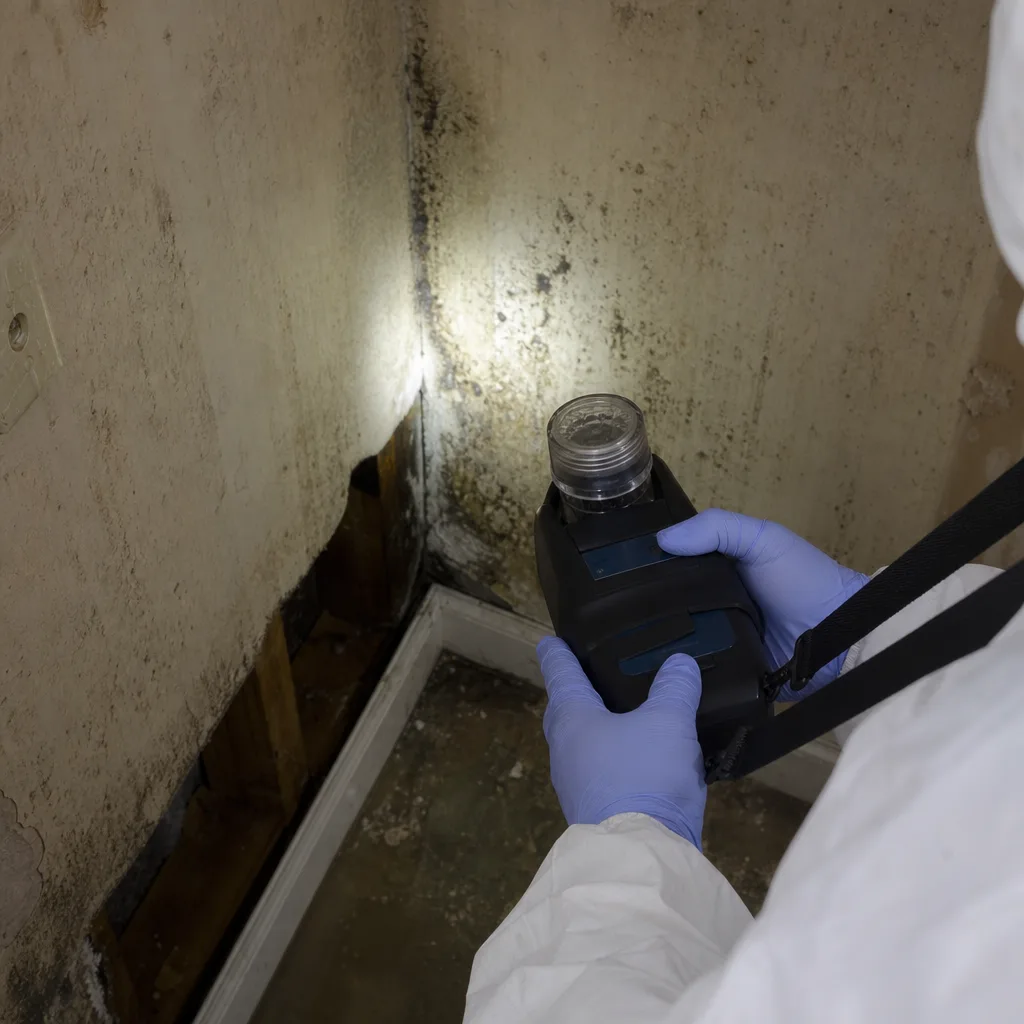
Roof Tarping
Storm-damaged roofs in Saddle Brook’s older housing stock often have multiple layers of shingles and flashing that’s decades old. A tarp goes on fast to stop active leaks, but the underlying damage still needs assessment. We document the roof condition for your insurer and coordinate repairs that match the existing structure.
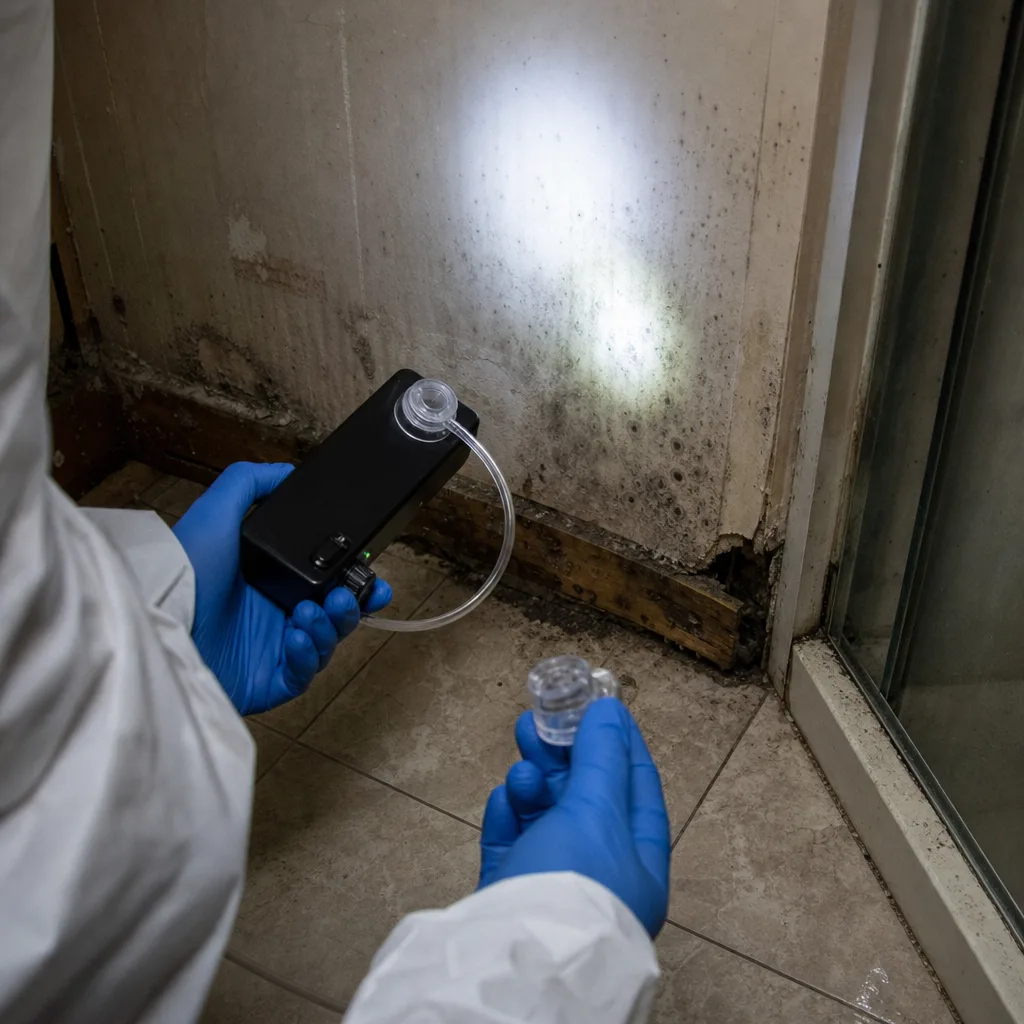
Debris Removal
After high winds, tree limbs, shingles, and building materials scatter across Saddle Brook properties. We clear the debris that matters for restoration: whatever is blocking access, holding moisture against the structure, or creating a safety hazard. Our crews remove it as part of the overall restoration, not as a separate line item you have to arrange yourself.
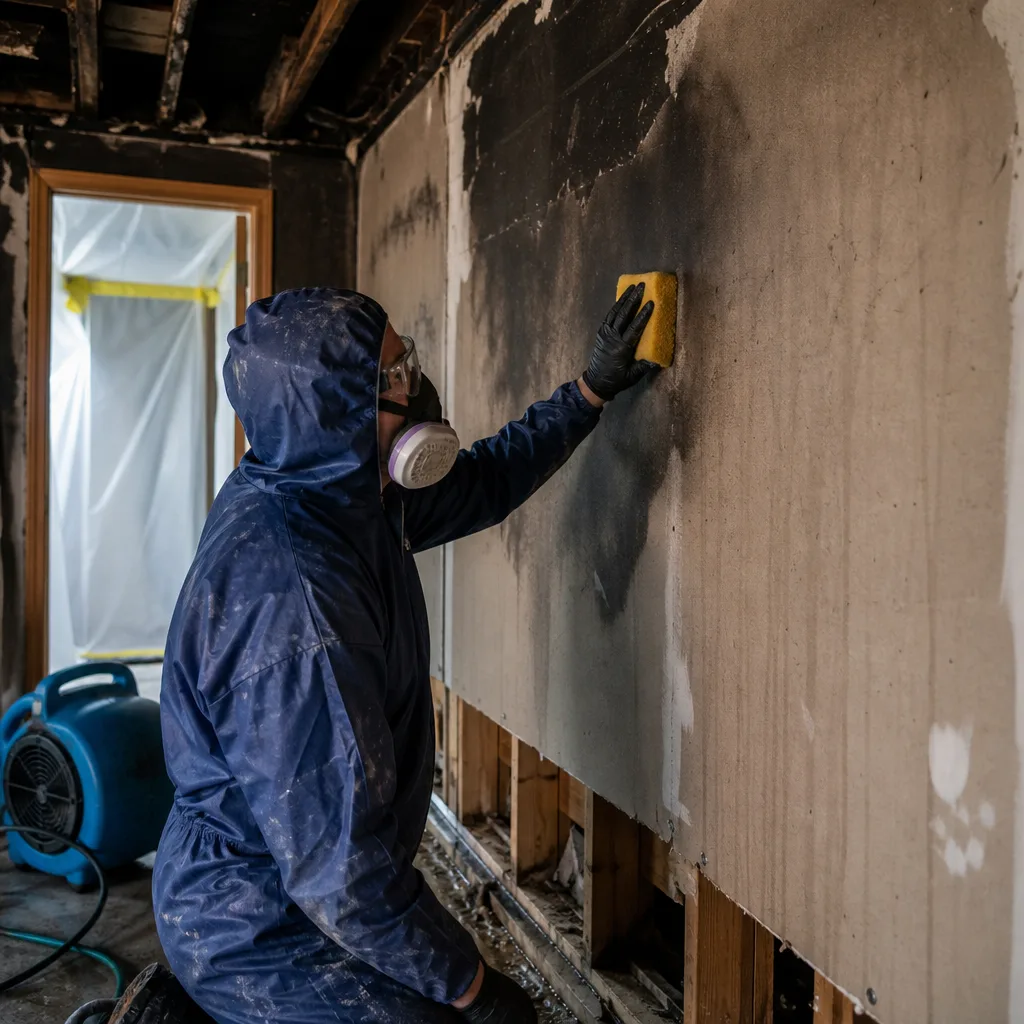
What happens when you call
- 1
A real person answersNo phone trees - you reach a local pro.
- 2
You get an upfront price rangeHonest numbers before anyone is dispatched.
- 3
A background-checked tech heads outLicensed & insured, dispatched right away.
- 4
You approve before work beginsNothing starts until you say go.
Storm & Disaster Restoration Costs in Saddle Brook, NJ
Storm restoration costs in Saddle Brook depend on what the water touched and what it was. A straightforward Category 1 water extraction with fast drying in a single room typically runs $900 to $1,800. Category 2 or 3 flood water in a finished basement, the situation most common along the river corridor, usually lands between $3,500 and $9,000 depending on how much drywall, paneling, and flooring has to come out. Emergency board-up and roof tarping generally run $450 to $1,200 as a stabilization measure before the full scope is written. Debris removal after a wind event typically adds $300 to $800. What moves the price: square footage affected, water category, whether asbestos testing is required for 1950s-era materials, and how long water sat before extraction started. The free visual inspection gives you a firm line-item scope in writing, with no surprises on the bill. Call (640) 356-1140 and we’ll walk the property and tell you exactly what needs to happen and what it costs.
We Also Serve Cities Near Saddle Brook
Our Saddle Brook crews also respond to storm and flood emergencies in Maywood, Garfield, Lodi, and Hackensack. The same certified technicians, the same equipment, and the same 45-minute dispatch commitment apply across the area.
Serving Saddle Brook, NJ - Our Local Coverage Area
We’re based in the Saddle Brook area and know this community well. Use the map below to see our service coverage - if you’re nearby, we can almost certainly help.
Saddle Brook Storm & Disaster Restoration Questions, Answered
How do you handle a Saddle Brook basement that has flooded more than once from the Saddle River?
We treat repeat flood events as separate damage events, not copies of each other. On arrival, we document pre-loss condition for this specific flood, then moisture-map the entire basement to find hidden water behind paneling and drywall from prior repairs. We remove only what this flood damaged, but we flag chronic moisture pathways like failed sump systems and foundation cracks so your restoration doesn’t just rebuild the same problem. Call (640) 356-1140 for a free assessment of your specific basement.
What type of water damage does Saddle Brook’s river flooding typically involve?
Saddle River flooding is almost always Category 3 water – grossly contaminated with silt, sewage, and bacteria. That means porous materials like carpet, padding, paneling, and unsealed drywall typically need removal, not just drying. We follow IICRC Category 3 protocol from containment through antimicrobial treatment. The faster extraction starts, the more of your structure can be saved. Call us any hour at (640) 356-1140.
How quickly can mold start growing in a Saddle Brook basement after a storm?
Mold spores begin colonizing wet organic materials in 24 to 48 hours when moisture and temperature are right. In Saddle Brook’s older finished basements, the paneling and drop-ceiling tiles installed decades ago give mold exactly what it needs. That’s why we dispatch crews on the same call and get extraction running on the first visit. If you suspect water has been sitting, call (640) 356-1140 before the 48-hour window closes.
Do I need to move my belongings before your storm restoration crew arrives in Saddle Brook?
No. We handle pack-out of salvageable contents as part of restoration. Our crew photographs, inventories, and moves items to a dry area or our storage, depending on the scope. What you should do: shut off electricity to affected areas if safe, avoid standing water where wiring may be submerged, and keep children and pets out. Then call us at (640) 356-1140 and let our crew take it from there.
How do you document the restoration work for insurance claims on Saddle Brook flood damage?
We document from the first hour with photos of every affected room, moisture readings, and a written timeline of what we found and what we did. For repeat-flood homes, we specifically document pre-loss condition so this storm’s damage is separate from prior events in your claim. We use industry-standard estimating software and communicate directly with your adjuster. The drying log we hand you at the end of the job is the same one we send your carrier.
How fast can a restoration crew actually reach my Saddle Brook home?
We commit to a 45-minute dispatch window for emergency stabilization in Saddle Brook. A live person answers the phone 24/7, and the crew that arrives is already equipped for extraction and drying. In the worst storms when demand peaks, we still answer every call with a person and give you a straight answer about when we’ll arrive. Call (640) 356-1140 now.
Can we stay in the house during storm damage restoration?
It depends on the water category and affected areas. For Category 3 water, we may recommend you vacate affected rooms until containment and antimicrobial treatment are complete. For clean water with fast extraction, you can often stay in the house while drying equipment runs. We’ll tell you what’s safe based on what we find during the free inspection, and we’ll put it in the written scope.
What should I do in the first 30 minutes after a storm floods my Saddle Brook home?
Call (640) 356-1140 first. Then shut off electricity to affected areas if you can do so safely from a dry location. Don’t walk through standing water where wiring may be submerged. Don’t try to vacuum water out with a shop vac – Category 3 water needs professional extraction and disposal. The sooner our crew starts, the less structural damage and mold you’ll face.
Storm water in Saddle Brook doesn’t wait, and neither do we. Floodline Restoration Co. has served this area for over 42 years with certified crews, professional-grade equipment, and a written guarantee on every job. When the Saddle River rises or a nor’easter hits, call (640) 356-1140 for a free estimate and a live person on the line, 24 hours a day. The line the water left is where we start. Done right – and backed in writing.
Written by Curt Bowman, Owner at Floodline Restoration Co., serving Saddle Brook and surrounding Bergen County communities since 2010.