
Free visual inspection and a written scope of work before any mitigation begins - photos, moisture readings, and drying logs go in your claim file
The scope we write is the scope we bill. Anything new gets shown to you, in writing, before we touch it.
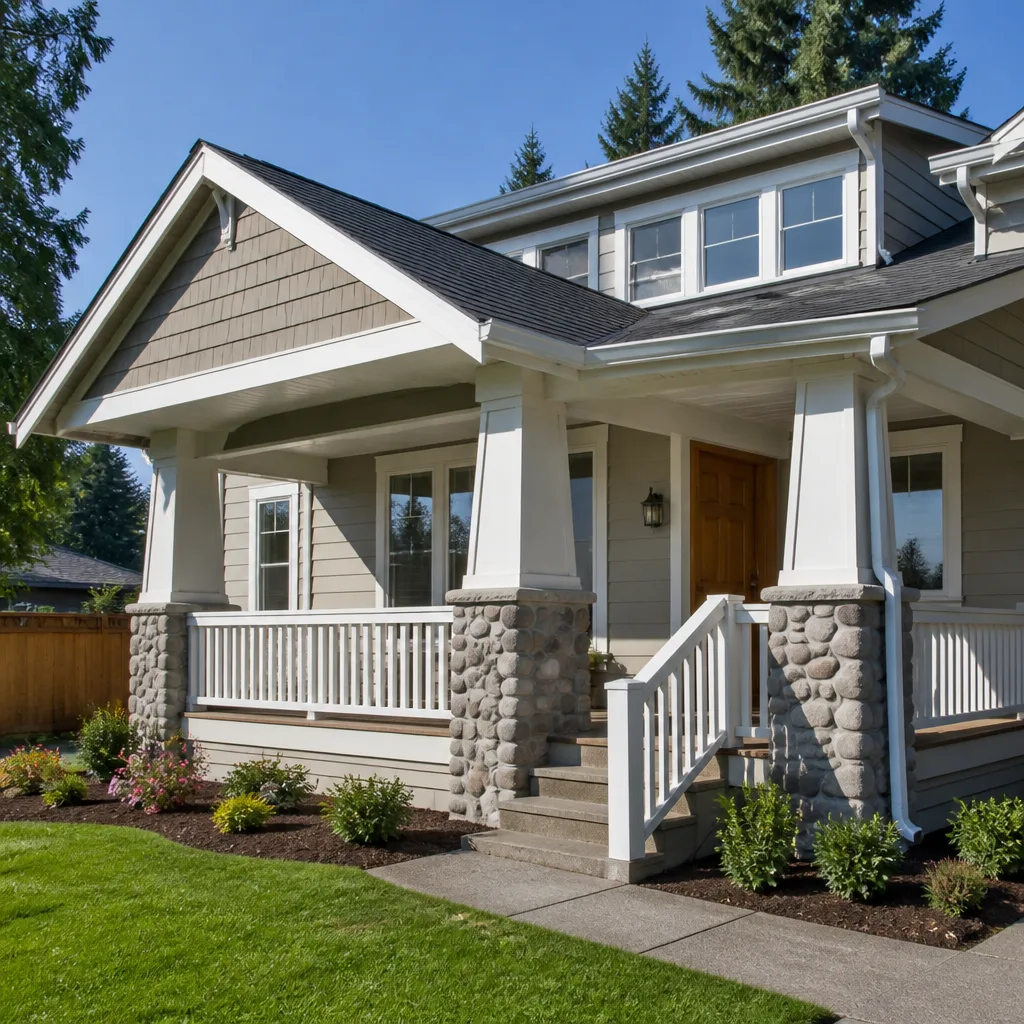
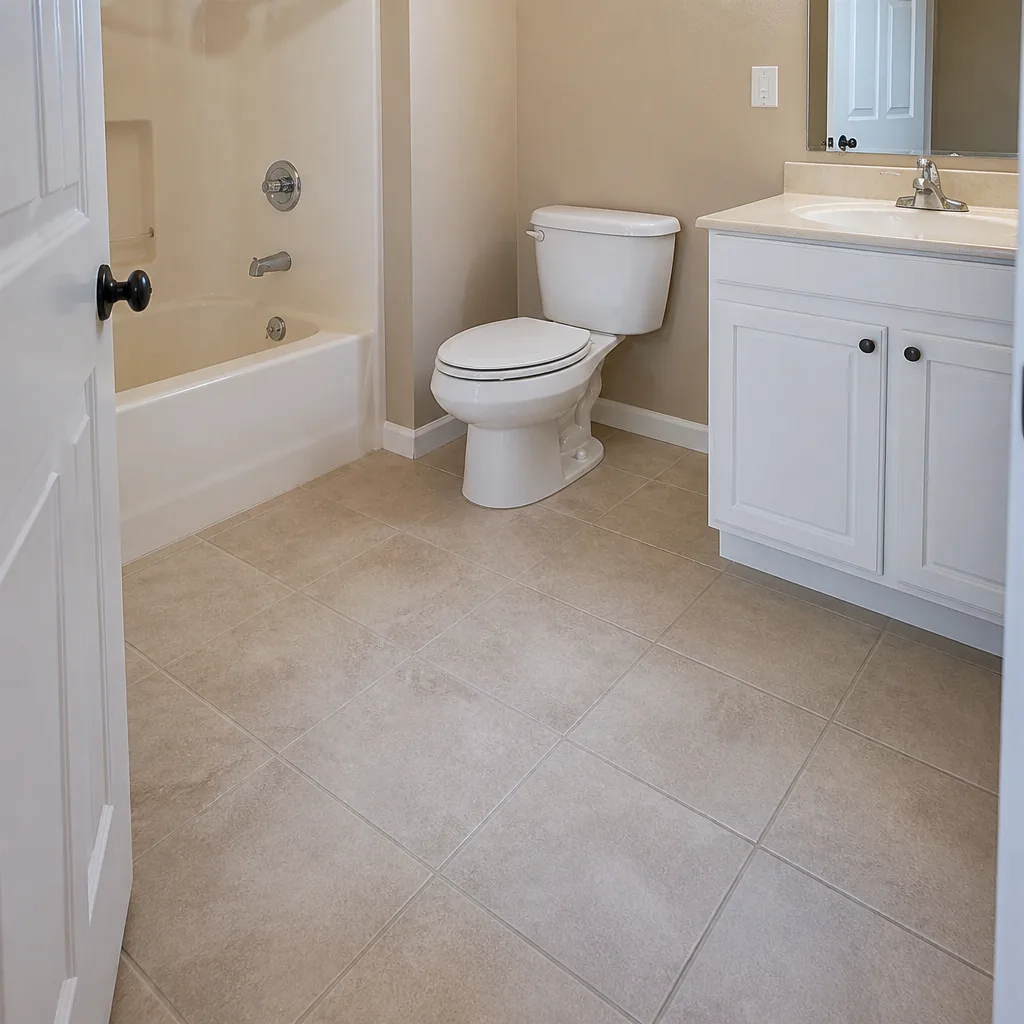
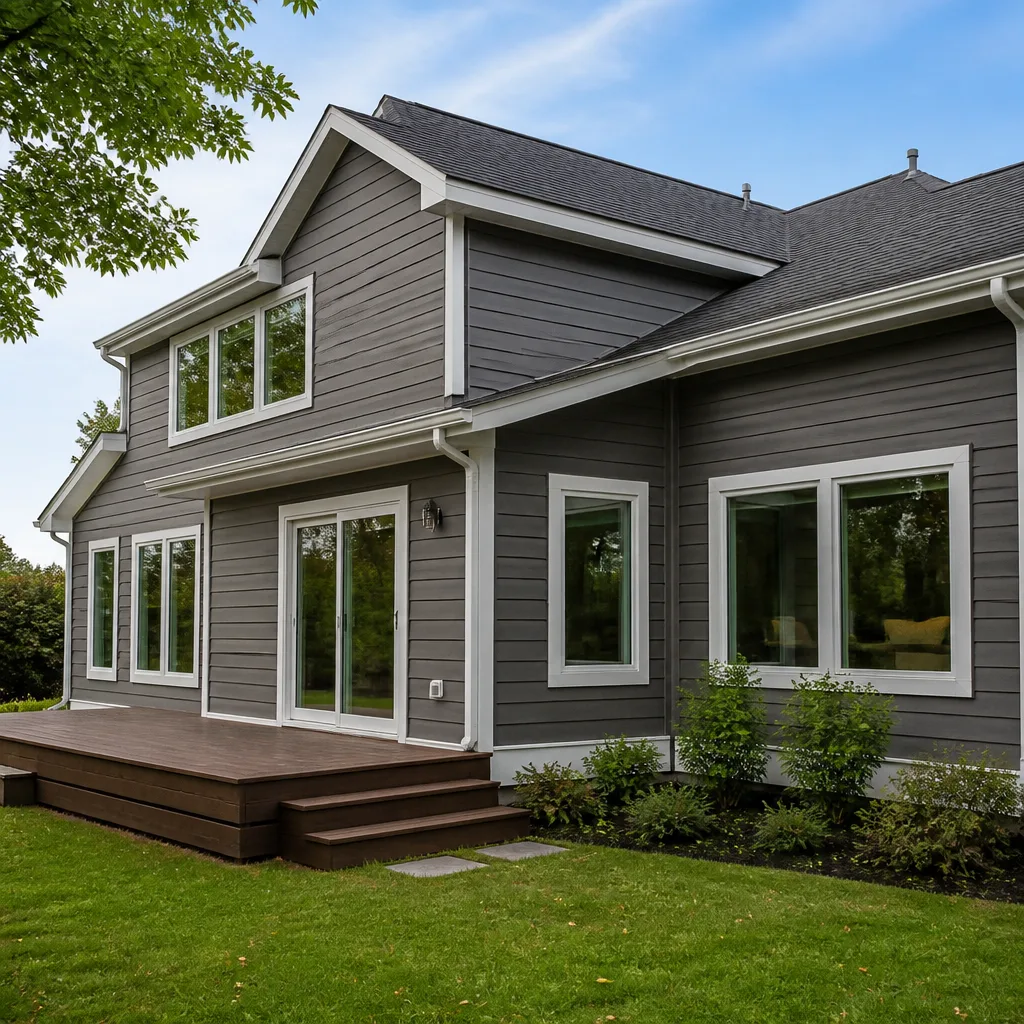
 Before
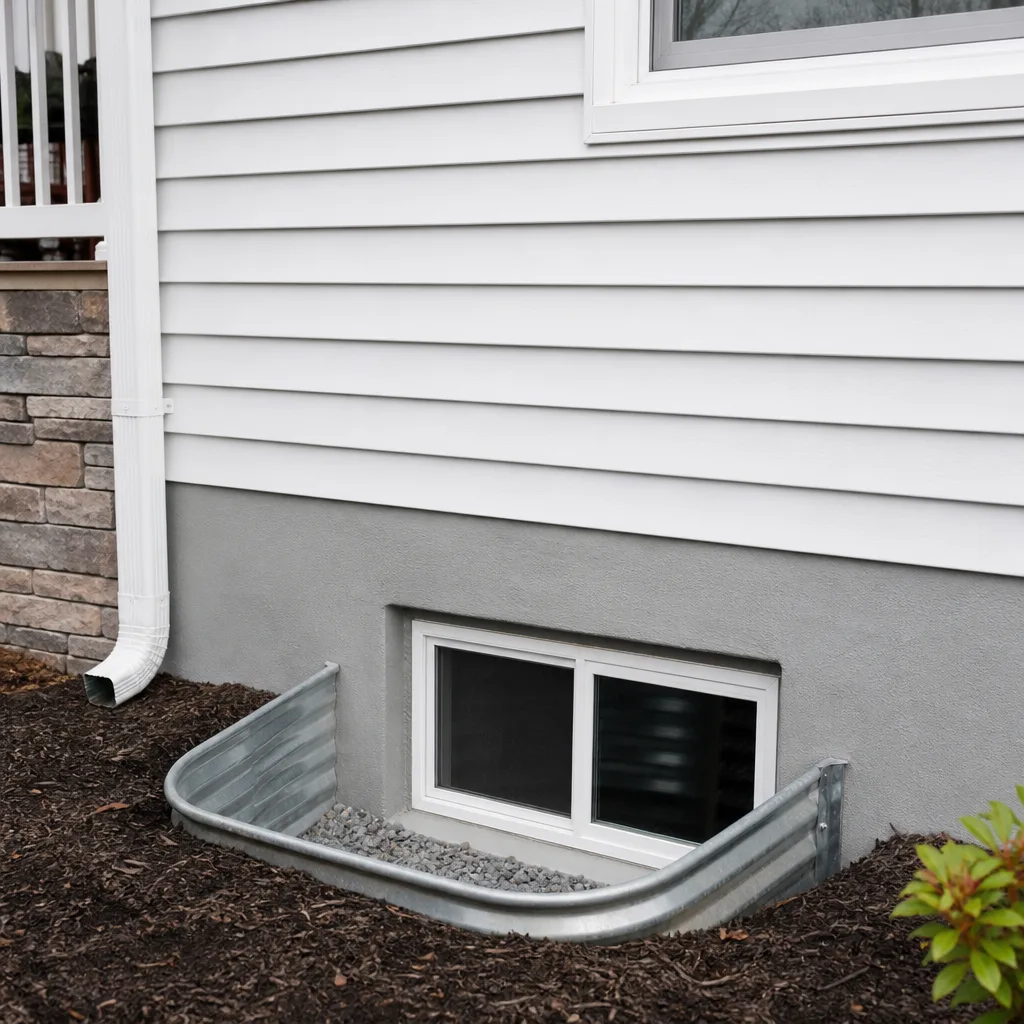 After
After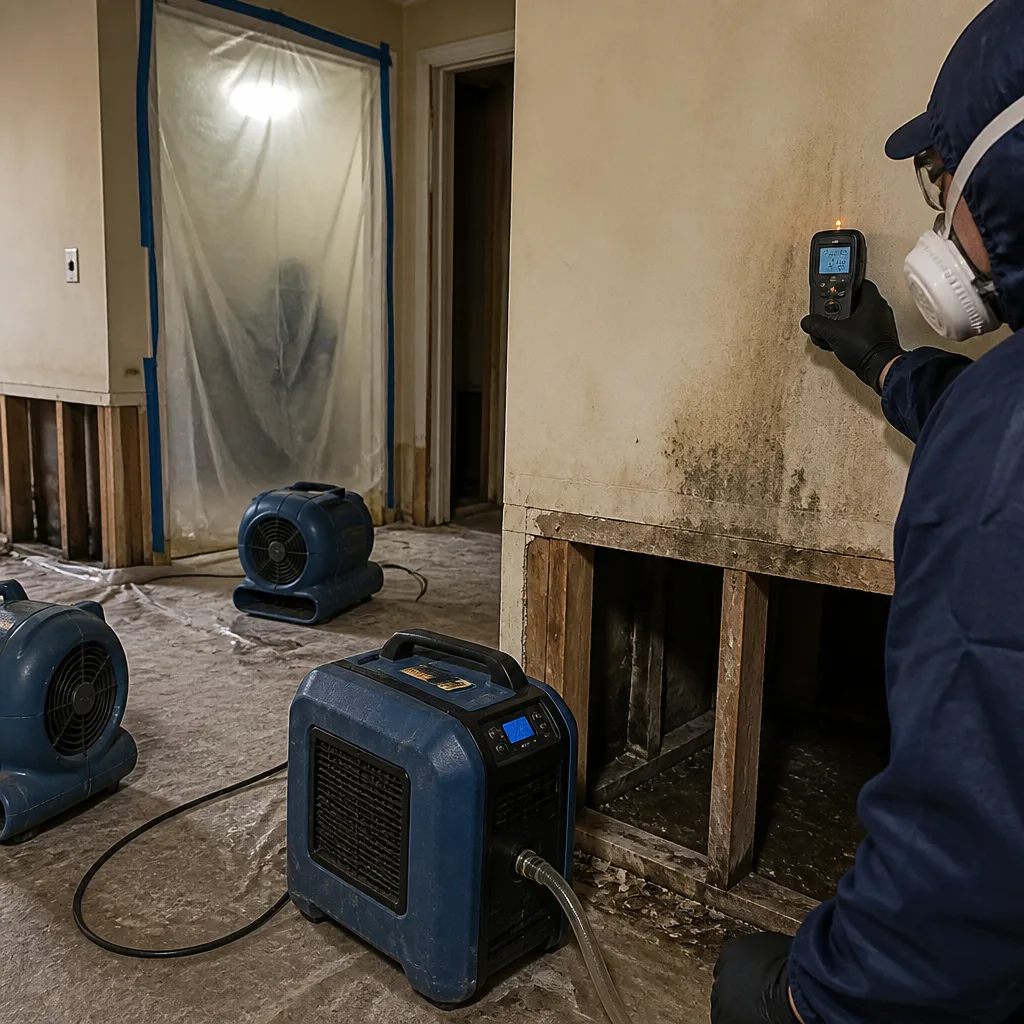 Before
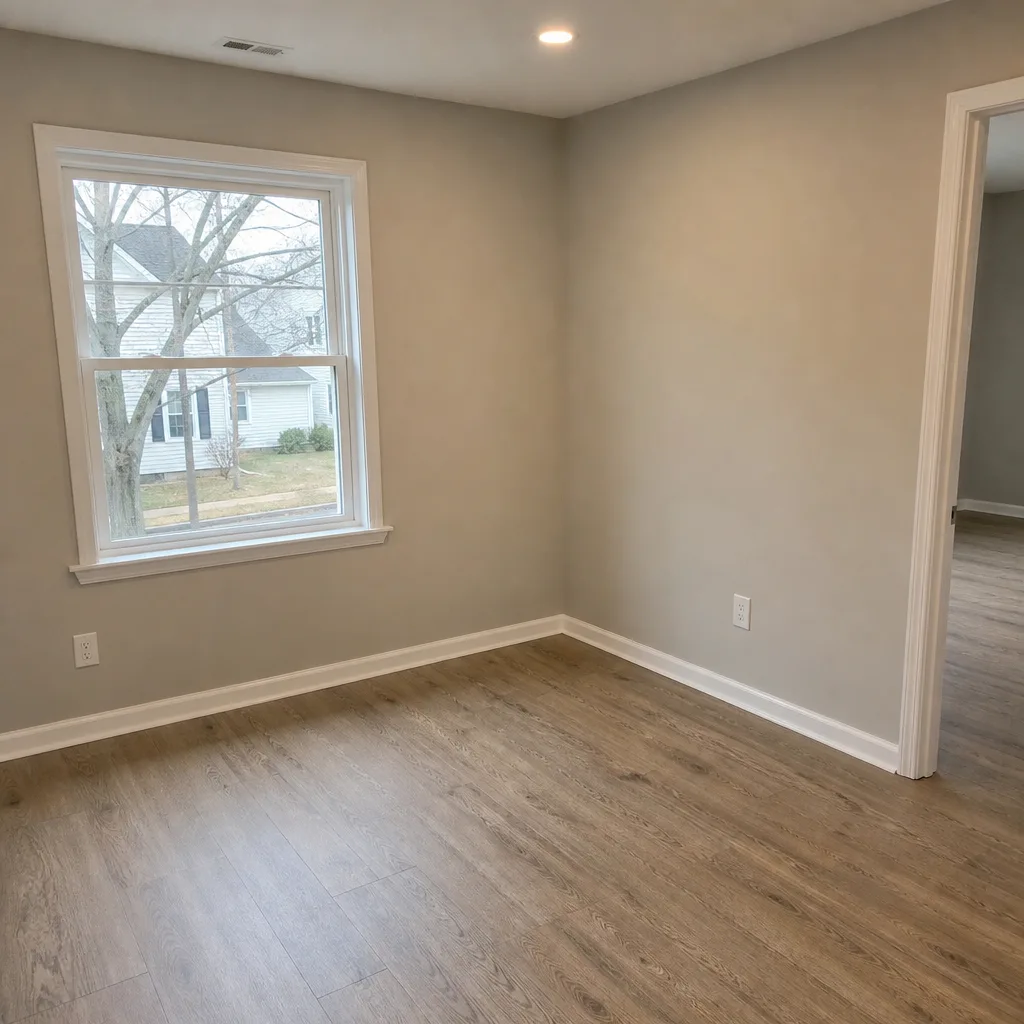 After
After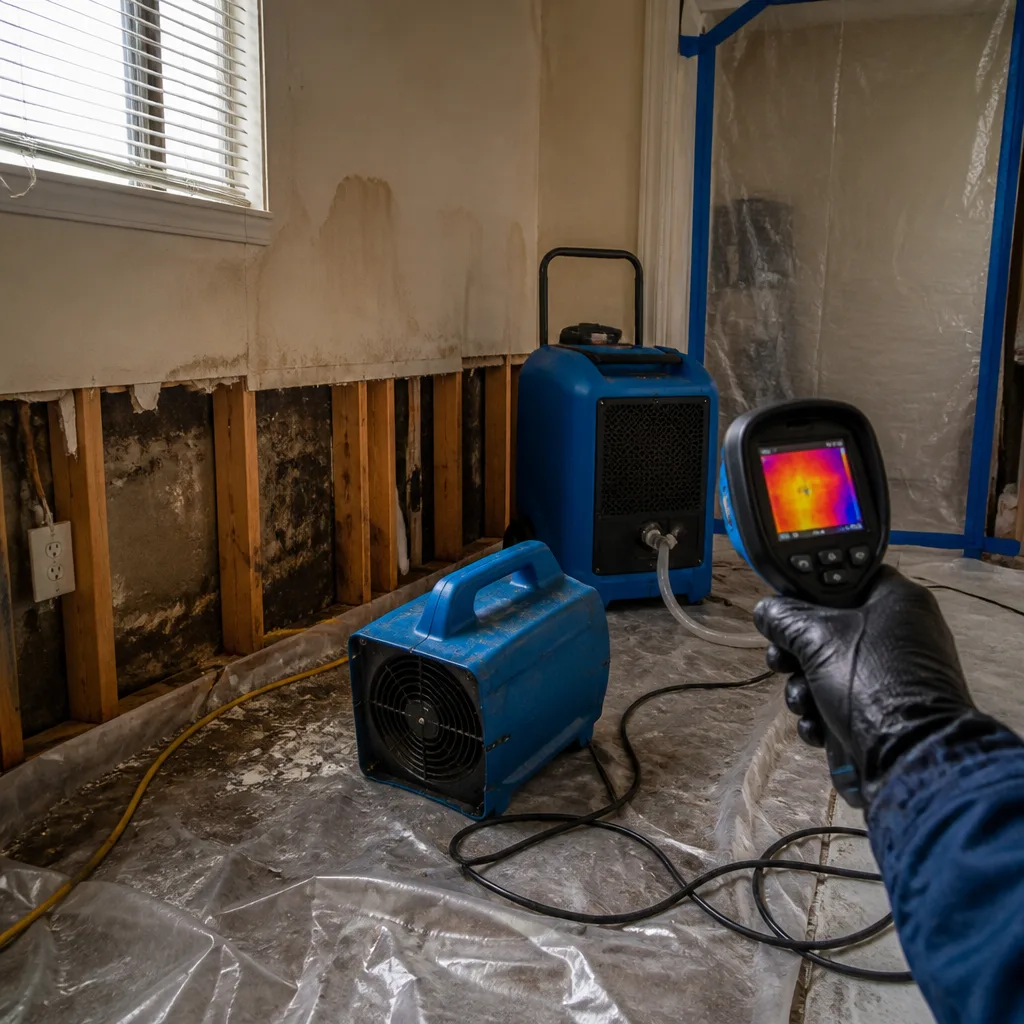 Before
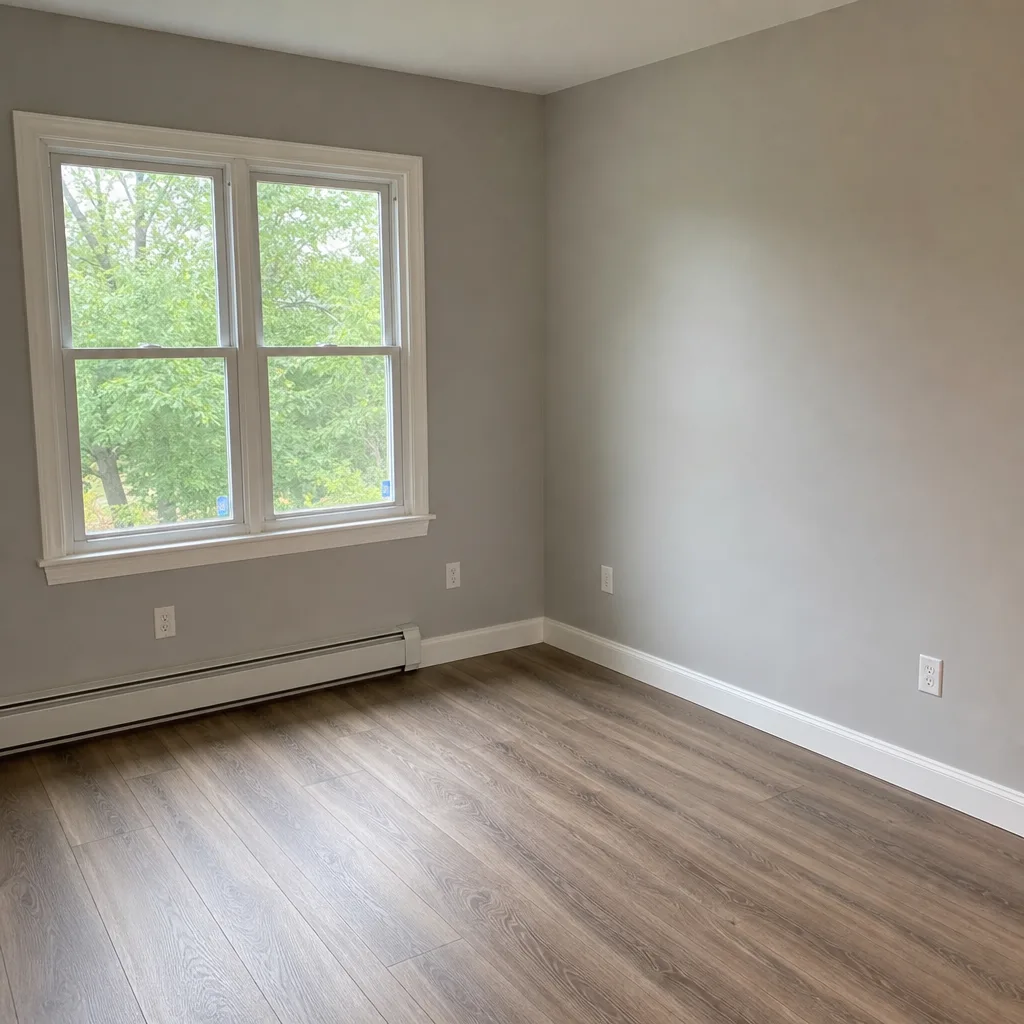 After
After24/7 Emergency Water Damage Restoration in Hackensack
Water damage restoration in Hackensack typically costs $1,200-$8,400 depending on the source, square footage affected, and how far the water traveled through stacked units or finished walls. We answer the phone live at (640) 356-1140, every hour, every day, and a certified crew can be dispatched into Hackensack neighborhoods within 45 minutes of your call. The first hour matters more than most homeowners realize: saturated drywall begins to delaminate, hardwood floors start cupping, and water wicking behind baseboards feeds mold within 48 to 72 hours. Our Water Damage Restoration team runs extraction and drying on the same visit, so what starts as a call at 1 a.m. is stabilized before sunrise.
Understanding Water Damage Restoration Severity in Hackensack Properties
We classify water by category because the response changes completely. Category 1 is clean water from a burst supply line or failed water heater. Category 2 carries detergent, debris, or biological material from a washing machine overflow. Category 3 is grossly contaminated: river surge, sewage backflow in Hackensack, or anything that came through a floor drain during high tide. The Hackensack River is tidal at this point in its course, so storm surge from coastal systems combines with inland rainfall to raise river levels simultaneously from both directions. That means water coming up through a basement floor drain in the 07601 river corridor is often Category 3 on arrival, even if the storm looks mild overhead. On top of that, Hackensack’s building stock skews heavily toward early-to-mid 20th century multi-family walkups with original plaster-and-lath walls, galvanized supply pipes, and cast-iron drains now past their service life. Plaster wicks moisture vertically. Cast iron fails at the bell joints. A third-floor supply line break in a 1920s walkup saturates ceilings and cavities all the way down to the ground floor, and if only the visibly damaged unit gets dried, moisture stays trapped between joists and grows mold inside the framing.
Why Hackensack Property Owners Choose Floodline Restoration Co.
- 45-minute response commitment. We’ll be there when we say. A live dispatcher confirms the address, the nature of the damage, and the nearest available crew while you’re still on the phone.
- 24/7 live answer, a real person. Call (640) 356-1140 at 2 a.m. and a dispatcher picks up. Not a recording, not a callback service. That’s how Curt Bowman built Floodline Restoration Co. in 2010: around a dispatch board, not a sales desk.
- IICRC-certified crews. Our technicians hold WRT and ASD certifications and train to RIA and IFA standards. They carry thermal imaging cameras and hygrometers on every truck, and they read the moisture map before they start pulling material.
- Free visual inspection. Before we write any scope, we walk the affected area with you and show you exactly what we found. You’ll understand what needs to come out and why. No mystery line items.
- Direct insurance billing. We document everything from the first hour, prepare an industry-standard estimate, and coordinate with your adjuster directly. You don’t carry messages between us and the carrier.
- One team from extraction to reconstruction. Floodline Restoration Co. starts at the floodline and doesn’t hand the job off. The same certified crew that extracts water on day one handles daily moisture readings, dries to standard, and rebuilds what needs rebuilding. You get one point of accountability.
Our Water Damage Restoration Process
Inspection & Assessment
We start with thermal imaging and moisture meters to map the full wet zone, including areas you can’t see behind baseboards, under vinyl plank, and inside wall cavities. In Hackensack’s older buildings, we look specifically for water that traveled vertically through joist bays or behind plaster keys.
Extraction & Stabilization
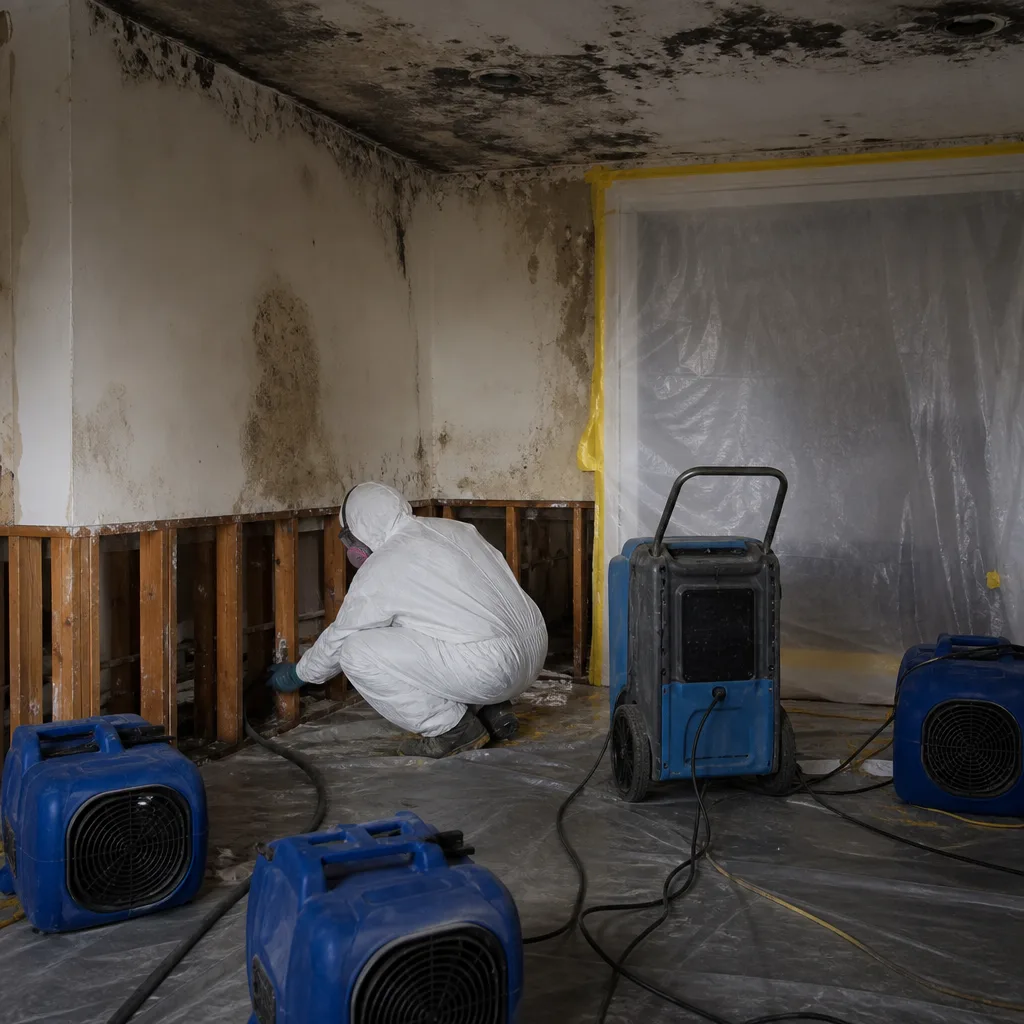
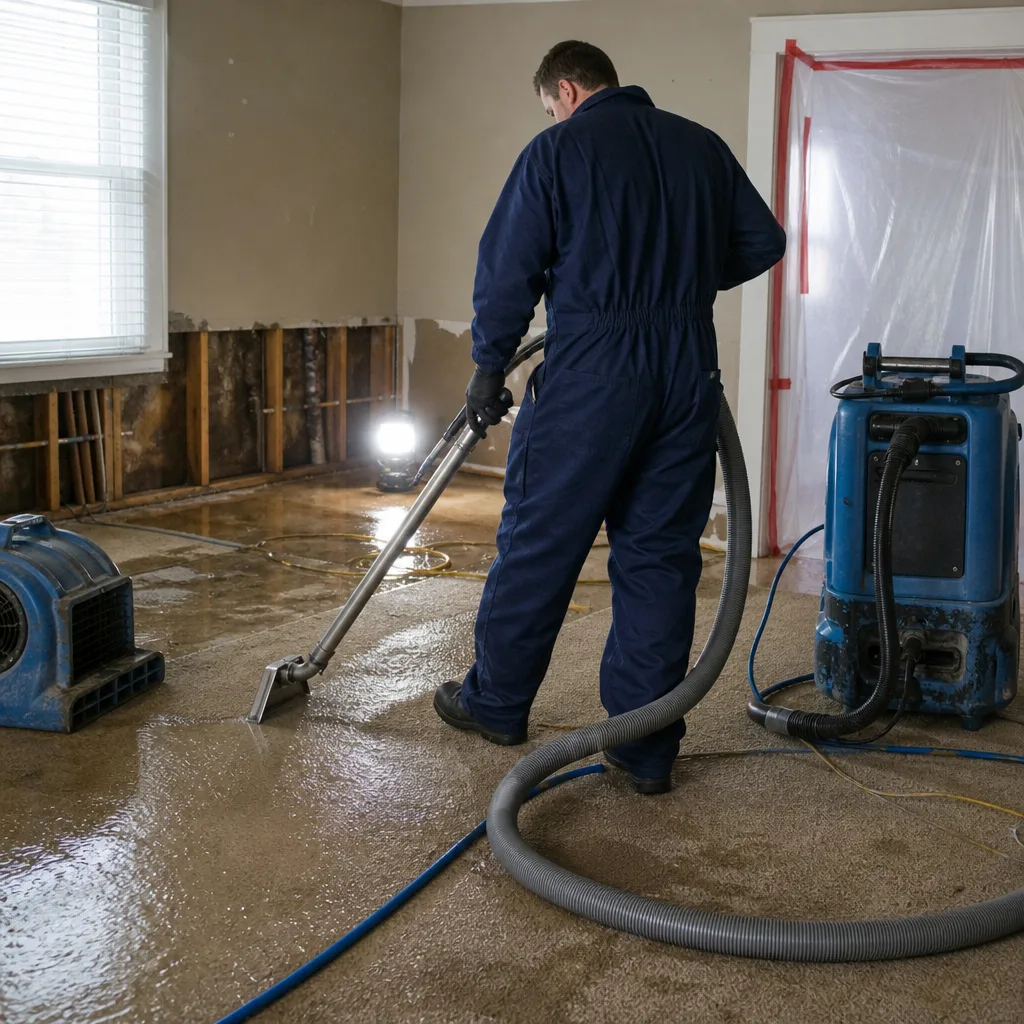
We remove standing water using truck-mounted and portable extraction units, then pull saturated pad, damaged drywall, and any material that cannot be economically dried. For Category 3 water from tidal surge or sewage backflow, containment goes up before we cut anything, so contamination doesn’t spread through the rest of the unit.
Drying & Dehumidification
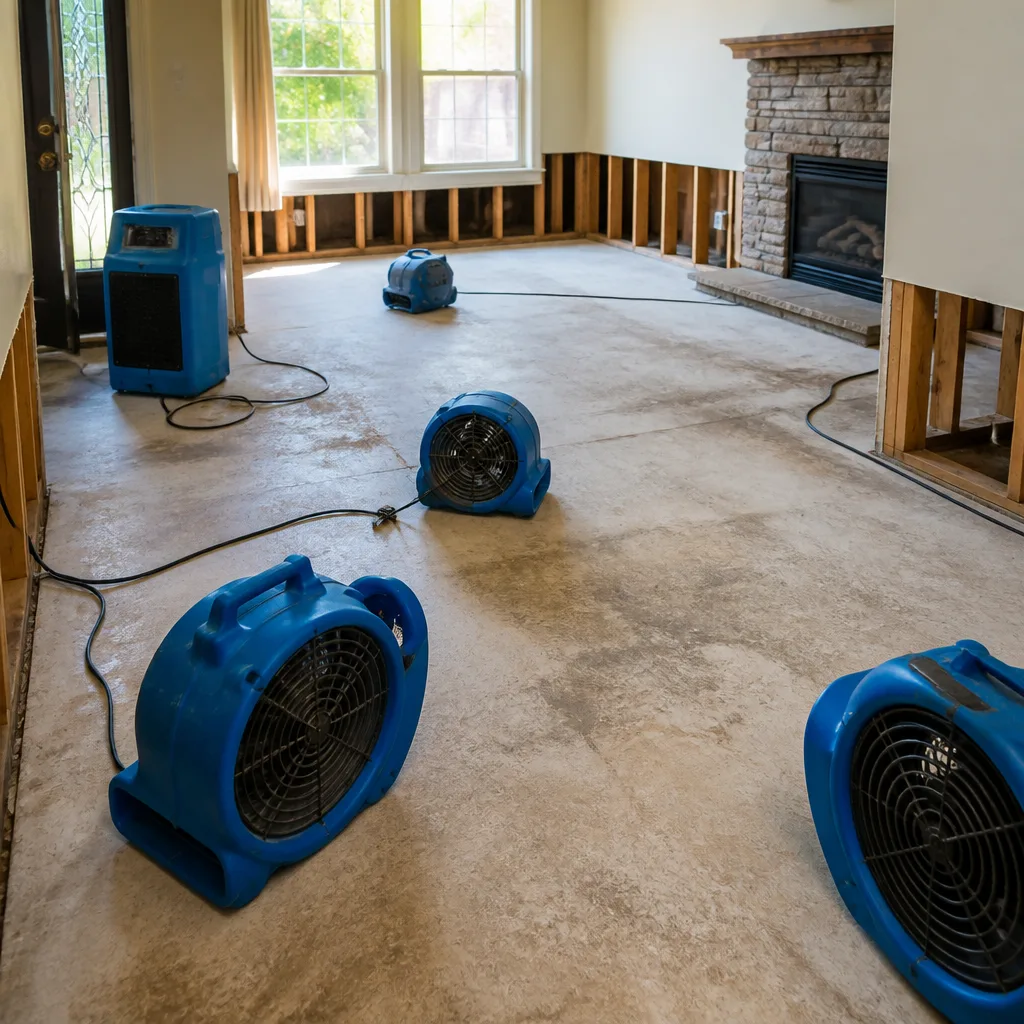
We place Dri-Eaz LGR dehumidifiers, XPOWER air movers, and B-Air units sized to the affected square footage and the building’s construction type. Daily moisture readings are logged until every affected material meets the dry standard. You get the log. So does your carrier.
Cleaning & Sanitization
After drying, we clean and apply antimicrobial treatment to affected surfaces. For Category 3 events, this includes the floor drain area, the lower wall cavities, and any material that contacted contaminated water. We don’t paint over a problem; we verify the problem is gone.
Structural Verification & Mold Clearance
In Hackensack’s pre-war housing, drying to standard is not enough if the framing was exposed to Category 2 or 3 water for more than 48 hours. We check for hidden pockets in joist bays and behind plaster, then confirm readings match adjacent dry areas before we call the structure clean.
Repairs & Restoration
We rebuild drywall, trim, flooring, and finish work with materials matched to the building’s age and style. Because we never hand the job to a separate contractor, the same crew that found the problem fixes it from studs to paint.
Need Emergency Water Damage Restoration in Hackensack Now?
Crews minutes away, answering live 24 hours a day. The sooner we start, the less it costs.
Working With Your Insurance Company
Most homeowners in Hackensack are insured for sudden and accidental water damage from a burst pipe, a failed supply line, or a wind-driven storm opening. The claim works best when the documentation starts before the damage spreads. We photograph everything room by room: water entry points, affected materials, equipment placement, moisture readings, and drying progress. Our line-item scope of work uses the same estimating language carriers expect, which keeps the claim moving instead of stalling in adjuster review. Floodline Restoration Co. communicates with your adjuster directly. If the carrier wants a second moisture reading or a re-inspection, we schedule it and send the file without you making a single call.
What We Provide Your Insurer
- Thorough documentation of the loss
- Photos of all damage, room by room
- Moisture readings and drying logs
- A detailed, line-item scope of work
- Direct coordination with your carrier
Built for Hackensack’s Loss Calendar
Hackensack sits directly along the tidal Hackensack River at one of the lowest elevations in Bergen County, and that fact shapes the loss calendar all year. January deep freezes split galvanized supply lines in uninsulated crawlspaces and exterior wall cavities, especially in the 07601 and 07602 walkup stock built before modern frost protection. Spring thaw and heavy rain saturate the ground around older foundations, forcing seepage through cracked mortar joints and cove seams in basements that never had perimeter drainage installed. Summer thunderstorms drop two inches of rain in forty minutes onto the city’s combined storm-and-sanitary system, and Tidewater River levels back into low-lying floor drains in ground-floor commercial spaces along the waterfront corridor. Nor’easters, the one everybody in Hackensack knows by name, push river surge up Main Street-adjacent blocks while our Storm & Disaster Restoration in Hackensack crews respond to rain runoff is already pooling curbside. Every one of these events leaves a waterline. The line the water left is where we start.
Water Damage Restoration Across Hackensack’s Neighborhoods
We work every part of Hackensack: the 07601 river corridor running parallel to the Hackensack River, the older multi-family blocks around State Street and Main Street, the mixed-use commercial strips near Essex Street, and the residential streets east of Route 17. Each area has its own failure pattern. Along the river corridor, ground-floor units and basements take Category 3 water during tidal surges, and floor drains become entry points rather than exits. Around State Street, the pre-1920s walkups share one original cast-iron stack, so a single blockage sends water backing up through every fixture on the line, floor by floor. Near Essex Street, ground-floor storefronts and the apartments above them combine sheetrock drop ceilings with original masonry, so water travels inside the ceiling cavity until the drywall finally gives way. East of Route 17, mid-century ranches and split-levels contend with galvanized supply lines at the ends of their service life and basements below the water table during wet seasons. If you live in any of them, Water Damage Restoration in Hackensack is a call you’ll make sooner or later, and it’s better to make it before the water spreads.
Specialized Water Damage Restoration Services We Offer in Hackensack
Emergency Water Extraction
A broken supply line in a Hackensack third-floor walkup can dump eight gallons a minute. We extract first, then assess. Standing water inside a ground-floor unit on the river corridor is usually Category 3, so we contain before we cut. Extraction is running the same visit, not after a callback.
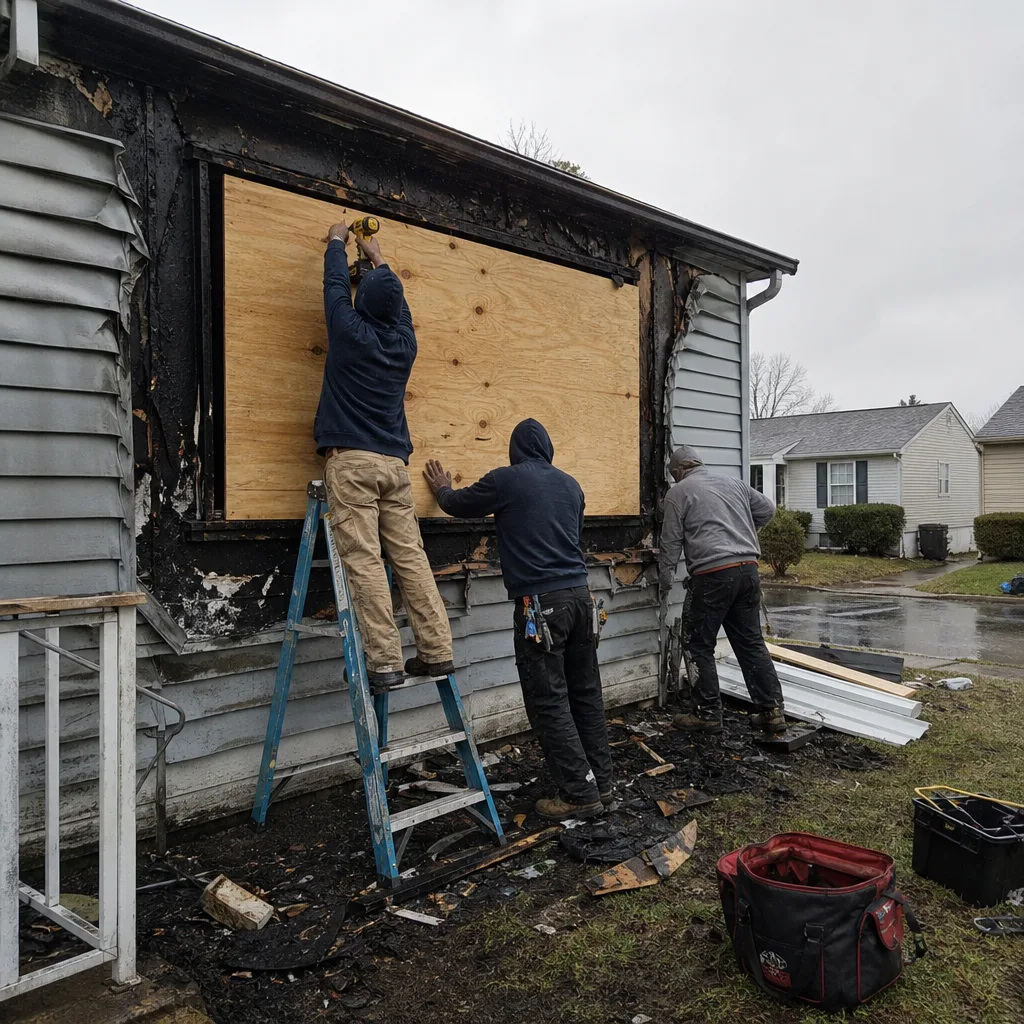
Structural Drying & Dehumidification
Plaster-and-lath walls from Hackensack’s 1920s housing stock hold more water than modern drywall and need longer low-grain drying to hit standard without cracking. We use Injectidry systems to pull moisture from wall cavities without opening every wall, and we run daily readings until the structure matches adjacent dry areas. The log goes to you and your carrier.
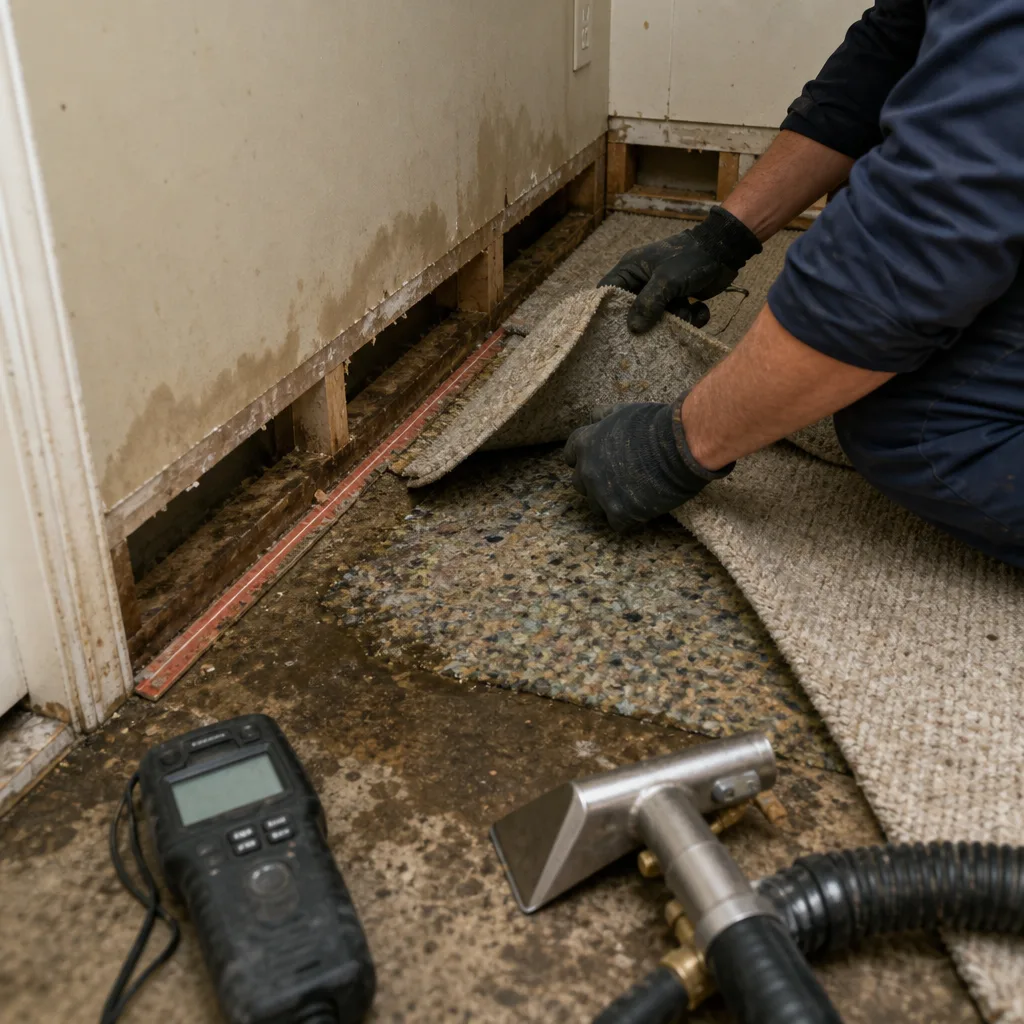
Flood Cleanup
Hurricane Irene in 2011 and Hurricane Sandy in 2012 hit the low-lying Hackensack riverfront in back-to-back years, events that still drive demand for Fire & Smoke Damage Restoration in Hackensack alongside flood work. Many properties were re-tenanted or sold without full professional remediation. We find what was left behind: hidden mold, active efflorescence, and compromised drywall from pre-Sandy events. A new flood reactivates all of it, so our flood cleanup always includes a mold assessment before we write the final scope.
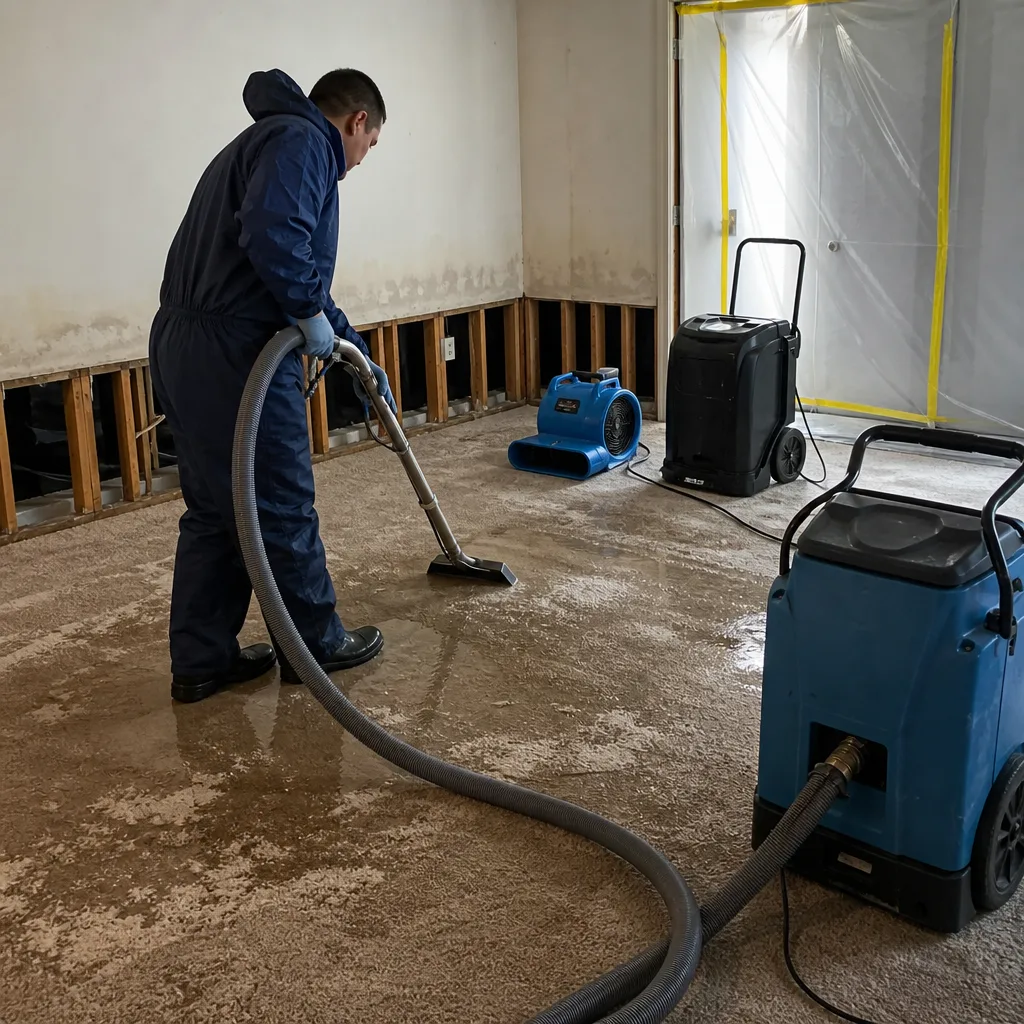
Burst Pipe Restoration
Galvanized supply lines in Hackensack’s early-20th-century buildings are at the end of their 50-to-70-year lifespan. When one lets go, we locate the source, stop the flow, and dry the affected spaces down through every unit below. In stacked apartments, that often means coordinating with property management and multiple tenants, not one homeowner.
Basement Water Removal
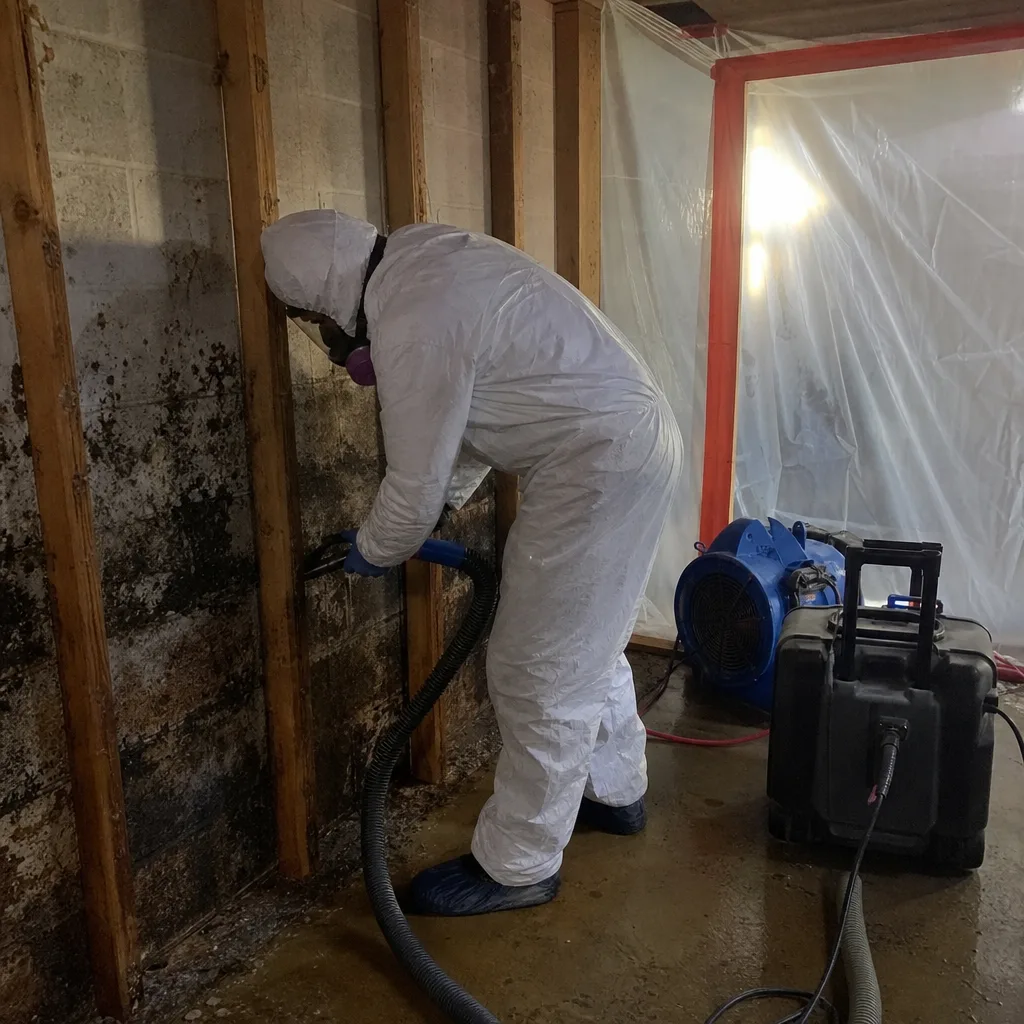
A basement on the 07601 river corridor floods differently than one upland. During high tide, the Hackensack River pushes water up through floor drains, and small-pump extraction without Category 3 containment just spreads sewage-laden water across the slab. We set containment, pump, treat, and dry, then check for the pre-existing moisture problem that was never addressed.
What happens when you call
- 1
A real person answersNo phone trees - you reach a local pro.
- 2
You get an upfront price rangeHonest numbers before anyone is dispatched.
- 3
A background-checked tech heads outLicensed & insured, dispatched right away.
- 4
You approve before work beginsNothing starts until you say go.
Water Damage Restoration Costs in Hackensack, NJ
Here are straight numbers for Hackensack’s market. Emergency water extraction from a clean-water pipe burst in a 600 to 1,000 square foot unit runs $1,200-$2,800. Structural drying with full equipment placement and daily monitoring typically adds $1,000-$2,500. Category 3 flood cleanup from river surge or sewage backflow, which includes containment, antimicrobial treatment, and contaminated material removal, runs $3,500-$8,400 depending on affected square footage. Basement water removal on the river corridor falls between $2,000-$5,500 once you account for the tidal backflow contamination. What moves the price: how far the water traveled through finished walls, whether the event is Category 2 or 3, how many units are involved, and whether pre-existing hidden damage from Irene or Sandy has to be addressed. Most sudden pipe-burst claims are covered by homeowners insurance; flood surge through the floor drain may require a separate flood policy. The fastest way to a firm number is our free visual inspection, which gives you a written scope before any work starts. Call (640) 356-1140 for an exact quote, estimates are free.
We Also Serve Cities Near Hackensack
Our crews regularly run water damage restoration jobs in Maywood, Lodi, Hasbrouck Heights, and Saddle Brook, often on the same routes they use to reach Hackensack. If you’re just across the border, the same live dispatch, the same certified techs, and the same written guarantee apply.
Hackensack Water Damage Restoration Questions, Answered
Is water damage in a Hackensack basement from a tidal surge automatically Category 3?
Yes, when the water enters through a floor drain, sump, or ground-level opening during high tide on the Hackensack River, we treat it as Category 3 on arrival. The river carries sewage, salt, fuel residue, and biological material from the combined storm-and-sanitary system. That changes the scope: full containment, contaminated material disposal, and antimicrobial treatment. A clean-water source like a burst supply line is Category 1 until it sits for 48 hours or contacts a contaminated surface. Call (640) 356-1140 and tell the dispatcher the water came up from the floor; we’ll dispatch with the right setup the first time.
Why do Hackensack restoration crews find so much hidden mold from Hurricane Sandy even today?
Because between 2011 and 2012, Hurricane Irene and Hurricane Sandy flooded the same low-lying Hackensack properties within fourteen months, and many were re-tenanted or sold without full professional drying. Owners painted over water lines and re-hung drywall while moisture was still trapped in the original plaster and framing. That hidden mold colony sits dormant until a new water event reactivates it, which is why our techs routinely find pre-Sandy contamination behind finished walls on brand-new jobs. The moisture map tells us what the previous owner never addressed, and you get that in writing before we write the new scope.
How do you handle water intrusion that spreads vertically through multiple Hackensack apartment units?
We scope the whole wet path, not just the unit where the break happened. In Hackensack’s stacked walkups, a third-floor pipe failure saturates ceilings and wall cavities in every unit below, and drying only the visibly damaged floor leaves moisture between joists. We coordinate with property management and affected tenants, run moisture readings on every floor, and dry the structure as one continuous system until all levels meet the dry standard. The owner gets one written scope covering the full vertical path. Call (640) 356-1140 and we’ll walk the building with you.
What makes drying a Hackensack riverfront basement different from an upland Bergen County basement?
The tidal river raises ambient moisture in the soil and below-grade air constantly, so the baseline readings we use for “dry” are different than in, say, an upland Saddle Brook basement. We’re also dealing with salt residue from storm surge, which attracts moisture and keeps materials damp even after standing water is gone. On the waterfront corridor, we expect high ambient moisture and active efflorescence on older masonry, and we set equipment accordingly: more LGR dehumidification, longer run times, and verification against the actual adjacent dry area rather than a generic number. That’s the difference between dry and actually dry.
My Hackensack property flooded in both Irene and Sandy. What does that change about today’s water damage restoration?
It means we look for what was never properly addressed the last time. Successive flood events in Hackensack’s low-lying neighborhoods left hidden mold, compromised framing, and pre-existing moisture that any new water event reactivates within hours. We run a mold assessment before we write today’s scope, because removing the new damage and leaving the old colony just guarantees another failure inside 90 days. That’s exactly what the 90-Day Done Right Promise covers: if it’s not done right, we make it right. In writing.
How fast can a crew actually get to my Hackensack property?
We commit to a 45-minute response time for emergency water damage in Hackensack. That means a certified crew is dispatched and on the road while you’re still on the phone. We run live dispatch 24 hours a day, every day, not a triage service that calls you back after an hour. Most jobs get extraction running on the first visit, and the same crew returns daily for moisture readings until the structure is dry. Call (640) 356-1140, day or night.
Do I really need full remediation or just a cleanup and some fans?
If the water came from a clean source, sat for less than 48 hours, and affected only hard surfaces, a thorough extraction and structural drying may be the whole job. If the water is Category 3, traveled behind walls, or sat in carpet and pad, you need material removal and antimicrobial treatment, not just fans. Hackensack’s older buildings hide water in plaster and joist bays, and what looks dry on the surface stays wet for weeks inside the cavities. That’s why our inspection includes thermal imaging and moisture mapping before we write the scope. You’ll see the readings yourself.
Will insurance cover this, and who deals with the adjuster?
Sudden and accidental water damage from a burst pipe or failed supply line is covered under most Hackensack homeowners policies. Flood surge through a floor drain typically requires a separate flood policy. We photograph everything from the first hour, document moisture readings daily, prepare a line-item estimate in carrier-ready language, and communicate with your adjuster directly. You don’t play messenger. The written scope is yours before work starts, and the carrier gets the same document we do. Call (640) 356-1140 for a free visual inspection and a straight answer on your specific situation.
Serving Hackensack, NJ - Our Local Coverage Area
We’re based in the Hackensack area and know this community well. Use the map below to see our service coverage - if you’re nearby, we can almost certainly help.
What to Do in the First 30 Minutes
Shut off the water at the main if the source is a burst pipe or failed fixture. Kill electricity to the affected area if water is near outlets or panels. Move what you can to dry ground. Take photos of the water line and the affected materials before anything is disturbed. Then call (640) 356-1140, and the dispatcher walks you through the next step while the crew is already rolling. Don’t use a household shop vac on river surge. Don’t open walls yourself. Don’t wait until morning. Water Damage Restoration in Hackensack is our trade, and we’re within 45 minutes of your door.
Written by Curt Bowman, Owner at Floodline Restoration Co., serving Hackensack and Bergen County since 2010.