
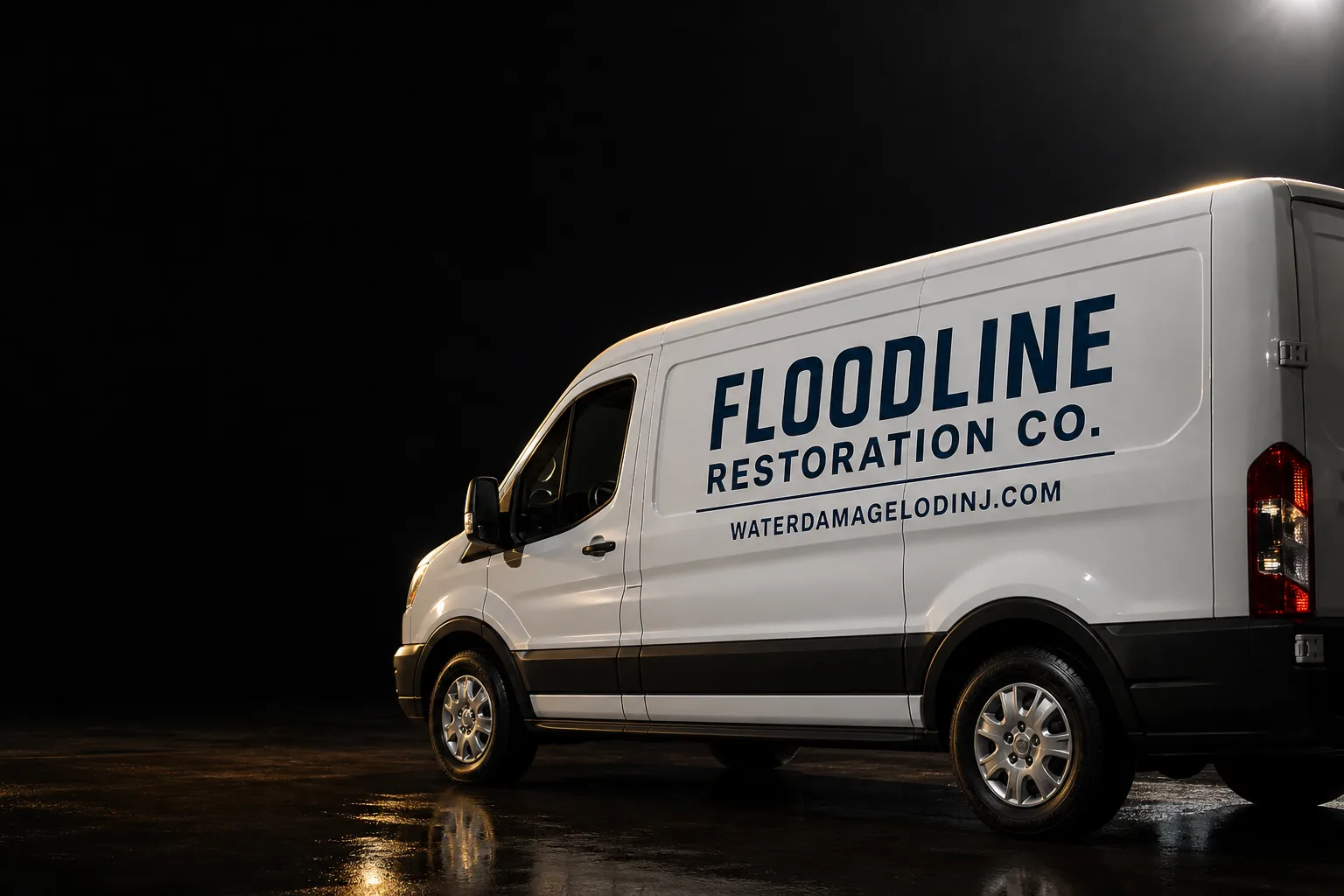
Free visual inspection and a written scope of work before any mitigation begins - photos, moisture readings, and drying logs go in your claim file
The scope we write is the scope we bill. Anything new gets shown to you, in writing, before we touch it.
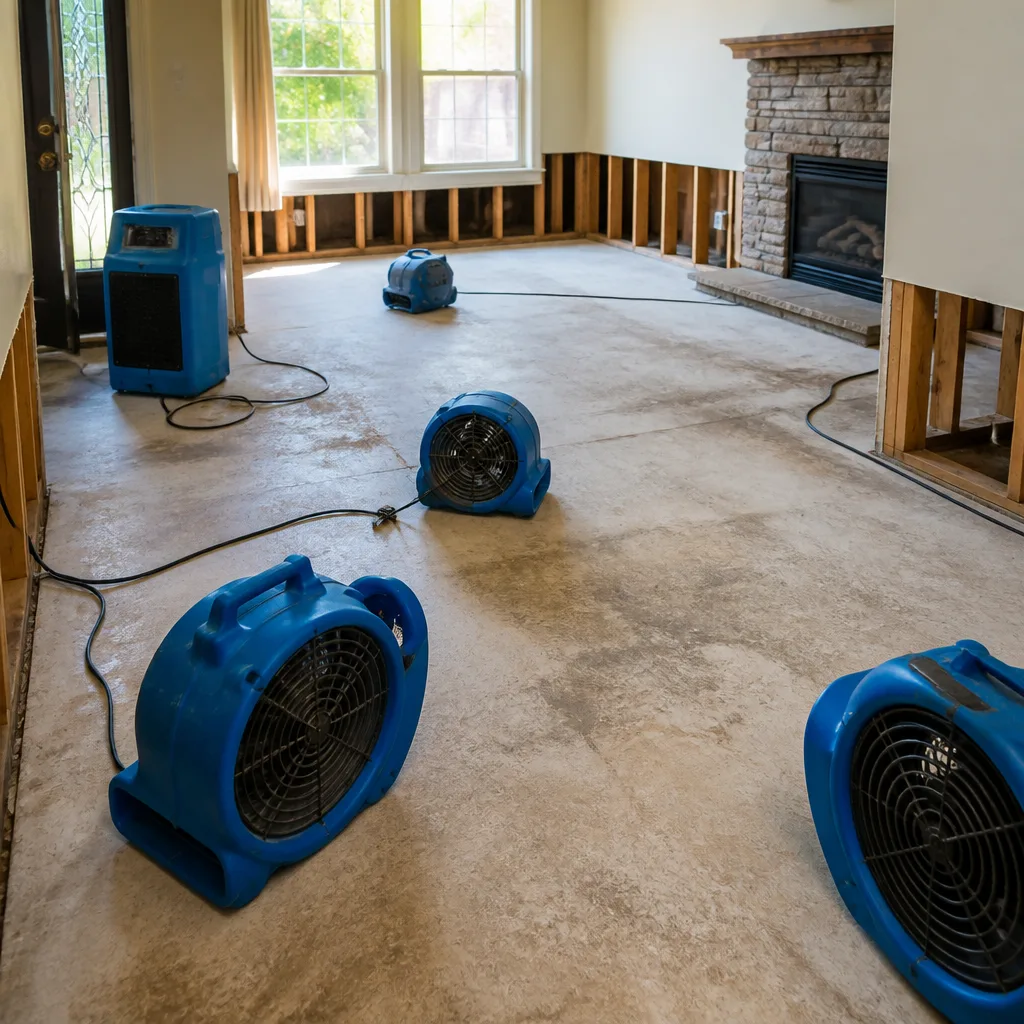
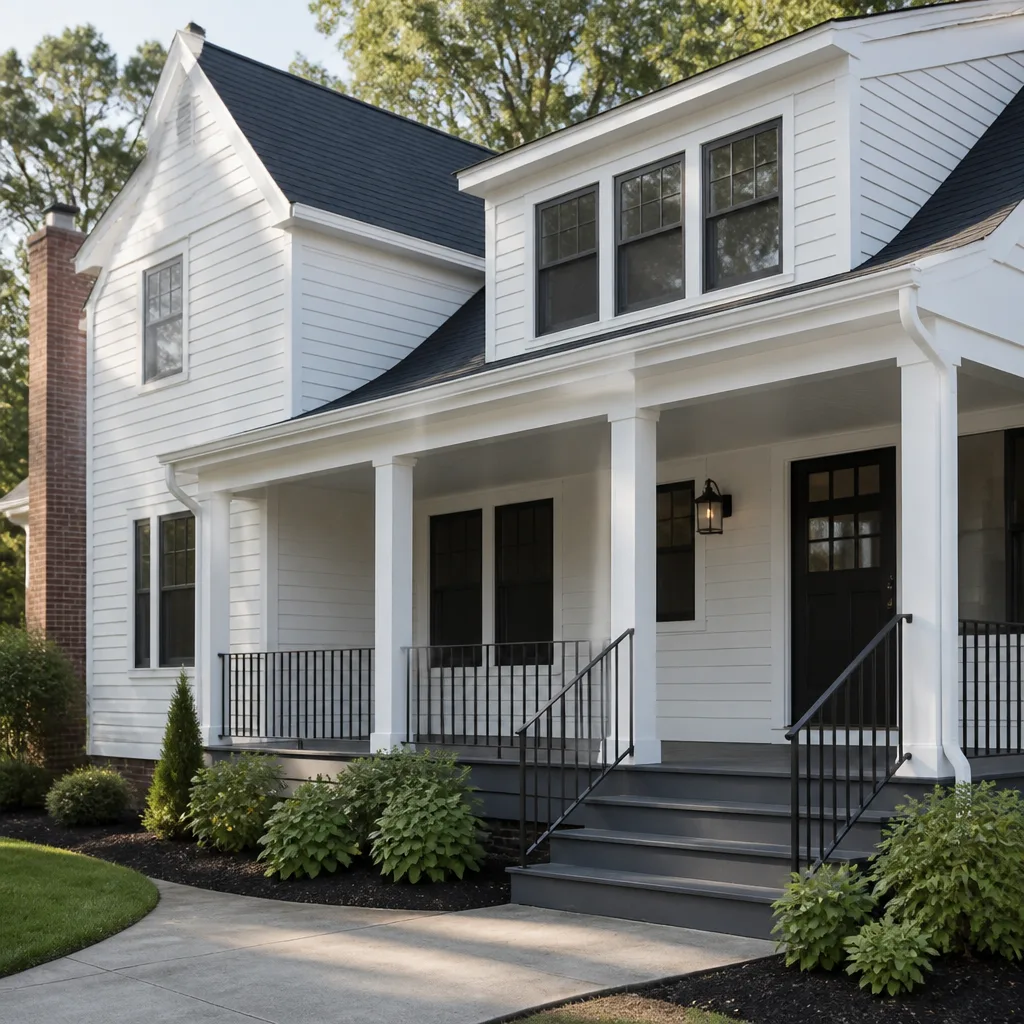
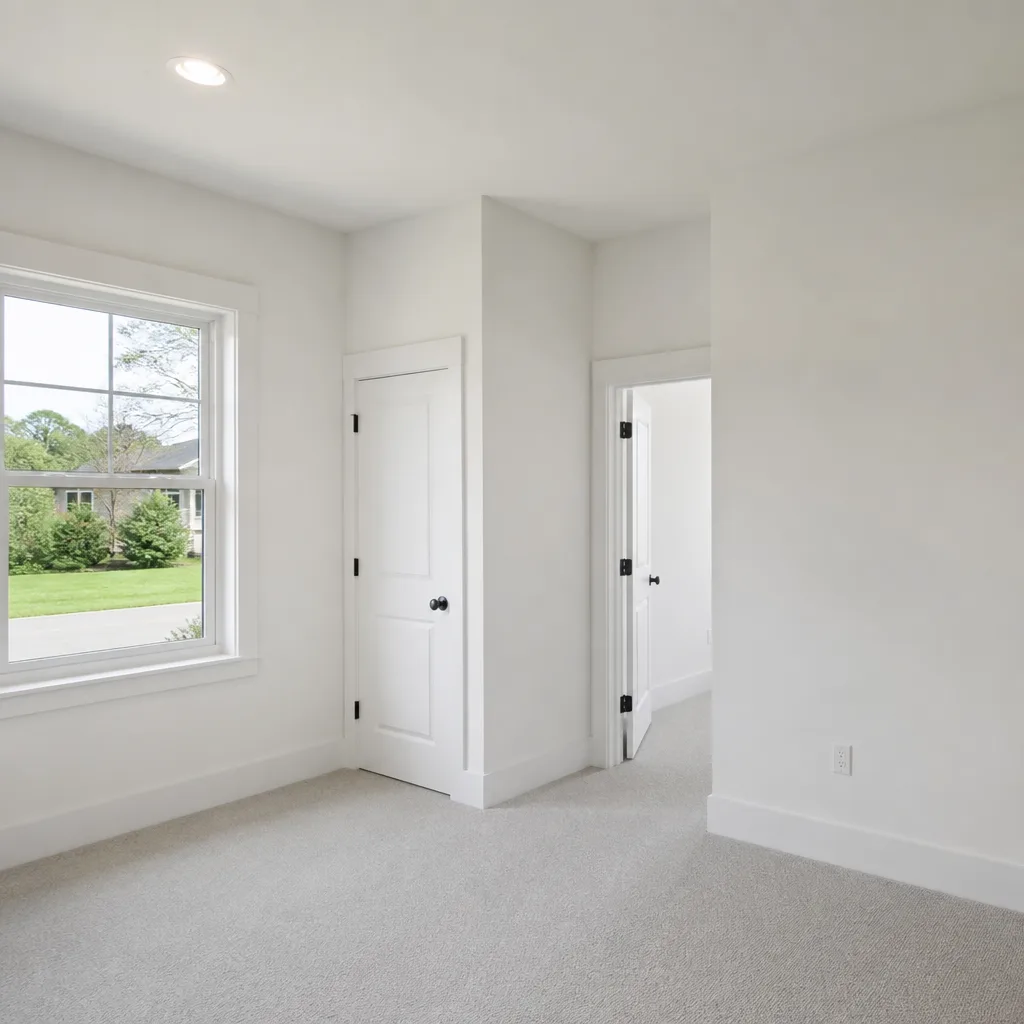
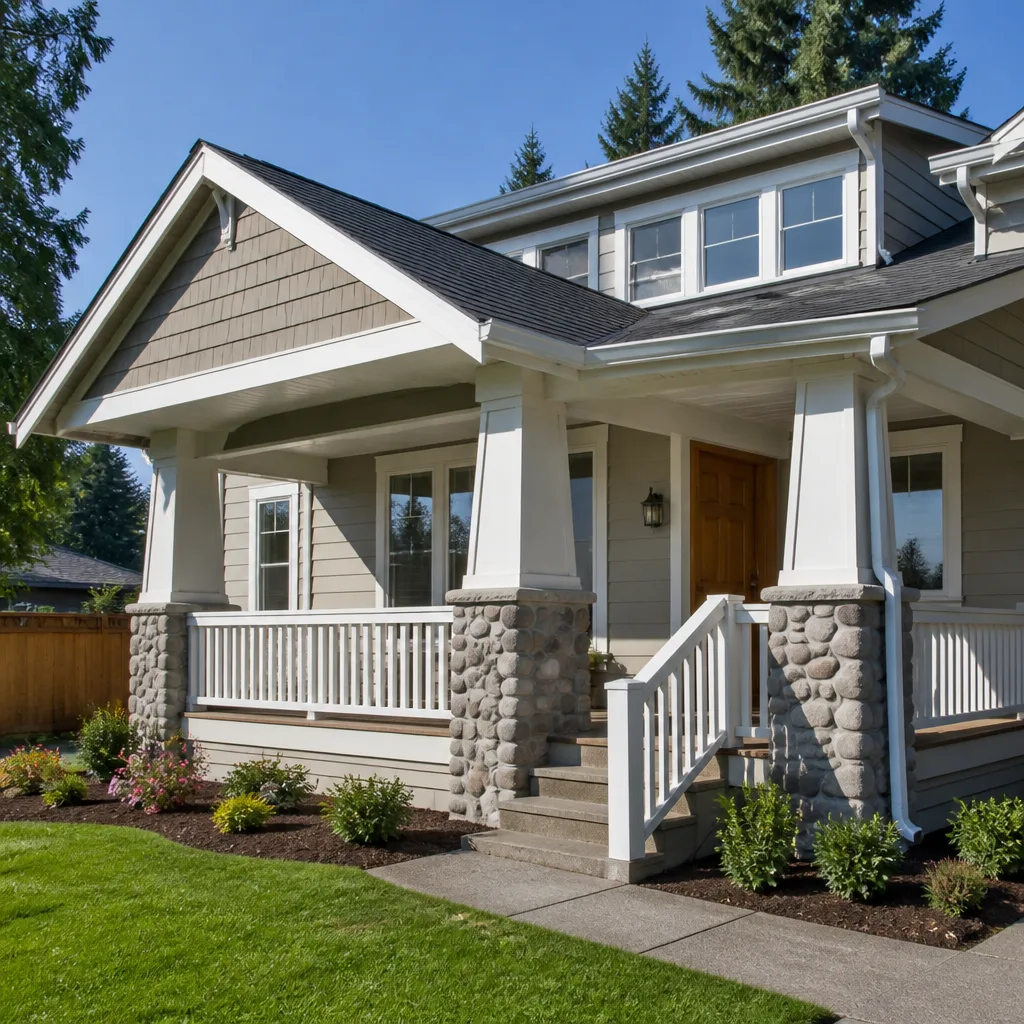
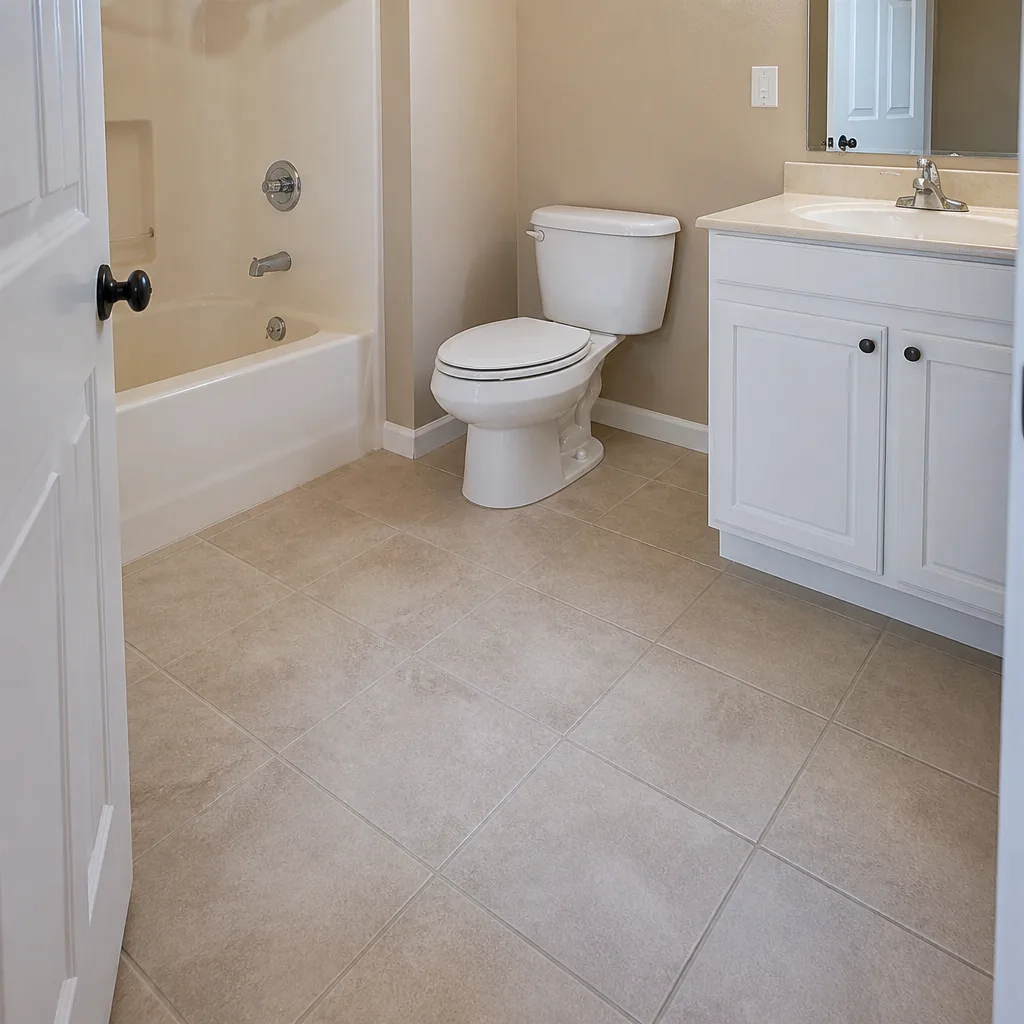
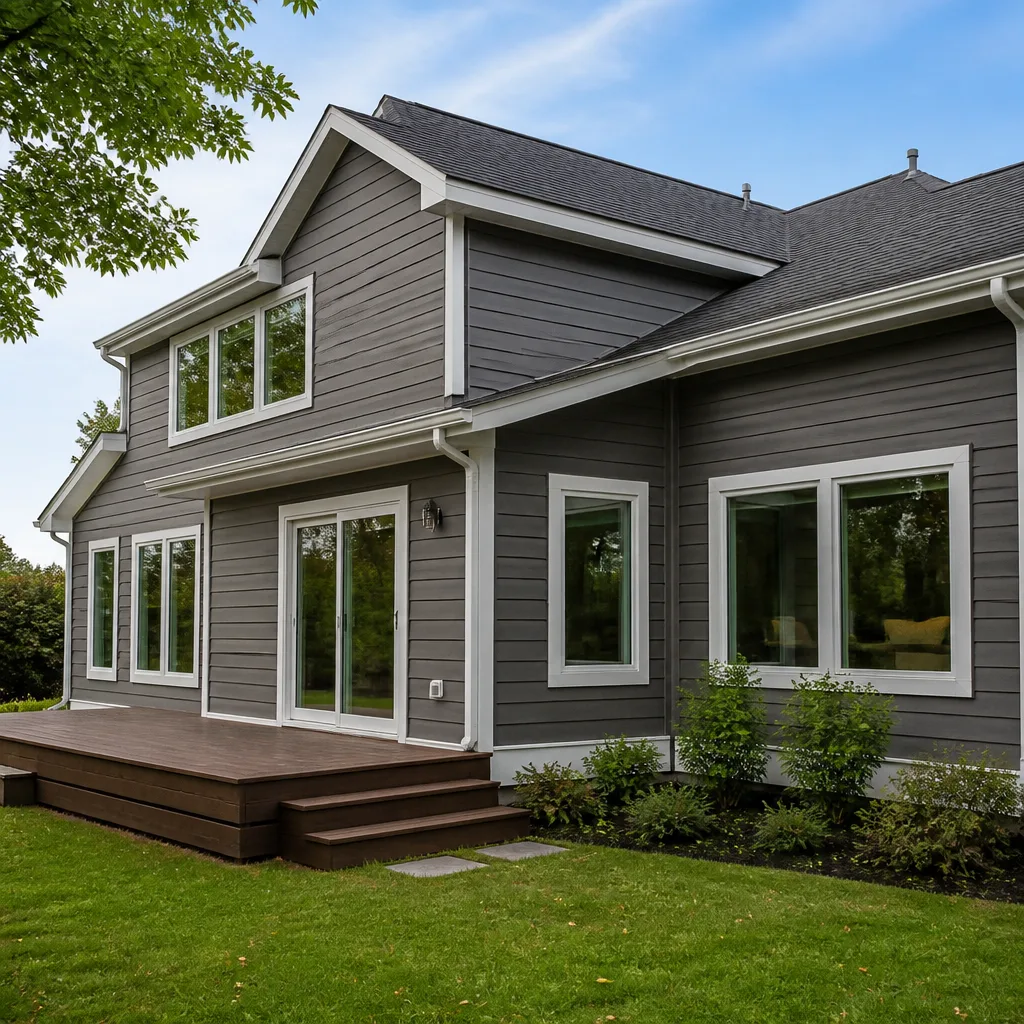
 Before
 After
After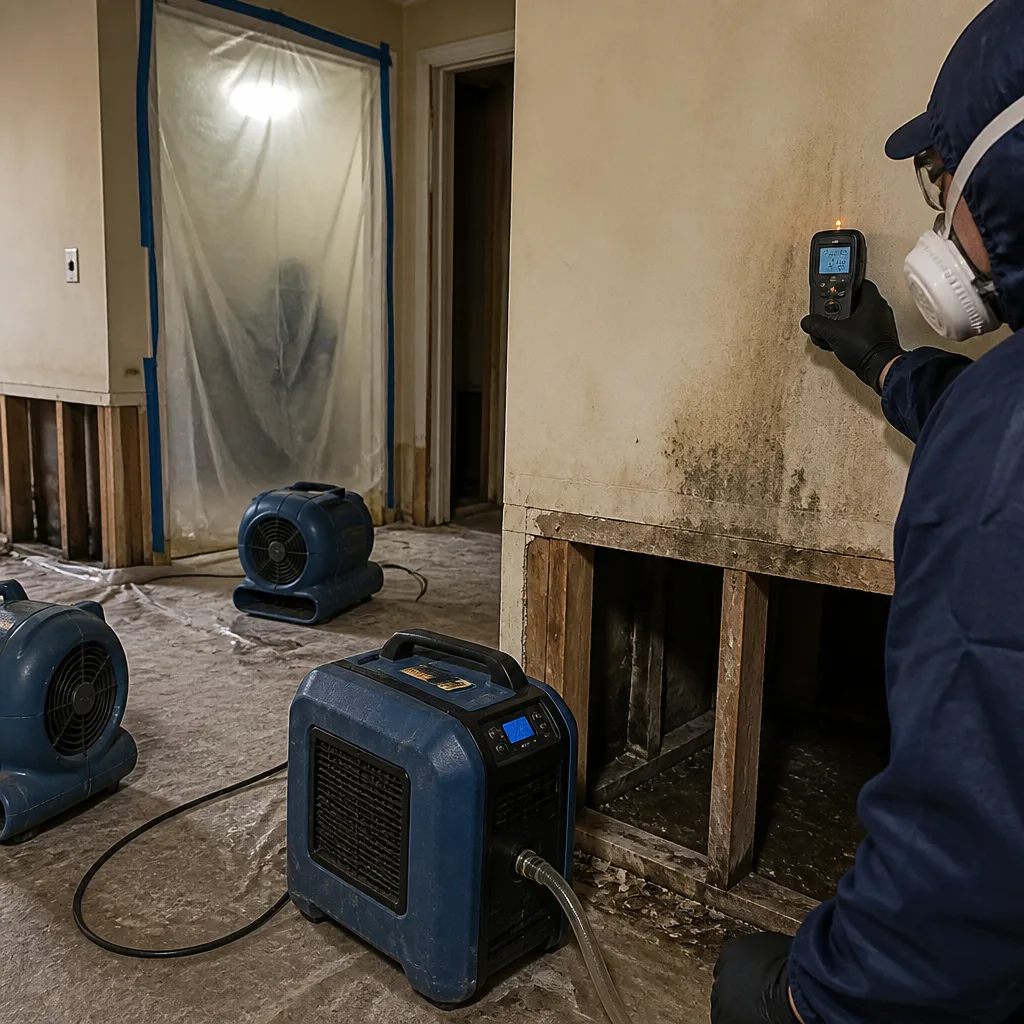 Before
 After
After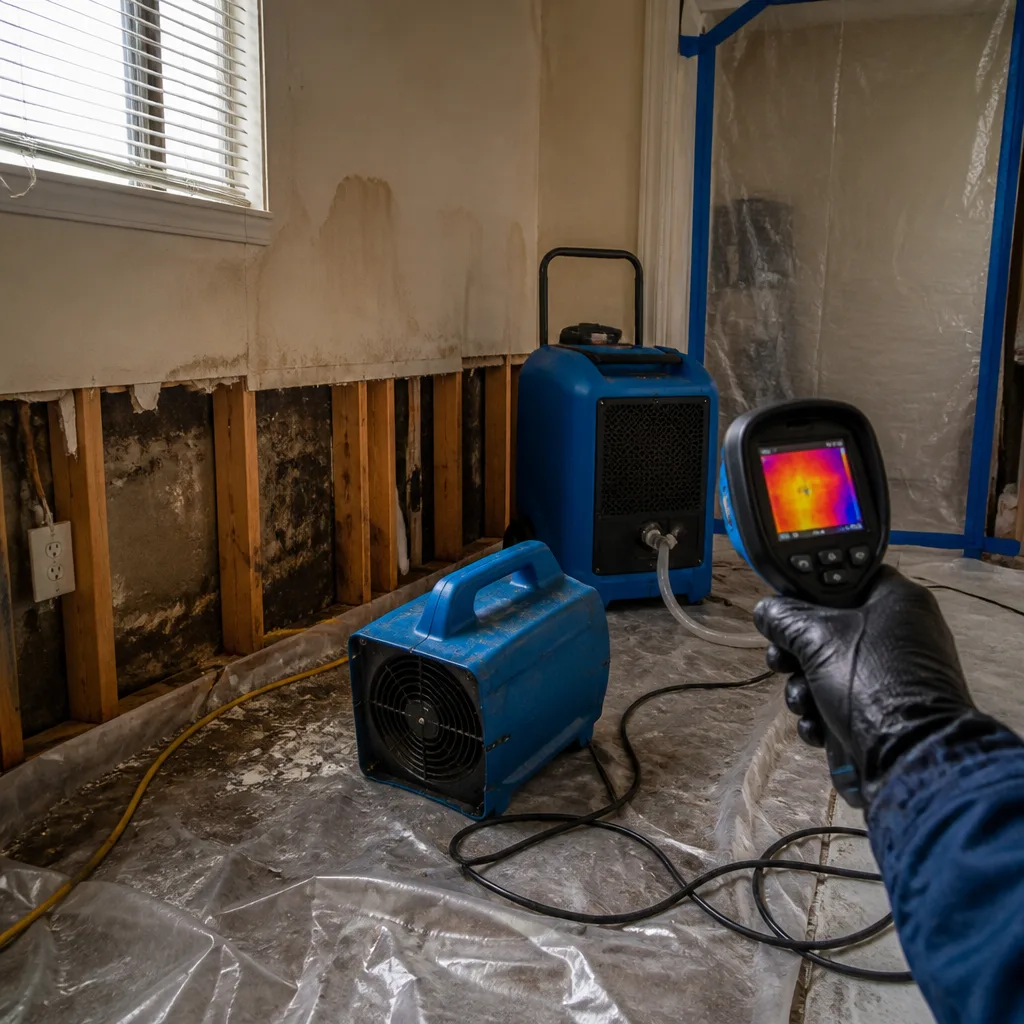 Before
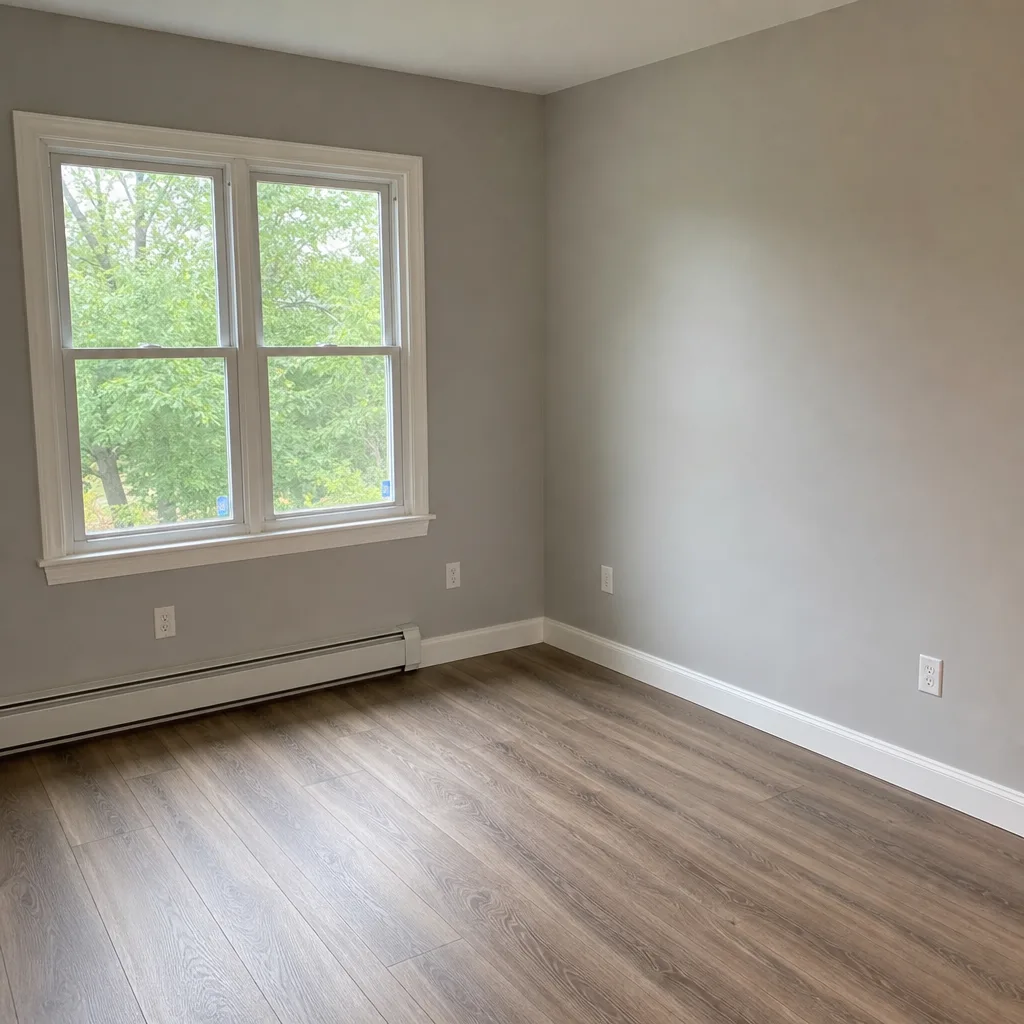 After
After24/7 Emergency Mold Remediation in Garfield
Mold remediation in Garfield typically costs $800-$4,500 depending on how far the growth has spread behind plaster-and-lath walls, and it should start the same day you find it. If you’re seeing black staining on baseboards, smelling must in a closed room, or noticing paint bubbling on a first-floor wall near the Passaic River side of town, call (640) 356-1140 now. We answer live at two in the morning with a real dispatcher, not a recording. A certified crew reaches your Garfield street fast, performs a free visual inspection, and starts containment before the colony spreads further into the old-growth framing these century-old homes were built with.
Understanding Mold Remediation Severity in Garfield Properties
Not every mold call is the same job. A small patch behind a bathroom vanity in a 1950s two-family on Outwater Lane is a contained cleaning. A first-floor parlor in a 1920s house on River Drive that sat in Passaic River floodwater for 36 hours is Garfield Storm & Disaster Restoration: structural drying, full containment, plaster demolition, antimicrobial treatment, and rebuild. Garfield’s stock of densely packed wood-frame homes with full masonry basements and plaster-and-lath interiors holds moisture differently than modern drywall construction. Once water wicks into old-growth balloon framing, it climbs vertically across stories and between tenancies. Our crews use thermal imaging and moisture mapping to find what isn’t visible, then run professional-grade Dri-Eaz, XPOWER, and B-Air equipment to hit the dry standard before any rebuild begins. We do not paint over a problem and call it finished.
Why Garfield Property Owners Choose Floodline Restoration Co.
- 45-minute response commitment. When you call from Garfield, a crew is dispatched immediately and typically reaches your block within 45 minutes, day or night.
- 24/7 live answer. A real Floodline dispatcher picks up. You will never leave a voicemail at 2 a.m. and wait for a callback.
- IICRC-certified crews. Our technicians train to IICRC, RIA, and IFA standards, including AMRT for mold and WRT for water damage. Background-checked and uniformed on every job.
- Free visual inspection. We tell you what we found honestly, with a written scope before any work starts. No overselling a cleaning into a rebuild.
- Direct insurance billing. We bill your carrier directly and talk to the adjuster so you don’t have to play messenger between two parties.
- One team from extraction to reconstruction. Floodline handles the full Mold Remediation job with the same crew that reads the moisture map on day one and hands you the drying log at the end.
Our Mold Remediation Process
Inspection & Assessment
We start with a full visual inspection, moisture readings, and thermal imaging across the affected rooms and any floors above or below. In Garfield’s two- and three-family homes, that means checking the unit next door too, because moisture travels horizontally across shared walls and vertically through balloon framing.
Containment & Stabilization
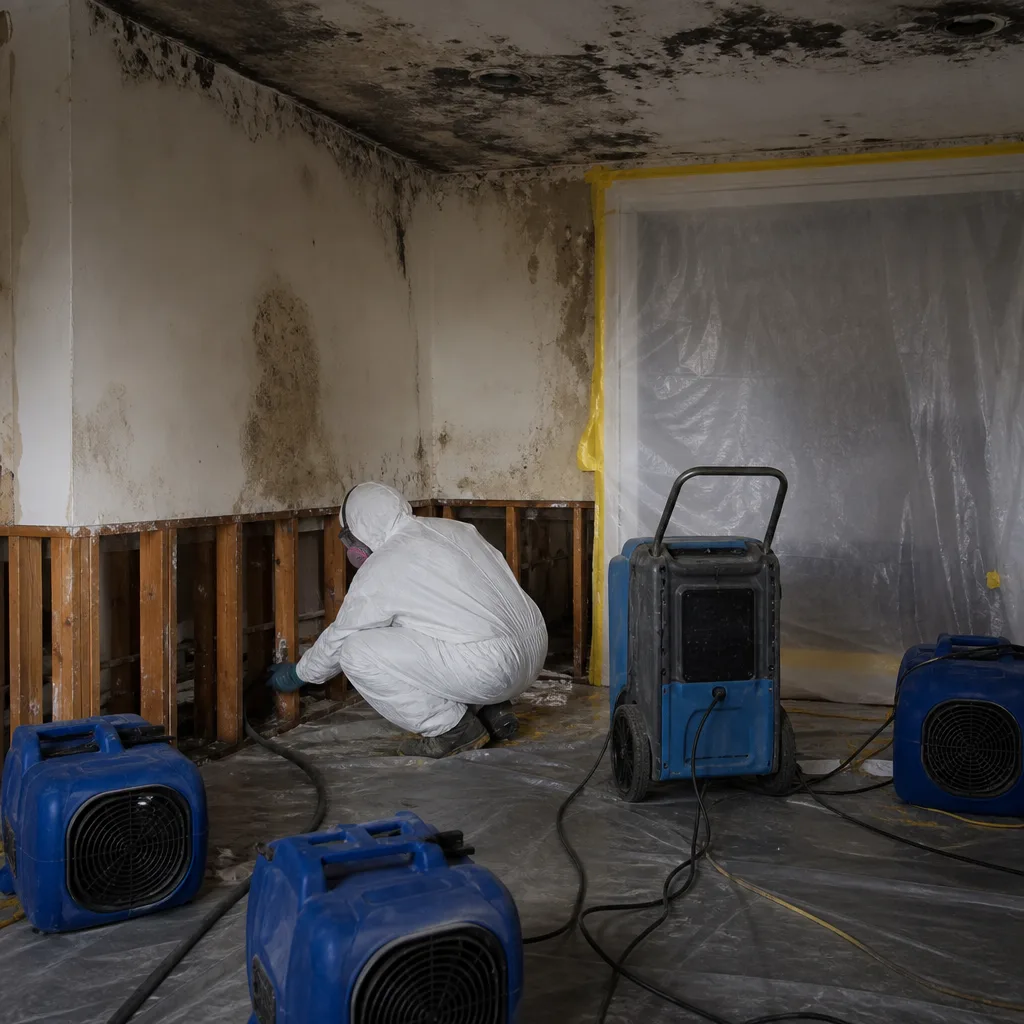
We set up negative air pressure containment with HEPA filtration before any demolition begins. This keeps mold spores from moving into clean rooms during the work. In occupied multi-unit buildings, this step is what protects tenants on other floors.
Drying & Dehumidification
Using Dri-Eaz dehumidifiers, air movers, and Injectidry systems for wall cavities and under-floor drying, we drive moisture out of plaster, lath, and old-growth framing. Daily readings are logged until the dry standard is met, and you and your insurer get the log.
Cleaning & Sanitization
All affected surfaces get HEPA vacuuming and antimicrobial treatment. This is where a fast cleaning job ends and a proper mold job continues, because spores embed in porous plaster and wood fibers that a surface wipe cannot reach.
Mold-Specific Treatment
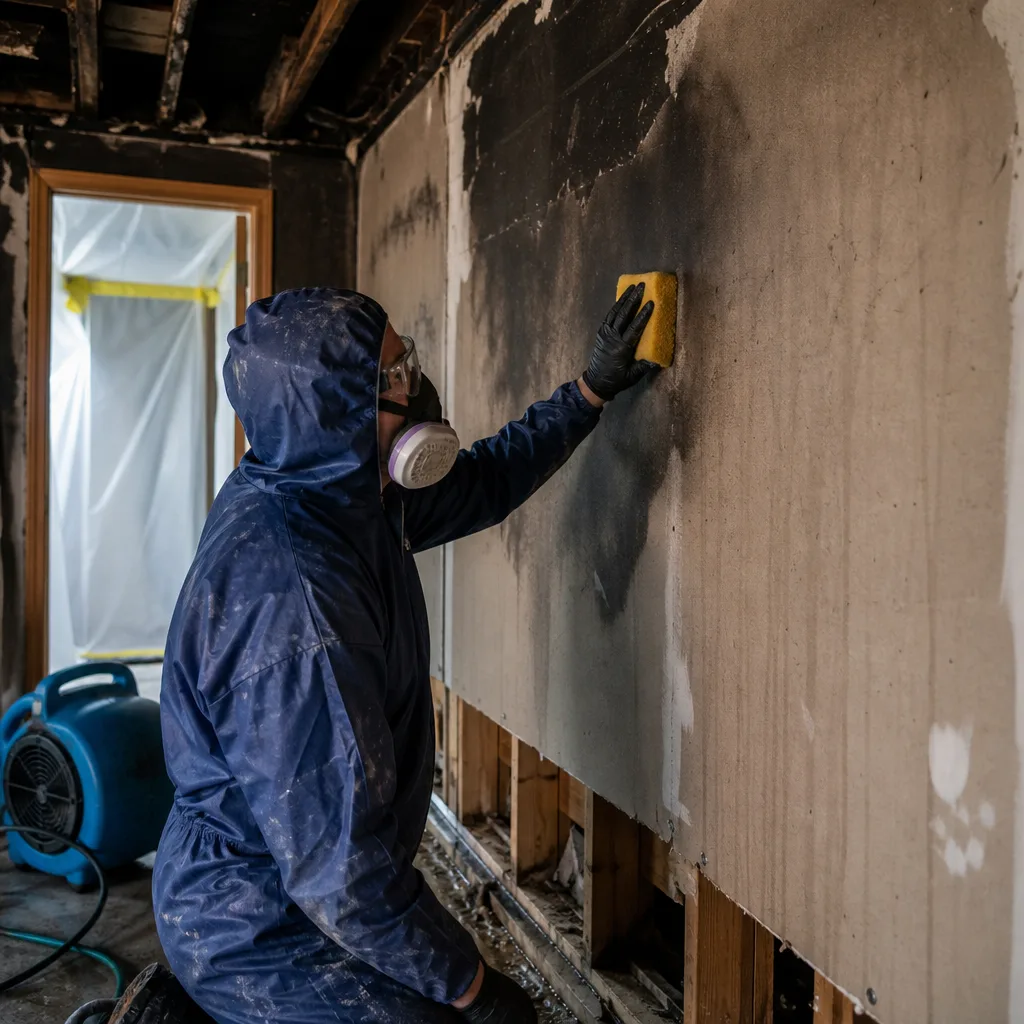
We cut open the plaster-and-lath where wicking has climbed, remove colonized material, and treat the remaining framing with antimicrobial agents. In Garfield homes with prior Passaic River damage, this is the step where hidden colonies from Ida or Irene get found and removed.
Repairs & Restoration
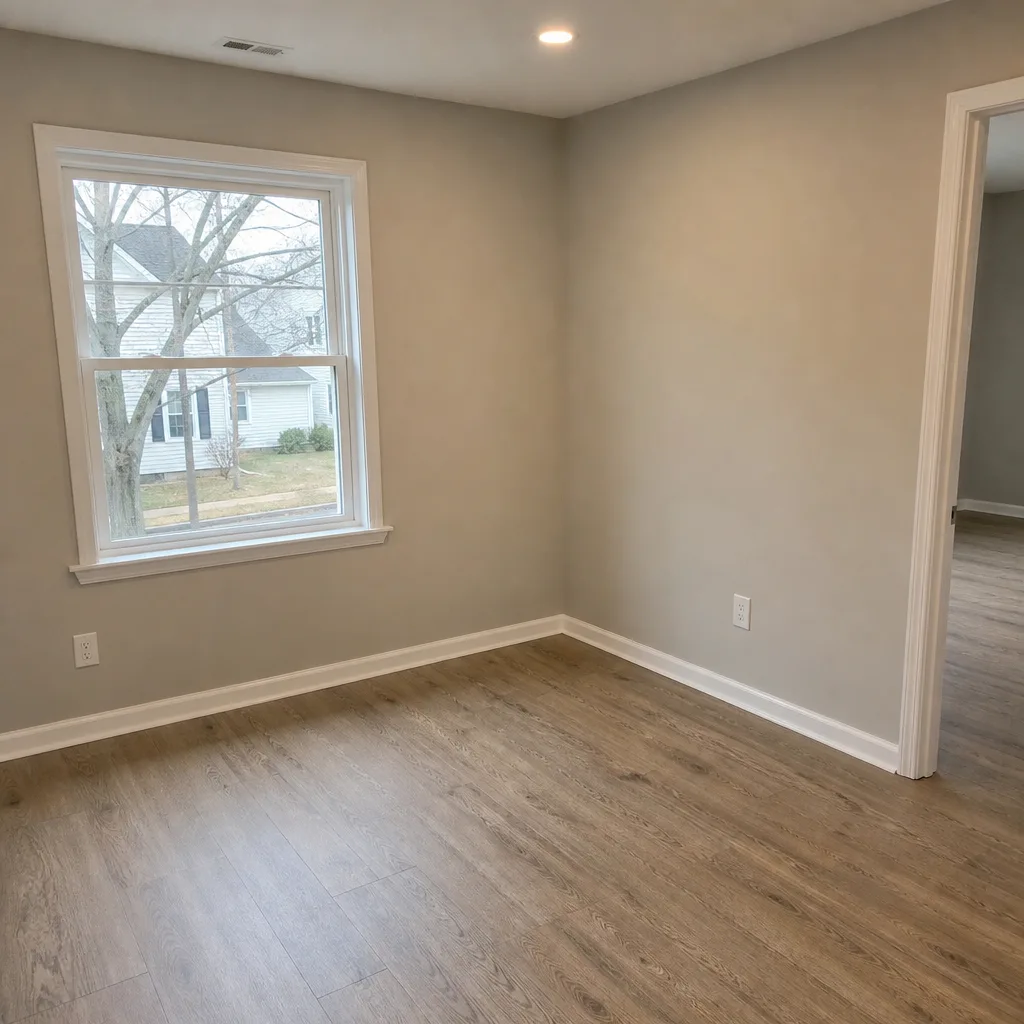
Floodline rebuilds what was removed: new drywall or plaster repair, trim, flooring, and paint. The same crew that did the drying does the rebuild, so nobody inherits a half-finished job or a stranger who wasn’t there on day one.
Need Emergency Mold Remediation in Garfield Now?
Crews minutes away, answering live 24 hours a day. The sooner we start, the less it costs.
Working With Your Insurance Company
Mold claims are harder than water claims, which means the paperwork has to be right from the first hour. We document everything: photos room by room, moisture readings from the day we arrive, drying logs through completion, and a line-item scope that matches what your policy covers. Our team speaks directly with your adjuster so you don’t have to translate construction terms into insurance language. For Garfield homeowners dealing with Passaic River flood damage, the policy questions around flood vs. mold coverage get complicated fast. We help you sort through it and bill the carrier directly.
What We Provide Your Insurer
- Thorough documentation of the loss
- Photos of all damage, room by room
- Moisture readings and drying logs
- A detailed, line-item scope of work
- Direct coordination with your carrier
Built for Garfield’s Loss Calendar
Garfield’s mold season runs all year, but the spikes follow the river. Late summer and early fall bring tropical remnants and nor’easter-driven surges that push Passaic River water into first-floor living spaces. January and February freeze-thaw cycles crack old cast-iron supply lines in uninsulated basements. Spring thaw saturates the ground around full masonry foundations, and seepage finds every hairline crack in a 1920s basement wall. Every one of these events leaves behind the same gift: moisture trapped behind plaster, feeding mold that starts growing within 24 to 48 hours. That’s why the clock on mold in Garfield starts before the water fully recedes, and why we dispatch crews the same day you call.
Mold Remediation Across Garfield’s Neighborhoods
The blocks closest to the Passaic River, along River Drive and the streets running east toward the water, see first-floor standing water during major floods. That means our crews on those streets are routinely opening plaster walls at living-space level, not just treating basements. Farther west, toward the Saddle Brook border along Midland Avenue, the housing stock shifts slightly newer, built in the 1940s and 1950s, with shallower basements and more crawl spaces that hold humidity and need Crawl Space Treatment. The dense blocks around Garfield High School and the 07026 corridor have a high concentration of two-family homes where a leak in one unit migrates through shared walls into the next. Out on River Road near the Lodi line, older masonry basements with poor drainage produce chronic damp that feeds slow, hidden mold colonies for years before a homeowner notices the smell.
Specialized Mold Remediation Services We Offer in Garfield
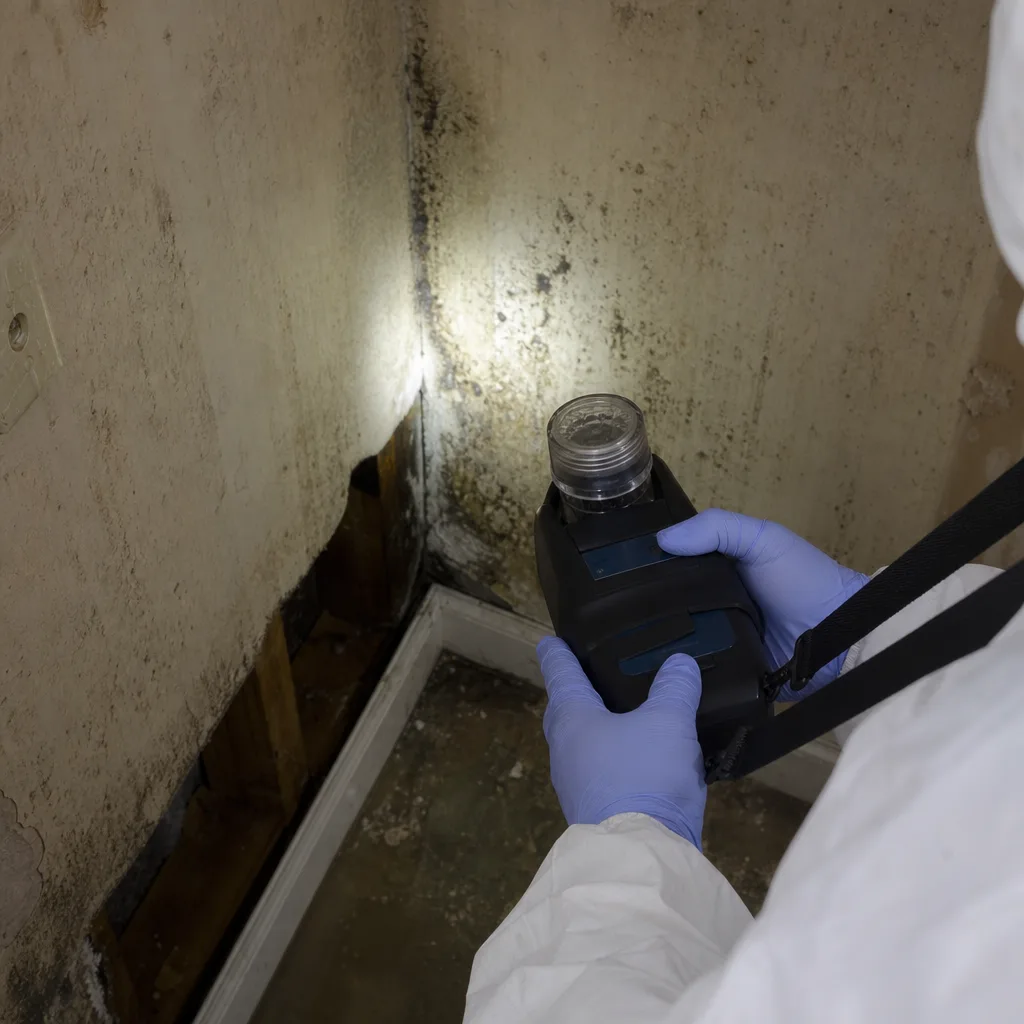
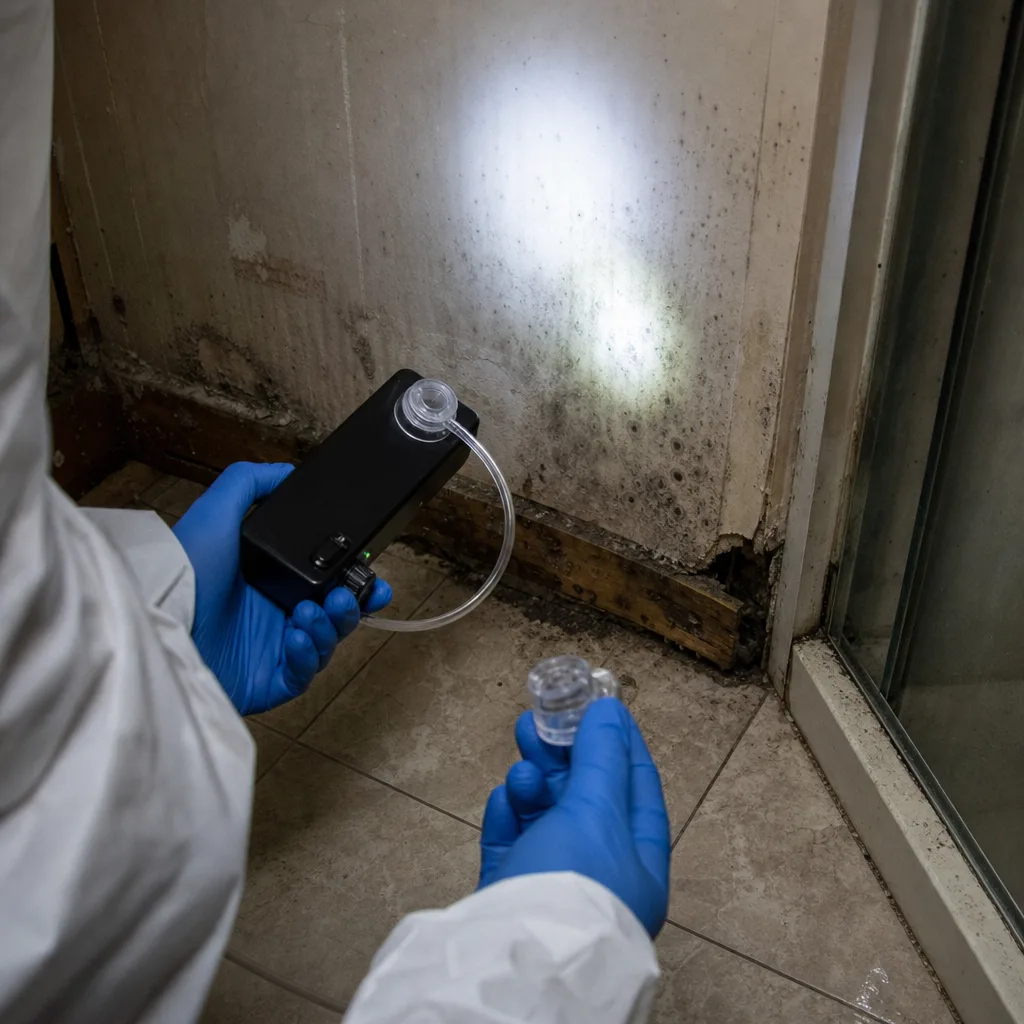
Mold Inspection & Testing
We inspect, we test, we tell you what we found. In Garfield homes with a history of Passaic River flooding, inspection often reveals mold that previous remediation missed. We document the extent with moisture mapping and thermal imaging before any recommendation.
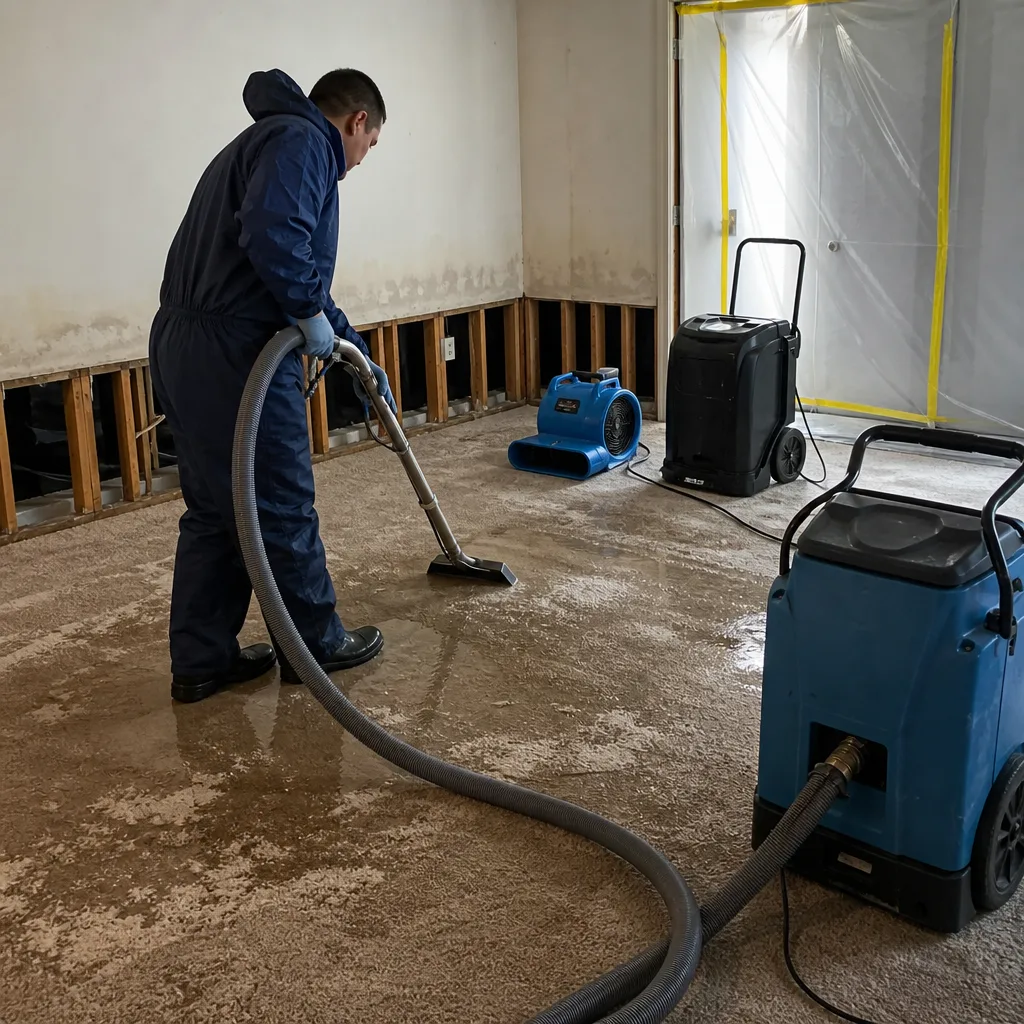
Mold Removal
Full removal of colonized materials: plaster, lath, baseboards, flooring, insulation. In old balloon-frame construction, removal means cutting back far enough to reach dry, stable wood, which is often farther than the visible staining suggests.
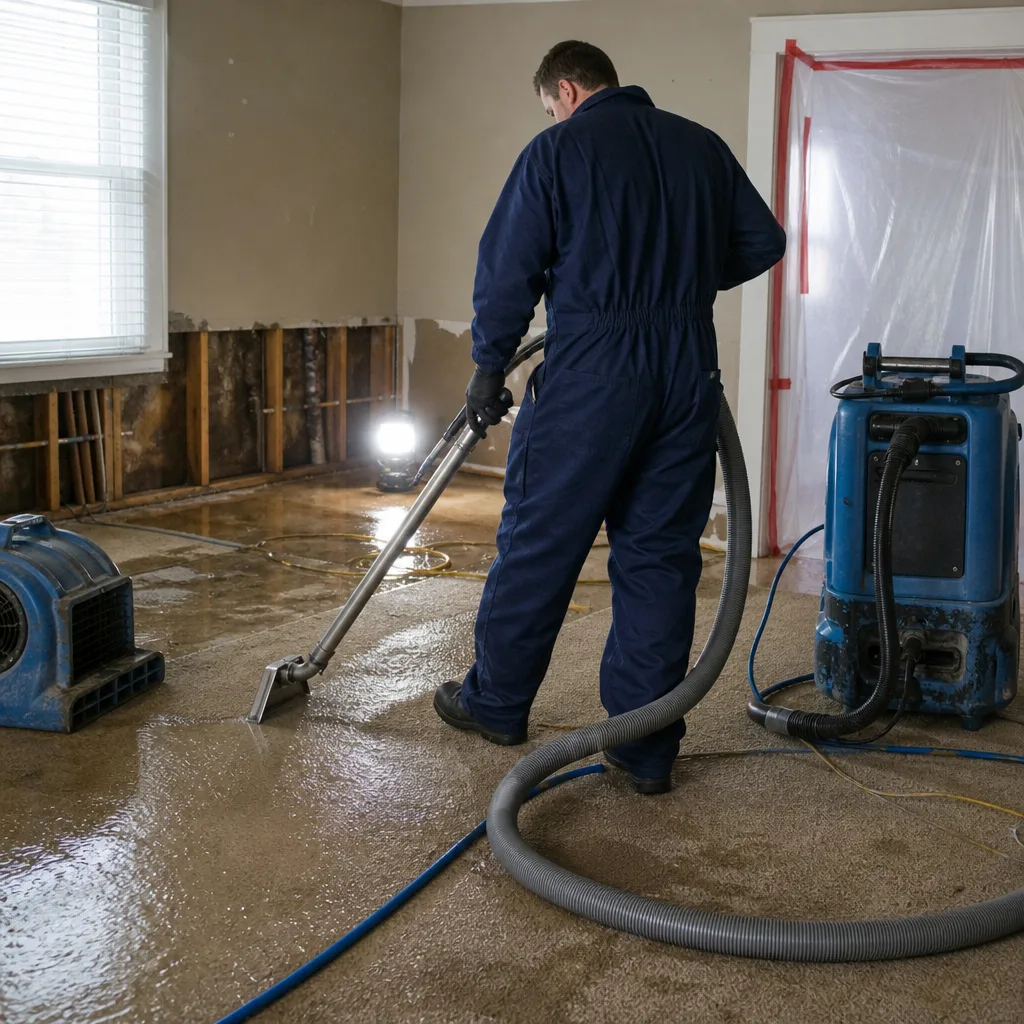
Black Mold Remediation
Stachybotrys and other toxic black molds thrive in the prolonged damp that Garfield’s masonry basements and post-flood wall cavities create. We contain the space under negative air pressure, remove affected materials, and treat the framing with antimicrobial agents as part of our Biohazard & Crime Scene Cleanup in Garfield process.
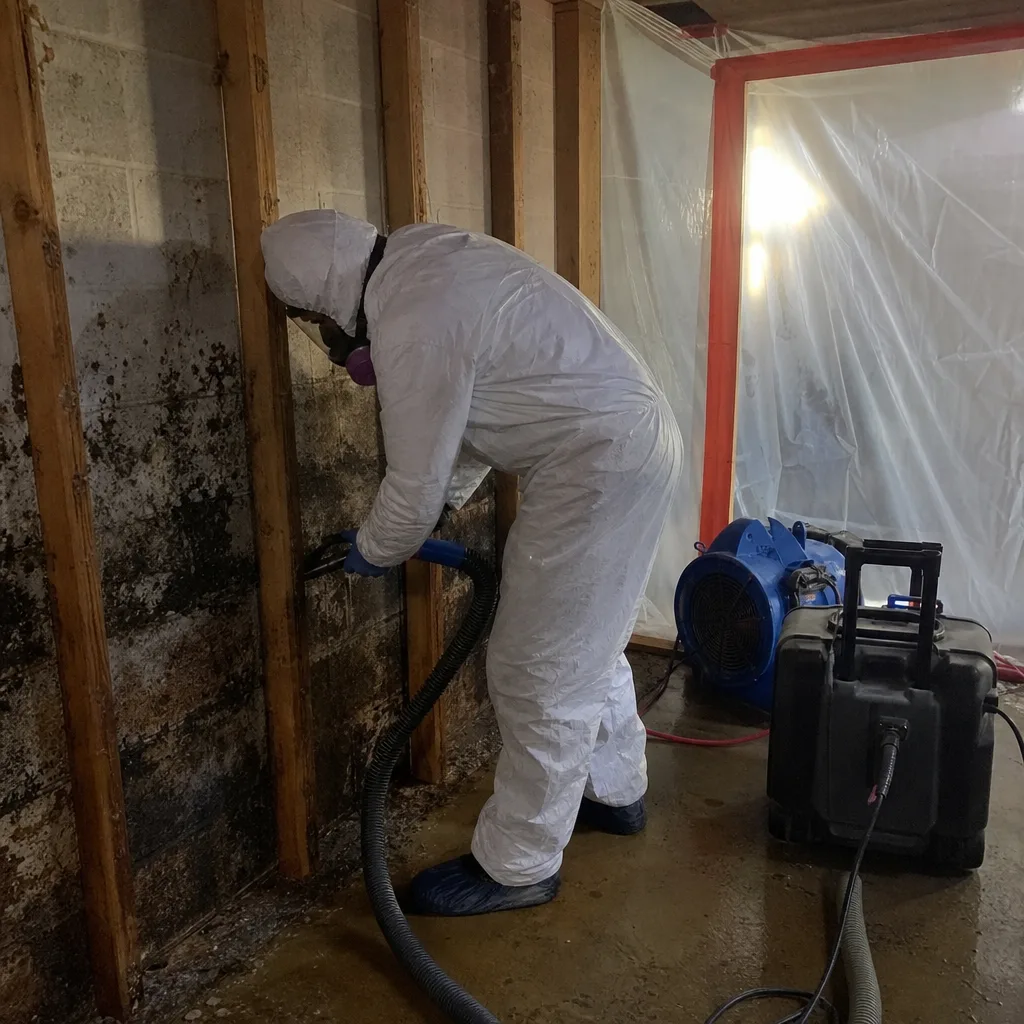
Air Quality Restoration
After the physical work is done, HEPA air scrubbing removes airborne spores so the indoor environment is safe to breathe. This matters especially in multi-unit Garfield homes where tenants share air through common hallways and wall cavities.
Crawl Space Treatment
Many Garfield homes have partial crawl spaces under kitchen additions or rear extensions. Damp crawl spaces feed mold into floor framing, and standard treatments miss them. We dry, treat, and where needed encapsulate these spaces to stop the cycle.
Moisture & Humidity Control
In Garfield’s full masonry basements, mold returns when the moisture source remains. We install dehumidification, improve drainage, and seal foundation cracks so the conditions that fed the mold don’t come back next season.
What happens when you call
- 1
A real person answersNo phone trees - you reach a local pro.
- 2
You get an upfront price rangeHonest numbers before anyone is dispatched.
- 3
A background-checked tech heads outLicensed & insured, dispatched right away.
- 4
You approve before work beginsNothing starts until you say go.
Mold Remediation Costs in Garfield, NJ
A small contained mold cleanup in a Garfield bathroom or closet typically runs $800-$1,500. A full basement mold job with partial framing removal lands between $2,500-$5,000. When Passaic River floodwater has soaked first-floor plaster-and-lath walls and wicking has climbed through balloon framing, scopes expand to $4,500-$9,000 or more, depending on square footage and how many rooms need rebuild. What moves the price: the depth of demolition, whether structural drying is needed, and whether multiple tenancies are involved. Insurance covers mold when the cause is a covered water event. Flood-specific policies apply differently, and we’ll help you read yours. The free visual inspection is the fastest path to a firm written scope. Call (640) 356-1140 for an exact quote.
We Also Serve Cities Near Garfield
Our Garfield crews also respond across the neighboring Bergen County communities of Lodi, Saddle Brook, Hasbrouck Heights, and Maywood. Same live dispatch, same certified teams, same 90-Day Done Right Promise in writing.
The Hidden Mold Problem in Garfield’s Old Homes
Garfield sits directly on the Passaic River floodplain, and the river’s documented history of catastrophic overbank flooding, most recently Hurricane Ida in September 2021 and Tropical Storm Irene in 2011, means restoration contractors here deal disproportionately with repeat-flood properties. Here’s what that actually means inside a Garfield two-family. Contractors responding to a new flood call in the blocks closest to the Passaic River routinely open plaster walls and discover pre-existing mold colonies from prior flood events that were never properly remediated. The moisture from Ida soaked into old-growth framing. The next flood, two years later, finds it still there, now black and spreading. On a 1920s two-family on River Drive after Ida, our crew set containment on the first-floor parlor, opened the plaster-and-lath walls, and found black mold colonies behind the baseboards from a prior flood that had never been remediated. We used moisture mapping to trace the wicking up the old-growth balloon framing, ran Dri-Eaz dehumidifiers and air movers for structural drying, and performed antimicrobial treatment before rebuild. Scope expanded within the first hour of demolition, exactly as it almost always does in this part of Mold Remediation in Garfield. That’s the reality of this city’s housing stock: the mold you see is rarely the whole story.
The combination of recurring river inundation and a dense stock of century-old two- and three-family homes with full basements makes Garfield a market where mold remediation behind plaster-and-lath walls and structural drying of old-growth balloon-frame construction are core, expected skills rather than edge cases. A contractor who only knows modern drywall will miss the vertical moisture migration that carries mold from a flooded first floor up into the apartment above. We see it on nearly every river-adjacent job. The line the water left is where we start, but we follow the moisture wherever it went.
Serving Garfield, NJ - Our Local Coverage Area
We’re based in the Garfield area and know this community well. Use the map below to see our service coverage - if you’re nearby, we can almost certainly help.
Garfield Mold Remediation Questions, Answered
How soon after a Passaic River flood in Garfield can mold start growing inside plaster-and-lath walls?
Mold can begin growing in as little as 24 to 48 hours after water recedes, and behind plaster-and-lath walls the clock starts while the wall cavity is still wet. Call (640) 356-1140 the day the water goes down.
Why do Garfield mold remediation scopes almost always expand once you open the walls?
Because Garfield’s oldest homes have absorbed multiple flood events over decades, and each one left behind moisture and mold that was never fully remediated. Once containment is up and plaster comes down, the hidden colonies get exposed. We document everything and revise the scope with you before proceeding.
Does insurance cover mold remediation in Garfield when the water came from the Passaic River?
Standard homeowners policies cover mold when it results from a covered water event. Flood-specific coverage applies to Passaic River overbank flooding, and mold coverage often comes with dollar caps. We bill your carrier directly and talk to the adjuster about what your policy says. Call (640) 356-1140 and we’ll help you sort it out.
What does category 3 water from the Passaic River mean for mold remediation in my Garfield basement?
Category 3 water is grossly contaminated, carrying Sewage Cleanup - Garfield levels of sewage, bacteria, and organic matter from the river. It requires full containment, antimicrobial treatment, and removal of porous materials. This is not a surface cleaning job. Our IICRC-certified crews handle it as a biohazard-influenced mold job.
How do you prevent mold from returning in Garfield homes with full masonry basements and poor drainage?
By fixing the moisture source, not just the mold. We install dehumidification, seal foundation cracks, improve exterior drainage where possible, and treat the framing so the conditions that fed the mold don’t return. The drying log we hand you at the end documents the dry standard we hit. Call (640) 356-1140 to start with a free inspection.
How fast can a Floodline crew reach my Garfield home?
Our Garfield-area crews commit to a 45-minute response time from dispatch, 24/7. We answer live, not with a recording, and extraction or containment typically starts the same visit.
Can we stay in our Garfield home during mold remediation?
For contained jobs in basements or single rooms away from living areas, often yes. For first-floor or multi-room jobs in multi-unit buildings, temporary relocation is sometimes the safer call. We’ll tell you honestly before work begins, and we’ll document everything your insurer needs either way.
What should I do in the first 30 minutes after I find mold in my Garfield home?
Stop running fans or HVAC that could spread spores, close the door to the affected room, and call (640) 356-1140. Do not disturb the mold. Do not spray bleach on it. A free visual inspection from a certified crew gets you a firm answer today without making the problem worse.
Written by Curt Bowman, Owner at Floodline Restoration Co., serving Garfield and surrounding Bergen County communities.