
Free visual inspection and a written scope of work before any mitigation begins - photos, moisture readings, and drying logs go in your claim file
The scope we write is the scope we bill. Anything new gets shown to you, in writing, before we touch it.
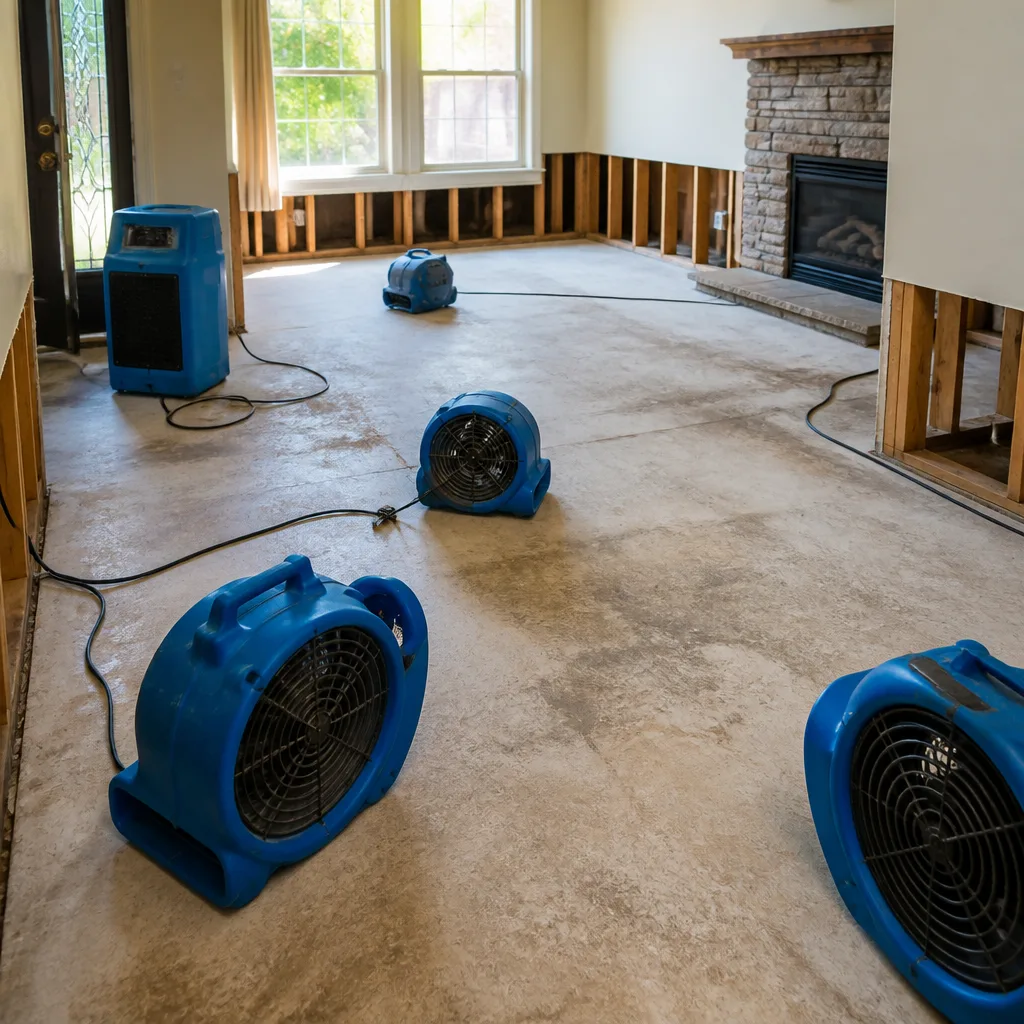
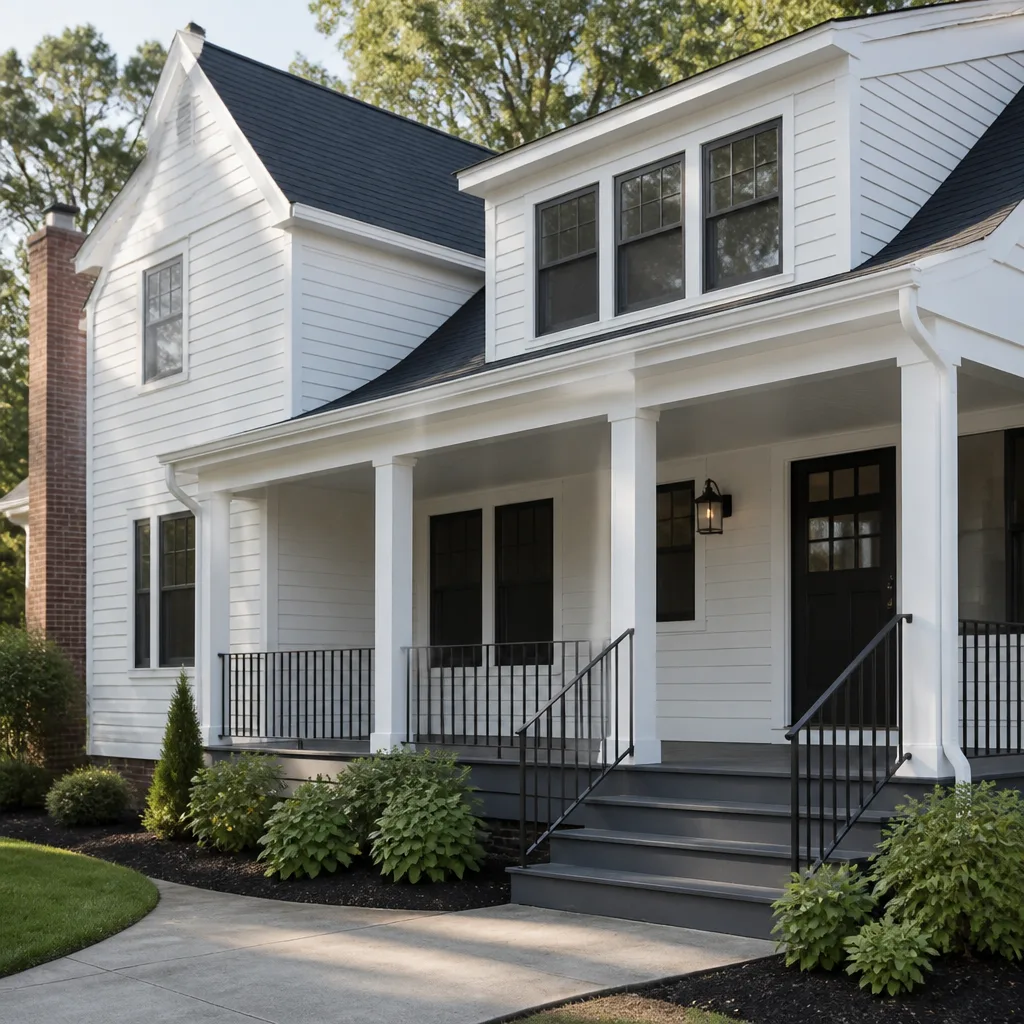
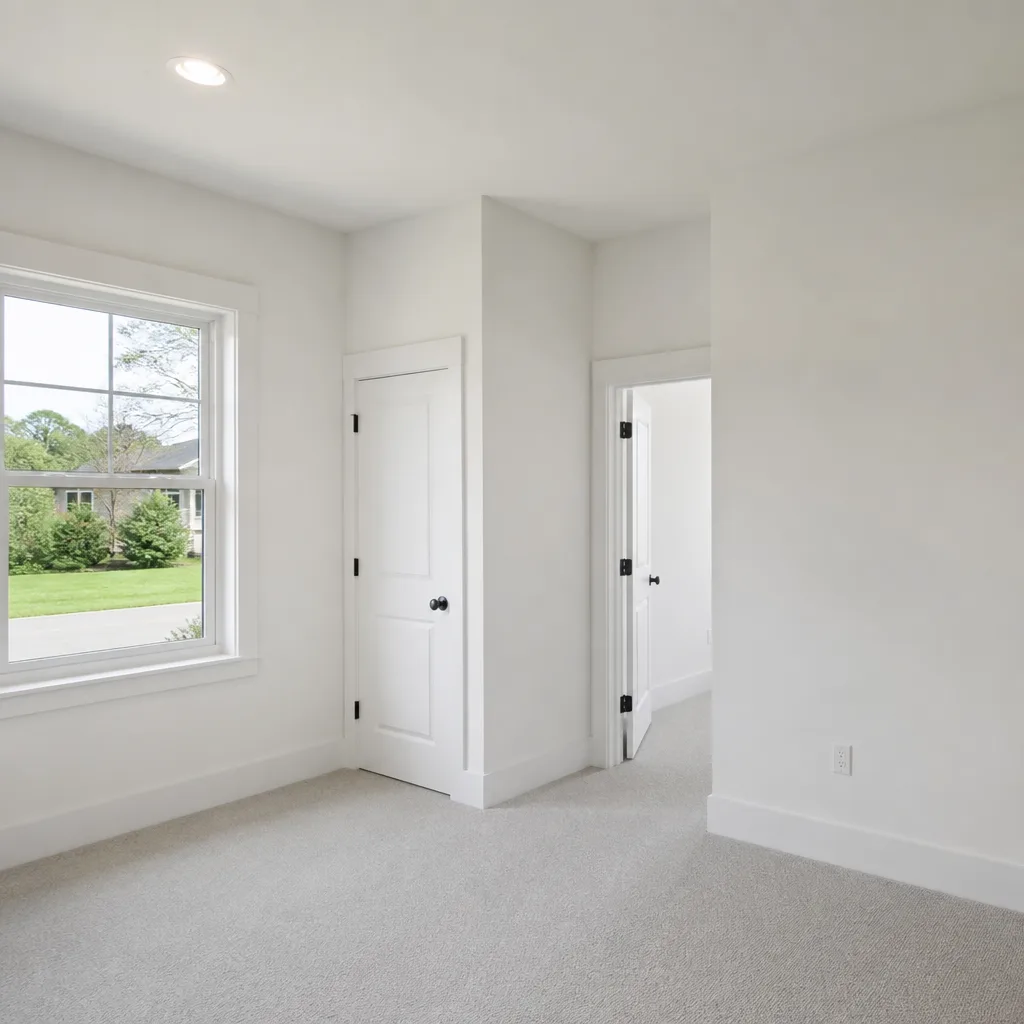
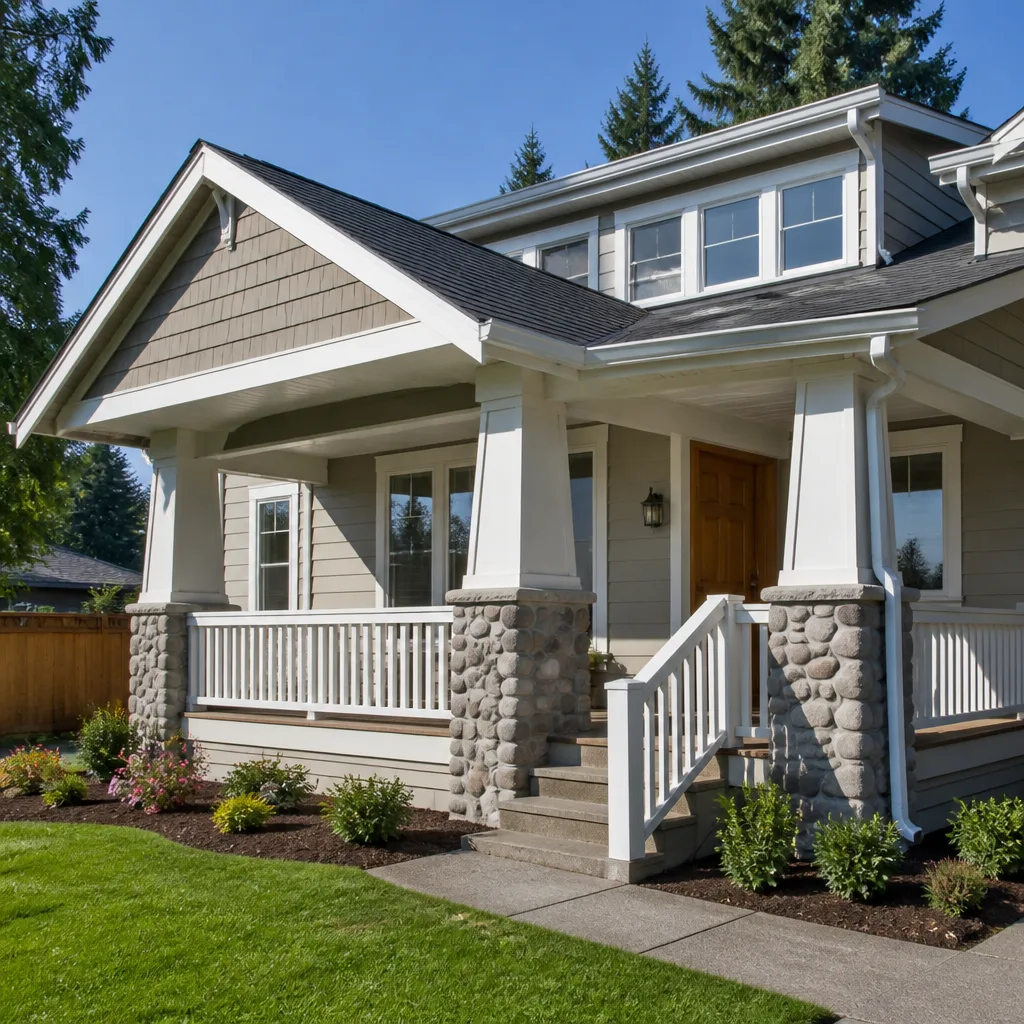
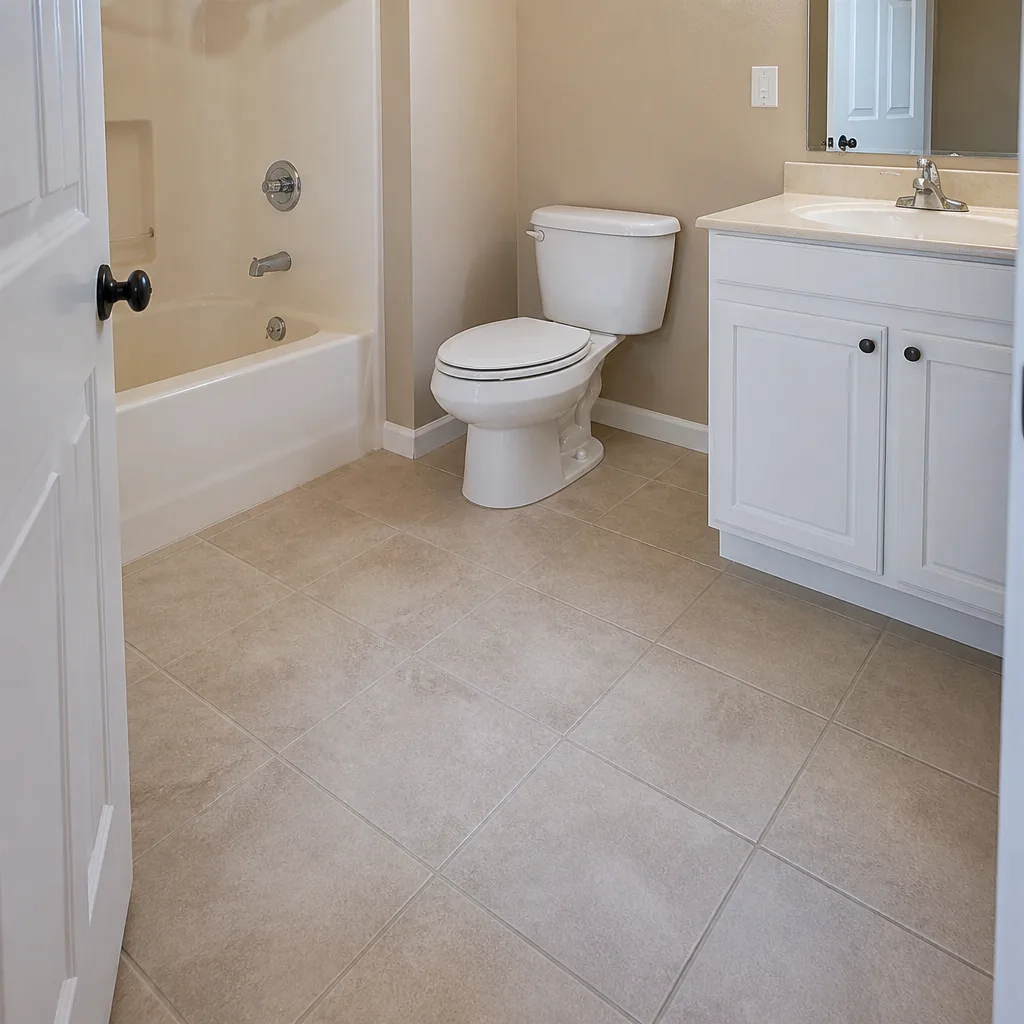

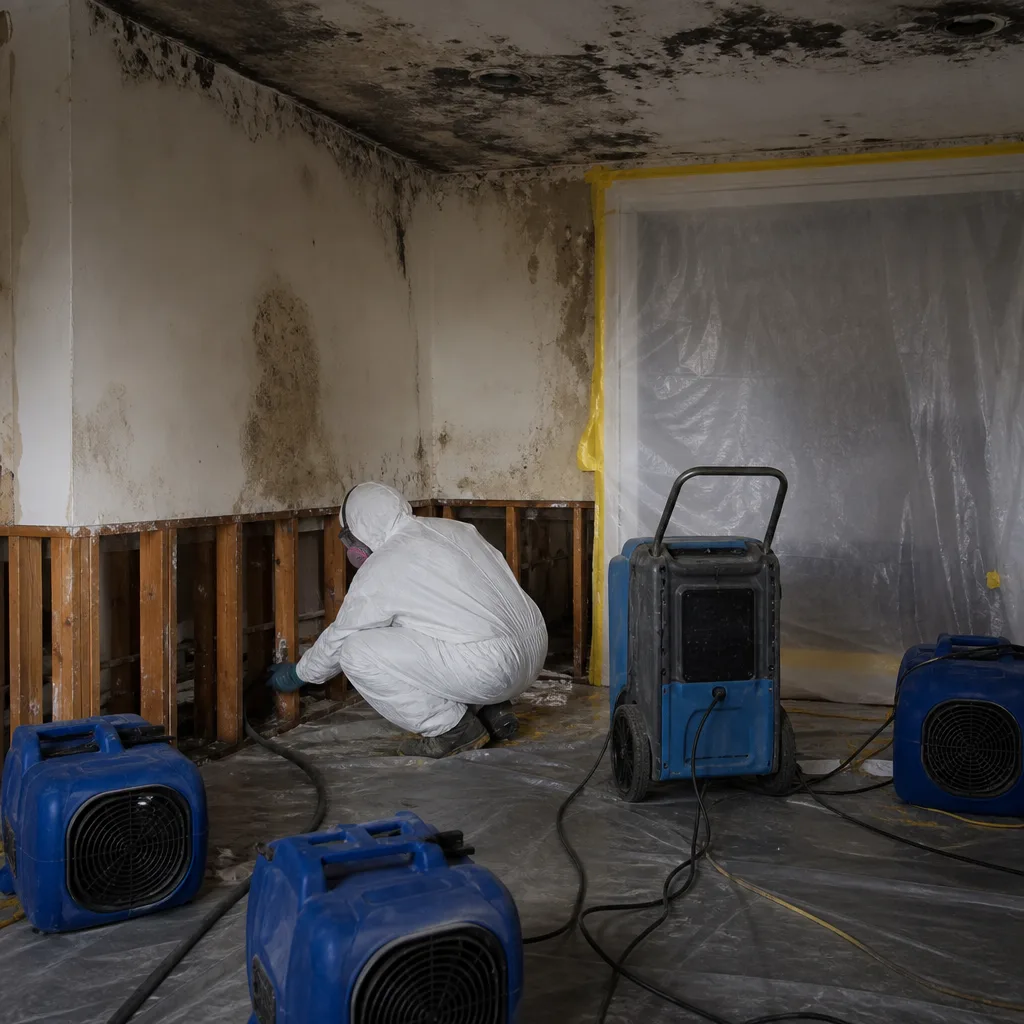 Before
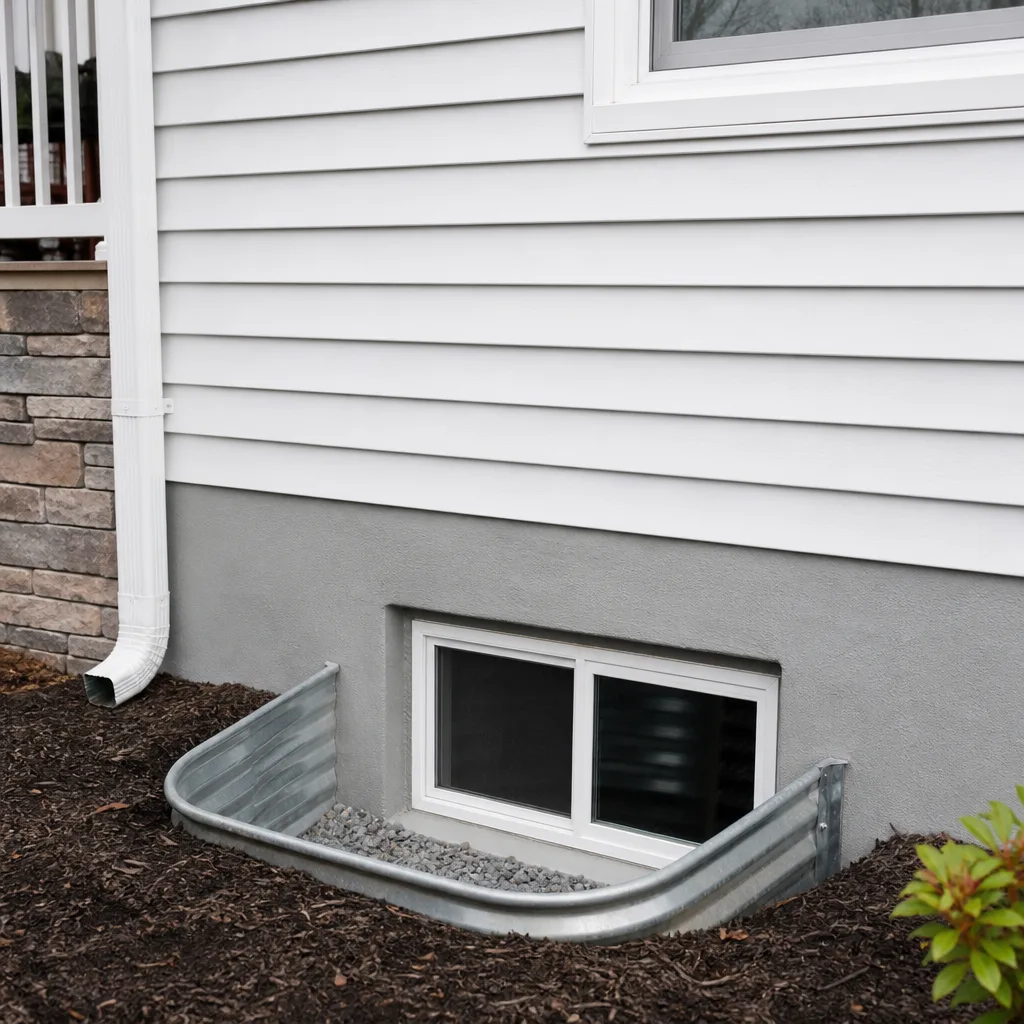 After
After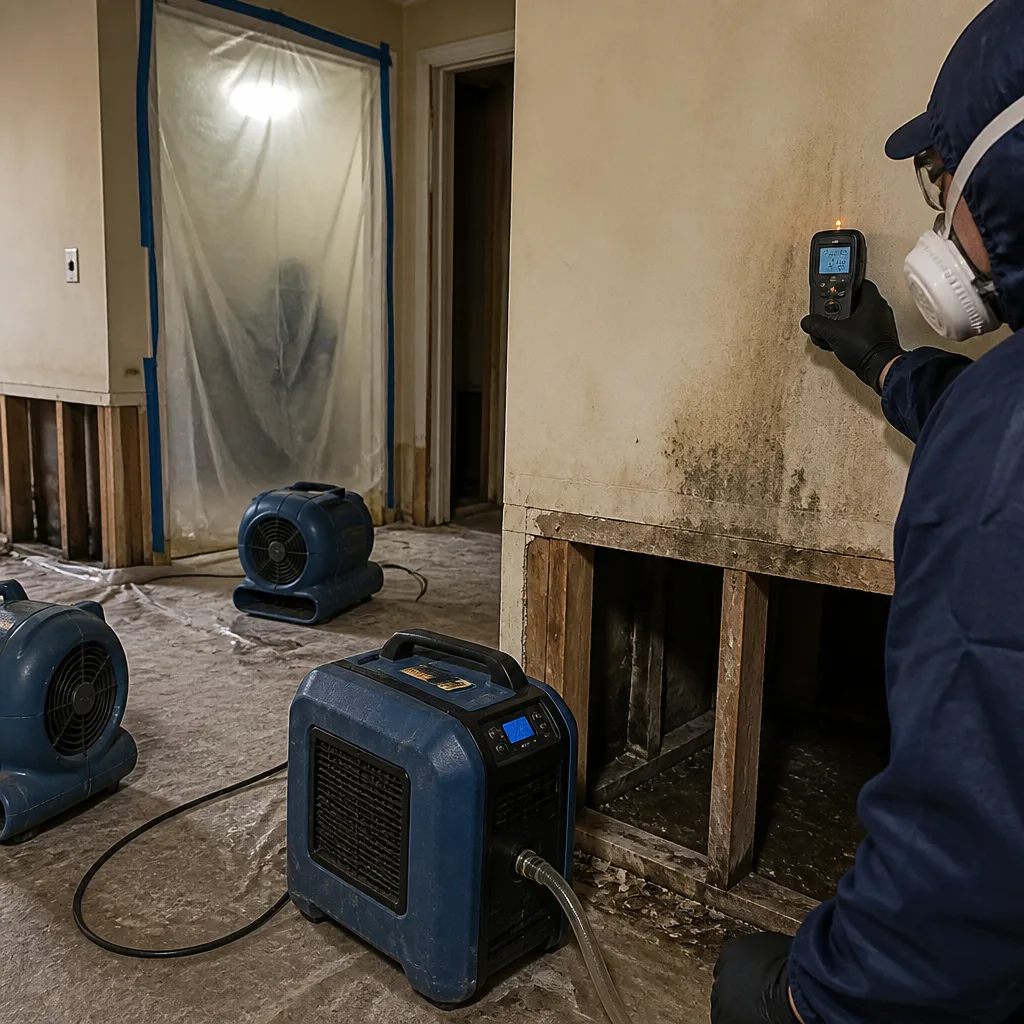 Before
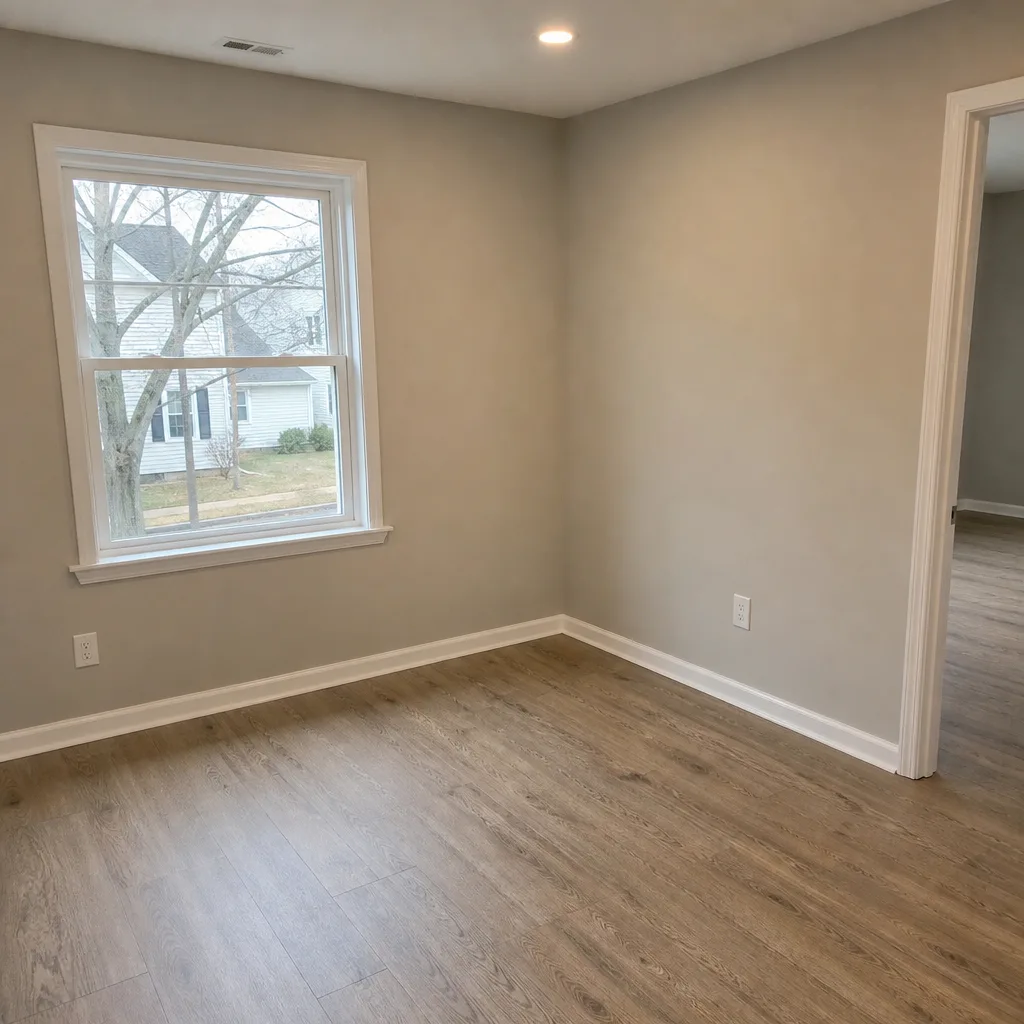 After
After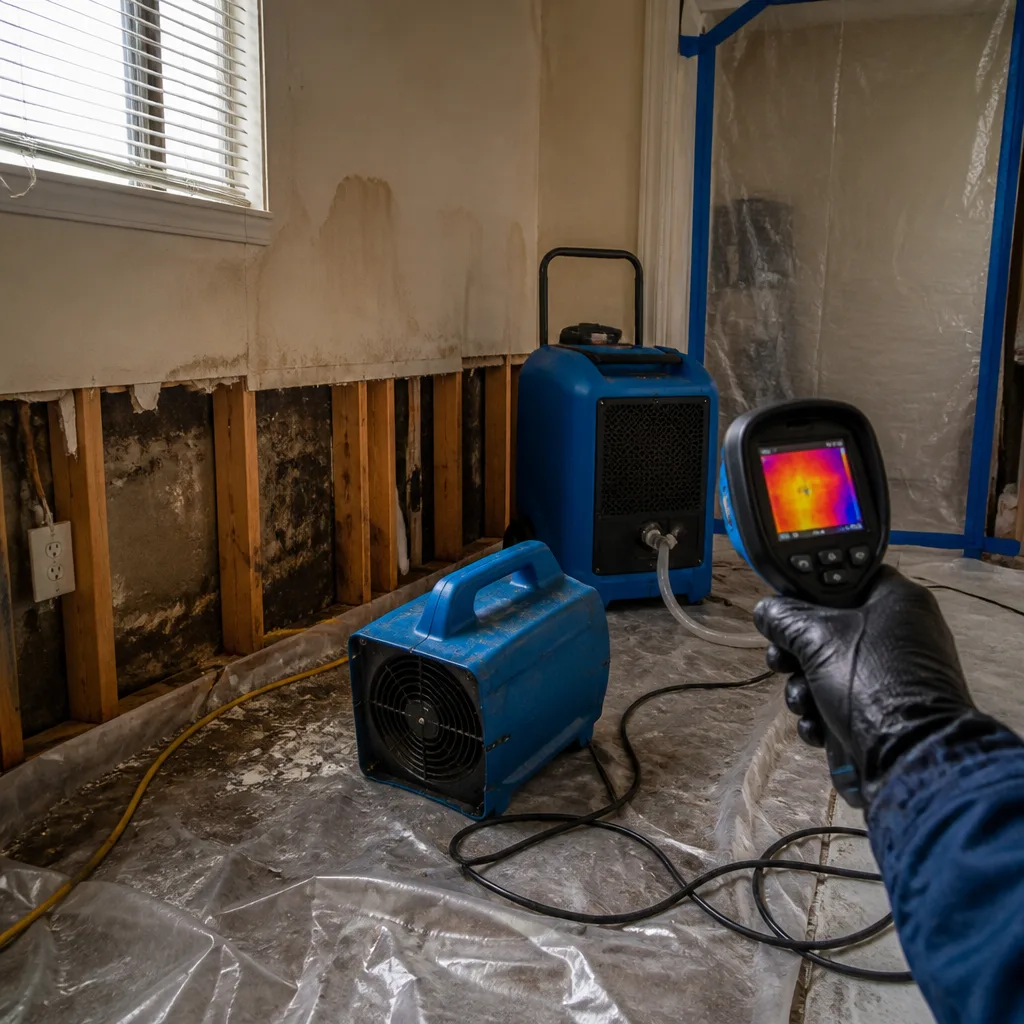 Before
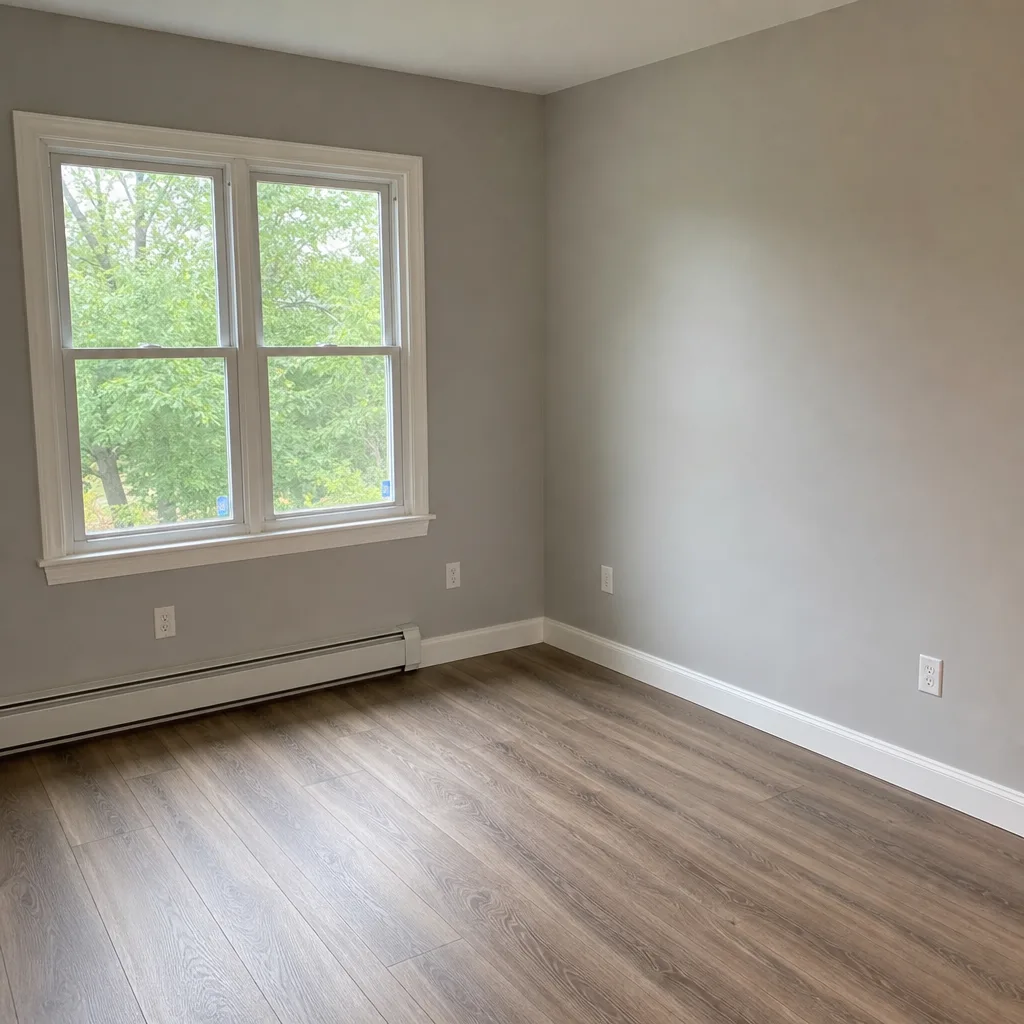 After
After24/7 Emergency Water Damage Restoration in Getty Square
Water damage restoration in Getty Square moves fast because the water itself moves fast here. When the Saw Mill River rises or a century-old supply line lets go at 2 a.m., you need a crew at your door, not a recording. Call (640) 356-1140 and a live dispatcher answers, any hour, every day. We dispatch crews to Getty Square from our New York City office, and they arrive ready to start extraction on the same visit. The first hour matters: the longer water sits in a masonry building with plaster walls and timber joists, the deeper it wicks, and the more it costs to dry properly. We do a free visual inspection, we give you a straight answer about what you’re facing, and we don’t charge for the drive. Done right, and backed in writing.
Understanding Water Damage Restoration Severity in Getty Square Properties
Not all water damage is the same, and Getty Square’s building stock makes the distinctions sharper. Clean water from a burst supply line is Category 1, but once it passes through a plaster ceiling or a finished basement wall, it picks up whatever was in the wall. Category 2 carries significant contamination: dishwasher overflow, sump pump failure, washing machine discharge. Category 3 is grossly contaminated water, and in Getty Square it almost always means one thing: the combined sewer system backing up into basements when the Hudson and Saw Mill surge together. Those brick tenements off South Broadway and the commercial storefronts along Main Street sit low, and their basements are at or near the water table. Moisture mapping matters here because water hides. It climbs plaster, saturates joist ends, and settles into brick that has already cycled through a century of damp. We read moisture not just on surfaces but inside wall cavities and under finished floors, because in Getty Square the water you can’t see is usually the water that does the real damage.
Why Getty Square Property Owners Choose Floodline Restoration Co.
- 45-minute response commitment for Getty Square. We stage equipment and crews knowing exactly how long it takes to reach you from the Saw Mill Parkway, South Broadway, or Nepperhan Avenue. We’ll be there when we say.
- Live answer, 24/7. A real dispatcher picks up at 2 a.m., not a robot and not a voicemail box. You tell us what’s happening; we tell you who’s coming and when.
- IICRC-certified crews, trained to WRT and ASD standards. Our technicians carry the certifications for water damage restoration and applied structural drying, and we don’t send a trainee alone to a Category 3 job.
- Free visual inspection with a written scope. Before any work starts, you get a clear line-item scope. A square deal, no surprises on the bill.
- Direct insurance billing. We document from the first hour and coordinate with your adjuster directly. You never play messenger between us and the carrier.
- One crew from extraction to rebuild. Floodline Restoration Co. handles the Water Damage Restoration and the reconstruction that follows. No mid-job handoff, no inherited crew, no finger-pointing.
Our Water Damage Restoration Process
Inspection & Assessment
We arrive with thermal imaging cameras and moisture meters, not just a shop vac. Our techs map every wet surface, including behind plaster walls and under baseboards, and we identify the water source and category before anyone touches a dehumidifier. In Getty Square, that means checking whether the water is groundwater seepage, a pipe failure, or a sewer backup, because the protocol changes completely.
Extraction & Stabilization
We pull standing water using truck-mounted extraction where access allows, and portable extraction where Getty Square’s alleys won’t fit a full-size truck. The goal is simple: get the water out and stop it from spreading through joist ends, base plates, and party walls.
Drying & Dehumidification
We set up Dri-Eaz low-grain refrigerant dehumidifiers and XPOWER air movers in a calculated layout, not scattered randomly. Daily moisture readings go on a log. We hand that log to you and your adjuster. In masonry buildings, drying means balancing airflow with the building’s natural moisture load, because brick and plaster hold water differently than drywall.
Cleaning & Sanitization
Every affected surface gets cleaned and treated. Category 3 jobs get full containment, air scrubbing with HEPA filtration, and antimicrobial application before drying equipment is even unloaded. We don’t dry contaminated water into the air of a building where people live and work.
Structural Drying of Hidden Spaces
Getty Square rowhomes and tenements have a specific failure point: joist ends pocketed in masonry. We drill small access points, run Injectidry systems into the cavities, and monitor until readings match the dry standard. Skimping here is how a wet basement becomes a rotted floor collapse six months later.
Repairs & Restoration
We rebuild what we opened, from plaster patching to full basement refinishing. The same crew that read the moisture map on day one handles the finish work. You don’t hand off to a subcontracted remodeler you’ve never met. We stand behind the whole thing with the 90-Day Done Right Promise.
Need Emergency Water Damage Restoration in Getty Square Now?
Crews minutes away, answering live 24 hours a day. The sooner we start, the less it costs.
Working With Your Insurance Company
Insurance claims for water damage restoration in Getty Square succeed or fail on documentation, and we document from the first phone call. Curt Bowman built Floodline Restoration Co. in 2010 around a dispatch board and a paper trail, because he’d seen too many homeowners stuck arguing with a carrier over someone else’s sloppy notes. We photograph everything, room by room, before a single piece of equipment gets moved. We record moisture readings in writing, daily, until the building reaches pre-loss condition. We write a detailed, line-item scope of work using industry-standard pricing. And we talk to your adjuster directly. When the carrier calls with questions, they call us, not you. You get copies of everything we send.
What We Provide Your Insurer
- Thorough documentation of the loss, from the first hour
- Photos of all damage, room by room
- Moisture readings and drying logs, updated daily
- A detailed, line-item scope of work
- Direct coordination with your carrier
Built for Getty Square’s Loss Calendar
January in Getty Square brings the deep freeze, and with it, burst supply lines in uninsulated masonry walls. February and March throw nor’easters straight down the Hudson corridor, and that’s when the Saw Mill River tests every basement slab in the neighborhood. April thaw brings exactly what you’d expect: hydrostatic pressure against foundations that sit at the water table all year. Summer thunderstorms dump two inches in an hour, the combined sewer system backs up, and storefront basements off Getty Square take on Category 3 water that demands Sewage Cleanup in Getty Square. Fall tropical remnants do the same thing at a slower pace. The pattern is consistent: this neighborhood gets its water damage from the rivers, the sewer, and the freeze-thaw cycle, in that order. A local crew that knows the pattern doesn’t waste your money chasing a roofing leak when the real problem is groundwater. We read the building, the season, and the weather history, and we tell you the truth about what happened.
Water Damage Restoration Across Getty Square’s Neighborhoods
Getty Square’s density means every block has its own access challenges, and our crews know them before we pull up. Along Main Street, the commercial storefronts have basements under hundred-year-old retail space, and we routinely stage drying equipment through front doors during business hours. Off South Broadway, the mid-rise brick tenements have narrow alley entrances where a full-size truck can’t fit. We stage equipment at the curb and carry in what we need, often a portable extraction unit plus dehumidifiers that break down into pieces. The residential blocks east of Broadway, toward Nepperhan Avenue, have more standalone houses, but many still sit on the same high water table. We’ve worked in every corner of Getty Square, from the commercial core to the residential edges closest to the river. The loss patterns shift by block: storefronts get sewer backups, tenements get burst pipes and ceiling collapses from rotted joists, and the low-lying streets near the Saw Mill get chronic seepage no matter the weather.
On a mid-rise brick tenement off South Broadway, our techs found a Category 3 backup from the combined sewer after a nor’easter, with moisture readings hitting 99% RH in the basement plaster and rotted joist ends behind the stairwell. We set up containment, ran Dri-Eaz LGR 7000XLi dehumidifiers and XPOWER air movers for structural drying, and logged moisture mapping twice daily until pre-loss condition was met, all while working around a narrow alley entrance that couldn’t fit a full-size truck. That’s the reality of water damage restoration in Getty Square: the access is tight, the water is deep, and the building is old enough to hide real damage behind every plaster wall. When the situation calls for it, we also provide Fire & Smoke Damage Restoration in Getty Square.
Specialized Water Damage Restoration Services We Offer in Getty Square
Emergency Water Extraction
Standing water in a Getty Square basement needs extraction before it migrates through masonry and along joist bays. We arrive with portable and truck-mounted extraction units, and the right tool depends on your alley clearance and stairwell width. We pull the water, then we set containment and start reading moisture. Extraction alone is never enough in a building with plaster walls; drying is the other half of the job.
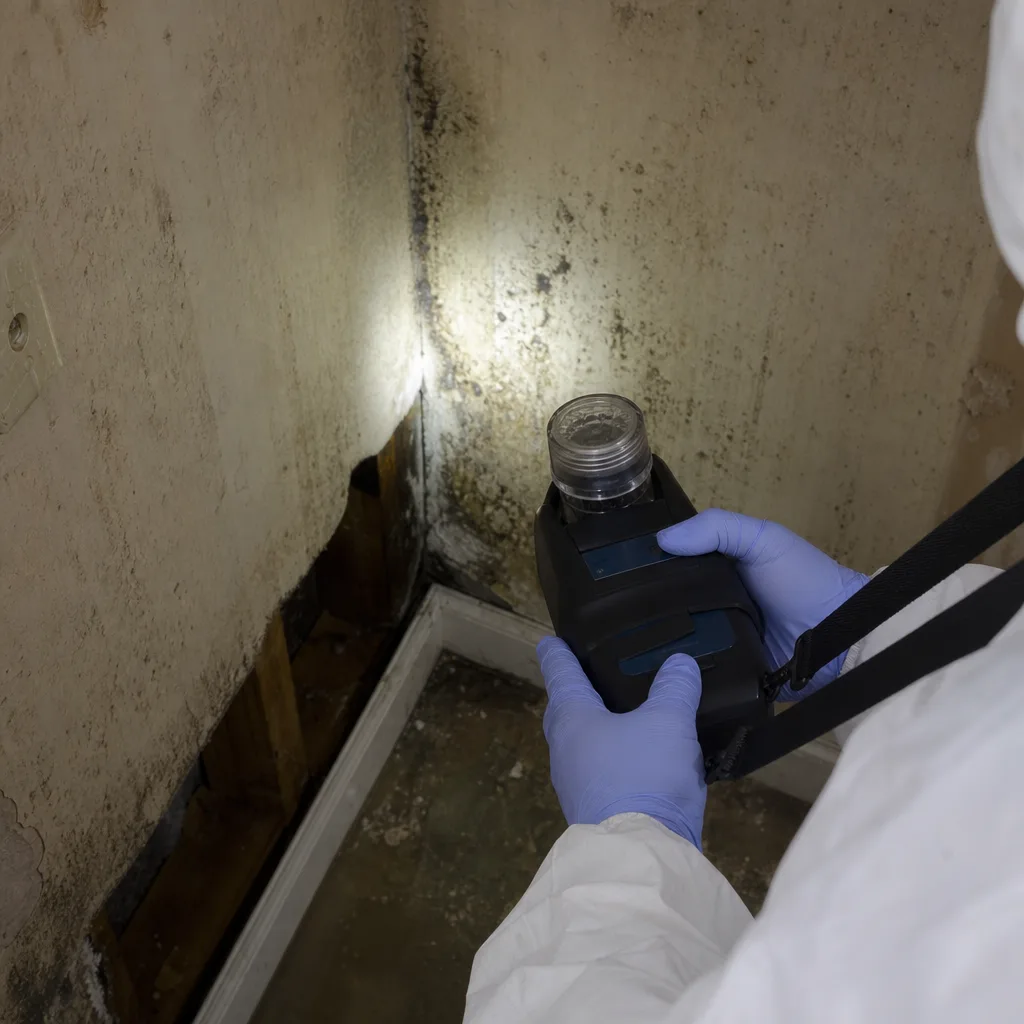
Structural Drying & Dehumidification
Structural drying in Getty Square means drying the building, not the air. Brick, plaster, and timber hold moisture differently than modern drywall, and they wick it in places you’d never think to look: pocketed joist ends, base plates, lath behind plaster. We run Dri-Eaz dehumidifiers and XPOWER air movers on a calculated layout, and we use Injectidry systems to dry inside wall and ceiling cavities. Daily moisture logs prove the building reached the dry standard before we hand it back to you.
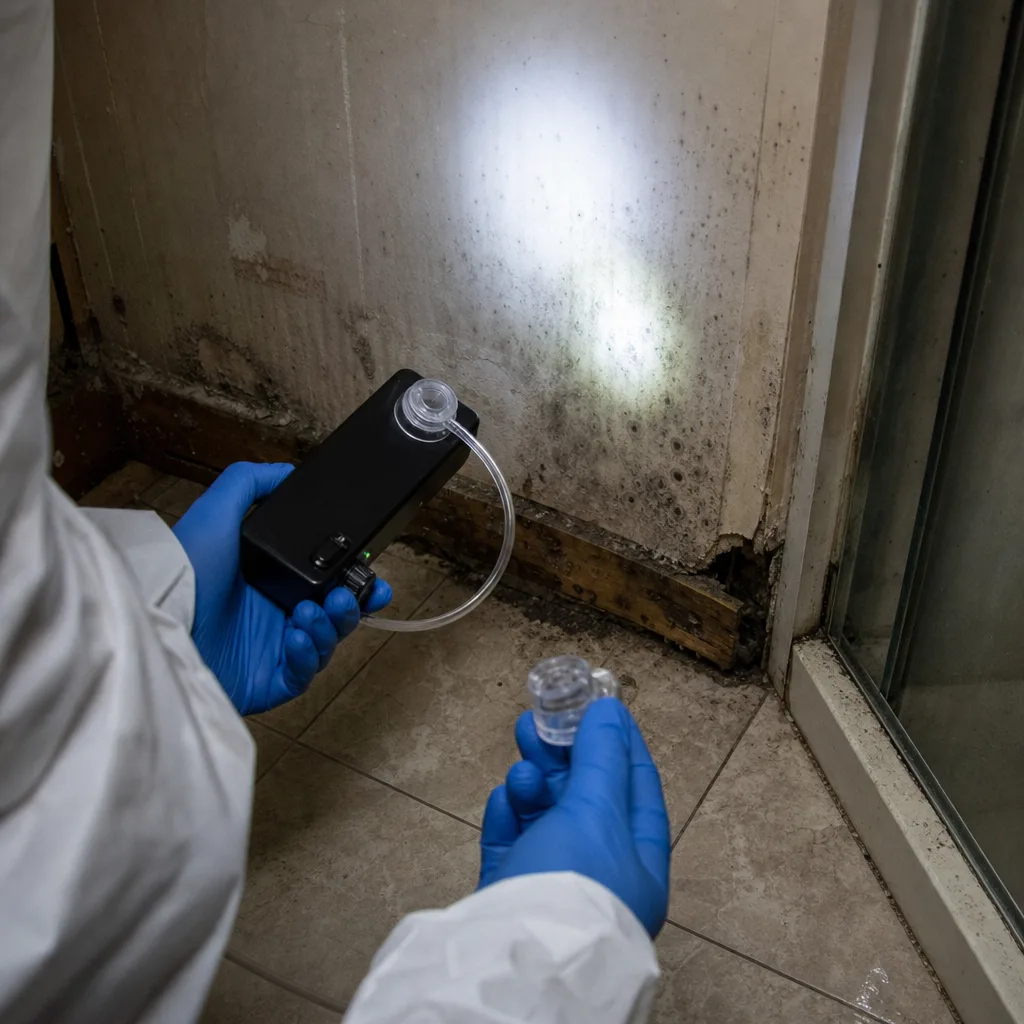
Flood Cleanup
When the Hudson and Saw Mill surge together, the water that comes into Getty Square basements is Category 3, with everything the downtown sewer system carries. For these events, we offer our Storm & Disaster Restoration in Getty Square. Flood Cleanup here means containment first: we seal the affected area, run HEPA air scrubbers to protect the rest of the building, and only then begin extraction. We remove contaminated materials, sanitize surfaces, and document everything for your carrier. This is not a mop-and-fan situation.
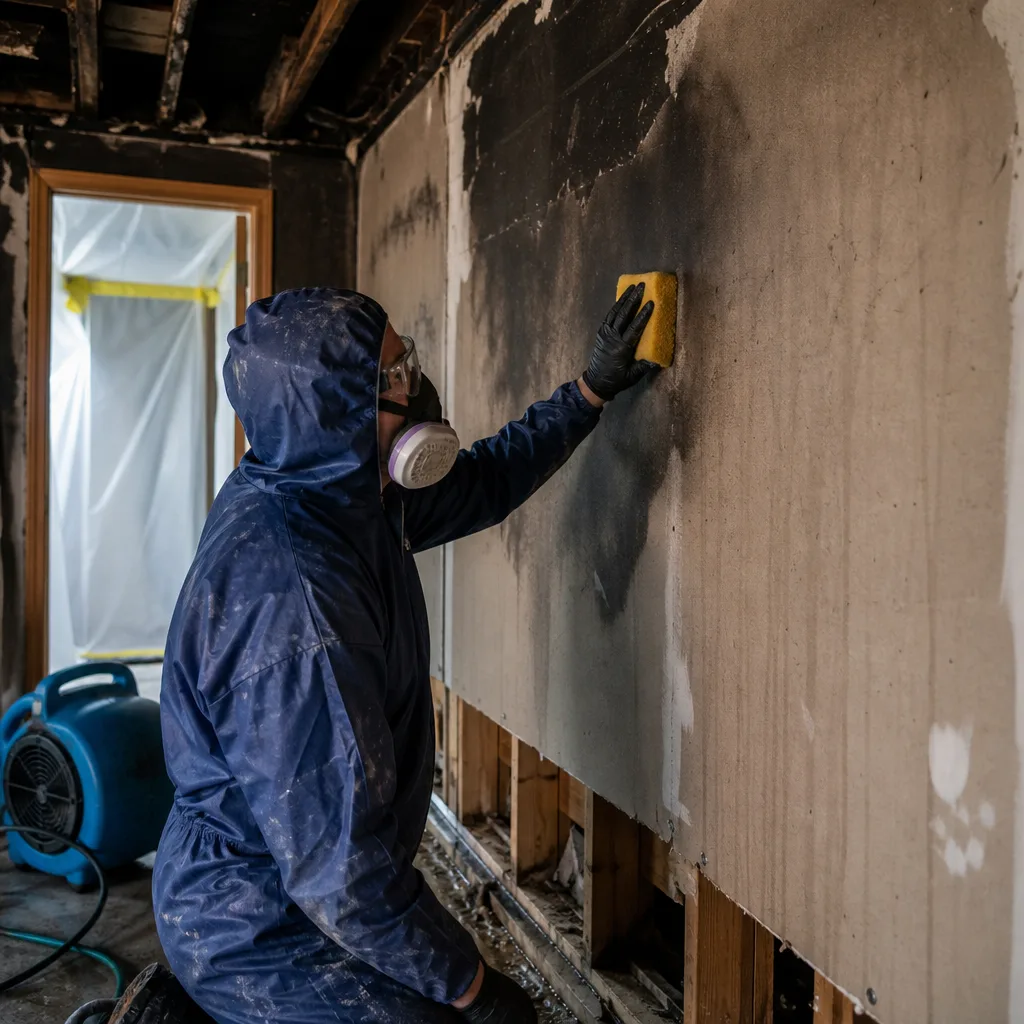
Burst Pipe Restoration
A burst supply line in a Getty Square tenement can flood three floors before anyone notices. Water follows gravity through plaster ceilings, into joist cavities, and down into party walls shared with the unit next door. We trace the water path with moisture meters, open only the surfaces that need opening, and dry the hidden cavities with targeted equipment. Then we rebuild the plaster and trim so the building looks like it did before.
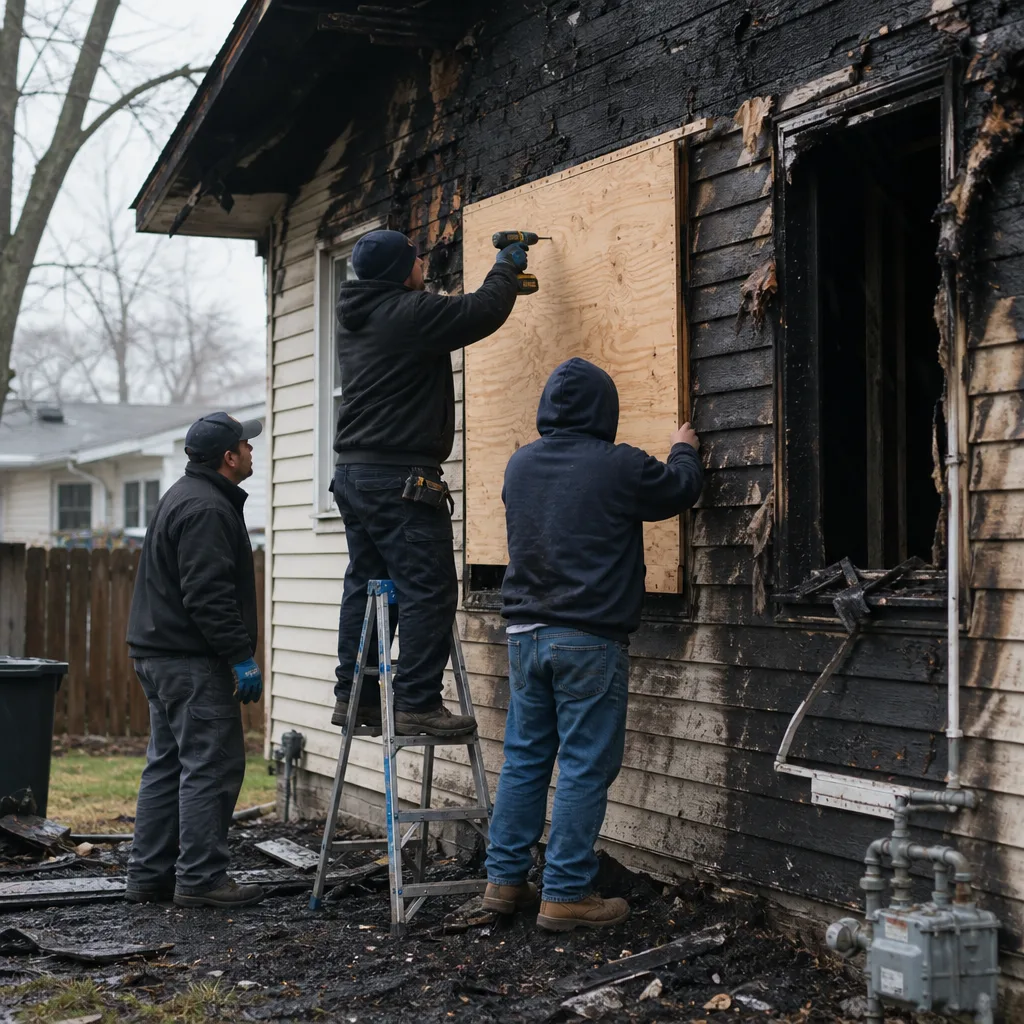
Basement Water Removal
In Getty Square, basement water removal often confronts a problem the rest of Westchester doesn’t have: the water table itself. Even on dry days, the partially culverted Saw Mill River under these streets keeps groundwater high enough that older basements seep through slab cracks and foundation walls. We don’t patch the symptom. We remove the water, dry the structure, and tell you honestly whether you need a drainage fix, a sump pump upgrade, or a structural repair. The line the water left is where we start.
What happens when you call
- 1
A real person answersNo phone trees - you reach a local pro.
- 2
You get an upfront price rangeHonest numbers before anyone is dispatched.
- 3
A background-checked tech heads outLicensed & insured, dispatched right away.
- 4
You approve before work beginsNothing starts until you say go.
Water Damage Restoration Costs in Getty Square, NY
A typical water damage restoration job in Getty Square runs anywhere from $1,800 to $8,500, depending on what the water touched and how far it traveled. Emergency water extraction alone is usually $800 to $2,200. Structural drying with dehumidifiers and air movers typically adds $1,500 to $4,000, depending on how many rooms and how many days. A Category 3 sewer backup with containment and sanitization runs $4,000 to $12,000 because the contamination protocol is completely different. Insured losses are usually covered by your policy, and we bill your carrier directly, with documentation from the first hour. Out-of-pocket jobs, we give you a line-item scope before work starts so you know the number before you commit. The free visual inspection is exactly that: free, with no obligation and no pressure. Call (640) 356-1140 for an exact quote on your building, your water, your damage.
We Also Serve Cities Near Getty Square
Beyond our daily Water Damage Restoration in Getty Square work, our crews serve the nearby river towns: Bronxville, Dobbs Ferry, Hastings-on-Hudson, and Northeast Yonkers. Each has its own building stock and flood pattern, but the equipment rides on the same trucks and the dispatcher answers on the same line.
Serving Getty Square, NY - Our Local Coverage Area
We’re based in the Getty Square area and know this community well. Use the map below to see our service coverage - if you’re nearby, we can almost certainly help.
Getty Square Water Damage Restoration Questions, Answered
How fast can Floodline Restoration Co. get a crew to a Getty Square basement flood when parking is impossible?
We commit to a 45-minute response for Getty Square because we know the streets, the one-ways, and the loading zones. When parking won’t work, we stage equipment at the nearest accessible point and carry it in. Extraction starts on the same visit, every time.
Is my Getty Square basement water damage from the Hudson River, the Saw Mill River, or my own pipes, and does it matter?
It matters enormously. Hudson and Saw Mill surge water is Category 3, contaminated, and requires full containment and sanitization. A burst pipe is usually Category 1 and much simpler. Sump failure is Category 2. We determine the source and category before writing a scope. You should never pay for Category 3 protocol on a Category 1 loss, or worse, the reverse. Call us and we’ll tell you the truth.
Why does my Getty Square basement get wet even when it hasn’t rained in a week?
Because the Saw Mill River runs beneath your streets, buried but still flowing, and it raises the water table under the whole downtown. Older building stock sits on slabs and foundations that were never waterproofed to modern standards. The water seeps up through the floor and in through the foundation walls on a dry Tuesday. This is chronic hydrostatic intrusion, and it needs structural drying and often a drainage solution, not a plumber patching one visible crack.
Can you do structural drying in a Getty Square townhome with only a narrow alley entrance?
Yes, and we do it routinely. Our equipment breaks down into carryable pieces: dehumidifiers, air movers, Injectidry panels, extraction units. We stage at the curb or the nearest clear spot, carry in what we need, and run hoses and cords through the access point. The drying layout doesn’t change because the alley is tight; the setup just takes a few more trips.
What does a typical water damage restoration scope of work look like for a Getty Square commercial storefront with a basement?
A storefront basement off Main Street that backs up with Category 3 sewer water usually gets: containment barriers, HEPA air scrubbing, extraction of standing water, removal of contaminated drywall or plaster, antimicrobial application, structural drying of joist ends and brick, daily moisture readings, and rebuild of the affected surfaces. Your scope always comes in writing, before work begins, with a line-item price. No surprises on the bill.
How long does structural drying take in a Getty Square masonry building?
Most masonry buildings fully dry in three to six days, depending on how deep the water went and the season. Plaster on lath dries slower than drywall, and brick dries slower than both. We don’t rush it with more fans; we monitor with hygrometers and moisture meters and hand you the log when readings hit the dry standard.
Will my insurance cover water damage restoration in Getty Square?
Most policies cover sudden and accidental water damage: a burst pipe, a storm, a sewer backup if you carry that endorsement. Gradual seepage from the high water table is usually not covered, which is why we tell you honestly what the source is before you file. We document everything, bill your carrier directly, and speak with your adjuster. You get all the paperwork.
What should I do in the first 30 minutes after discovering water in my Getty Square basement?
Turn off the water at the main if the source is a pipe. Cut power to the affected area if water is near outlets or the panel. Move what you can, but don’t wade into standing water if there’s any chance it came from the sewer. Then call (640) 356-1140. The first hour of extraction saves you ten hours of drying and thousands in rebuild. A live dispatcher answers, any hour.
Written by Curt Bowman, Owner at Floodline Restoration Co., serving Getty Square and the surrounding river towns since 2010.