
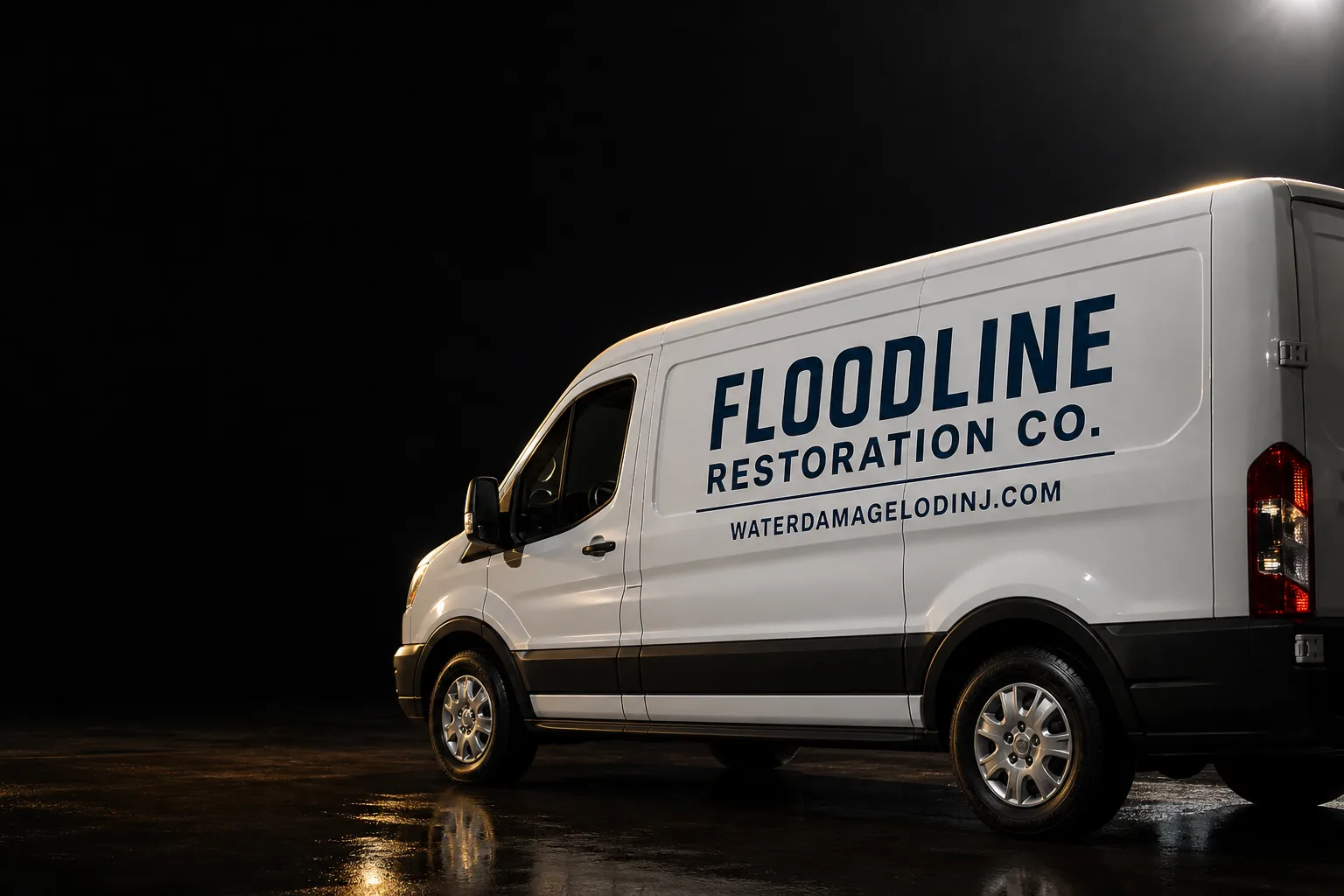
Free visual inspection and a written scope of work before any mitigation begins - photos, moisture readings, and drying logs go in your claim file
The scope we write is the scope we bill. Anything new gets shown to you, in writing, before we touch it.
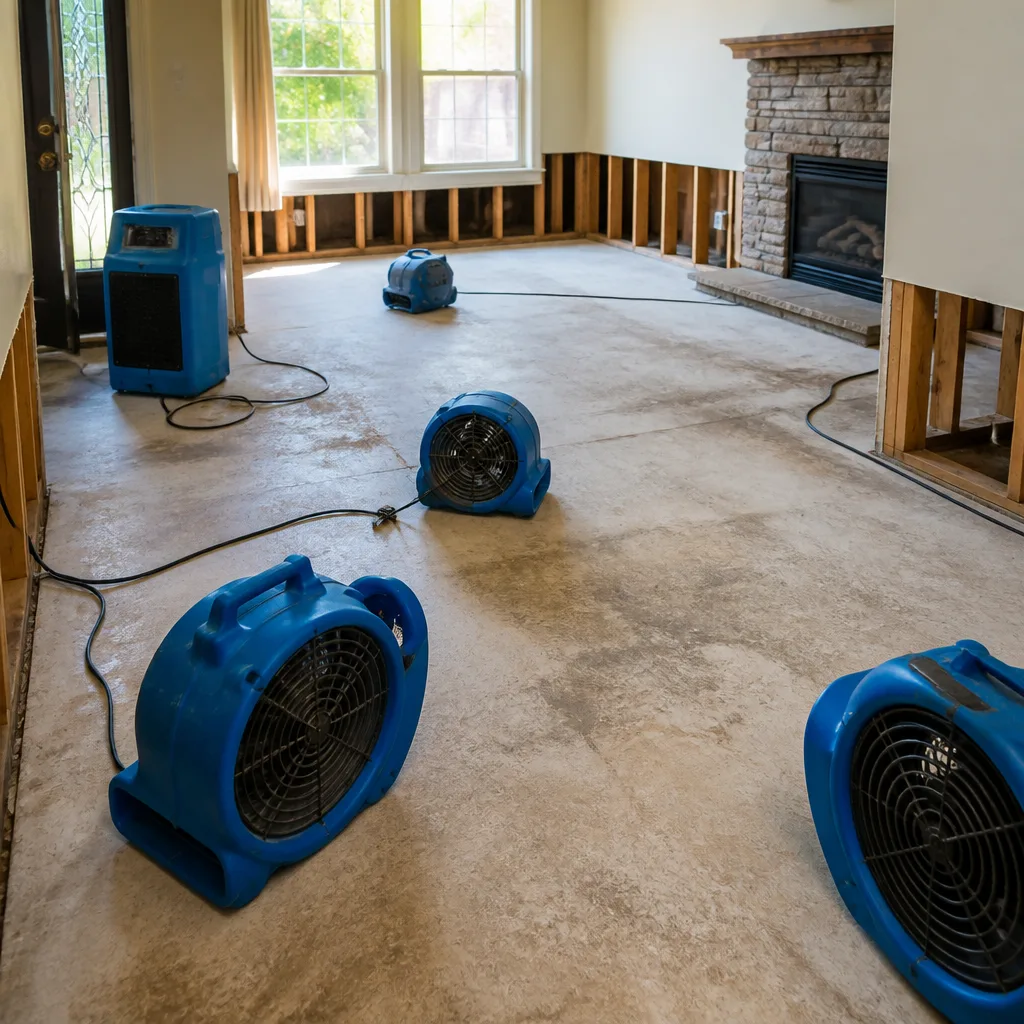

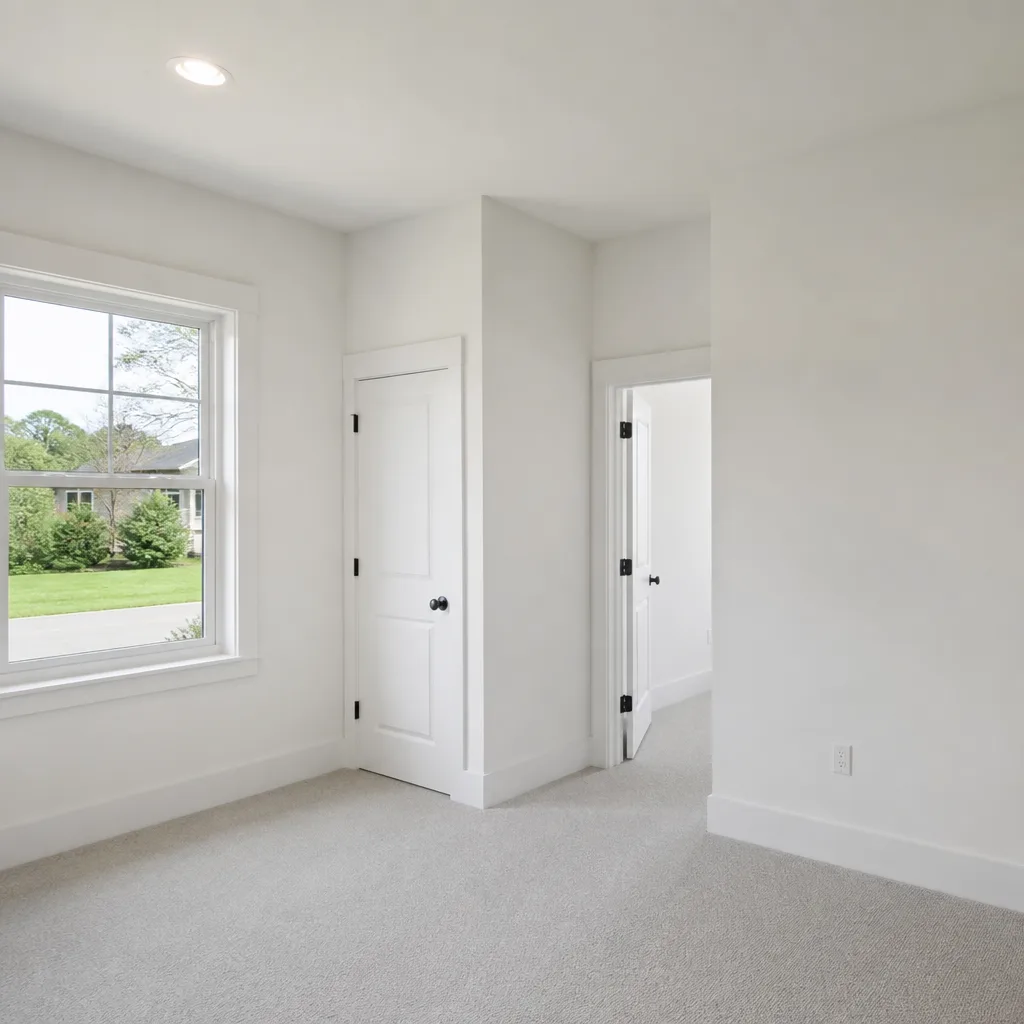

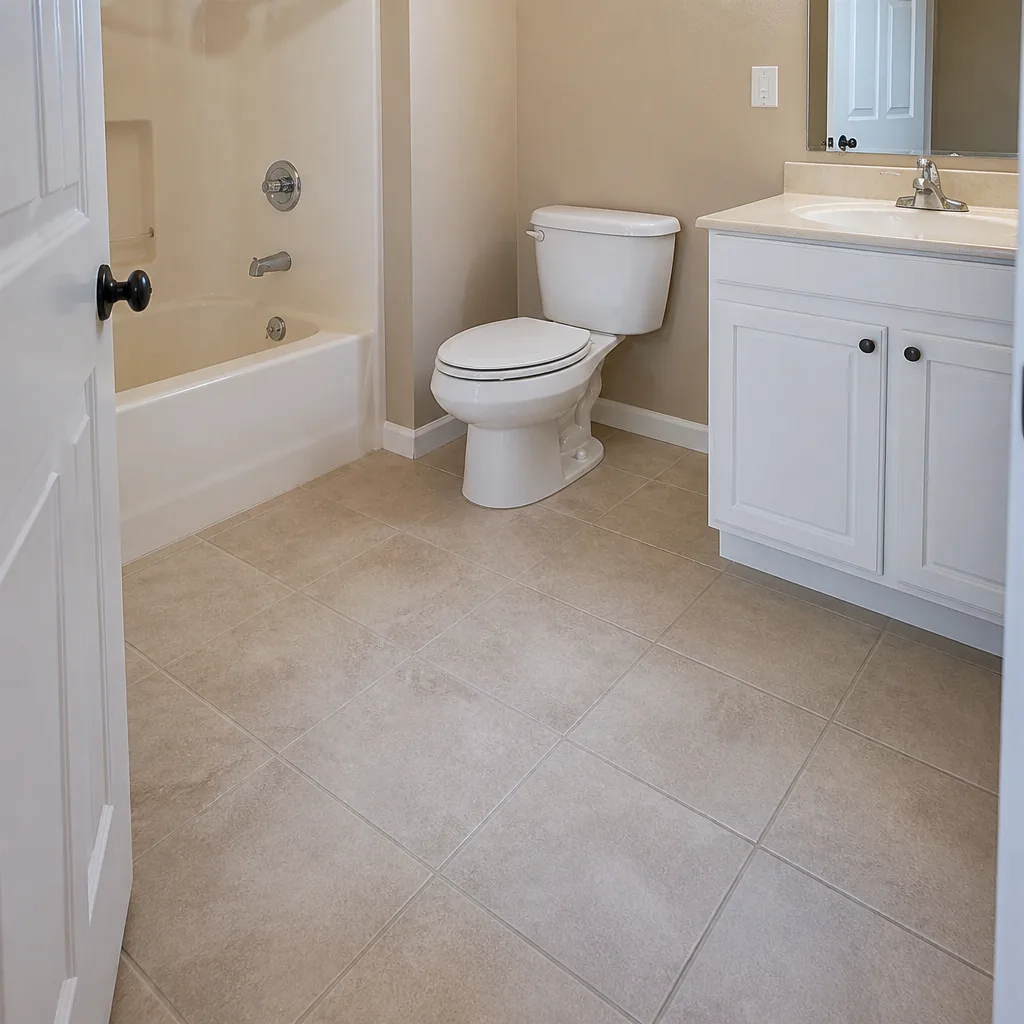

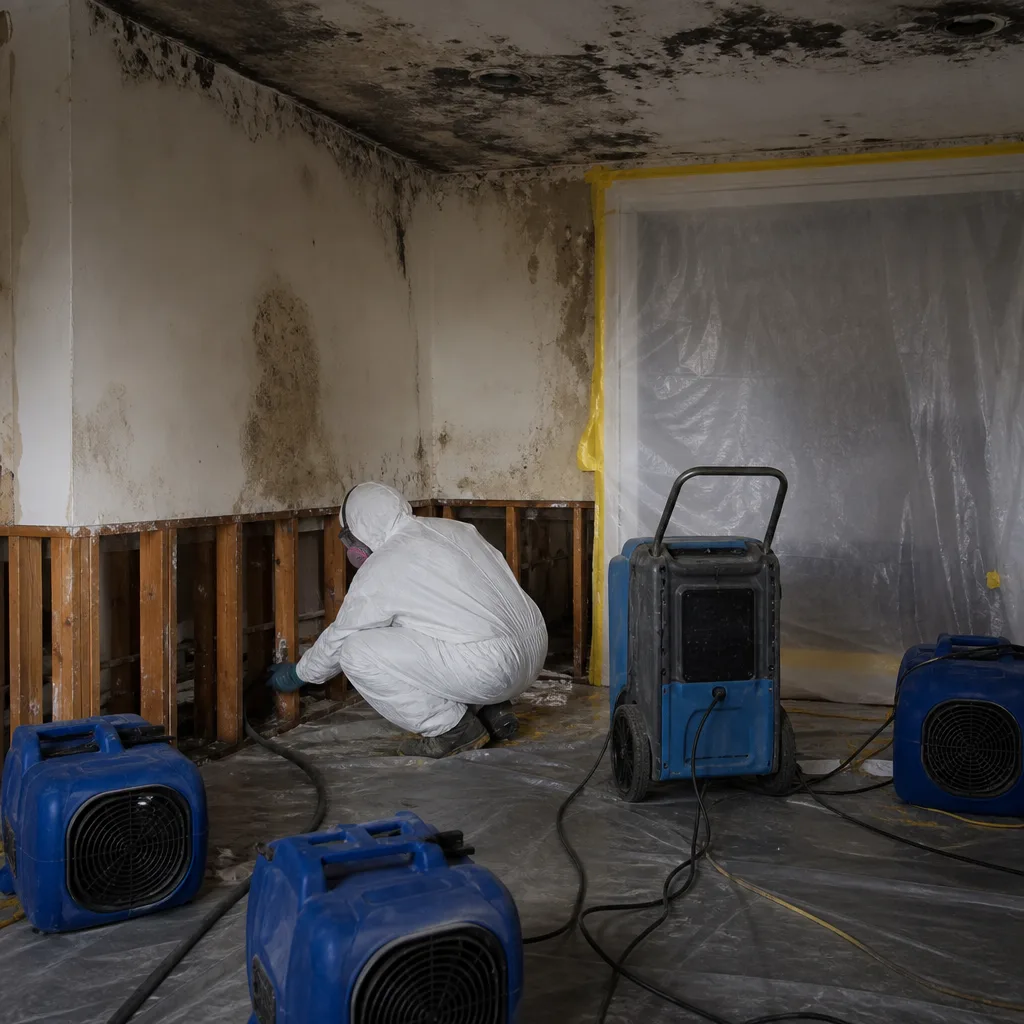 Before
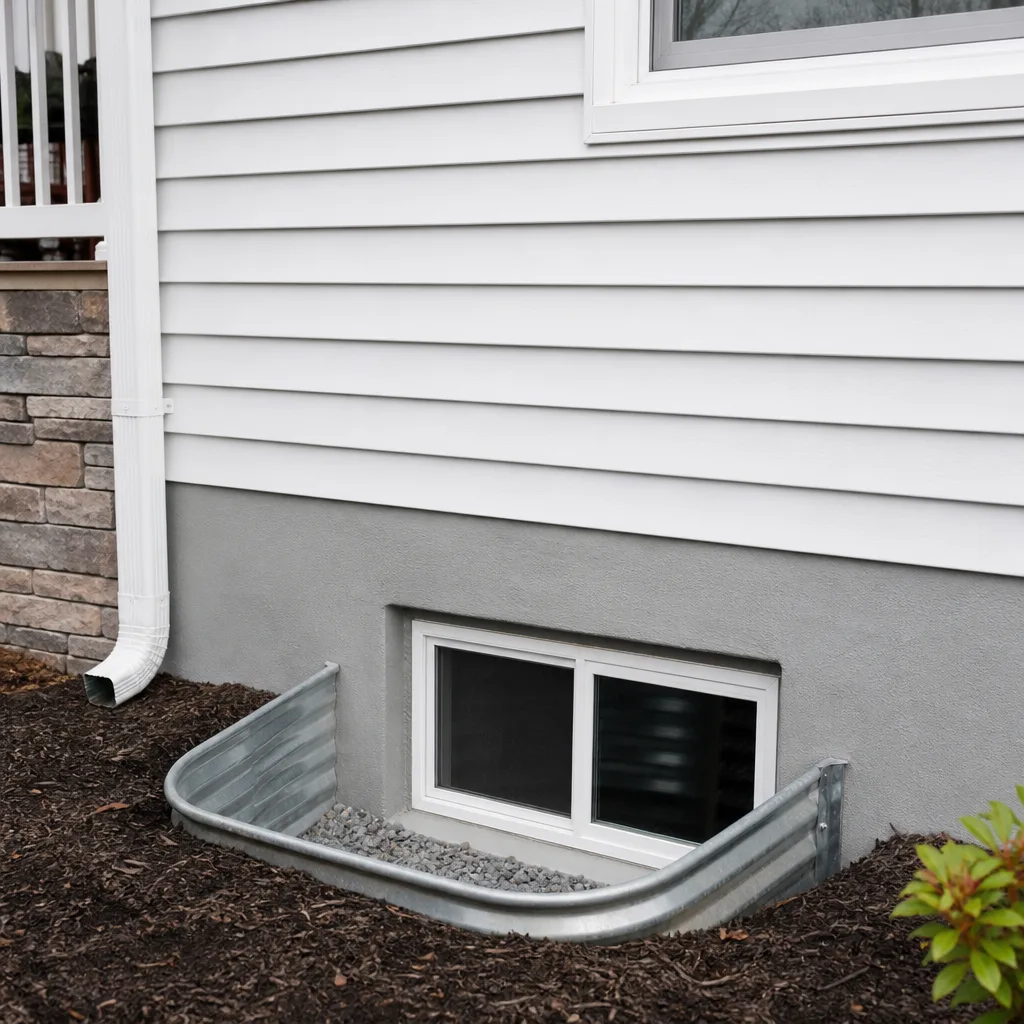 After
After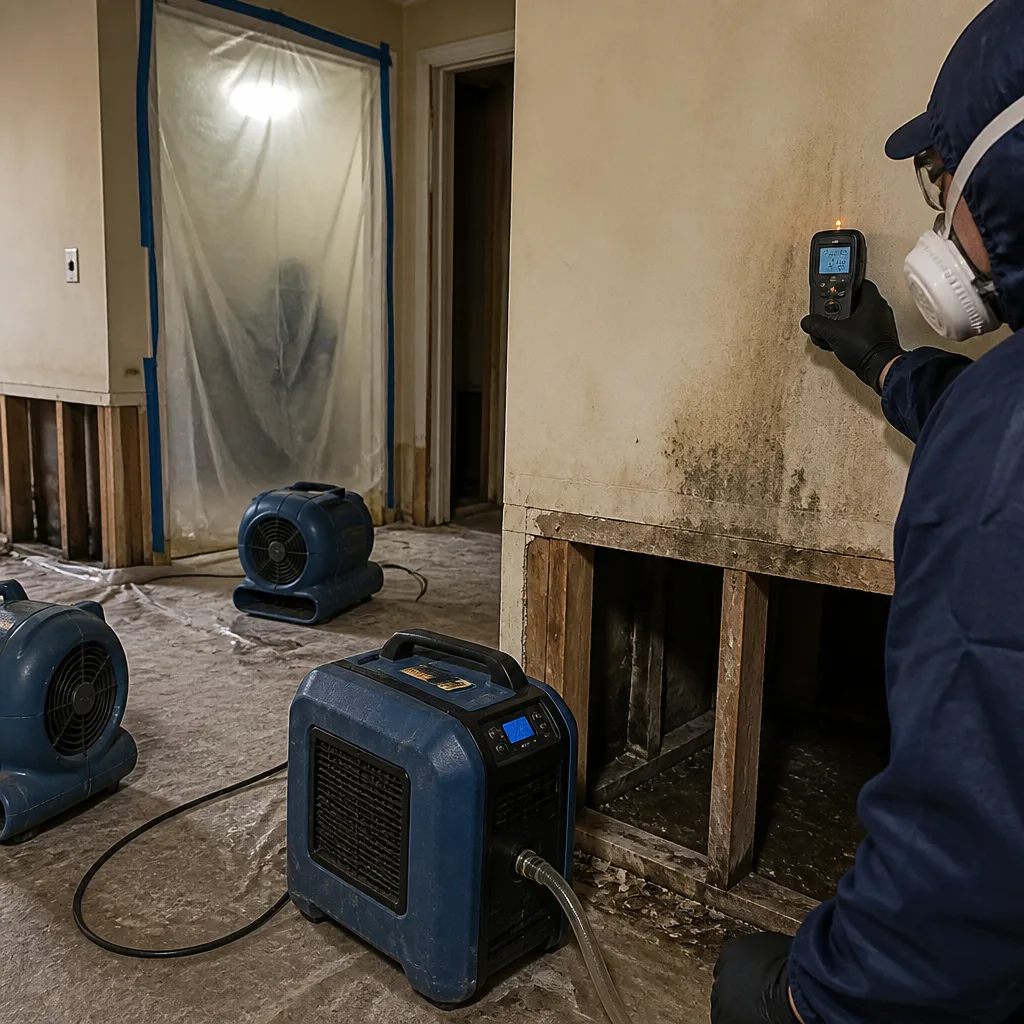 Before
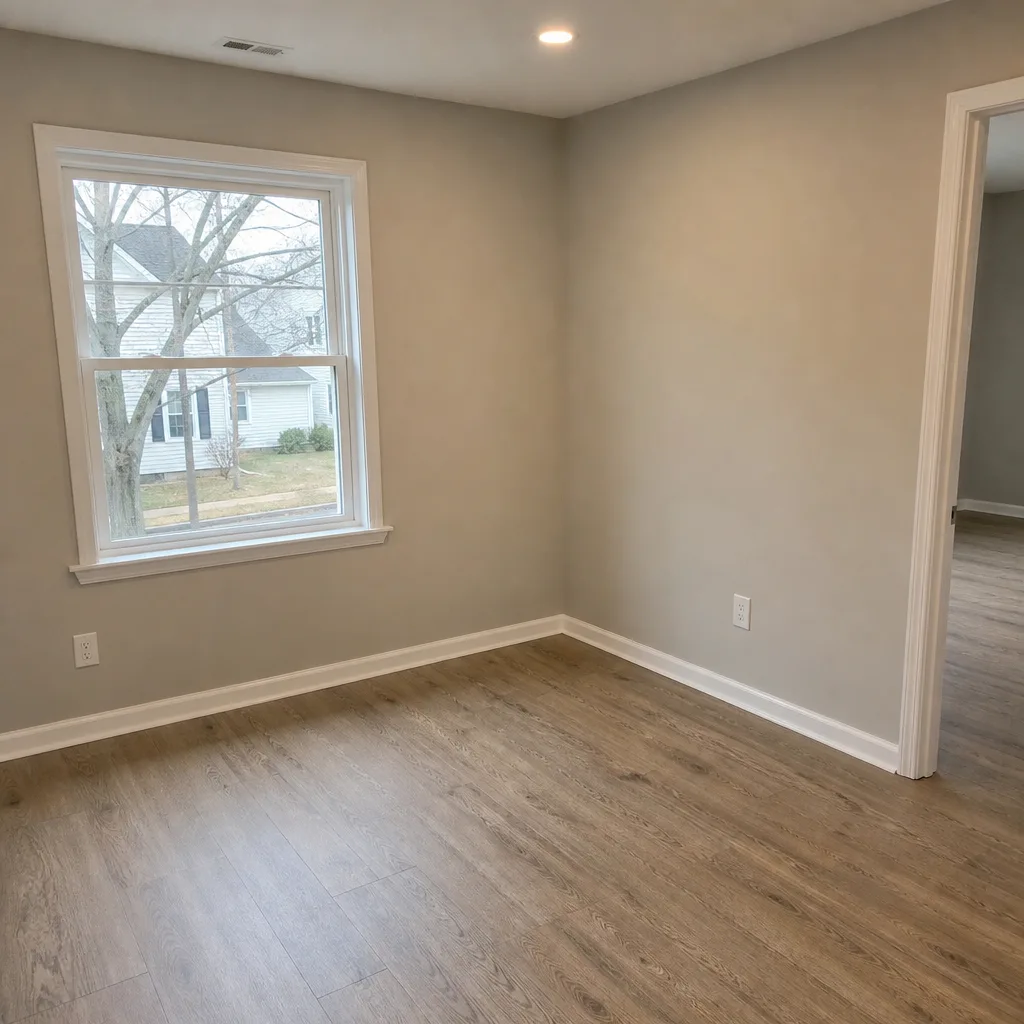 After
After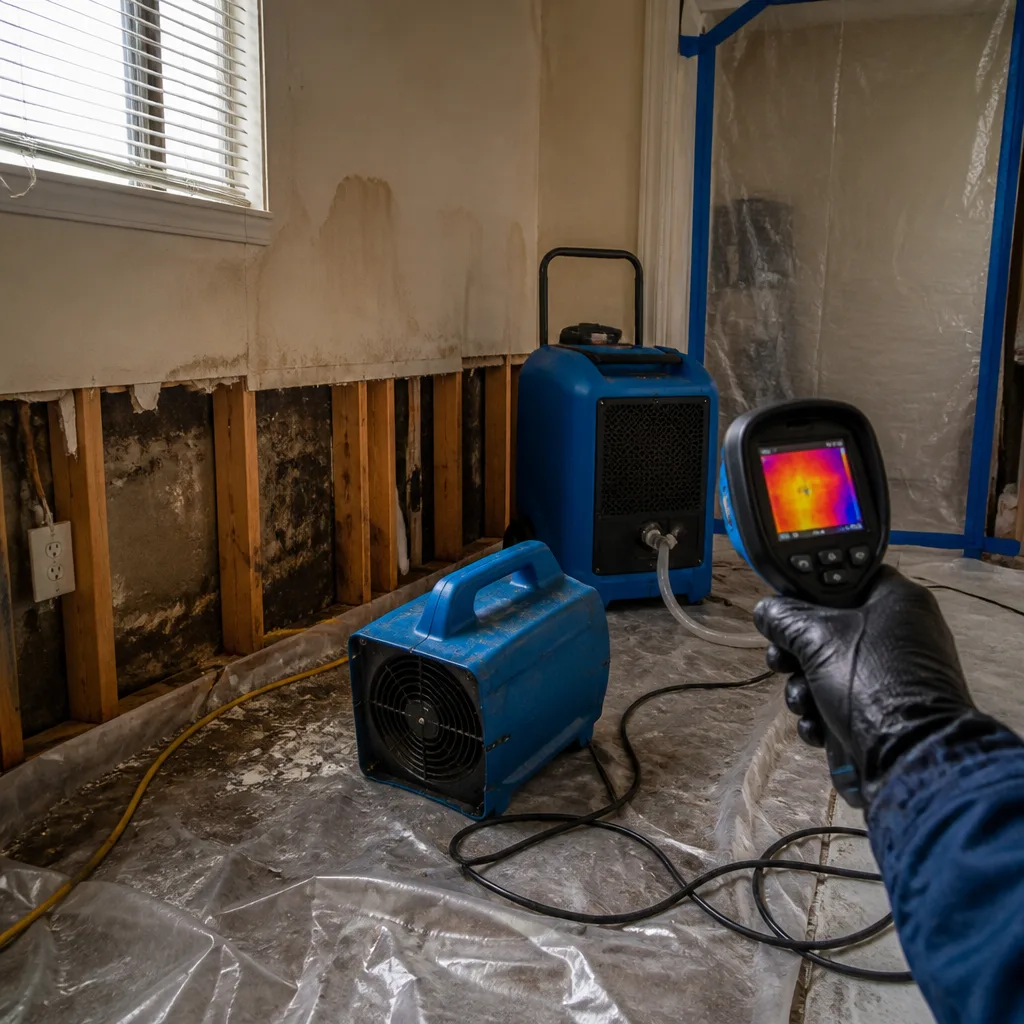 Before
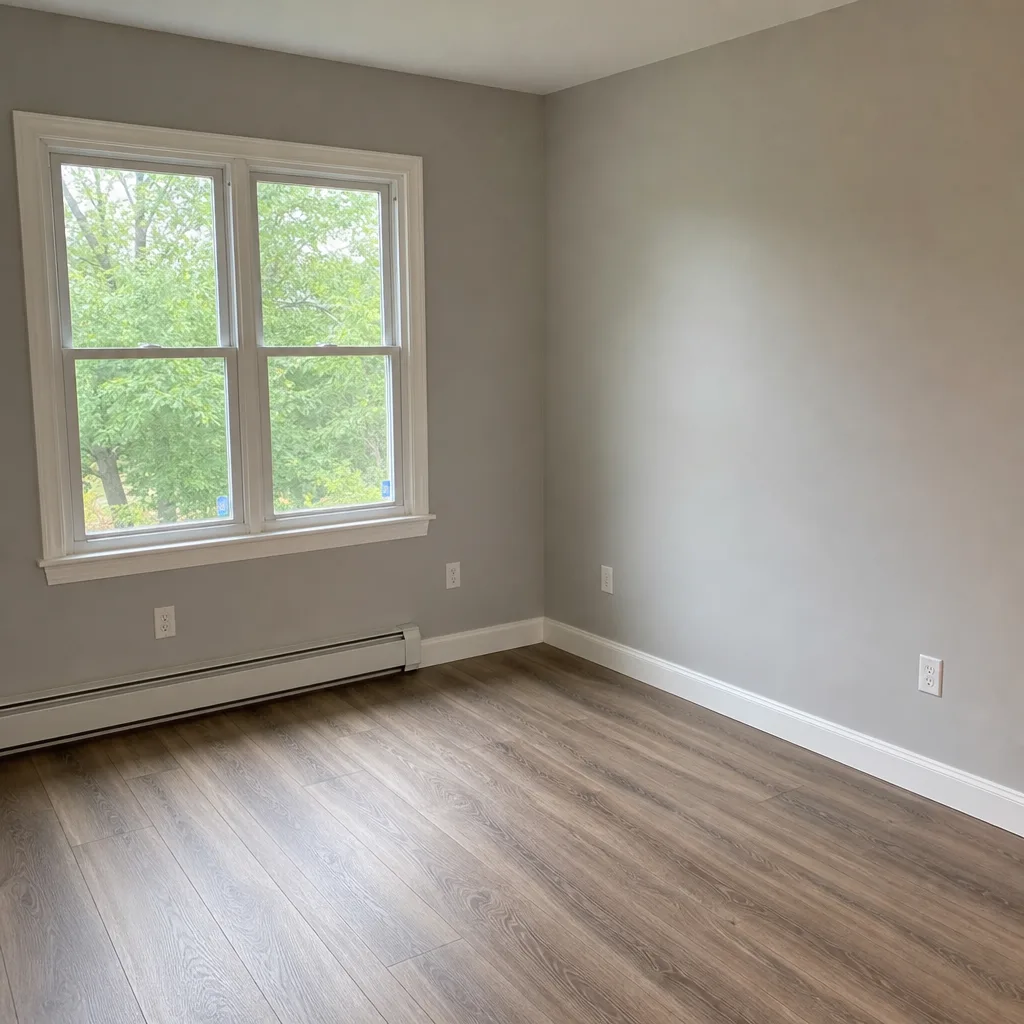 After
After24/7 Emergency Storm & Disaster Restoration in Getty Square
Storm damage in Getty Square moves fast, and so do we. When a nor’easter pushes Hudson River surge up through the combined sewer, or wind tears a section of roofing off a walk-up on South Broadway, you need a crew that answers the phone at 2 a.m. and gets extraction running the same visit. Call (640) 356-1140 any hour, any day. A live dispatcher picks up, not a recording, and a certified crew is dispatched into Getty Square immediately. The first hour after water intrusion determines whether you’re facing drying and repair or full reconstruction. We do both, and we don’t hand the job off to a second company in between.
Our Storm & Disaster Restoration team arrives with professional-grade equipment, a moisture map from day one, and a written scope before any work begins. No surprises on the bill. No waiting through a phone tree. Just a crew that knows Getty Square’s low-lying terrain, its aging masonry, and its hidden waterway, and knows exactly what to do about all three.
Understanding Storm & Disaster Restoration Severity in Getty Square Properties
Not all storm water is the same, and in Getty Square the difference matters more than anywhere else in Westchester. Water from a burst supply line inside a building is Category 1, clean at the source. Water that has traveled across streets, through a flooded basement, or up from a backed-up combined sewer is Category 3, carrying sewage, bacteria, and whatever the Saw Mill River pushed in with it. Any bottom-floor or basement intrusion near the confluence of the Hudson and the Saw Mill should be treated as contaminated until proven otherwise. That means containment, antimicrobial treatment, and full structural drying, not just mopping and fans.
Getty Square’s building stock compounds the problem. The neighborhood is dominated by late-19th and early-20th century masonry structures, three-to-six-story brick commercial and tenement buildings with plaster-on-lath interiors and timber-joist floor systems. When Category 3 water wicks up through original plaster walls, the visible damage is only the beginning. Joist ends rot inside their pockets. Brick that has cycled through a century of moisture releases salts into the plaster, and surface drying leaves hidden readings above 20 percent. We moisture-map every affected zone, log daily readings until the dry standard is met, and treat the structure, not just the surface. Most jobs are completed in a single visit, using Dri-Eaz, Phoenix, XPOWER, B-Air, and Injectidry equipment, but we never rush a reading to hit an arbitrary deadline.
Why Getty Square Property Owners Choose Floodline Restoration Co.
- 45-minute response commitment. When you call from Getty Square, we commit to having a crew dispatched and rolling toward you within 45 minutes. Live dispatch makes that possible.
- A real person answers, 24/7. No automated system, no “press 1 for emergencies.” A live dispatcher picks up at any hour, every day of the year.
- IICRC-certified crews. Our technicians hold WRT and ASD certifications and are trained to RIA and IFA standards. They’re background-checked and uniformed before they ever walk into your home.
- Free visual inspection. We assess the damage, map the moisture, and hand you a written scope of work before you commit to anything.
- Direct insurance billing. We bill your carrier directly and communicate with the adjuster. You don’t play messenger between us and your insurance company.
- One team, start to finish. The same certified crew that extracts the water handles the drying, the logs, and the rebuild. No mid-job handoff to a subcontractor you’ve never met.
Our Storm & Disaster Restoration Process
Inspection & Assessment
We arrive, walk the property, and establish the category of water and the extent of structural compromise. Thermal imaging and moisture meters show us what the eye can’t see, including water traveling inside Getty Square’s plaster walls and timber joists.
Extraction & Stabilization
We remove standing water with truck-mounted extraction units and stabilize the site. If wind damage has opened the envelope, we board up and tarp immediately to stop further intrusion.
Drying & Dehumidification
Professional-grade Dri-Eaz dehumidifiers, Phoenix air movers, and Injectidry systems placed inside wall cavities and joist pockets pull moisture from materials that fans alone can’t reach. We log readings daily.
Cleaning & Sanitization
HEPA scrubbers run during remediation, and all affected surfaces receive antimicrobial treatment appropriate to the water category. Contents are cleaned, packed out, and documented if removal is required.
Storm-Specific Treatment
For Getty Square properties, this means addressing hydrostatic backpressure, slab seepage, and the recurring moisture cycle driven by the culverted Saw Mill beneath the streets, not just the water that came in during the storm.
Repairs & Restoration
We rebuild what needs rebuilding, from plaster to joist ends to finished floors. The job wraps with a moisture log in your hands and the 90-Day Done Right Promise in writing.
Need Emergency Storm & Disaster Restoration in Getty Square Now?
Crews minutes away, answering live 24 hours a day. The sooner we start, the less it costs.
Working With Your Insurance Company
Insurance claims after a Getty Square storm loss live or die on documentation. Your carrier needs a clear, defensible record of what happened, what was damaged, and what it took to dry the structure properly. We start building that file from the first hour on site. Photos of every affected room before we touch anything. Moisture readings from day one through the day the dry standard is met. A line-item scope of work with industry-standard pricing that your adjuster recognizes. We communicate with your carrier directly so you’re not translating between us and an adjuster who may never have seen a building like yours. Then we bill them, not you. Curt Bowman built Floodline Restoration Co. around a dispatch board in 2010, and we’ve spent the years since learning what carriers actually need to approve a claim without a fight.
What We Provide Your Insurer
- Thorough documentation of the loss
- Photos of all damage, room by room
- Moisture readings and drying logs
- A detailed, line-item scope of work
- Direct coordination with your carrier
Built for Getty Square’s Loss Calendar
Getty Square takes its storm losses in cycles, and we’ve learned to read them. January deep freezes burst supply lines in the neighborhood’s older buildings, where pipes run through unheated masonry and original brickwork transfers cold straight into the walls. Spring thaw raises the water table under the culverted Saw Mill, and basements that were dry all winter start seeping through the slab. Summer thunderstorms dump flash flood water on streets that drain into a combined sewer system already fighting the river’s natural level. Then comes fall, when nor’easters and the fading breath of tropical systems ride the Hudson valley directly into the low-lying waterfront, and the river does what rivers do. Each season brings a different failure mode. The constant is that Getty Square floods earlier and more severely than the higher neighborhoods to the north and east, and the older building stock holds that water longer. We plan for it. We stage equipment to reach you fast. And we treat every call as the start of a job, not a transaction.
Storm & Disaster Restoration Across Getty Square’s Neighborhoods
The corridor along South Broadway and Main Street runs through the commercial heart of Getty Square, where three-to-six-story mixed-use buildings sit tight to the sidewalk and response logistics mean staging equipment without blocking a fire lane or a bus stop. Up toward Palisade Avenue and the blocks around Getty Square station, the housing stock shifts to older brick tenements and walk-ups where roof tarping means working from a narrow alley or a flat roof with decades of patchwork history. Down near the riverfront, where the Saw Mill meets the Hudson, buildings sit closest to the water table and basement slabs weep first. Over near Larkin Plaza and the civic blocks, the grade rises slightly, but the combined sewer still runs beneath, and storm surge backs up through floor drains and toilets in ways a plumbing check won’t catch. Each area of Getty Square has its own failure pattern. Our crews know the difference, and our dispatch board routes to the nearest available team rather than the next name on a list.
After a nor’easter pushed Hudson surge up through the combined sewer, our crew spent three days at a mixed-use brick walk-up near Getty Square station. Moisture mapping revealed Category 3 water wicking through original plaster and rotted timber joist ends in the basement. We contained the affected zones, packed out the saturated lath, and ran structural drying with Dri-Eaz dehumidifiers, Phoenix air movers, and Injectidry in the joist pockets until moisture readings stabilized. Antimicrobial treatment came next, then rebuild. The owner walked the property with us at the end and said it was the first time three contractors hadn’t argued over whose fault the water was.
Specialized Storm & Disaster Restoration Services We Offer in Getty Square
Storm Damage Cleanup
Wind-driven debris, shattered storefront glass, torn membranes, and water-darkened plaster all count as storm damage in Getty Square. We clear the debris, secure the envelope, and begin the interior response in the same visit. Our team works around the neighborhood’s tight sidewalk clearances and loading zones without blocking access for your neighbors or Metro-North commuters.
Flood Damage Restoration
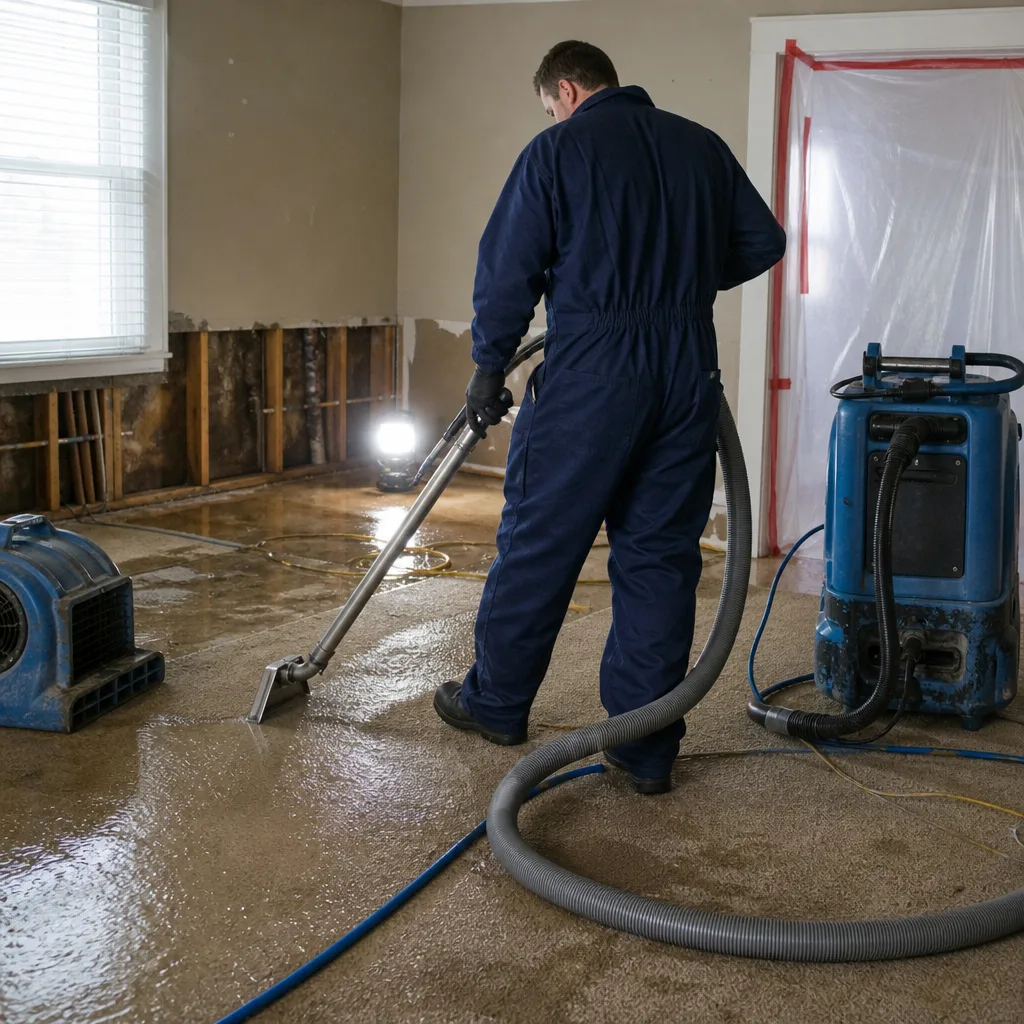
This is the service Getty Square calls for most, and the one that rewards local knowledge most. Flood water here doesn’t just come in through the door. It comes up through the slab, through the sewer, and through the ground itself when the Saw Mill runs high. We extract what can be extracted, then run structural drying in the joist pockets and wall cavities where the hidden water lives. A patch job fails here within two seasons. We do it so it holds.
Emergency Board-Up
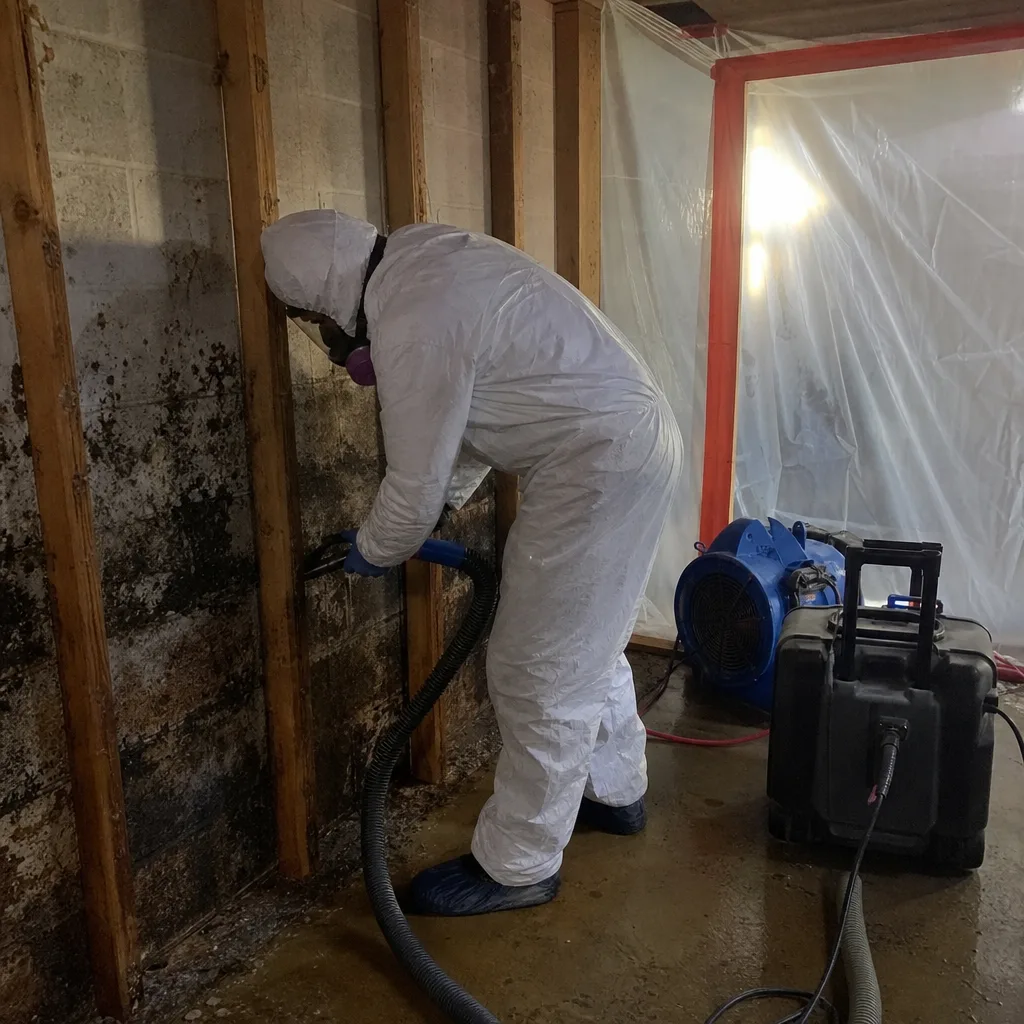
Wind damage on a Getty Square storefront or upper-story window needs board-up fast, not just for security but because an open envelope invites rain, rodents, and worse. We board up same-day, working around the tight sidewalk and parking constraints of the central business district, and we leave the opening secured until permanent repair is scheduled.
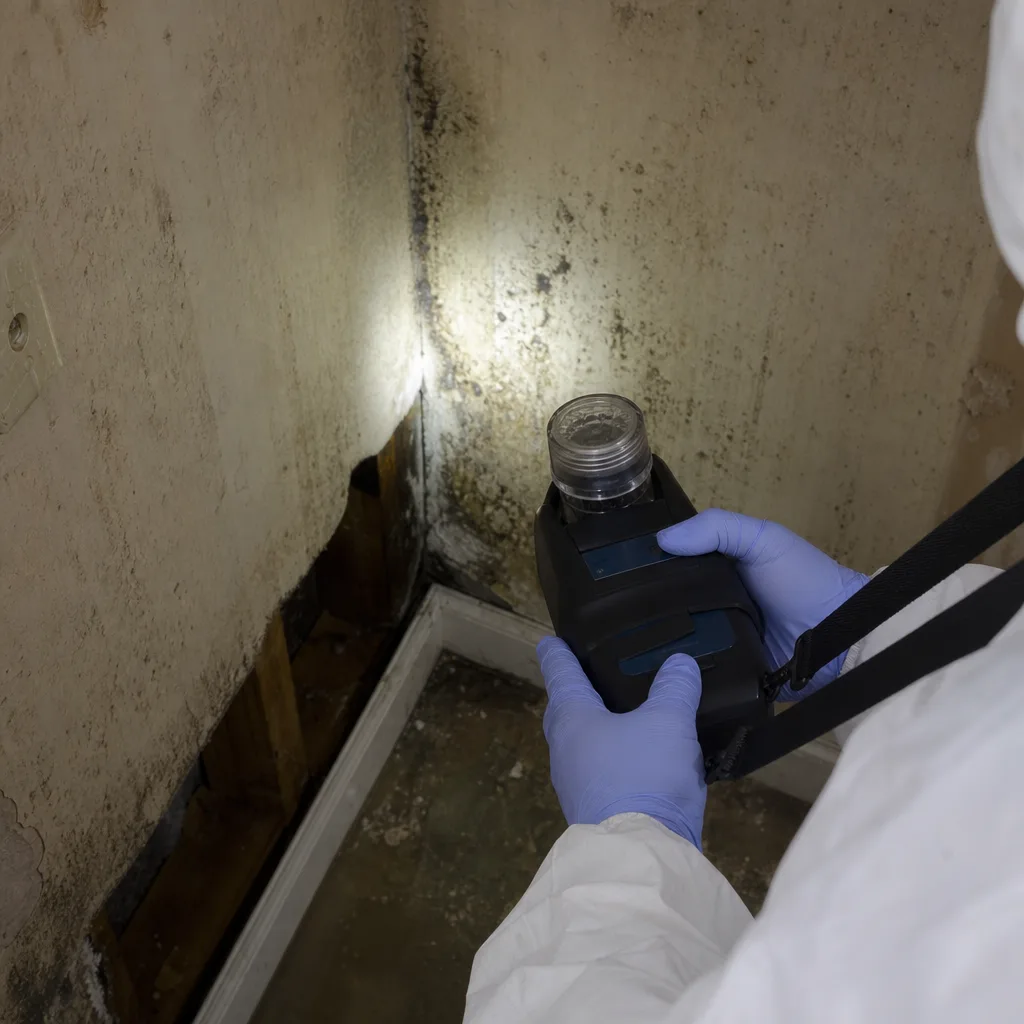
Roof Tarping
Roof tarping on Getty Square’s pre-war buildings means working with flat roofs, parapet walls, and aging rafter tails that don’t always accept standard anchor points. We tarp to hold through the next nor’easter, then document the damage for your carrier and schedule permanent repair on a timeline that makes sense for the building, not just the claim.
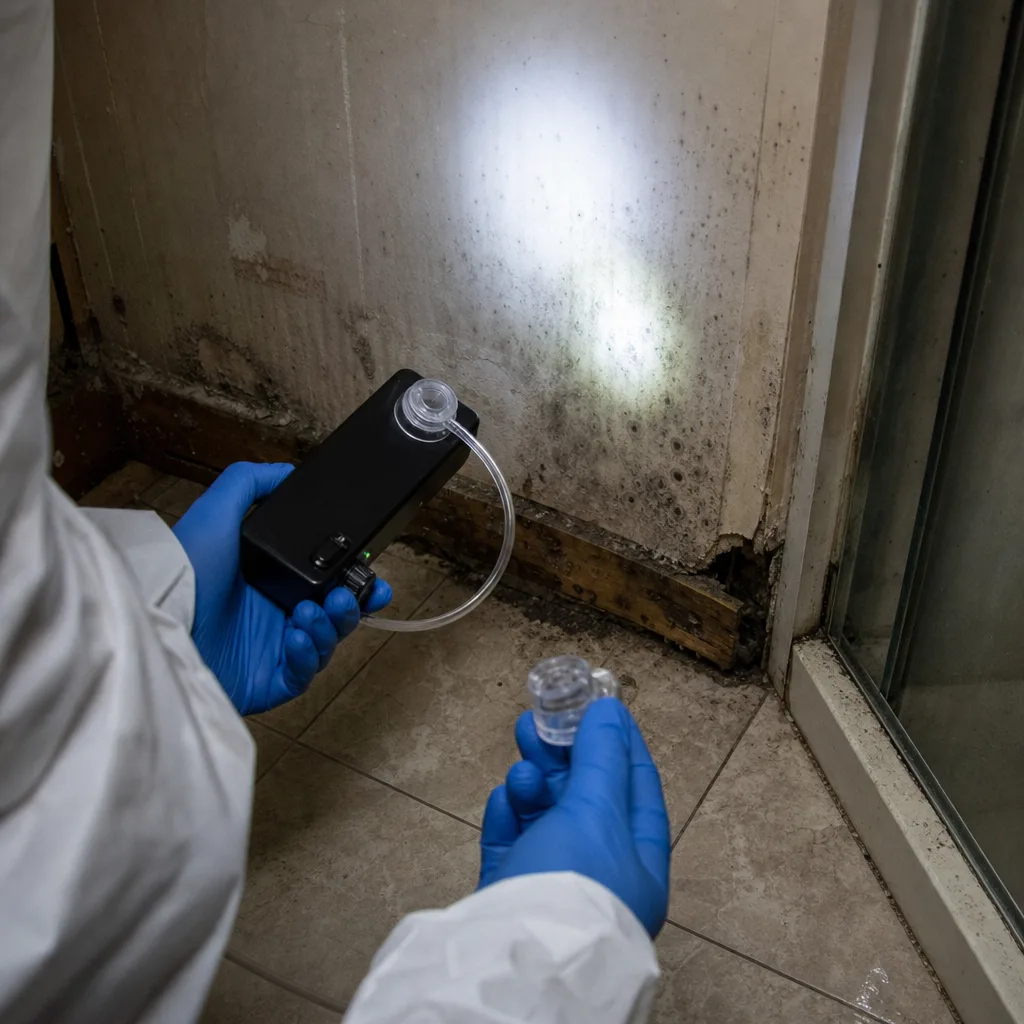
Debris Removal
Storm debris in Getty Square ranges from downed branches on a residential block to shattered glass and sign panels on a commercial corridor. We remove it, document it for insurance, and dispose of it properly. No dumpster left blocking an alley for two weeks. No mess left for the building owner to figure out.
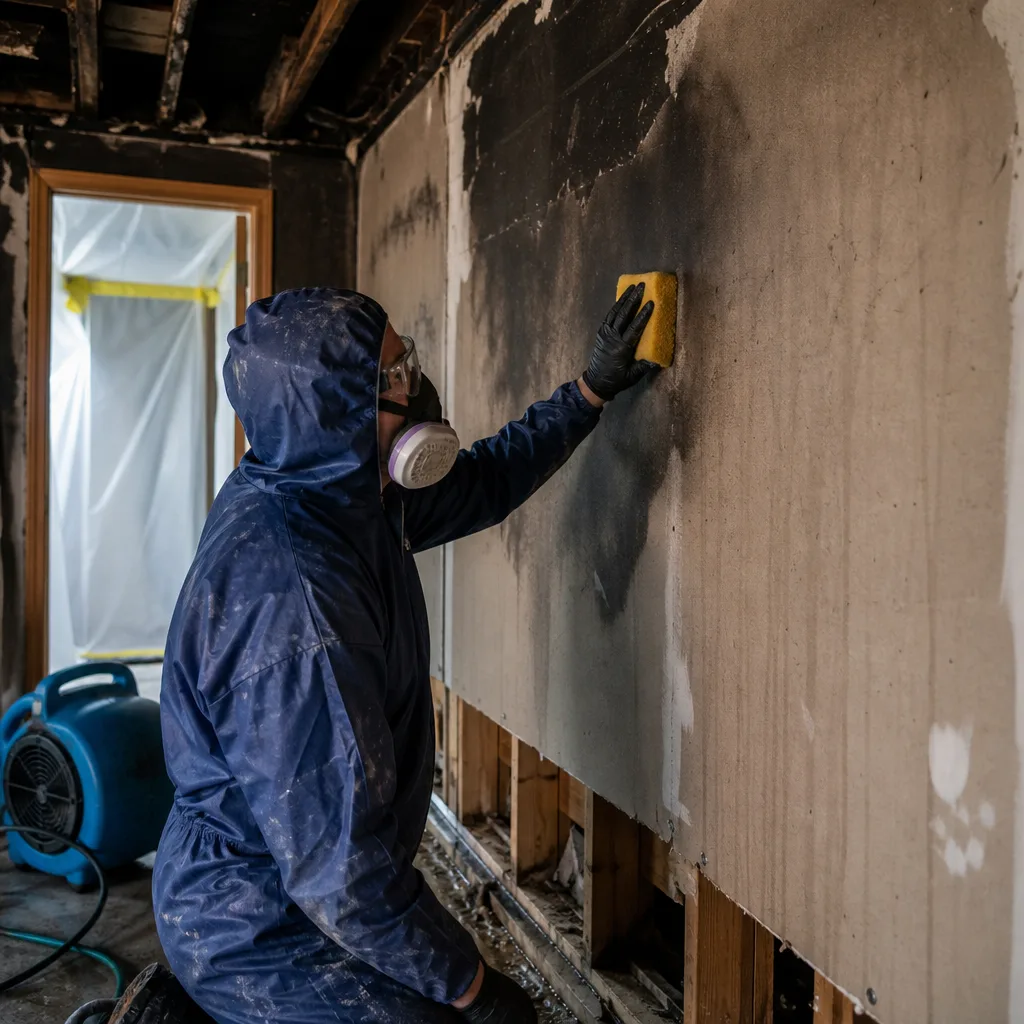
What happens when you call
- 1
A real person answersNo phone trees - you reach a local pro.
- 2
You get an upfront price rangeHonest numbers before anyone is dispatched.
- 3
A background-checked tech heads outLicensed & insured, dispatched right away.
- 4
You approve before work beginsNothing starts until you say go.
Storm & Disaster Restoration Costs in Getty Square, NY
Storm and disaster restoration in Getty Square runs on a wide range because every building brings a different set of problems. A straightforward water extraction from a finished basement with no structural compromise typically costs $2,500 to $5,500 in this market. Add Category 3 contamination, and the antimicrobial treatment and contents pack-out push the job to $5,000 to $12,000. When structural drying is required inside original plaster walls and timber joists, expect $8,000 to $20,000 depending on the building’s footprint and how far the water traveled. Roof tarping after wind damage generally runs $400 to $900 for a standard residential or small commercial roof, more for a flat roof with parapet complications. Emergency board-up of a storefront runs $600 to $1,500 depending on glass size and access. The free visual inspection gives you a written scope and a firm number before any work starts, and we bill your carrier directly on covered losses. That’s a square deal, and it’s the only kind we offer.
We Also Serve Cities Near Getty Square
Floodline Restoration Co. covers Getty Square and the surrounding lower Westchester communities. Our crews regularly serve Bronxville, Dobbs Ferry, Hastings-on-Hudson, and Northeast Yonkers. Same 24/7 live dispatch, same certifications, same written guarantee. If you’re in one of those communities and dealing with storm damage, call (640) 356-1140.
Serving Getty Square, NY - Our Local Coverage Area
We’re based in the Getty Square area and know this community well. Use the map below to see our service coverage - if you’re nearby, we can almost certainly help.
Getty Square Storm & Disaster Restoration Questions, Answered
Does storm water in a Getty Square basement have to be treated as Category 3 just because the Saw Mill or sewer backed up?
Almost always, yes. Any water that has entered through a sewer backup, street flooding, or the Saw Mill’s overflow carries biological contamination and must be treated as Category 3. In Getty Square’s low-lying areas, we treat every bottom-floor intrusion as contaminated until testing or conditions prove otherwise. The cost of treating it correctly is a fraction of the cost of a mold remediation later. Call (640) 356-1140 for a free visual inspection and we’ll tell you exactly what category you’re dealing with.
We had flood water in our lower level during the last nor’easter. The plumber said the drain is fine, why is our slab still weeping days later?
Because the water isn’t coming through the drain. It’s coming through the slab itself. The partially culverted Saw Mill runs beneath Getty Square and raises the local water table high enough that hydrostatic pressure pushes moisture up through concrete. A plumber checks drains and pipes. We check the water table and the slab. That’s why the slab is still wet, and why a plumbing fix won’t stop it. Call us at (640) 356-1140 and we’ll moisture-map the slab and show you where the water’s actually entering.
How fast can you board up a storefront on Main Street after wind damage, given the tight sidewalk and parking constraints?
Same day, typically within a few hours of your call. We stage equipment on a pre-planned route that doesn’t require blocking a loading zone or a bus stop overnight. Our crews have run board-up on Getty Square’s commercial corridors long enough to know where a truck can idle for twenty minutes and where it can’t. Call (640) 356-1140 and we’ll have a crew rolling within 45 minutes.
Is a basement in a 1920s brick building here dry if the plaster feels dry to the touch after roof tarping and water extraction?
No. Plaster feels dry to the touch long before the underlying joist ends and wall cavities fall below the 20 percent moisture threshold that stops rot and mold. In pre-1920 brick buildings like those around Getty Square, water travels inside the wall system, not just on its surface. We use moisture meters and thermal imaging to read what’s happening inside the wall, and we run drying equipment until the readings are right, not until the surface feels right. That’s the difference between drying and a callback in six months.
Do you ever have to remove contents from a flood-damaged Getty Square apartment, and how do you handle it on upper floors with no elevator?
Yes, contents pack-out is common after Category 3 events here, and in walk-up buildings without elevators we carry items down the stairs by hand, document them with photos, and store them off-site until the structure is dry and ready for them back. It’s slower and more labor-intensive, and we price it honestly for what it is. We never leave a tenant’s belongings in a contaminated unit while drying runs.
What certifications do your storm restoration technicians hold?
Our crews are certified to IICRC standards, including WRT (Water Restoration Technician) and ASD (Applied Structural Drying), and trained to RIA and IFA guidelines. Every technician is background-checked and uniformed. Curt Bowman’s 90-Day Done Right Promise is tied to those certifications, and it’s given to you in writing on every job.
What should I do in the first 30 minutes after a storm damages my Getty Square property?
Shut off the power at the breaker if water has reached outlets or the panel is wet. Don’t enter standing water in a basement, especially if it may contain sewage. If wind has opened the roof or windows, do your best to keep people out of the affected rooms. Then call (640) 356-1140. We’ll talk you through the next steps and have a crew dispatched while you’re still on the phone. The first hour matters, and it starts with the call, not with cleanup attempts.
How long does structural drying take in a Getty Square brick building after a flood?
In this housing stock, usually three to seven days. Plaster walls and timber joists dry slower than drywall on a wood frame, and the local water table means ambient moisture works against the equipment. We log daily moisture readings and hand you and your carrier the drying log at the end. We do not compromise the dry standard to hit a calendar date. The 90-Day Done Right Promise covers what happens after we leave, and we take it seriously.
Written by Curt Bowman, Owner at Floodline Restoration Co., serving Getty Square and the surrounding Westchester communities with certified storm restoration and rebuild since 2010.