
XPOWER Water Damage Restoration in Lodi: A Homeowner’s Guide
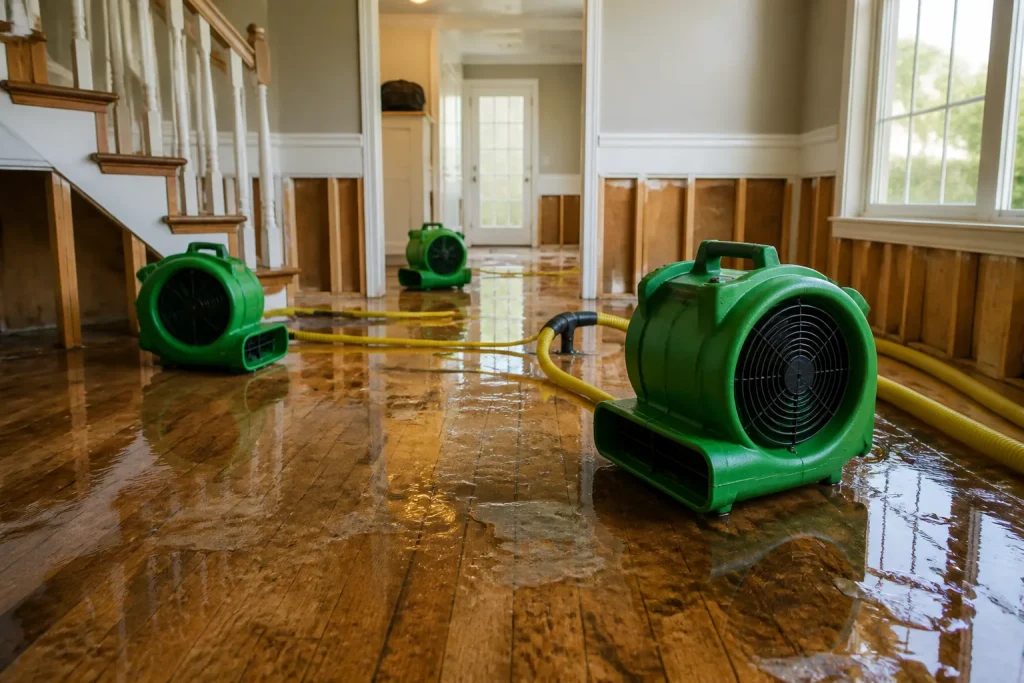
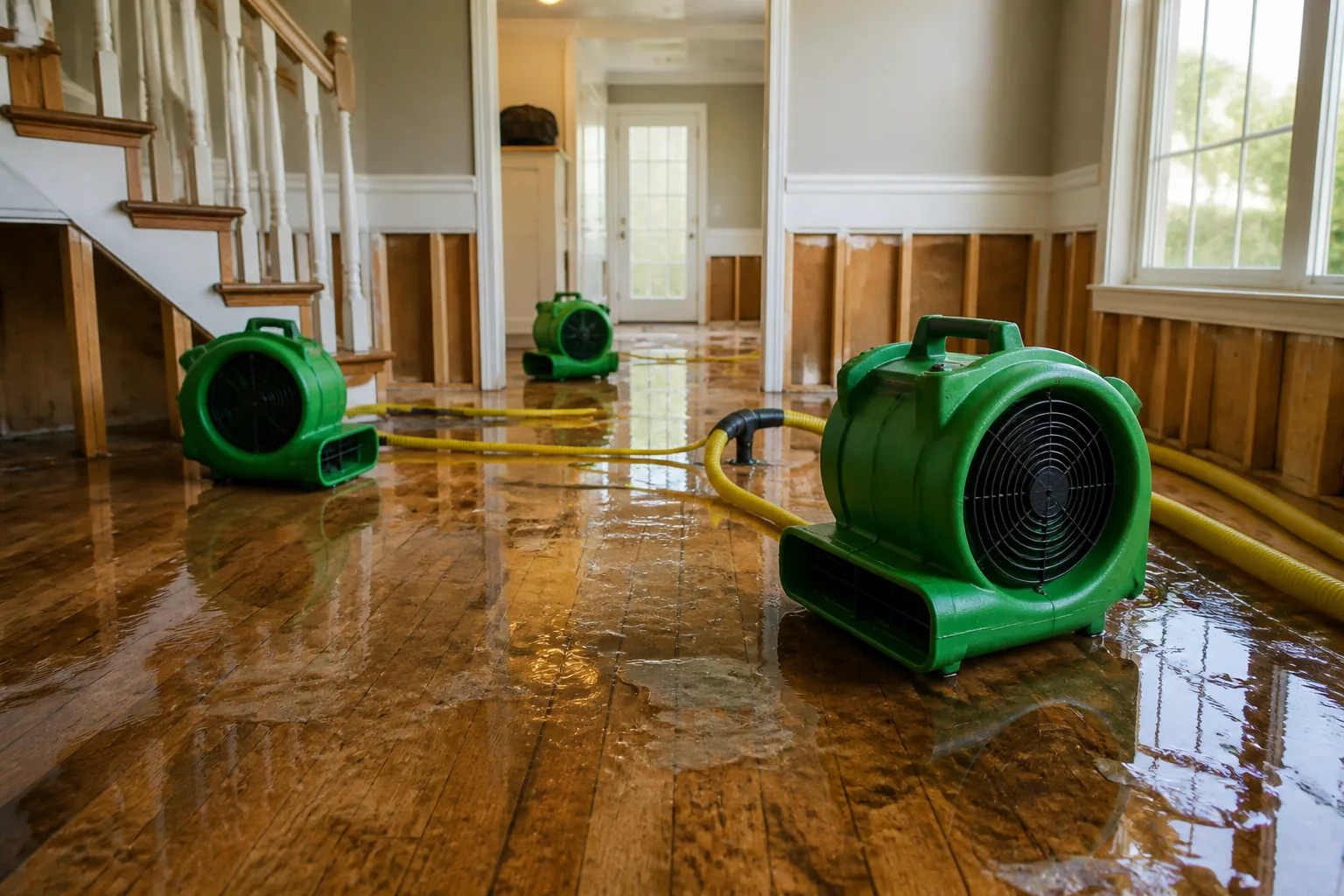
XPOWER equipment shows up in a lot of Lodi basements after a water heater lets go or the Passaic River backs up into a crawl space. The machines themselves are solid, professional-grade tools. What separates a dried-out house from a mold problem six months later is rarely the brand on the blower. It’s the placement, the airflow sequencing, and whether anyone kept a moisture log. If you’re staring at a wet floor right now, call (640) 356-1140 and we’ll walk you through what you’re looking at.
What XPOWER Equipment Actually Does Inside a Wet Structure
XPOWER makes two main types of air movers that matter for water damage restoration. Understanding the difference helps you evaluate whether a crew knows what they’re doing, whether that crew is us or someone you found on a Google search at 3 a.m.
Axial air movers push a high volume of air in a broad pattern across a floor. They’re the workhorse for drying carpet, hardwood, and open wall surfaces. Centrifugal units are a different animal entirely. They concentrate airflow into a narrow, high-velocity stream meant to force air deep into wall cavities, under cabinets, and behind baseboards through small drilled access points.
In Lodi homes, this distinction matters because of the construction. Most older houses here sit over crawl spaces or partial basements, and many have uninsulated wall cavities that wick water upward fast. We regularly see homeowners rent three axial units and point them all at a wet living room floor, then wonder why the baseboards are still swollen two weeks later. The floor dries. The wall cavity behind the baseboard stays wet because nothing forced air into it.
That 1/4-inch gap between an air mover and a baseboard is not a minor placement mistake. It’s the difference between drying the wall cavity and pressurizing it. Air that hits the baseboard face-on and bounces back actually pushes warm, humid air into the cavity under pressure. That can drive moisture into framing that won’t show up on a surface meter for days. Centrifugal units placed correctly, with proper exhaust ventilation cut into the cavity, change the airflow direction entirely. The air enters low, travels up through the cavity, and exits at the top through an exhaust port. That’s a proper drying chamber.
One more distinction people miss: XPOWER and similar brands make low-profile axial units specifically for tight spaces like toe kicks and under-vanity areas. If a crew shows up with only full-size axial units and you’ve got water under kitchen cabinets, they’re going to miss those areas unless they’re pulling baseboards and drilling access holes. Ask the question.
How a Proper Drying Chamber Setup Works in a Lodi Home
A drying chamber isn’t just a room full of fans. It’s a controlled environment where airflow, temperature, and humidity are balanced against each other. When we set one up in a Lodi basement or slab-on-grade first floor, here’s what we’re actually doing.
The equipment count starts with square footage and affected materials. For a 400-square-foot finished basement with wet drywall and carpet, IICRC S500 standards typically call for at least one axial air mover per 200 square feet of affected floor area, plus centrifugal units for each linear wall cavity that’s been opened or drilled. In a Lodi crawl space with standing water, the math changes. Crawl spaces need higher air exchange rates because moisture evaporates from the soil long after you pump the standing water out. Under-equipping a crawl space is the most common mistake we correct from rental-unit DIY attempts.
CFM requirements are the next variable. XPOWER axial units generally move between 2,000 and 3,200 CFM depending on the model. The total CFM in a drying chamber should turn over the air volume of the affected space multiple times per hour. A 10-by-10-foot room with 8-foot ceilings holds 800 cubic feet of air. Two XPOWER units moving 2,000 CFM each turn that air over 300 times an hour. That sounds like overkill until you understand that the limiting factor is evaporation rate from the wet surface, not air volume. More air means more evaporation, up to the point where the material can’t release moisture any faster.
The piece most rental customers miss is the dehumidifier. Running XPOWER units without a dehumidifier actively stalls drying. Here’s why: the air movers evaporate water from surfaces into the air. Without a dehumidifier pulling that moisture back out, the vapor pressure in the room rises. Evaporation slows. You can run ten air movers in a closed-up Lodi basement for a week and still end up with wet studs, because the air itself became saturated. We pair every drying chamber with a properly sized dehumidifier, typically a LGR unit that can pull 100-plus pints per day, and we run them simultaneously. Not sequentially. Simultaneously.
- Axial air movers: broad, high-volume airflow for floors and open surfaces
- Centrifugal units: focused, high-velocity airflow for wall cavities and tight spaces
- Dehumidifiers: remove evaporated moisture from the air so drying doesn’t stall
- Air scrubbers: filter airborne particulates and mold spores during active drying
What a Moisture Log Should Contain, and Why You Should Demand One
A moisture log is a written or digital record of drying progress. It tracks readings from moisture meters placed on specific structural points over multiple days. Without one, nobody can prove the structure is actually dry. The crew packs up, the insurance check clears, and six weeks later the homeowner smells something musty behind the baseboard.
In our experience, a proper moisture log tied to XPOWER drying cycles includes daily readings from the same points. Same spots, same meter, same technician reading them. The readings should show a downward trend. A log that jumps around, or one where the technician can’t explain why day three spiked back up, means something changed in the drying environment. Maybe a door was left open. Maybe a dehumidifier shut off overnight. The log is how you catch that.
You should request the log before the crew packs up. Not after. A reputable restoration company keeps one as standard practice. If the crew looks confused when you ask, that’s your answer about how thorough the job was. The dry standard in most structural materials is 15% moisture content for wood and drywall. Values at or below that, logged over two consecutive days with the equipment still running, mean the structure has hit the target. Surface meters alone can miss deeper moisture. We use penetrating meters on studs and framing, plus surface meters on finished materials, and both sets go in the log.
One thing we tell every Lodi homeowner dealing with an insurance claim: your adjuster may only require a basic drying certification. The log is what proves the job was done right when a dispute comes up later. If a contractor can’t produce one, you’ve lost your documentation trail. Floodline Restoration Co. includes a complete moisture log with every water damage job, handed to the homeowner and sent to the carrier. It’s part of the 90-Day Done Right Promise we put in writing.
We pulled a unit out of a split-level over near Lodi Memorial last month where the previous contractor had removed his equipment after four days. No log, no final readings. The homeowner called us because the baseboards were cupping. We opened the wall and the bottom plates were still at 28% moisture. Four more days of proper drying with centrifugal units in the cavities and the problem was solved. Six months later, that would have been a full mold remediation.
What IICRC S500 Standards Require From the Crew, Not Just the Gear
Anyone can rent XPOWER equipment and call themselves a water damage company. The equipment doesn’t dry the structure. The standard operating procedure does. IICRC S500 is the consensus guide for professional water damage restoration. It covers extraction, containment, drying chamber setup, monitoring, and final clearance. A crew running S500 properly is doing specific things you can observe.
First, they extract standing water before placing air movers. You can’t evaporate an inch of standing water efficiently. Second, they map the moisture before they place equipment, not after. A moisture map shows where the water traveled, which tells them where to place centrifugal units and where to drill inspection holes. Third, they take daily readings and adjust the plan. Drying is not a set-it-and-forget-it process. The plan shifts as materials dry at different rates.
S500 also requires containment when there’s a risk of mold or contamination. That means plastic sheeting and negative air pressure in the affected area, not just fans blowing. In Lodi, where many homes have forced-air HVAC systems, we often recommend sealing off returns during active drying so the blower doesn’t spread moisture into rooms that were never wet.
If a crew shows up, sets up fans, and leaves without a moisture map, a daily reading plan, or any mention of S500, that’s a red flag. The equipment might be fine. The process isn’t. This is the part that actually determines whether your house dries or slowly rots.
The Rental Trap: When Professional-Grade Equipment Goes Wrong in DIY Hands
XPOWER markets their equipment to homeowners through online retailers and rental counters. The pitch is simple: don’t pay a restoration company, just rent the machines and do it yourself. Here’s what that pitch misses.
Professional-grade equipment used incorrectly is worse than no equipment at all. A box fan pointed at a wet spot does very little, but it also doesn’t do much harm. A 2,000 CFM XPOWER axial unit placed wrong can force water into places it never was. We’ve seen DIYers in Lodi pressurize wall cavities and push moisture from a first-floor leak down into the basement ceiling, turning a two-day carpet job into a structural drying project. The machines work too well in the wrong hands.
The placement problem extends to dehumidifiers. A rented dehumidifier that’s undersized, or one running on a different circuit than the air movers so it trips a breaker overnight, stalls drying. Most homeowners don’t know to check the condensate drain line. It clogs. The machine keeps running, looks fine, and does nothing. Days pass. The moisture log nobody’s keeping would have caught it.
Then there’s the question of what you’re actually drying. A wet floor is obvious. But water travels down through subfloor into joist bays, up into wall cavities through capillary action, and into insulation behind vapor barriers. Rental equipment dries what it’s pointed at. Professional water damage restoration in Lodi dries what the moisture map says is wet, whether you can see it or not. That’s the job. If you’d rather not take the risk, call (640) 356-1140 and we’ll send a certified technician to assess the damage. Estimates are free.
Related services in Lodi: Our Water Damage Restoration in Lodi service handles everything from first extraction to final rebuild. If water sat for more than 48 hours, read about Mold Remediation in Lodi and what to watch for.
The Bottom Line
XPOWER makes good equipment. We use it alongside Dri-Eaz, Phoenix, and B-Air units on jobs all over Lodi. But equipment is only as good as the placement, the airflow plan, and the moisture logging behind it. A proper drying chamber uses the right mix of axial and centrifugal air movers, a correctly sized dehumidifier running simultaneously, and daily readings recorded in a log you can see. A crew that can’t produce a moisture log hasn’t proven your house is dry. The 90-Day Done Right Promise at Floodline Restoration Co. exists because we’ve seen what happens when the process is skipped.
If you’re in Lodi and dealing with water damage, call (640) 356-1140. We’ll assess the damage, explain what’s wet and what isn’t, and give you a written scope before any work starts. No surprises on the bill. We bill your carrier directly and keep the job whole from extraction to rebuild. That’s the Keystone Standard, and we stand behind it.
Frequently Asked Questions
You can, but the risk is pushing moisture into cavities where it won’t dry. Professional-grade equipment without professional placement and dehumidification often stalls drying or makes it worse. If the water affected walls, flooring, or a crawl space in Lodi, have a certified technician map the moisture first. Call (640) 356-1140 for a free assessment.
A general rule is one axial air mover per 200 square feet of affected floor area, plus centrifugal units for wall cavities. The exact number depends on material type, room volume, and how much water was present. Lodi basements with finished drywall need more equipment than unfinished concrete floors. The dehumidifier sizing matters just as much. Call us for an exact plan.
Yes. Running air movers without a dehumidifier raises the vapor pressure in the room and slows evaporation dramatically. The two work together. Air movers evaporate moisture from surfaces; the dehumidifier pulls it from the air. Without the dehumidifier, drying stalls even with professional-grade XPOWER units running.
Most standard homeowners policies in Lodi cover sudden and accidental water damage, like a burst pipe or appliance failure. Gradual leakage is often excluded. Flood damage from river overflow requires separate flood insurance. We document everything, bill your carrier directly, and coordinate with your adjuster. Call (640) 356-1140 and we’ll walk you through it.
Written by Curt Bowman, Owner at Floodline Restoration Co., serving Lodi since 2010.
Need Damage Restoration Help?
Call Floodline Restoration Co. - licensed & insured, here with fast after-hours help in Lodi.
(640) 356-1140