

Free visual inspection and a written scope of work before any mitigation begins - photos, moisture readings, and drying logs go in your claim file
The scope we write is the scope we bill. Anything new gets shown to you, in writing, before we touch it.
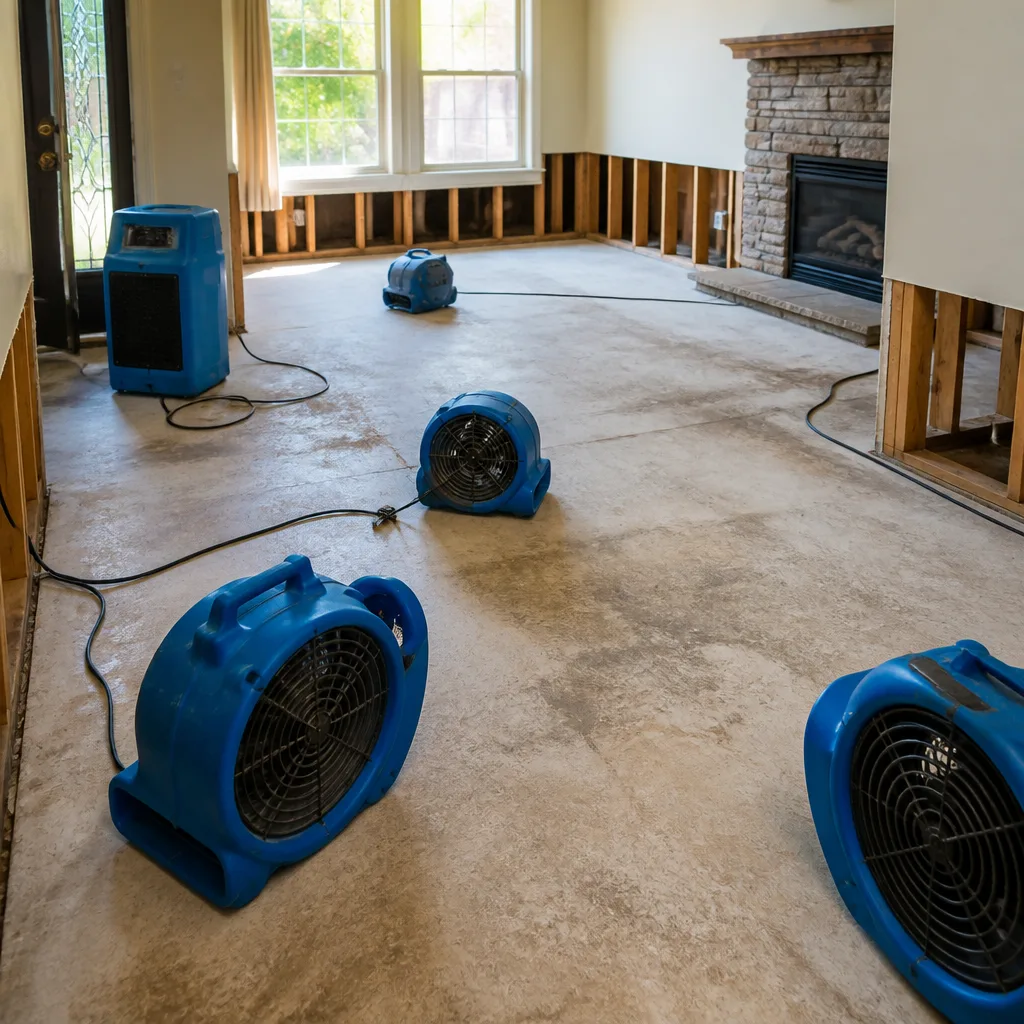
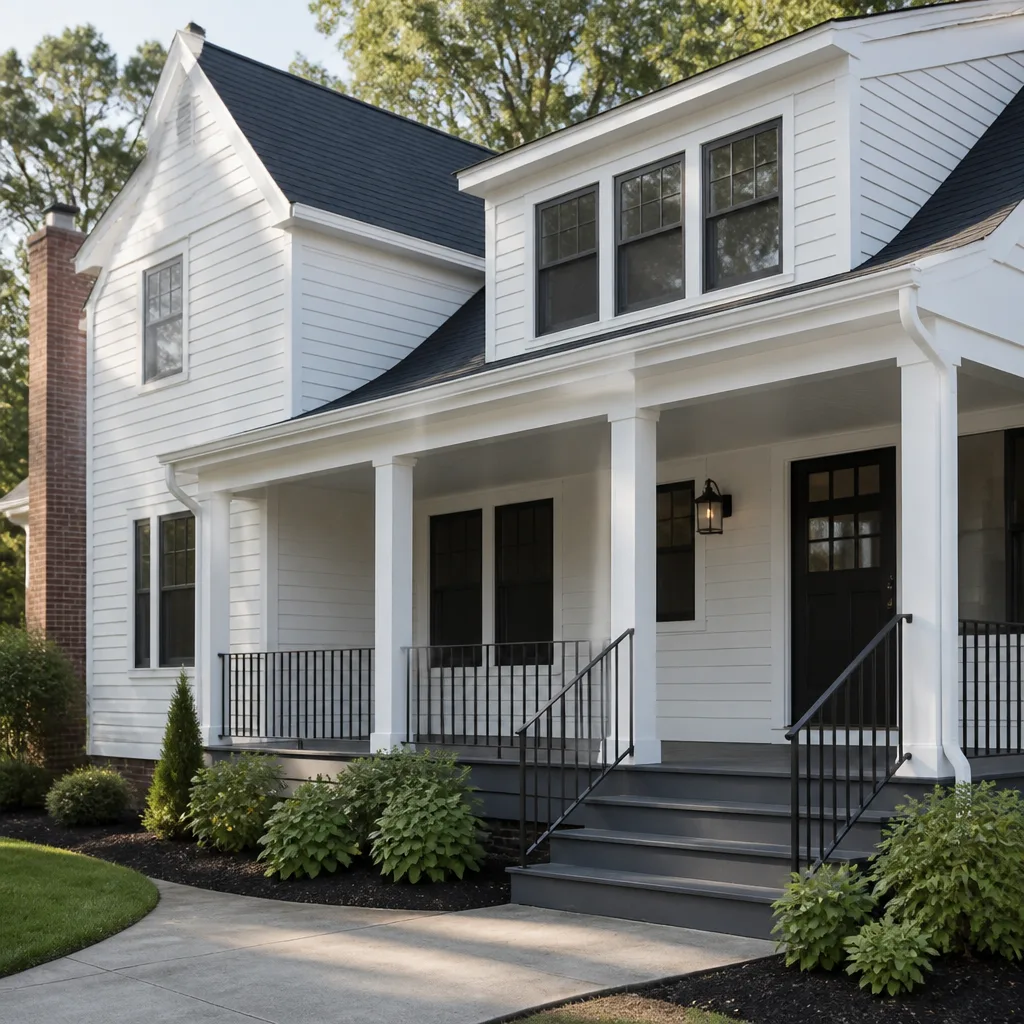
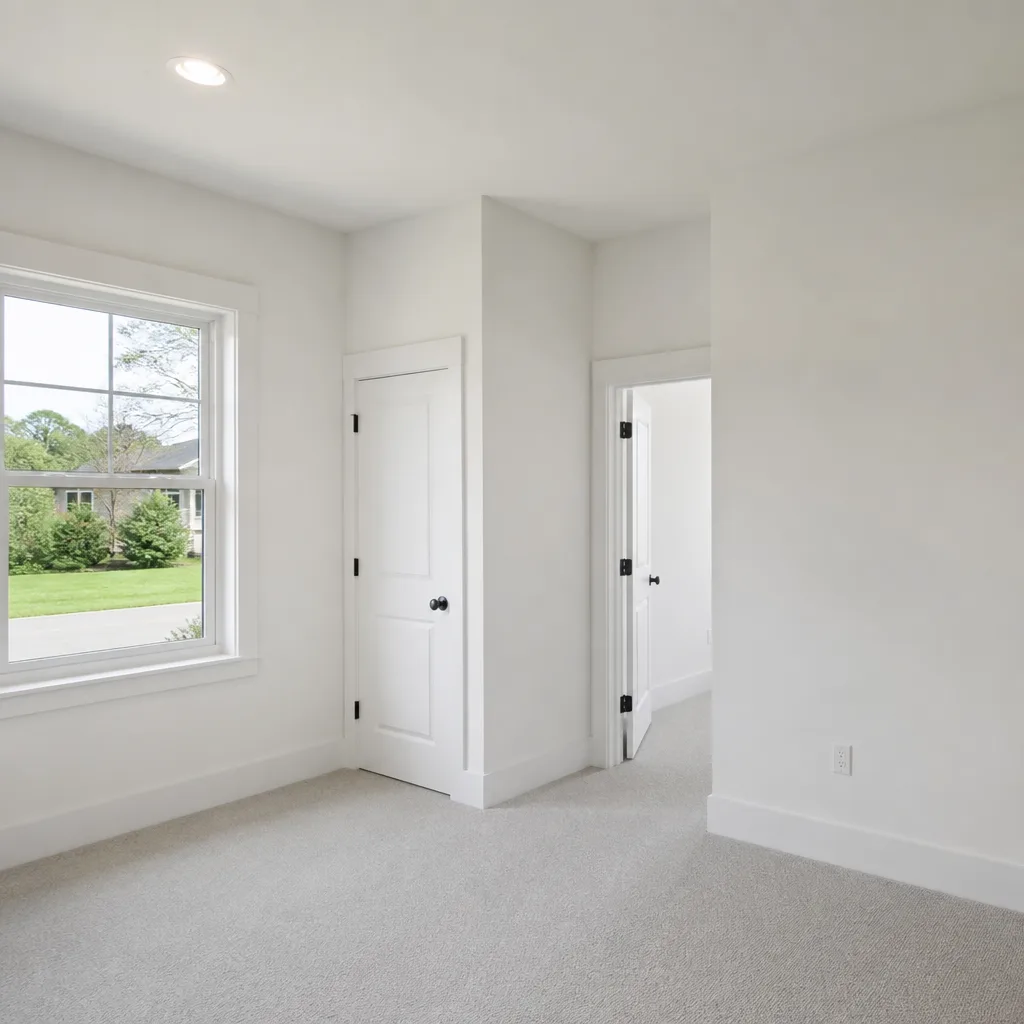
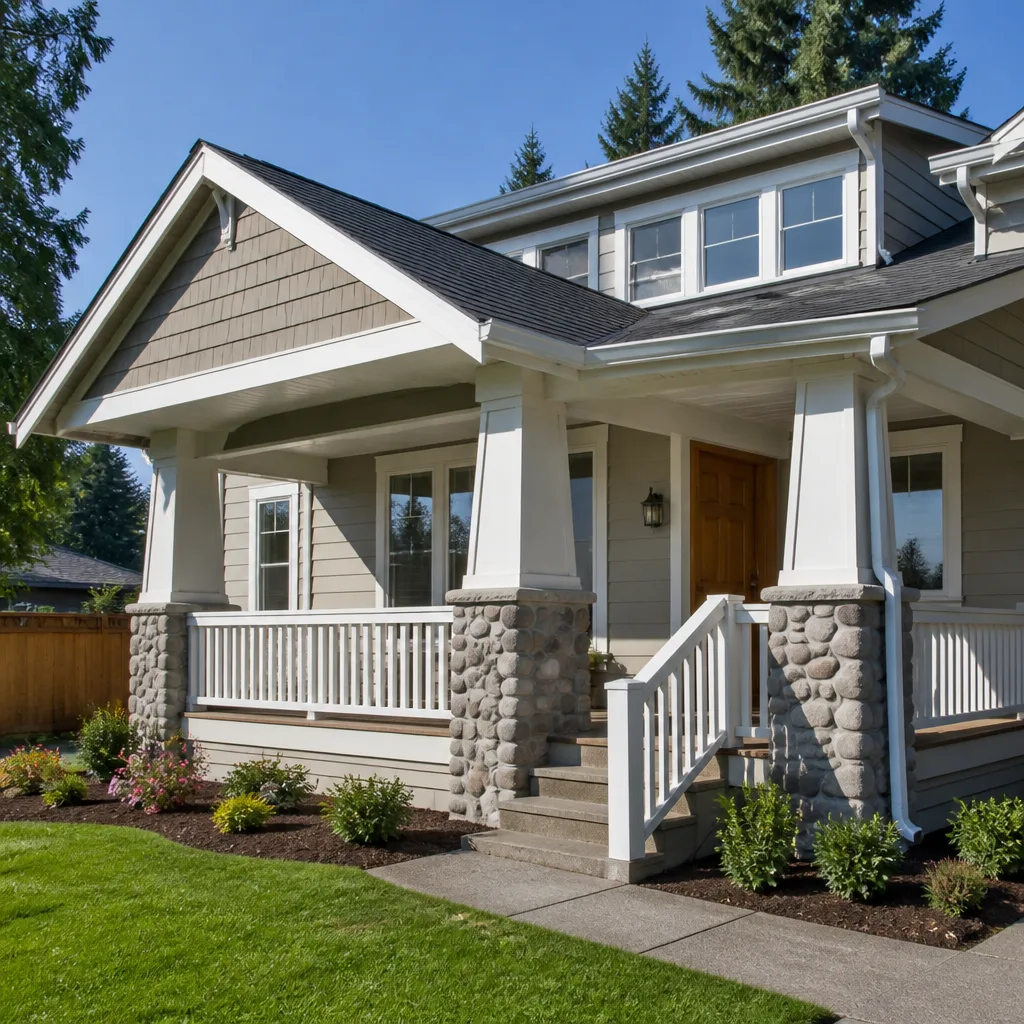
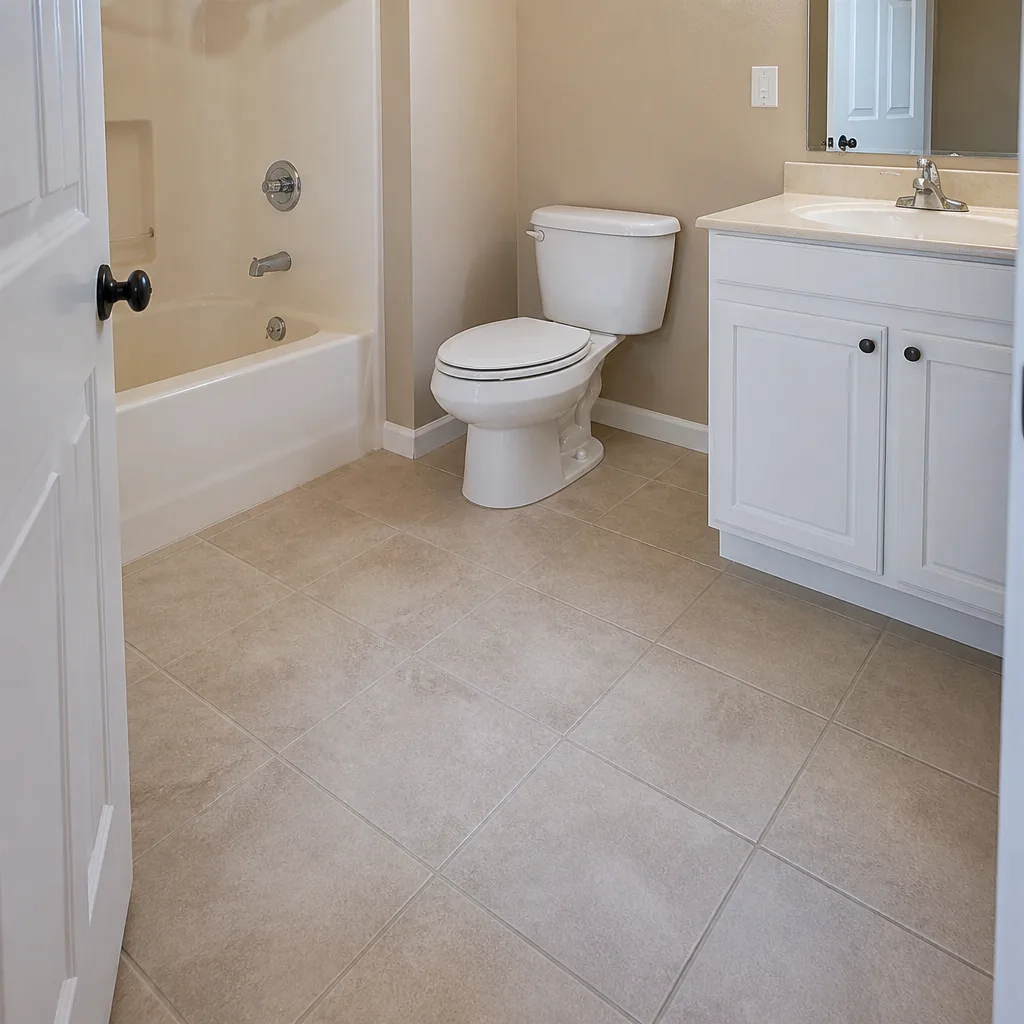
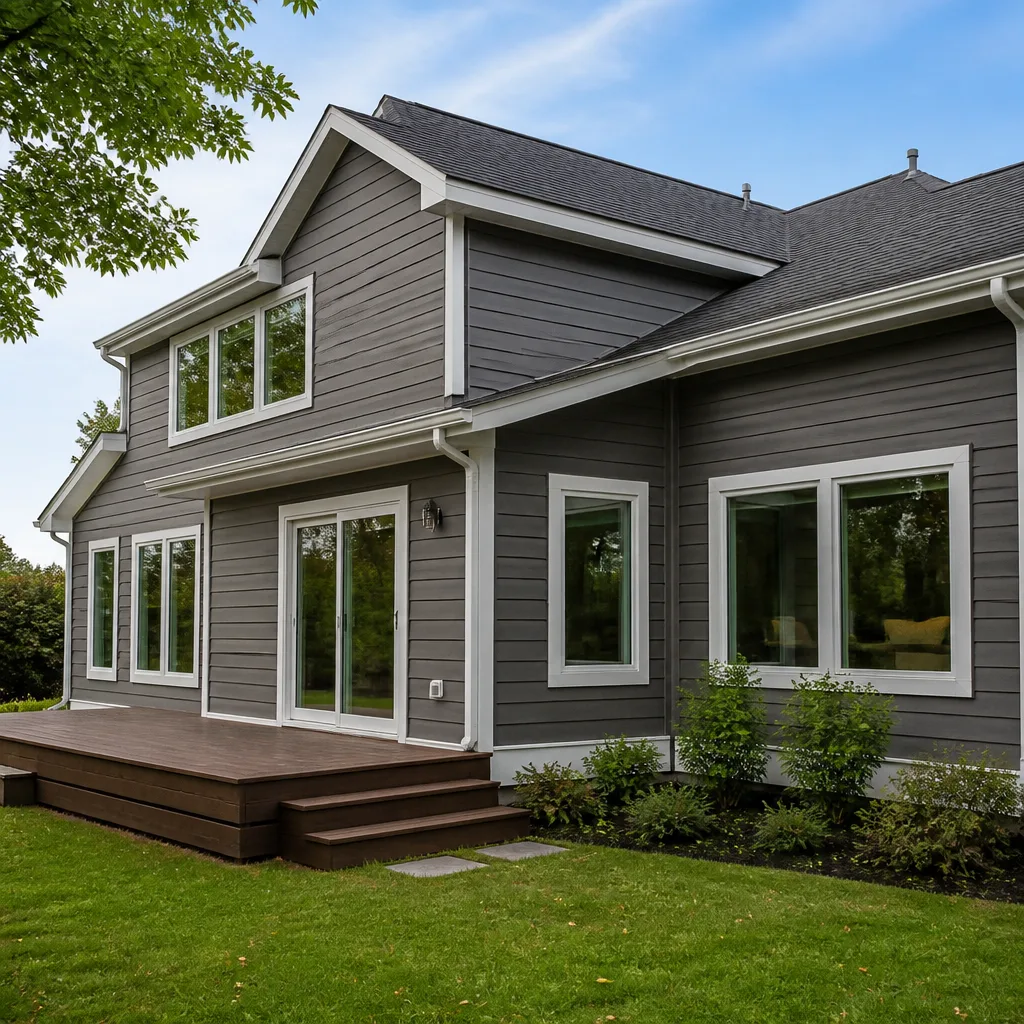
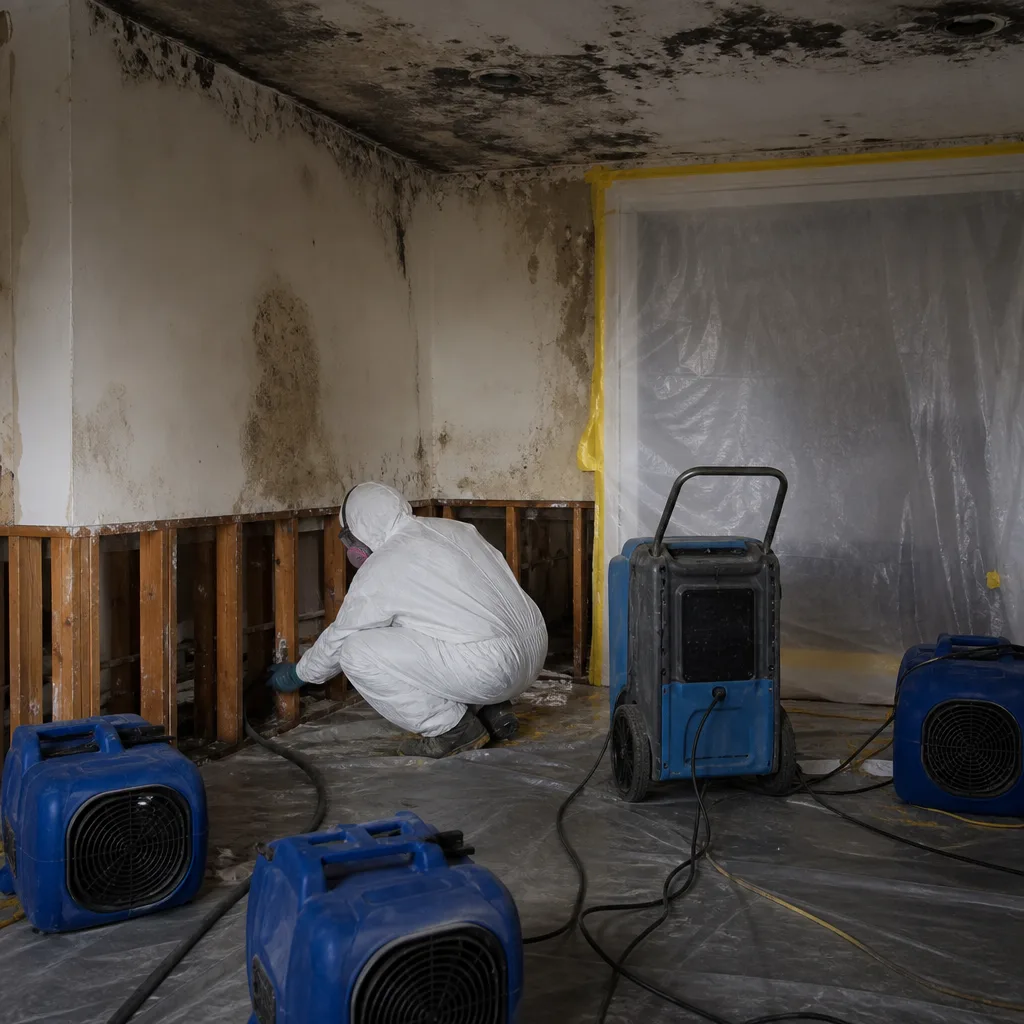 Before
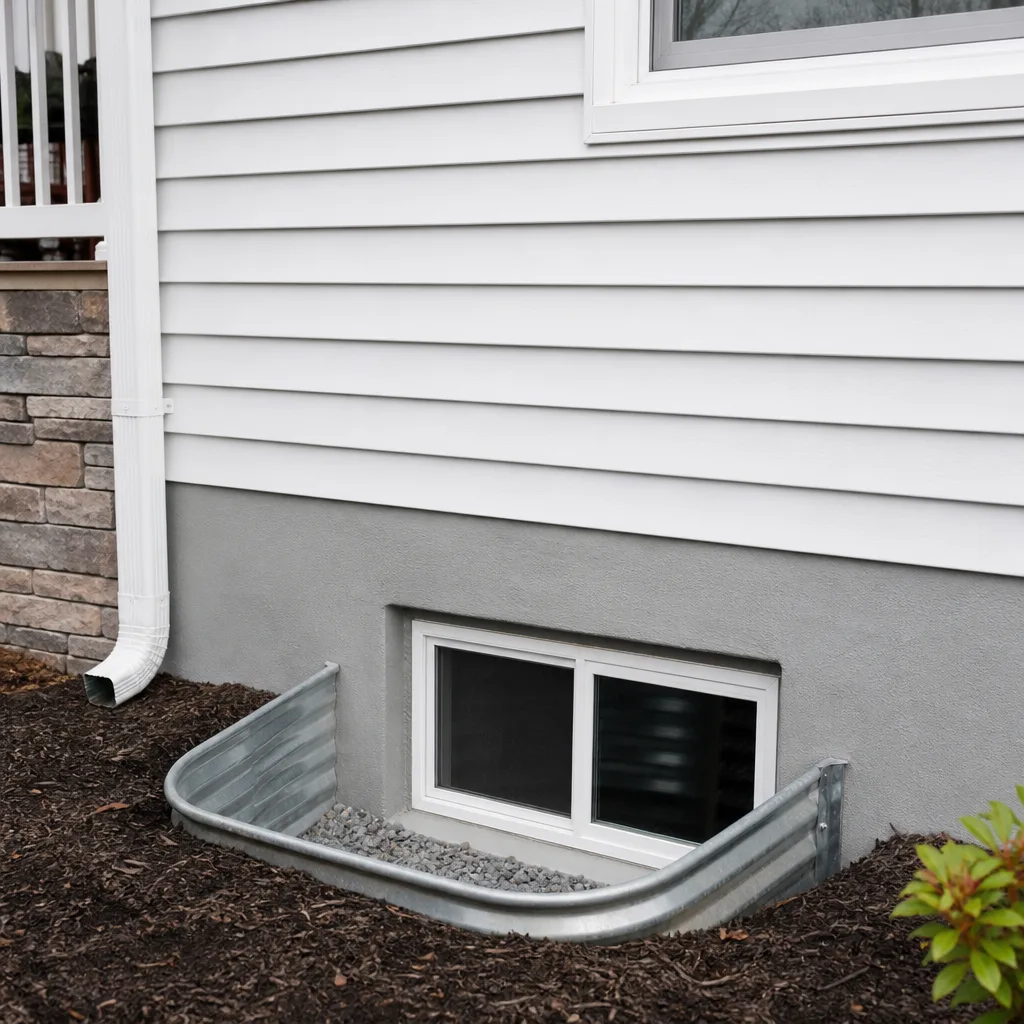 After
After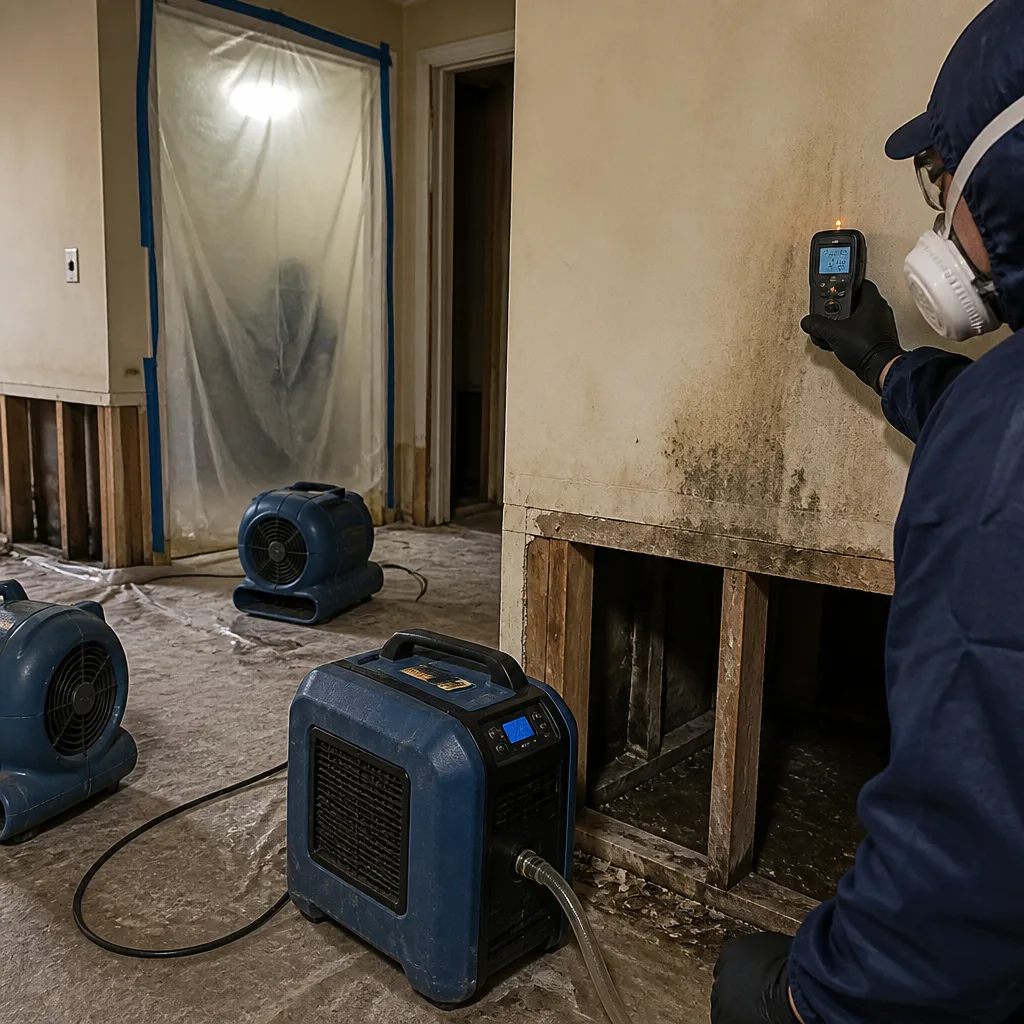 Before
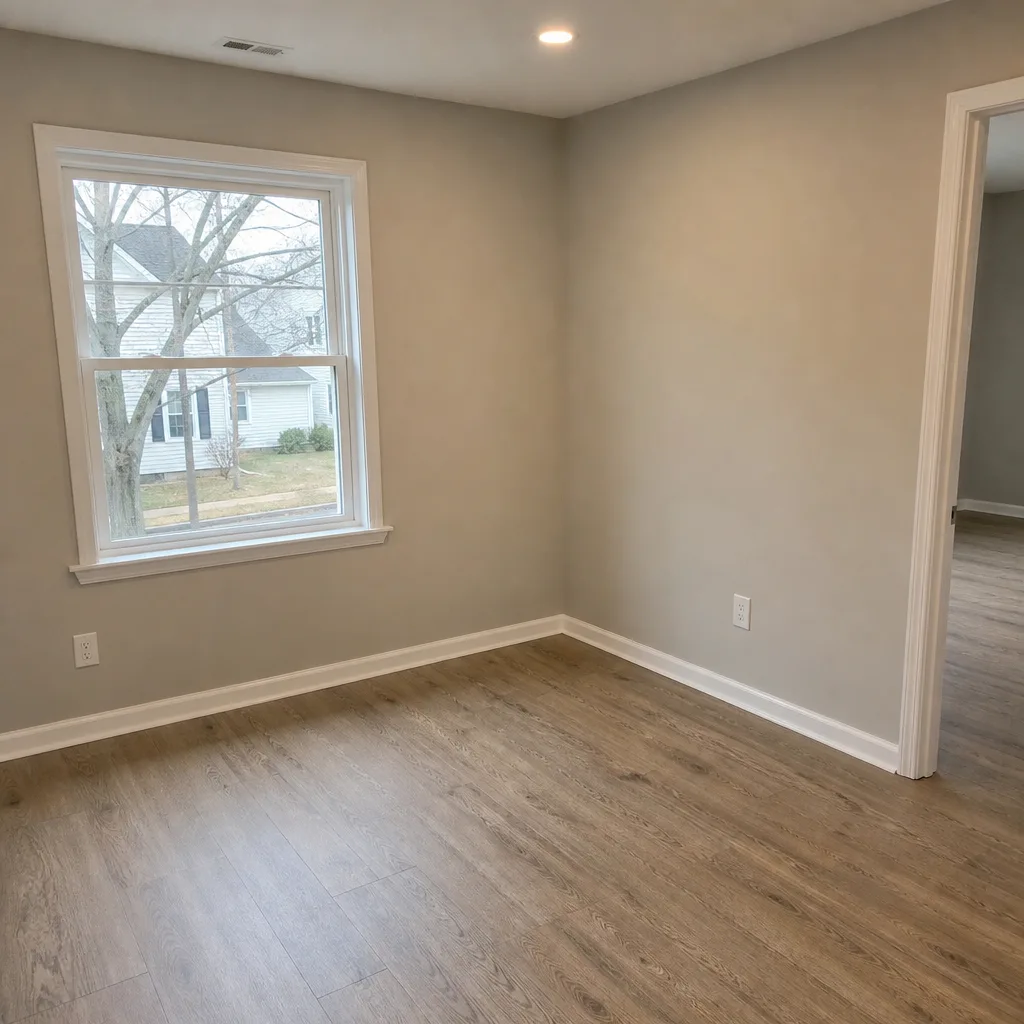 After
After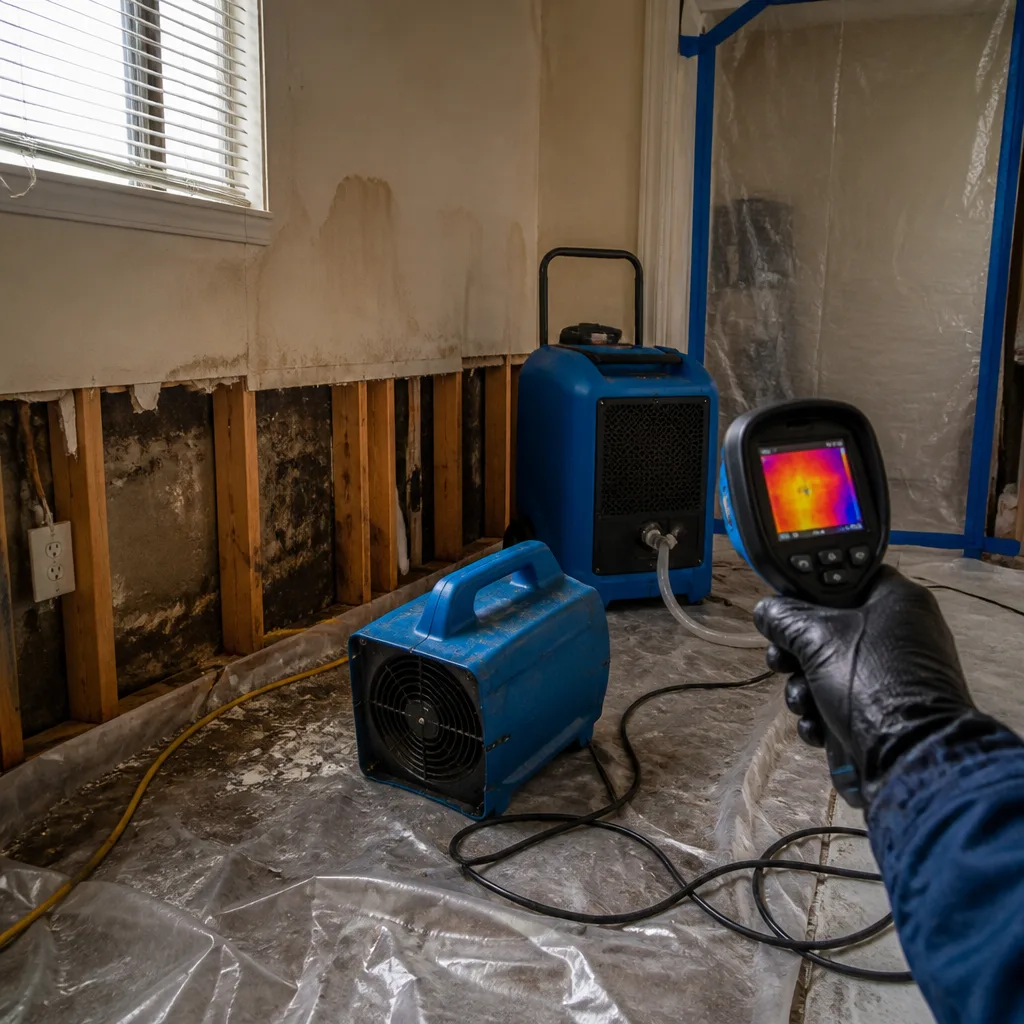 Before
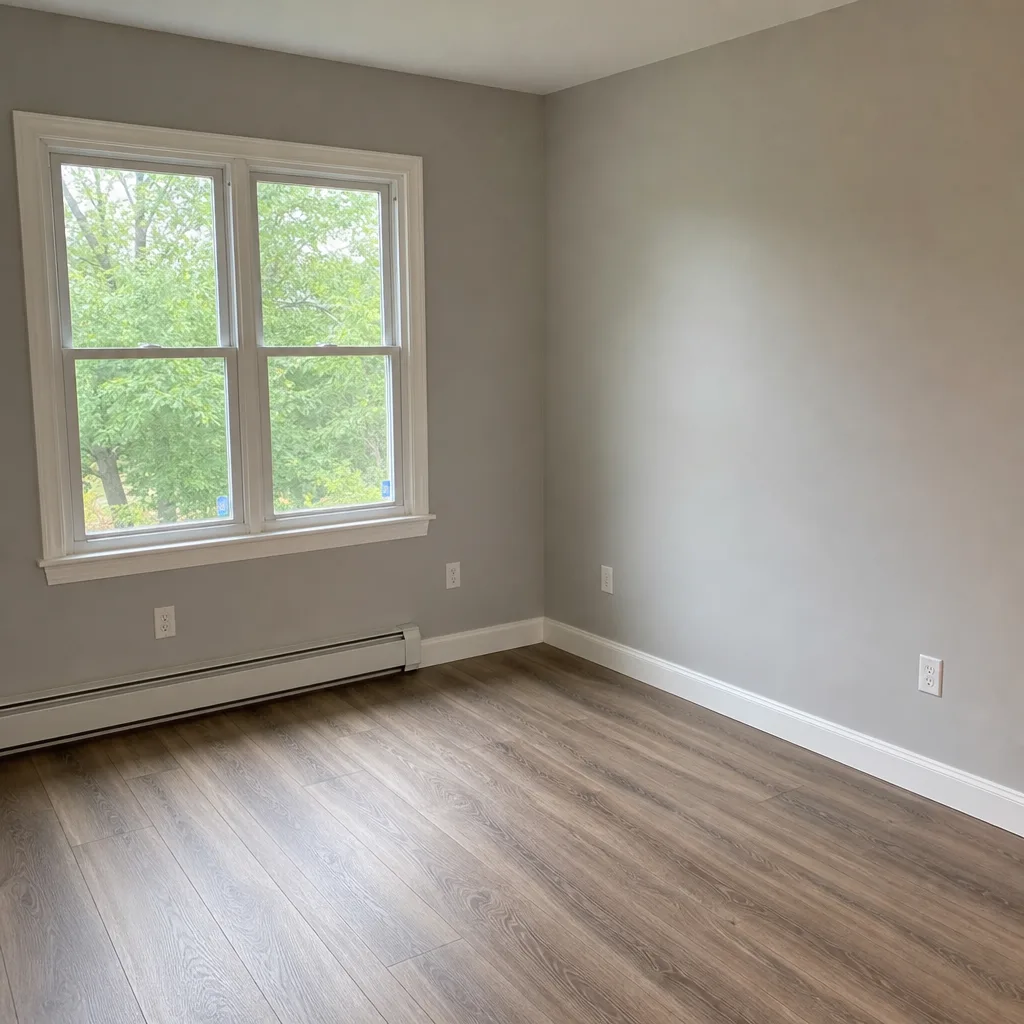 After
After24/7 Emergency Mold Remediation in Lodi
Mold growth in Lodi homes rarely waits for business hours, and neither do we. A sewer backup on Kennedy Drive at 2 a.m. or a nor’easter pushing groundwater into a basement on Roosevelt Avenue needs a live answer, not a voicemail. Call (640) 356-1140 any hour, any day, and a real dispatcher picks up. We’ll have a background-checked, uniformed crew headed toward your block within 45 minutes of confirming the scope, with a free visual inspection as the first step. The first hour matters because moisture wicks through Lodi’s tight row homes and shared party walls fast. What starts as a damp corner becomes a wall cavity full of spores while you wait.
Understanding Mold Remediation Severity in Lodi Properties
Mold severity is driven by moisture source, square footage affected, and building age. In Lodi, the building age is almost always a factor. Most homes here went up before 1960: two-family colonials on Garibaldi Avenue, cape cods off Union Street, semi-attached row homes along South Main Street. These houses share masonry walls, balloon framing, and forced-air duct runs that cross unit lines. A category 3 water event (sewage or river overflow) inside one side of a semi-attached structure requires containment, HEPA air scrubbing, and often clearance testing on both sides. A slow plumbing leak behind a kitchen cabinet is a different category entirely: containment, source correction, and antimicrobial treatment, with a shorter dry-out window. What every Lodi mold job shares is this: pre-1960 materials hide mold behind plaster and lath where a moisture meter alone won’t find it. Thermal imaging and moisture mapping are standard on our assessments because drywall reads dry while framing behind it is still wet.
Why Lodi Property Owners Choose Floodline Restoration Co.
- 45-minute response commitment in Lodi. We dispatch from the metro office with crews already staged in Bergen County. When you call about mold on Union Street, someone is moving toward you within the hour.
- A live person answers at 2 a.m. Not a recording, not a call-back service. Our dispatch board is staffed around the clock, every day of the year.
- IICRC-certified crews on every job. Our technicians hold IICRC, RIA, and IFA certifications, including AMRT (Applied Microbial Remediation Technician) for mold work. They’re background-checked and uniformed.
- Free visual inspection. We walk the property, read moisture levels, map the affected area, and tell you what we found before any work is proposed. No charge for the visit.
- Direct insurance billing. We document everything from the first hour, bill your carrier directly, and speak to your adjuster ourselves. You don’t play messenger.
- One crew from first assessment to finish. The same team that sets containment handles dehumidification, passes clearance testing, and rebuilds the drywall. No handoff to a sub you never vetted.
Our Mold Remediation Process
Inspection & Assessment
We map moisture with thermal imaging and hygrometers, inspect both sides of shared walls in Lodi’s semi-attached homes, and identify the moisture source before anything else. If asbestos or lead paint is likely in a pre-1960 structure, we flag screening requirements up front.
Containment & Source Control
We set negative air pressure containment around the affected area, using HEPA scrubbers to keep spores from moving through forced-air ducts or party walls. The moisture source gets stopped at the same time.
Drying & Dehumidification
Lodi’s low elevation and dense clay soil mean drying takes longer here than in upland Bergen County towns. We run professional-grade Dri-Eaz and Phoenix dehumidifiers with daily moisture readings until pre-loss levels are confirmed, not estimated.
Cleaning & Antimicrobial Treatment
Affected surfaces get HEPA vacuuming, wire brushing where framing is exposed, and antimicrobial application. Porous materials that can’t be fully dried and cleaned are removed, not painted over.
Air Quality Restoration
HEPA air scrubbers run throughout the remediation timeline. After physical removal, we take air samples where clearance testing is required and send them to an independent lab. You get the results in writing.
Repairs & Restoration
The same crew that removed the mold replaces drywall, insulation, baseboards, and flooring. Your home is back to whole, not handed off to a contractor who never saw the moisture map.
Need Emergency Mold Remediation in Lodi Now?
Crews minutes away, answering live 24 hours a day. The sooner we start, the less it costs.
Working With Your Insurance Company
We’ve handled mold claims in Lodi long enough to know what adjusters need: documentation from hour one, drying logs with dated readings, photos of every affected surface, and a line-item scope that separates mitigation from reconstruction. Mold is often a covered peril when it results from a covered water event, like a burst pipe or storm-related flooding. If your Lodi home has flood coverage through the NFIP or a private carrier, mold remediation stemming from a covered flood is typically part of the claim. We bill the carrier directly and speak to your adjuster in their language, so you’re not translating IICRC dry standards over the phone. Curt Bowman built this company around direct carrier communication because he watched too many Bergen County homeowners get stuck between a contractor and an insurance company.
What We Provide Your Insurer
- Thorough documentation of the loss
- Photos of all damage, room by room
- Moisture readings and drying logs
- A detailed, line-item scope of work
- Direct coordination with your carrier
Built for Lodi’s Loss Calendar
Lodi’s mold season doesn’t have one season. January and February bring deep freezes that burst supply lines in uninsulated crawl spaces under pre-war capes. March and April thaw out the ground, and groundwater pushes into basements through fieldstone foundations on side streets off Passaic Avenue. July and August thunderstorms dump more water than Lodi’s aging storm sewers can move, and street runoff backs up through floor drains. September through November is nor’easter season. But the biggest mold driver in Lodi is the repeat event. The borough sits in the low-lying Passaic River basin. Homes that flooded once often flood again. If a basement was dried but not properly dehumidified after the last event, dormant mold reactivates the next time humidity climbs above 60 percent. We see this pattern on Monroe Street and Westervelt Place every year: a homeowner calls about a musty smell, and moisture mapping finds old water damage behind a wall that was never fully dried from the flood before last.
Mold Remediation Across Lodi’s Neighborhoods
Lodi is a compact borough, roughly two square miles, but the building stock shifts block by block. Around Kennedy Drive and the semi-attached two-families near Memorial Drive, mold rarely stays on one side of the wall. The shared masonry party walls wick moisture horizontally, and forced-air ducts often cross unit lines. We scope both units on nearly every job there. Over by Washington School and the older colonials on Grove Street, we find more crawl space mold: damp dirt floors, standing water after heavy rain, and floor joists that have been wet for years without anyone noticing. Along Main Street and the commercial corridor up toward Garfield, older mixed-use buildings have flat roofs that leak into ceiling cavities, feeding mold above drop ceilings where it goes unseen until a ceiling tile sags. Near the Saddle Brook border, the homes are slightly newer, mostly 1950s ranches and split-levels with block foundations, and the mold tends to come from water heater failures and washing machine overflows. Each block has its own signature loss pattern. A local crew learns them by working them year after year.
Specialized Mold Remediation Services We Offer in Lodi
Mold Inspection & Testing
Before we touch a wall, we know what’s behind it. Our inspectors use thermal imaging, hygrometers, and moisture meters to map the full affected area, including the side of the wall you can’t see. In Lodi’s semi-attached homes, that means checking the adjoining unit’s side of the party wall even when the neighbor hasn’t reported a problem. If clearance testing is needed after remediation, we use an independent lab so the result doesn’t come from the company that did the work.
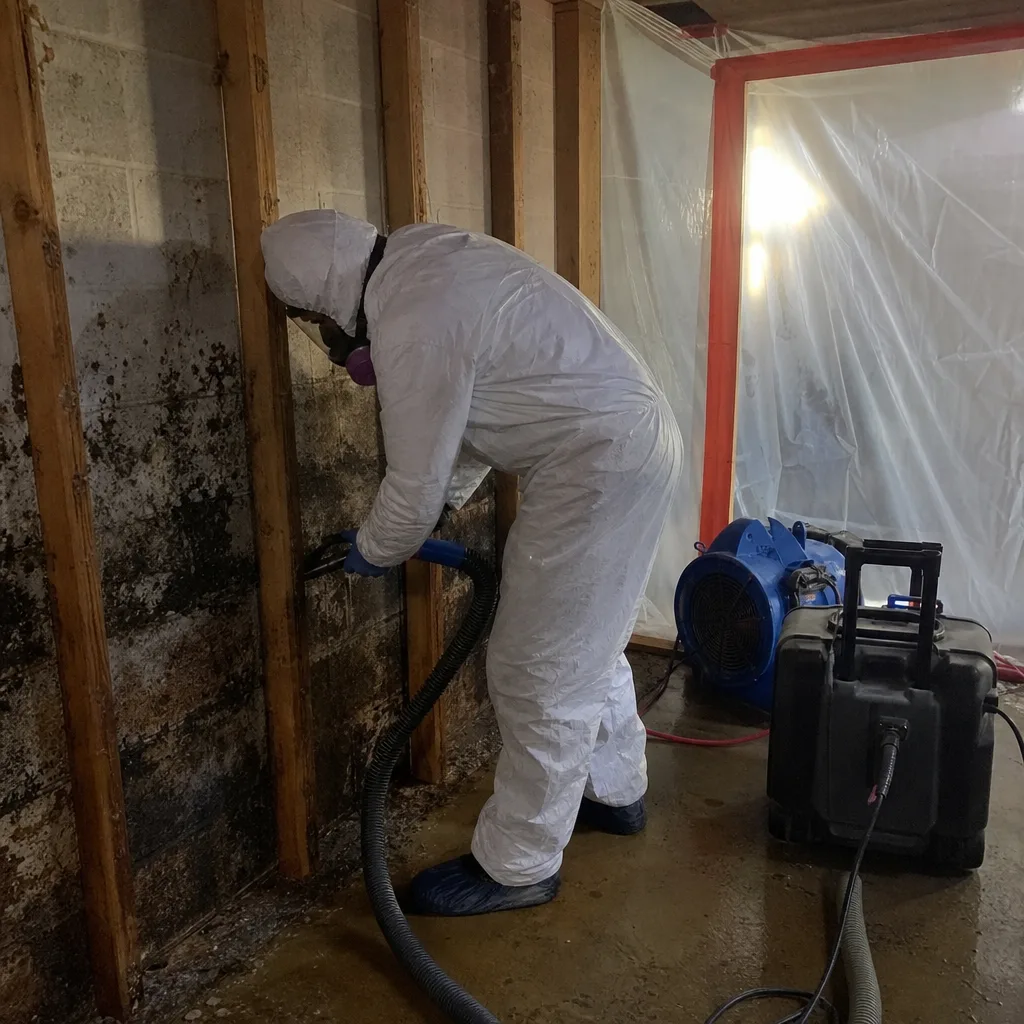
Mold Removal
Physical removal beats chemical fogging. We remove affected drywall, insulation, trim, and flooring, then HEPA-vacuum and treat the framing. In pre-1960 Lodi homes, we screen for asbestos in joint compound and flooring before cutting, because NJ DEP rules don’t bend for a musty basement on Roosevelt Avenue. The goal is clean, dry, and verified, not covered up.
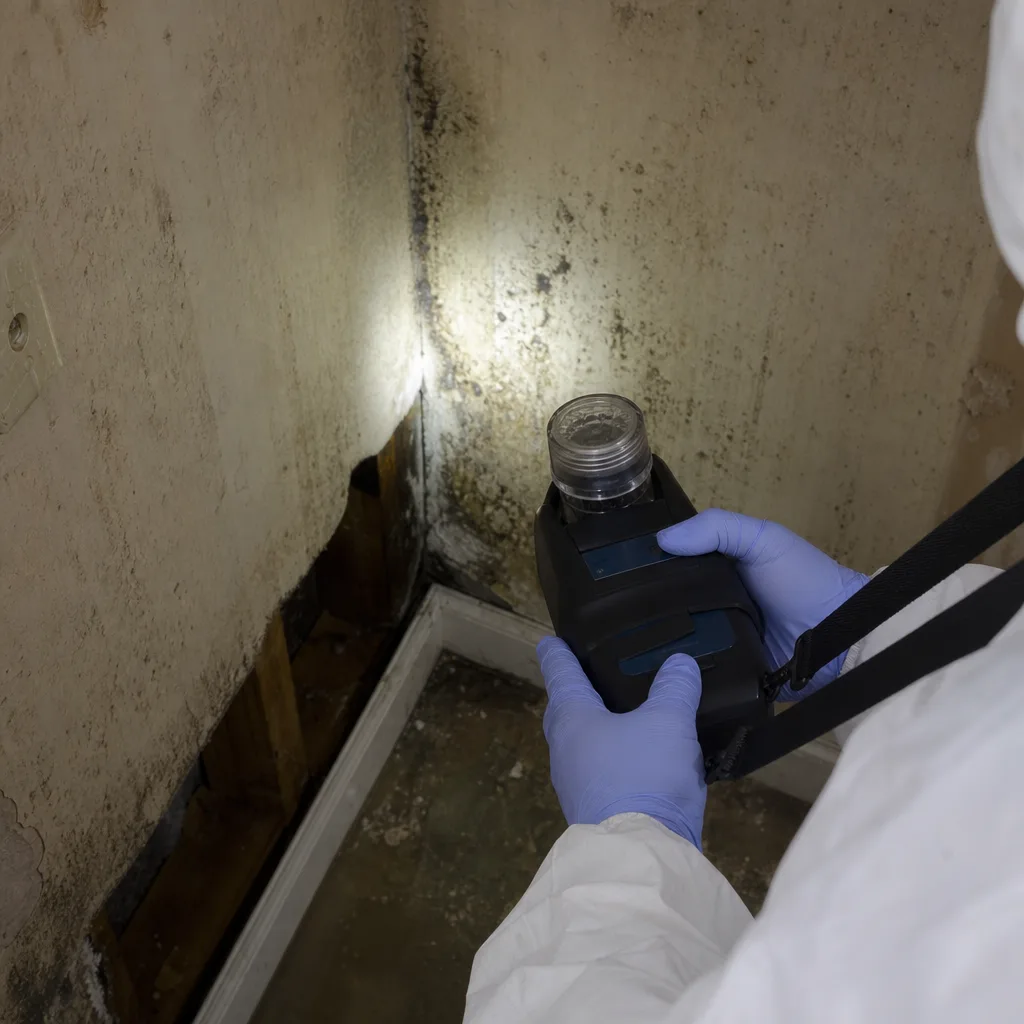
Black Mold Remediation
Black mold, or Stachybotrys, grows where moisture has been present for days or weeks: behind a leaky shower surround, under a kitchen sink, inside a wall cavity after a sewer backup. It’s common in Lodi because the borough’s poor-draining soil keeps basements damp for extended periods. Treatment involves full containment, HEPA air scrubbing, physical removal of affected materials, and pressure differential monitoring throughout the job.
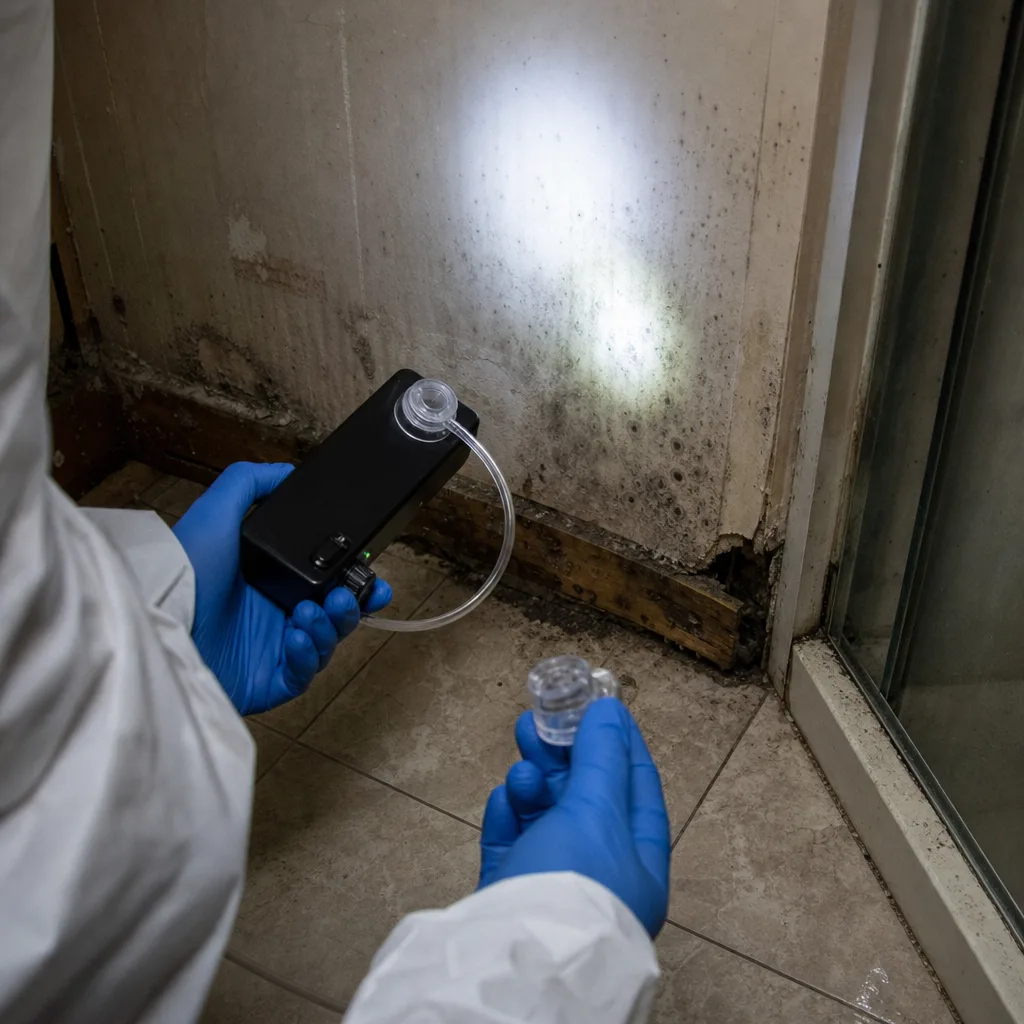
Air Quality Restoration
Mold spores travel. In a semi-attached Lodi colonial, they travel through shared wall cavities and forced-air return ducts. After remediation, we run HEPA scrubbers to pull airborne spores out of the living space, and we can arrange independent air sampling to verify counts are back to normal background levels. If your family has been coughing or waking up congested, this step matters.
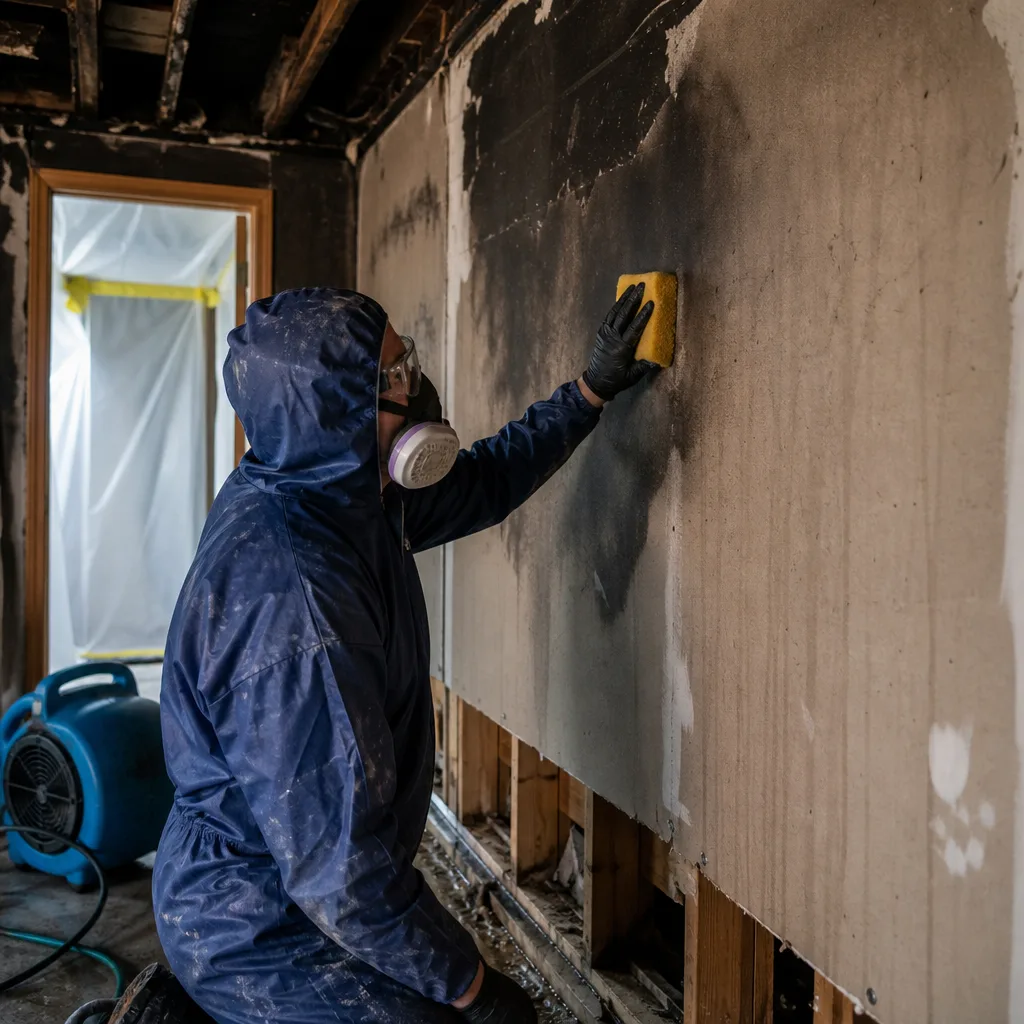
Crawl Space Treatment
Many Lodi capes and colonials have dirt-floored crawl spaces that stay damp from spring through fall. We remove standing water, install temporary dehumidification, treat fungal growth on joists and subflooring, and lay vapor barrier where needed. The goal is to get the dew point down and keep it down so your floor joists stop feeding mold into the house above.
Moisture & Humidity Control
The mold you see is the symptom. The cause is water in a place it shouldn’t be. We find the source: a foundation crack on a Union Street basement wall, a failed sill plate, a dryer vent blowing into a wall cavity, or simply a home that stays above 60 percent relative humidity because Lodi’s air sits heavy in August. We correct the source and give you a drying plan with target numbers, not guesswork.
What happens when you call
- 1
A real person answersNo phone trees - you reach a local pro.
- 2
You get an upfront price rangeHonest numbers before anyone is dispatched.
- 3
A background-checked tech heads outLicensed & insured, dispatched right away.
- 4
You approve before work beginsNothing starts until you say go.
Mold Remediation Costs in Lodi, NJ
Mold remediation in Lodi typically runs $1,500-$3,500 for a contained 10×10 area, which covers containment, removal of affected drywall, HEPA air scrubbing, antimicrobial treatment, and disposal. A full basement with multiple affected rooms runs $4,000-$9,000. Crawl space treatment with dehumidification and vapor barrier lands between $2,000-$5,500 depending on square footage and framing condition. Black mold jobs that require independent clearance testing and two-sided containment in a semi-attached home can reach $6,000-$12,000. What moves the price: whether asbestos or lead screening is required, whether we’re working both sides of a shared wall, how many days of dehumidification the borough’s drying conditions demand, and whether reconstruction is included. Our free visual inspection in Lodi gives you a written scope with these numbers spelled out before any work starts. No surprises on the bill, as Curt Bowman says: a square deal or no deal.
We Also Serve Cities Near Lodi
Our crews work the whole Bergen County basin. If you’re in Lodi and a neighbor two blocks over in Hasbrouck Heights calls about a mold problem, we’re already in the area. We also serve Garfield, Saddle Brook, and Hackensack with the same 24/7 live dispatch and the same 90-Day Done Right Promise on every job.
Serving Lodi, NJ - Our Local Coverage Area
We’re based in the Lodi area and know this community well. Use the map below to see our service coverage - if you’re nearby, we can almost certainly help.
Lodi Mold Remediation Questions, Answered
Why does mold remediation in Lodi often require checking the shared wall in a semi-attached house?
Because Lodi’s semi-attached two-families share masonry party walls that wick moisture horizontally within hours. On a job on Kennedy Drive, our techs found a category 3 sewer backup had wicked through the shared block wall into the adjoining unit’s finished basement. We set containment on both sides, ran moisture mapping with thermal imaging, and discovered hidden mold behind baseboards that the neighbor never knew about. If we’d scoped only the calling homeowner’s unit, the mold would have regrown through the wall within weeks. Call (640) 356-1140 if you suspect a shared-wall problem.
How do Lodi’s pre-1960 homes affect the mold removal process?
Most Lodi homes predate 1960, which means plaster and lath, asbestos-containing joint compound and floor tile, and lead paint. Before we cut into a wall on a Garibaldi Avenue colonial, we screen for asbestos and lead under NJ DEP rules. Skipping this step can trigger a stop-work order and leave an open mold source for days. The screening adds time and cost, but it’s the law and it protects your family.
Is black mold remediation different in Lodi because of the borough’s low-lying location?
Yes, in one specific way: Lodi’s low elevation and poor-draining soil keep basements damp longer than upland Bergen County towns, which means Stachybotrys has more time to establish. We run dehumidification longer here, and we don’t pull equipment until moisture logs show pre-loss readings, not just acceptable readings. A crew that pulls dehumidifiers early leaves hidden moisture behind, and the mold comes back in weeks. Call (640) 356-1140 for a free inspection if you see black staining in a damp Lodi basement.
Why is moisture mapping so important for mold remediation in Lodi’s older capes and colonials?
Because mold hides where your eye can’t see: behind baseboards, under flooring, inside wall cavities, across shared party walls. Moisture mapping with thermal imaging and hygrometers shows us the full affected area before we cut a single hole. In Lodi’s tightly spaced homes, the moisture boundary rarely stops at the visible stain. Mapping both sides of a shared wall is the only way to know the true scope.
Does Lodi’s repeated flooding change how mold remediation pricing or scope works?
It does. Repeat-flooding households in the Passaic River basin often have layered damage: a previous event that was never fully dried, plus a new one on top. Scope and price reflect that. A homeowner who had water in the basement last spring and now has mold in the crawl space is looking at a bigger job than a single-event loss. Our free inspection separates old damage from new so your claim doesn’t get complicated by pre-existing conditions.
How fast can a mold remediation crew reach my Lodi home?
We commit to a 45-minute response from dispatch for Lodi properties. A live dispatcher answers our phone 24/7, and our Bergen County crews know the quickest routes down Route 17, Passaic Avenue, and Main Street. For a confirmed active mold source, containment can go up the same visit.
Is mold remediation covered by my homeowners insurance in Lodi?
When the mold comes from a covered water event, like a burst pipe or storm-related flooding, remediation is usually part of the claim. We document with photos, moisture logs, and a line-item scope from the first hour, then bill your carrier directly and coordinate with your adjuster. For out-of-pocket work, we provide a written scope before anything starts, so you know the number. Call (640) 356-1140 and we’ll walk you through your specific claim situation.
What should I do in the first 30 minutes if I find mold in my Lodi house?
Stop running fans that might blow spores through the home. Close the door to the affected room. Don’t try to scrub it or cut into the wall yourself; DIY containment failures in Lodi’s attached homes send spores through shared walls and ductwork into the neighboring unit. Call us at (640) 356-1140. We’ll tell you over the phone whether you need us tonight or whether a morning inspection is enough.
Written by Curt Bowman, Owner at Floodline Restoration Co., serving Lodi, NJ with mold remediation, water damage restoration, and full reconstruction since 2010.