
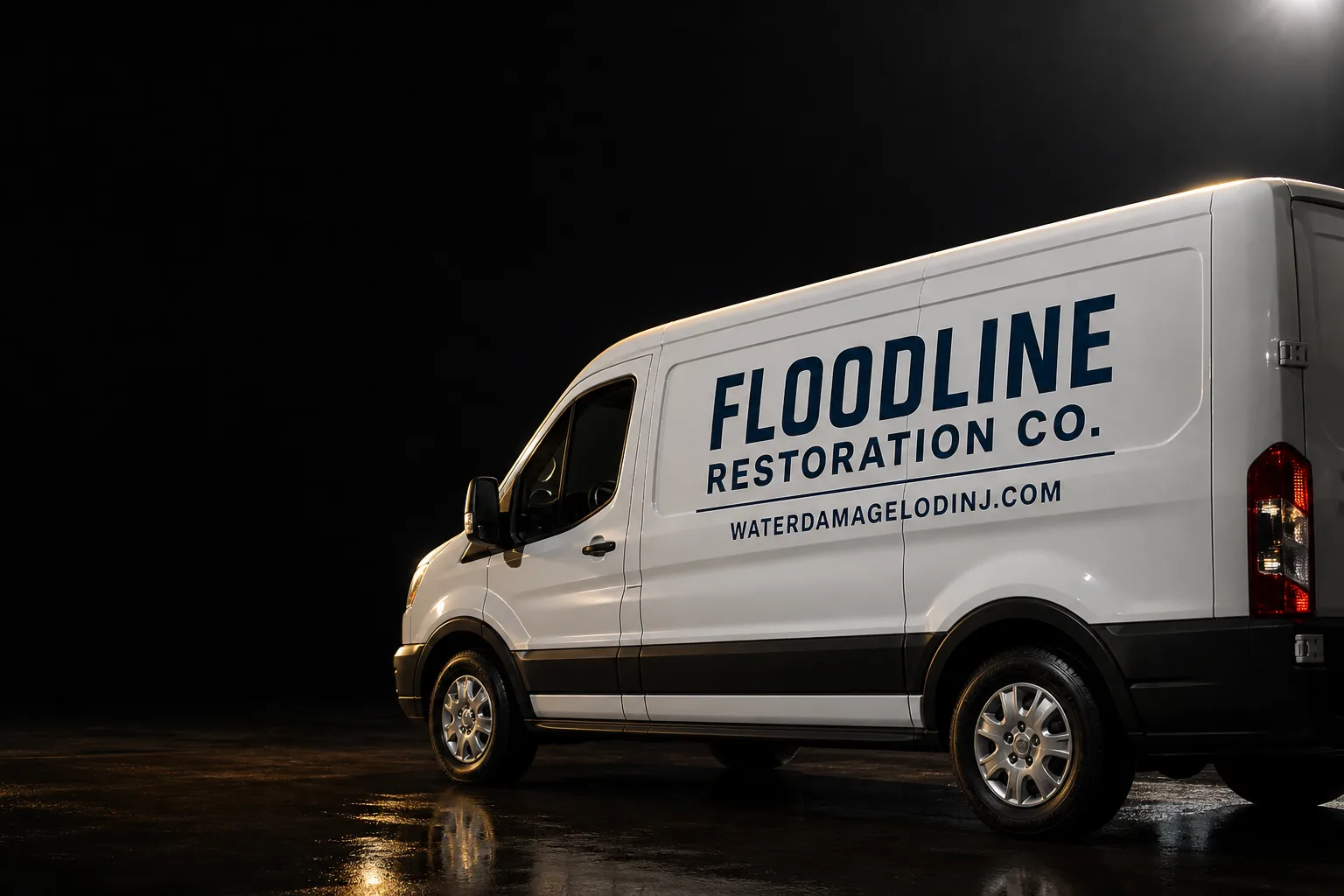
Free visual inspection and a written scope of work before any mitigation begins - photos, moisture readings, and drying logs go in your claim file
The scope we write is the scope we bill. Anything new gets shown to you, in writing, before we touch it.
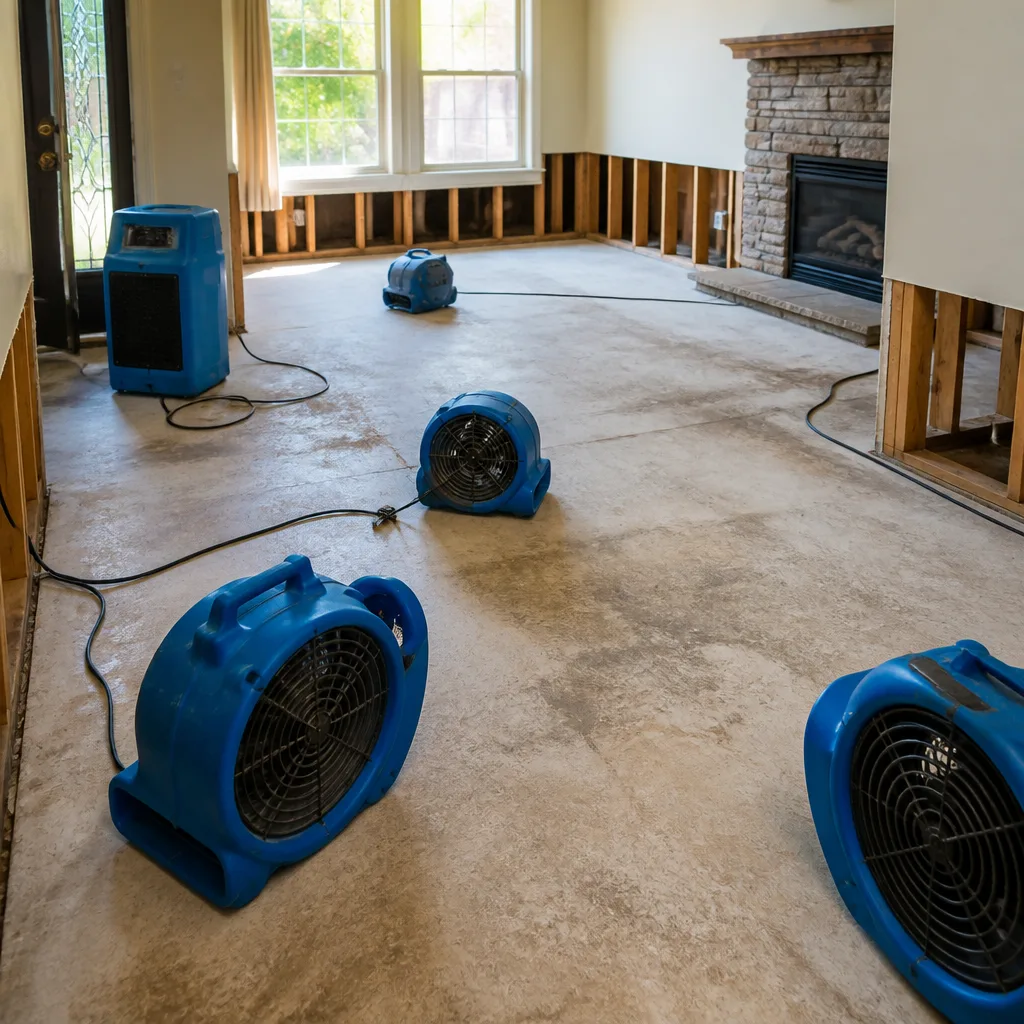

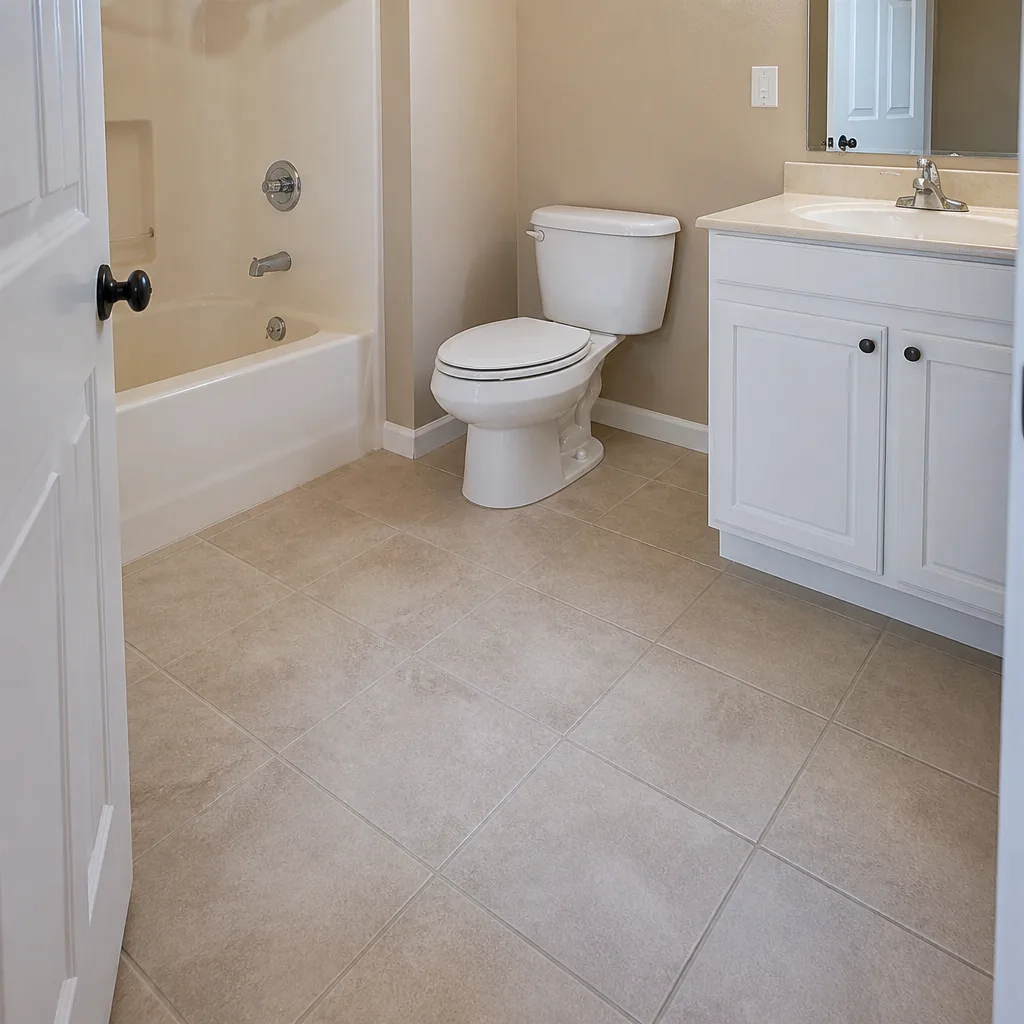

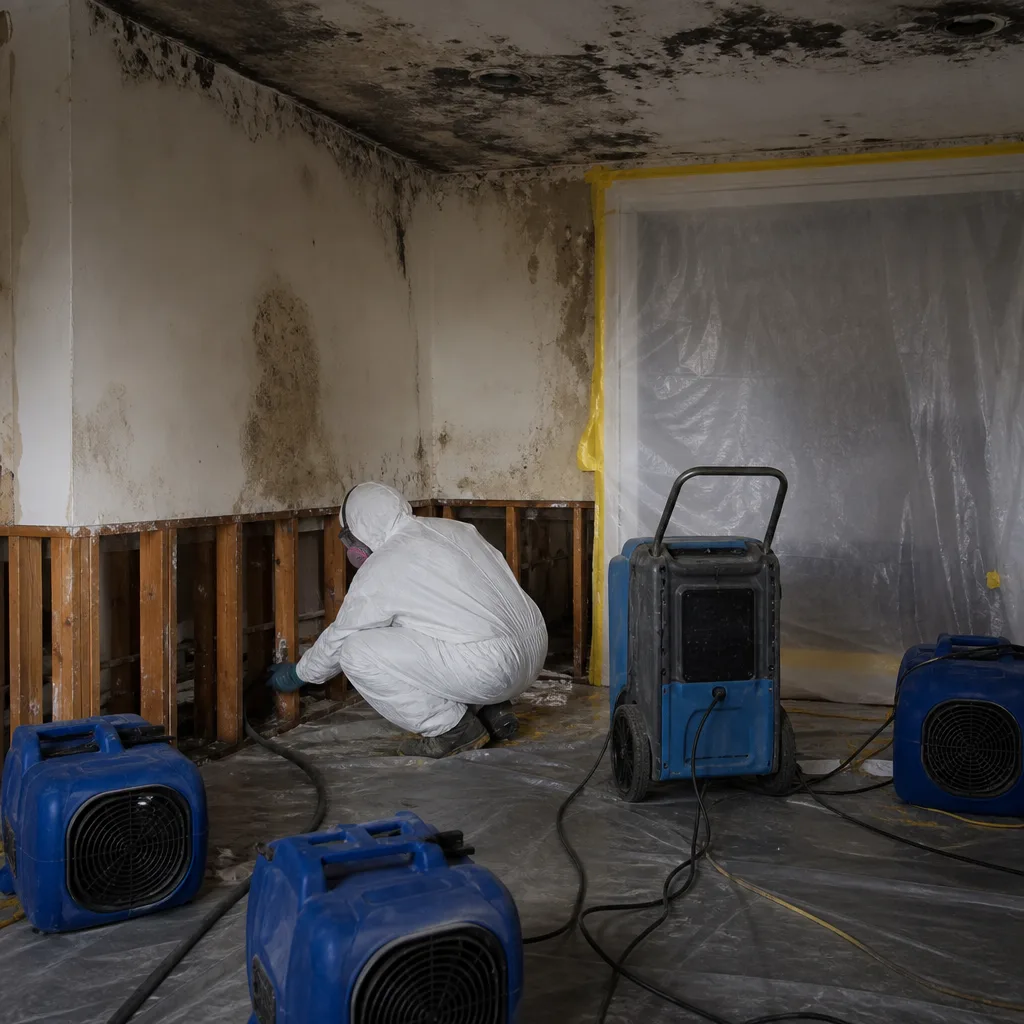 Before
 After
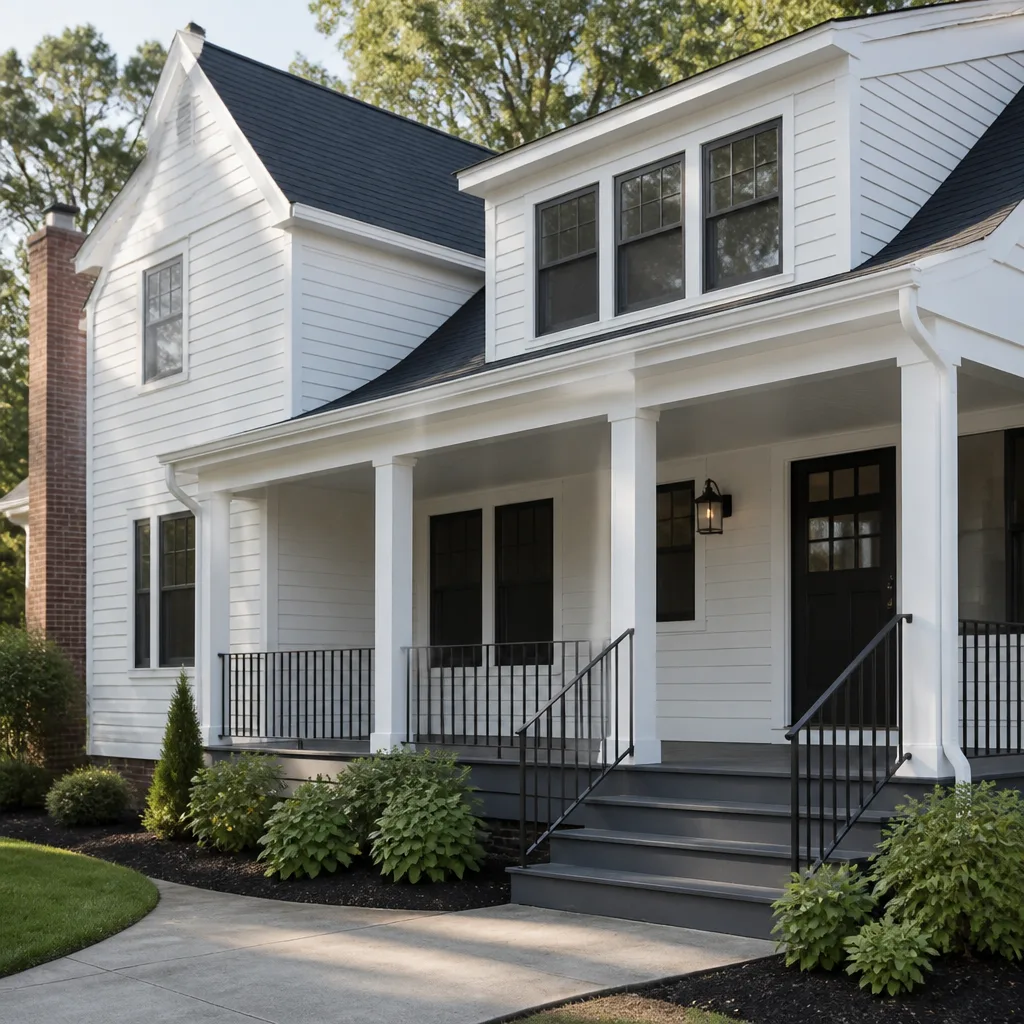
After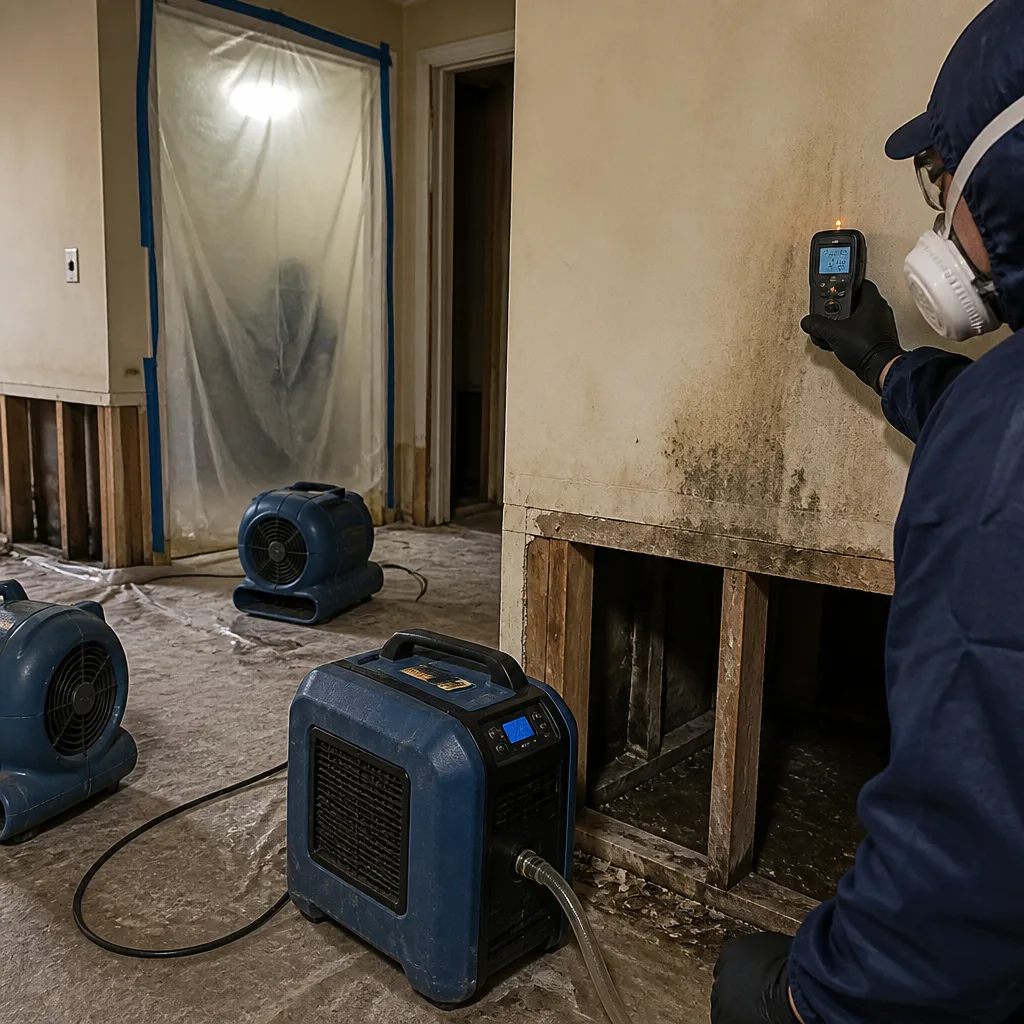 Before
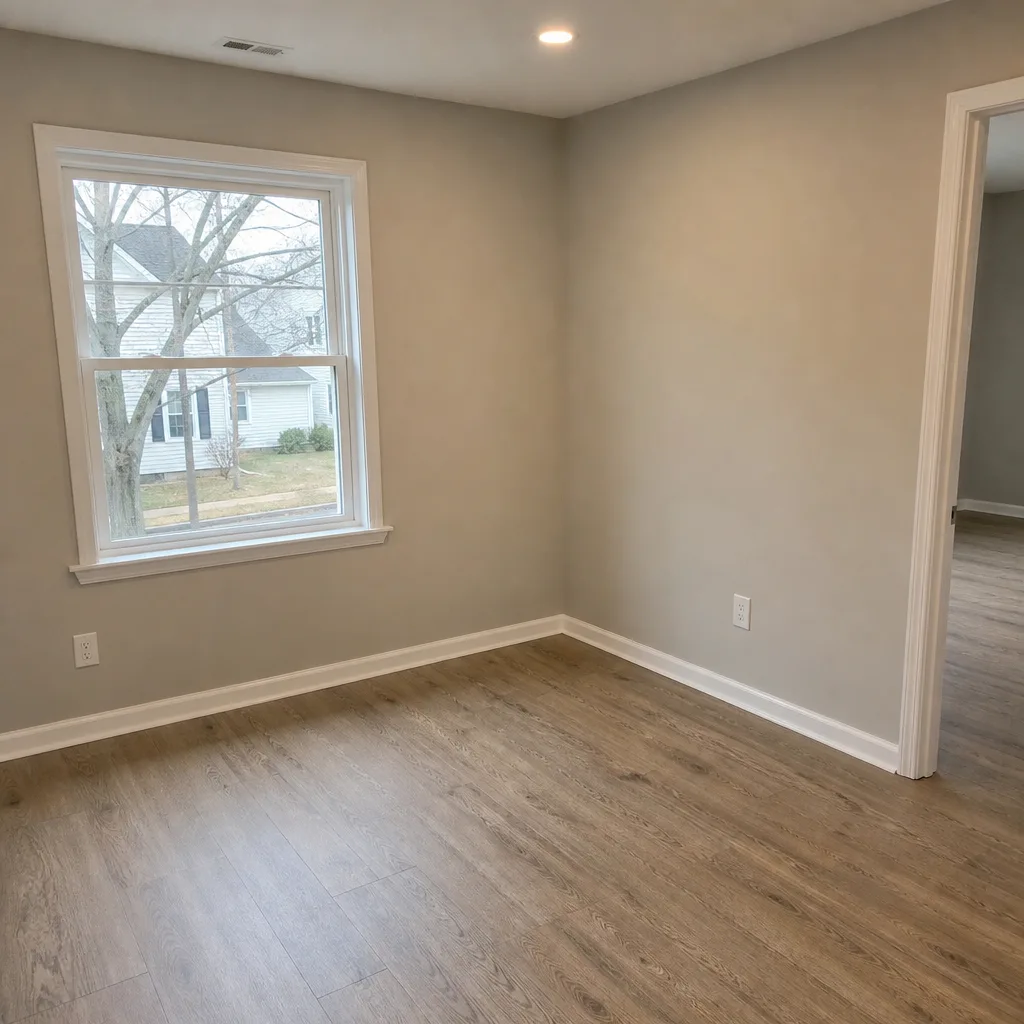 After
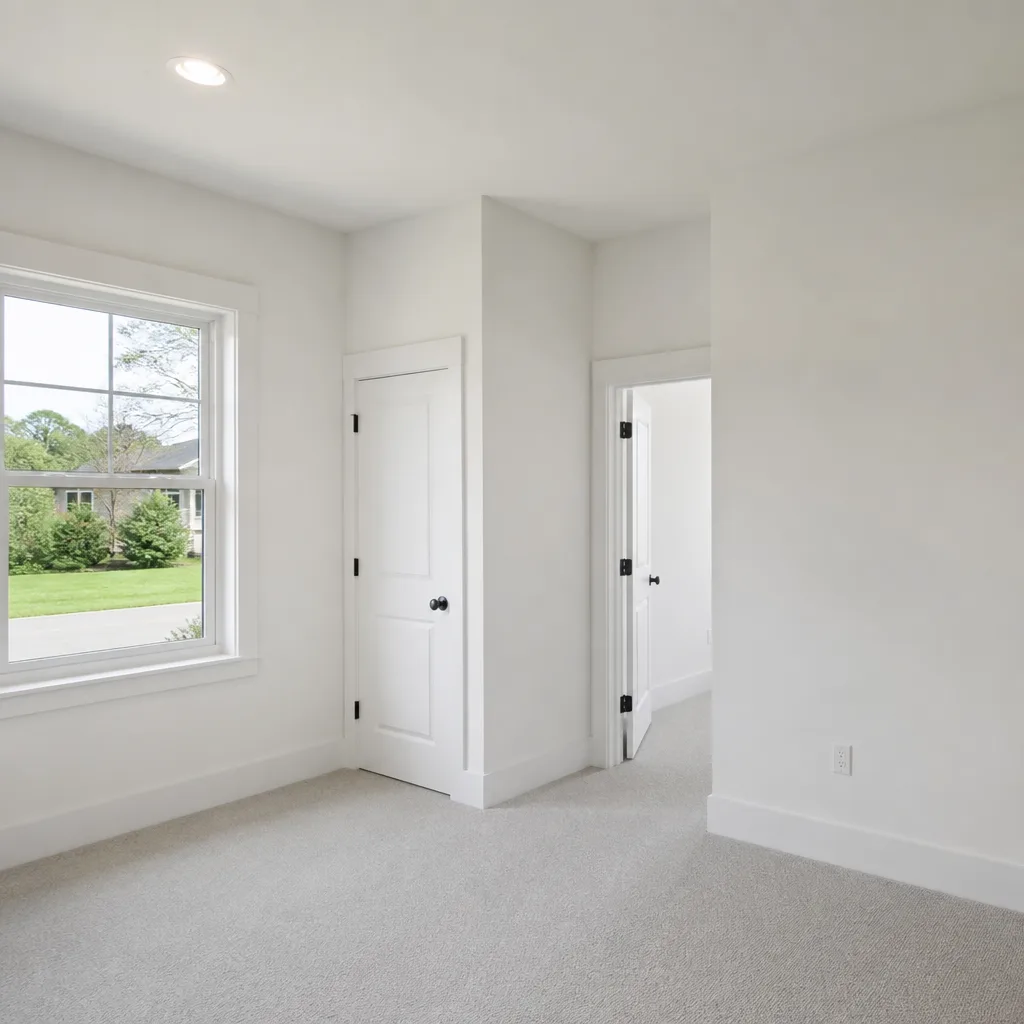
After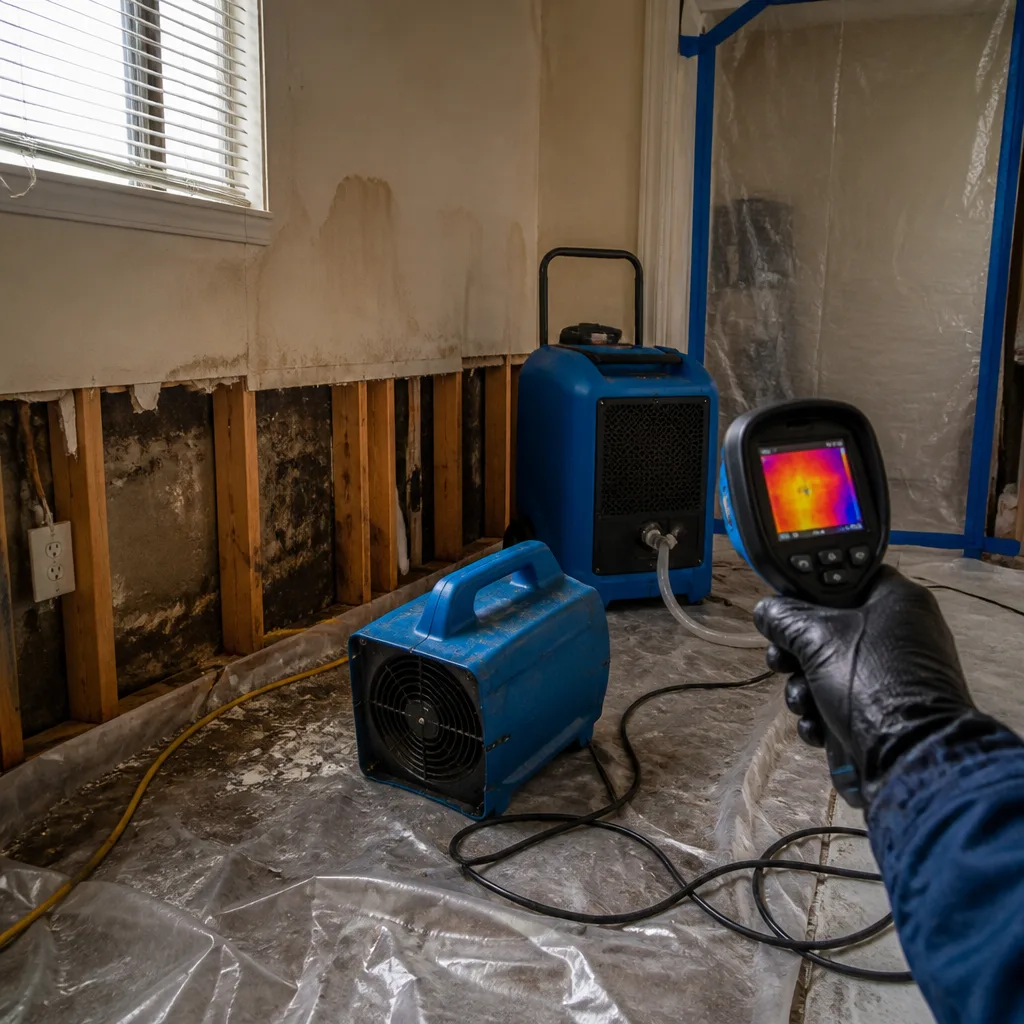 Before
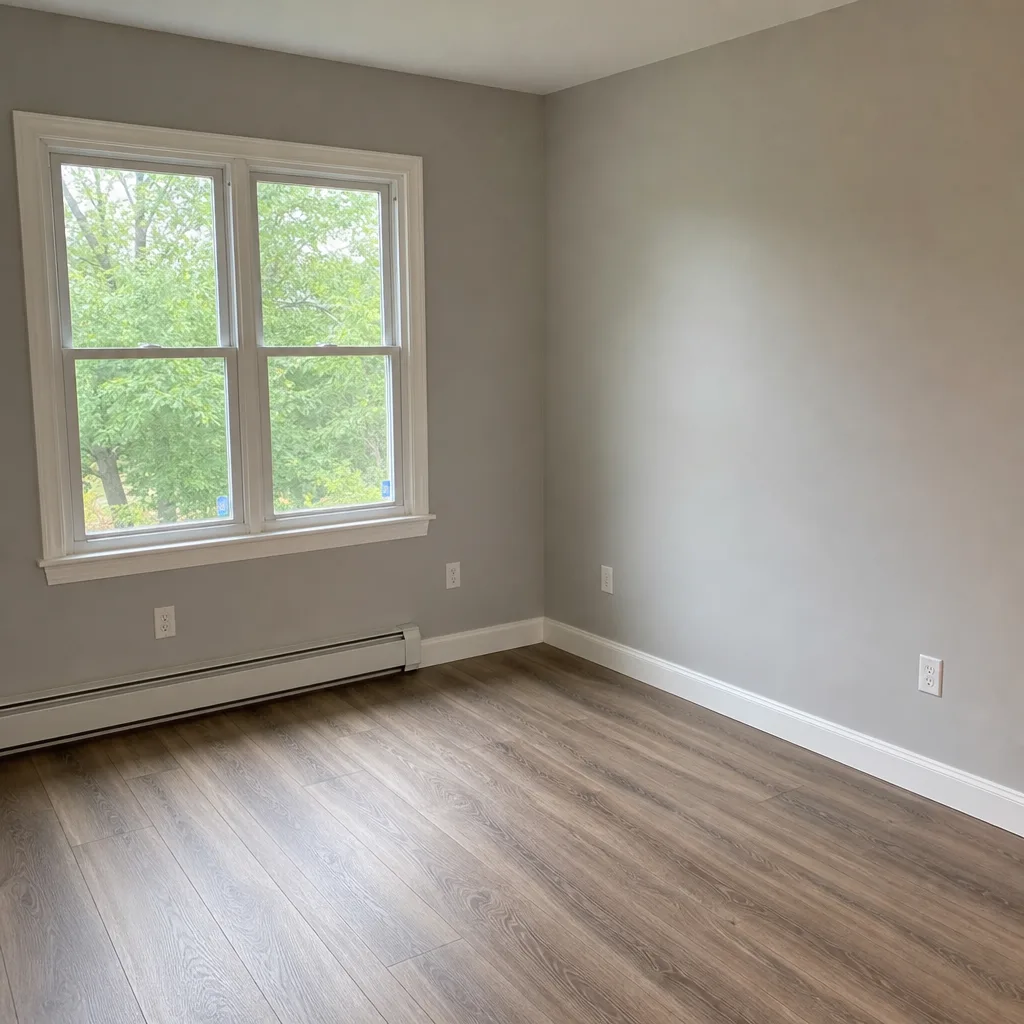 After
After24/7 Emergency Sewage Cleanup in Getty Square
When raw sewage backs up into a Getty Square basement, the first hour determines whether you’re dealing with a cleanup or a gut renovation. Our crews answer live at (640) 356-1140 around the clock and dispatch into Getty Square immediately, because category 3 black water moves through plaster, wicks up joist ends, and saturates brick faster than most homeowners realize. We arrive with containment, extraction, and drying equipment on the truck, not a sales pitch. The free visual inspection tells us exactly what we’re dealing with and what it will take to make it right. You’ll get a written scope before any work starts, and we bill your carrier directly.
Understanding Sewage Cleanup Severity in Getty Square Properties
Not every sewage loss is the same, and in Getty Square, the building stock makes the difference between a category 2 and category 3 event matter more than it does in the suburbs. Category 2 water, what the industry calls gray water, carries contaminants from washing machines, dishwashers, and minor toilet overflows. Category 3, black water, contains raw sewage, pathogens, and in this neighborhood, whatever the combined sewer system pushed backward through your floor drain. Getty Square’s late-19th and early-20th century masonry buildings with plaster-on-lath interiors and timber-joist floors absorb black water differently than a modern wood-frame house. Plaster acts like a sponge behind the baseboard, joist ends rot where they bear into wet brick pockets, and the basement slab sits at or near the water table. That means what looks like a surface cleanup often requires cutting out plaster to the lath line, exposing framing, and running structural drying protocols, not just mopping and spraying. We read the moisture map first, then we tell you what actually needs to come out.
Why Getty Square Property Owners Choose Floodline Restoration Co.
- 45-minute response commitment: We log dispatch times from the moment you call (640) 356-1140, and our Getty Square crews are staged to reach most addresses inside the neighborhood within 45 minutes.
- A real person answers, 24/7: You will not reach a call center or an answering service. A live dispatcher picks up at 2 a.m. and starts the crew rolling.
- IICRC-certified technicians: Our crews hold certification in water damage restoration and applied microbial remediation, with training grounded in the WRT and AMRT codes.
- Free visual inspection, with no pressure: We look at the loss, tell you what we found, and put a written scope in your hands. You decide how to proceed.
- Direct insurance billing: You never play messenger between us and your carrier. We document, we bill, we coordinate with the adjuster.
- One team from extraction to reconstruction: The same Floodline crew that extracts your sewage and dries your structure handles the rebuild. No mid-job handoff to an inherited subcontractor.
Our Sewage Cleanup Process
Inspection & Assessment
We walk the property with thermal imaging and moisture meters, tracing exactly how far the black water traveled. We check floor drains, lateral access points, and the path of wicking into plaster and joist pockets. You get a written scope and a firm line-item price before anything is removed.
Extraction & Stabilization
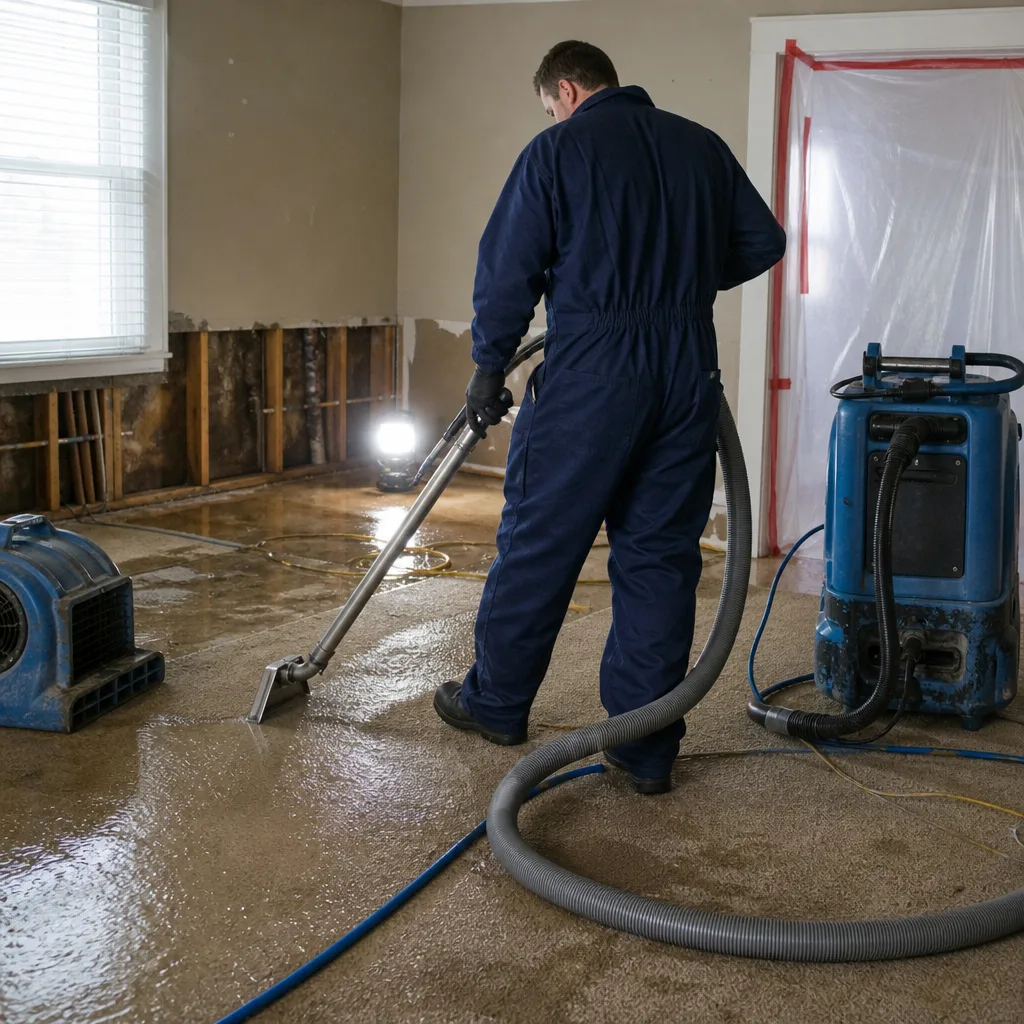
We extract standing sewage with truck-mounted equipment and portable extractors, then remove contaminated materials: saturated plaster, carpet, pad, and any flooring that absorbed category 3 water. Containment goes up immediately to keep sewage aerosol and airborne particulates from spreading into clean rooms.
Drying & Dehumidification
Dri-Eaz air movers and low-grain refrigerant dehumidifiers run continuously, with daily moisture readings logged against the dry standard. In Getty Square’s high water table conditions, this step runs deeper and longer than in drier neighborhoods, because masonry holds moisture against wood framing.
Cleaning & Sanitization
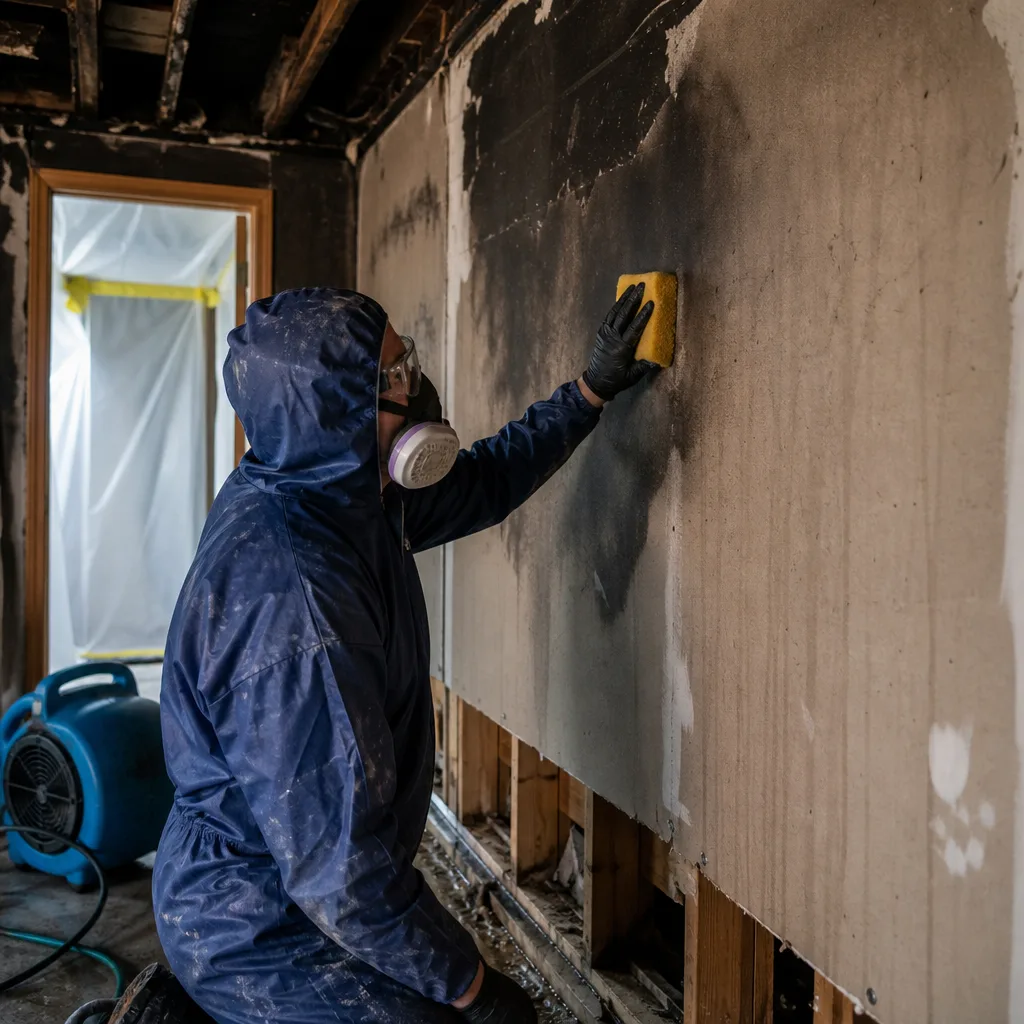
Every exposed surface gets scrubbed with EPA-registered antimicrobial treatment. We work stud by stud, joist by joist, so nothing that touched black water remains untreated. HEPA air scrubbers run through the process to capture airborne contaminants.
Crawl Space & Structural Treatment
When sewage reaches a Getty Square crawl space or undermines a load-bearing masonry pocket, we treat it as a structural event. We remove contaminated soil and debris, apply antimicrobials to framing and foundation surfaces, and dry the space to the documented standard before any rebuild begins.
Repairs & Restoration
Our own carpenters and finishers replace what came out: plaster to lath, joist ends with proper bearing, new slab patches where needed, and finish surfaces to pre-loss condition. The same lead technician stays on the job from day one through the final walkthrough.
Need Emergency Sewage Cleanup in Getty Square Now?
Crews minutes away, answering live 24 hours a day. The sooner we start, the less it costs.
Working With Your Insurance Company
Sewage claims in Getty Square are rarely simple, especially when the loss traces back to the combined sewer system or a collapsed lateral under the street. Carriers want documentation that proves category 3 contamination, not just damp floors. We generate that documentation from the first hour: photos before anything moves, moisture readings by room, containment logs, and a line-item scope that matches the work we actually perform. Our team communicates directly with your adjuster, handles the coverage questions, and keeps the claim moving. You should not be the one explaining hydrostatic backpressure or plaster wicking to a claims desk. That’s our job, and we’ve been doing it for years.
What We Provide Your Insurer
- Thorough documentation of the loss
- Photos of all damage, room by room
- Moisture readings and drying logs
- A detailed, line-item scope of work
- Direct coordination with your carrier
Built for Getty Square’s Loss Calendar
Getty Square’s sewage losses follow a rhythm that anyone who has lived here a decade can feel coming. Nor’easter season, roughly October through April, pushes Hudson River tidal surge into the combined sewer system, and that backflow finds the lowest point in your building: the basement floor drain. Spring thaw and heavy rain raise the water table around the buried Saw Mill River, forcing groundwater through foundation micro-cracks where it picks up whatever the soil has been holding. Summer thunderstorms in July and August overwhelm downstream sewer capacity and send short, sharp backups through older cast-iron laterals. And the oldest lines, those 1900s clay pipes that settled and collapsed over a century, let go without warning in any month. When we respond to a Getty Square sewage backup, we already know which failure mode matches the season, the weather, and the address. That’s the difference between treating a symptom and stopping the source.
Sewage Cleanup Across Getty Square’s Neighborhoods
The response routes through Getty Square change block by block, because the buildings do. Along South Broadway, we regularly work in 4-to-6-story mixed-use tenements where a backed-up line in the commercial space below pushes sewage up through floor drains in apartments above. Over near the Saw Mill River daylighting park, buildings sit closest to the buried channel, and the water table is high enough that hydrostatic pressure through the slab is a near-annual event. The blocks around Palisade Avenue mix pre-war apartments with older single-family homes, and those homes often have shallow crawl spaces where sewage pools against the sill plate unseen. Down near the Hudson River edge of Getty Square, tidal influence in the combined sewers is strongest, and we see black water pushing up through basement drains during even moderate coastal storms. Every one of these areas has a different signature. Our crews know the buildings, the laterals, and what to look for before we open a single wall. For anyone in Getty Square facing this, our Sewage Cleanup team has worked these blocks for years, not just on paper.
Specialized Sewage Cleanup Services We Offer in Getty Square
Sewage Backup Cleanup
When the combined sewer system backflows during a nor’easter or tidal surge, the result is raw sewage coming up through floor drains and basement toilets. We handle the full category 3 response: containment, extraction, contaminated material removal, structural drying, and antimicrobial treatment throughout the affected space.
Black Water Extraction
Black water is not just dirty water. It carries sewage, pathogens, and whatever the street and the sewer line contributed. Our extraction protocol removes it completely, including from crawl spaces, slab pockets, and the cavities behind plaster walls where it hides. We treat every surface the water touched.
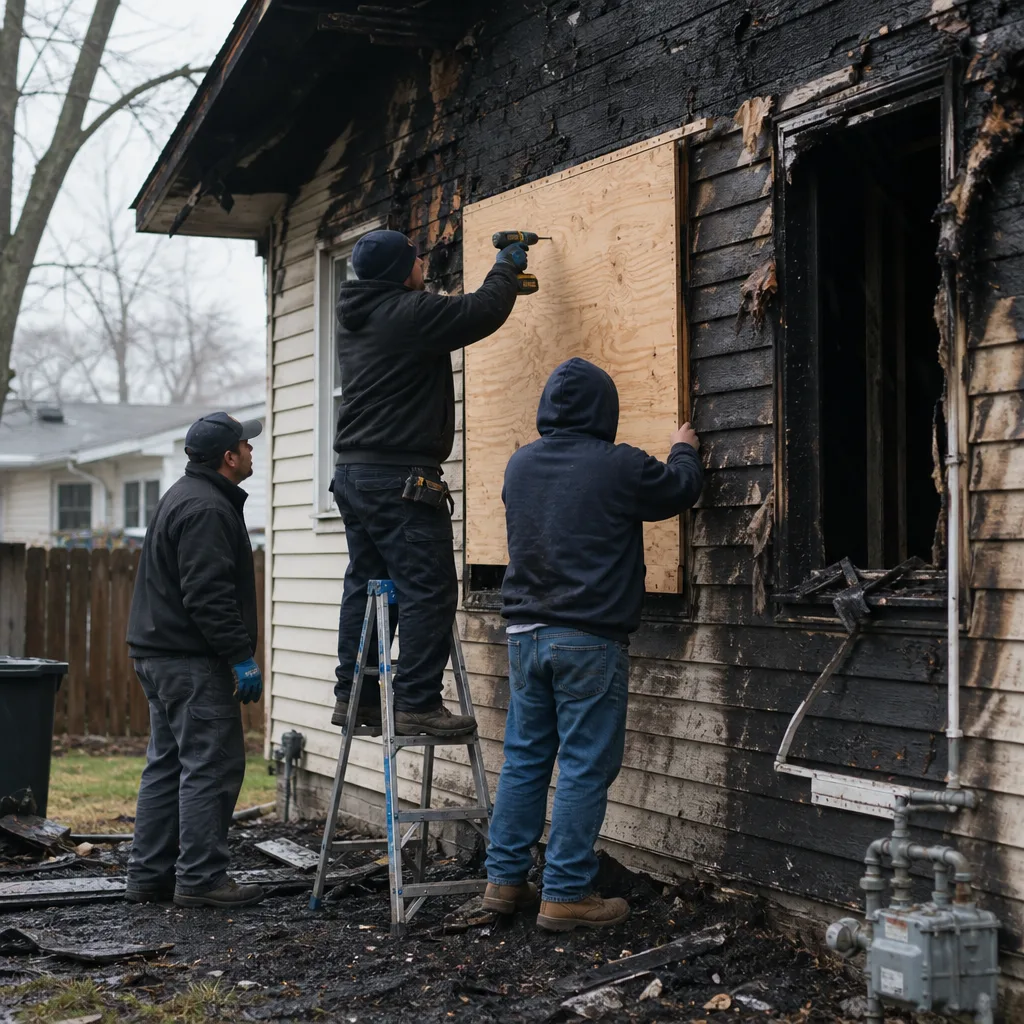
Crawl Space Sewage Removal
Getty Square’s older rowhouses and pre-war homes often have shallow, hard-to-reach crawl spaces where sewage backs up from failed laterals and sits against masonry and wood framing. We extract the waste, remove contaminated soil, apply antimicrobial treatment to every structural surface, and dry the space to the documented standard. We do not skip the crawl space because it is inconvenient to reach. That is exactly where the damage keeps working.
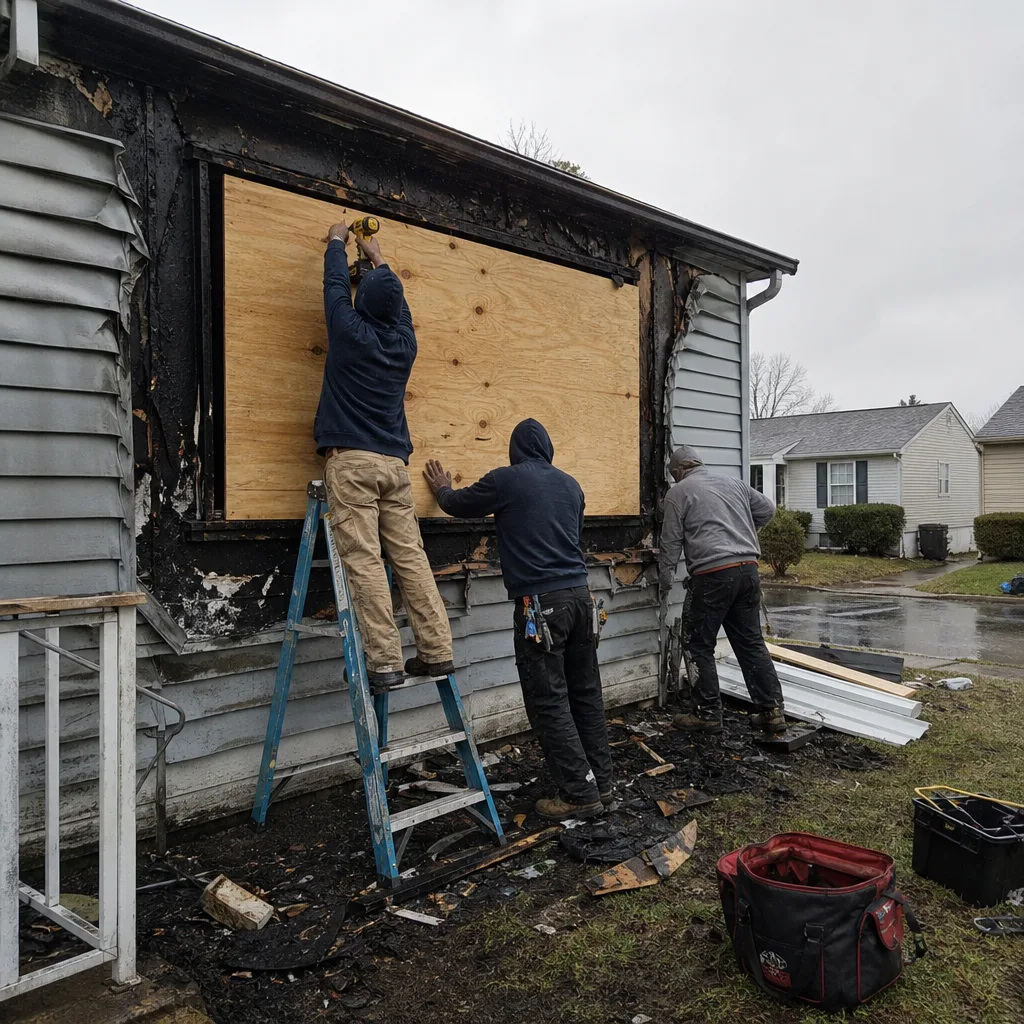
Toilet Overflow Cleanup
A toilet overflow in a Getty Square tenement with plaster walls turns serious fast, because the water wicks upward behind the baseboard and into the wall cavity before the puddle even reaches the hallway. We cut to the lath line, extract, dry, treat, and rebuild so the loss ends in days, not in a recurring musty smell.
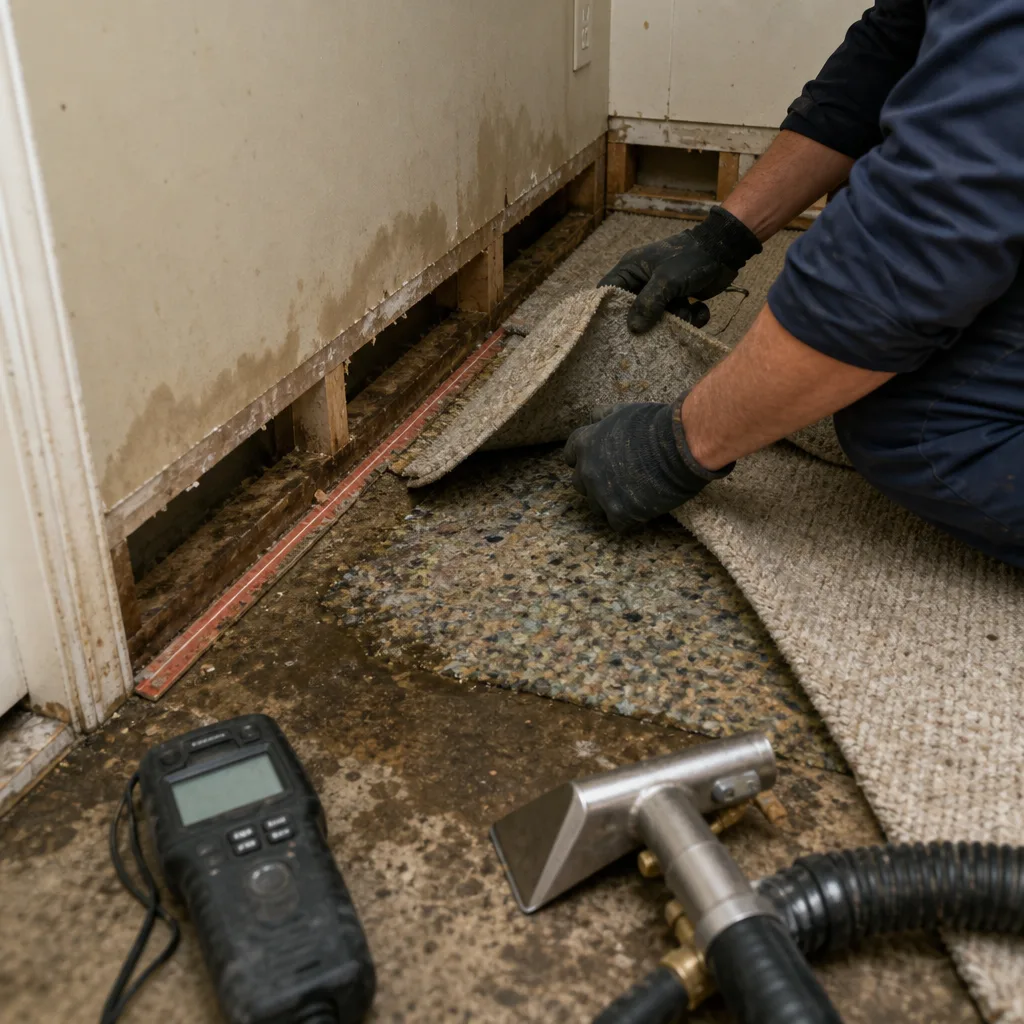
Sanitization & Disinfection
After black water extraction, every square inch of the affected area gets treated with EPA-registered antimicrobial products. We run HEPA air scrubbers through the process, and we document the treatment so your insurer sees exactly what was done and where.
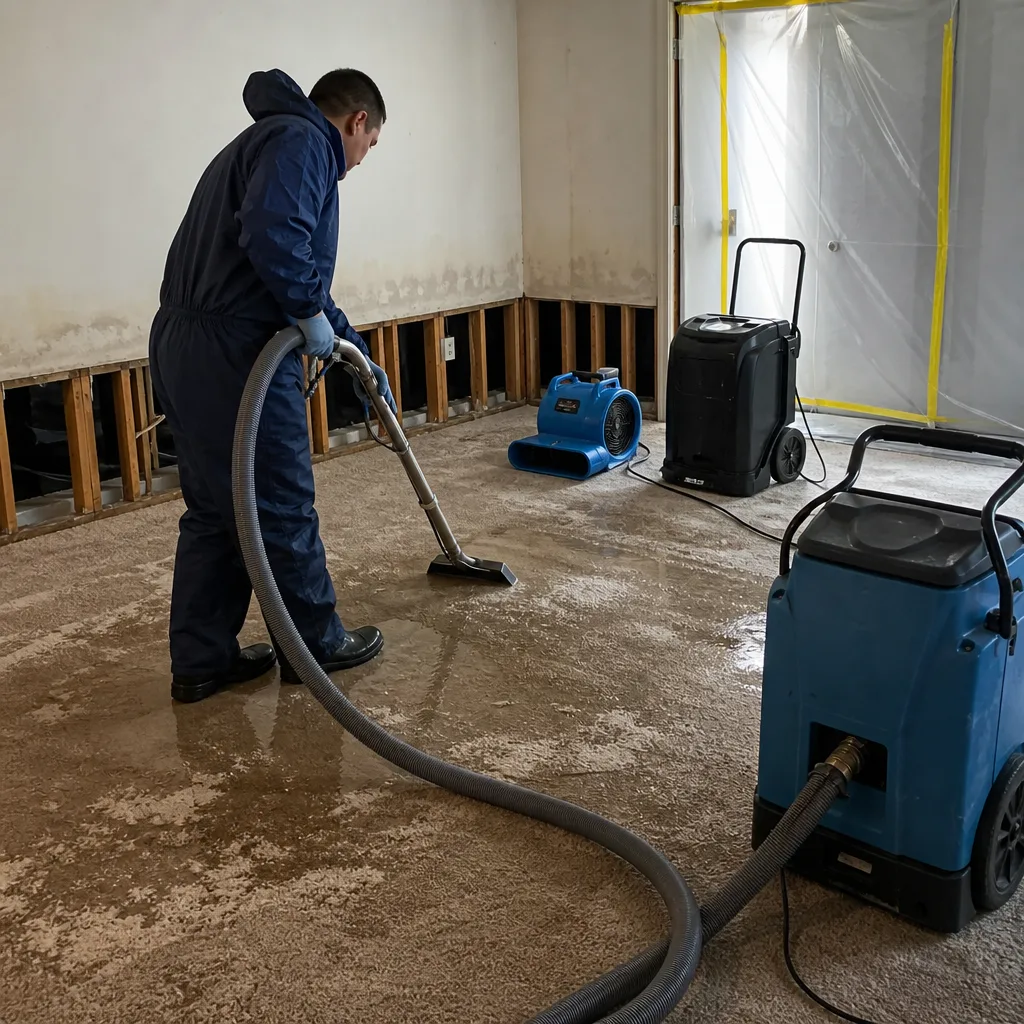
Septic Failure Cleanup
Some Getty Square properties still rely on older septic systems with aging laterals that fail without warning. When effluent surfaces in the yard or backs into the basement, we handle the extraction, the sanitation, and the coordination with a septic contractor, then restore the structure to pre-loss condition.
What happens when you call
- 1
A real person answersNo phone trees - you reach a local pro.
- 2
You get an upfront price rangeHonest numbers before anyone is dispatched.
- 3
A background-checked tech heads outLicensed & insured, dispatched right away.
- 4
You approve before work beginsNothing starts until you say go.
Sewage Cleanup Costs in Getty Square, NY
Honest numbers matter, so here they are. A straightforward toilet overflow cleanup in a Getty Square apartment bathroom, caught early without wall penetration, typically runs $400 to $900. A basement sewage backup from a floor drain, requiring containment, extraction, antimicrobial treatment, and drying, usually lands between $1,800 and $4,200 depending on square footage and what saturated. A full category 3 event with plaster cutout, joist end repair, and structural drying runs $6,000 to $14,000 or more, especially in the tenement buildings along South Broadway where salvage and rebuild labor are intensive. What moves the price: how far the water wicked, whether crawl spaces are involved, and how much finish material must come out. Every one of our estimates comes from a free visual inspection and a written line-item scope. The number you see is the number you approve, and we handle the insurance billing directly. Call (640) 356-1140 for an exact quote. The inspection is free, and you’ll know exactly where you stand.
Why the Buried Saw Mill River Changes Everything
Most sewage cleanup companies approach every backup the same way: extract, dry, sanitize, done. But Getty Square sits on top of a partially buried river, and that changes the physics of the problem. The Saw Mill River runs beneath the streets in a culvert, and it holds the local water table higher than the surrounding terrain would suggest. When hydrostatic pressure builds after heavy rain, water pushes up through foundation cracks and slab joints, carrying with it whatever contaminants sit in the soil around your building. In buildings with combined sewer connections, the same pressure pushes back against the municipal line, and black water comes up through floor drains even when your own pipes are clear. That is not a plumbing leak. That is the neighborhood’s hydrology asserting itself. Our crews in Getty Square diagnose the difference between a failed lateral, a combined sewer backflow, and a high water table event before we write the scope, because treating the wrong cause means the next heavy rain brings the same mess back.
We Also Serve Cities Near Getty Square
Our crews also respond to sewage backups and black water events in Bronxville, Dobbs Ferry, Hastings-on-Hudson, and Northeast Yonkers. Same live answer, same 45-minute response commitment, same written scope before work begins.
Getty Square Sewage Cleanup Questions, Answered
Why does my Getty Square basement floor drain back up with raw sewage during heavy rain even when my own pipes are clear?
Because Getty Square sits on a combined sewer system originally engineered around the buried Saw Mill River. During heavy rain, stormwater enters the same pipes that carry sewage, and when the system exceeds capacity, the overflow finds the lowest release point: basement floor drains in low-lying buildings. Your own pipes may be perfectly clear. The problem is municipal, tidal, and geographic. We document it properly for your insurer, because many carriers need proof that the backup was not a private plumbing failure. Call (640) 356-1140 and we’ll trace the cause.
How does the Saw Mill River running beneath the streets affect sewage cleanup in my building?
The buried river raises the local water table, which increases hydrostatic pressure against your foundation and basement slab. That pressure pushes groundwater up through cracks, and in combined sewer zones it worsens backflow through floor drains. Cleanup in this environment means drying masonry to a deeper standard and testing whether the water that entered is category 2 or category 3. We read those conditions before we write the scope.
What should I do right after a toilet overflows in a Getty Square tenement building with plaster walls?
Stop using the fixture, shut off the water supply behind the toilet if accessible, and call (640) 356-1140. Do not run fans from a big-box store and hope the wall dries. Plaster wicks moisture upward fast, and the cavity behind the baseboard will hide sewage water. The sooner we cut to the lath line and start extraction and drying, the less finish material you lose.
Can you clean up sewage that backed up into a crawl space under an old Getty Square rowhouse?
Yes. We remove the sewage, extract contaminated soil, apply antimicrobial treatment to all structural framing and masonry, and dry the space to the documented standard. Crawl spaces in Getty Square’s older housing stock are where black water hides longest and where rot does its most expensive work. We treat them as seriously as any living space.
Does FEMA flood insurance cover sewage backup cleanup in Getty Square’s Special Flood Hazard Zone?
FEMA flood insurance covers sewage backup only when the backup is a direct result of flooding. A sewer-only backup with no floodwater generally falls outside flood coverage, though a separate sewer backup endorsement on your homeowners policy may apply. We document the loss so your adjuster can make an accurate determination, and we bill your carrier directly either way. Call us and we’ll walk you through the paperwork path.
How fast can a crew actually get to my property in Getty Square?
Our commitment is 45 minutes to most Getty Square addresses, and often much less. We stage crews in and around the neighborhood, and a live dispatcher starts the response the moment you call (640) 356-1140. No call center, no hold music, no Tuesday appointment.
Will my insurance cover sewage cleanup, or is this out of pocket?
Most standard homeowners policies cover sudden and accidental sewage backup if you carry the sewer backup endorsement. The claim depends on the cause, the documented category of water, and the policy language. We give your adjuster everything they need: photos from the first hour, moisture logs, containment documentation, and a line-item scope. We bill the carrier directly, so you are not fronting the cost while the claim processes.
How long does sewage cleanup and drying take in a Getty Square basement?
Extraction and contaminated material removal usually happen in the first day. Structural drying in these older masonry buildings typically takes 3 to 7 days, sometimes longer when the water table is high and the masonry keeps feeding moisture back into the framing. We give you a written timeline at inspection, and we stick to it.
Are your technicians actually certified for sewage and black water work?
Yes. Floodline Restoration Co. technicians are background-checked, uniformed, and certified through IICRC to the water damage restoration and applied microbial remediation standards. They work to RIA and IFA training benchmarks and use professional-grade Dri-Eaz, Phoenix, XPOWER, and B-Air equipment on every job. You can ask to see credentials at the door.
Serving Getty Square, NY - Our Local Coverage Area
We’re based in the Getty Square area and know this community well. Use the map below to see our service coverage - if you’re nearby, we can almost certainly help.
Call Floodline Restoration Co. for Sewage Cleanup in Getty Square
If you’ve got sewage backing up in Getty Square, don’t wait to see how bad it gets. Call (640) 356-1140 now. A live person answers, day or night. We’ll send a certified crew, do a free visual inspection, and hand you a written scope before any work starts. Sewage keeps working on your building even after the water stops moving. Get us there while you still have walls left to save. The 90-Day Done Right Promise comes with every job we do: if it’s not done right, we make it right. In writing, no arguing.
Written by Curt Bowman, Owner at Floodline Restoration Co., serving Getty Square and the surrounding Hudson River communities.