
Free visual inspection and a written scope of work before any mitigation begins - photos, moisture readings, and drying logs go in your claim file
The scope we write is the scope we bill. Anything new gets shown to you, in writing, before we touch it.
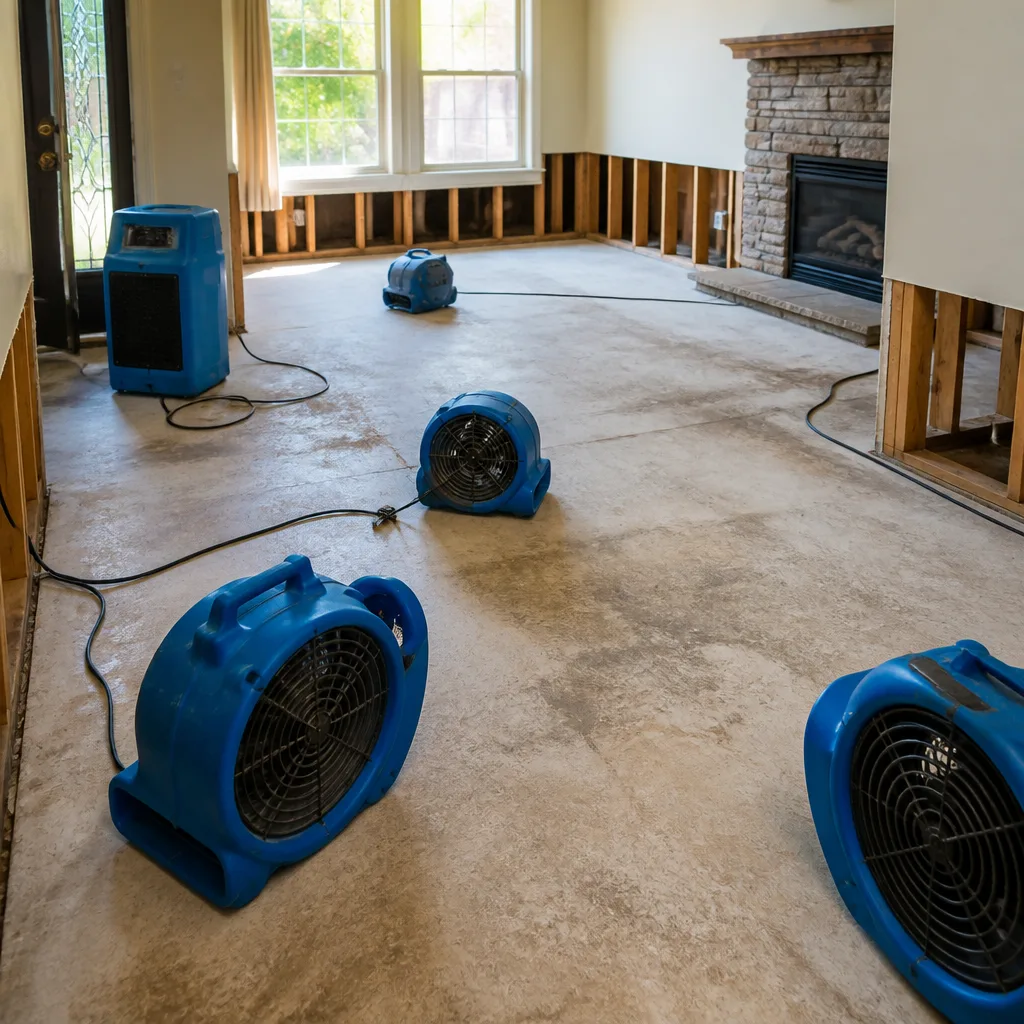
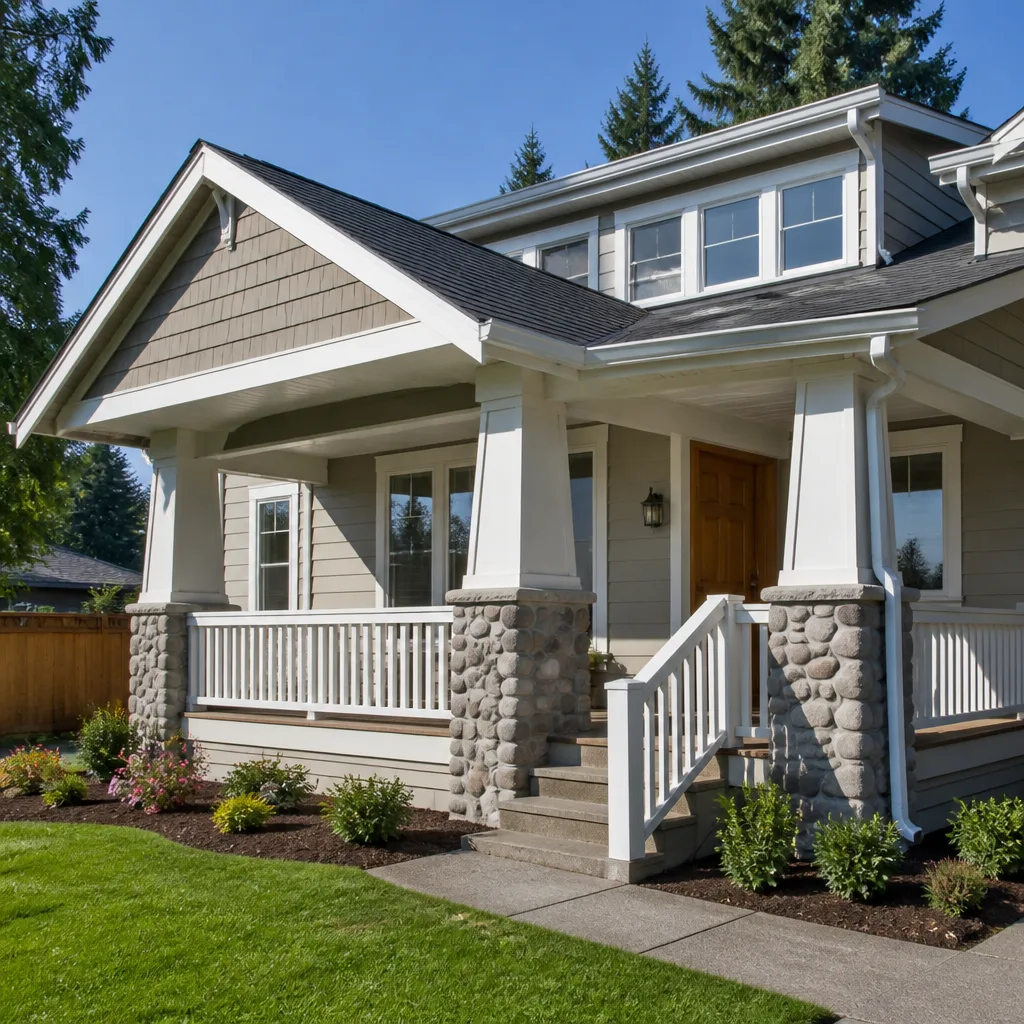
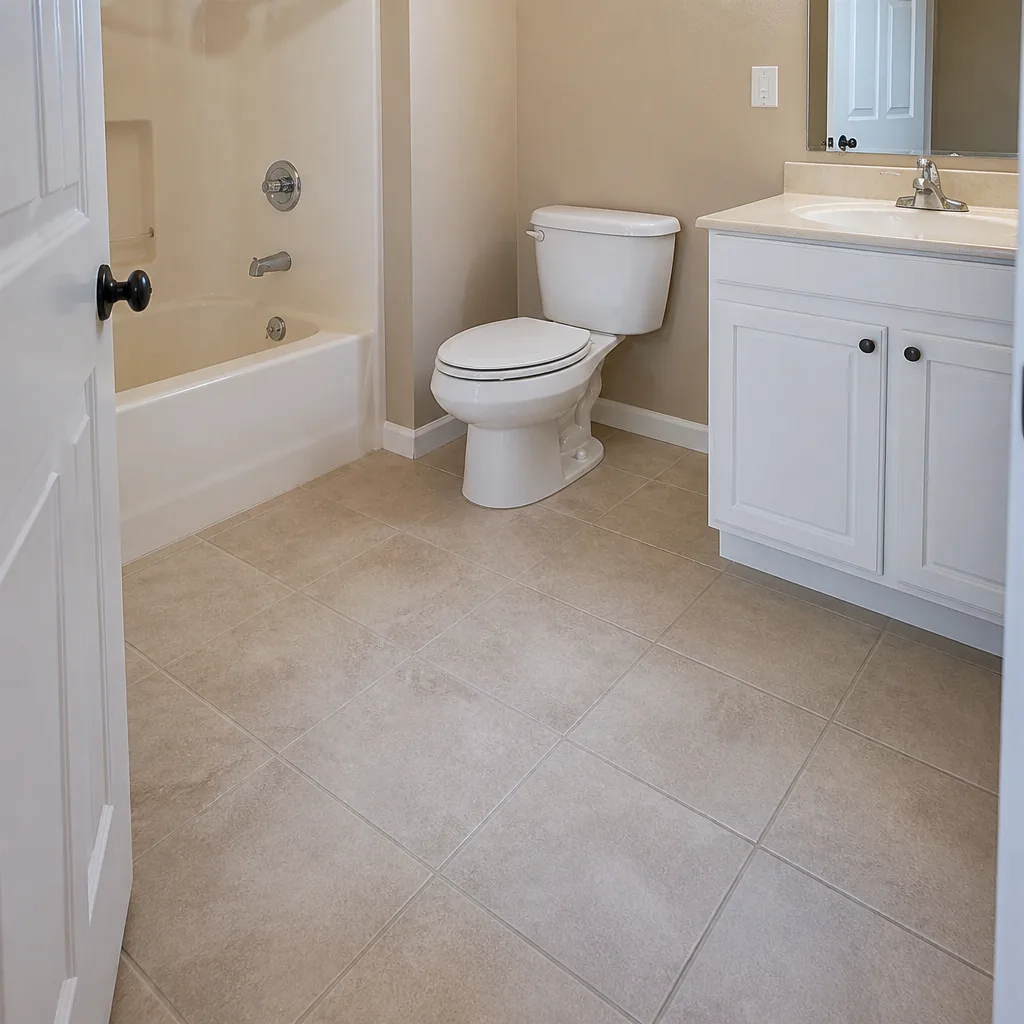
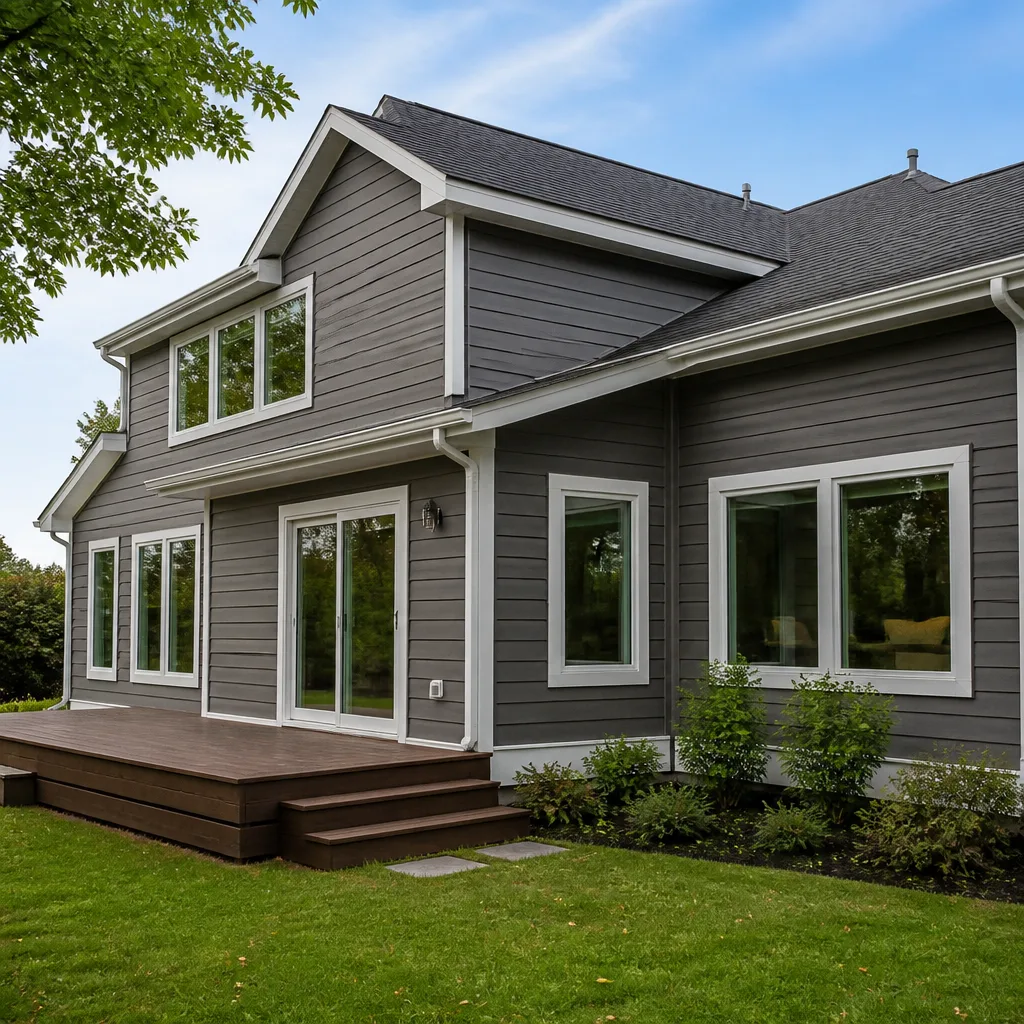
 Before
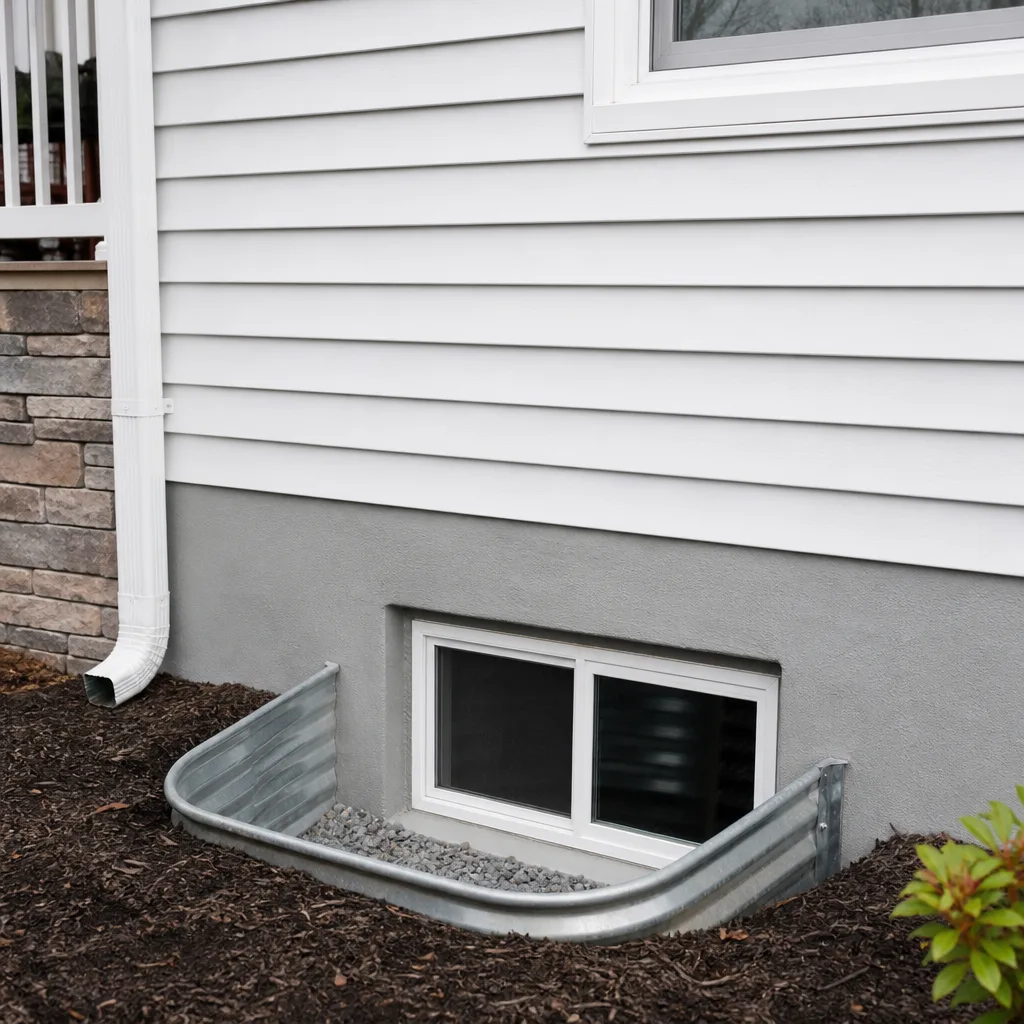 After
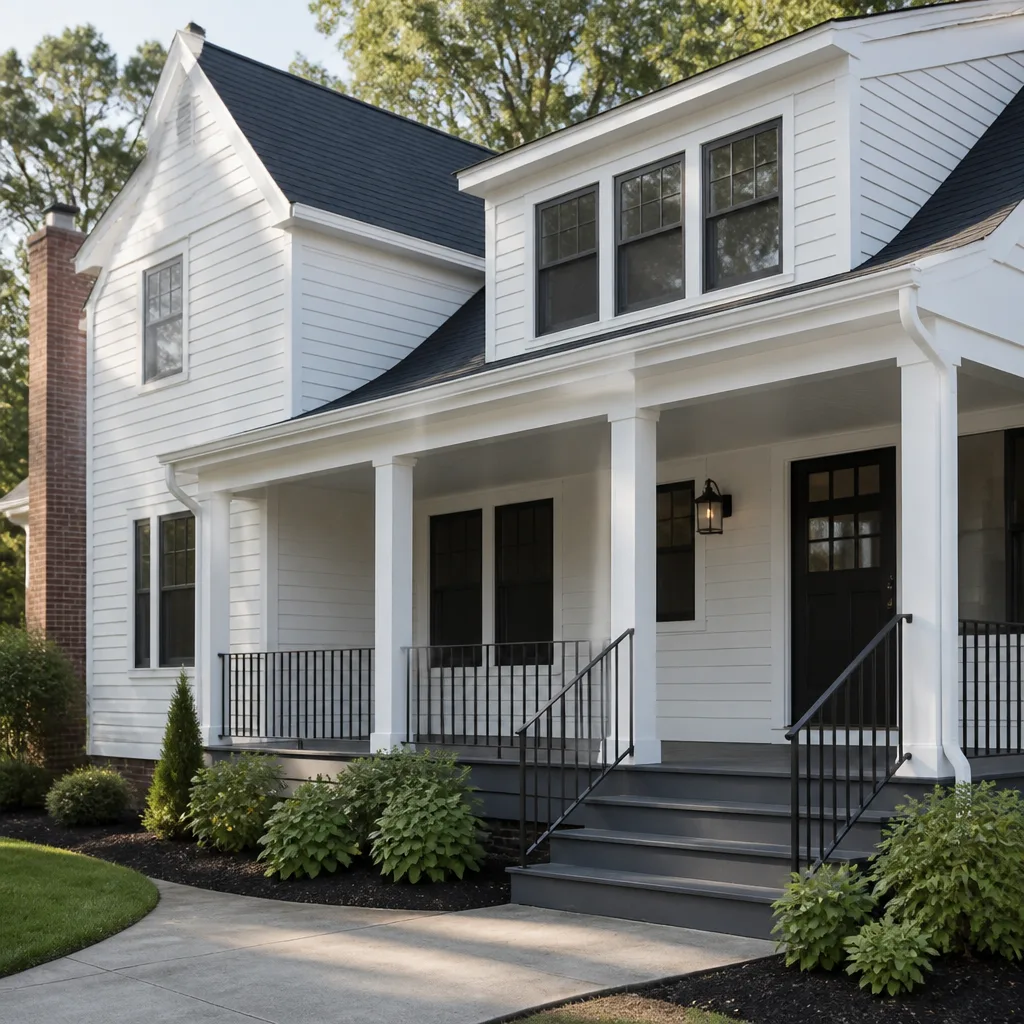
After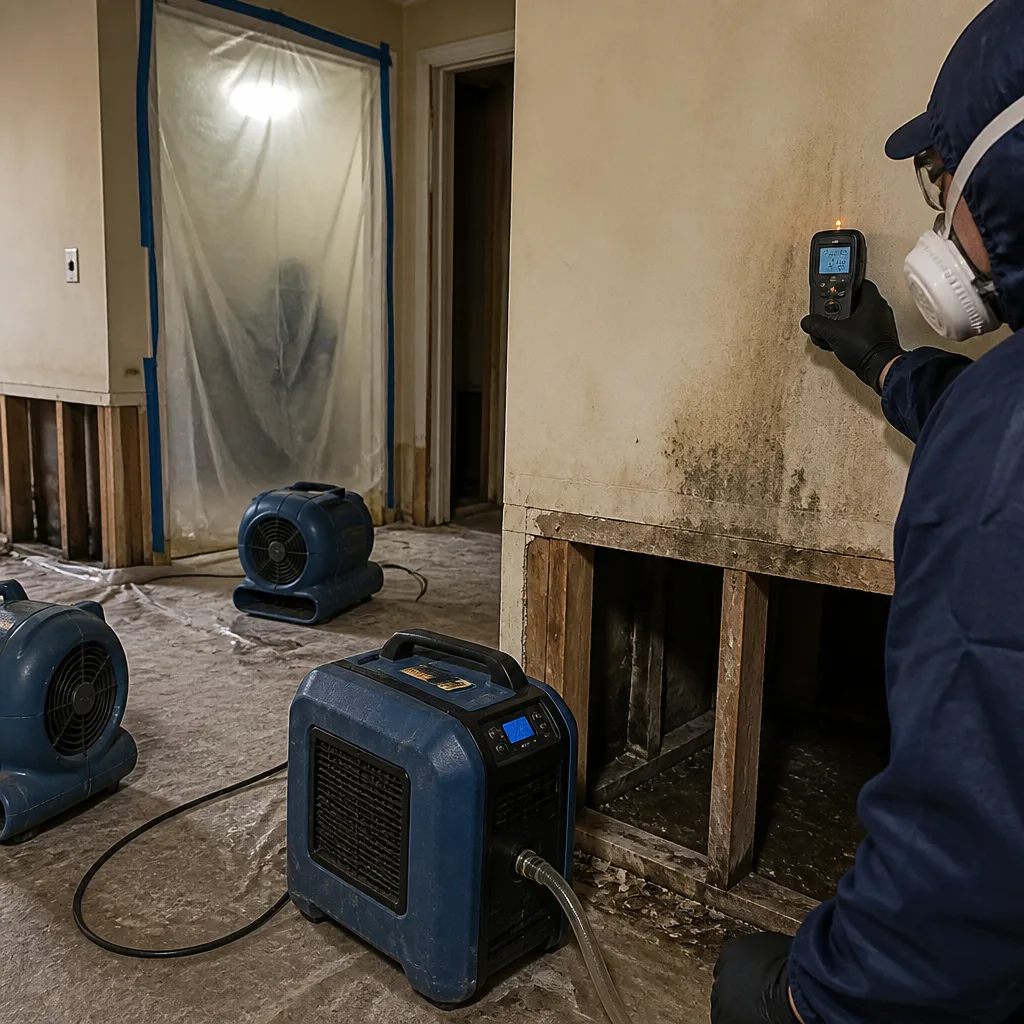 Before
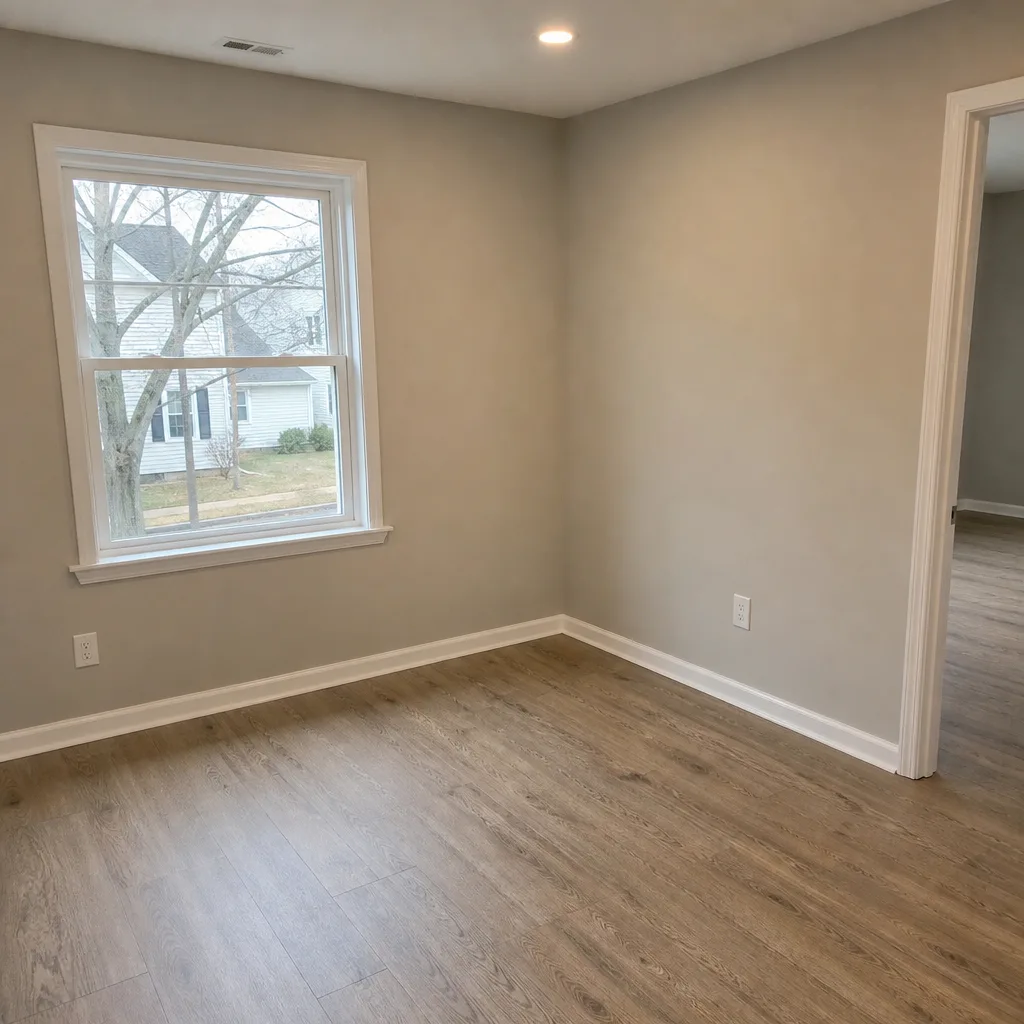 After
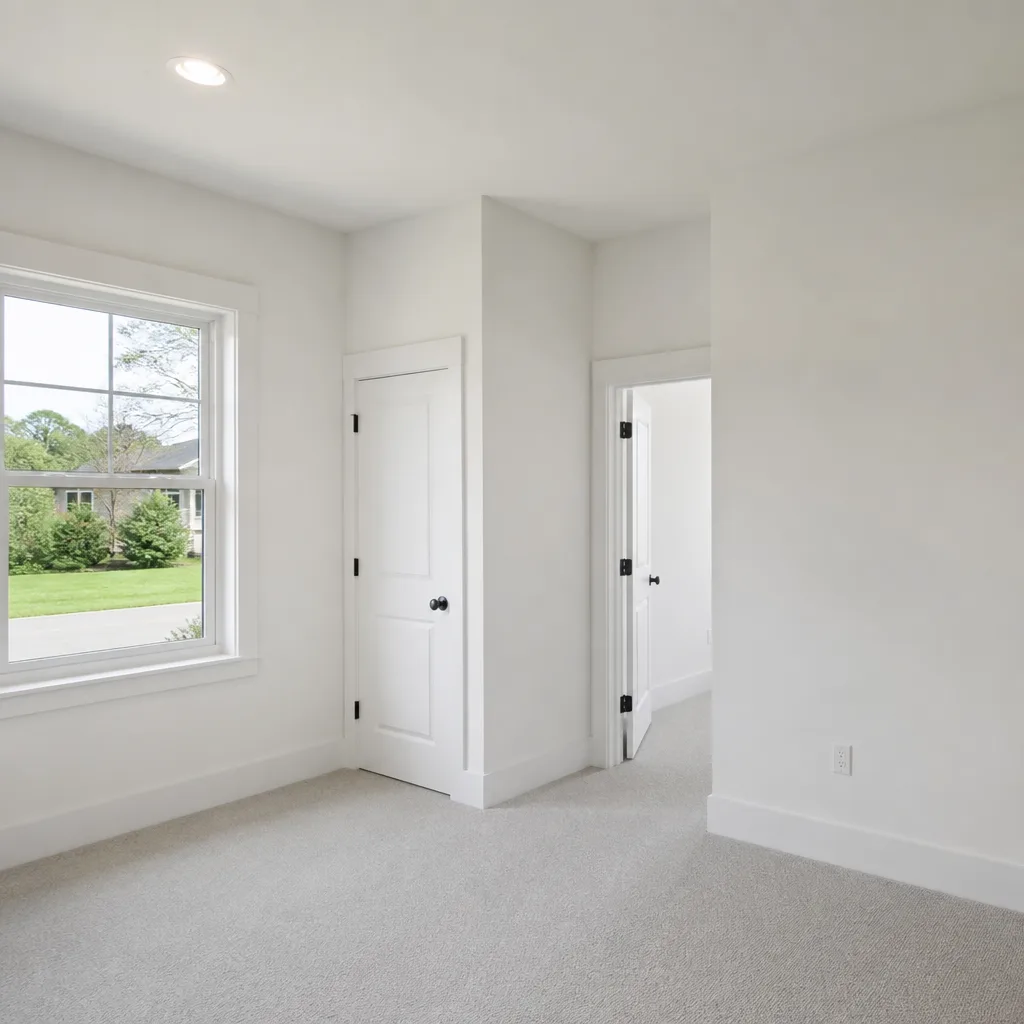
After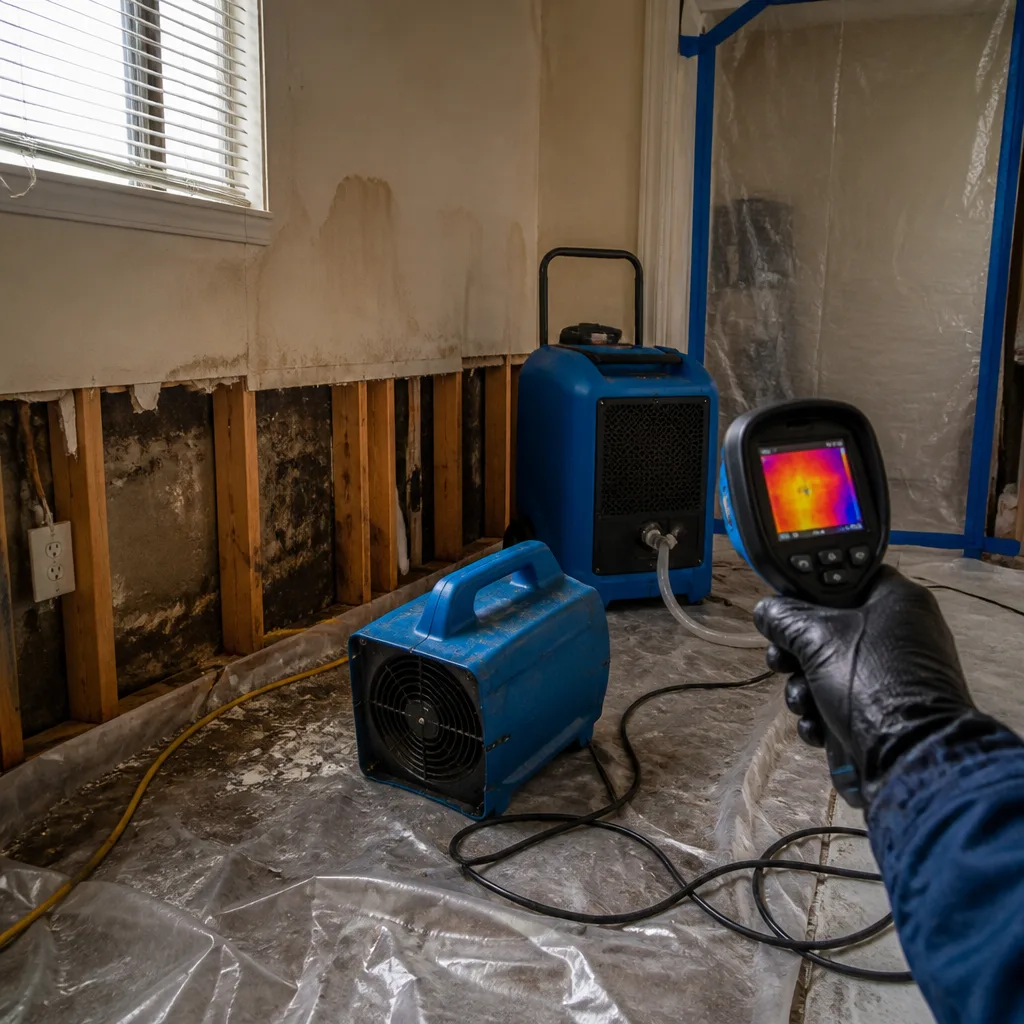 Before
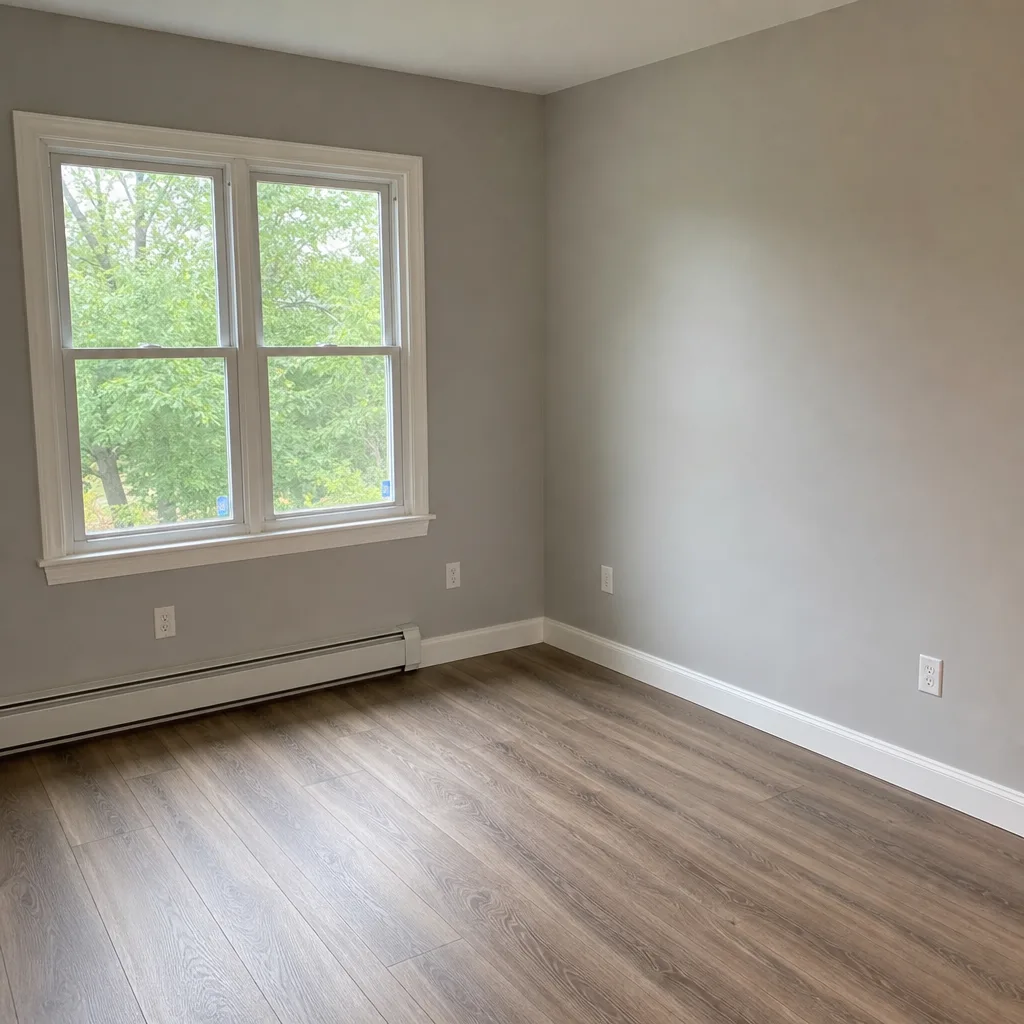 After
After24/7 Emergency Storm & Disaster Restoration in Southeast Yonkers
Storm damage in Southeast Yonkers doesn’t wait for business hours, and neither do we. A live dispatcher answers (640) 356-1140 any hour, any day, and a certified crew rolls into Southeast Yonkers neighborhoods fast enough to tarp a roof, board a blown-out window, or start water extraction before the damage spreads into shared wall cavities or the unit below. The first hour matters because water from a torn parapet flashing or a busted skylight is already wicking through 1920s plaster and into adjacent floor joists by the time you’ve finished making coffee. We’ll walk the property, document the damage, and give you a straight scope of work on the spot. Free visual inspection, no obligation, and no sales pitch while water is still running down your stairwell.
Key Takeaways
- Live answer, 24/7, with crews dispatched to Southeast Yonkers within 45 minutes
- Wind-rated board-up and tarping that meets Yonkers inspection standards
- One certified crew handles extraction, drying, and reconstruction
- Direct insurance billing and documentation your adjuster accepts
Understanding Storm & Disaster Restoration Severity in Southeast Yonkers Properties
Storm damage in Southeast Yonkers hits differently than in the suburban single-family towns north of here. The housing stock is dense, attached, and old: brick and wood-frame walk-ups and row houses built between 1910 and 1955, sharing masonry party walls and structural cavities that do not respect property lines. When a nor’easter tears flashing off a flat roof, water enters at Category 1 (clean, from rain or supply), but within 48 hours it becomes Category 2 or 3 as it picks up dust, rodent waste, and the contents of old cast-iron drain stacks. Wind-driven rain pushing through damaged parapets often channels down the inside of brick cavities, meaning the visible ceiling stain on the third floor is a poor map of where the moisture actually sits. We use thermal imaging and penetrating moisture meters to map the full extent, not just the visible stain. Soot and smoke from lightning-strike fires leave protein residue that requires specialized cleaning, not just repainting. In these attached buildings, the severity is rarely what the homeowner can see from the living room.
Why Southeast Yonkers Property Owners Choose Floodline Restoration Co.
- 45-minute response commitment to Southeast Yonkers, with crews already staged in the area for the next storm front.
- A real person answers the phone at 2 a.m., not a recording or voicemail prompt. You speak to a dispatcher who can send a truck.
- IICRC-certified crews with WRT (Water Damage Restoration Technician) and FSRT (Fire & Smoke Restoration Technician) training, plus RIA and IFA standards.
- Free visual inspection with a written scope before any work begins. You’ll know the number before we start.
- Direct insurance billing. We document, we photograph, we talk to your adjuster, and we take the carrier billing off your kitchen table.
- One team from extraction to reconstruction. The crew that maps the moisture is the same crew that hangs the drywall. No handoff.
Our Storm & Disaster Restoration Process
Inspection & Assessment
We walk the entire loss site with thermal imaging and penetrating moisture meters, mapping water paths through shared cavities and checking for wind damage to parapets, roof edges, and exterior doors. The written report includes exactly what we found, where the water sits, and what needs to happen.
Extraction & Stabilization
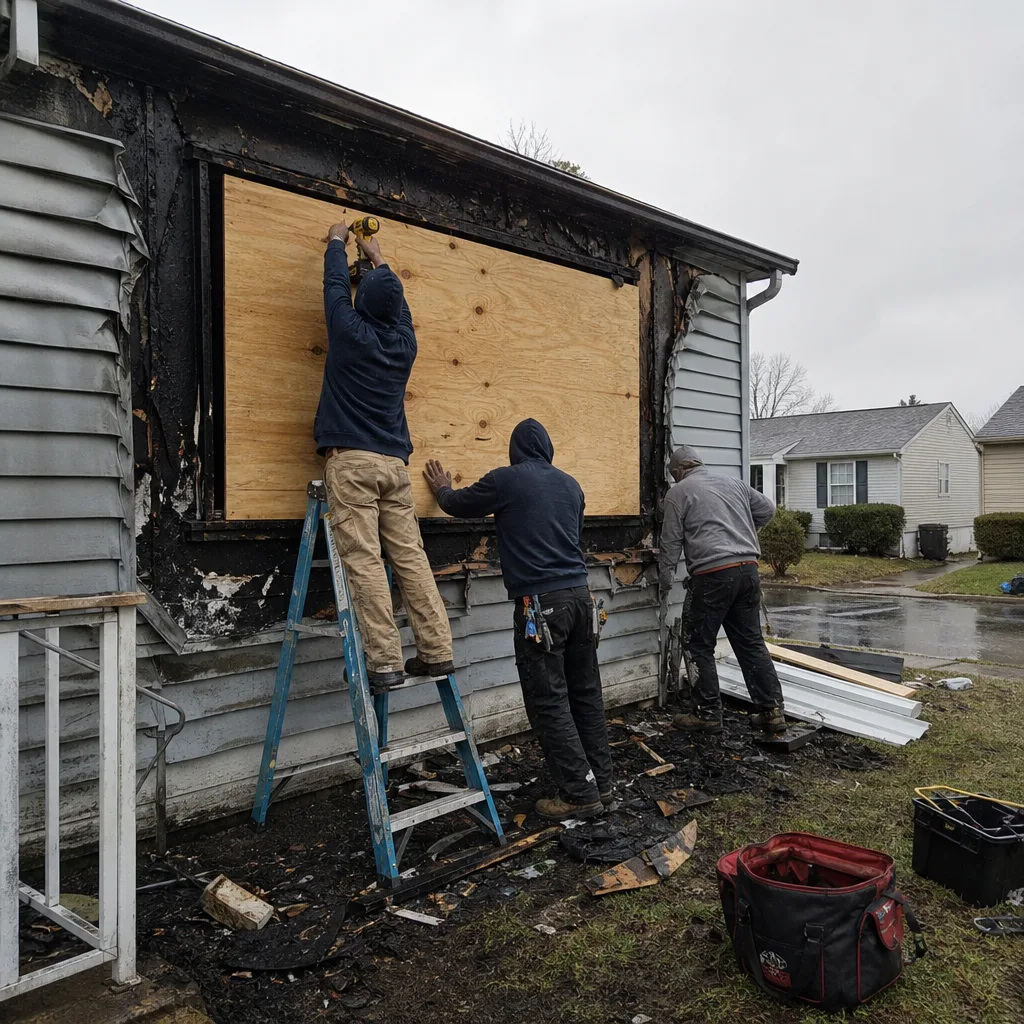
Submersible pumps and truck-mounted extraction pull standing water from floors and basement slabs. Roof tarping and emergency wind-rated board-up happen the same visit, so no additional rain or wind load enters the structure while we work.
Drying & Dehumidification
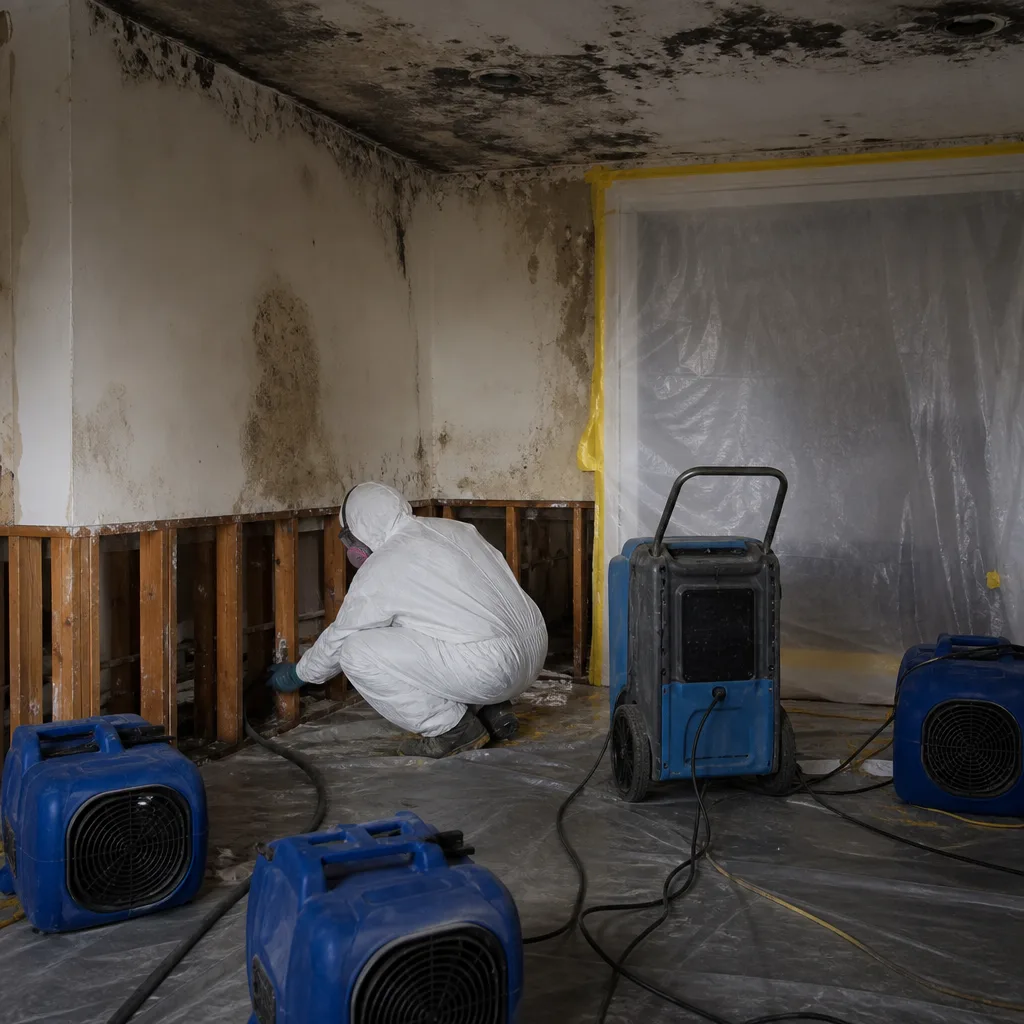
We set Dri-Eaz and Phoenix air movers and LGR dehumidifiers inside affected units only. If a moisture map shows water in a neighbor’s shared cavity, we stop at the property line and get written authorization before staging any equipment across it. Daily hygrometer readings are logged for you and your carrier until the dry standard is met.
Cleaning & Sanitization
HEPA air scrubbers run during demolition and cleaning to capture airborne soot, mold spores, and insulation fibers. Hard surfaces get antimicrobial treatment; soft goods are packed out and cleaned or documented for replacement.
Specialty Storm Repair Treatment
Wind-rated door and window replacements, parapet flashing repair, and roof edge reconstruction are completed to Yonkers code, not just patched. We coordinate any required hazardous-material assessment with abatement before opening walls in these pre-1955 buildings.
Repairs & Restoration
The same crew rebuilds what was torn out: drywall, trim, paint, flooring, doors, and millwork. The job isn’t done until the Keystone Standard is met and the 90-Day Done Right Promise is in your hand in writing.
Need Emergency Storm & Disaster Restoration in Southeast Yonkers Now?
Crews minutes away, answering live 24 hours a day. The sooner we start, the less it costs.
Working With Your Insurance Company
Most storm losses in Southeast Yonkers are covered, but the claim needs the right paperwork from the first hour. We photograph every room, every item, every moisture reading, and every layer of demolition as it’s opened. Our line-item scopes are written in the same format insurers use, which shortens the back-and-forth and gets your settlement moving. You won’t be the one calling your adjuster six times to explain what a parapet is. We handle that conversation directly, and we bill the carrier directly, too. The homeowner stays out of the middle.
What We Provide Your Insurer
- Thorough documentation of the loss from the first walkthrough
- Photos of all damage, room by room, floor by floor
- Moisture readings and daily drying logs for every affected space
- A detailed, line-item scope of work with reasoning for each line
- Direct coordination with your carrier, including phone calls and documentation
Built for Southeast Yonkers’s Loss Calendar
Southeast Yonkers gets hit in a rhythm, and the rhythm changes with the calendar year. January and February bring freeze-thaw cycles, where ice dams load flat and minimally pitched roofs on Homefield and Park Hill walk-ups, then melt into top-floor apartments through deferred parapet flashings and roof drains. March and April are nor’easter season: wind-load failures on exterior doors, torn roof edges, and water intrusion through shared masonry walls. Summer thunderstorms send the aging combined sewer system backward into basements, and that water is not clean. It’s rising up from the municipal line, carrying Category 3 contamination. Then September through December is the quieter stretch, which is exactly when smart Southeast Yonkers owners schedule wind-rated door replacements and parapet reinforcement, before the cycle starts again. We plan our Southeast Yonkers response around this calendar because we’ve been working it for years through our Storm & Disaster Restoration team.
Storm & Disaster Restoration Across Southeast Yonkers’s Neighborhoods
The response routes in Southeast Yonkers change block by block. In Park Hill, the brick row houses along McLean Avenue and Kimball Avenue run close to the Bronx line, and many share parapet walls with buildings under separate ownership. A wind-damaged roof edge on one side of the party line sends water into a neighbor’s cavity before anyone notices. Response there means immediate containment at the property line and written communication with the adjacent owner. Over in Homefield, the 1920s attached brick walk-ups have flat roofs with scuppers that clog with leaves and ice; water backs up and finds the path of least resistance, usually a top-floor closet ceiling. Getty Square and the blocks near South Broadway deal with aging commercial storefronts and mixed-use buildings, where wind damage to a plate-glass door needs emergency board-up and a code-compliant wind-rated replacement fast. Each Southeast Yonkers corridor has its own patterns, and we run the same routes enough to know which buildings carry which roof types, which parapets fail first, and where the sewer backups happen in July.
Specialized Storm & Disaster Restoration Services We Offer in Southeast Yonkers
Wind Damage Repair
Wind-load failures in Southeast Yonkers are rarely simple. When a nor’easter tears off a parapet flashing or bows an exterior door, the repair must meet Yonkers wind-rating code, not just look fixed. We rebuild rooflines, flashings, and door frames to the correct wind-load specification for this exact exposure, then reinforce anything that failed once.
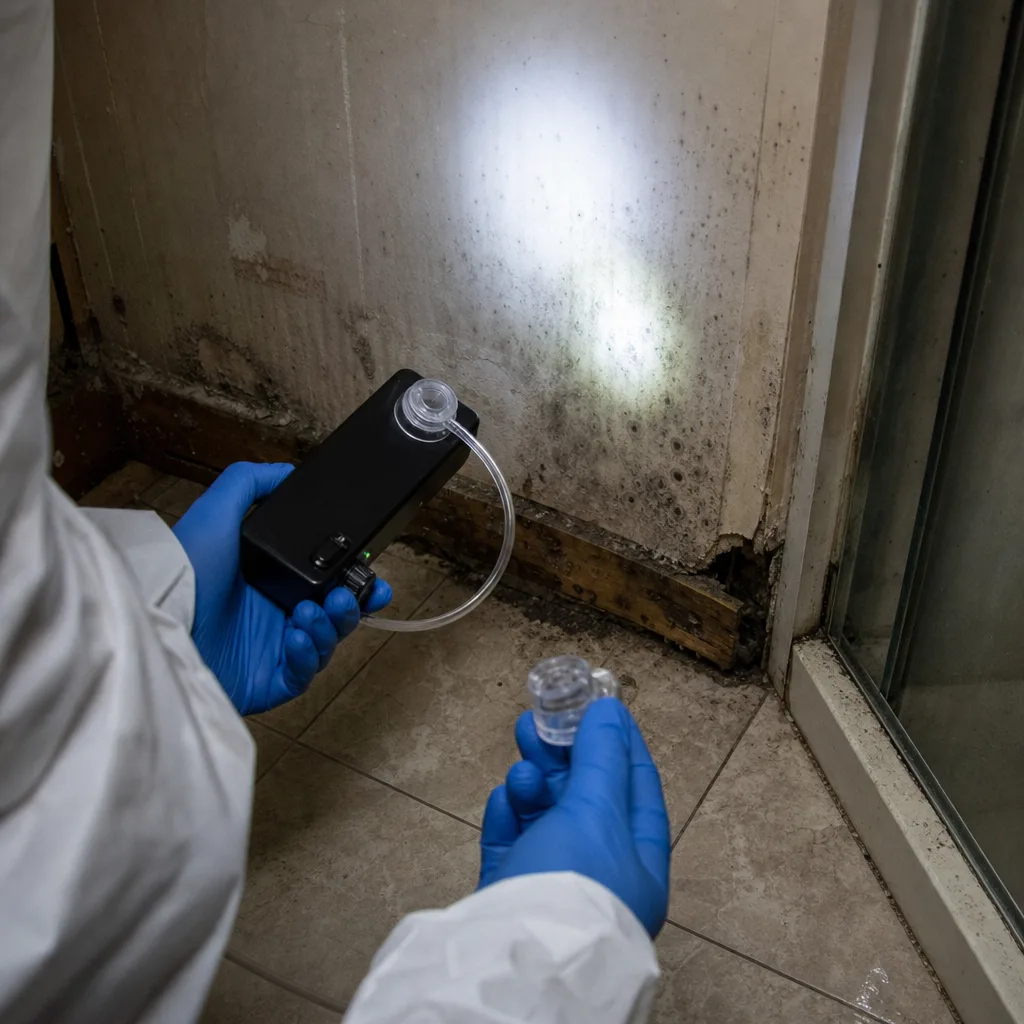
Emergency Board-Up
Blown-out doors and windows on Southeast Yonkers storefronts and walk-ups need more than plywood. Inspectors along the Bronx border expect wind-rated board-up details for anything facing the prevailing storm load. We secure openings with rated materials the same night, then schedule the permanent code-compliant replacement.
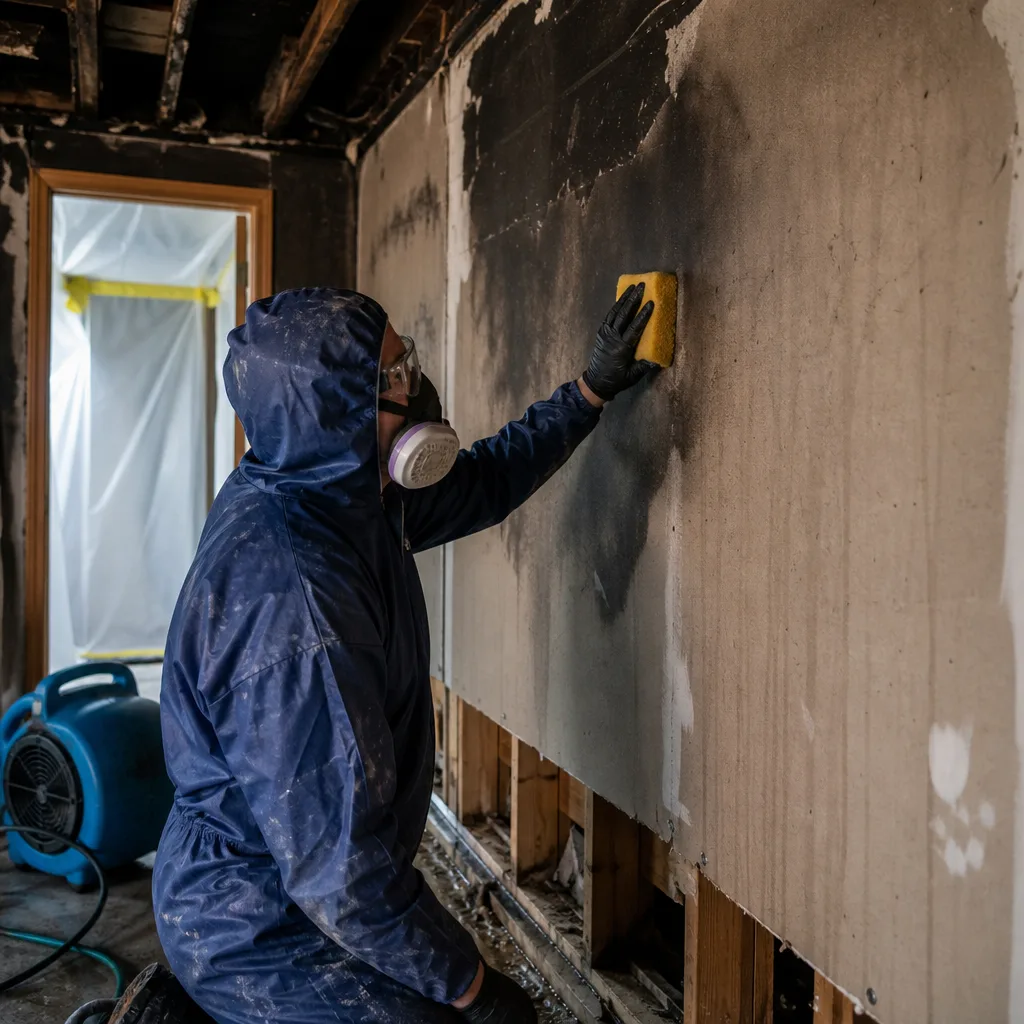
Roof Tarping
A torn roof membrane over a Homefield top-floor apartment will keep leaking every time it rains until it’s properly sealed. We tarp flat and low-pitch roofs on the same call, weighted and sealed to hold against the next nor’easter, not just the next sunny afternoon. The tarp buys time for a real repair without more water pushing through the ceiling into the shared wall cavities.
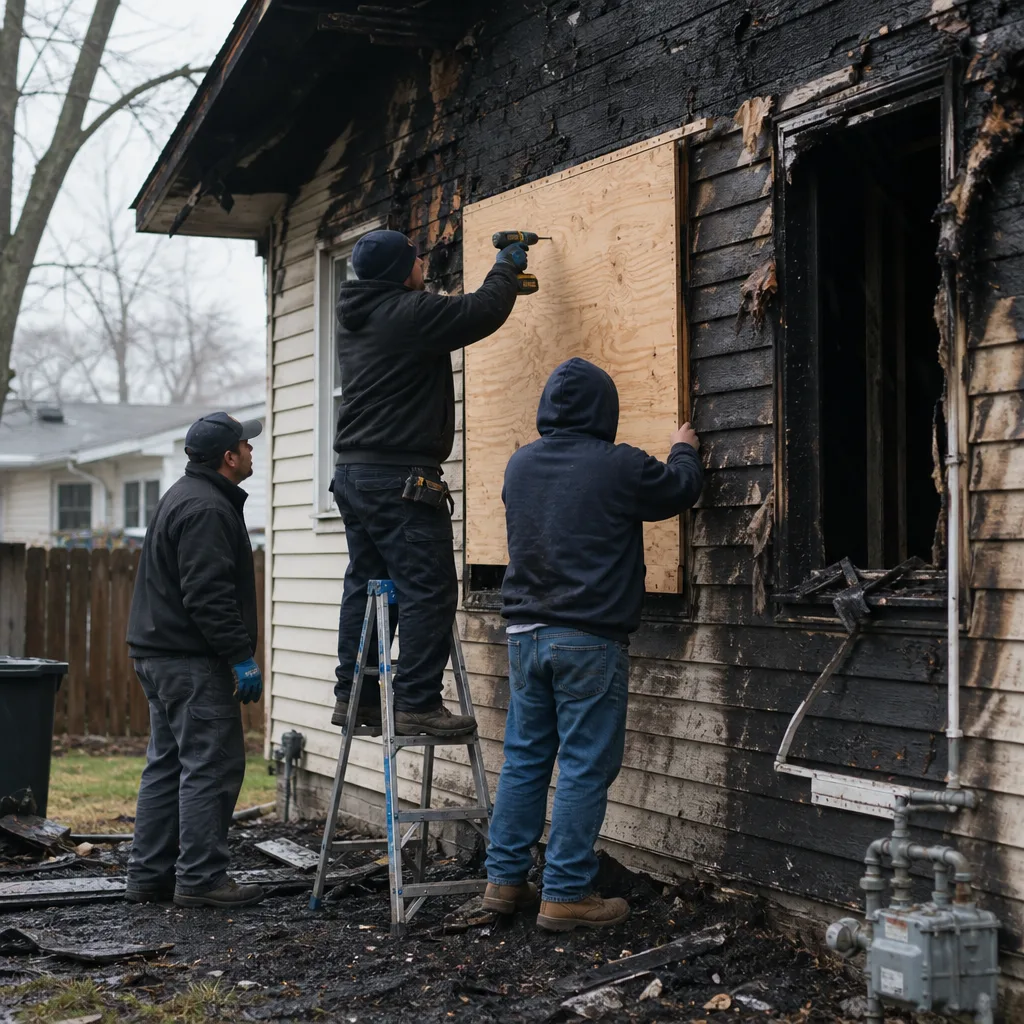
Flood Damage Restoration
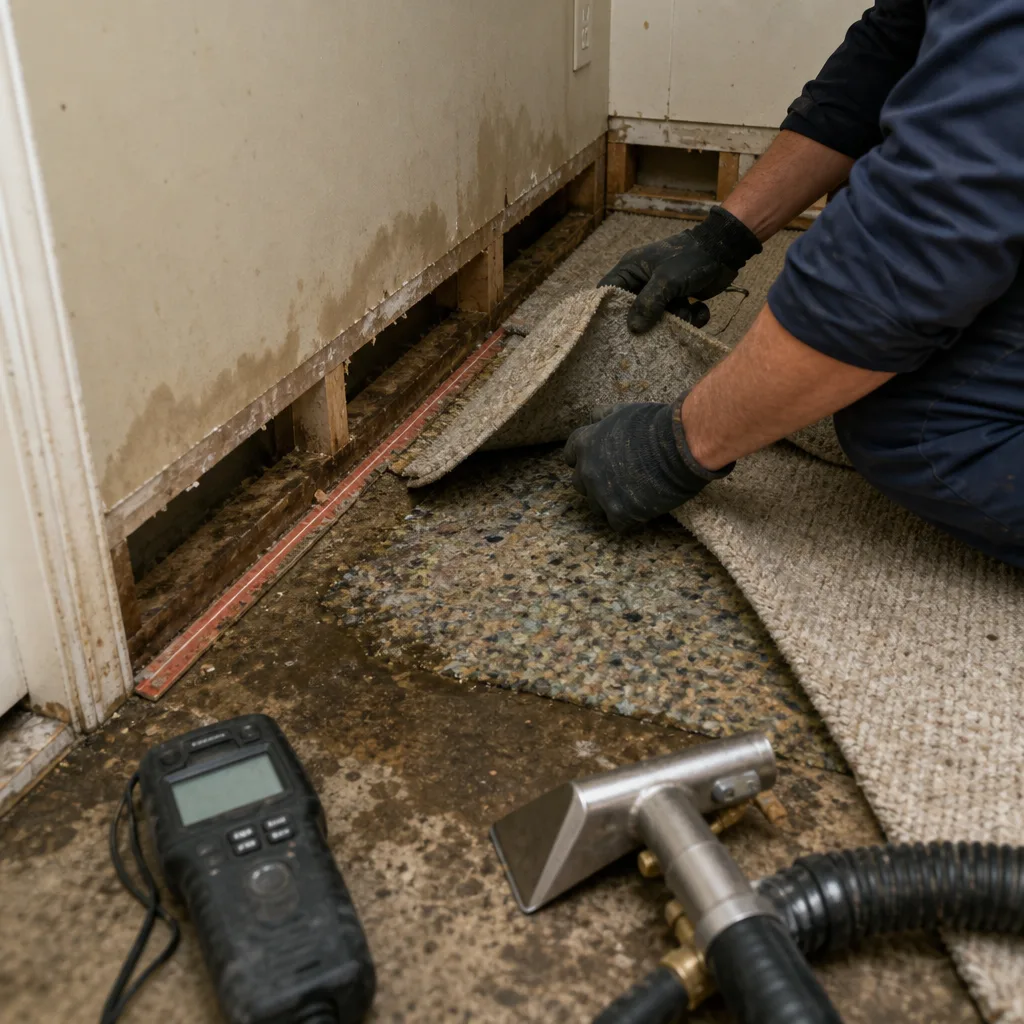
When stormwater or sewer backup floods a Southeast Yonkers basement, extraction starts immediately, then we classify the water. Category 3 from the combined system requires full containment, disposal of affected porous materials, and antimicrobial treatment, handled by certified technicians with the paperwork to prove it.
Storm Damage Cleanup
Downed limbs, debris, and wind-driven rain leave messes that hide structural problems. We remove contaminated materials, sort salvage from disposal for your insurer, and get the structure to a clean, dry, documented state before repairs begin.
What happens when you call
- 1
A real person answersNo phone trees - you reach a local pro.
- 2
You get an upfront price rangeHonest numbers before anyone is dispatched.
- 3
A background-checked tech heads outLicensed & insured, dispatched right away.
- 4
You approve before work beginsNothing starts until you say go.
Storm & Disaster Restoration Costs in Southeast Yonkers, NY
You will not get a national-average number from us. Southeast Yonkers pricing reflects what these specific buildings require. A typical emergency board-up on a storefront or walk-up door runs $450-$900, depending on the opening size and wind-rating requirement. Roof tarping on a flat-topped 1920s walk-up runs $800-$1,500, including sealing and weighting. Water extraction from a flooded basement starts around $1,200-$2,800, with structural drying adding $1,500-$4,000 more depending on the square footage and cavity access. Full wind damage repair to a parapet with masonry and flashing work typically lands between $4,000 and $12,000 in Southeast Yonkers, because the area’s pre-war brickwork and shared wall conditions leave no room for shortcuts. Insurance covers most of this when the loss is documented properly from hour one. The free visual inspection gives you a fixed number before any work starts, and the 90-Day Done Right Promise means that number is backed in writing. Call (640) 356-1140 for an exact scope. Estimates are free.
We Also Serve Cities Near Southeast Yonkers
Our crews regularly respond across the border towns and nearby villages: Bronxville, Dobbs Ferry, Getty Square, and Hastings-on-Hudson. Storm patterns don’t stop at the city line, and neither does our response.
Southeast Yonkers Storm & Disaster Restoration Questions, Answered
Does Southeast Yonkers require a different permit for storm restoration than the Bronx, even if the building is on the border?
Yes. Southeast Yonkers falls under Yonkers city and Westchester County jurisdiction, not NYC’s DOB system. If you live on a block where the Bronx line runs down the middle of the street, a restoration contractor who files a Bronx permit for a Southeast Yonkers building gets a stop-work order. We verify jurisdiction before any restoration work starts, because filing under the wrong code set means a citation, a restart, and days of delay. Call (640) 356-1140 and we’ll confirm the correct authority for your address before anything gets opened up.
How fast can mold start in a Southeast Yonkers top-floor apartment after a nor’easter roof leak into the parapet?
Mold spores need 24 to 48 hours of sustained moisture to establish in gypsum and wood, and a top-floor parapet leak in a 1920s Southeast Yonkers walk-up provides exactly that: water trapped in a shared masonry cavity with no airflow. By hour 72, the wall cavity is actively supporting growth, even if the visible ceiling stain looks small. That’s why we start extraction and structural drying the same visit, not after the insurance paperwork clears. The faster we get air movers running and humidity down, the less gets cut out later. Call (640) 356-1140 as soon as you see the stain.
Why can’t your crew just set up drying equipment in the building next door if the wall is wet from our leak?
Because that adjoining building is under separate ownership, and staging equipment in it without that owner’s written authorization is a legal trespass, even if the moisture clearly came from your side of the shared wall. In Park Hill and Homefield row houses, the structural cavities cross the property line, so our moisture map will document water in the neighbor’s wall, but we cannot legally enter or set up fans without their written consent. We coordinate that authorization quickly, because every day of delay lets mold spread inside the cavity. The documentation also matters: two separate insurance carriers may need two separate claims. Call (640) 356-1140 and we’ll walk you through the neighbor-authorization process.
Does a wind-rated door really matter for storm restoration in Southeast Yonkers, or is a standard replacement fine?
A wind-rated door matters here more than in most places. Southeast Yonkers sits directly in the nor’easter exposure path, and buildings on the higher blocks facing the open fetch get the full wind load. Yonkers inspectors expect any replacement door facing that exposure to be wind-rated, not a standard residential slab. A non-rated door may fail again in the next storm, and the inspector may flag it, which delays closeout of your permit. We install wind-rated or impact-rated doors with the correct hardware and threshold details for this exact exposure. Call (640) 356-1140 to get the right door spec for your building.
Would a summer storm backup in my Southeast Yonkers basement be Category 3 water, and what does that mean for restoration?
In most cases, yes. Southeast Yonkers is served by an aging combined sewer system that backs raw sewage into basements during heavy summer rain events. That water is Category 3: grossly contaminated, carrying bacteria, viruses, and sewage solids. Restoration requires full containment, disposal of affected porous materials like carpet pad, drywall, and insulation, and antimicrobial treatment of remaining surfaces. Any contractor who just pumps the water and sets fans is leaving a biohazard in your basement. We classify the water correctly, document the category for your insurer, and do the remediation to IICRC standards. Call (640) 356-1140 before you touch that water.
How quickly can you actually reach Southeast Yonkers when a storm hits?
We commit to a 45-minute response for Southeast Yonkers, day or night. Our crews stage in the area during forecasted nor’easters and summer storm patterns, and our dispatcher is answering live, not routing to voicemail. When you call (640) 356-1140, you’ll be talking to a person who knows the Southeast Yonkers response routes and can send a truck immediately, not a call center that opens Monday morning.
Can we stay in our Southeast Yonkers home while storm damage is being restored?
That depends on what was hit. A small roof leak into a single top-floor closet usually allows the rest of the apartment to stay occupied while we dry and repair that space, with containment set to isolate dust and moisture. A basement sewage backup or a fire that touched wiring and structural members will usually require vacating the affected floor while we work. We will give you a straight answer at the inspection, based on the actual scope, not a blanket policy.
What should I do in the first 30 minutes after storm damage in Southeast Yonkers?
Shut off power to any wet areas at the panel if you can do so safely. Move anything valuable out of the water path. Call (640) 356-1140 and describe what you see. Do not enter standing water in a basement, especially after a summer storm, because the combined sewer system may have backed up and the water could be Category 3. Do not open walls or pull up flooring yourself; the moisture map matters for your insurance claim, and disturbing materials spreads contamination. Photograph what you can from a safe position, then let our crew take over.
The Southeast Yonkers Permitting Line That Catches Contractors
Here’s the Information-Gain hook on this page. Southeast Yonkers sits directly on the Bronx border, and the permit line is not where most people think. If you live on a block where the city line runs down the middle of the street, your building on the Yonkers side falls under Yonkers city and Westchester County jurisdiction. The building across the street with the same architecture, same age, same shared wall configuration, is under NYC’s DOB and contractor-licensing system. Two completely different code sets, two different permit processes, two different wind-rating standards, on the same block. A restoration company that doesn’t know which side of the line your address sits on can file the wrong permit, get a stop-work order, and leave your tarped roof sitting exposed for weeks. We check jurisdiction before we open a wall, and we know exactly where the line runs through Park Hill, Homefield, and the border blocks. That’s not a detail you’ll find on a national franchise checklist.
What a Failing Door Means Before the Storm Hits
Most Southeast Yonkers storm losses we respond to could have been smaller if the exterior door had been caught earlier. These pre-war buildings have doors that have been opening and closing since the Eisenhower administration, with frames that shifted long ago and thresholds that don’t seat. When a nor’easter loads 60-mile-per-hour gusts against that door, the failure point isn’t the door itself, it’s the seal: water driven under the threshold, through the jamb, into the hallway floor, and down through the ceiling into the unit below. A door that rattles in its frame is a door that will leak in a storm. We replace or reinforce exterior doors with wind-rated assemblies and proper flashing details, the kind of fix that a “handyman with caulk” won’t accomplish. If your door moves when you push on it, call (640) 356-1140 for an assessment before the next front arrives. A $500 pre-storm fix beats a $5,000 mid-storm restoration.
Serving Southeast Yonkers, NY - Our Local Coverage Area
We’re based in the Southeast Yonkers area and know this community well. Use the map below to see our service coverage - if you’re nearby, we can almost certainly help.
After the Storm: Track and Panel Damage on Southeast Yonkers Homes
Wind damage to Southeast Yonkers isn’t only about windows and roofs. The attached brick and wood-frame buildings have exterior doors, roof bulkheads, and basement hatch doors that take direct wind and debris hits. Track damage on sliding doors and aluminum storm panels is common after a nor’easter, and the failure often comes from the panel bowing under load until it pops the track. Once the track is sprung, the panel won’t seal, and the next rain event infiltrates through the frame. A damaged exterior door after a storm is an open invitation for the next storm. We assess the track, panel, frame, and flashing together, because repairing the panel without addressing the jamb is throwing good money at half of a problem. The same goes for roof bulkhead doors on flat-roofed walk-ups: a blown-off bulkhead door lets water pour directly into the top-floor stairwell. Call (640) 356-1140 if you see a warped door, a sprung track, or daylight where the bulkhead used to close.
Written by Curt Bowman, Owner at Floodline Restoration Co., serving Southeast Yonkers, NY.