
Free visual inspection and a written scope of work before any mitigation begins - photos, moisture readings, and drying logs go in your claim file
The scope we write is the scope we bill. Anything new gets shown to you, in writing, before we touch it.
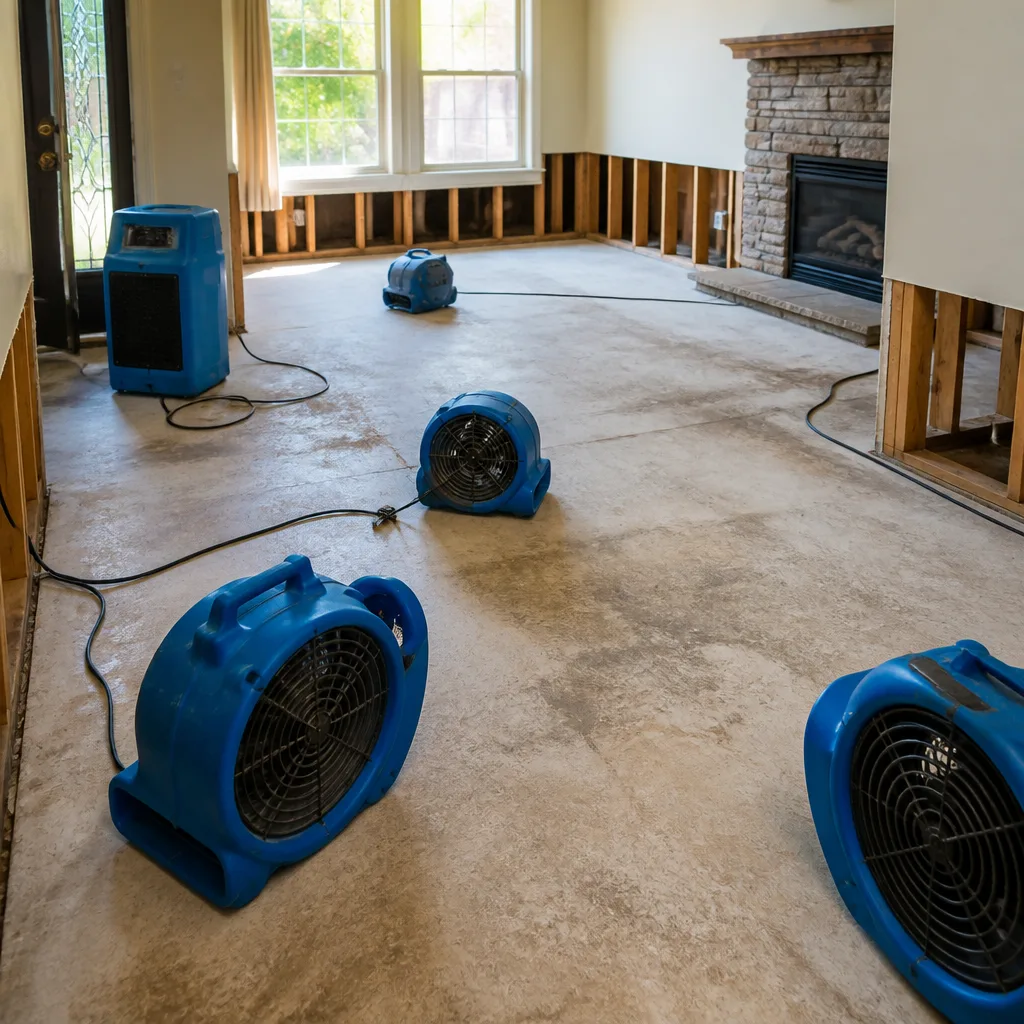
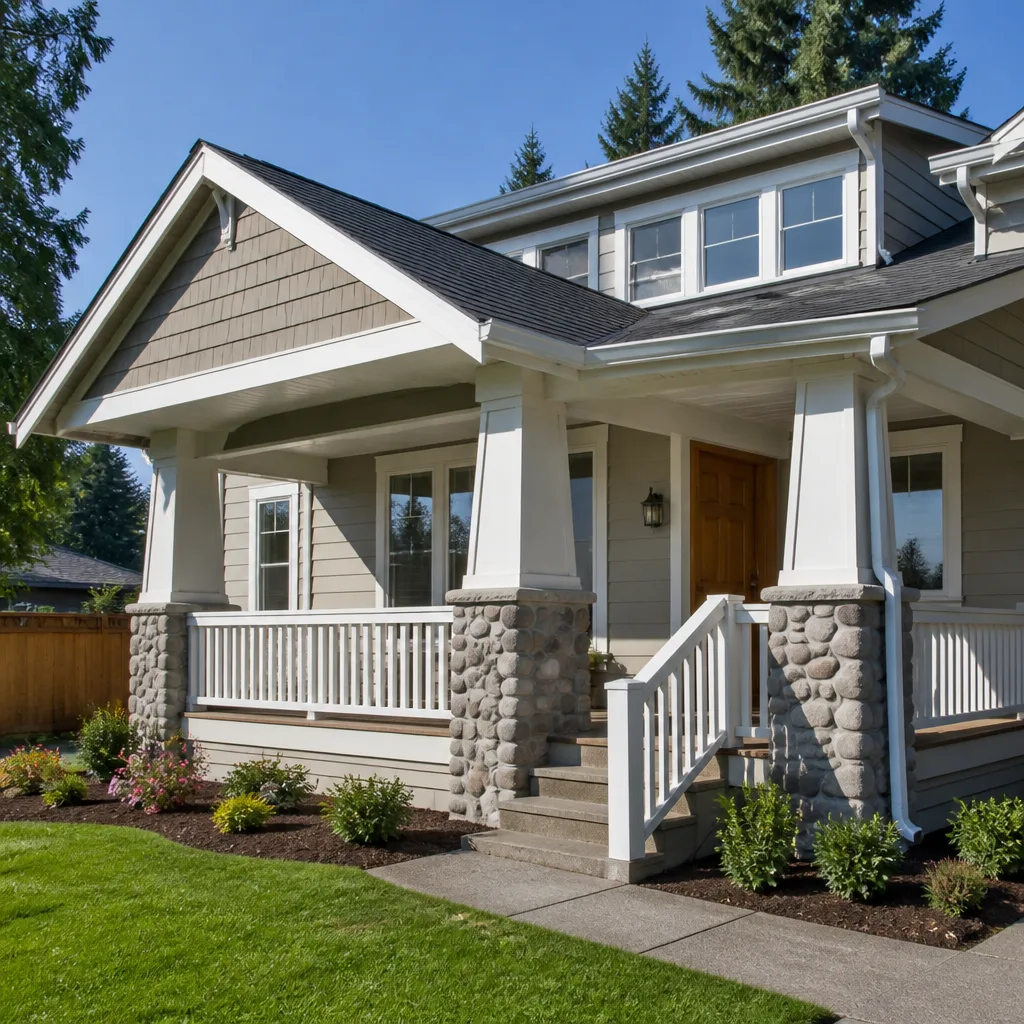
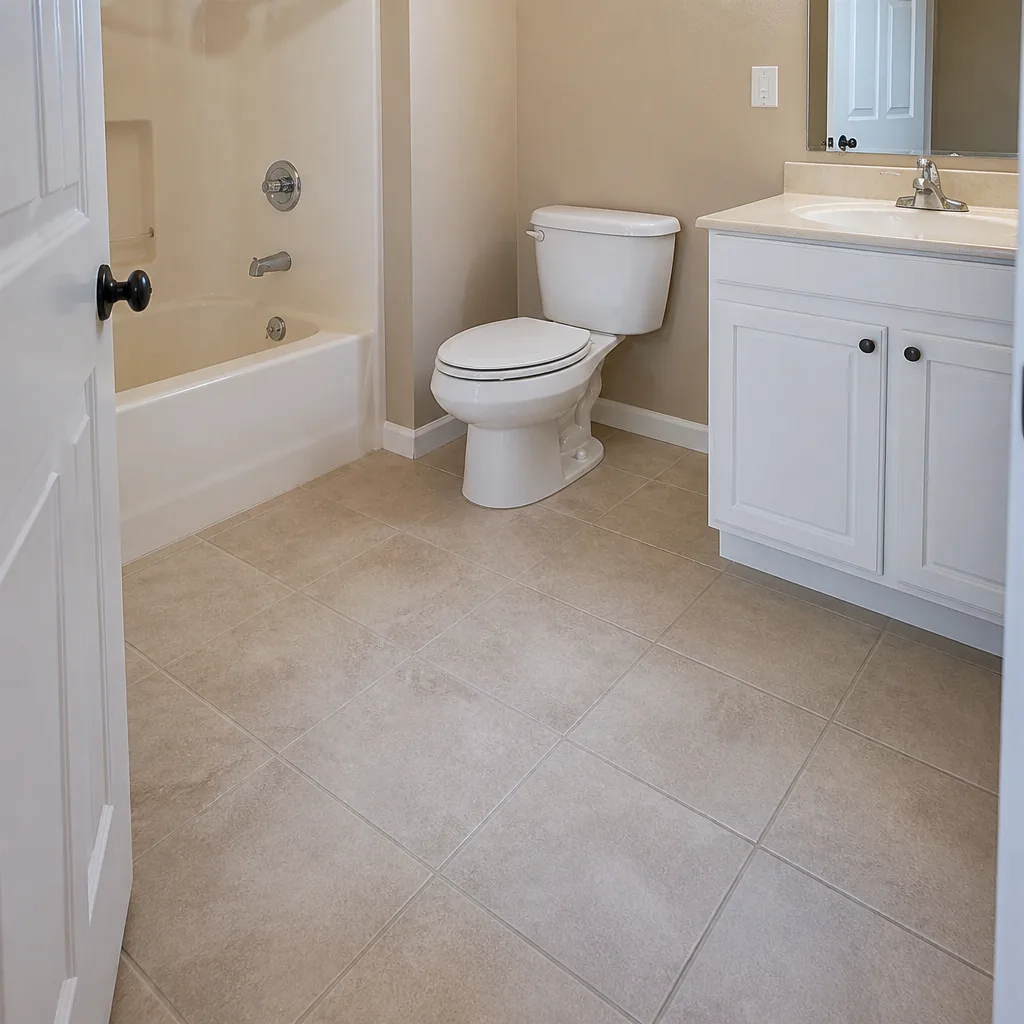
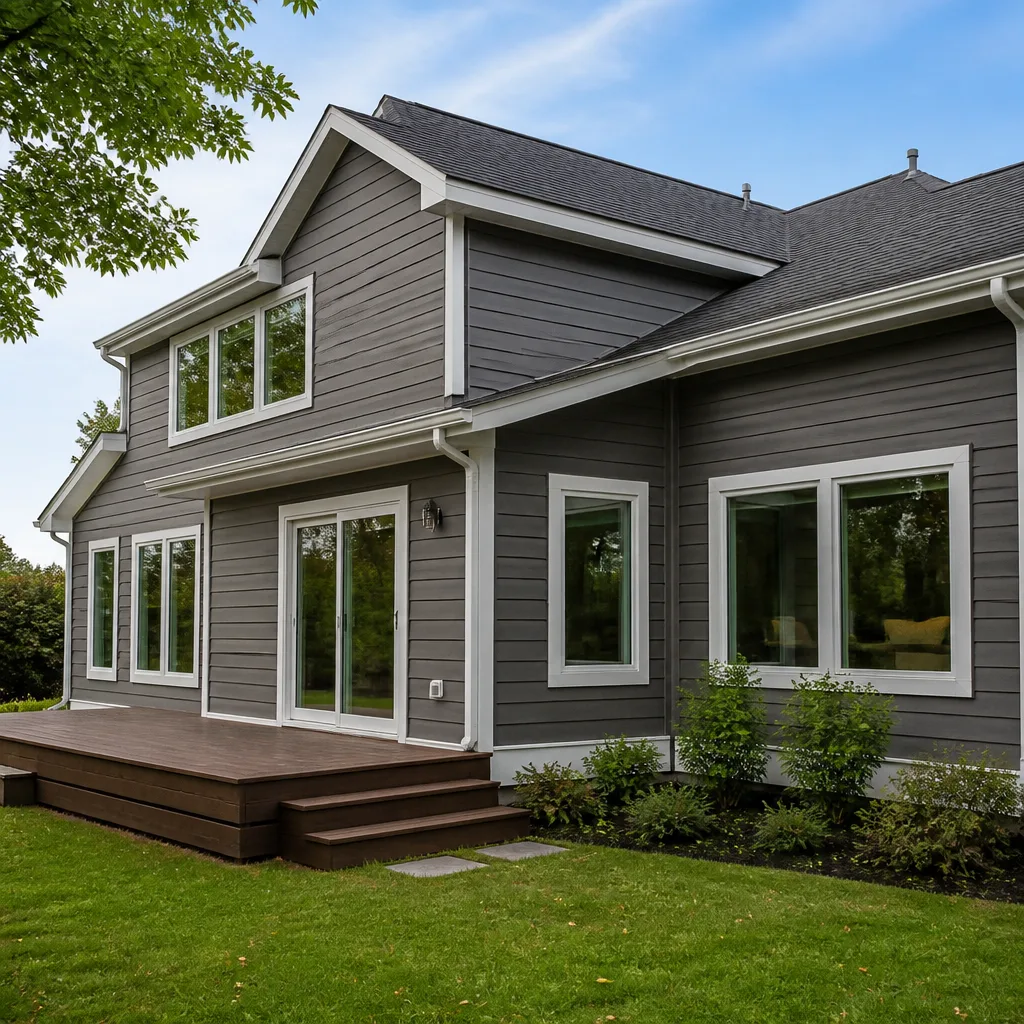
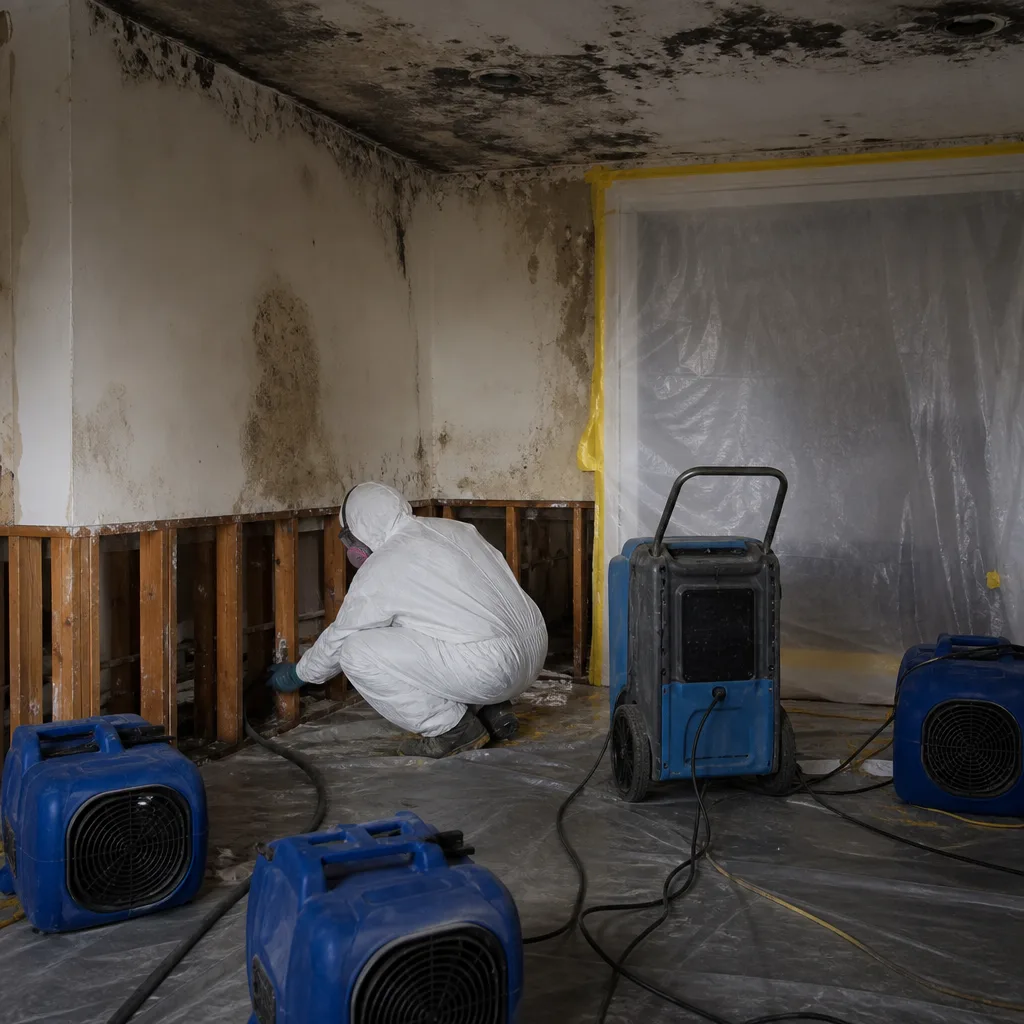 Before
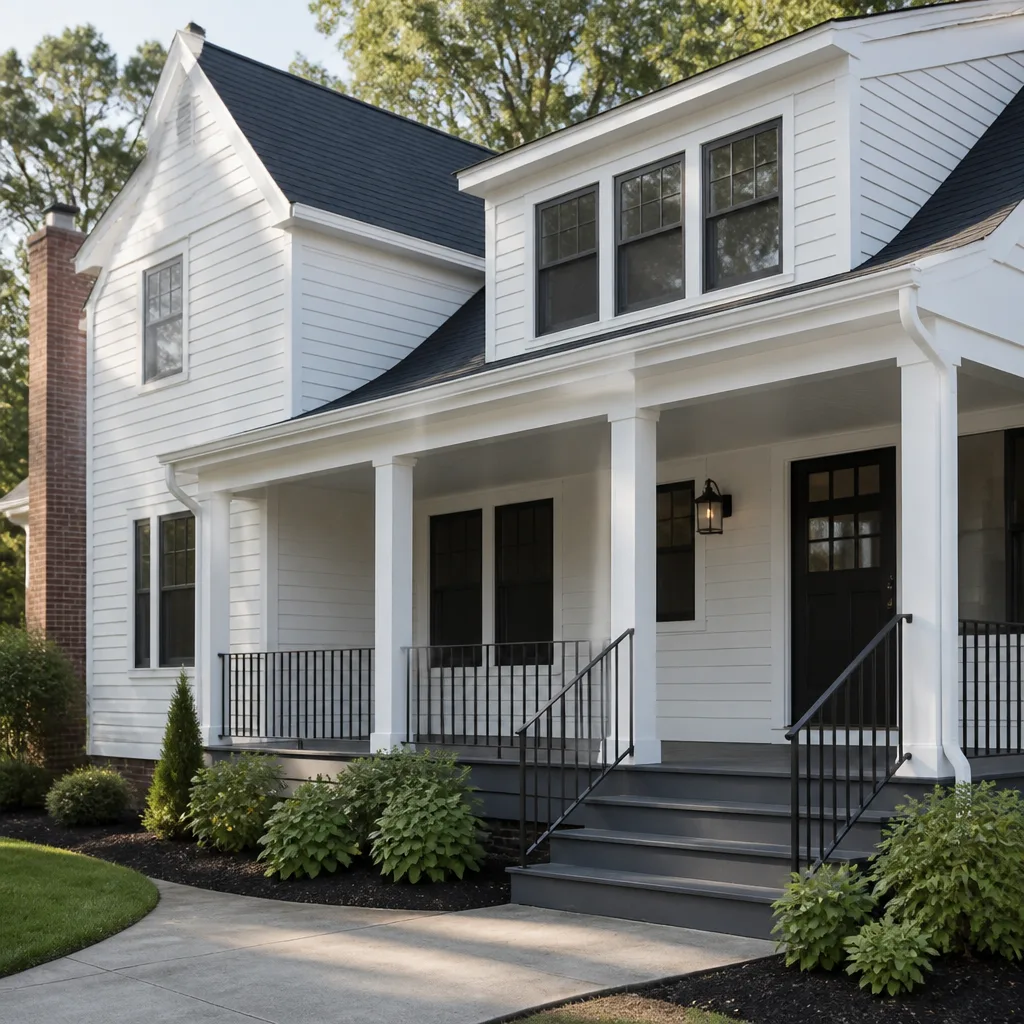
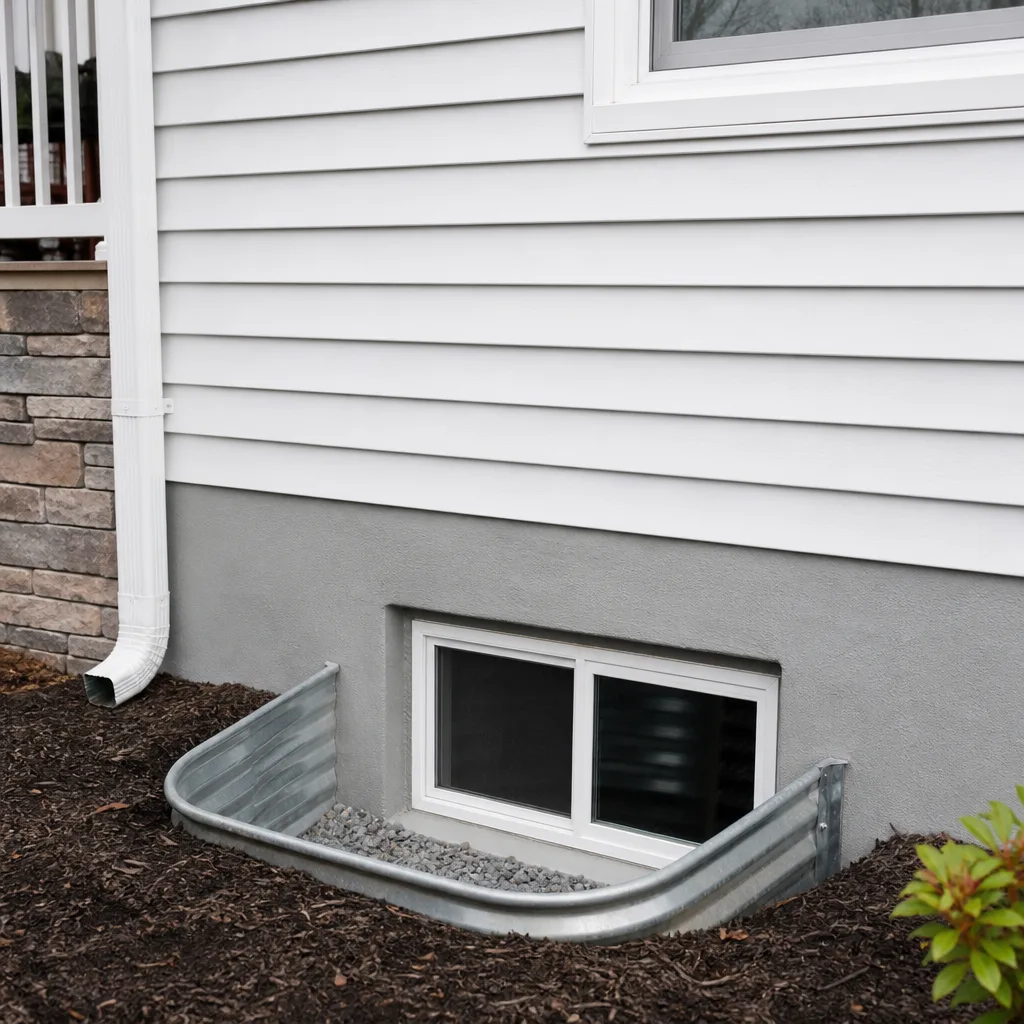 After
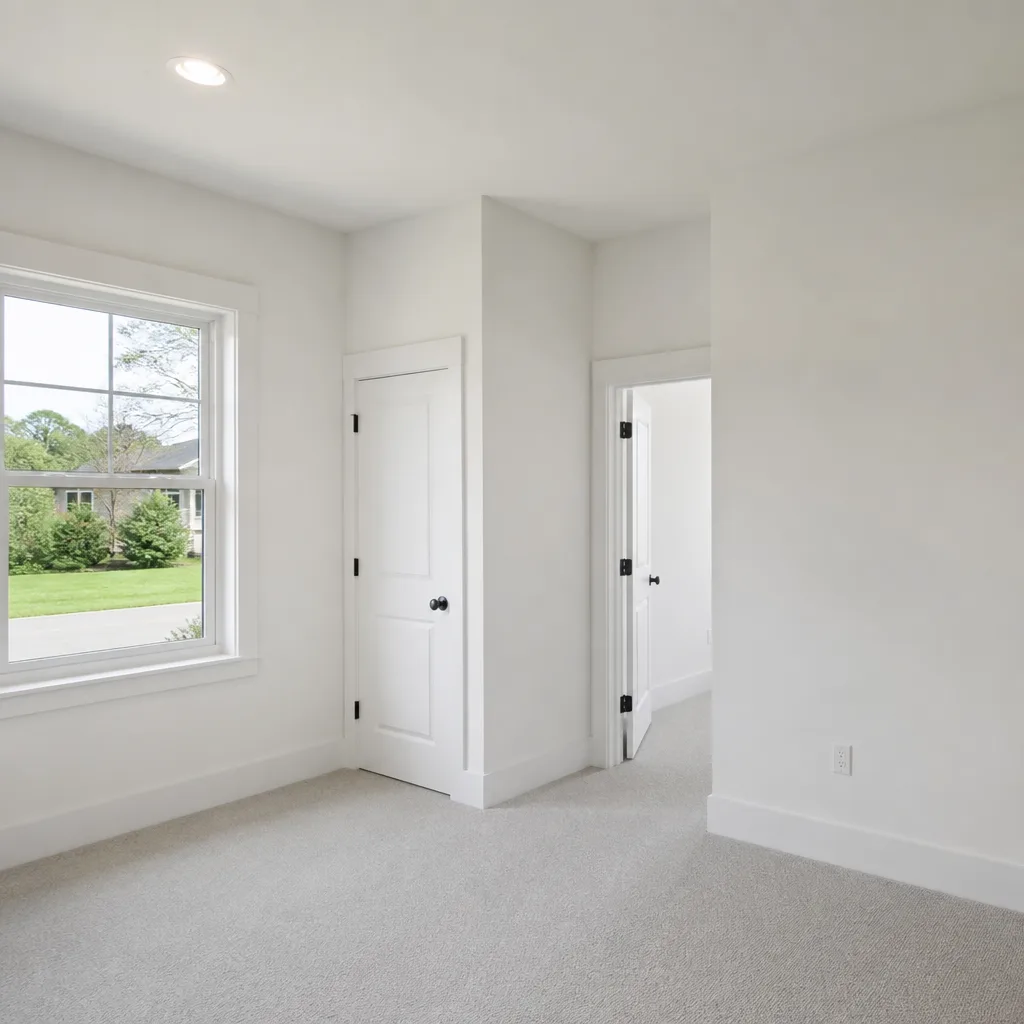
After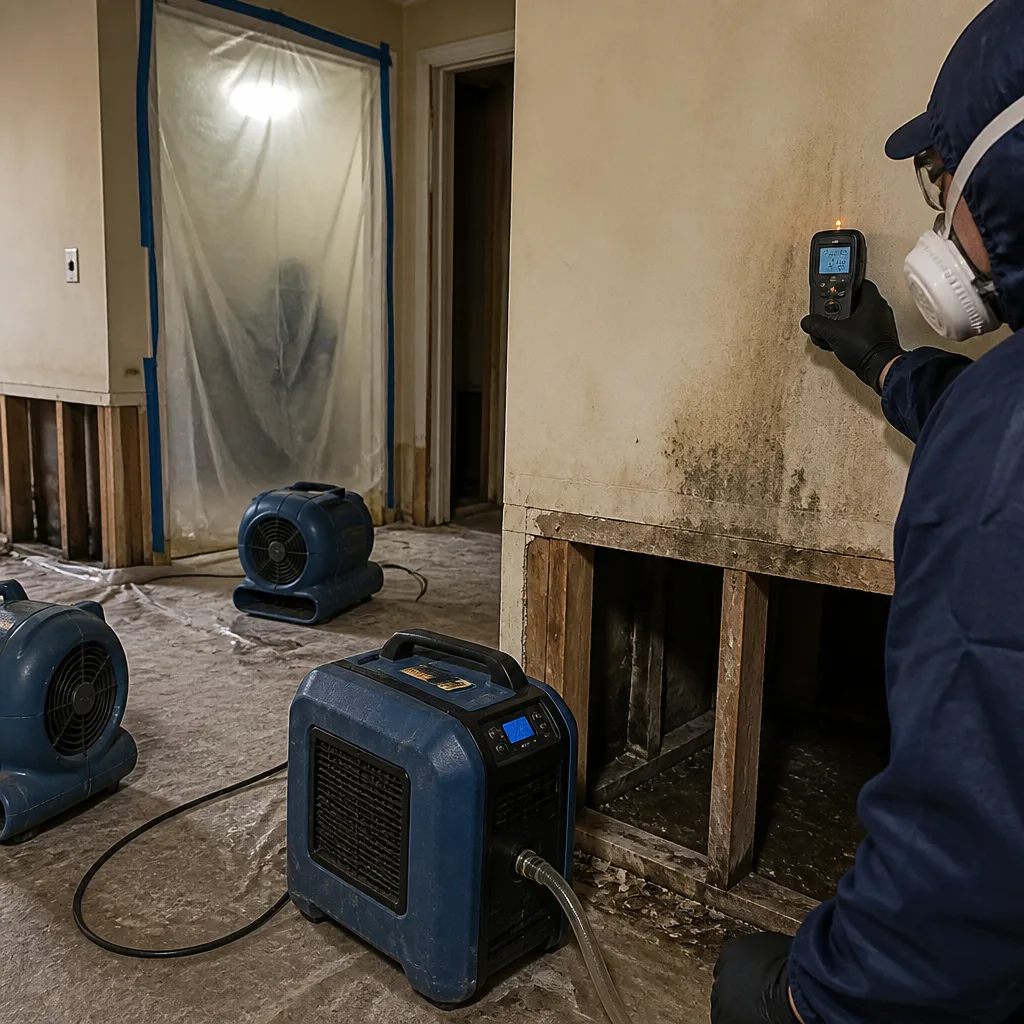 Before
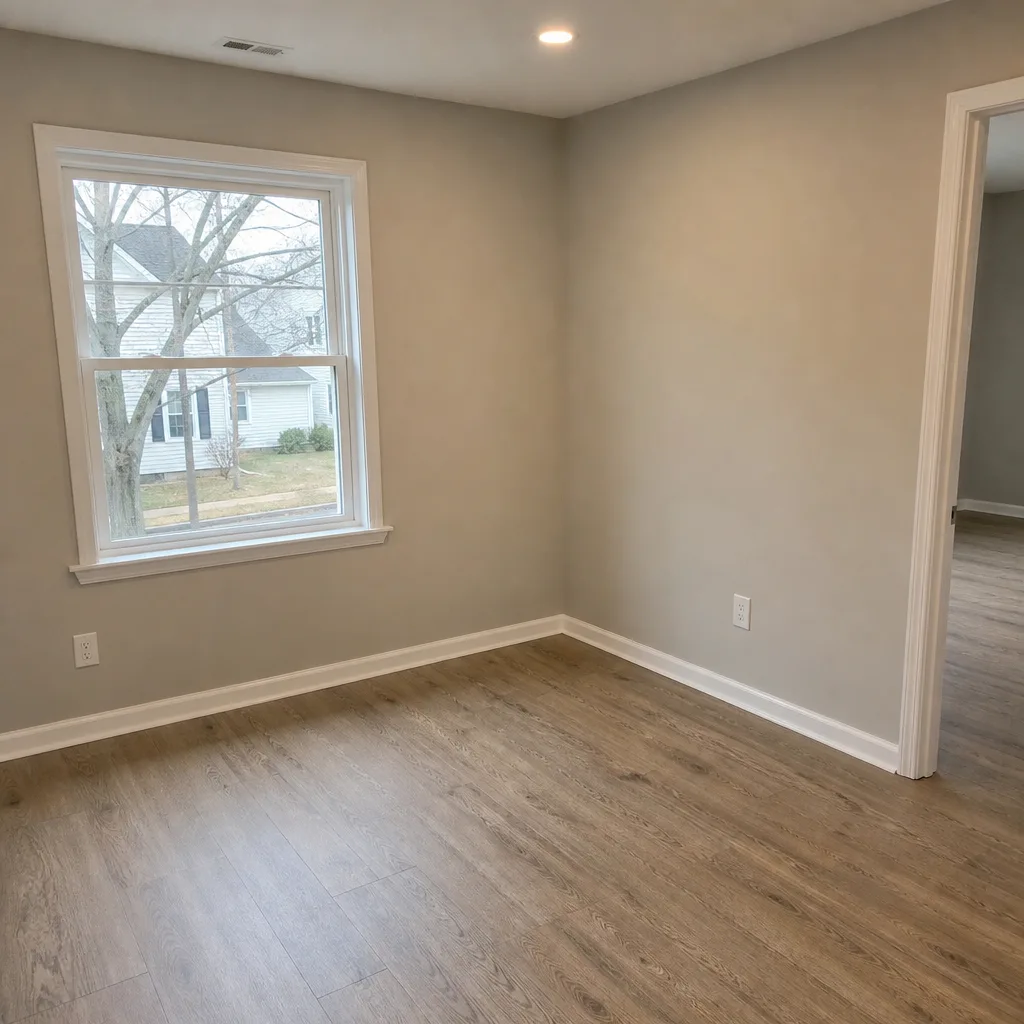 After
After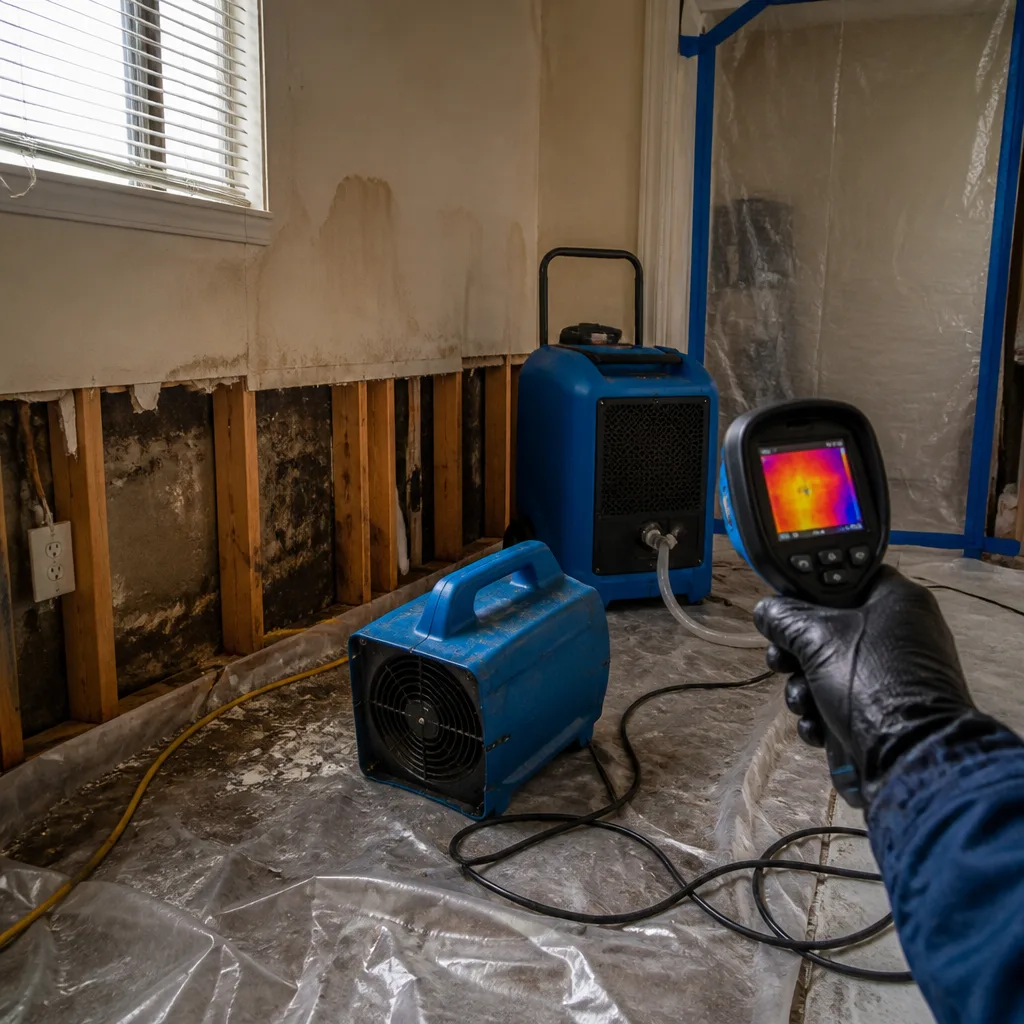 Before
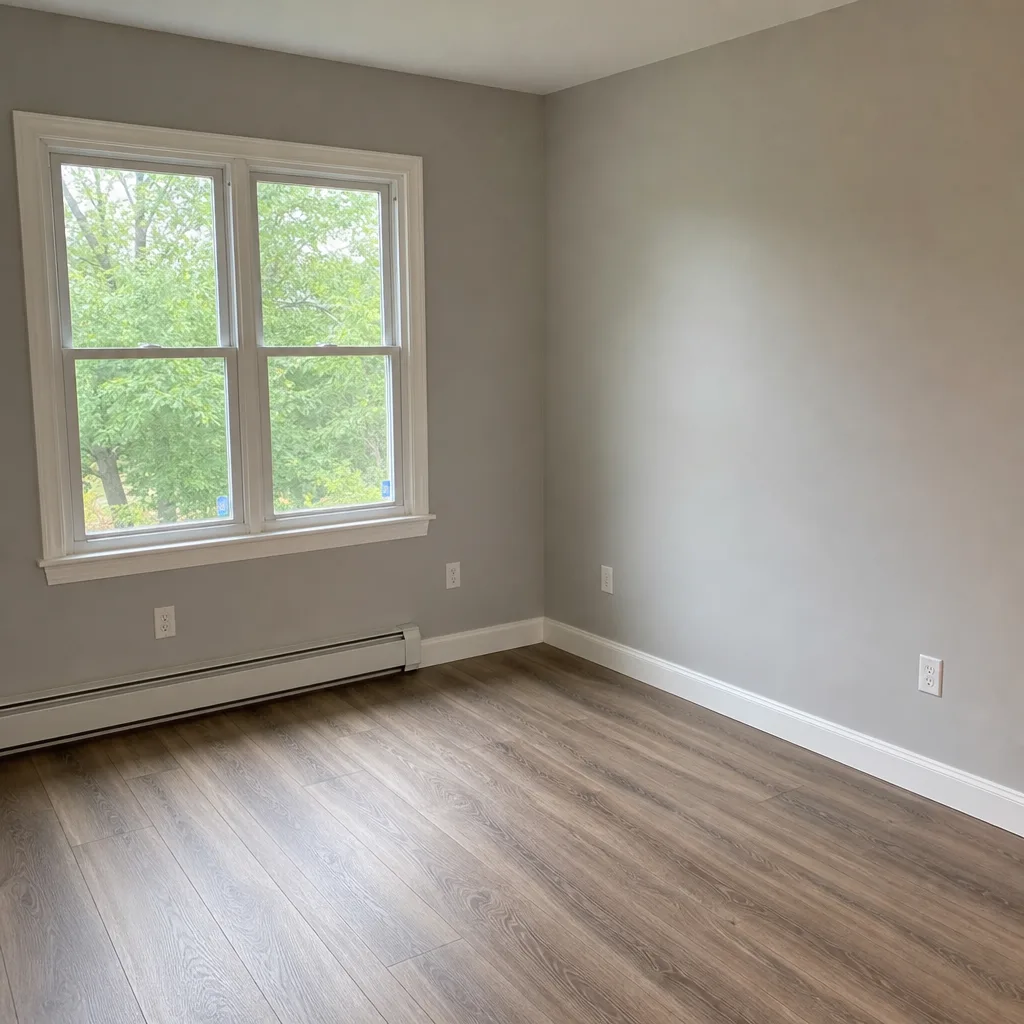 After
After24/7 Emergency Water Damage Restoration in Saddle Brook
A burst supply line at 2 a.m. or the Saddle River creeping over its banks doesn’t wait for business hours, and neither do we. Floodline Restoration Co. answers live around the clock, every day of the year, with a real dispatcher on the phone, not a recording. When you call (640) 356-1140, a background-checked, uniformed crew is dispatched inside the Saddle Brook area, often within 45 minutes. The first hour after water enters a 1960s split-level on Saddle River Road matters more than most homeowners realize. Water wicks up drywall, saturates carpet padding, and begins colonizing wall cavities with mold within 24 to 48 hours. Extraction started the same visit means less demolition, lower drying costs, and a better chance of saving finished spaces. We start with a free visual inspection, then put a moisture map on your walls so you see exactly what we see.
Understanding Water Damage Restoration Severity in Saddle Brook Properties
Water damage isn’t one problem, it’s three categories. Category 1 is clean water from a burst supply line or failed water heater. Category 2 carries contaminants, think washing machine overflow or sump pump discharge. Category 3 is grossly contaminated: river water, sewage, or any water that sat long enough to grow bacteria. The distinction drives every decision we make, from containment to drying to what gets torn out.
Saddle Brook’s housing stock makes this more urgent than a brand-new subdivision would. Most homes here were built between 1950 and 1979, ranch homes and split-levels with poured-concrete or block basement walls, paneled walls, and drop ceilings. Those materials hold moisture differently than modern drywall. Paneling traps water behind it. Concrete block wicks moisture upward through capillaries, a process called hydrostatic intrusion, common here because the Saddle River’s high water table presses against foundations after every heavy rain event. An IICRC-certified tech running thermal imaging and moisture meters can find water that hasn’t shown itself yet. In Saddle Brook, we assume water has traveled further than the visible staining says. That’s what moisture mapping is for, and why we never dry to a guess.
Why Saddle Brook Property Owners Choose Floodline Restoration Co.
- 45-minute response commitment for Saddle Brook. Slow response is expensive response. Prompt extraction is the difference between drying drywall in place and cutting it out.
- A live person answers at 2 a.m., every time. No automated systems. The dispatcher knows the Saddle Brook map and starts crew movement immediately.
- IICRC-certified crews, including WRT and ASD designations. Water Restoration Technician and Applied Structural Drying certifications mean the tech running your drying plan has been tested on how buildings actually dry.
- Free visual inspection and moisture mapping. We show you the numbers before we touch the walls. No obligation, no pressure.
- Direct insurance billing and adjuster coordination. You never play messenger. We send photos, moisture logs, and a line-item scope to your carrier directly.
- One crew from extraction to rebuild. No handoff to a sub. The same team that sets containment and runs drying also hangs the new drywall and sands the trim.
Our Water Damage Restoration Process
1. Inspection & Assessment
We walk the entire affected area with thermal imaging and pin-probe moisture meters, not just where you saw water. For Saddle Brook homes near the river, we check every finished basement wall, including behind paneling and under drop ceilings, because layered flood history hides moisture where the last repair was made.
2. Extraction & Stabilization
Truck-mounted extraction removes standing water quickly. We set up containment if there’s any Category 2 or 3 water, or if pulling back paneling is likely to disturb old mold. This step stops the water from spreading further through your home.
3. Drying & Dehumidification
We place Dri-Eaz dehumidifiers and Phoenix air movers in positions that match your home’s airflow, then log readings daily until the dry standard is met. In 1950s block-wall basements, that means monitoring interior wall cavities, not just the air in the room.
4. Cleaning & Sanitization
HEPA air scrubbers run during the entire drying phase to capture airborne mold spores and contaminants. Every surface that touched Category 3 water is treated with an EPA-registered antimicrobial before anything gets rebuilt.
5. Layered History Assessment
This is the Saddle Brook-specific step. We check behind previous repairs, document staining lines at different wall heights, and identify efflorescence on block to map every generation of water damage. You get a written record of pre-loss condition for every cavity we open.
6. Repairs & Restoration
Same crew, same standard. We replace drywall, reset trim, and repaint so the finished room meets the rest of your home. Every job ends with a moisture log in your hand and the 90-Day Done Right Promise in writing.
Need Emergency Water Damage Restoration in Saddle Brook Now?
Crews minutes away, answering live 24 hours a day. The sooner we start, the less it costs.
Working With Your Insurance Company
We deal with adjusters every day, and we know what slows a claim down: vague documentation, missing moisture data, and scopes of work that don’t match the line items a carrier expects. From the first hour we arrive, we photograph everything. Room by room, wall by wall, stud pocket by stud pocket where demolition is required. Our drying logs show daily moisture readings from every monitoring point, so your carrier sees the drying curve, not just our word. We write a detailed, line-item scope of work and coordinate directly with your adjuster so you’re not forwarding emails and leaving voicemails on your own.
What We Provide Your Insurer
- Thorough documentation of the loss
- Photos of all damage, room by room
- Moisture readings and drying logs
- A detailed, line-item scope of work
- Direct coordination with your carrier
Built for Saddle Brook’s Loss Calendar
Saddle Brook’s water damage year follows a pattern. January and February bring deep freezes that burst supply lines in unheated garage walls and exterior hose bibs on 1950s ranches. March and April bring snowmelt and spring rain that saturate the ground along the Saddle River and press groundwater against concrete block foundations. A home on a street near the river can see basement seepage without any standing water outside. May through August is thunderstorm season; a stalled cell over Bergen County can drop two inches in an hour and send water under bilco doors. September and October bring remnant tropical systems, and November through December bring nor’easters that test sump pumps and window wells across the township. Every one of these seasons has its own failure mode in Saddle Brook, and we plan equipment and crew staging accordingly.
Water Damage Restoration Across Saddle Brook’s Neighborhoods
The township isn’t large, but response routes and loss patterns vary. Along Saddle River Road and the streets running east toward the river, the typical call is a finished basement with water coming up from the floor or in through a failed window well after the river rises. Homes are packed close on those blocks, so exterior negative grading means water runs toward foundations. North of Route 46 near the Maywood border, we see more burst-pipe losses in slab-on-grade ranches from the 1950s, where plumbing chases through uninsulated exterior walls and freezes faster than homeowners expect. In the Market Street corridor, split-levels with attached garages collect water through garage-to-den doorways when the driveway slopes back toward the house. Near Otto Pehle Area along the southern edge, stormwater from Route 80’s elevated roadway finds the low points on adjacent streets. Regardless of the block, our dispatchers and techs know the township well enough to route around traffic on Route 46 during rush hour and get to you fast.
Specialized Water Damage Restoration Services We Offer in Saddle Brook
Emergency Water Extraction
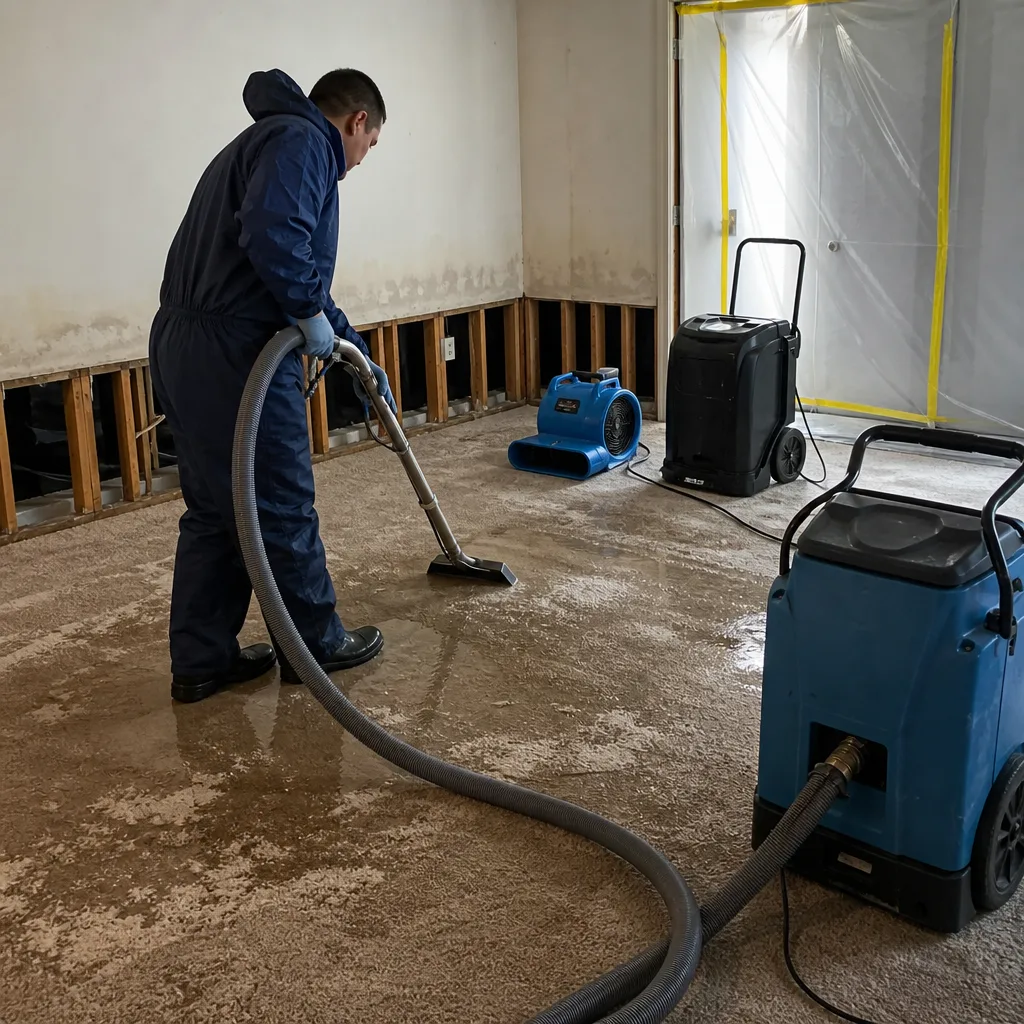
Standing water is doing damage every minute it sits. Our truck-mounted extraction pulls hundreds of gallons per hour, and on Saddle River corridor basements we go straight to the lowest point near the sump pit and wall-floor junction, where water hides after a flood crest recedes.
Structural Drying & Dehumidification
Drying a block-wall basement is different from drying drywall over studs. The concrete itself holds water. We run Dri-Eaz dehumidifiers and Phoenix air movers on a calculated layout, and we leave them running until our moisture meters read the pre-loss condition we documented on day one, not a guess based on time.
Flood Cleanup
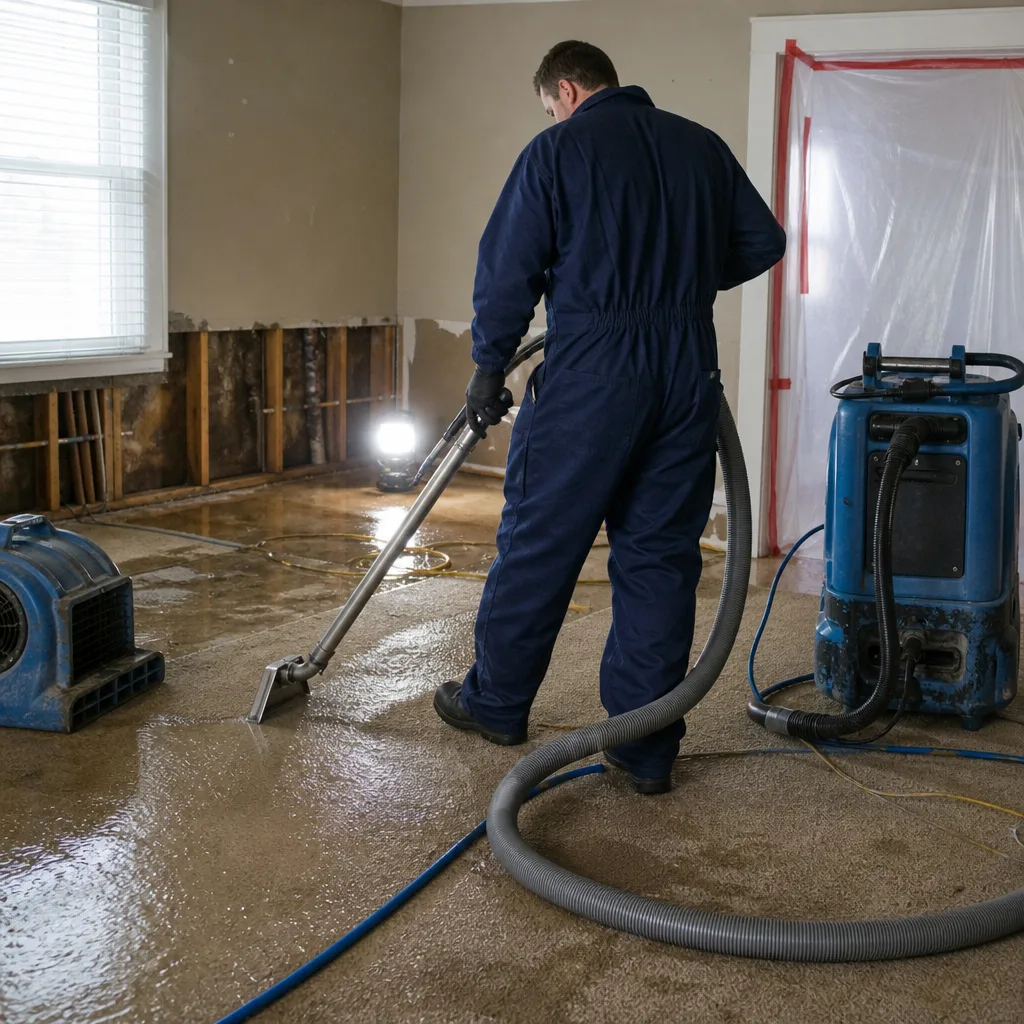
River water is Category 3. That means every surface it touched, including stud pockets and the back side of baseboards, gets treated as contaminated. We set containment before pulling paneling on Saddle River-adjacent streets, because active mold spores from previous floods release into the air the moment old repairs come apart.
Burst Pipe Restoration
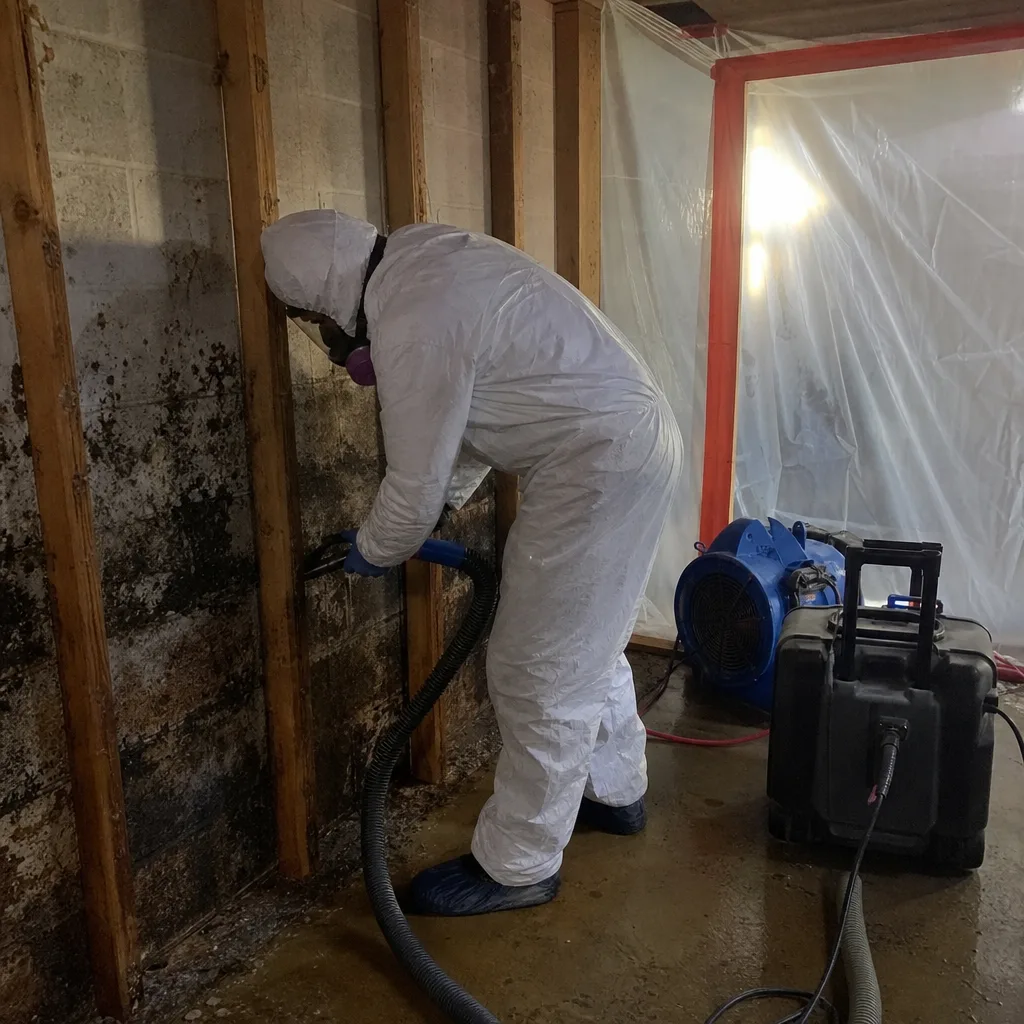
A frozen supply line in a 1950s ranch can soak three rooms before you notice. We shut the water, extract, and then dry the cavities behind the walls, not just the carpet. Thermal imaging finds the cold spots that tell us how far the water traveled through insulation.
Basement Water Removal
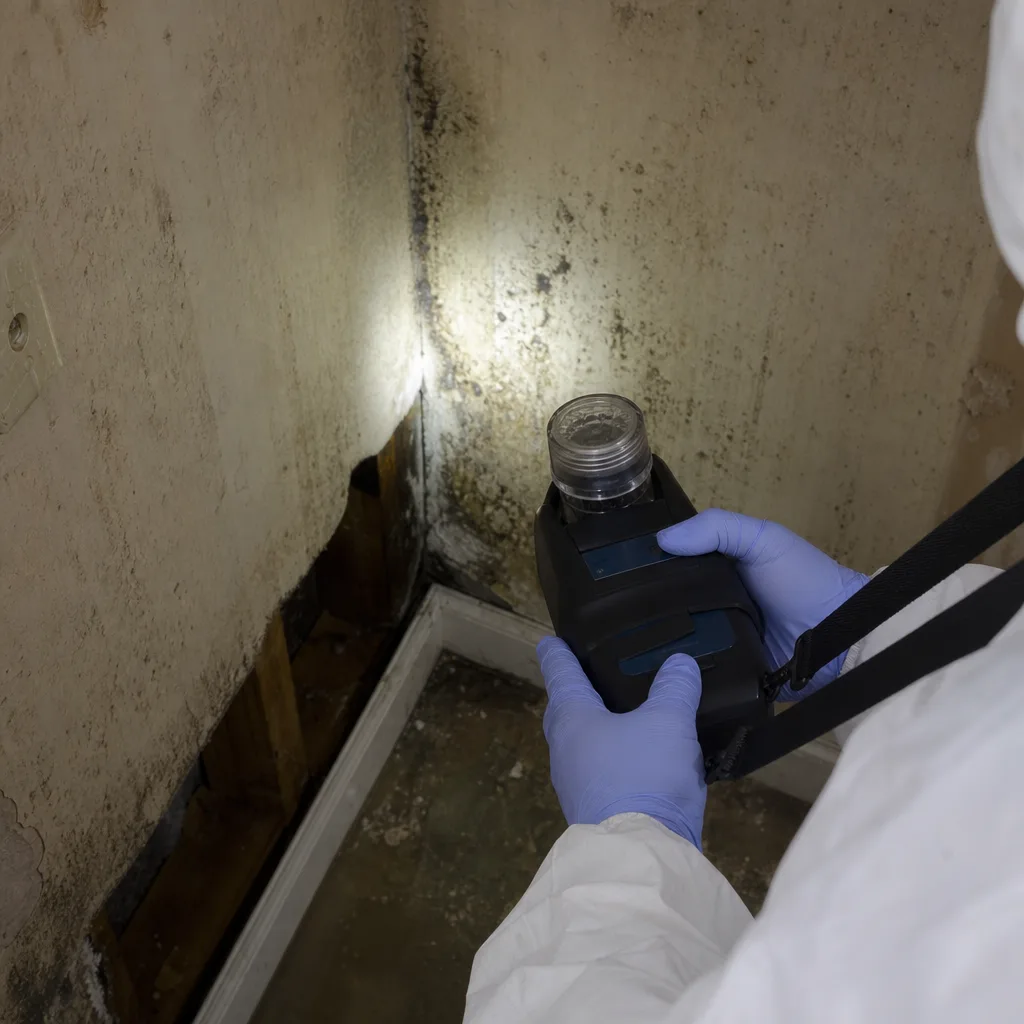
The finished basements common in Saddle Brook’s split-levels hold water against paneled walls and drop ceilings that trap moisture. We remove the water, pull back affected paneling, and dry the block or poured wall behind it so the next rain doesn’t leave you soggy carpet again.
Ceiling & Roof Leak Water Damage
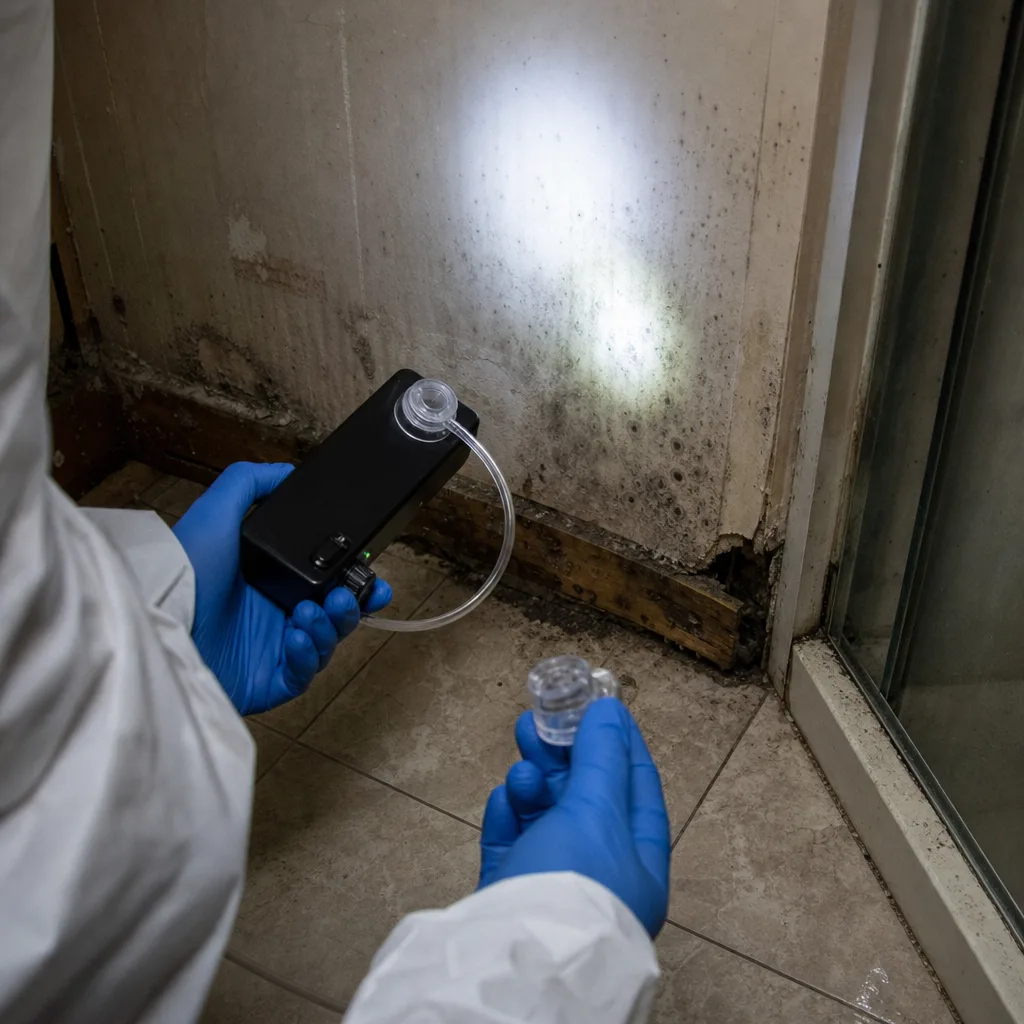
Bergen County storms find compromised flashing and older roof membranes on Saddle Brook’s original ranch homes. We stop the active leak path, dry the ceiling cavity from above where possible, and document the loss for roof-repair claims if the water entered through storm damage.
What happens when you call
- 1
A real person answersNo phone trees - you reach a local pro.
- 2
You get an upfront price rangeHonest numbers before anyone is dispatched.
- 3
A background-checked tech heads outLicensed & insured, dispatched right away.
- 4
You approve before work beginsNothing starts until you say go.
Water Damage Restoration Costs in Saddle Brook, NJ
We write scopes and prices in plain English. Here’s what Saddle Brook homeowners can expect.
A simple Category 1 water loss, a burst pipe under a bathroom sink with cleanup and drying, runs $1,200 to $3,400. A finished basement with Category 2 water from a washing machine overflow, with paneling removal, drying, and repair, lands between $3,500 and $8,000. A Category 3 flood event from the Saddle River overtopping, with full containment, baseboard and drywall removal, antimicrobial treatment, four to six days of structural drying, and reconstruction, typically runs $8,000 to $25,000 depending on the square footage and how much of the finished space has to come out.
What moves the price: the water category, how far water wicked up the walls, whether old mold from a previous flood is disturbed, and whether paneling and drop ceilings require full removal. Insurance covers most sudden, accidental water damage; flood insurance through FEMA’s NFIP covers river flooding, and many Saddle Brook homeowners carry both. The free visual inspection gives you a firm written scope before any work begins, so the number you see is the number you sign.
We Also Serve Cities Near Saddle Brook
Floodline Restoration Co. crews are stationed locally and respond to Maywood, Garfield, Lodi, and Hackensack, with the same 45-minute commitment and the same 90-Day Done Right Promise on every job, whether it’s a burst supply line or a river flood.
Saddle Brook Water Damage Restoration Questions, Answered
What does the Saddle River flood history mean for my Saddle Brook basement after a new water event?
It means we treat your basement as a layered site, not a first-time loss. Previous floods left staining lines at different wall heights, old repairs hidden behind paneling, and often mold inside cavities from an earlier Category 3 intrusion. We open up and map every generation before we dry anything.
How long do we need to keep air movers and dehumidifiers running in a Saddle Brook split-level after river water enters?
In our experience, a finished basement after a Saddle River overtopping needs three to six days of continuous drying. The concrete block behind finished walls holds water longer than the air in the room, so we run Dri-Eaz dehumidifiers and Phoenix air movers on a calculated layout until every stud pocket and wall cavity reads dry.
Do I have to tear out my entire finished basement if flood water just touched the bottom few inches?
Not necessarily. What matters is how far water wicked up behind the paneling and drywall, whether the water was Category 3, and whether prior flood repair materials have active mold. We cut only what moisture mapping shows is wet or contaminated, then dry the rest in place.
How do you know if my Saddle Brook home has hidden mold from a past flood even if I don’t see it now?
We use thermal imaging to find temperature differences that indicate moisture behind walls, pin-probe meters to confirm, and air sampling where needed. On Saddle River-adjacent streets, we expect older flood repairs to hide mold behind paneling. The only way to know is to look inside the cavity.
Why do repair contractors in neighboring towns not know how to handle a Saddle Brook flood basement?
Most restoration companies treat flood damage as a one-time event when in Saddle Brook, the Saddle River corridor means repeated flood events and layered damage histories are the norm. Contractors without local experience miss the older Category 3 contamination, the prior repairs, and the hydrostatic pressure specific to 1950s-1970s block foundations here.
How fast can you actually get to a Saddle Brook address?
We commit to a 45-minute response to anywhere in Saddle Brook, and we answer the phone live at any hour. Many calls come from Saddle River Road and the blocks east of it during flood crests. Our dispatcher knows those streets and starts a crew movement on the call.
Can we stay in our home during water damage restoration?
For Category 1 and most Category 2 losses, yes. We set containment to isolate the affected area. For Category 3 river flooding with active mold release, we’ll advise you on which spaces to avoid and when they’re safe to reoccupy, based on air scrubber readings and clearance.
What should I do in the first 30 minutes after I discover water in my Saddle Brook home?
Shut off the water source if it’s a plumbing failure. If it’s river flooding, don’t enter standing water; call us. Cut power to the affected area at the breaker. Move small furniture to dry ground if safe. Then call (640) 356-1140. The sooner extraction starts, the less damage gets permanent.
Serving Saddle Brook, NJ - Our Local Coverage Area
We’re based in the Saddle Brook area and know this community well. Use the map below to see our service coverage - if you’re nearby, we can almost certainly help.
One Thing to Know About Saddle Brook Before You Call
Because the Saddle River runs directly through Saddle Brook, many homes carry multiple generations of water damage from distinct flood events. Staining lines at different heights on basement walls mark different floods. Prior repairs lurk behind paneling. Chronic mold lives behind drywall that was installed after an earlier flood, not as original construction. On a street off Saddle River Road, we pulled back basement paneling in a 1960s split-level and found efflorescence-crusted block walls with three distinct water lines. The lowest came from a nor’easter that pushed the Saddle River over its banks. The highest came from Hurricane Irene. Our techs set up full containment and ran Dri-Eaz dehumidifiers and Phoenix air movers for five days, taking moisture readings behind every stud pocket until the concrete hit its pre-loss condition. Before we closed the wall cavities, we applied an antimicrobial treatment and documented every drying log entry for the homeowner’s insurance file.
That’s the standard we bring to every Saddle Brook job: assume the wall has a history, then write it all down. If you’re dealing with water in your basement, your ceiling, or anywhere else, call (640) 356-1140 for a free visual inspection and a straight answer. We’ve been doing this work since 2010, and we stand behind it with the 90-Day Done Right Promise, in writing, every time. Done right, and backed in writing.
Written by Curt Bowman, Owner at Floodline Restoration Co., serving Saddle Brook and the surrounding communities.