
Free visual inspection and a written scope of work before any mitigation begins - photos, moisture readings, and drying logs go in your claim file
The scope we write is the scope we bill. Anything new gets shown to you, in writing, before we touch it.
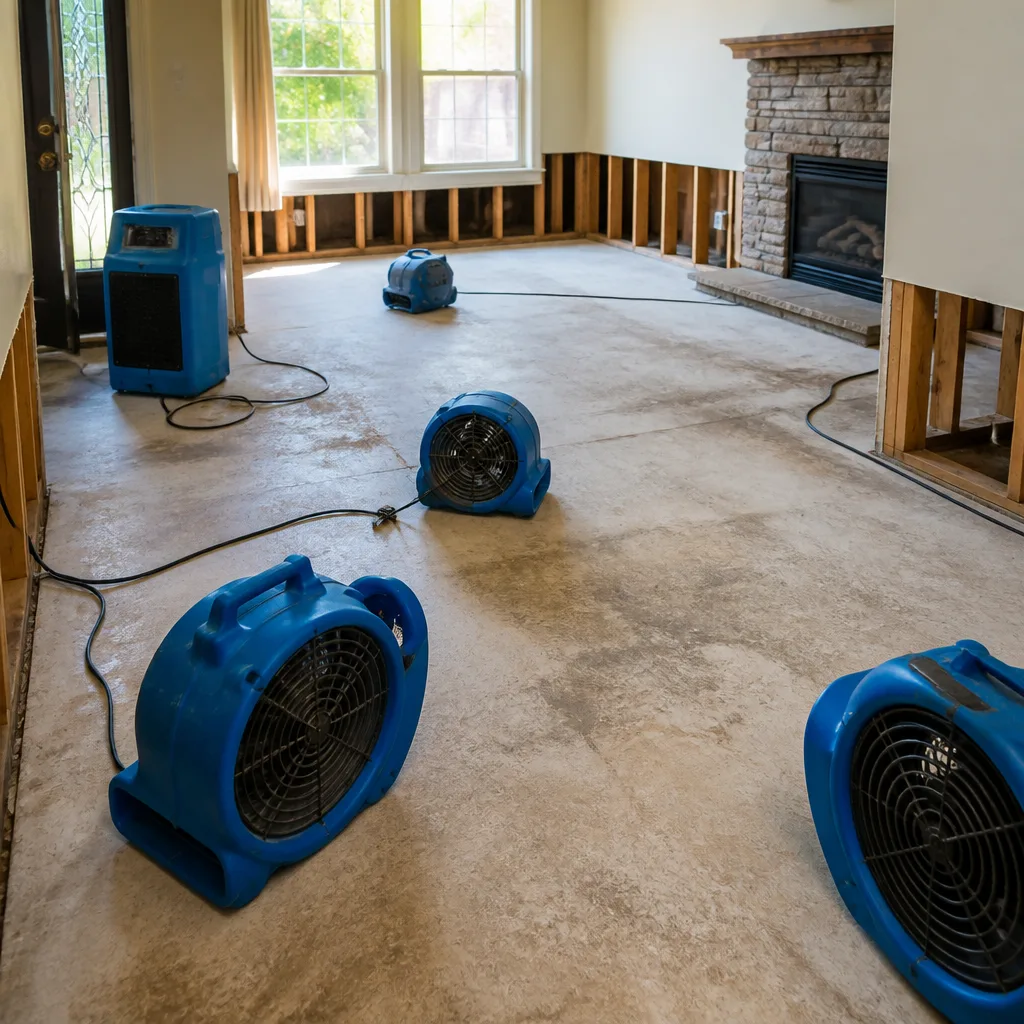
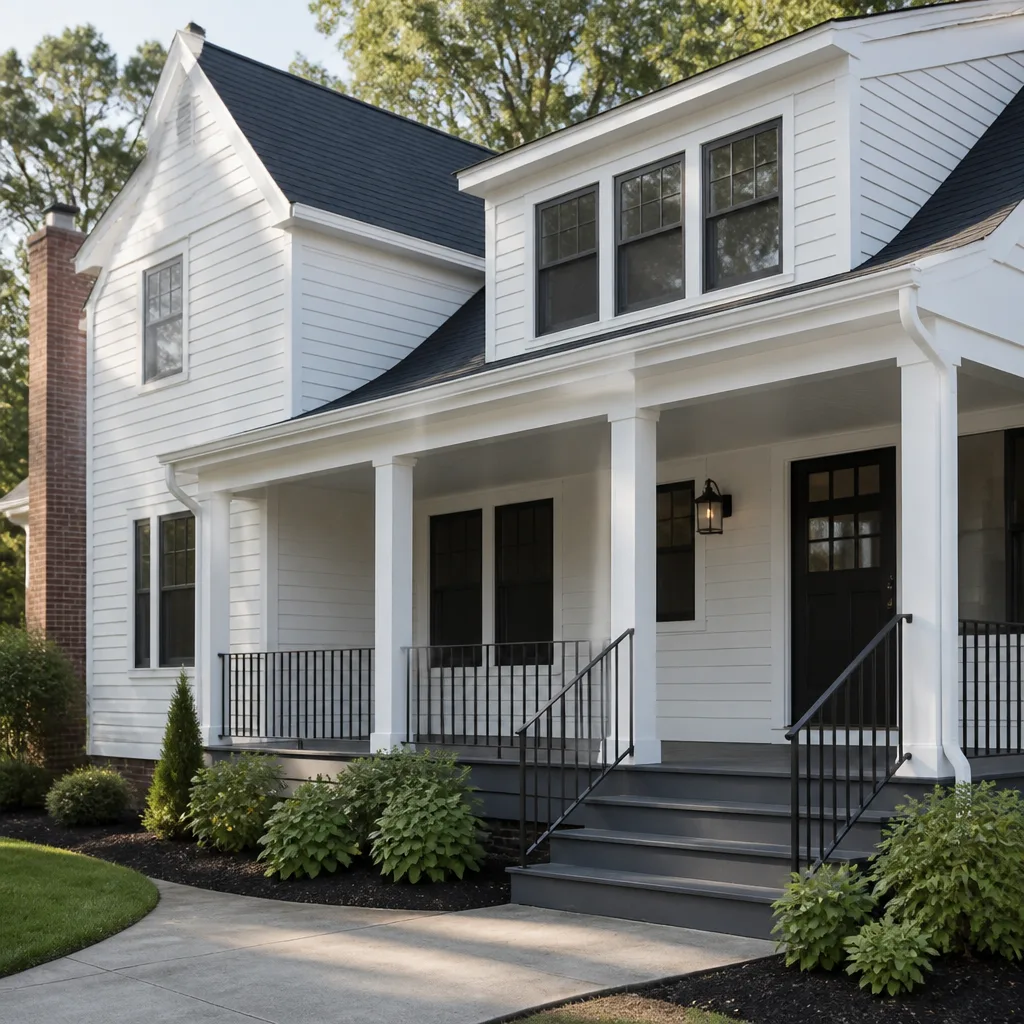
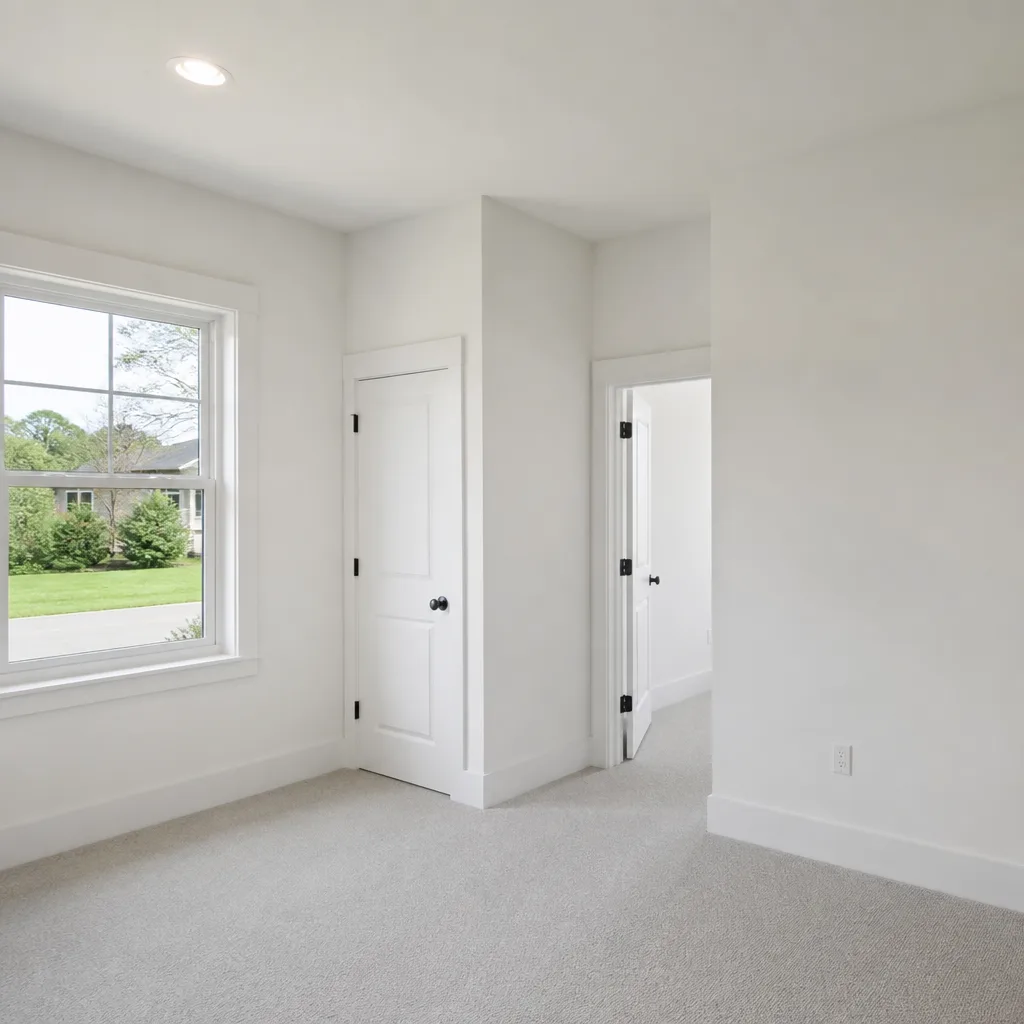


 Before
 After
After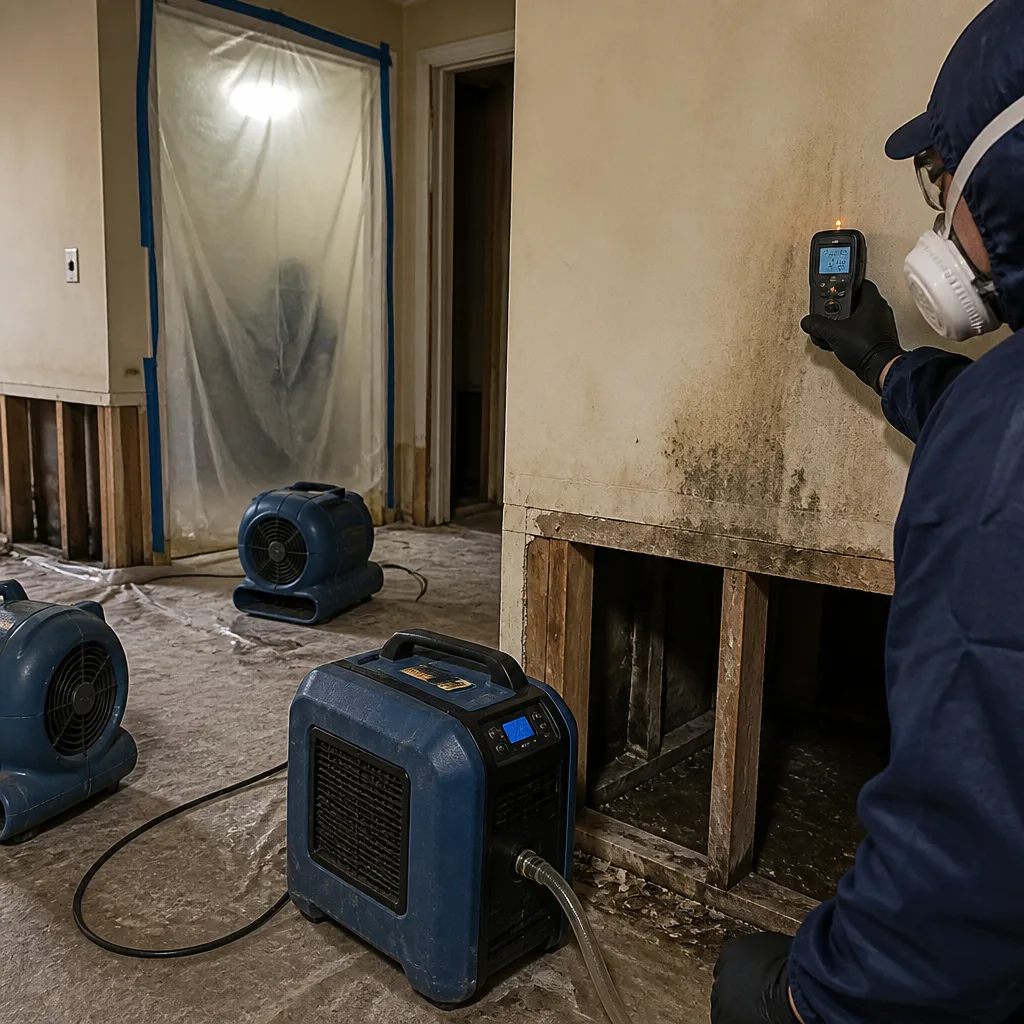 Before
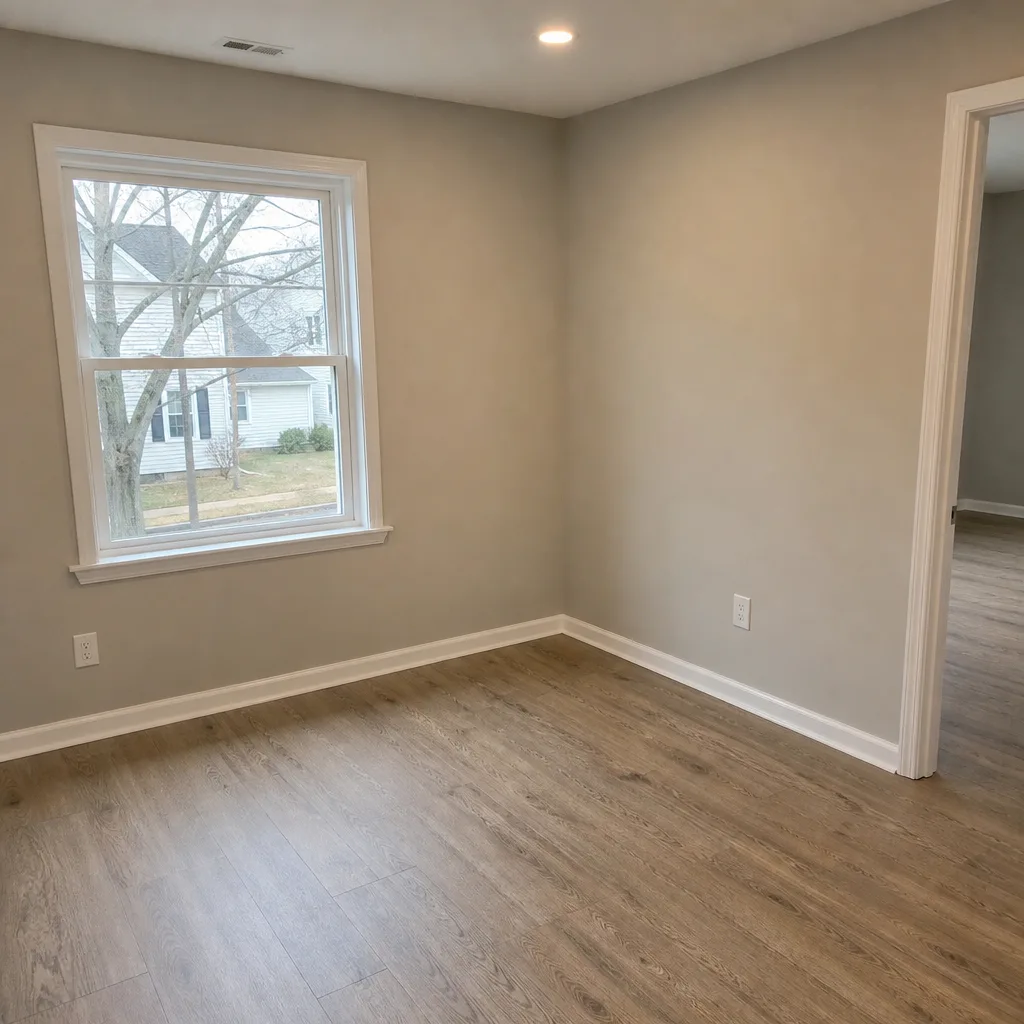 After
After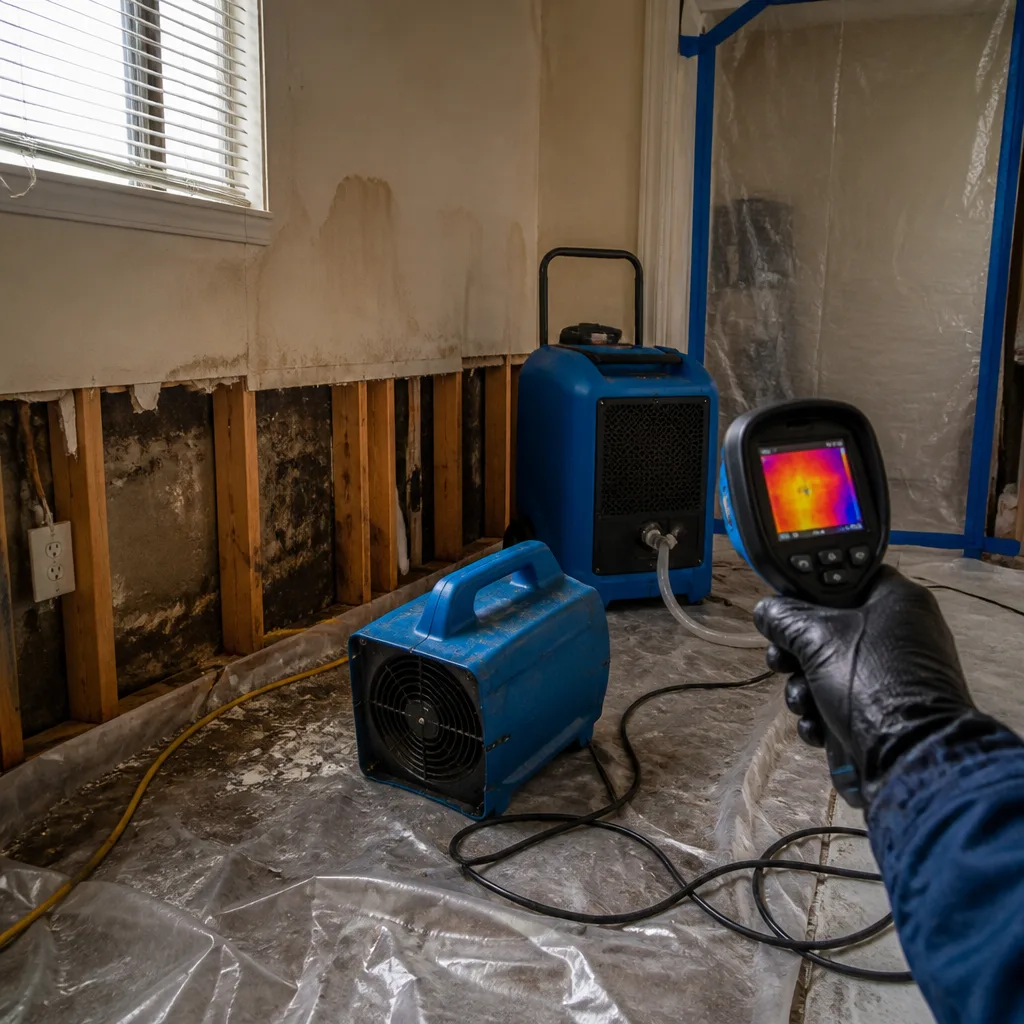 Before
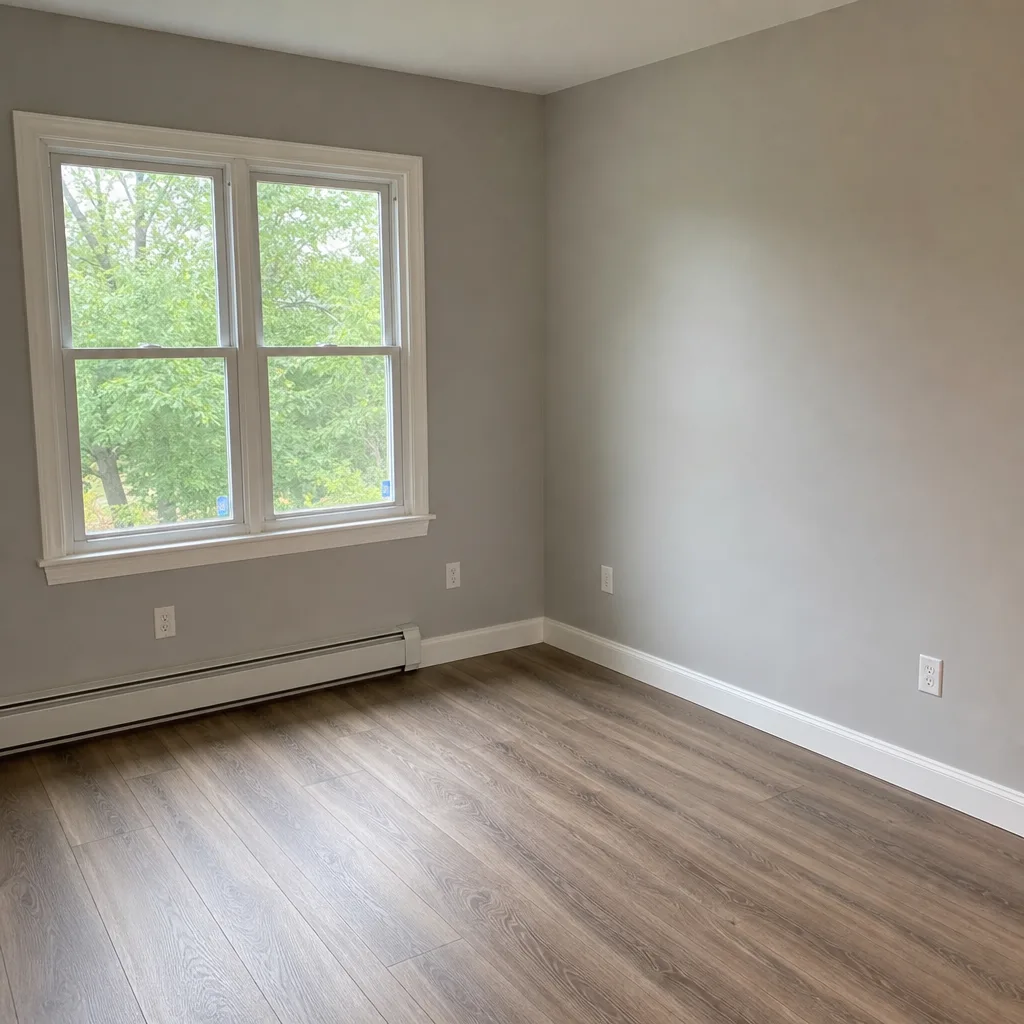 After
After24/7 Emergency Water Damage Restoration in Dobbs Ferry
Water damage restoration in Dobbs Ferry typically costs $1,200-$6,500 depending on the water category, square footage affected, and how long the water has been sitting. A burst pipe cleanup in a finished basement usually lands between $2,800 and $4,200, while a full Category 3 sewage backup with pack-out can exceed $7,000. The first hour matters most: water moves through plaster-and-lath walls, wicks up baseboards, and finds its way into cast-iron drain lines faster than most homeowners expect.
Floodline Restoration Co. answers the phone live at (640) 356-1140, any hour, any day. We dispatch crews into Dobbs Ferry’s hillside streets immediately, not after a callback from an answering service. A certified technician reaches your door for a free visual inspection, moisture readings in hand, and extraction starts the same visit. The line the water left is where we start.
Understanding Water Damage Restoration Severity in Dobbs Ferry Properties
Most Dobbs Ferry water losses fall into three categories, and the distinction drives the entire scope. Category 1 water comes from a clean supply line: a burst pipe, an overflowing tub, a failed water heater. Category 2 carries contaminants: washing machine discharge, sump pump overflow, roof runoff that has passed through insulation. Category 3 is grossly contaminated: sewage backups, river surge, groundwater that has percolated through clay-heavy soil and into a cracked rubble-stone foundation.
Here is where Dobbs Ferry’s housing stock changes the math. Homes built before 1940 on sloped lots off Broadway, Main Street, or the hillside streets near the Aqueduct Trail rarely have modern waterproofing membranes. Their foundations breathe. Water that would bead up and run off a newer poured-concrete wall instead seeps through mortar joints, soaks into rubble fill, and migrates upward into plaster-and-lath assemblies. Moisture mapping in these homes routinely finds elevated readings 3 to 5 feet beyond the visible wet line, behind baseboards, under oak flooring, inside wall cavities. That means the drying timeline is not a guess; it is a measured protocol. We run daily readings until the dry standard is met, and we hand you the log.
Why Dobbs Ferry Property Owners Choose Floodline Restoration Co.
- 45-minute response commitment: Once you call (640) 356-1140, a live dispatcher alerts the nearest crew. Our vans are staged in and around Dobbs Ferry, so we commit to arriving within 45 minutes of your call, day or night.
- 24/7 live answer, a real person: You will never reach a recording or a call center. At 2 a.m., the person who answers is a Floodline dispatcher who can send a crew right then. No “we’ll have someone call you in the morning.”
- IICRC-certified crews (WRT, FSRT, ASST): Our technicians carry current IICRC certifications in Water Damage Restoration, Fire & Smoke Restoration, and Applied Structural Drying. They know Dobbs Ferry’s older homes because they have worked in them.
- Free visual inspection with moisture readings: Before we quote anything, we inspect. Thermal imaging, pin-type and pinless meters, and a written scope. No work begins until you approve it.
- Direct insurance billing: We bill your carrier directly, document everything from hour one, and communicate with your adjuster so you are not stuck as the messenger. Photo documentation is standard on every job.
- One team from extraction to reconstruction: The same certified crew that reads the moisture map on day one handles daily readings, runs the dry logs, and rebuilds what needs rebuilding. No mid-job handoff to a third-party general contractor you never chose.
Every job we do in Dobbs Ferry is backed by the 90-Day Done Right Promise. It is in writing. If it is not done right, we make it right. No arguing, no paperwork battles. That is the Keystone Standard, and it has been since Curt Bowman founded this company in 2010.
Our Water Damage Restoration Process
Inspection & Assessment
We arrive, walk the property with you, and map the moisture. Thermal imaging cameras read temperature differentials behind walls and under floors. Pin-type meters measure moisture content in wood and drywall. We identify the water category, the migration path, and every affected material before a single piece of equipment gets plugged in.
Extraction/Stabilization
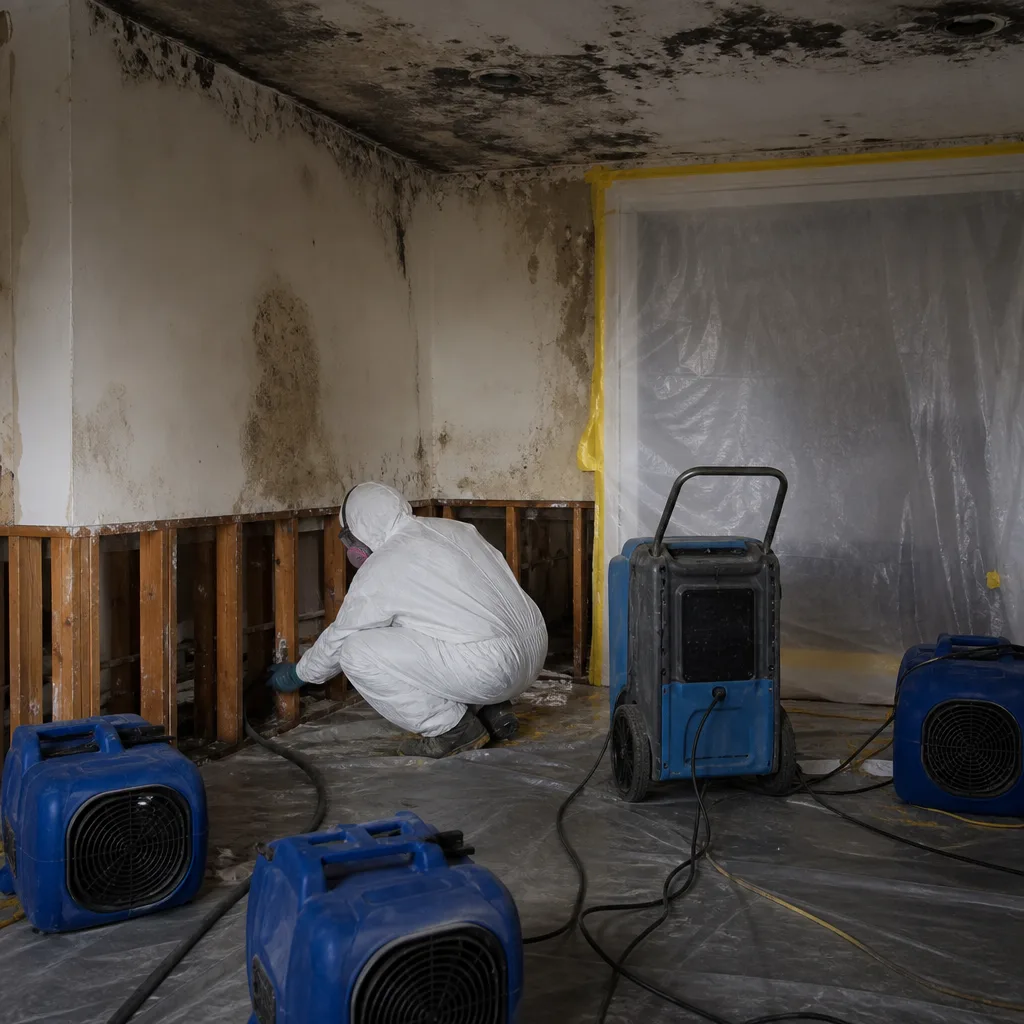
Standing water comes out first. Truck-mounted and portable extractors pull hundreds of gallons per hour. On hillside basements with groundwater intrusion, we stabilize the space: containment barriers, floor protection, and removal of saturated materials that cannot be saved. Extraction starts the same visit you call.
Drying & Dehumidification
This is where Dobbs Ferry’s plaster-and-lath homes need more than a standard protocol. We position Dri-Eaz and Phoenix air movers to create airflow across every wet surface, and place XPOWER and B-Air low-grain refrigerant dehumidifiers sized to the cubic footage. Daily readings track the dry standard. In plaster walls and cast-iron pipe chases, that timeline often runs 5 to 10 days, not 3 to 5.
Cleaning & Sanitization
Hard surfaces get cleaned and treated with antimicrobial solutions appropriate to the water category. Porous contents that can be saved get cleaned or packed out for off-site treatment. For Category 3 losses, we follow IICRC S500 protocols for sewage and contaminated water: full containment, disposal of unsalvageable porous materials, and HEPA vacuuming of affected areas.
Specialty Drying for Plaster, Hardwood, and Cast Iron
Older Dobbs Ferry homes have materials that fail differently. Plaster wicks moisture laterally. Hardwood floors cup and crown if dried too fast. Cast-iron drain lines sweat and condense. We use Injectidry panel drying systems to pull moisture from behind plaster walls without demolition, and we monitor wood moisture content with species-corrected meters so floors dry to equilibrium, not past it.
Repairs & Restoration
Once the moisture log shows the dry standard is met, our own crew rebuilds. Baseboards, drywall or plaster patches, flooring, paint, trim. We do not hand you a list of subcontractors. The same Floodline team that extracted the water restores your home to pre-loss condition, and then hands you the documentation for your insurer.
Need Emergency Water Damage Restoration in Dobbs Ferry Now?
Crews minutes away, answering live 24 hours a day. The sooner we start, the less it costs.
Working With Your Insurance Company
Most Dobbs Ferry homeowners have never filed a water damage claim until the night a pipe lets go or the basement fills. You do not have to manage it alone. Floodline Restoration Co. documents the loss from the first hour: photos of every affected room, moisture readings before and during drying, a line-item scope of work with category classifications, and daily logs showing the dry standard was met. We send it all to your adjuster directly. We speak their language because we have been doing this for over 42 years across Westchester and the Hudson corridor. That is not an accident; it is the reason we structure our documentation the way we do.
What We Provide Your Insurer
- Thorough documentation of the loss
- Photos of all damage, room by room
- Moisture readings and drying logs
- A detailed, line-item scope of work
- Direct coordination with your carrier
You still choose who does the work. That is your right. We just make sure the paperwork does not become a second job for you.
Built for Dobbs Ferry’s Loss Calendar
Water damage in Dobbs Ferry has seasons, and they follow the Hudson River’s weather patterns more than any calendar. January and February bring deep freezes that crack uninsulated supply lines in older homes, especially in unheated basements and crawl spaces cut into the hillside. When the thaw comes, those frozen pipes reveal themselves as active leaks behind plaster walls and under floors. March and April are thaw season: snowmelt and spring rain soak the clay-heavy soil above the river bluff, and that water migrates downslope into foundations days after the rain stops.
Summer is thunderstorm season. Short, intense downpours overwhelm window wells, walk-out basement entrances, and footing drains on sloped lots. The village’s steep grade off Broadway means water sheets downhill fast, pooling against foundation walls before drainage can catch up. And from late summer into fall, the Hudson River corridor funnels nor’easters and tropical remnants straight up the valley. Dobbs Ferry’s waterfront-adjacent streets saw measurable surge during Hurricane Sandy, and every storm since re-teaches the same lesson: water finds the low point, and in this village, the low point is usually a basement built into a hill.
Water Damage Restoration Across Dobbs Ferry’s Neighborhoods
The hillside streets above the Metro-North station, including Chestnut Street, Palisade Street, and the blocks along the Old Croton Aqueduct Trail, hold some of the oldest housing stock in the village. These late-Victorian and Craftsman homes sit directly on sloping lots, their basements cut into grade. We run more basement water removal and structural drying calls here than anywhere else in Dobbs Ferry, and the cause is rarely a single rainstorm. It is groundwater. Days after a storm, water that saturated the clay soil upslope migrates down through rubble-stone foundations and shows up as a slow, persistent seep.
Down toward the river on streets like Cedar Street and Beacon Hill Road, homes face a different pattern. Properties closer to the water table deal with hydrostatic pressure against foundation floors, plus occasional storm surge during coastal events. We see more sump pump failures and Category 2 water in these lower-lying blocks. Toward the Ardsley border and the higher plateau streets, burst pipe restoration is the more common winter call, especially in homes with early Romex wiring and uninsulated supply lines running through exterior walls. Every neighborhood has its own failure mode, and our crews know them by street name.
Specialized Water Damage Restoration Services We Offer in Dobbs Ferry
Basement Water Removal
Dobbs Ferry basements are rarely simple concrete boxes. Many are walk-outs or partial walk-outs carved into the hillside, with rubble-stone or brick foundation walls that have been moving water for ninety years. We extract standing water with truck-mounted equipment, but the real work is diagnosing where the water is coming from. A hillside basement that is wet four days after a rain is not a one-time leak. It is groundwater migration. We treat the source, not just the symptom.
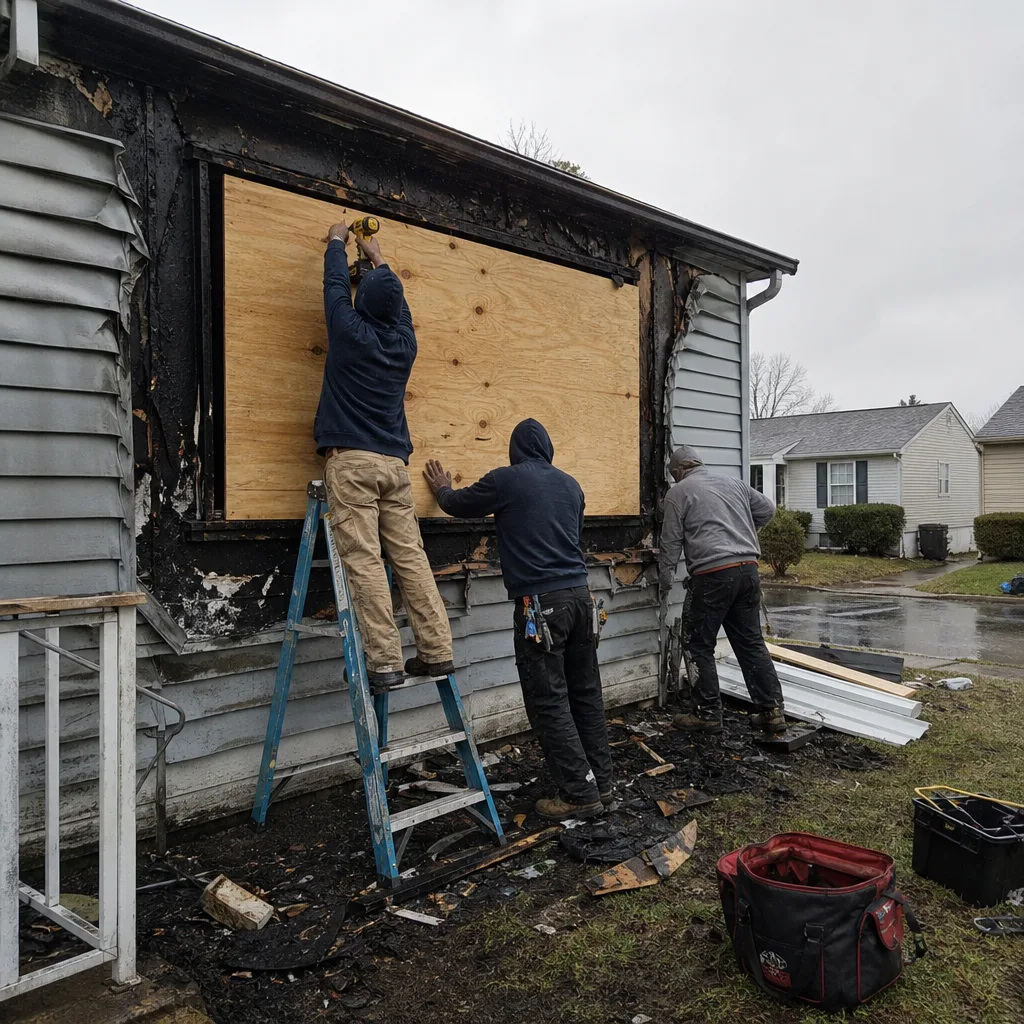
Structural Drying & Dehumidification
Plaster-and-lath walls in Dobbs Ferry’s older homes hold moisture three to five times longer than drywall. Contractors who use standard drying timelines pull their equipment too early and leave hidden microbial growth inside wall cavities. We do not. We run Dri-Eaz, Phoenix, XPOWER, and B-Air equipment sized to the space, monitor daily with moisture meters, and keep the dry log until the dry standard is met, not until the clock says we are done. In a plaster-walled, cast-iron-piped hillside basement, that can mean ten days of active drying. We tell you that on day one.
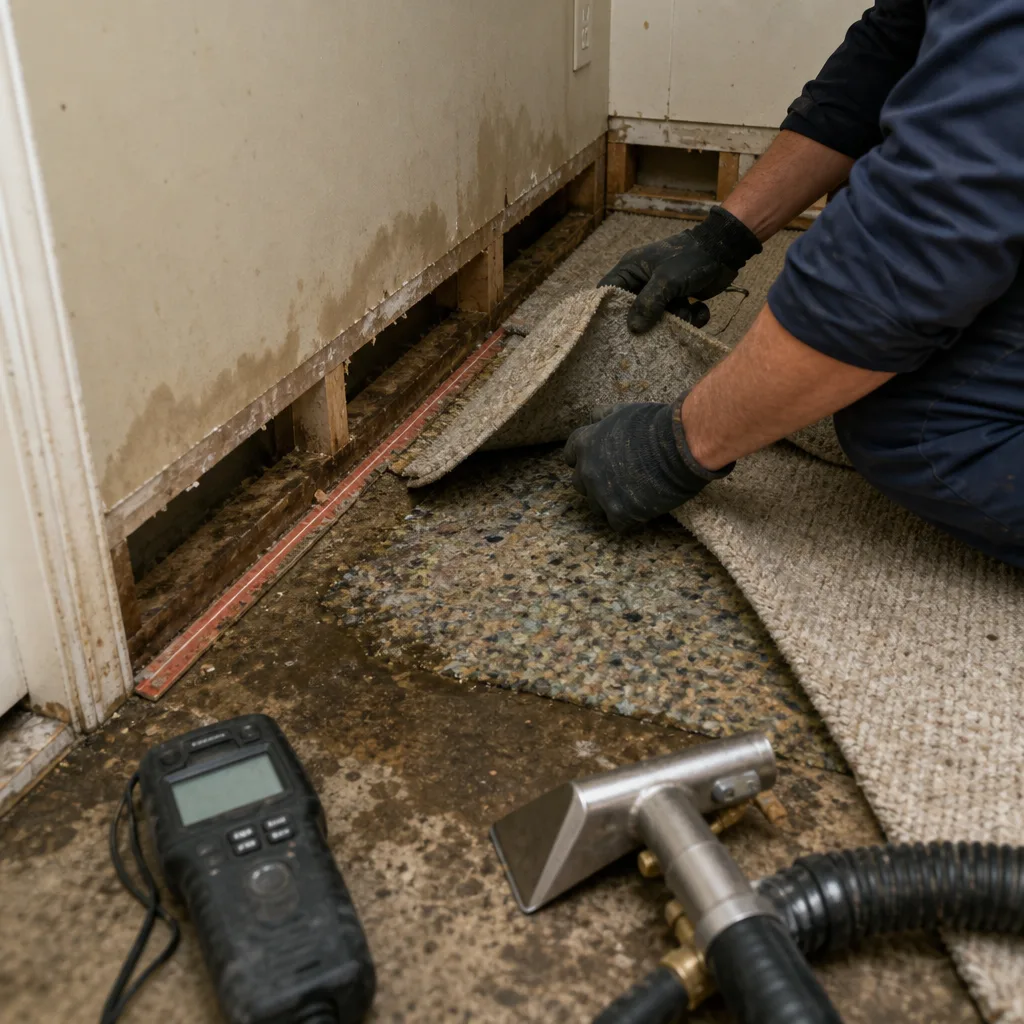
Burst Pipe Restoration
When a supply line freezes and splits in a Dobbs Ferry winter, the water is Category 1 if caught early: clean, from the municipal supply or a well. That is the good news. The bad news is that it often runs for hours or days before anyone sees it, saturating plaster walls, oak floors, and anything stored in an unfinished basement. We extract, stabilize, dry, and rebuild. And because many of these homes still have early Romex wiring and knob-and-tube in places, we are careful around every wall cavity. The water itself is clean; the demolition is not reckless.
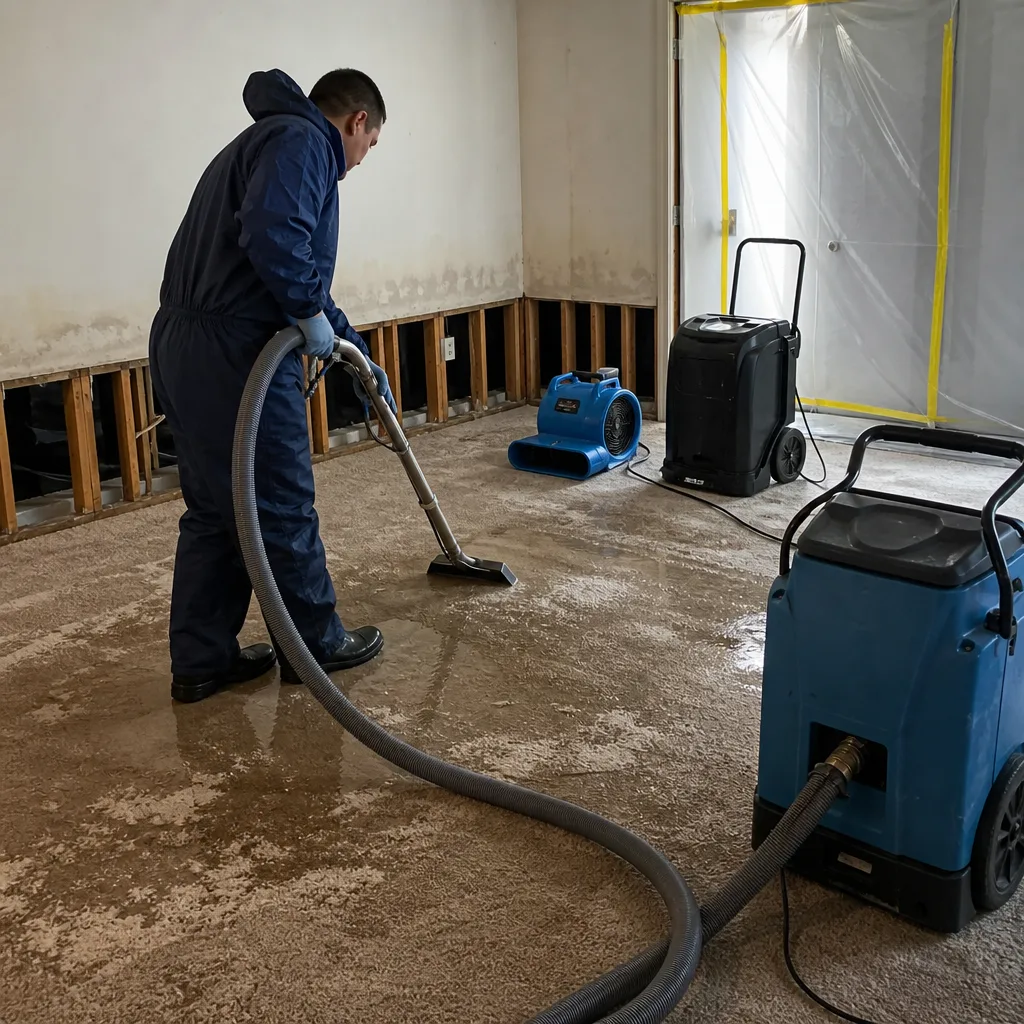
Emergency Water Extraction
Standing water in a Dobbs Ferry basement does not wait. Within 24 to 48 hours, mold starts colonizing porous materials: drywall faces, baseboards, the paper backing on insulation. Extraction is the first priority, and we get it running the same visit you call (640) 356-1140. Truck-mounted extractors pull hundreds of gallons an hour. Hand wands get into corners and behind equipment. The faster the water is out, the less material gets demoed, and the smaller the eventual scope.
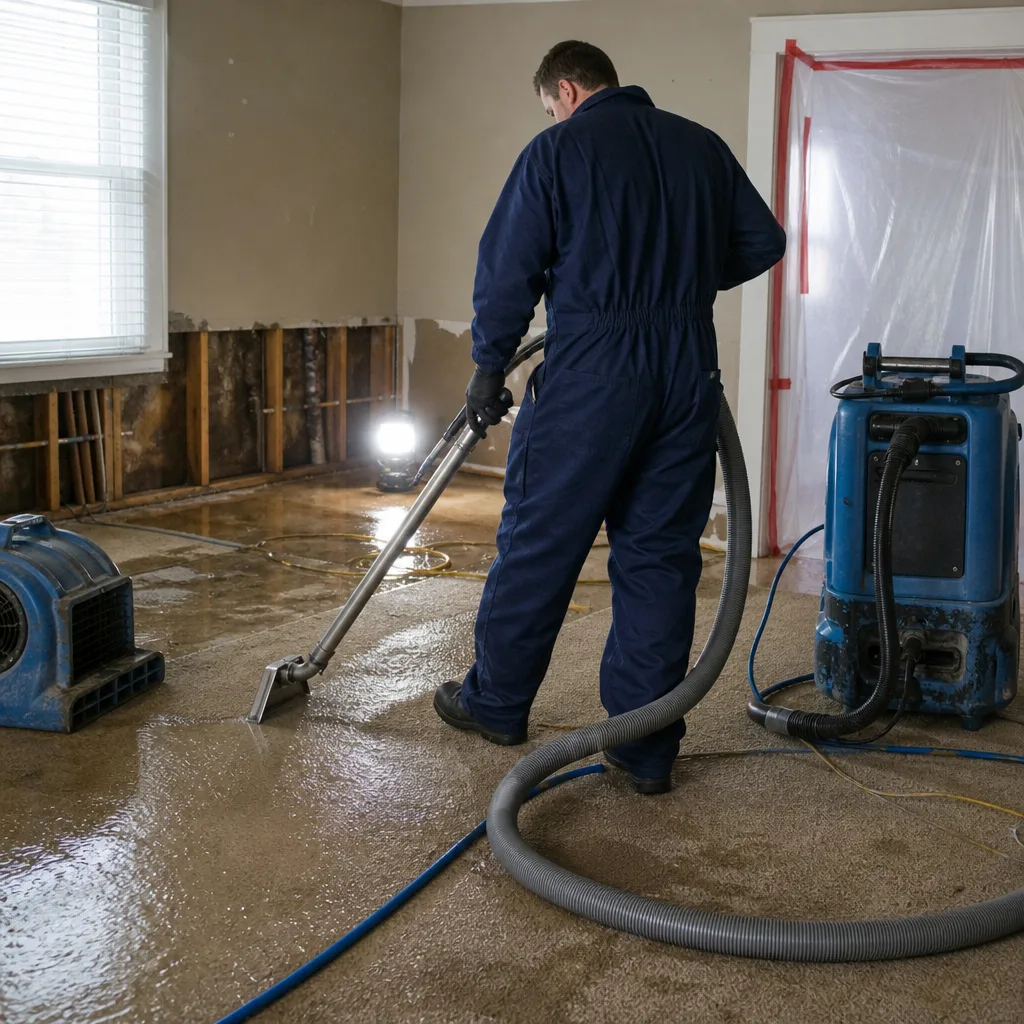
Flood Cleanup
When the Hudson River corridor sends a nor’easter up the valley, Dobbs Ferry’s low-lying streets near the river can see Category 2 or Category 3 water. That is contaminated. Flood cleanup means full containment, HEPA air scrubbing, disposal of saturated porous materials, and antimicrobial treatment of everything that remains. Our crews are certified to IICRC, RIA, and IFA standards, and we follow the S500 protocols to the letter. No shortcuts, because a flood cleanup that leaves contamination behind is a health hazard wearing a fresh coat of paint.
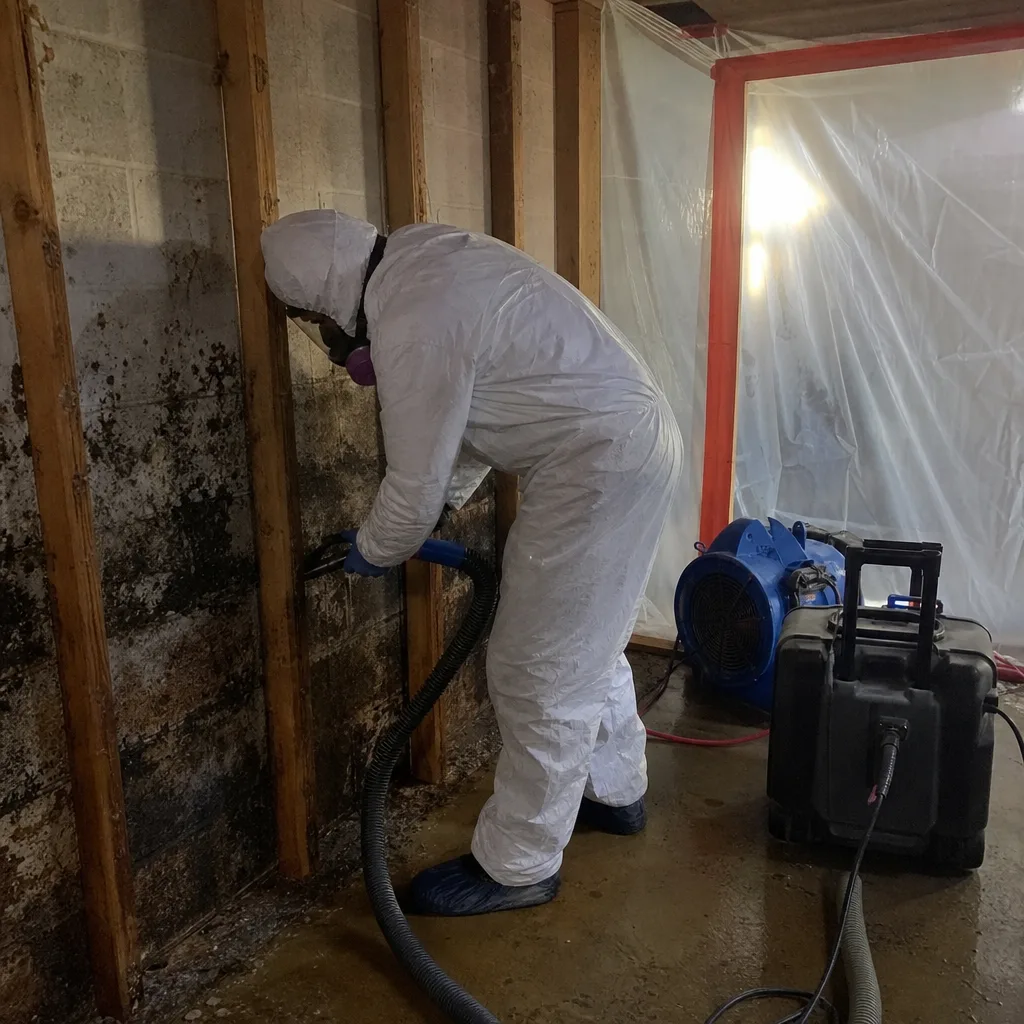
What happens when you call
- 1
A real person answersNo phone trees - you reach a local pro.
- 2
You get an upfront price rangeHonest numbers before anyone is dispatched.
- 3
A background-checked tech heads outLicensed & insured, dispatched right away.
- 4
You approve before work beginsNothing starts until you say go.
Water Damage Restoration Costs in Dobbs Ferry, NY
A straightforward Category 1 water extraction in an unfinished Dobbs Ferry basement usually runs $900-$1,800. Add structural drying with daily monitoring in a plaster-walled finished basement, and the range climbs to $2,500-$5,000. Burst pipe restoration with drywall and baseboard replacement in a finished space typically lands between $3,200 and $6,500. Category 3 sewage backups or groundwater contamination with full containment and pack-out start around $5,000 and can exceed $10,000 on larger hillside basements. What moves the price: water category, square footage, how long the water sat, and whether walls are plaster or drywall. Insurance covers most sudden and accidental losses. We will give you a firm, written scope after a free visual inspection, before any work starts. Call (640) 356-1140 to schedule it.
We Also Serve Cities Near Dobbs Ferry
Floodline Restoration Co. serves Dobbs Ferry and the surrounding Westchester communities, including Tuckahoe and Bronxville. If your home is in a neighboring village and you are dealing with water damage, the same live dispatch, certified crews, and written guarantees apply. Call us and we will route the nearest team.
Dobbs Ferry Water Damage Restoration Questions, Answered
Why does my Dobbs Ferry basement get wet days after a rainstorm, not during it?
Because your basement is not filling with rain. It is filling with groundwater. Dobbs Ferry’s hillside homes sit on clay-heavy Westchester soil, and water from upslope takes days to migrate down through that soil and into rubble-stone or brick foundations. The water arrives late, seeps through mortar joints, and keeps coming long after the sky clears. Call (640) 356-1140 for a moisture assessment that traces the actual source.
How does Floodline Restoration handle water damage in Dobbs Ferry homes with plaster-and-lath walls and cast-iron drain lines?
We dry them slower and measure more. Plaster wicks moisture laterally and holds it far longer than drywall, so our structural drying protocols in these homes run on daily moisture readings, not fixed timelines. Cast-iron drain lines sweat and condense, and freeze-thaw cycles crack them, which can release Category 3 water. We use Injectidry panel systems to dry behind plaster without demolition, and we plan for extended drying from the first inspection.
Can you restore a Dobbs Ferry basement that has continuous groundwater seepage through a rubble-stone foundation?
Yes, but restoration starts with diagnosis. Continuous seepage is a site condition, not a one-time event. We extract the water, dry the space to standard, and treat for microbial growth, then we identify the entry points and recommend waterproofing or drainage corrections. Our Water Damage Restoration team does the full scope: extraction, drying, and the rebuild. The same crew handles daily readings and hands you the log.
What water category is typical for Dobbs Ferry burst pipe restoration, and how does it affect the scope of work?
A clean supply line burst is Category 1 water, which is the easiest category to restore. But if that pipe ran for hours or days before discovery, or if it passed through wall cavities with dust and insulation, it degrades toward Category 2. The category drives everything: whether materials get cleaned or removed, what level of containment is required, and how much demolition the scope includes. We classify the water during inspection and explain it in writing.
How long does structural drying take in a Dobbs Ferry hillside basement with plaster walls and cast-iron pipes?
Usually 5 to 10 days. Plaster holds moisture far longer than drywall, and cast-iron pipe chases trap humid air. A contractor using a standard 3-to-5-day timeline on this type of home is under-drying and leaving hidden mold behind. We run daily moisture readings and do not call the job done until the dry standard is met, not until the calendar says we should be finished.
How fast can you actually get to a water damage emergency in Dobbs Ferry?
Within 45 minutes in most parts of the village. Our crews stage in and around Dobbs Ferry, and our dispatch is live 24/7. You call (640) 356-1140, a real person answers, and a crew is routed immediately. Extraction is running the same visit.
Will my insurance cover water damage restoration in Dobbs Ferry?
Most sudden and accidental water losses are covered: burst pipes, water heater failures, appliance leaks. Groundwater seepage through foundations is typically excluded, which is exactly why diagnosing the true source matters before you file. We document everything, bill your carrier directly, and coordinate with your adjuster. The free visual inspection includes a written explanation of what we found, which helps you have an informed conversation with your insurer.
What should I do in the first 30 minutes after discovering water damage?
Call (640) 356-1140. Then, if it is safe, shut off the water supply at the main valve, turn off electricity to the affected area at the breaker, and move small valuables to dry ground. Do not use a shop vac on sewage water, do not walk through standing water if wiring is exposed, and do not wait to see if it dries on its own. In a Dobbs Ferry home with plaster walls, water that sits for even one day is already migrating into cavities where mold starts within 24 to 48 hours.
Serving Dobbs Ferry, NY - Our Local Coverage Area
We’re based in the Dobbs Ferry area and know this community well. Use the map below to see our service coverage - if you’re nearby, we can almost certainly help.
We recently handled this one on Chestnut Street
We got a call from a 1920s Craftsman on Chestnut Street, just above the Metro-North station. The homeowner said he had a “basement leak after rain.” What our crew found was continuous groundwater seeping through pre-World War II rubble-stone foundation walls, the water arriving days after the storm as it migrated downslope through the clay-heavy soil. Our technicians used moisture mapping and moisture readings to track the water’s path, then set up containment and structural drying with air movers and dehumidifiers. The job ran over a week because the plaster-and-lath walls and cast-iron drain lines slowed evaporation. We replaced a section of waterlogged baseboard and applied antimicrobial treatment to prevent mold. The basement went back to pre-loss condition, and the homeowner got a moisture log he could show his insurer. That is the job done right, and it is the standard we hold on every Dobbs Ferry call.
Written by Curt Bowman, Owner at Floodline Restoration Co., serving Dobbs Ferry and Westchester County since 2010.